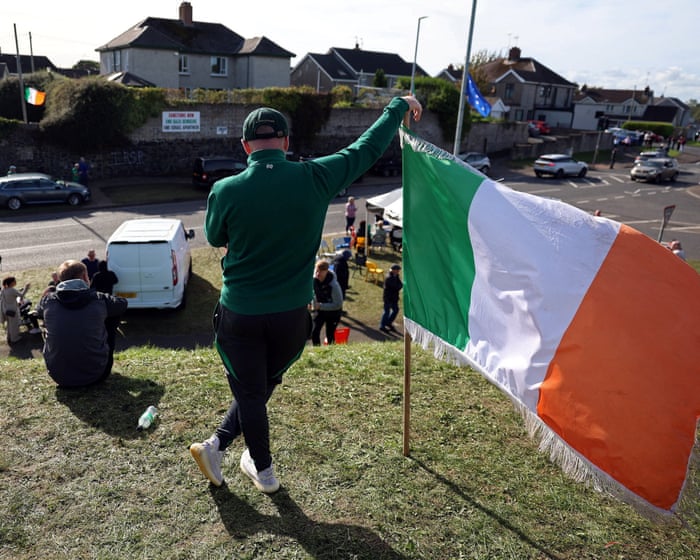
Members of the Protestant Orange Order in Northern Ireland attempted to march down Garvaghy Road, a mainly nationalist area, but were peacefully stopped by police and community members. Although no violence occurred, the event highlighted ongoing tensions between nationalist and unionist communities amid changes after the Good Friday Agreement and Brexit.
Key Facts
The Drumcree dispute relates to the Orange Order’s march down Garvaghy Road in Portadown, a nationalist area.
Thirty-five Orange Order members tried to march but were blocked peacefully by police and locals.
The march has not been allowed on this road for 28 years due to past violence.
The Parades Commission said the march was legally allowed this year.
Nationalist community gathered in large numbers to stop the march, showing unity and confidence about a possible united Ireland.
Northern Ireland First Minister Michelle O’Neill spoke against unionist dominance and supported nationalist aspirations.
The situation reflects deeper political divisions after the Good Friday Agreement and changes caused by Brexit.
Unionist leaders expressed concern about their community’s future amid demographic and political shifts.
Read the Original
Want the full story? Tap a source to open the original
article.
Justice Samuel Alito has stepped aside from a big climate change case involving oil companies. He did not explain why but had financial ties to oil and gas businesses and had earlier agreed to hear the case.
Key Facts
Justice Alito recused himself from a major climate case on Monday.
The case concerns lawsuits against oil companies about climate issues.
Alito had been involved earlier in deciding to hear the case.
He owns financial assets related to oil and gas companies.
His recusal came without a public explanation.
The case is scheduled to be heard next week.
The reason for his recusal may relate to his financial interests.
This is a rare move for a Supreme Court justice in such a case.
Read the Original
Want the full story? Tap a source to open the original
article.
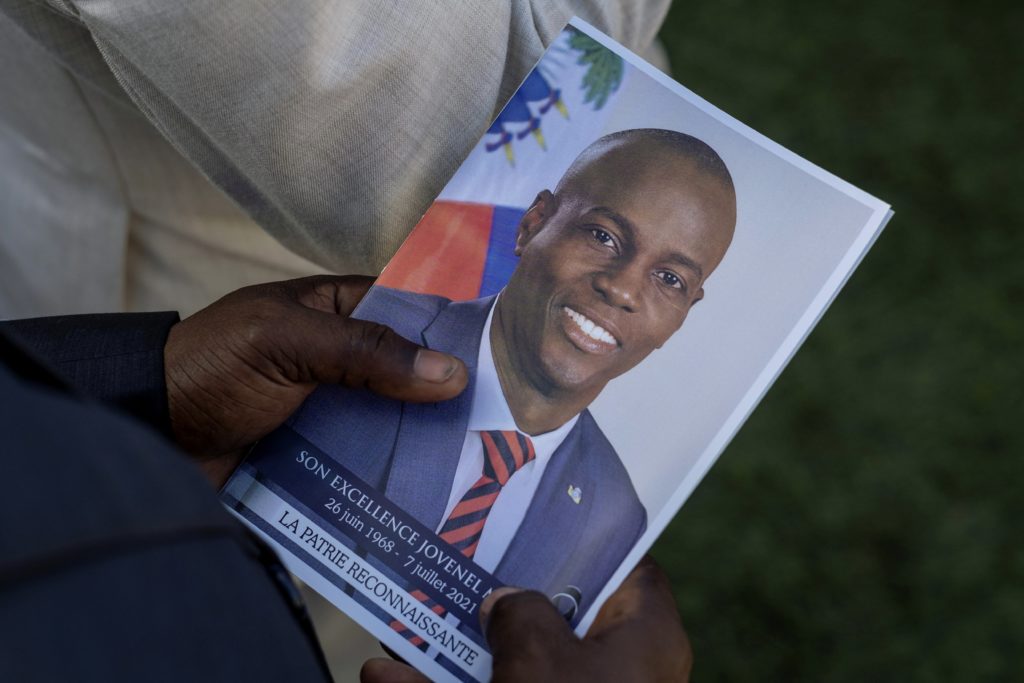
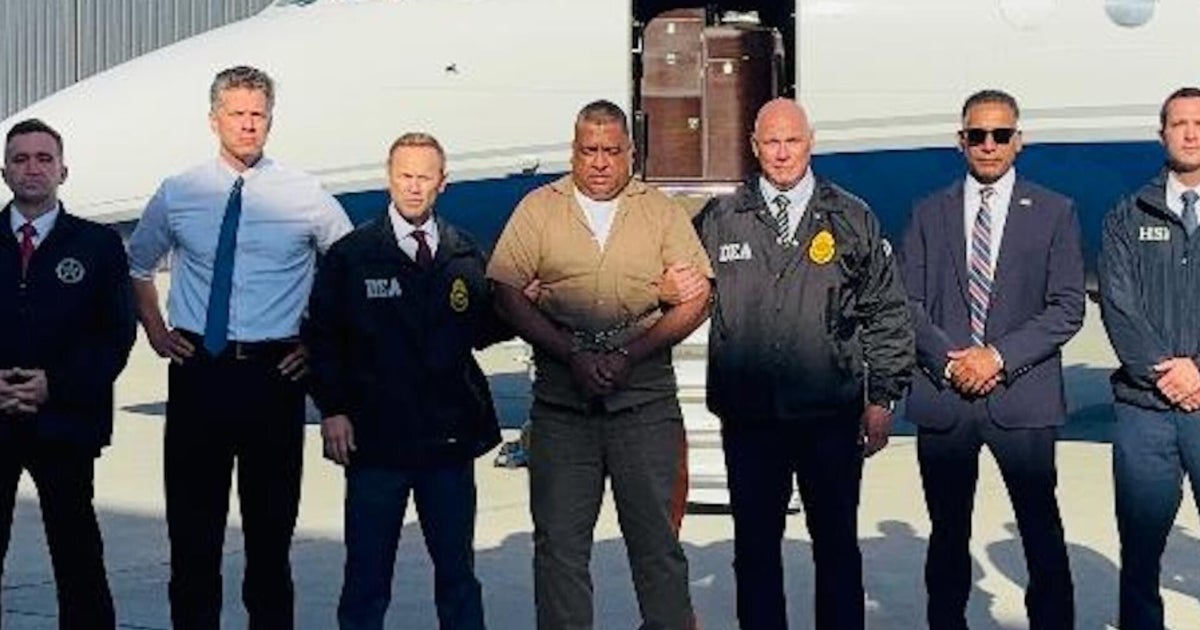
Dozens of people arrested for the 2021 assassination of Haitian President Jovenel Moïse are still awaiting trial in Miami, five years after the killing. U.S. prosecutors charged over 40 people, with some already convicted, while trials continue as Haiti remains without a president amid political turmoil and gang violence.
Key Facts
Haitian President Jovenel Moïse was killed on July 7, 2021, in an attack on his home near Port-au-Prince.
More than 40 individuals have been charged in the U.S. in connection with Moïse’s assassination; over a dozen have been convicted.
Miami, Florida, was a key location for planning and financing the assassination plot.
Christian Emmanuel Sanon, a Florida pastor and dual Haitian-American citizen, is on trial facing charges related to conspiracy in the assassination.
The plan involved using mercenaries, mainly Colombians, and funding that included money from U.S. COVID-19 relief programs.
Haiti has not had a president since Moïse’s death and faces ongoing challenges with gang violence and political instability.
Haiti’s justice system has struggled with investigations due to threats, judge resignations, and control of court buildings by gangs.
The prosecution is held in the U.S. because of difficulties conducting trials in Haiti.
Read the Original
Want the full story? Tap a source to open the original
article.
The conflict between the United States and Iran remains tense, with limited and fragile diplomatic efforts taking place. Saudi Arabia is upset with President Donald Trump’s shifting approach, which alternates between negotiating deals with Iran and carrying out harsh military actions.
Key Facts
Barbara Slavin from the Stimson Center says US-Iran relations are marked by military moves, unclear diplomacy, and political strategy.
Recent indirect talks between Washington and Tehran, helped by Qatar, have not led to real progress.
These talks are described as "kabuki diplomacy," meaning the sides seem to negotiate but avoid making real compromises.
Saudi Arabia is increasingly involved and upset by developments in the conflict.
The conflict affects regional security, including threats from the Houthi group and problems near the Strait of Hormuz, important for global oil shipping.
Both the US and Iran have strong domestic reasons not to back down, fearing political costs.
President Trump risks appearing weak if he compromises, while Iran might wait due to oil market pressure.
Diplomacy may continue to be difficult, with uncertainty over whether either side will ease tensions without losing political support.
Read the Original
Want the full story? Tap a source to open the original
article.
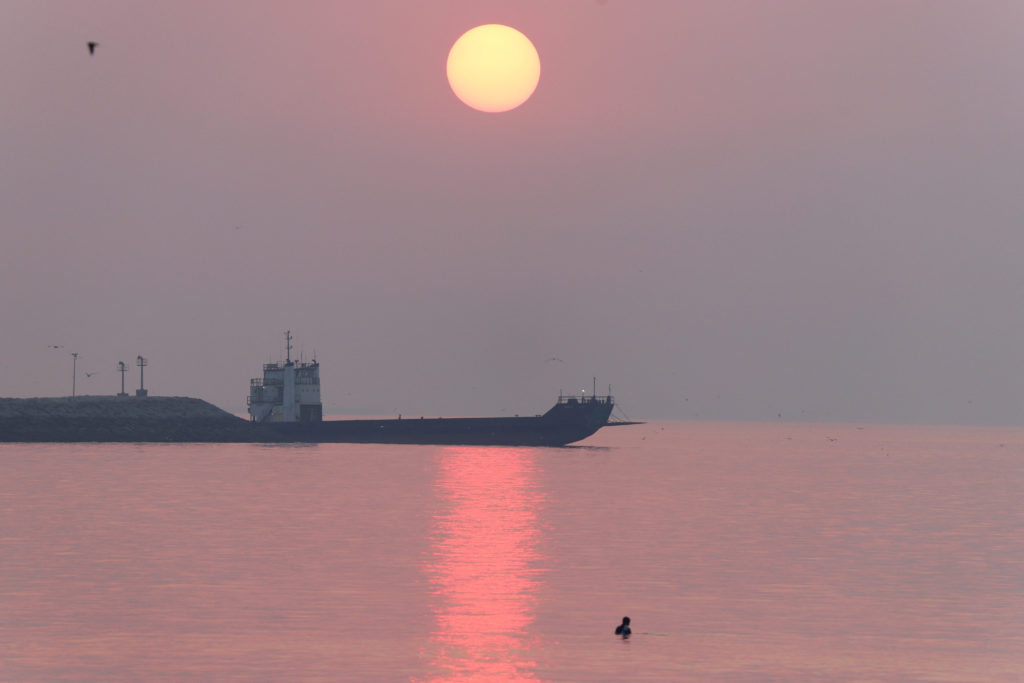
President Donald Trump rejected Iran's offer to reopen the Strait of Hormuz for seven days, despite hopes it might ease tensions. His decision focused on maintaining strong U.S. deterrence and not allowing Iran to control this vital trade route or exploit American domestic politics.
Key Facts
The Strait of Hormuz is a key global shipping route often disrupted by Iran.
Iran offered to open the waterway for seven days, suggesting a short-term pause in conflict.
President Trump rejected this offer, seeing it as a tactic by Iran to weaken U.S. pressure.
Accepting the offer could have allowed Iran to control global commerce flow and gain influence.
The timing of the offer was during the U.S. midterm election period, a moment Iran hoped to exploit.
Rejecting the proposal was meant to show U.S. strength and commitment regardless of election pressures.
Iran faces a serious economic crisis due to U.S. maximum-pressure sanctions.
The offer was viewed by the Trump administration as a desperate move by Iran, not a genuine peace attempt.
Read the Original
Want the full story? Tap a source to open the original
article.
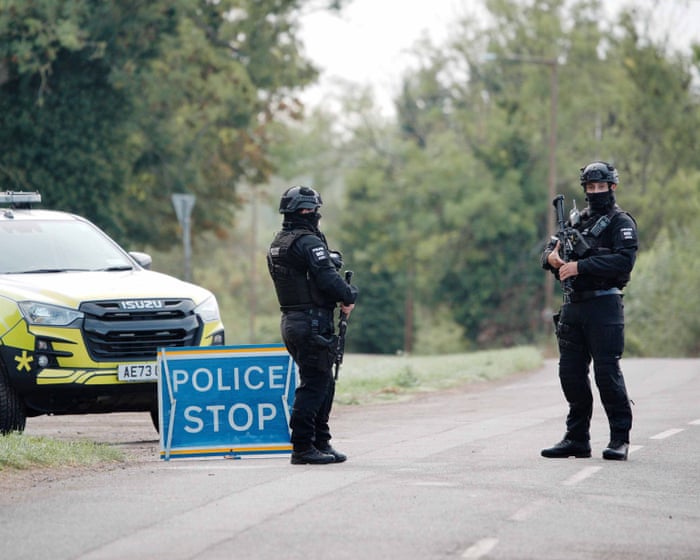
Five British men were arrested over a possible terrorist plot at a UK air base used by the U.S. military. They have been released on bail but are still under investigation by the UK’s counterterrorism police.
Key Facts
Five men were arrested in connection with a potential terrorist attack.
The incident involved a British air base operated by the U.S. military.
All five men are British citizens from London.
Their ages range from 23 to 25 years old.
The men were released on bail after arrest.
They remain under investigation by UK counterterrorism police.
No further charges or details about the plot have been disclosed yet.
Read the Original
Want the full story? Tap a source to open the original
article.
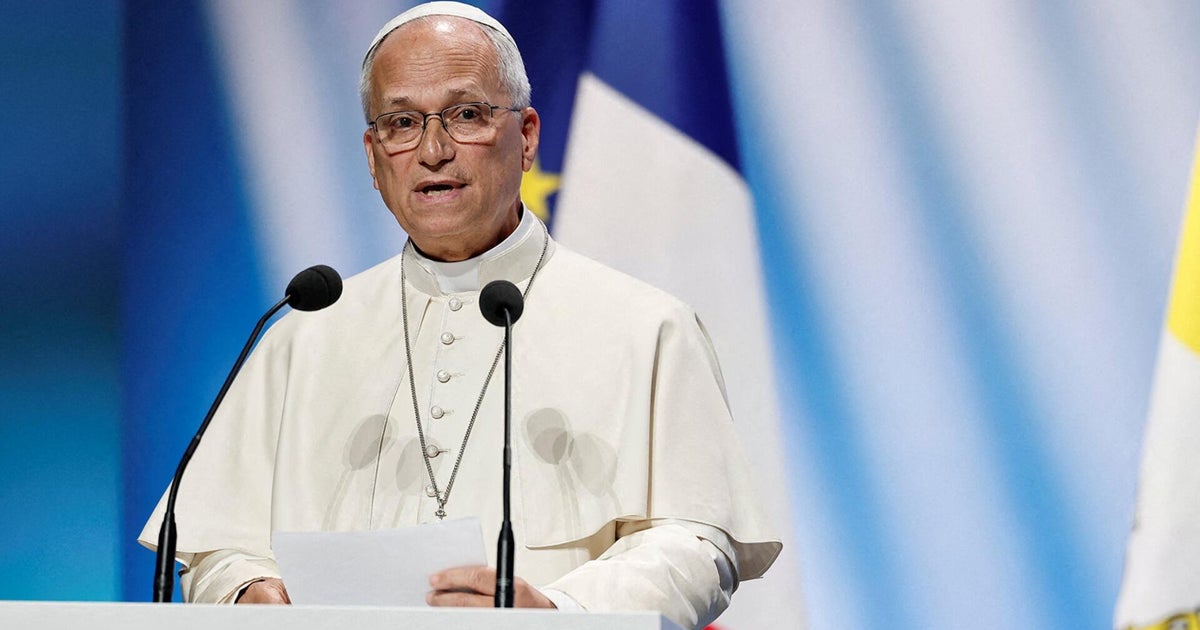
Pope Leo spoke against France’s new law that allows assisted dying. He said that helping people end their lives this way is wrong. His comments came during a visit to France.
Key Facts
Pope Leo visited France recently.
France legalized assisted dying, which means allowing people to choose to end their own lives with help under certain conditions.
The Pope called this legalization immoral during his visit.
Assisted dying laws are a subject of debate in many countries.
The Pope’s visit and statements were reported by CBS News.
His position reflects the Catholic Church’s long-standing opposition to assisted dying.
The visit included public speeches where the Pope shared his views on moral issues.
The report was presented by CBS News correspondent Chris Livesay.
Read the Original
Want the full story? Tap a source to open the original
article.
An Istanbul court convicted comedian Deniz Göktaş of insulting President Erdoğan and sentenced him to nearly 19 months, but ordered his release because he already spent about 90 days in jail. He cannot leave Turkey due to a travel ban, and the case will be reviewed by an appeals court.
Key Facts
Deniz Göktaş was convicted of insulting President Erdoğan.
He was sentenced to almost 19 months but released due to time already spent in prison.
Göktaş spent 88 days in solitary confinement before release.
A key line in his comedy called Erdoğan "a shy dictator."
Prosecution wanted up to 12 years in prison.
Göktaş denies the insult, calling "dictator" a political description.
Supporters cheered the verdict, doubting a fair trial before.
Many others, including journalists and activists, remain imprisoned in Turkey.
Read the Original
Want the full story? Tap a source to open the original
article.
UN experts warned that the United States' policy of deporting thousands of people to countries they have no connection to is causing human rights abuses. These deportations increase the risks of torture, slavery, trafficking, and disappearances, especially for vulnerable groups such as asylum seekers and migrants.
Key Facts
Since January 2025, the US has deported over 25,000 third-country nationals to more than 35 countries, including Burundi, Libya, and South Sudan.
Many deportees are sent to countries with no ties to them, which can worsen their situation and the reasons they fled.
UN experts say the deportation agreements violate the principle of non-refoulement, which protects people from being sent to places where they face harm.
The deportations raise risks of torture, ill-treatment, forced disappearance, arbitrary detention, slavery, and trafficking.
Vulnerable groups most at risk include children, women, people with disabilities, victims of trafficking, LGBT individuals, human rights defenders, and stateless persons.
Many destination countries lack proper asylum systems, protection facilities, and medical care for deported people.
The UN experts have informed the US and involved governments about these concerns.
The experts are independent and do not officially represent the UN, but work under the UN Human Rights Council.
Read the Original
Want the full story? Tap a source to open the original
article.
Fighting has erupted in Baidoa, a city in Somalia, between the national army and local fighters loyal to the ousted regional president. The violence has caused deaths and injuries, damaged medical facilities, and made it hard for civilians to get help.
Key Facts
The clashes involve Somali government forces and fighters loyal to former South West State President Laftagareen.
The fighting intensified on Monday with use of fighter jets and drones.
The army says it forced the local fighters out after heavy casualties.
Local fighters reportedly used vehicles and drones loaded with explosives.
President Hassan Sheikh Mohamud's government sent troops to remove Laftagareen in March.
Medical group Doctors Without Borders reported three deaths and many injured, including children.
Roads and hospitals in Baidoa are blocked, limiting access to medical care.
This is the third outbreak of fighting in Baidoa in six weeks, causing serious harm to civilians and health services.
Read the Original
Want the full story? Tap a source to open the original
article.
Five men were arrested near RAF Fairford in the UK on suspicion of a bomb plot but were released on bail without charges. There is no clear evidence linking Iran directly to the alleged plot, though the base has been a target of concern due to its use by the US military for operations against Iran.
Key Facts
Five men were stopped at RAF Fairford, a US air force base in the UK, early Sunday morning and later released on bail.
The men were arrested on suspicion of carrying explosives and planning a terror attack but no explosives were found.
UK security services acted on last-minute warnings and a local farmer’s phone call reporting the vans blocking her driveway.
RAF Fairford stores US bombers used in military actions, including strikes against Iran.
Iran’s Islamic Revolutionary Guard Corps had warned bases like Fairford were "legitimate targets" after US attacks on Iranian sites.
Police said all five men are UK nationals from London.
UK threat levels around the base were high due to general concerns about attacks on US military sites, not specific intelligence about this event.
There is no clear evidence yet showing Iran’s involvement in this incident.
Read the Original
Want the full story? Tap a source to open the original
article.
Iran says it has successfully attacked ships near the Strait of Hormuz, causing the US Navy to move its warships further away from Iran’s coast. US reports confirm some service members were injured during recent attacks, while the Strait continues to see significant oil shipments despite ongoing tensions.
Key Facts
Iran claims it attacked ships, including US Navy vessels, near the Strait of Hormuz.
The US reported eight Marines suffered smoke inhalation and possible brain injuries from an Iranian missile strike on September 14.
US officials said the vessel hit was not a US Navy ship.
The Pentagon has quietly reported 861 service members wounded and 19 deaths since the war began on February 28.
US warships reportedly moved further into the Arabian Sea to avoid Iranian missile threats.
Iran’s Supreme Leader said US forces pull back due to “painful blows” from Iranian fighters.
The US maintains a naval blockade of Iran’s southern ports and rejects Iran’s proposal to reopen the Strait of Hormuz.
Nearly 13 million barrels of crude oil are passing daily through the Strait despite conflict and blockade efforts.
Read the Original
Want the full story? Tap a source to open the original
article.
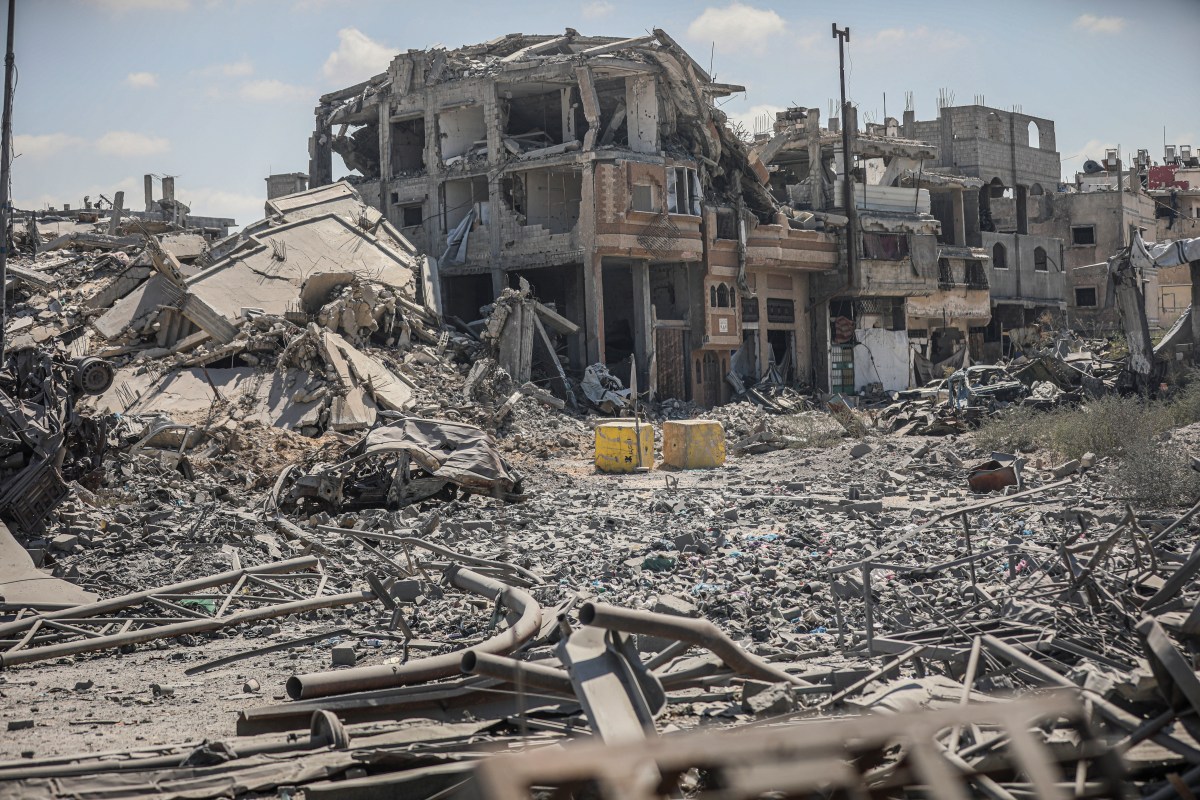
Google Earth updated satellite images of Gaza show widespread destruction caused by the conflict between Israel and Hamas. According to data, about 82 percent of buildings in Gaza have been damaged or destroyed due to Israeli military actions following Hamas attacks in October 2023.
Key Facts
The new Google Earth images display heavy damage to Gaza’s buildings and neighborhoods.
The images highlight destruction in cities like Rafah and around Al Shifa Hospital in Gaza City.
At least 82% of Gaza’s structures, around 200,000 buildings, have been damaged or destroyed.
The conflict began after Hamas attacks on southern Israel on October 7, 2023.
Since then, 74,016 Palestinians have died and 175,068 have been injured, according to Gaza’s Health Ministry.
A ceasefire started on October 10, 2025, but Israeli strikes continue in response to threats.
About 1.9 million people in Gaza have been displaced, with over 60% losing their homes.
The destruction includes damage near critical infrastructure and hospitals amidst dense population areas.
Read the Original
Want the full story? Tap a source to open the original
article.
Russian drones attacked several civilian targets in Kyiv, Ukraine, including the National Academy of Sciences, killing at least seven people and injuring more than 80. The strikes also hit other cities like Dnipro, Kharkiv, Zaporizhzhia, and Odesa, damaging homes, offices, and cultural sites.
Key Facts
Russian drones struck Ukraine’s National Academy of Sciences in central Kyiv.
At least seven people died and over 80 were wounded from the attacks.
A woman was killed when a high-speed drone hit the academy building near the German embassy.
Firefighters helped people escape as the building caught fire.
Mayor Vitali Klitschko called the strikes terror aimed at hurting civilians’ morale.
Three people were killed in a strike on an office center in Dnipro.
Other cities hit by attacks include Kharkiv, Zaporizhzhia, and Odesa.
Russia says it targets military sites, but Ukraine says Russia is attacking civilians and infrastructure to harm its economy and force peace concessions.
Read the Original
Want the full story? Tap a source to open the original
article.
British police have released five men on bail after arresting them in connection with a suspected terror incident at a Royal Air Force (RAF) base. The investigation is still ongoing, and the men must follow strict rules about their movements and who they can contact.
Key Facts
Five men were arrested over a suspected terror incident at an RAF base in the UK.
All five suspects have been released on police bail.
The men are under strict conditions limiting their movement and contacts.
The investigation is still active and ongoing.
British counter-terrorism officials are leading the investigation.
Police described the suspects’ release on bail as part of the ongoing process.
The incident involved concerns about terrorism at a military site.
Read the Original
Want the full story? Tap a source to open the original
article.
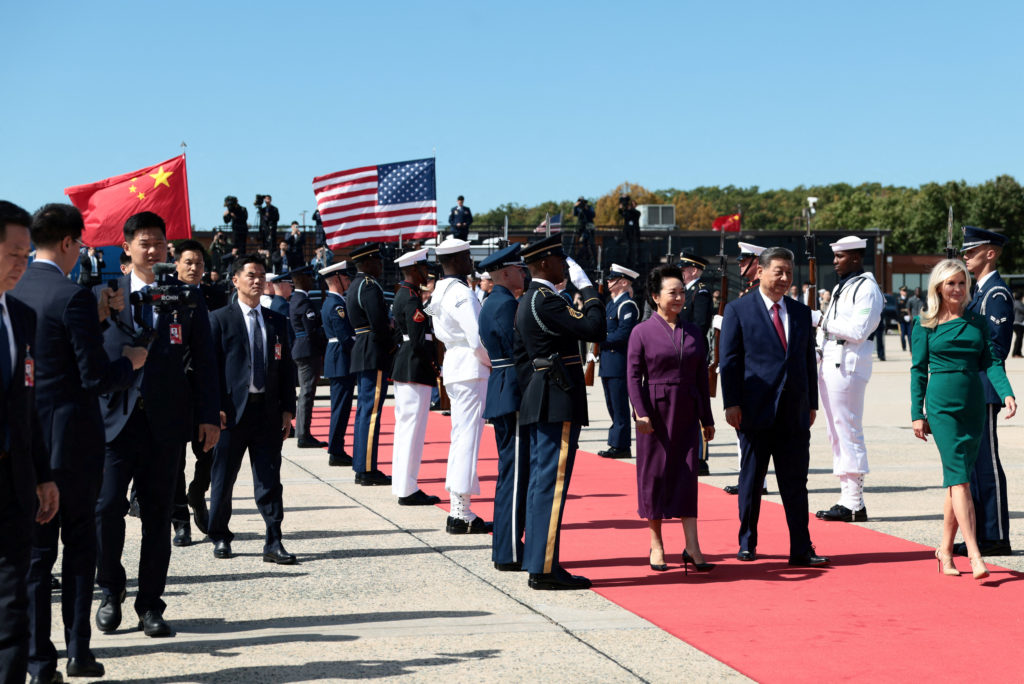
The United States and China announced lists of products worth about $30 billion each that will have lower tariffs to improve trade. This agreement followed a meeting between President Donald Trump and Chinese President Xi Jinping and aims to make trade easier by reducing taxes on many products from both countries.
Key Facts
Both countries released lists of nonsensitive goods that will see tariff cuts, covering $30 billion in imports each.
The U.S. list includes 1,619 Chinese products like toys, tableware, and Christmas ornaments.
The Chinese list includes U.S. goods such as agricultural products, hair care items, medical equipment, and coal.
Tariffs on more than 90% of these products will return to "most-favored-nation" levels, which are standard and usually low taxes.
The trade deal excludes sensitive sectors like chips, electric vehicles, and batteries.
The agreement may be updated once a year if needed.
Experts say this could boost U.S. exports to China but will have a limited overall economic impact because it covers a portion of total trade.
After the deal, the average U.S. tariff rate on Chinese goods is expected to fall slightly but remain higher than before President Trump’s recent term.
Read the Original
Want the full story? Tap a source to open the original
article.
Twelve women have been found dead in a part of South Africa called Ekurhuleni, near Johannesburg, over two months. Police have made some arrests but have not solved all cases, and they cannot rule out the possibility of a serial killer.
Key Facts
Twelve women’s bodies were found in Ekurhuleni between July and mid-September 2026.
Most victims were found partially or fully naked and showed signs of bruising.
Police have arrested suspects in three cases, but these arrests are not linked to the other deaths.
The first known victim, Busisiwe Mahlangu, was found in Kempton Park in July, with her hands tied.
Some bodies were found in different places within Ekurhuleni, including rivers and roadside areas.
One victim, Elizabeth Moselakgomo, had a highly publicized search before her body was found bruised.
Police are not yet sure if the killings are connected or done by one person.
The killings have caused fear and concern about violence against women in South Africa.
Read the Original
Want the full story? Tap a source to open the original
article.
A silent comedy film from 1919 made in New Hampshire was recently found in an antique shop in Japan. The film, called Van-ar-chy and starring entertainer Billy B Van, will be shown in New Hampshire in November as part of a historical event.
Key Facts
Van-ar-chy is a silent comedy film made in 1919 in Newport and Sunapee, New Hampshire.
It was rediscovered by Kohei Okita, a film student in Sendai, Japan, while buying old film reels.
John Tariot, an archivist of Billy B Van’s work, confirmed the film’s origin and significance.
Billy B Van was a performer turned filmmaker who opened a studio in Georges Mills, New Hampshire.
The film shows scenes of local streets, buildings, and people from the area in 1919.
Van-ar-chy will be shown on November 1 at the Newport Opera House along with another rediscovered Van comedy.
Some of Billy B Van’s films remain missing and may still exist in unknown archives or private collections.
The rediscovery helps preserve early American silent films and local history.
Read the Original
Want the full story? Tap a source to open the original
article.
Mediators continue working to reach an agreement between the United States and Iran to end conflict and reopen the Strait of Hormuz, despite President Donald Trump publicly rejecting Iran’s latest proposal. Talks aim to lift the U.S. blockade and ease sanctions in exchange for reopening the crucial shipping route and addressing Iran’s nuclear program.
Key Facts
The United States and Iran are in indirect talks to end fighting and reopen the Strait of Hormuz.
Iran proposed reopening the strait within a week if the U.S. lifts its blockade, releases frozen assets, and waives oil sanctions.
President Trump publicly rejected Iran’s proposal but has not officially dismissed it, leaving room for negotiations.
Qatar is acting as a mediator between the two countries.
The proposal includes managing shipping traffic without tolls, based on a plan Iran discussed with Oman.
The U.S. wants Iran to allow inspectors to monitor its nuclear program as part of the deal.
Both sides show some positive signals, with mediators trying to soften their positions.
The conflict has caused economic damage, including high oil prices impacting the U.S. and losses from sanctions and blockades affecting Iran.
Read the Original
Want the full story? Tap a source to open the original
article.