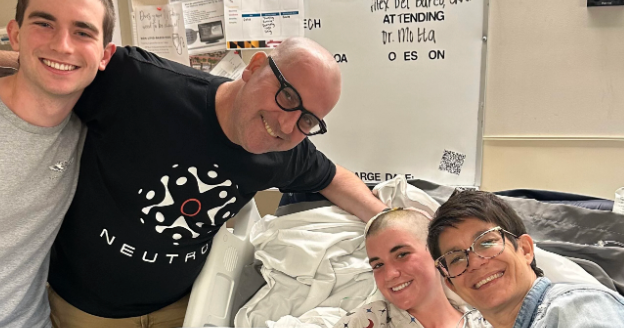
Eighteen-year-old Caroline McCaffrey suffered a severe headache caused by a ruptured brain aneurysm, a dangerous condition where a blood vessel in the brain bursts. After surgery and treatment, her family discovered that the condition might run in their family, leading other members to get tested and treated to prevent similar problems.
Key Facts
Caroline experienced a sudden, severe headache and vomiting while running on Father's Day 2025.
Doctors at the hospital initially treated her for migraines before ordering a CT scan.
The scan showed bleeding in her brain caused by a ruptured brain aneurysm.
Brain aneurysms usually affect people in their 50s, making Caroline’s case unusual.
She had surgery to repair the ruptured aneurysm and later had a second surgery to remove another aneurysm.
Caroline’s family found her great-grandmother had a brain aneurysm decades ago, suggesting a genetic link.
Caroline’s mother was tested and found to have two small aneurysms, which were successfully removed.
Having a close family member with an aneurysm significantly raises the chance of others having one too.
Read the Original
Want the full story? Tap a source to open the original
article.
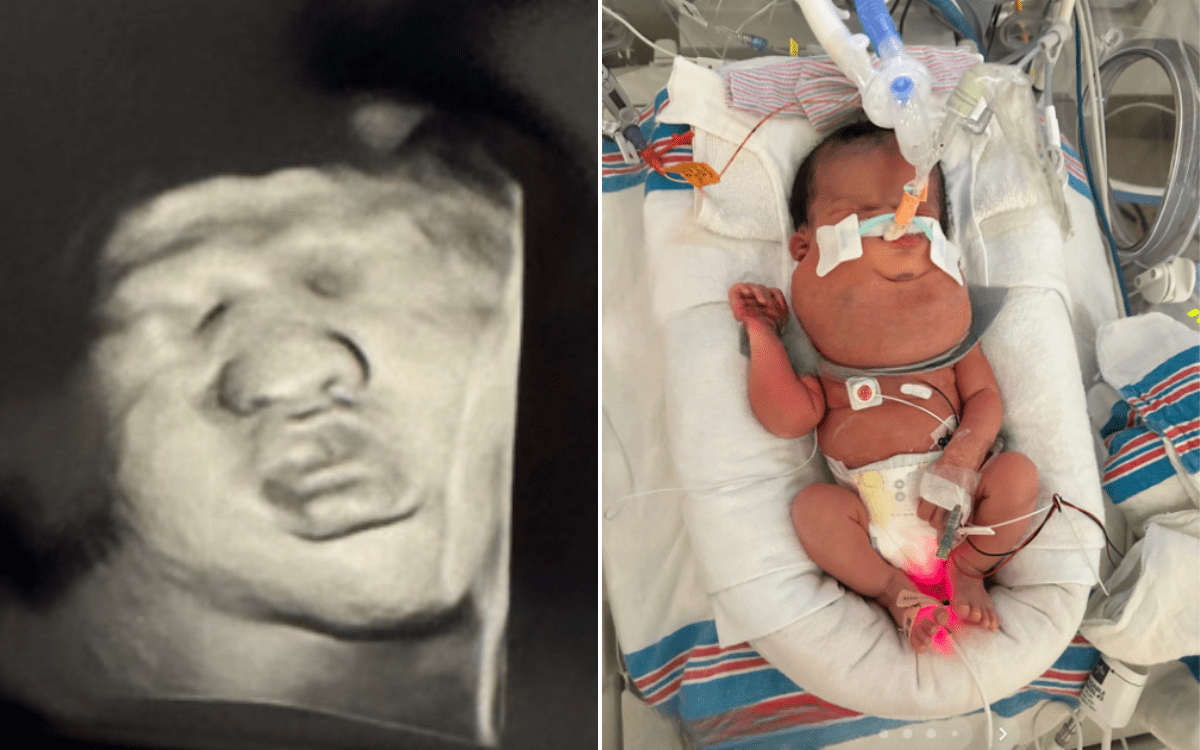
TiLiyah Dawson, a 22-year-old new mother from Georgia, discovered her unborn daughter had a rare tumor called a teratoma during a pregnancy scan. After a complicated birth and many medical procedures, her daughter Tyra is now recovering and showing signs of improvement.
Key Facts
TiLiyah Dawson was diagnosed during pregnancy with a teratoma tumor on her unborn daughter.
Teratomas are rare tumors that can include different types of tissues like bone and hair.
The condition affects about 1 in every 35,000 to 40,000 babies and can be dangerous for baby and mother.
Because of the tumor’s size, Tyra was delivered by cesarean section for safety.
After birth, Tyra had a tracheotomy to keep her airway open and a feeding tube to help her eat.
Doctors confirmed the tumor was not cancerous.
Tyra has had multiple surgeries and medical procedures, including tube removals and surgery to close an opening in her neck.
TiLiyah regularly visited the NICU despite personal challenges and is hopeful about her daughter’s progress.
Read the Original
Want the full story? Tap a source to open the original
article.
The Metropolitan Police will look again at old CCTV footage in the unsolved murder case of Jill Dando, who was shot dead outside her home in 1999. Advances in technology might help improve the images to find new clues, but the review is part of ongoing work, not a new investigation.
Key Facts
Jill Dando, a BBC presenter, was shot dead on her doorstep in Fulham in April 1999.
The murder case remains unsolved after 27 years.
The Met Police will re-examine CCTV footage from Putney Bridge train station near the time of the murder.
The footage shows an unknown man running near the scene about 20 minutes after the shooting.
New technology can now enhance old CCTV images better than before.
Barry George was once found guilty but was later acquitted and released.
The investigation has been reviewed many times since the murder.
This latest CCTV review is part of ongoing inquiries and is not a new investigation.
Read the Original
Want the full story? Tap a source to open the original
article.
Pope Leo XIV is visiting France for the first time in 18 years. During his visit, he will lead a large open-air mass in Paris expected to attract around 600,000 people and has spoken about the importance of living together in dignity and peace.
Key Facts
Pope Leo XIV is on a state visit to France.
It is the first visit by a pope to France in 18 years.
The pope will hold a large open-air mass in Paris with an expected crowd of 600,000 worshippers.
The visit includes meetings with migrants and marginalized people.
Pope Leo XIV emphasized the possibility of living together peacefully and with dignity.
He discussed that true secularism does not exclude religion.
The pope was warmly welcomed by large crowds in Paris and made a public tour in the "popemobile."
The event was held near the Stade de France stadium and included evening prayer at Notre-Dame cathedral.
Read the Original
Want the full story? Tap a source to open the original
article.
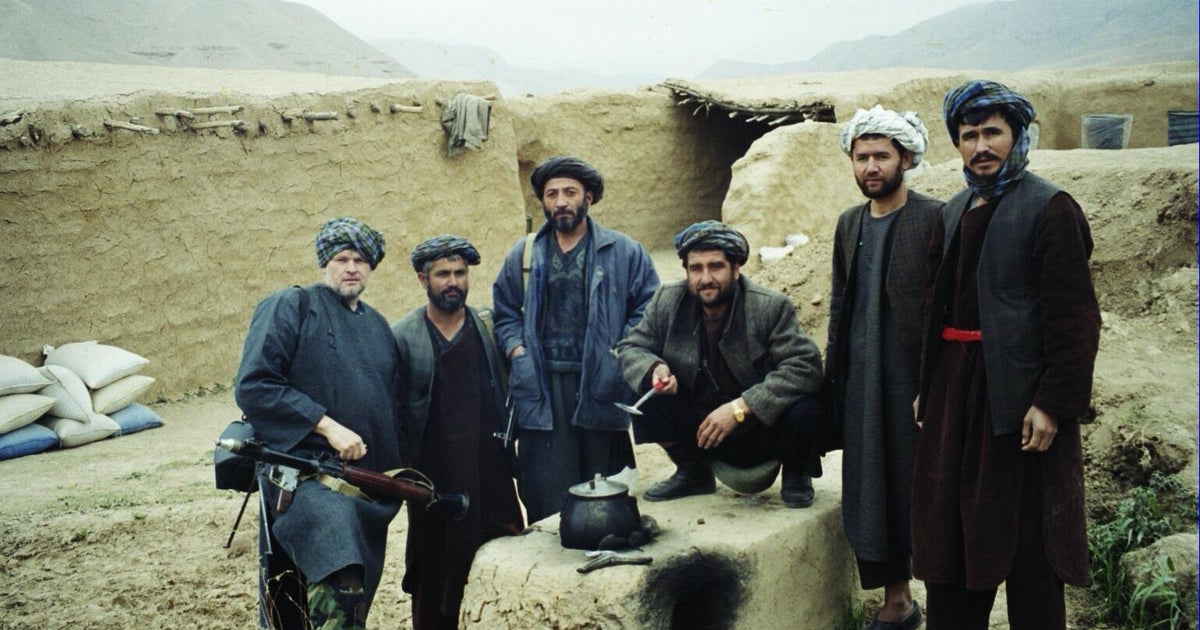
Twenty-five years ago, the U.S. sent its first CIA officers into Afghanistan shortly after the September 11 attacks to begin fighting al-Qaeda and the Taliban. They used a Soviet-designed helicopter to reach the Panjshir Valley and worked with local Afghan forces in the early stages of the war.
Key Facts
The first CIA team, called JAWBREAKER, arrived in Afghanistan on September 26, 2001.
They used a Russian Mi-17 helicopter because it blended in with local aircraft and could fly high over mountain passes.
The helicopter carried cash to support Afghan allies and helped gather intelligence.
The Northern Alliance was a main Afghan ally, and its leader, Ahmad Shah Massoud, was killed just before 9/11.
The helicopter flew over 300 missions before retiring in 2012 and is now displayed at CIA headquarters.
Another CIA team, Team Alpha, arrived weeks later to work behind Taliban lines with Uzbek forces led by Abdul Rashid Dostum.
CIA officer David Tyson, fluent in local languages, was part of Team Alpha and focused on intelligence and working with allied forces.
The mission involved close cooperation with local forces to fight the Taliban and al-Qaeda.
Read the Original
Want the full story? Tap a source to open the original
article.
Pope Leo XIV visited Paris and will celebrate a large outdoor mass expecting around 600,000 people. During his visit, he called for peace and said it is possible for people to live together with dignity.
Key Facts
Pope Leo XIV arrived in Paris for the first state visit by a pope in 18 years.
He will lead a giant open-air mass with about 600,000 worshippers expected.
The Pope emphasized living together in peace and dignity.
He met with migrants and marginalized groups in France during his visit.
Pope Leo XIV spoke about "authentic secularity," meaning that society can be secular but still include religion.
He greeted crowds while riding in the "popemobile" through Paris.
The visit included leading evening prayers (Vespers) at Notre-Dame Cathedral.
French President Emmanuel Macron is involved in hosting the Pope during this visit.
Read the Original
Want the full story? Tap a source to open the original
article.
A suicide bombing at a police checkpoint in Dera Ismail Khan, Pakistan, killed at least 11 people and injured 20 others. The Pakistan Taliban group said they carried out the attack.
Key Facts
The bombing happened in Dera Ismail Khan, in the Khyber Pakhtunkhwa province of Pakistan.
At least 11 people died, including seven security personnel.
Around 20 people were wounded in the attack.
The attack targeted a roadside police checkpoint.
Tehreek-e-Taliban Pakistan (TTP), also known as the Pakistan Taliban, claimed responsibility.
The incident took place on a Saturday.
Read the Original
Want the full story? Tap a source to open the original
article.
Comedian Stavros Halkias talks about his new stand-up special, his TV show called "Tires," and his part in a movie about Anthony Bourdain named "Tony." He shares details about his life and career in an interview with Nate Burleson.
Key Facts
Stavros Halkias is a comedian.
He has a new stand-up special.
Halkias stars in a show called "Tires."
He plays a role in the movie "Tony," which is about Anthony Bourdain.
The interview is conducted by Nate Burleson.
The interview is available on CBS News.
The content covers Halkias’s personal life and career.
Read the Original
Want the full story? Tap a source to open the original
article.
The new UK Prime Minister, Andy Burnham, is popular within his party and among supporters, creating a positive atmosphere in the Labour Party. However, he faces serious challenges, including tough budget choices and ongoing international issues like the war in Ukraine and oil prices.
Key Facts
Andy Burnham is the new Prime Minister and is well-liked by Labour Party members.
Labour's mood has improved compared to the previous year, with fewer criticisms of leadership.
Burns’ leadership style focuses on social justice and regional divides, such as between the north and south of the UK.
The party is gaining some support in opinion polls, a trend called the "Burnham bounce."
Downing Street’s political operations have become more organized and clearer under Burnham.
Chancellor John Healey will soon decide on the upcoming UK budget, which faces pressure to either cut spending or raise taxes by around £10 billion.
External issues like global oil prices, the war in Ukraine, and tensions involving the Strait of Hormuz impact the UK’s economy and international standing.
Labour’s upcoming conference is happening close to the budget announcement, adding to the political pressure.
Read the Original
Want the full story? Tap a source to open the original
article.
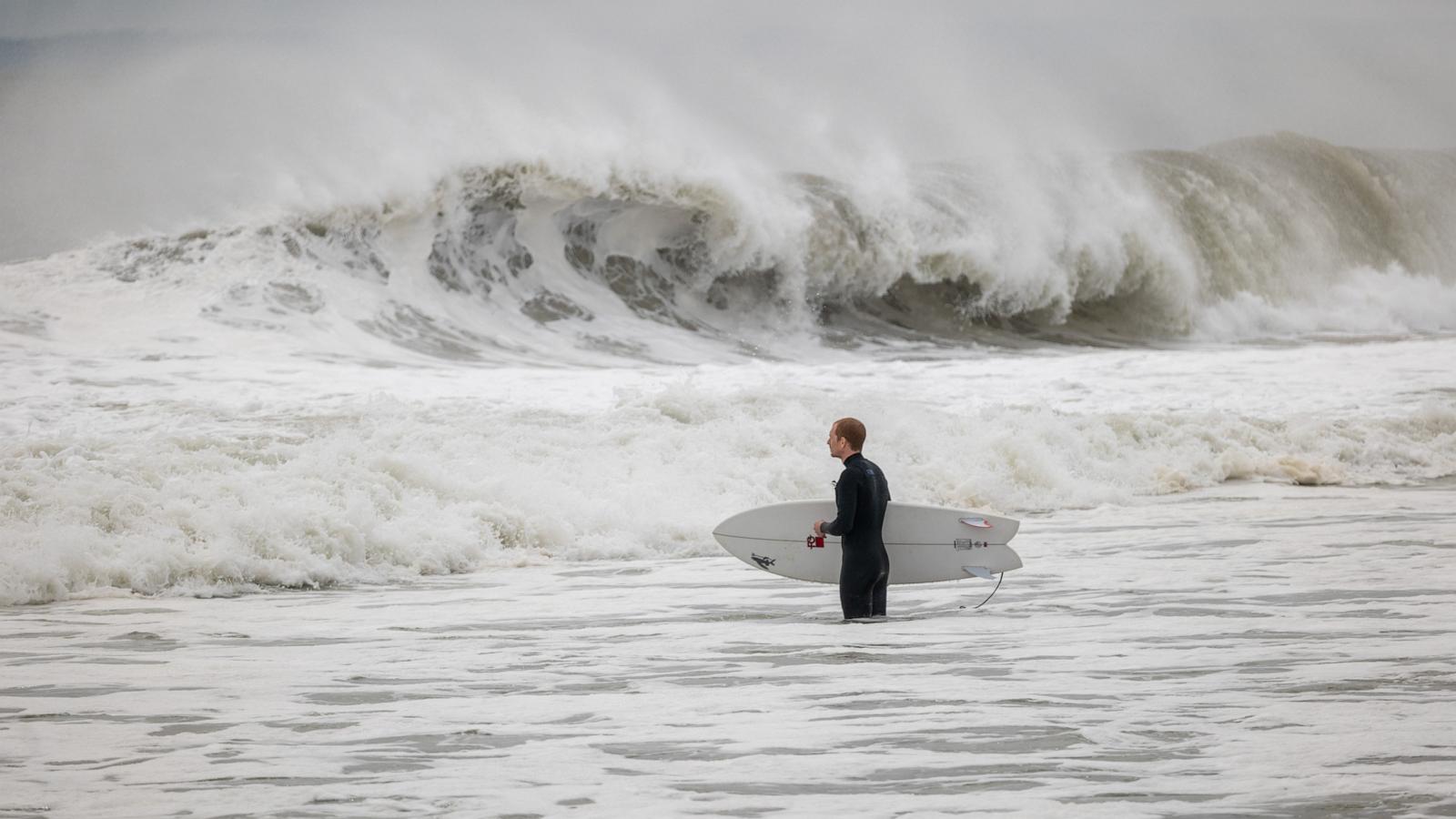
A nor’easter storm is affecting the U.S. East Coast with strong winds, heavy rain, and high waves. Coastal flooding and dangerous conditions are expected from Virginia to southern New England over the weekend.
Key Facts
The storm was about 200 miles east of the Delmarva Peninsula on Saturday morning.
Wind gusts reached up to 74 mph in Surf City, New Jersey, with other areas experiencing gusts over 60 mph.
Coastal flood alerts cover areas from eastern Virginia to southern Maine, including cities like New York, Boston, and Philadelphia.
High tides could cause moderate to major coastal flooding in parts of the Chesapeake Bay, Jersey Shore, and southern New England.
Wind advisories warn of gusts up to 45 mph in areas from Delaware to eastern Massachusetts.
High wind warnings are in place for the Jersey Shore, Rhode Island, and Massachusetts with gusts up to 60 mph.
Waves between 6 and 16 feet or higher are damaging beaches and creating dangerous conditions.
The storm will continue to bring heavy rain and wind through Sunday but should weaken later in the day.
Read the Original
Want the full story? Tap a source to open the original
article.
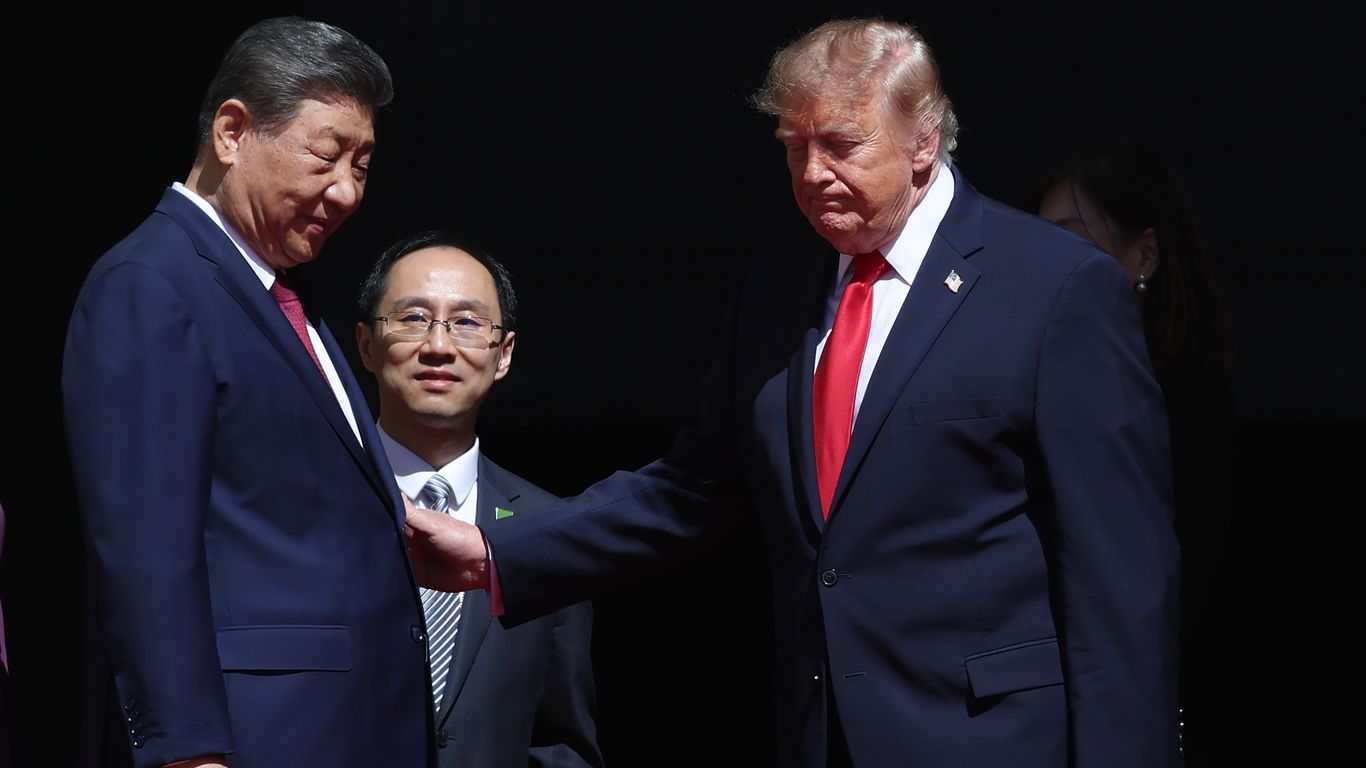
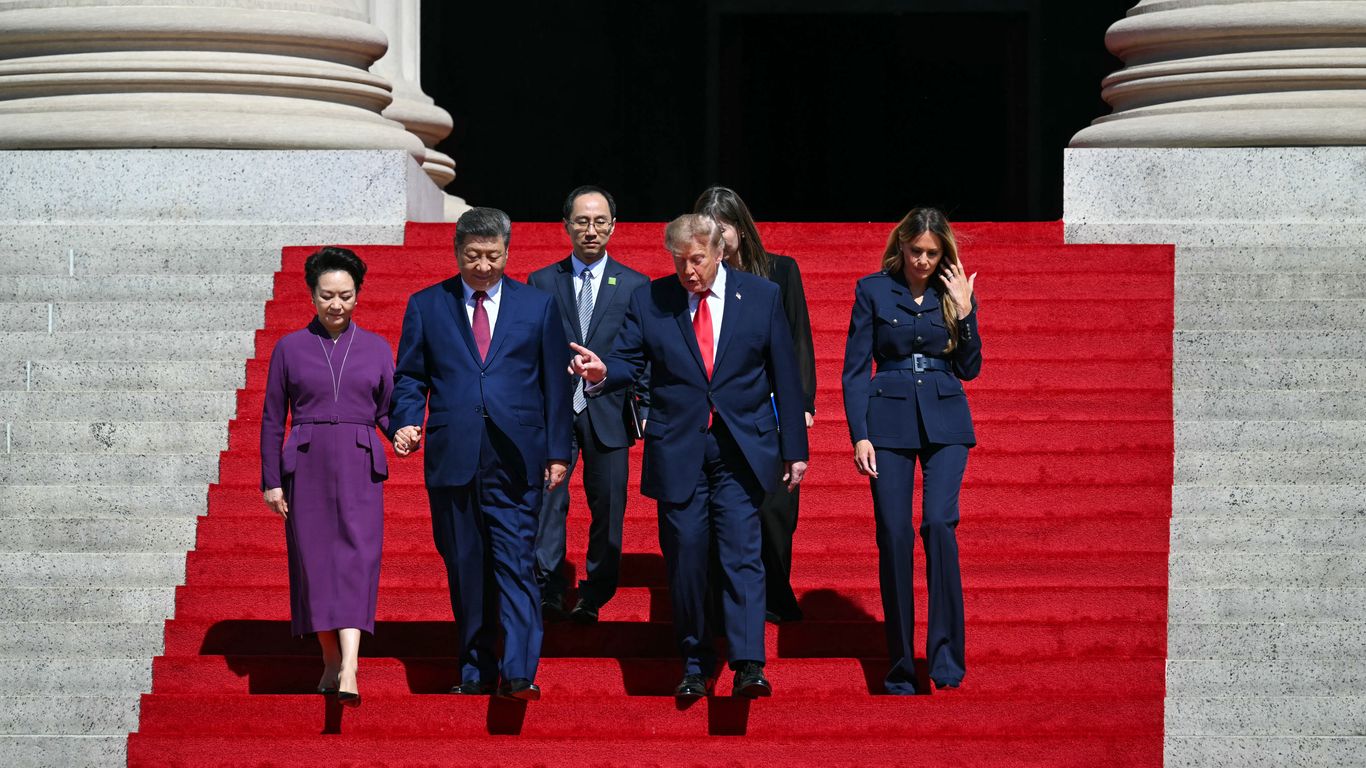
The United States and China have agreed to start talks about artificial intelligence, calling it "super intelligence" or "SI." They will set up a way to communicate directly to handle serious problems involving this technology.
Key Facts
President Donald Trump and Chinese leader Xi Jinping agreed on the new talks during a recent summit.
The U.S. and China will call artificial intelligence "super intelligence" or "SI."
A "U.S.-China Super Intelligence (SI) Dialogue" will discuss the risks and benefits of SI.
The first meeting of this dialogue will happen by November.
They will create a special communication channel to manage major SI-related incidents.
This channel is compared to the Cold War "red telephone," a direct line for emergency talks.
Treasury Secretary Scott Bessent worked on setting up this communication channel before the summit.
Details about what incidents will use the channel and how notifications will happen are not yet clear.
Read the Original
Want the full story? Tap a source to open the original
article.
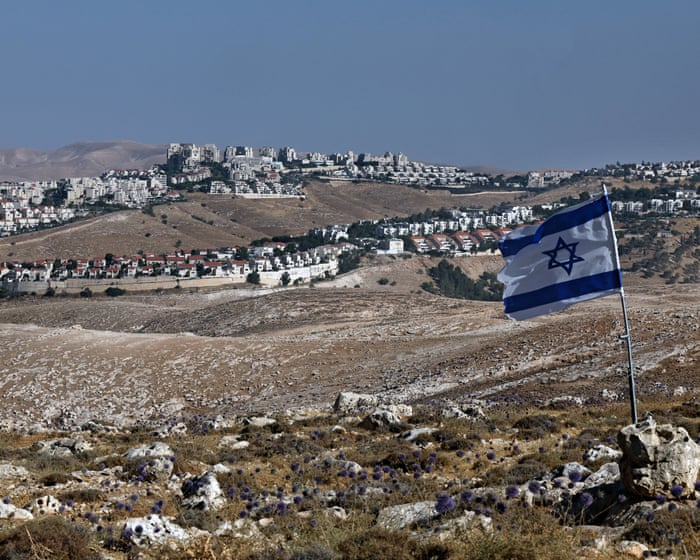
The UN human rights office has added 61 more companies to a list of businesses accused of violating Palestinian human rights by working with Israeli settlements in the West Bank. The list now includes 214 companies, mostly from Israel, and aims to highlight firms involved in these activities, though it has no legal power to force actions.
Key Facts
The UN added 61 companies to a blacklist related to alleged human rights violations in Israeli settlements.
The total number of companies on the list is now 214, based in 11 countries, mostly Israeli.
Five companies were removed from the list in this update.
The blacklist started in 2020 after a UN Human Rights Council vote.
The list aims to identify companies linked to settlements but cannot enforce penalties.
Israel rejects the blacklist, calling it unfair and saying the companies did nothing wrong.
The UN informed the companies before adding them and allowed them to respond.
Recently, Britain banned trade with Israeli settlements, and France and Canada plan similar steps.
Read the Original
Want the full story? Tap a source to open the original
article.
Iran’s President Masoud Pezeshkian said Iran no longer trusts talks with the United States because past negotiations were followed by attacks and sanctions. Iran has proposed a plan to end the conflict involving the US and Israel, which includes reopening the Strait of Hormuz and lifting sanctions, but awaits a US response.
Key Facts
Iran lost trust in negotiations with the US due to previous attacks and sanctions after talks.
Iran proposed a seven-day plan to end the war involving the US and Israel, aiming to reopen the Strait of Hormuz and lift sanctions.
The Strait of Hormuz is a key shipping route for about 20% of the world’s oil and gas trade.
Under the plan, the US would lift its naval blockade, remove Iranian oil sanctions, release $12 billion in frozen Iranian assets, and observe a regional ceasefire.
Iran would reopen the Strait of Hormuz and start talks on its nuclear program on day seven.
Pezeshkian denied that Iran blocked the Strait of Hormuz and said the US closed routes first, calling Iran’s response natural.
He described the US and Israel as the aggressors, claiming Iran has not attacked any country in 200 years.
Pezeshkian said regional security should come from cooperation among Middle Eastern countries without external powers acting as policemen.
Read the Original
Want the full story? Tap a source to open the original
article.
The U.S. and China agreed to reduce tariffs on $30 billion worth of goods after a summit between President Donald Trump and Chinese leader Xi Jinping. This deal includes tariff cuts on some agricultural and medical products from China and household items from the U.S., aiming to ease trade tensions and lower consumer prices.
Key Facts
The tariff deal covers $30 billion of "non-sensitive goods" traded between the U.S. and China.
China will reduce tariffs on agricultural goods, seafood, wood products, cosmetics, and medical devices.
The U.S. will cut tariffs on small appliances, toys, holiday decorations, and children's car seats.
China agreed to import 10 million metric tons of U.S. coal in both 2027 and 2028.
China was a major importer of U.S. coal but reduced imports in 2025 during the trade war.
The deal is part of efforts to reduce the trade conflict that escalated last year.
The White House did not provide clear details about rare earth minerals, which are important for supply chains.
Both countries are still working on resolving supply issues related to critical minerals.
Read the Original
Want the full story? Tap a source to open the original
article.
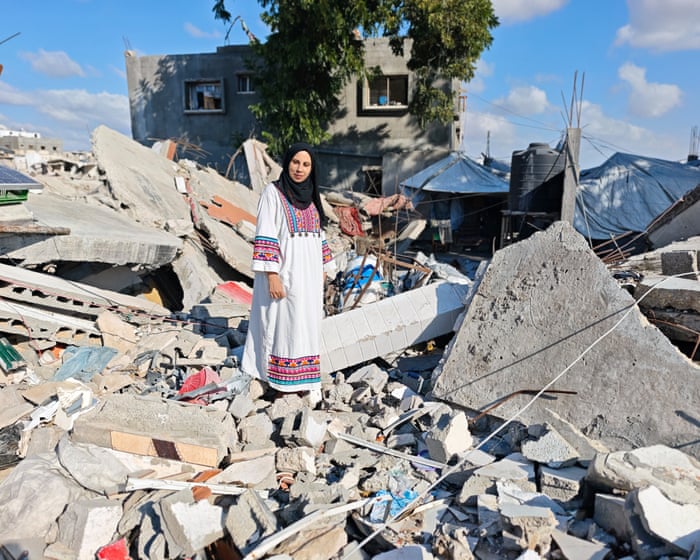
This article follows five people living in Gaza, showing their daily struggles with basic needs like cooking, water, and supplies during ongoing hardships. It highlights how blockades and shortages impact their everyday lives beyond the news about violence and conflict.
Key Facts
Families in Gaza receive very limited gas supplies, enough to cook for only 18 minutes a day every three months.
Water is scarce, with residents depending on irregular water trucks or long walks to find water.
Basic items like sugar, flour, and other food staples are rationed and sometimes dangerous to obtain.
Gaza is under a blockade that restricts many goods, including medical supplies, tools, and everyday items classified as “dual use,” meaning they could be used by Hamas.
The blockade limits not only survival needs but also cultural and educational items such as books, musical instruments, and hobby materials.
Gaza Skate Team, a youth group teaching skateboarding, has been affected by bans on skateboards, impacting children’s outlets and mental well-being.
The article focuses on the everyday lives and small moments rarely reported in the news, providing a human perspective on living conditions in Gaza.
Read the Original
Want the full story? Tap a source to open the original
article.
The Ebola disease is spreading to new areas in the Democratic Republic of the Congo. Health officials are increasing checks at borders because 10 nearby countries face a high risk of the disease spreading.
Key Facts
Ebola has spread to new regions within the Democratic Republic of the Congo.
Ten neighboring countries are considered at high risk of Ebola spreading to them.
Health officials are improving monitoring and safety measures at borders.
Ebola is a severe disease that can spread between countries, especially nearby ones.
The outbreak is causing concern for public health in Central Africa.
Increased border health checks aim to stop Ebola from crossing into other nations.
Read the Original
Want the full story? Tap a source to open the original
article.
Thousands of Syrian Kurdish families have started returning to Afrin after fleeing the area in 2018 due to a Turkish-led military offensive. The new Syrian transitional government is helping people come back by organizing convoys and promoting peace between Kurds and Arabs.
Key Facts
Dilshad Hamdo and his family fled Afrin in 2018 during the Turkish-led Operation Olive Branch.
Many displaced Syrians, mostly Arabs, lived in abandoned Kurdish homes in Afrin after 2018.
After the fall of Bashar al-Assad’s regime in December 2024, the transitional government encouraged displaced Kurds to return.
Hundreds of Kurdish families returned from Hasakah to Afrin with state support in April and May.
Displaced families living in Kurdish homes left peacefully after compensation was paid.
About 12,000 Kurdish families have returned to Afrin through government-organized convoys.
Decree 13 was passed to recognize Kurdish cultural and political rights in Syria.
The transitional government aims to rebuild trust between Arabs and Kurds and promote peace.
Read the Original
Want the full story? Tap a source to open the original
article.
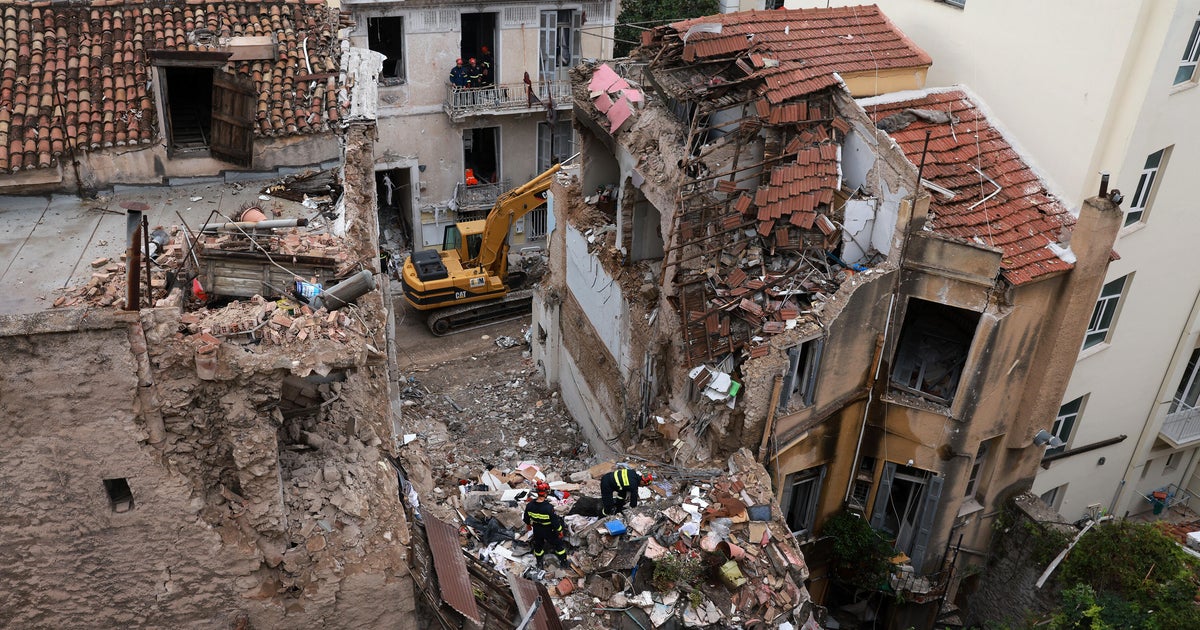
An explosion caused by a gas leak destroyed a small building in the Plaka district of Athens, Greece, killing two American tourists. Rescue teams continue to search for other missing people as nearby buildings are checked for safety.
Key Facts
The explosion happened on Friday in Athens' tourist area near the Acropolis.
Two American visitors died in the building collapse.
Four other people, including a British man and a Greek woman, are missing.
The building was a two-story structure rented to tourists.
The explosion likely resulted from a gas leak, according to Athens' mayor.
Rescue operations involved about 30 rescuers and three sniffer dogs.
Nearby buildings were damaged and are being inspected to see if they are safe or need to be torn down.
Residents had warned about gas leak risks in this neighborhood a year earlier.
Read the Original
Want the full story? Tap a source to open the original
article.
That's the point of this site, and readers keep it that way. Support for any amount and the daily digest lands in your inbox every morning at 7am Eastern.
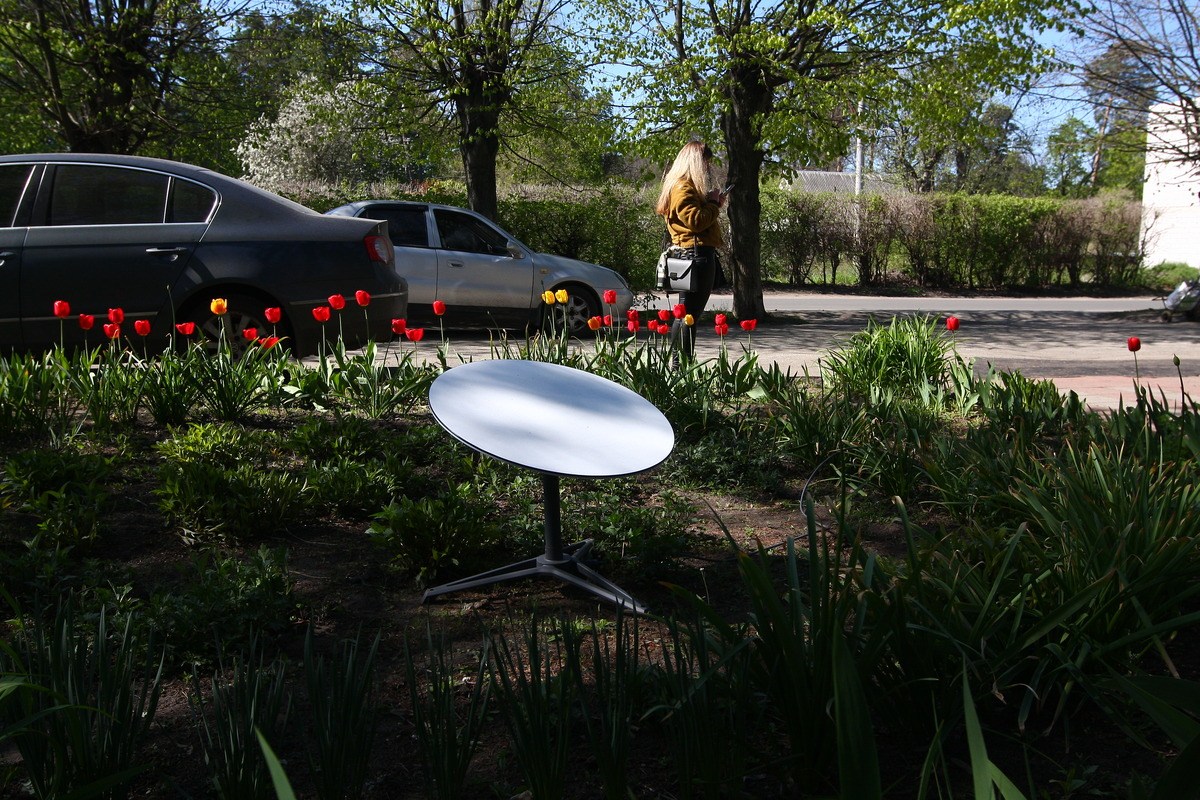
Russian forces attacked a data center in Kyiv used to support Starlink internet services that help Ukraine stay connected, including for military use. The strikes are part of a broader effort by Russia to disrupt Ukraine’s communications and internet access.
Key Facts
Russia targeted the Cosmonova data center in Kyiv with drones, which supports Starlink internet services in Ukraine.
Starlink, run by Elon Musk’s SpaceX, uses satellites to provide internet, crucial for Ukraine’s military and civilian communications.
Five people were injured in Russian strikes across Kyiv during recent attacks.
Ukrainian officials say the strikes aim to disrupt internet access, including military operations and public alerts.
Ukraine relies heavily on Starlink terminals for military drones and internet connection.
Another data center in Kyiv was also targeted by Russia shortly before Ukraine announced new protections for such sites.
A fire at a Starlink ground station in Poland may have been sabotage to hinder Ukrainian internet access, though investigations are ongoing.
Finland’s president has asked Elon Musk to increase Ukraine’s military use of Starlink to help combat Russian ballistic missile attacks.
Read the Original
Want the full story? Tap a source to open the original
article.
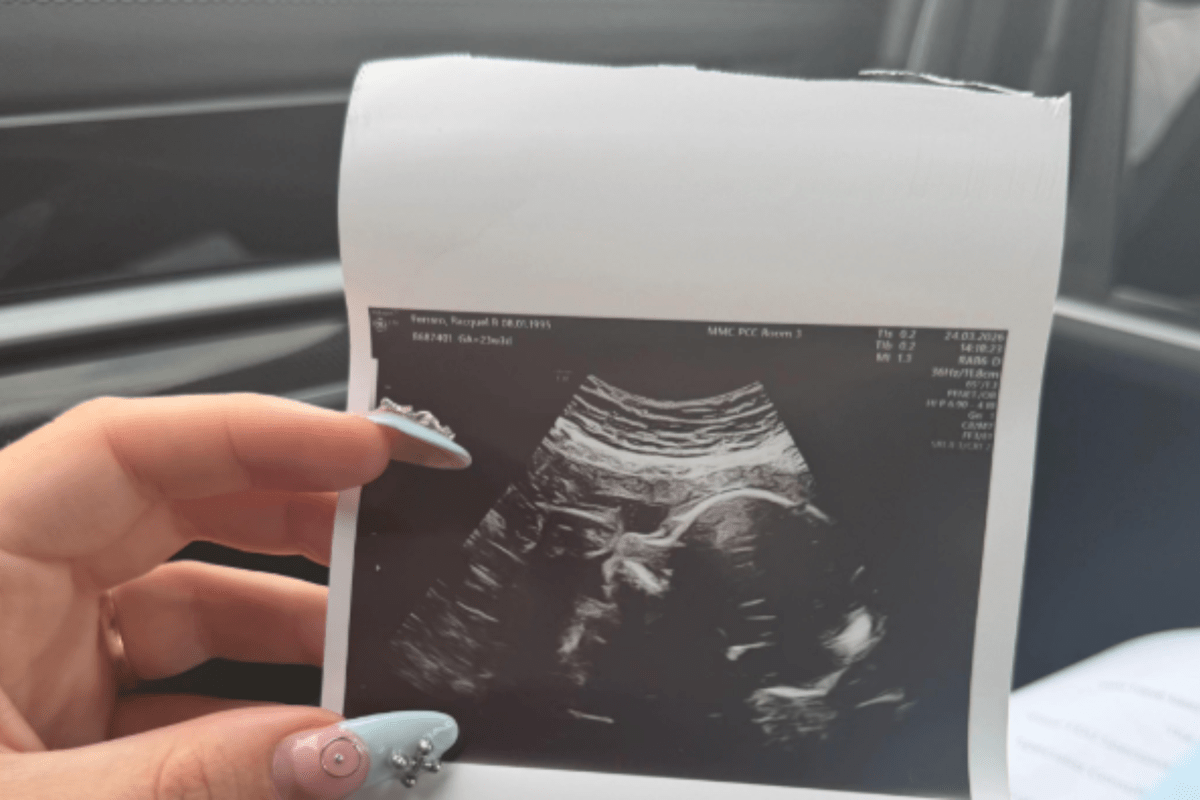
A mother in Melbourne, Australia, learned at her 21-week pregnancy scan that her baby had a serious problem with her leg bones. After weeks of waiting and uncertainty, she gave birth to a daughter named Daisy, who was diagnosed with rare limb differences affecting her right leg.
Key Facts
The mother is 31-year-old Racquel Ferraro from Melbourne.
At the 21-week scan, doctors found the baby's femur (thigh bone) was much shorter than normal.
Racquel was advised by her doctor to consider ending the pregnancy.
She and her partner waited six weeks for more tests before birth.
The baby girl, Daisy, was born in July 2026.
Daisy was diagnosed with two rare conditions: proximal femoral focal deficiency (PFFD) and fibular hemimelia.
PFFD means the upper thigh bone didn’t develop properly.
Fibular hemimelia means the fibula bone in her leg is missing, along with other hip, knee, and ankle problems.
Read the Original
Want the full story? Tap a source to open the original
article.