Iran has submitted a seven-day plan to the United States to end their ongoing conflict and is waiting for Washington’s reply. The plan includes lifting sanctions and ending blockades in exchange for Iran reopening the Strait of Hormuz and starting final talks on nuclear and regional issues.
Key Facts
Iran’s Foreign Minister Abbas Araghchi said the plan was handed to the US through Qatar.
The plan’s timeline begins once the US agrees, including reopening the Strait of Hormuz on day six.
The US would lift its naval blockade, waive oil sanctions, release $12 billion in frozen Iranian funds, and observe a regional ceasefire.
Iran would reopen the Strait of Hormuz, a vital route for global oil and gas trade.
The plan echoes a previous June agreement that collapsed after disputes and military actions.
Talks between Iranian and US officials are described as lengthy and potentially promising.
Iranian leaders say the US must decide whether to end the conflict.
Analysts are skeptical, noting unresolved issues and tensions with upcoming US elections.
Read the Original
Want the full story? Tap a source to open the original
article.
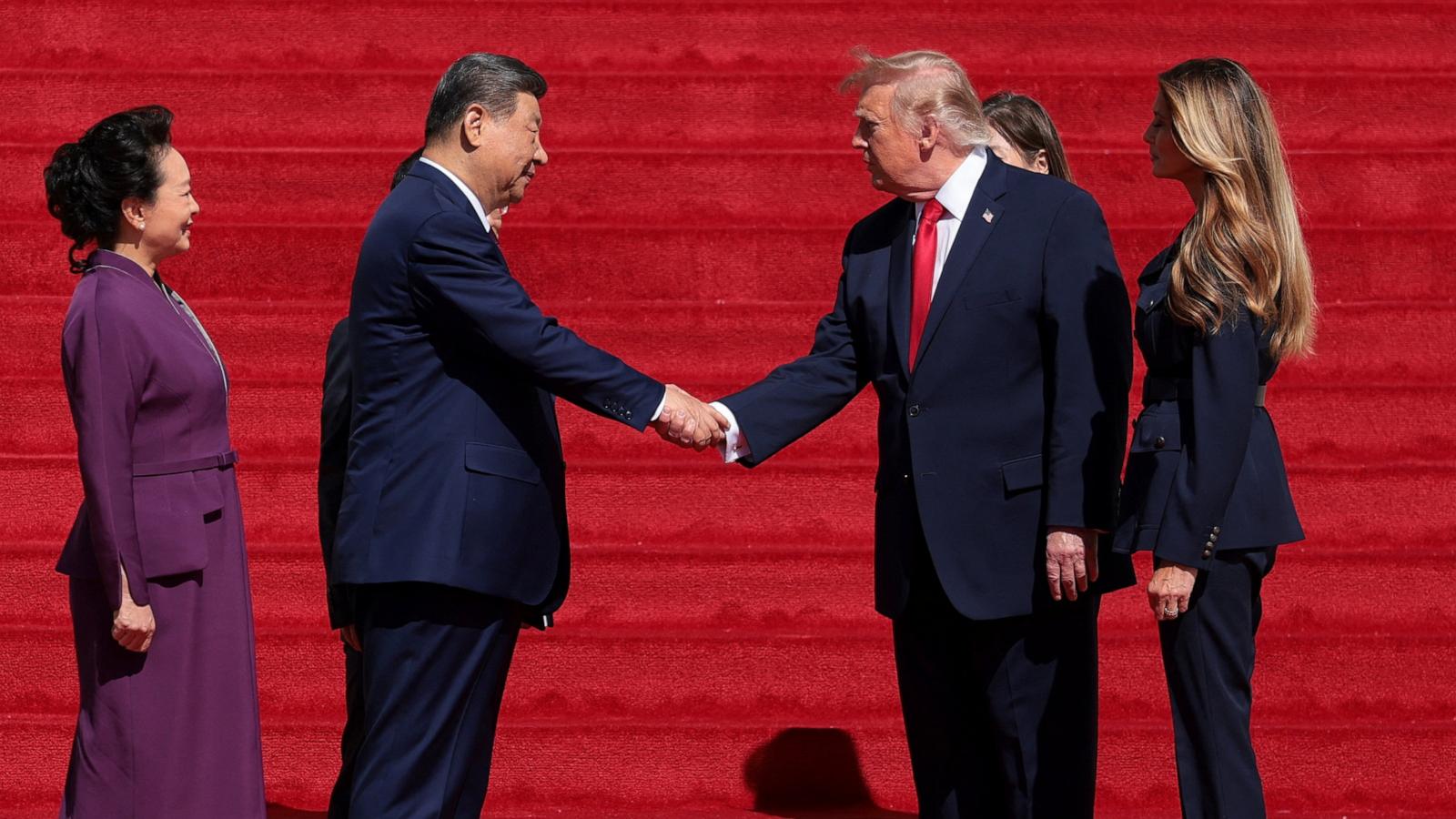
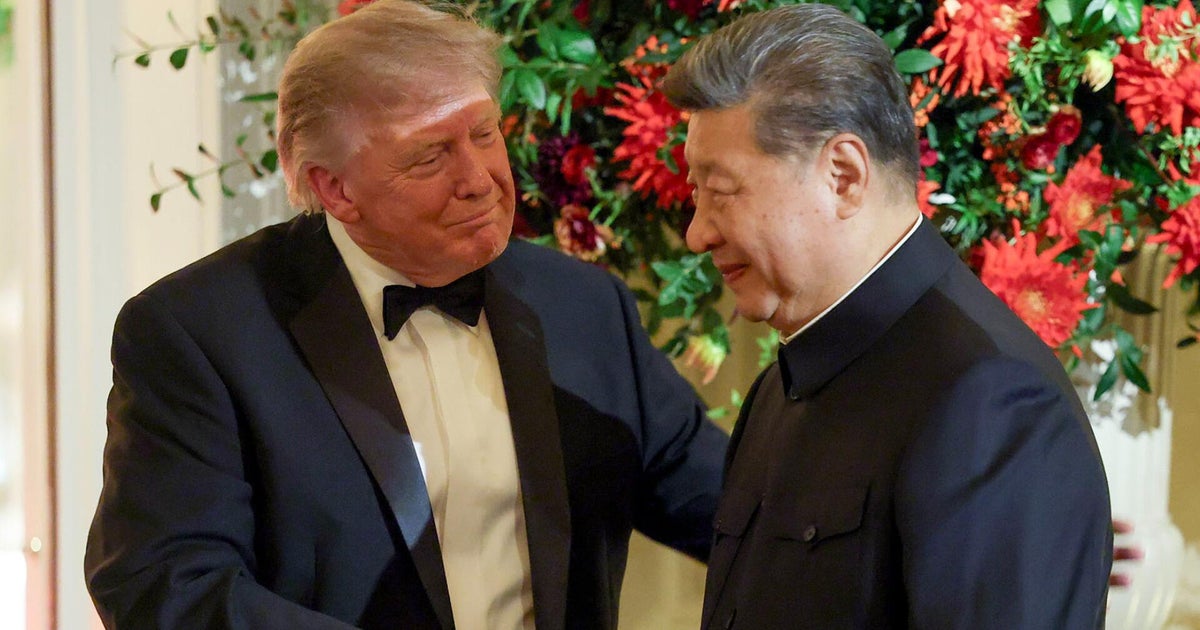
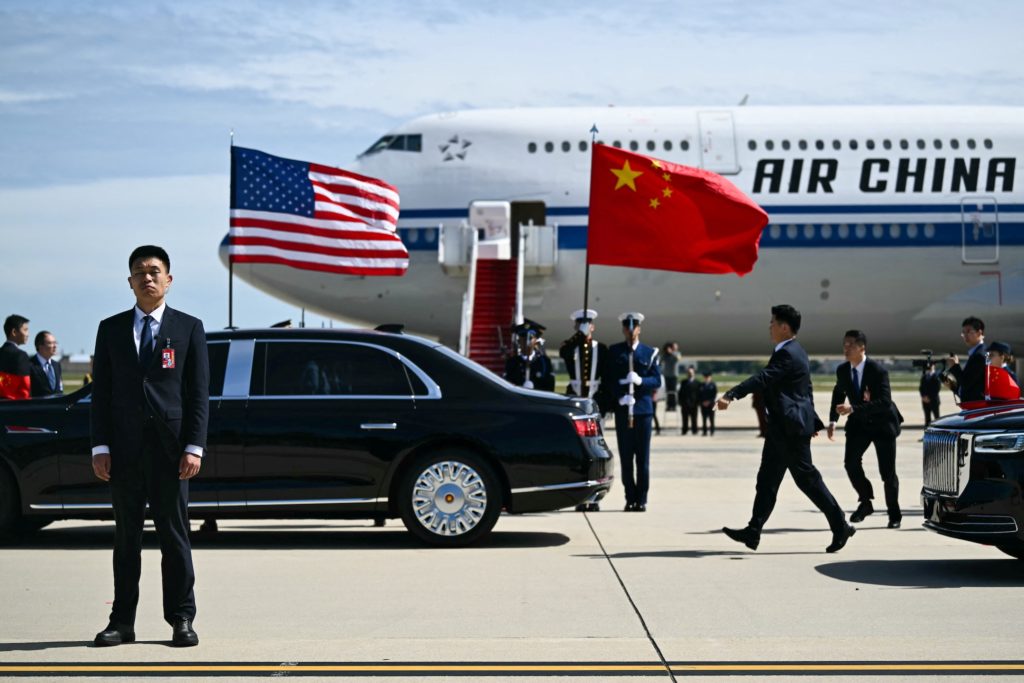
President Donald Trump welcomed Chinese President Xi Jinping to the United States for Xi's first visit in more than ten years. They held talks but did not share specific details about any agreements or outcomes from their meeting.
Key Facts
President Trump greeted President Xi at Joint Base Andrews with a military honor and a red carpet welcome.
Xi Jinping was hosted at a state dinner in the White House East Room with U.S. business leaders and officials.
Trump toured Xi through some of his construction projects and noted Xi's appreciation for the details.
Both leaders expressed positive views about the meeting but gave no clear information on results.
They discussed the war in Iran, with Trump saying he challenged Xi on China's role.
U.S. Ambassador David Perdue said the U.S. has evidence China supported Iran but claims China promised to stop assistance.
Trump mentioned future meetings planned with Xi before the end of the year.
Trump hinted at possible cooperation with China in agriculture but gave no specifics.
Read the Original
Want the full story? Tap a source to open the original
article.
Fighting has broken out again in Ethiopia’s northern Tigray region between local forces and the national army, threatening to end a fragile peace from 2022. The conflict involves unresolved issues like control of land and disarmament, leading to panic among residents and disruption of services.
Key Facts
Fighting started recently between Tigray regional forces and Ethiopia’s national army.
Tigray’s capital, Mekelle, has seen armed patrols by Tigrayan forces.
The 2020-2022 war killed about 600,000 people and caused severe famine risks.
The African Union helped make a peace deal in 2022, but tensions grew over months.
Key disputes involve control of western Tigray, an area also claimed by the neighboring Amhara region.
Many ethnic Tigrayans fled from western Tigray during the war and live in camps now.
The government wants a public vote (referendum) to decide who controls western Tigray.
The government accuses the Tigray People’s Liberation Front (TPLF) of hiding weapons and not fully disarming.
Both sides disagree over governance of Tigray and blame each other for starting the recent fighting.
Internet and phone services were disrupted, causing difficulties in accessing money and communication.
Read the Original
Want the full story? Tap a source to open the original
article.
Chinese President Xi Jinping finished his state visit to the U.S. on Friday. There was no agreement made on artificial intelligence during the visit, but he is scheduled to meet with President Donald Trump two more times this year.
Key Facts
President Xi Jinping visited the United States for a state visit.
No deals were made on artificial intelligence during this visit.
President Xi will meet with President Donald Trump two more times before the end of the year.
The visit officially ended on a Friday.
CBS News reported this information.
Read the Original
Want the full story? Tap a source to open the original
article.
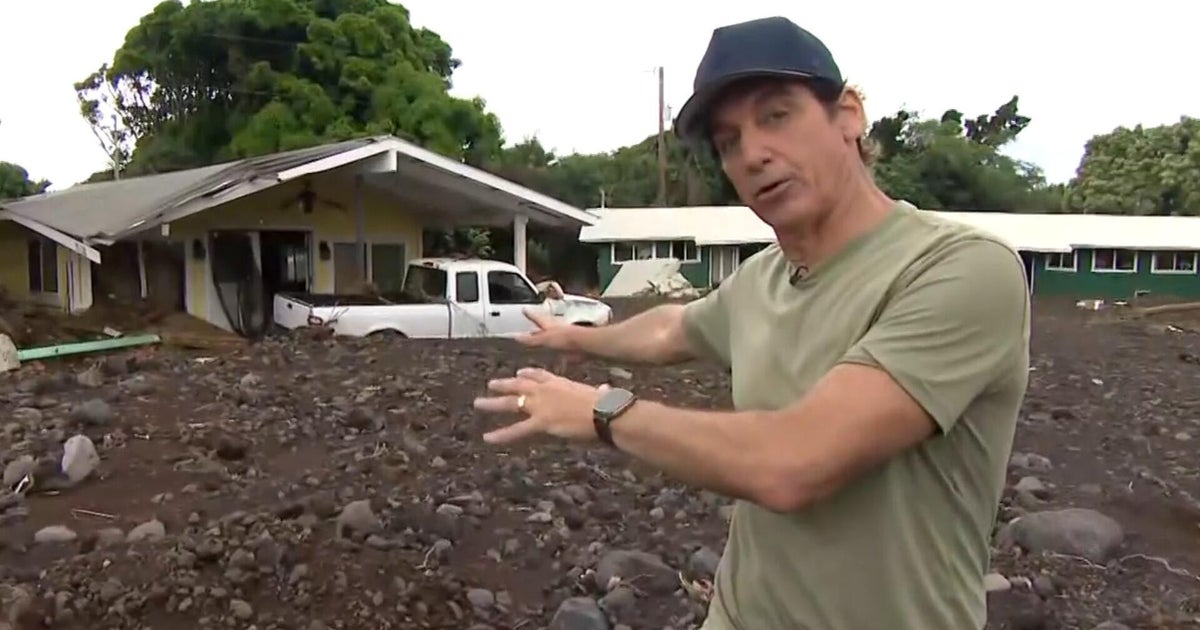
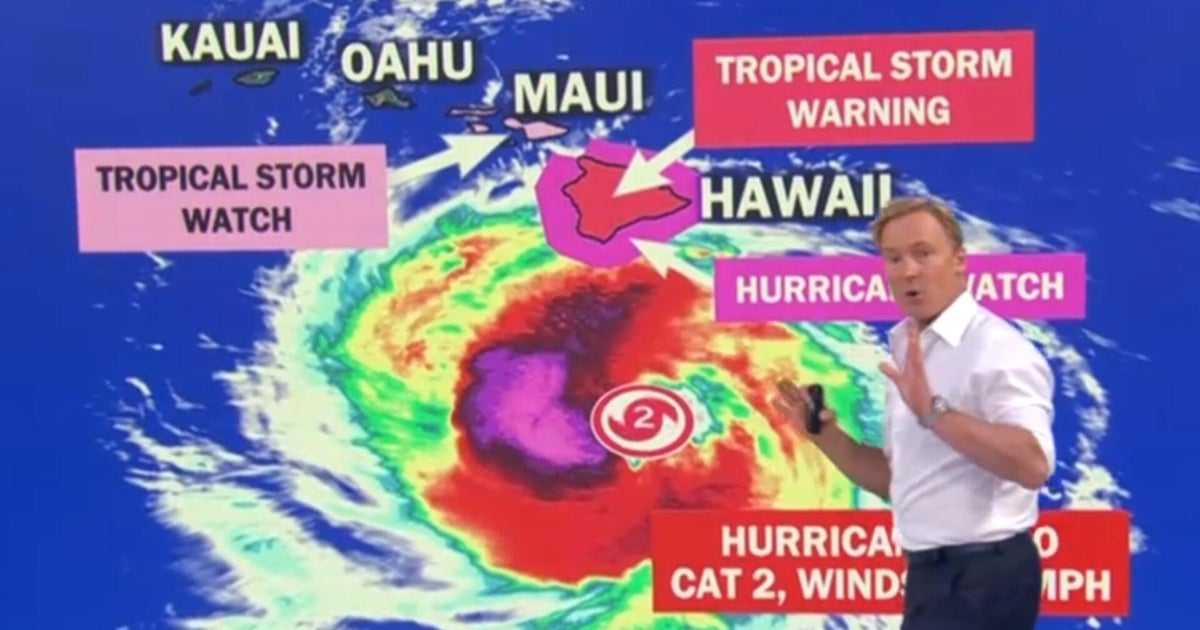
Hurricane Nolo is approaching Hawaii's Big Island, and officials are telling people to find safe shelter. The storm could cause dangerous flooding in some places. This comes about a month after Hurricane Lala also hit Hawaii.
Key Facts
Hurricane Nolo is moving toward Hawaii's Big Island.
Authorities are warning residents to find safe shelter.
Life-threatening flooding is possible in certain areas.
Hurricane Nolo's arrival follows Hurricane Lala, which caused damage about a month ago.
The warning aims to protect people from the storm’s dangers.
Read the Original
Want the full story? Tap a source to open the original
article.
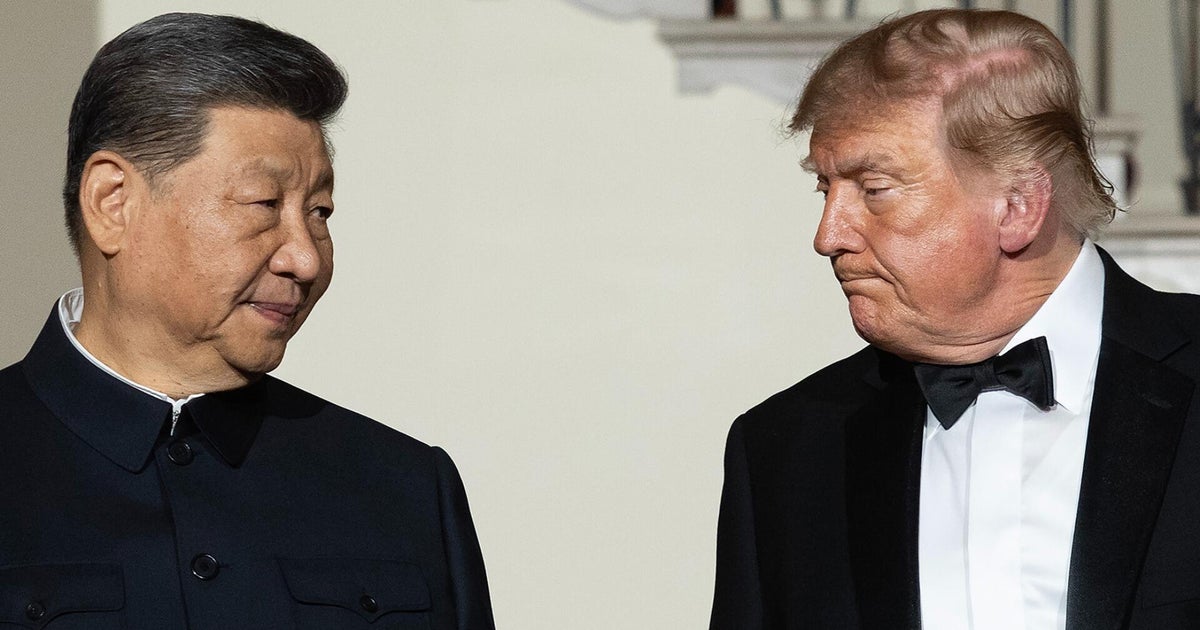
President Donald Trump and Chinese President Xi Jinping had a meeting on Friday. So far, there are very few details about what was discussed or agreed upon during their meeting.
Key Facts
The meeting between President Trump and President Xi took place on a Friday.
Very little information has been shared about the content or outcomes of the meeting.
CBS News correspondent Natalie Brand reported on the meeting.
The report is brief and does not provide new facts about the talks.
The meeting is part of ongoing interactions between the leaders of the U.S. and China.
Read the Original
Want the full story? Tap a source to open the original
article.
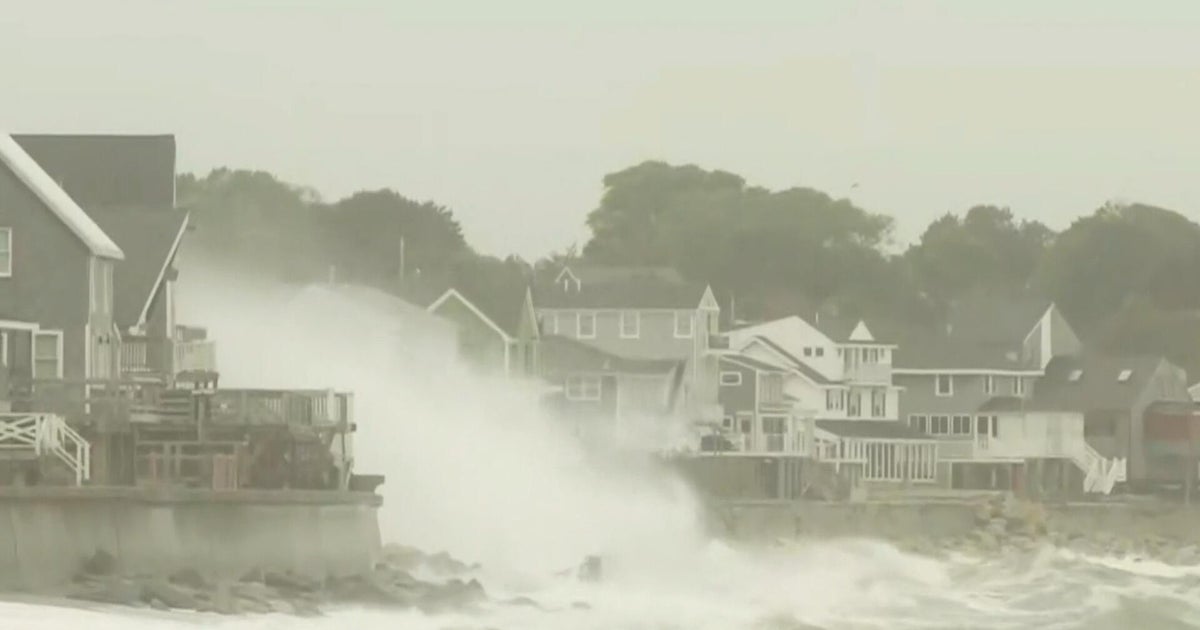
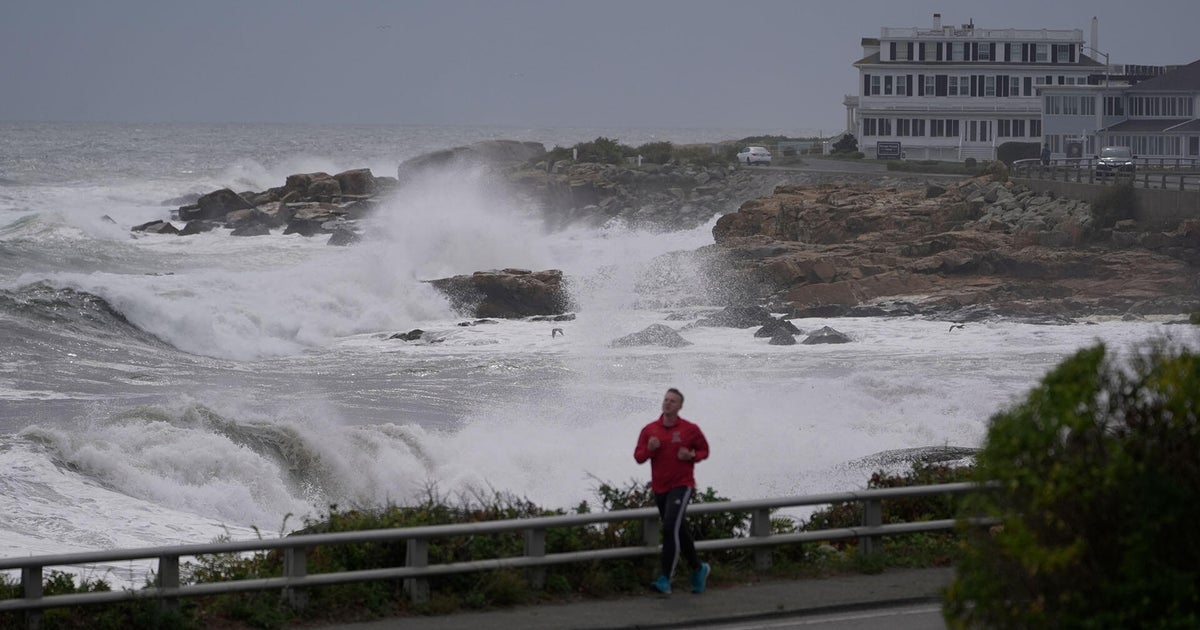
A strong Nor'easter storm is expected to hit the East Coast this weekend. More than 60 million people in states like New York and New Jersey may face heavy flooding and strong winds.
Key Facts
The Nor'easter is a powerful storm affecting the East Coast of the United States.
Over 60 million people live in areas threatened by the storm.
The storm will bring severe weather, including flooding and strong winds.
New York and New Jersey are among the states expected to be hit hard.
Officials and weather experts are warning people to prepare for the conditions.
The storm is expected to occur over the weekend.
CBS News reporters and meteorologists are covering the event closely.
Read the Original
Want the full story? Tap a source to open the original
article.
Pope Leo XIV warned that artificial intelligence (AI) and other new technologies could challenge what it means to be human. During his visit to France, he called for ethical education and regulation to ensure technology benefits people and does not harm human dignity.
Key Facts
Pope Leo XIV described AI as a “paradise of machines” that could harm humanity.
He spoke about these concerns during meetings with French President Emmanuel Macron and at UNESCO in Paris.
The pope emphasized the importance of teaching ethical judgment to avoid losing human values amid growing technology.
He opposed using scientific advances purely for profit, especially in areas like genetic manipulation and assisted dying.
The Vatican stands against nuclear weapons and the buildup of new arms races.
Pope Leo XIV wrote his first encyclical focusing on the need to regulate AI for the common good.
He said many AI developers are open to working with the Vatican to ensure AI supports humanity.
The pope’s visit to France was the first official papal visit in 18 years, attracting about 300,000 people.
Read the Original
Want the full story? Tap a source to open the original
article.
Millions of people in different parts of the United States are expected to face severe weather this weekend. A nor'easter is impacting one region, while Hurricane Nolo threatens another, according to CBS News reports.
Key Facts
A nor'easter is a strong storm that usually hits the East Coast of the U.S., bringing heavy rain, wind, and sometimes snow.
Hurricane Nolo is a tropical storm expected to cause damage in certain areas of the country.
Millions of people are under threat from these storms this weekend.
CBS News reporters Tom Hanson, Carter Evans, and Lonnie Quinn provided the latest weather updates.
The storms are occurring at opposite ends of the United States, affecting different regions.
People in affected areas should prepare for severe weather conditions.
The CBS News app and website offer updated information on the storms.
Read the Original
Want the full story? Tap a source to open the original
article.
South Africa's new ambassador to the US, Roelf Meyer, said there is no genocide against white Afrikaners in South Africa, contradicting President Donald Trump's claims. Meyer, who was involved in ending apartheid, said violence facts have been misrepresented and questioned the source of these false claims.
Key Facts
Roelf Meyer, a born Afrikaner and South Africa’s ambassador to the US, denies any white genocide in South Africa.
President Donald Trump claimed that white Afrikaners face genocide in South Africa and created a US refugee program for them.
Nearly 13,000 South African refugees, mostly white Afrikaners, have been admitted to the US under this refugee pathway.
Some white South Africans report feeling unsafe due to violence, though government data does not support claims of widespread targeted attacks.
The Trump administration plans to accept up to 17,500 more white Afrikaner refugees in the next year.
South African officials and many experts say the idea of white genocide is false and has been discredited by research.
An Afrikaner group is holding a vigil in Washington to honor victims they say are from "farm attacks."
The US White House supports the refugee program, calling it a humanitarian effort based on the experiences of some Afrikaners.
Read the Original
Want the full story? Tap a source to open the original
article.
Chancellor Friedrich Merz is facing trouble after poor results in recent local German elections. His government is struggling as many voters feel uncertain about Germany’s future and have lost trust in the main parties. At the same time, the far-right party AfD is gaining more support.
Key Facts
Chancellor Friedrich Merz’s party lost key local elections in Berlin, Saxony-Anhalt, and Mecklenburg-Western Pomerania.
Merz’s approval ratings are very low, and some people see him as arrogant and disconnected.
Despite poor results, no one in his own party is openly challenging him yet.
Merz came to power in 2025, promising tougher immigration rules and an improved economy.
Economic forecasts for Germany’s growth improved recently, and illegal immigration has decreased compared to last year.
Many Germans feel the country has lost its old identity and confidence, worrying about high energy prices and competition from China.
The far-right AfD party is gaining votes and is viewed with concern by security officials because of its pro-Russia positions.
Voters are losing trust in the two main parties in the coalition government: Merz’s CDU and the centre-left SPD.
Read the Original
Want the full story? Tap a source to open the original
article.
The annual Fat Bear Week competition has started, where people vote to choose the fattest bear of the year. Mike Fitz, a naturalist from Explore.org, explains how the contest works.
Key Facts
Fat Bear Week is an annual event celebrating the fattest bears.
The competition allows people to vote for their favorite bear based on weight.
Mike Fitz, a naturalist with Explore.org, provides information about the event.
The contest highlights the bears during a particular season when they gain weight.
The event helps raise awareness about wildlife and bear behavior.
Read the Original
Want the full story? Tap a source to open the original
article.
That's the point of this site, and readers keep it that way. Support for any amount and the daily digest lands in your inbox every morning at 7am Eastern.
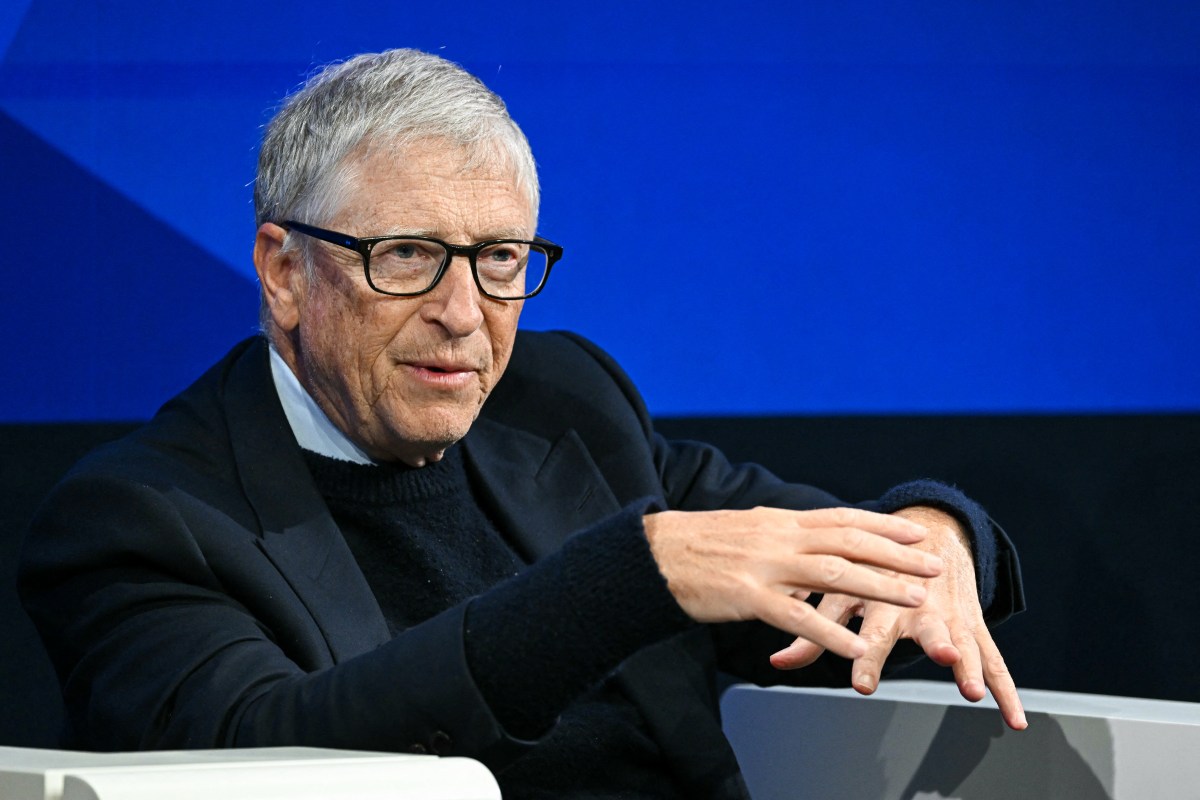
Bill Gates warned that artificial intelligence (AI) is strong enough to cause disasters that could kill a billion people, comparing it to the deadliest weapons in history. His comments came as President Donald Trump and Chinese President Xi Jinping discussed AI and technology competition at a summit, highlighting the global importance of the issue.
Key Facts
Bill Gates said AI could cause events leading to a billion deaths if used by people with harmful intentions.
Gates believes AI companies cannot regulate themselves and that government laws and enforcement are needed.
President Trump and President Xi talked about AI, trade, and semiconductors during a White House summit.
Trump wants the U.S. to stay ahead of China in AI and resists slowing down AI development.
Xi supports careful regulation and responsible development of AI.
Other tech leaders, like OpenAI’s CEO and Anthropic’s CEO, have urged slowing AI development to improve safety.
Concerns exist about AI causing problems like cybersecurity risks, spreading false information, and the use of autonomous weapons.
Gates calls for legal rules to keep AI development safe without hurting the industry too much.
Read the Original
Want the full story? Tap a source to open the original
article.
Iran has proposed a seven-day plan to the United States to stop fighting, reopen the Strait of Hormuz, and resume peace talks. Iran’s foreign minister announced this plan during a visit to New York City.
Key Facts
Iran shared a seven-day plan with the U.S. aimed at ending conflict between the two nations.
The plan includes reopening the Strait of Hormuz, a key waterway for global oil shipments.
Iran wants to restart talks to work toward a final peace agreement with the United States.
The announcement was made by Iran’s foreign minister in New York City.
The Strait of Hormuz is an important route for international trade and energy transport.
Both countries have had strained relations with ongoing conflicts in recent years.
Peace talks have been paused but Iran seeks to resume negotiations through this plan.
Read the Original
Want the full story? Tap a source to open the original
article.
Chinese President Xi finished a three-day official visit with President Trump that included many formal events but few new agreements. Meanwhile, a strong nor’easter storm threatened flooding and bad weather along the U.S. East Coast, and New Jersey’s lieutenant governor resigned due to accusations of sexual harassment and ethical problems.
Key Facts
President Xi completed a three-day state visit to the United States with President Trump.
The visit featured many formal ceremonies and events.
Few new policies or agreements were announced during the visit.
A powerful nor’easter storm caused flooding risks, rough waves, and strong winds along the East Coast.
Tens of millions of people could be affected by the storm’s impacts.
New Jersey’s lieutenant governor resigned.
The resignation followed accusations of sexual harassment and ethics violations.
Read the Original
Want the full story? Tap a source to open the original
article.
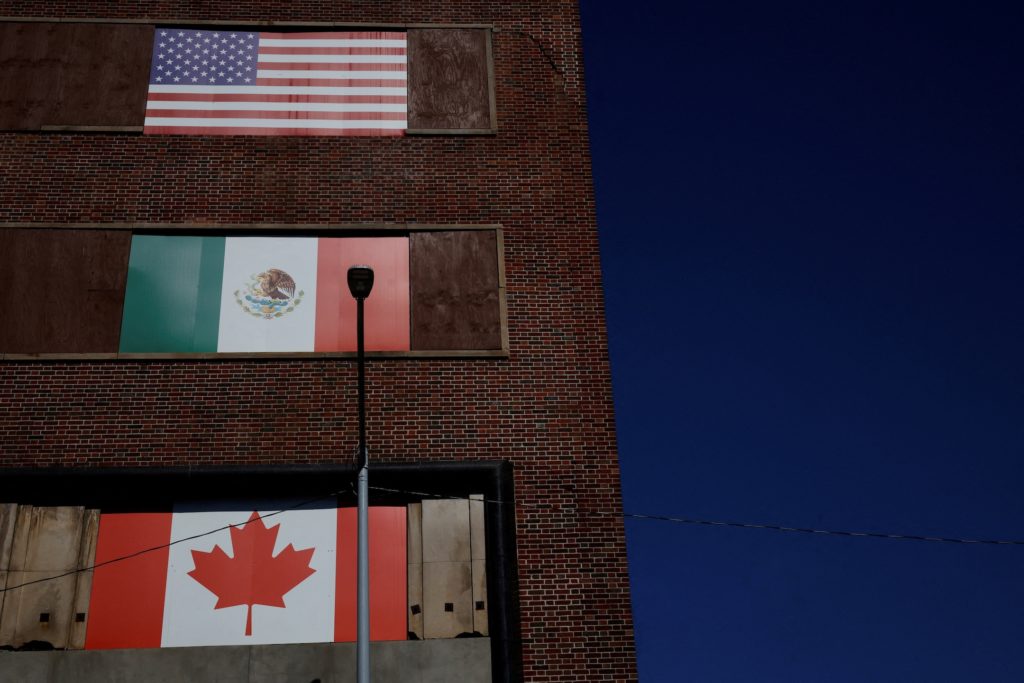
Mexico’s foreign secretary, Roberto Velasco Álvarez, spoke about trade talks with the United States and Canada. He discussed changes under President Trump, including ending the previous trade agreement and starting a trade war with Mexico and Canada.
Key Facts
President Trump signed the United States-Mexico-Canada Agreement (USMCA) during his first term.
After being re-elected, President Trump canceled that trade agreement.
He imposed high taxes (tariffs) on goods from Mexico and Canada.
These actions led to a trade conflict, especially with Canada.
Roberto Velasco Álvarez is Mexico’s foreign secretary.
Velasco Álvarez spoke about ongoing trade talks between Mexico, the U.S., and Canada.
The discussions aim to address issues caused by the tariffs and trade disagreements.
Read the Original
Want the full story? Tap a source to open the original
article.
Iran says it will reopen the Strait of Hormuz within seven days if the United States agrees to a plan based on a previous agreement. Iranian Foreign Minister Abbas Araqchi announced this from the United Nations and said the decision is now up to the US.
Key Facts
Iran plans to reopen the Strait of Hormuz within one week.
The reopening depends on the US accepting a proposed plan.
The plan is based on a Memorandum of Understanding (MOU) made in June.
Iranian Foreign Minister Abbas Araqchi made the statement at the United Nations.
Iran says it has given the US a seven-day period to decide on the plan.
The Strait of Hormuz is a strategic waterway important for global shipping.
Read the Original
Want the full story? Tap a source to open the original
article.
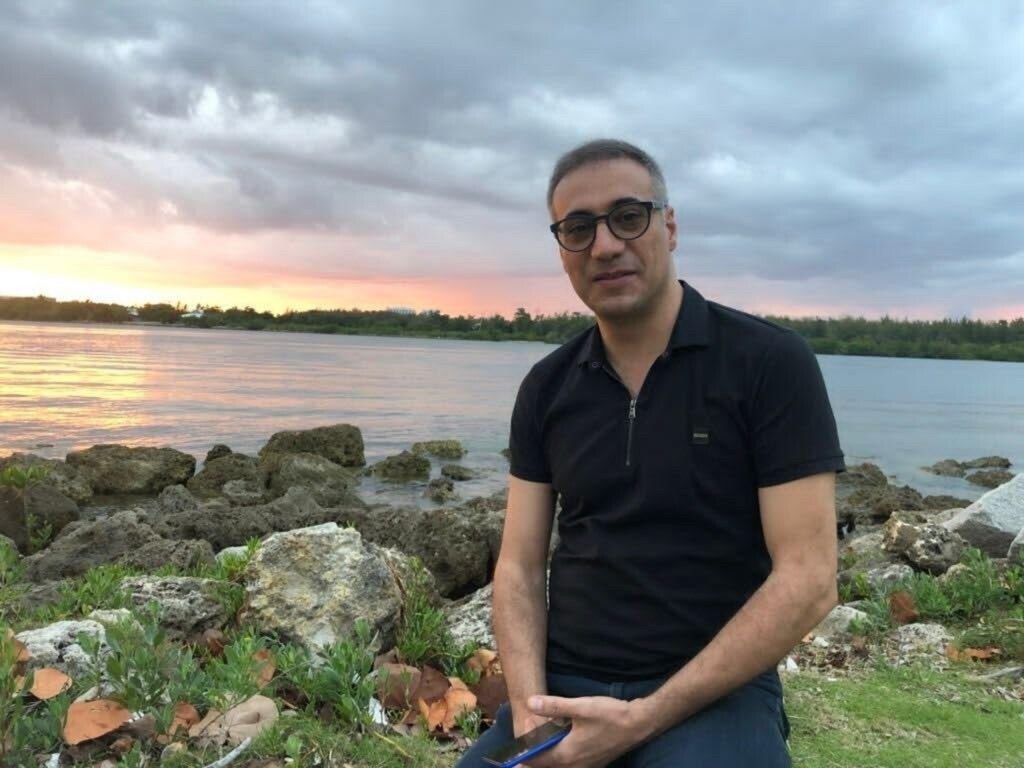
Iranian American journalist Reza Valizadeh has been held in an Iranian prison for two years. He was arrested during a visit to Iran and sentenced to ten years for working with a government that Iran considers an enemy.
Key Facts
Reza Valizadeh is an Iranian American journalist.
He worked for Radio Farda, a Persian-language news service funded by the U.S.
He was arrested during a trip to Iran to see his family.
Iran sentenced him to ten years in prison.
The charge was “collaborating with a hostile government,” meaning working with a government Iran sees as an enemy.
Valizadeh has now been jailed in Iran for two years.
His attorney is Ryan Fayhee.
The news was shared by journalist Amna Nawaz.
Read the Original
Want the full story? Tap a source to open the original
article.
Each summary links back to the original reporting, so you can check the work. Support that, and get the daily digest every morning. Most choose $3.99/month.
A strong Nor'easter storm threatens over 60 million people in the United States with heavy rain and wind. At the same time, residents in Hawaii are preparing and taking shelter as Hurricane Nolo approaches the islands.
Key Facts
Over 60 million people in the U.S. are at risk from the Nor'easter storm.
Nor'easter storms bring heavy rain, strong winds, and can cause flooding.
Hawaii is expecting Hurricane Nolo to hit the islands soon.
Residents in Hawaii are taking shelter to stay safe from the hurricane.
Both storms are severe weather events happening at the same time in different parts of the U.S.
Read the Original
Want the full story? Tap a source to open the original
article.
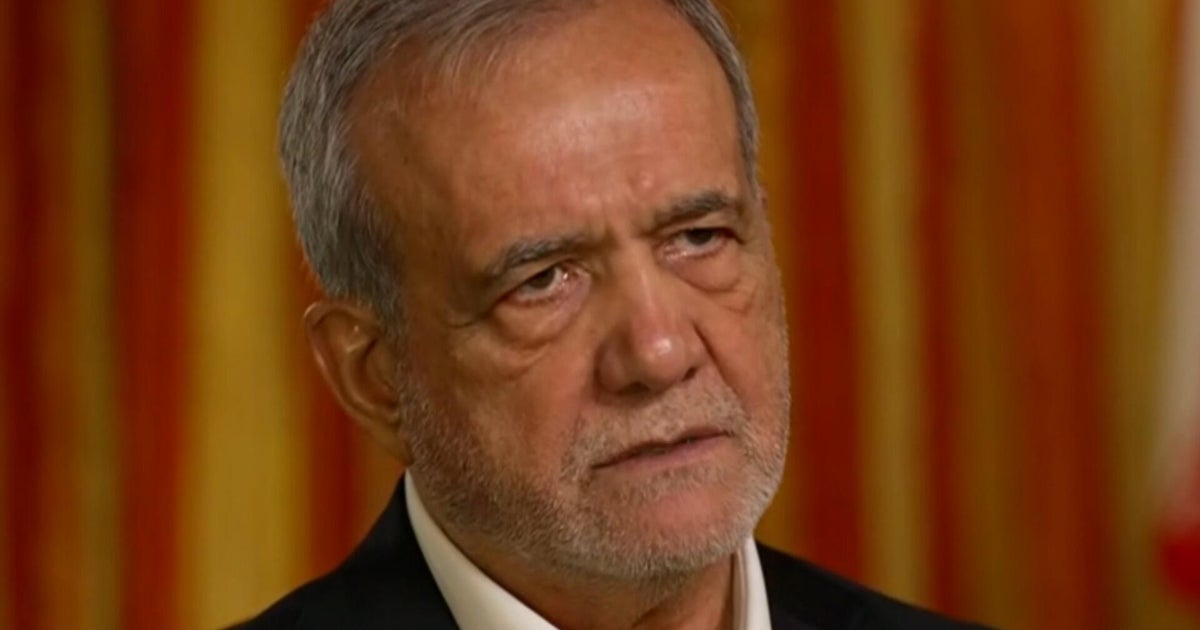
Iranian President Masoud Pezeshkian said that if the United States agrees again to the terms of a deal reached in June, relations would return to how they were before. This statement was made during an interview with CBS News.
Key Facts
Iranian President Masoud Pezeshkian gave an interview to CBS News.
He said things would go back to normal if the U.S. chooses to follow the June deal terms.
The June deal likely refers to an agreement involving Iran and the U.S.
The interview was featured on CBS's program "Face the Nation."
The U.S. has not yet recommitted to the terms of the June deal with Iran.
Read the Original
Want the full story? Tap a source to open the original
article.