Neutral summaries of your favorite news sources — just the facts.
Your favorite news sources, one neutral feed — we distill their reporting into fact-first
summaries and always link to the original story. How it works
World News
Comprehensive coverage of international news and global events
A shooting at a youth welfare center in Stade, northern Germany, killed six people, all workers at the facility. Police have arrested the main suspect and are investigating the incident, which may be linked to a custody dispute.
Key Facts
Six people died in the shooting, including five at the scene and one later in the hospital.
All victims were employees of the youth welfare facility or related organizations.
The shooting happened at a center providing temporary housing for pregnant women and young mothers.
Police arrested the main suspect and took two other people in for questioning on suspicion of involvement.
Some other people were wounded, including seriously injured victims, though exact numbers are unclear.
The incident took place on Dankersstrasse street, south of Stade’s town center.
Stade is a town of about 50,000 people, located about 40 kilometers from Hamburg.
German authorities say the event is being treated as an extremely violent crime, possibly connected to a custody dispute.
Read the Original
Want the full story? Tap a source to open the original
article.
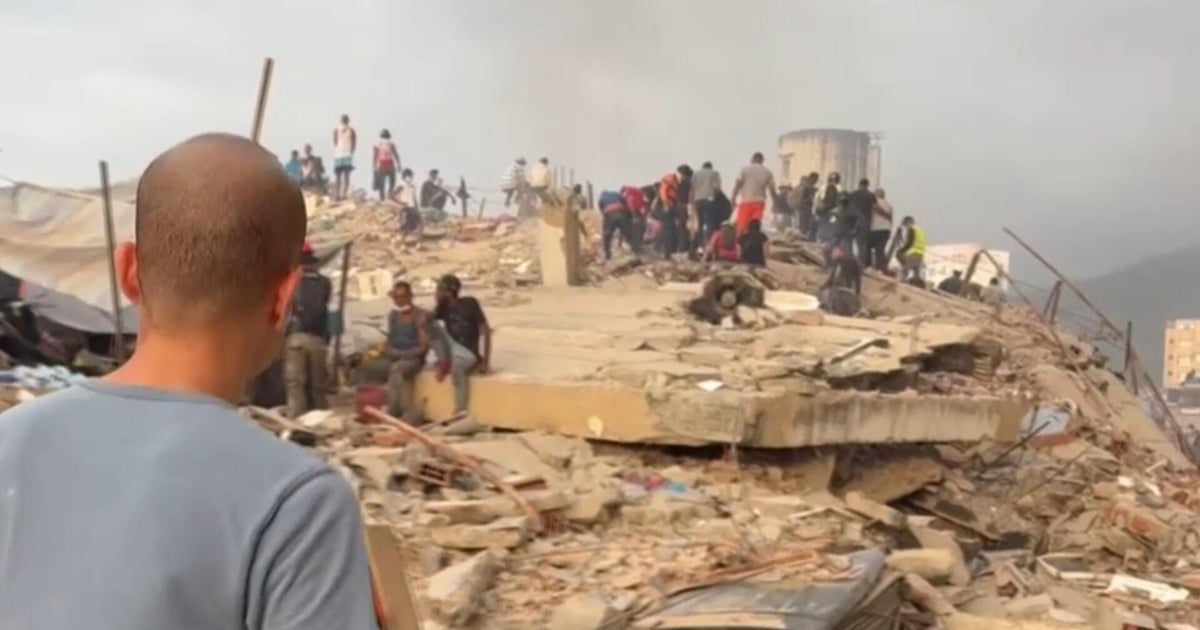
A 4.6-magnitude aftershock hit northern Venezuela, complicating rescue efforts following two major earthquakes last week that killed about 1,500 people. Rescue teams from Venezuela and other countries continue searching for survivors, with aid slowly arriving to the hardest-hit areas.
Key Facts
The aftershock occurred near Caraballeda on Venezuela’s Caribbean coast at a depth of 10 km (6 miles).
Last Wednesday, two strong earthquakes of magnitudes 7.2 and 7.5 struck northwestern Venezuela.
About 1,500 deaths have been confirmed and many buildings collapsed, with thousands still missing.
Around 30,000 Venezuelan rescuers and 2,700 foreign experts are involved in the search and rescue.
The critical 72-hour window for rescuing people after a disaster has passed, but some survivors have still been found.
Aid from 24 countries includes more than 500 tonnes of supplies, rescue personnel, and search dog teams.
Survivors and families are waiting near collapsed homes as aid reaches the hardest-hit zones.
Interim President Delcy Rodriguez emphasized ongoing rescue work and hope despite difficult conditions.
Read the Original
Want the full story? Tap a source to open the original
article.
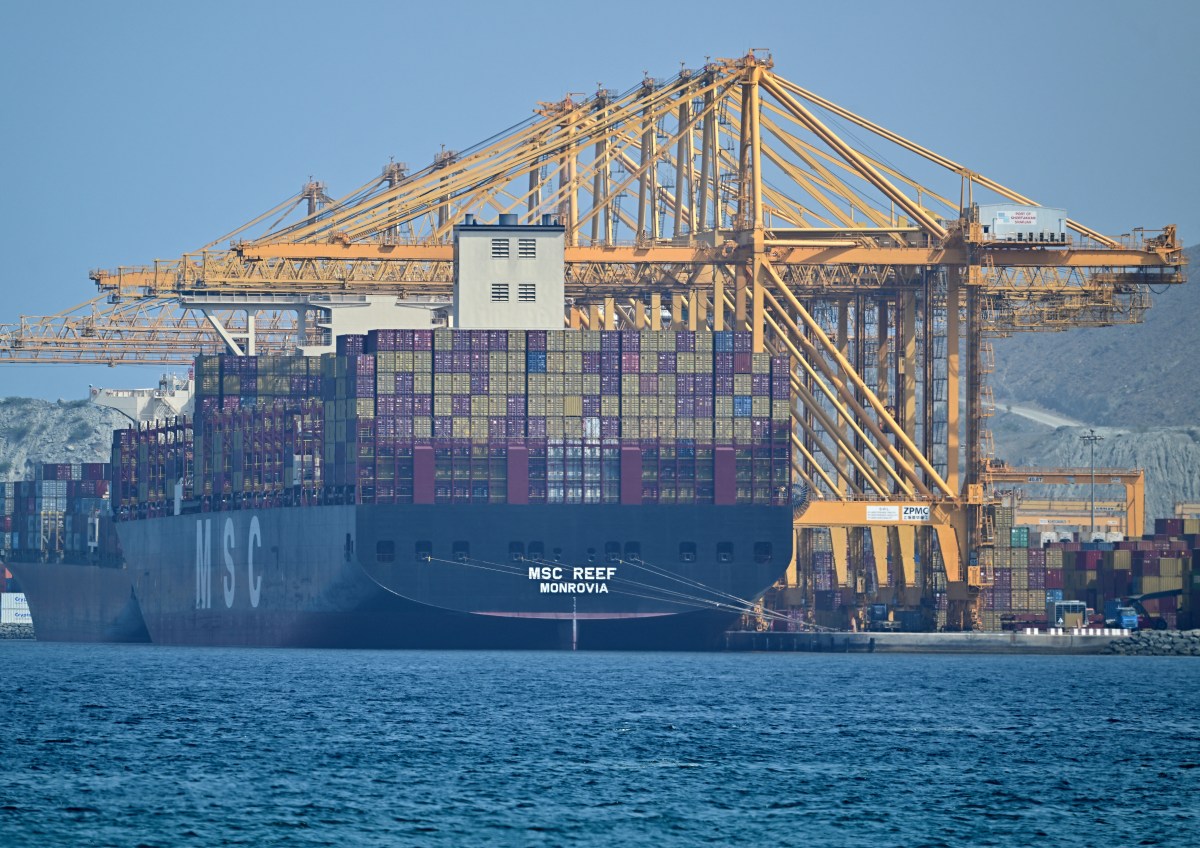
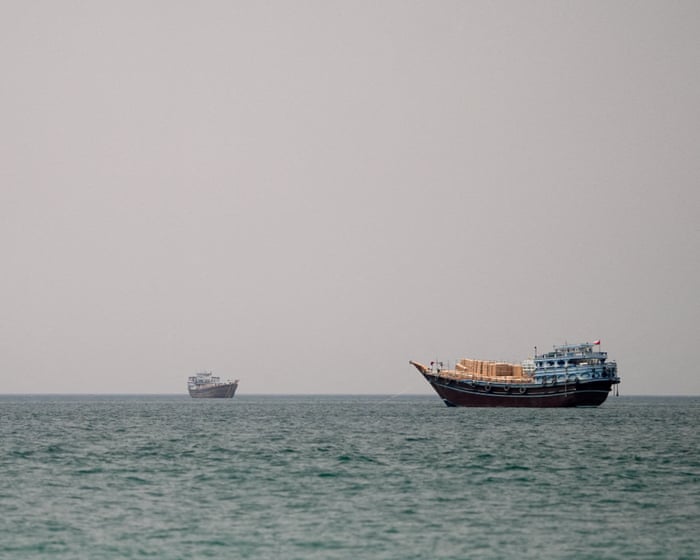
Tensions between the U.S. and Iran remain high over control of the Strait of Hormuz, a key waterway for global oil transport. Despite a recent ceasefire agreement signed by President Donald Trump and Iranian leaders, incidents like drone strikes and military responses have kept the situation unstable and uncertain.
Key Facts
The Strait of Hormuz is a vital international waterway where about one-fifth of the world’s oil passes through.
Iran aims to keep strategic control over the Strait and has charged fees to vessels using it, which violated international law.
A ceasefire memorandum was signed to end hostilities, but recent Iranian drone and missile attacks and U.S. military retaliation have strained this agreement.
The U.S. says the Strait is fully open; Iran says full restoration of maritime traffic depends on its own actions.
Shipowners face higher insurance costs and shipping delays due to the ongoing risks in the area.
Oman has worked with the International Maritime Organization to open alternative shipping routes along its coast to avoid Iranian-controlled areas.
Discussions between Iran and Oman about managing the waterway are sensitive and focus on respecting all neighboring countries’ rights.
The situation remains tense, with uncertainty about whether Iran will fully give up control of the Strait.
Read the Original
Want the full story? Tap a source to open the original
article.
The article discusses how the Korean War provides important lessons for understanding and maintaining a delicate ceasefire between the US and Iran. It suggests that past experiences from the Korean War could help guide how both sides manage their current tensions to avoid further conflict.
Key Facts
The Korean War involved intense fighting but also had periods of fragile ceasefires.
A ceasefire is a temporary stop to fighting between countries.
Lessons from those ceasefires can help in current international situations.
The US and Iran have a tense relationship that sometimes involves temporary agreements to stop fighting.
Learning from history can help leaders keep peace and avoid renewed violence.
The article highlights the importance of patience and diplomacy in fragile ceasefires.
Understanding past wars can provide practical advice for today’s conflicts.
Read the Original
Want the full story? Tap a source to open the original
article.
Thousands of undocumented immigrants are leaving South Africa ahead of a June 30 deadline set by anti-immigration groups. These groups have threatened to shut down the country if immigrants do not leave, amid recent violent attacks against foreign-owned businesses and immigrants.
Key Facts
Anti-immigration groups in South Africa set a deadline of June 30 for all undocumented immigrants to leave.
If immigrants do not leave, the groups have threatened to "shut the country down."
There have been violent attacks involving xenophobia, targeting foreign-owned businesses and immigrants.
Some immigrants were killed during protests linked to this issue.
Protesters accuse immigrants of stealing jobs, causing public service problems, and increasing crime, though immigrants make up only about 4% of the population.
These accusations have no evidence to support them.
The situation has caused fear and forced many immigrants to flee.
Read the Original
Want the full story? Tap a source to open the original
article.
Iran and Oman are competing over control of the Strait of Hormuz, a key waterway for global shipping. Iran wants to maintain sole control, rejecting proposals for new shipping routes near Oman. Oman is trying to create a management plan that respects international law and involves neighboring countries.
Key Facts
The Strait of Hormuz is about 24 miles wide and is crucial for trade and oil transport.
Iran sees controlling the strait as important leverage in talks with the U.S. about its nuclear program.
Iran signed a memorandum with the U.S. on June 18, but talks depend on lifting blockades in the strait.
Iran opposes involving other countries or organizations in managing the strait and controls the blockade effort.
The UN’s International Maritime Organization proposed two new shipping lanes, one near Oman and one near Iran.
Iran attacked a Singaporean ship on the southern route near Oman, causing the UN plan to be dropped.
Oman has developed a detailed plan to manage the strait fairly and legally, seeking regional and international approval.
Talks between Iranian and Omani officials show Tehran acknowledges Oman’s role but still wants key control.
Read the Original
Want the full story? Tap a source to open the original
article.
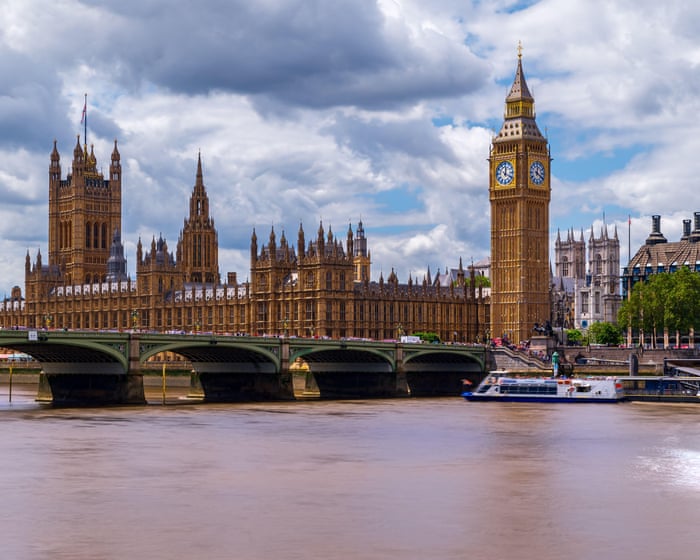
The UK government is introducing new national security laws that could classify certain foreign groups, like Iran’s Revolutionary Guards, as terrorist organizations. Experts warn that these laws might accidentally criminalize British journalists and charities if they communicate with sources linked to these groups.
Key Facts
The UK is passing a state threats bill to label some state-backed groups as terrorist organizations.
Groups such as Iran’s Islamic Revolutionary Guards Corps (IRGC) could be banned under this law.
The bill creates new crimes for supporting or getting benefits from these designated groups.
Benefits include money and information, and there is no legal excuse allowed for accepting them.
Experts warn journalists and charities working in conflict zones may risk prosecution due to contacts with these groups.
Press freedom groups want clearer protections for journalists in the bill’s text.
The Home Office says the bill does not block journalists but experts say the protections are not clear enough.
The law only allows prosecution if the attorney general thinks it serves the public interest, but experts say this may not be a strong guarantee.
Read the Original
Want the full story? Tap a source to open the original
article.
Pakistan conducted air raids along the Afghanistan-Pakistan border, targeting armed groups according to Pakistan, but reportedly striking civilian homes in Afghan provinces. The Afghan government says the attacks killed at least 36 civilians, mostly women and children, and wounded over 160 people, while Pakistan claims 29 fighters were killed.
Key Facts
Pakistan launched air and ground operations in Afghanistan’s Paktika, Paktia, and Kunar provinces.
Afghan officials say at least 36 civilians were killed and 163 wounded in these attacks.
Pakistan says it targeted militants, killing 29 fighters from the Pakistan Taliban (TTP).
Civilians, including families like Bismillah Khan’s, lost homes and loved ones.
A second air raid occurred during rescue efforts, causing more casualties.
Many Afghan families near the border have fled or sleep outside because of fear.
Pakistan accuses the TTP of using Afghanistan as a base for attacks inside Pakistan.
The Afghan government condemned the attacks as violations of their sovereignty and attacks on civilians.
Read the Original
Want the full story? Tap a source to open the original
article.
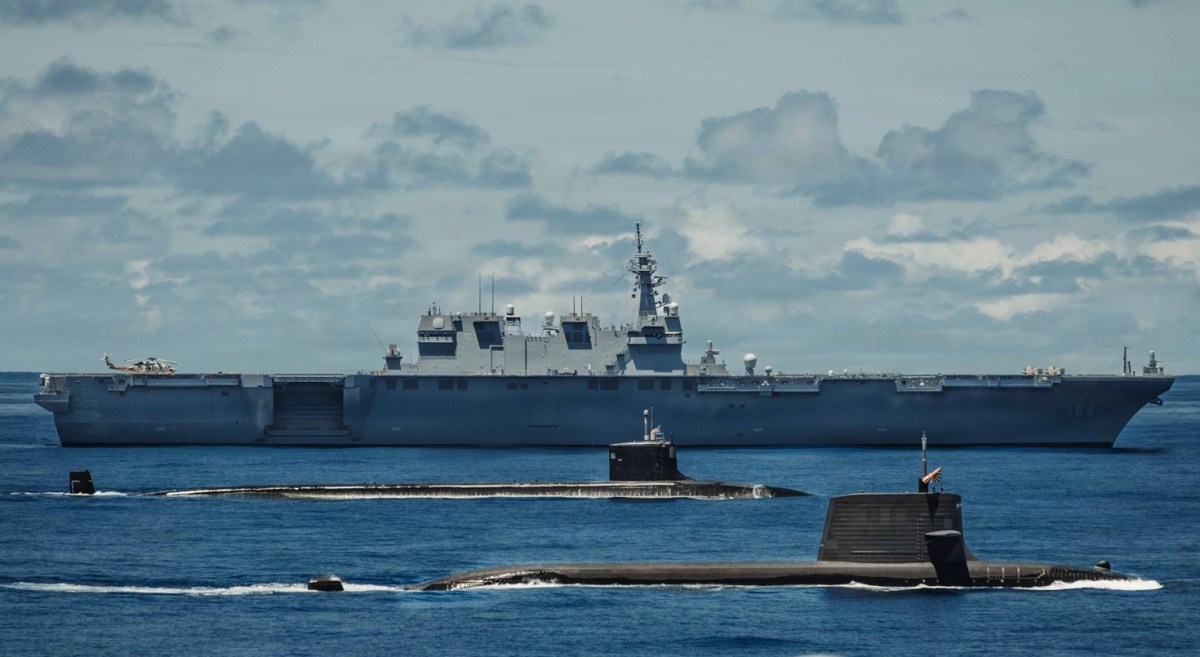
China has expanded its export restrictions to include 40 more Japanese companies linked to defense, aiming to stop what it calls Japan's "new militarism." Japan has increased its defense budget and military activities in response to regional threats, leading to tensions between the two countries.
Key Facts
China added 40 Japanese companies, including defense contractors and research institutes, to its export control lists.
This brings the total Japanese entities affected by China’s export controls to 80 since February.
China accuses Japan of speeding up military build-up and deploying offensive weapons.
Japan has doubled its defense spending to 2% of GDP and relaxed weapons export rules.
Exporters must provide risk reports and certify products will not support Japan's military if shipping to companies on China’s "watch list."
China says these controls target a small number of Japanese firms and do not affect regular trade.
Japan strongly opposes the move, calling it unacceptable and inconsistent with international rules.
Tensions partly stem from Japan’s growing security ties to the U.S. and Taiwan-related concerns.
Read the Original
Want the full story? Tap a source to open the original
article.
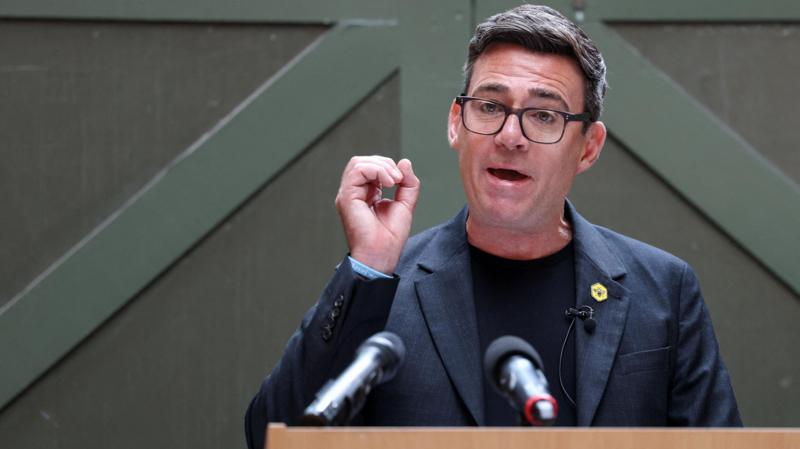
Andy Burnham announced a new plan called "No 10 North," which aims to shift more power from the UK government in London to local areas like Manchester. He promises to build more council houses, change education, reduce welfare fairly, and give regions more control over services such as water, energy, and transport.
Key Facts
"No 10 North" will be a new Downing Street team based in Manchester focused on rebalancing power across the UK.
Burnham wants to decentralize power away from Whitehall (central government offices in London) to local communities and regions.
Regions might get more public control over services like water, energy, and transportation.
The plan includes the biggest council house building program since after World War II.
Burnham calls for a major rethink of education and fair cuts to welfare spending.
He suggests employment and mental health support could be managed locally through trusted community organizations.
Burnham wants to extend devolution powers in Scotland, Wales, Northern Ireland, and English regions.
He announced his bid to become Labour’s next prime minister and spoke to former mayors from Liverpool, West Yorkshire, and South Yorkshire.
Read the Original
Want the full story? Tap a source to open the original
article.
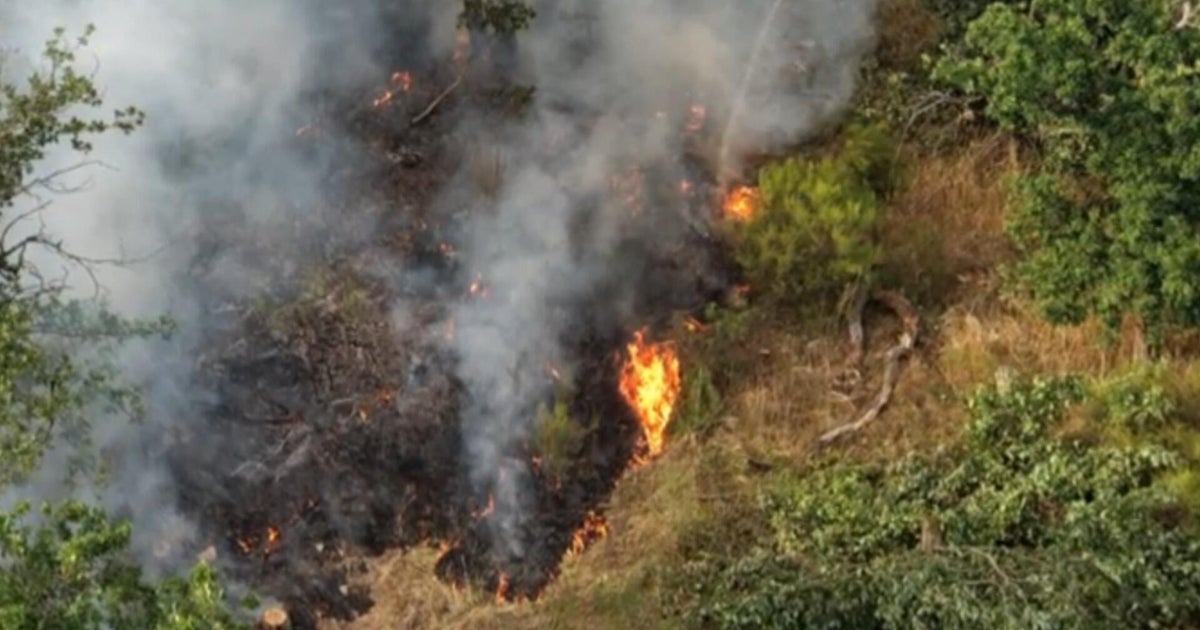
Three firefighters died while fighting wildfires near the Utah-Colorado border, and at least two other firefighters were injured. The incident happened during efforts to control the wildfires in that part of the Southwest United States.
Key Facts
Three firefighters lost their lives battling wildfires near the Utah-Colorado border.
At least two other firefighters were injured during the firefighting efforts.
The wildfires are located in the southwestern region of the United States.
The firefighters were actively working to control and extinguish the fires at the time of the incident.
The cause of the wildfires or details about the injuries have not been specified.
Read the Original
Want the full story? Tap a source to open the original
article.
Prince Harry plans to bring his wife Meghan and their children to the UK on a visit next week if security can be arranged. His team is working to ensure the trip is safe, as previous concerns about police protection have delayed family visits.
Key Facts
Prince Harry wants Meghan and their two children, Archie and Lilibet, to join him on his UK trip.
There have been worries about the level of police protection for the family in the UK.
Harry’s team says they are exploring all options to make the visit safe.
Harry previously said he would not bring his family to the UK without better security.
A committee called Ravec decides the security for senior royals, but Harry’s team disagrees with their risk assessment.
Harry lost a legal challenge over his police protection earlier this year.
Meghan and the children have not visited the UK or met King Charles III since 2022.
The family has been offered royal estate accommodation, but security outside the estate is also a concern.
The visit includes events related to the Invictus Games, which Harry founded and will be held in Birmingham next year.
Read the Original
Want the full story? Tap a source to open the original
article.
Senegal’s President Bassirou Diomaye Faye will hold a referendum on a constitutional reform that shifts power away from the president to the parliament and prime minister. The country’s National Assembly passed the reform despite opposition protests and political tension.
Key Facts
The constitutional reform will increase the powers of Senegal’s parliament and prime minister.
The reform reduces the president’s powers.
The bill was approved by a large majority in the National Assembly.
Opposition members boycotted the vote and some engaged in protests outside the Assembly building.
Police used tear gas to stop about 50 protesters who tried to enter the National Assembly.
The reform was proposed by the Pastef party, led by former prime minister Ousmane Sonko.
President Faye fired Sonko as prime minister in May, and Sonko is now the speaker of the National Assembly.
Justice Minister Moussa Sarr announced that President Faye will ask the public to vote on the reform in a referendum.
Read the Original
Want the full story? Tap a source to open the original
article.
Iraq’s new prime minister has arrested 47 officials and politicians in a crackdown on corruption linked to the Ministry of Oil. This action is seen as an early step in a long effort to reduce widespread corruption, which has been complicated by powerful militias connected to Iran that influence Iraqi politics and the economy.
Key Facts
Most US dollar transfers to Iraq, related to oil sales, have shifted from cash to digital payments to reduce corruption.
Prime Minister Ali al-Zaidi arrested 47 individuals, including lawmakers, connected to corruption investigations in the Ministry of Oil.
Iraq’s government system divides power among ethnic and sectarian groups, with ministries seen as sources of wealth for political parties.
US efforts to fight corruption in Iraq have included supporting anticorruption agencies, though many Iraqis see these agencies as corrupt themselves.
Iran-backed militias embedded in Iraq’s government and economy have attacked US forces and the US embassy, complicating efforts to stabilize the country.
Iraqi officials often hesitate to confront militias directly out of fear of causing civil conflict.
Militias have operated like criminal groups, extorting money through checkpoints and gaining control of government ministries.
The US has applied financial pressure on these militias to restrict their funding sources.
Read the Original
Want the full story? Tap a source to open the original
article.
Dana Shabat, an 18-year-old student in Gaza, is taking her final exams online despite severe challenges caused by the ongoing conflict in the region. Many schools have been destroyed, and Dana faces disruptions like bombings, displacement, and power outages while continuing her education.
Key Facts
Dana Shabat is 18 years old and lives in Gaza.
She is taking her final school exams online.
Many schools in Gaza have been destroyed during the conflict.
The ongoing war has caused bombings and forced many people to leave their homes.
Power outages and other difficulties are part of daily life in Gaza during this time.
Dana wants to succeed in her education and honor her mother’s memory.
The conflict in Gaza has major effects on students and schools.
Read the Original
Want the full story? Tap a source to open the original
article.
The Democratic Unionist Party (DUP) said that some current and former members knew about allegations against Jeffrey Donaldson but did not report them properly. Donaldson was recently found guilty of child sexual abuse, and new serious claims about his behavior have caused a crisis in the party. The DUP has started an independent review to investigate how the party handled the information.
Key Facts
Jeffrey Donaldson, former DUP leader, was found guilty of 18 sexual offenses against children.
Donaldson faces sentencing in September and plans to appeal the verdict.
Allegations include inappropriate sexual behavior, visiting a gay sauna while condemning homosexuality, and getting very drunk on trips.
Some DUP members knew about other allegations but did not formally report them.
Two senior party leaders were informed five years ago about a woman claiming exploitation by Donaldson.
The DUP suspended Donaldson after he was first charged in 2024.
Critics question the independence of the DUP’s internal review investigating these matters.
The party is under significant pressure ahead of next year’s assembly election.
Read the Original
Want the full story? Tap a source to open the original
article.
A large fire broke out at a rubber factory in Accra, the capital city of Ghana. At the same time, heavy flooding submerged neighborhoods, leaving people trapped and causing power outages.
Key Facts
A rubber factory in Accra caught fire and burned heavily.
Strong floods caused parts of Accra to be underwater.
Flooding made it harder for firefighters to control the fire.
Many people in Accra were stranded because of the water.
Some areas experienced power cuts during the floods and fire.
The floods were caused by a heavy downpour (strong rainfall).
The combination of fire and flooding created a difficult situation for residents and emergency workers.
Read the Original
Want the full story? Tap a source to open the original
article.
In June, President Donald Trump and Iranian Parliament Speaker Mohammad Bagher Ghalibaf signed a 14-point memorandum of understanding (MoU) to pause a 109-day conflict between the US and Iran. The agreement lifts the US naval blockade on Iran in exchange for reopening the Strait of Hormuz, but violence between the two countries has not completely stopped as they work toward a permanent settlement.
Key Facts
The MoU was signed in June after 109 days of conflict between the US and Iran.
Pakistan and Qatar played major roles as mediators in creating the agreement.
The agreement ended the US naval blockade on Iran and required Iran to reopen the Strait of Hormuz.
Since the MoU, attacks between the US and Iran have decreased but still happen occasionally.
About 7,200 missiles were fired during the conflict, mostly targeting civilian infrastructure.
Analysts say the MoU is a temporary solution based on mutual pain, not a true peace agreement.
Unlike ceasefires involving non-state groups, this deal involves two governments with clear command structures.
Both countries face serious economic losses if fighting resumes, especially affecting global energy markets.
Read the Original
Want the full story? Tap a source to open the original
article.
An earthquake measuring 5.5 on the Richter scale hit Yibin in Sichuan province, China, just after midnight on Monday. The quake caused injuries to at least 13 people, but no deaths were reported.
Key Facts
The earthquake occurred in Yibin, a city in southwest China’s Sichuan province.
It happened shortly after midnight on Monday.
The magnitude of the earthquake was 5.5.
At least 13 people were injured.
No fatalities were reported by officials.
Local news agencies reported on the event.
Read the Original
Want the full story? Tap a source to open the original
article.