Neutral summaries of your favorite news sources — just the facts.
Your favorite news sources, one neutral feed — we distill their reporting into fact-first
summaries and always link to the original story. How it works
World News
Comprehensive coverage of international news and global events
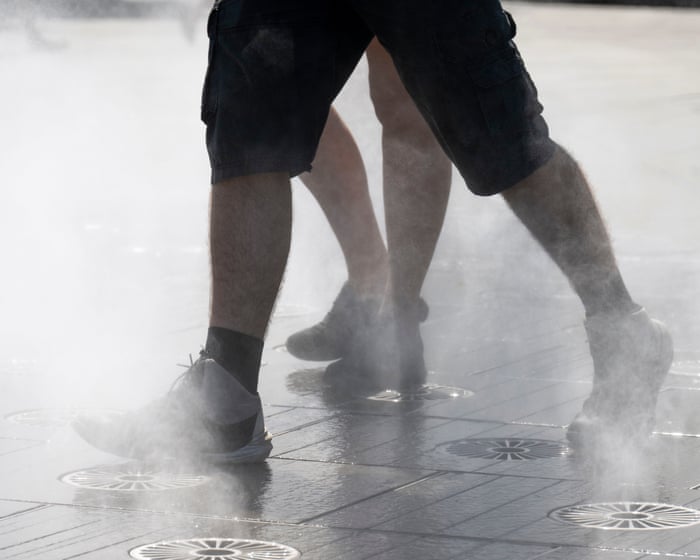
A heatwave is spreading across central, eastern, and southern Europe, causing extremely high temperatures and dangerous conditions. Several countries, including Hungary, Poland, Romania, and Serbia, have issued heat warnings and offered cooling centers, while some areas in western Europe have begun to see temperatures ease after record-breaking heat caused many deaths.
Key Facts
Cities like Budapest, Belgrade, and Bucharest faced temperatures around 37 to 40 degrees Celsius.
Germany recorded a high of 41.7 degrees Celsius for the third day in a row, causing transport disruptions.
Over 1,800 excess deaths were reported in France and Spain due to the heatwave.
Torrential rain and floods occurred in Italy’s Alto Adige region during the extreme weather.
The heatwave is linked to the climate crisis caused by burning fossil fuels, according to scientists.
Two cyclists died from heat during a biking event in Poland, and children died in Cyprus from being trapped in a hot car.
Many cities in central and eastern Europe have buildings that trap heat and few air conditioners.
Ukraine's damaged energy grid faced rising electricity demand and emergency power outages due to the heat.
Read the Original
Want the full story? Tap a source to open the original
article.
France's hospitals are better prepared now for heatwaves than they were in 2003, when a deadly heatwave caused many deaths. However, as heatwaves become more common and stronger, more investment is needed to protect vulnerable people, especially by ensuring places like hospitals and homes have air conditioning.
Key Facts
France experienced a deadly heatwave in 2003 that caused many deaths.
Since 2003, French hospitals have improved their emergency plans and medical practices for heatwaves.
Heatwaves are becoming more frequent and intense due to climate change.
Protecting vulnerable people requires better infrastructure, such as air conditioning in hospitals, care homes, schools, and private homes.
Dr. Antoine Flahault, an epidemiologist, highlights that health systems must adapt structurally, not just react to immediate emergencies.
The current heatwave in France has caused hospital overcrowding and serious health challenges.
Climate change and rising temperatures are key reasons behind the increasing heatwave risks in Europe.
Read the Original
Want the full story? Tap a source to open the original
article.
The European Union said it will not take a position on whether people should use air conditioning during Europe’s record heatwave. The debate is political in some countries like France, where leaders strongly disagree about its environmental impact and use.
Key Facts
The EU said it will not tell people if they should install air conditioning in their homes.
Air conditioning is less common in Europe than in other parts of the world, with around 20% of homes having it.
The heatwave across Europe is causing more people to buy air conditioners, especially in older buildings that are not well insulated.
Some political leaders in France support wider air conditioning use, while others say it worsens environmental problems.
Critics say air conditioning uses a lot of energy and can increase local outdoor temperatures in cities.
The environmental effect depends on how the electricity to run air conditioning is produced.
The EU is working on housing policies that include energy efficiency and climate measures but will not control personal decisions on cooling.
Read the Original
Want the full story? Tap a source to open the original
article.
The Arab League and many Arab governments have taken limited action in response to ongoing violence and killings in Gaza and surrounding areas. This is due to a mix of historical foreign influence, dependence on powerful countries like the US, and a disconnect between Arab leaders and their people.
Key Facts
The violence in Gaza has lasted almost three years and spread to the West Bank, East Jerusalem, Syria, and Lebanon.
The Arab League has mostly issued statements and sent small aid instead of strong actions.
Many Arab states were formed after World War I under foreign influence and still rely on other powers for money, military help, and technology.
This reliance limits their ability to act independently against Israel or the US.
Punishing actions like sanctions or military attacks from powerful countries deter Arab governments from confronting Israel.
Arab states face ongoing internal problems like poverty, unemployment, and ethnic tensions, weakening their stability.
There is a gap between Arab governments and citizens; citizens depend on the state for basic needs while leaders control policies.
Foreign powers such as the US, UK, France, Russia, Iran, Israel, and Turkey have strong influence in the region’s politics and security.
Read the Original
Want the full story? Tap a source to open the original
article.
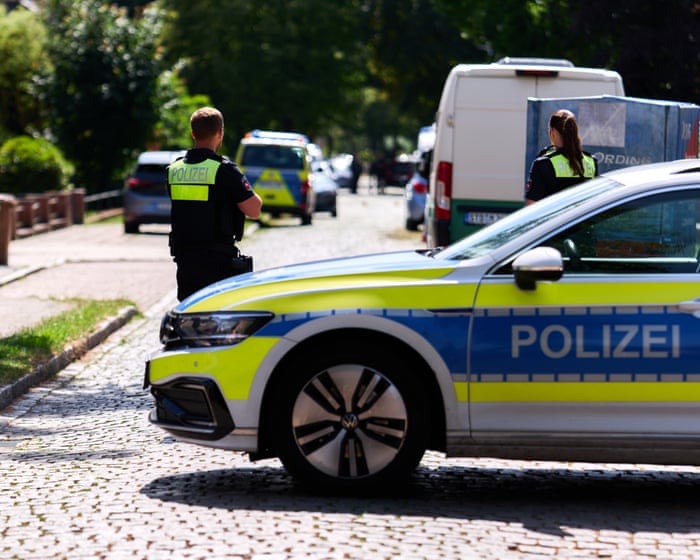
Five adults were shot and killed at a youth welfare facility in Stade, Germany. Police arrested two people, including the suspected shooter, but the reason for the attack is still unknown.
Key Facts
The shooting happened in Stade, a town near Hamburg in northern Germany.
Five adults died in the shooting at the youth welfare facility.
Two people were arrested, one of whom is suspected to be the shooter.
Police are unsure how many others might have been hurt.
The area was secured by police, and experts searched the scene.
Police told local residents to stay away at first but later said there was no ongoing danger.
A witness saw a man and woman try to escape by car but police stopped them.
Mass shootings are uncommon in Germany but have happened in recent years, including attacks in Hamburg (2023) and Munich (2016).
Read the Original
Want the full story? Tap a source to open the original
article.
Music industry legend Clive Davis died at age 94. Many famous musicians and notable figures gathered to honor him at a funeral in New York, which was livestreamed for the public.
Key Facts
Clive Davis died on June 22 at his Manhattan apartment at age 94.
The funeral took place at Central Synagogue in Manhattan and was livestreamed.
Kenny G opened the service with a saxophone solo.
Stars like Bruce Springsteen, Dionne Warwick, Barry Manilow, and Stevie Wonder attended.
Davis helped launch or boost careers of artists such as Whitney Houston, Alicia Keys, Bruce Springsteen, and Kenny G.
He hosted an annual pre-Grammy Awards gala for over 50 years.
Former President Barack Obama praised Davis at this year’s gala.
Davis is survived by four children, eight grandchildren, and two great-grandchildren.
Read the Original
Want the full story? Tap a source to open the original
article.
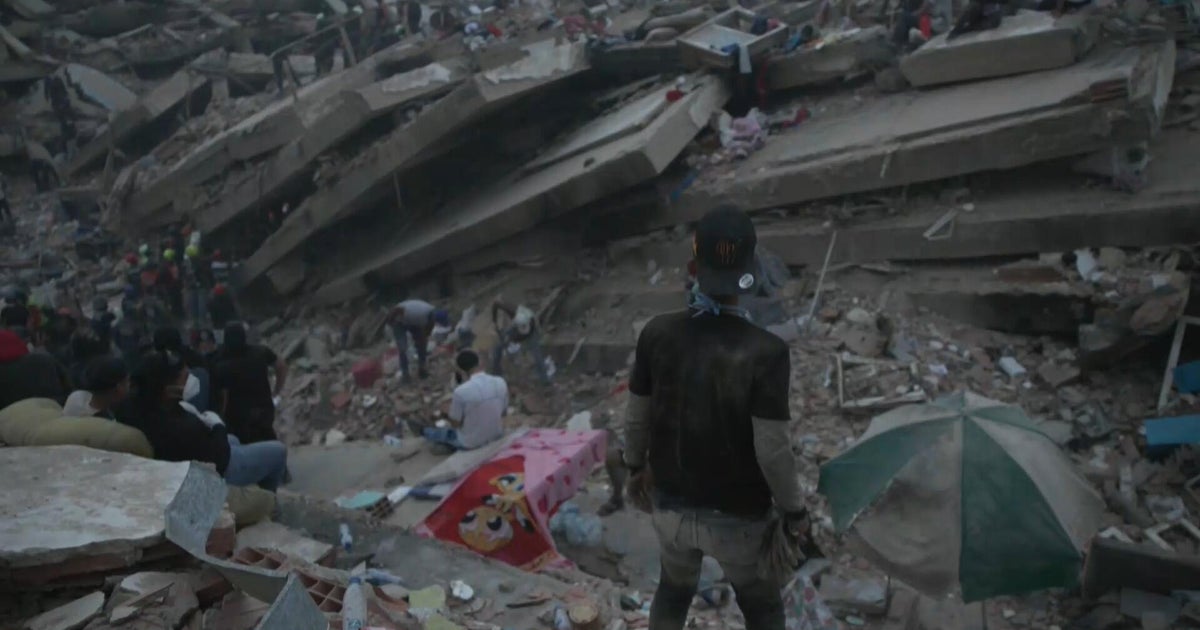
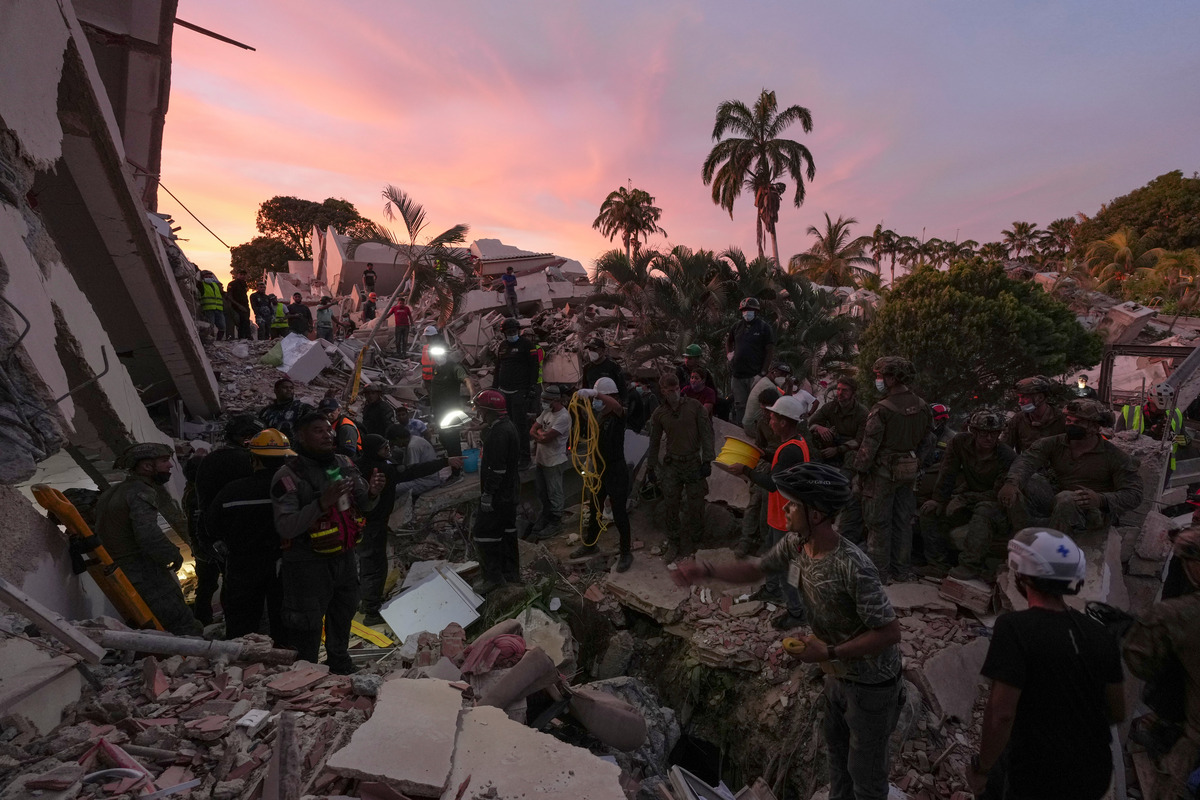
Rescue teams in Venezuela are still looking for survivors five days after two earthquakes hit the country. More than 1,400 people have died, and thousands remain missing as families search for loved ones amid the destruction.
Key Facts
Two strong earthquakes struck Venezuela, causing many deaths and damage.
Over 1,400 people have died from the earthquakes.
Tens of thousands are still missing after the disaster.
Families gather at hospitals in Caracas hoping to find missing relatives.
A U.S. rescue team helped save a mother and her 9-month-old baby from the rubble.
More than 300 American rescuers are helping on the ground in Venezuela.
The U.S. Secretary of State offered full assistance to Venezuela after speaking with its Acting President.
The worst-hit area is La Guaira, a coastal city with severe damage and a humanitarian crisis.
Read the Original
Want the full story? Tap a source to open the original
article.
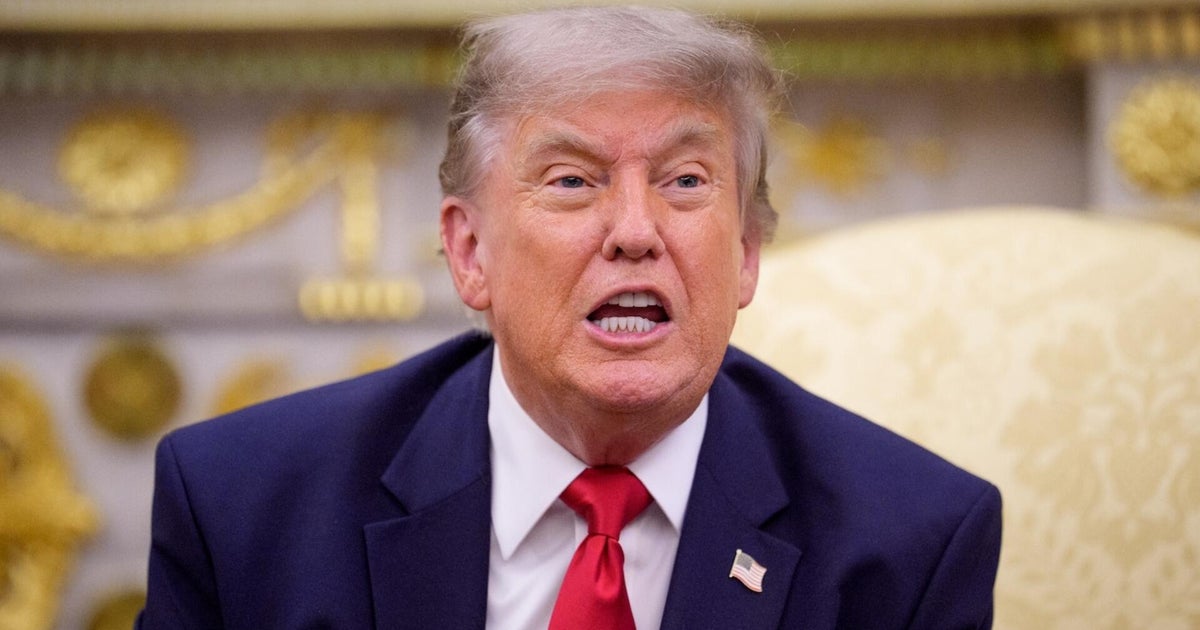
President Donald Trump announced that Iran has requested a meeting to be held in Qatar on Tuesday, but Iran denied that any talks are scheduled. Meanwhile, tensions continue in the Strait of Hormuz, with international efforts underway to ease the situation and ensure safe passage.
Key Facts
President Trump said Iran asked for a meeting in Doha, Qatar, on Tuesday.
Iran’s state news agency said no technical talks are planned this week.
White House confirmed that envoys Steve Witkoff and Jared Kushner will attend meetings in Doha.
U.S. Secretary of State Marco Rubio and Special Envoy Steve Witkoff will brief Congress on the Iran deal.
France and Oman plan to work with partners to clear mines from the Strait of Hormuz to secure shipping routes.
Germany pledged €250 million to help regions in Africa and Asia affected by the Strait of Hormuz blockade.
Iraq’s government set a September 30 deadline for pro-Iran armed groups to disarm.
Israel and Lebanon reached a U.S.-mediated framework for peace involving troop presence and Hezbollah disarmament.
Read the Original
Want the full story? Tap a source to open the original
article.
President Donald Trump announced that the U.S. and Iran will hold talks in Doha, Qatar, on Tuesday. This comes after military strikes occurred near the Strait of Hormuz over the weekend. Iran has not yet confirmed these planned talks.
Key Facts
President Trump said on social media that the U.S. and Iran will meet in Doha, Qatar, on Tuesday.
The announcement followed recent strikes near the Strait of Hormuz, a key shipping route.
Iran has not officially confirmed the upcoming talks.
The situation is part of ongoing tensions between the U.S. and Iran.
Doha, the capital of Qatar, is often used as a neutral place for international talks.
Read the Original
Want the full story? Tap a source to open the original
article.
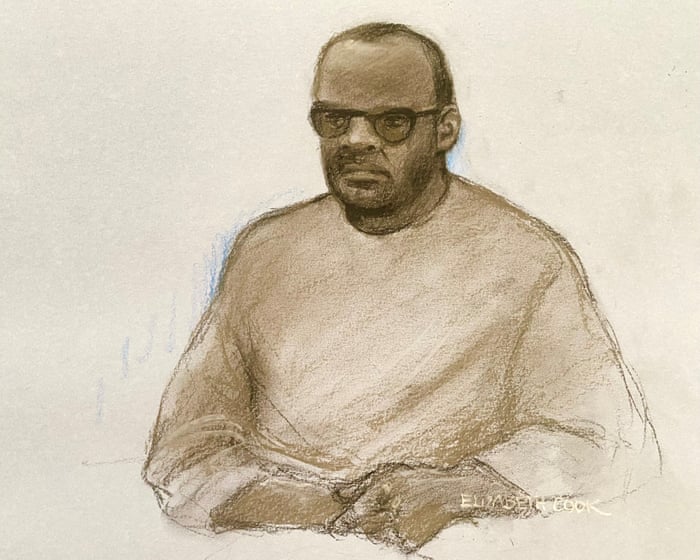
Simon Levy is on trial in London for allegedly murdering two women and attacking a third in a series of violent sexual crimes during 2025. The victims were vulnerable women involved in sex work or drug addiction, and the prosecution says DNA and CCTV evidence link Levy to the crimes.
Key Facts
Simon Levy, 40, denies killing Carmenza Valencia-Trujillo (53) and Sheryl Wilkins (39), and attacking a third woman.
The attacks occurred over eight months in 2025 in south-east London and Tottenham.
The victims were vulnerable, involved in sex work or exchanged sex for money or drugs.
CCTV showed Levy with Wilkins shortly before her murder in a car park.
DNA evidence connected Levy to the killing of Valencia-Trujillo, which was sexually motivated.
The first victim survived a brutal assault where she was raped, strangled, and left unconscious.
The survivors testified and identified Levy, who lived near the crime scenes.
Levy denies all charges including murder, rape, and strangulation; the trial is ongoing.
Read the Original
Want the full story? Tap a source to open the original
article.
The United Nations warns that the city of el-Obeid in Sudan is at risk of mass atrocities similar to those seen in el-Fasher in 2025. The Rapid Support Forces (RSF) have attacked and are now surrounding el-Obeid, putting the local community survival systems under extreme pressure.
Key Facts
The UN has issued a warning about possible mass atrocities in el-Obeid, Sudan.
The situation is compared to events in el-Fasher in 2025.
The Rapid Support Forces (RSF) attacked el-Fasher before moving to siege el-Obeid.
The community survival systems in el-Obeid are close to collapsing.
Al Jazeera journalist Marah Rayan has reported from el-Obeid.
The conflict threatens the safety and basic needs of people living in el-Obeid.
Read the Original
Want the full story? Tap a source to open the original
article.
A report from Human Rights Watch says that all sides in the conflict in Mali—Islamic militants, the Malian army, and their Russian allies—have caused serious harm to civilians. This includes killings, drone strikes, and abuses against communities during fighting that intensified earlier in 2026.
Key Facts
Islamic militants linked to al-Qaeda and the Malian army, with Russian military support, committed serious abuses against civilians in Mali.
The abuses include killing civilians, burning vehicles, and drone strikes that killed adults and children.
At least 38 civilians, including 23 children, were killed during military operations against Fulani communities.
Two drone strikes by Mali’s military killed 22 people, including children and teenagers.
The conflict in Mali involves Islamist militant groups, Tuareg separatists, and the Malian military.
Violence rose after coordinated attacks in April targeted Mali’s capital and other cities.
Mali’s defense minister died in a car-bomb attack in 2026.
Thousands of Malians have fled to neighboring countries due to the ongoing violence and abuses.
Read the Original
Want the full story? Tap a source to open the original
article.
President Donald Trump announced that a meeting between the United States and Iran will take place in Qatar, despite recent military clashes in the Gulf. The meeting aims to continue talks on a memorandum of understanding to ease tensions, especially concerning Iran’s nuclear program and the Strait of Hormuz.
Key Facts
President Trump said Iran requested the meeting in Doha, Qatar, scheduled for Tuesday.
An Iranian official had previously said no technical talks were planned for this week.
The U.S. negotiating team will include special envoy Steve Witkoff and Jared Kushner, Trump’s son-in-law.
The talks relate to a 14-point memorandum of understanding (MoU) aimed at ending conflict and promoting ceasefire, including in Lebanon.
Iran controls the Strait of Hormuz and has fired on ships passing through lanes outside its control.
The U.S. has responded by striking Iranian positions near the strait, and Iran retaliated with missile and drone attacks on American bases.
Despite attacks, both sides claim they are upholding ceasefire agreements and continuing diplomatic efforts.
The deal has helped lower U.S. gasoline prices by easing Iran’s blockade on Hormuz and reducing U.S. sanctions on Iranian energy products.
Read the Original
Want the full story? Tap a source to open the original
article.
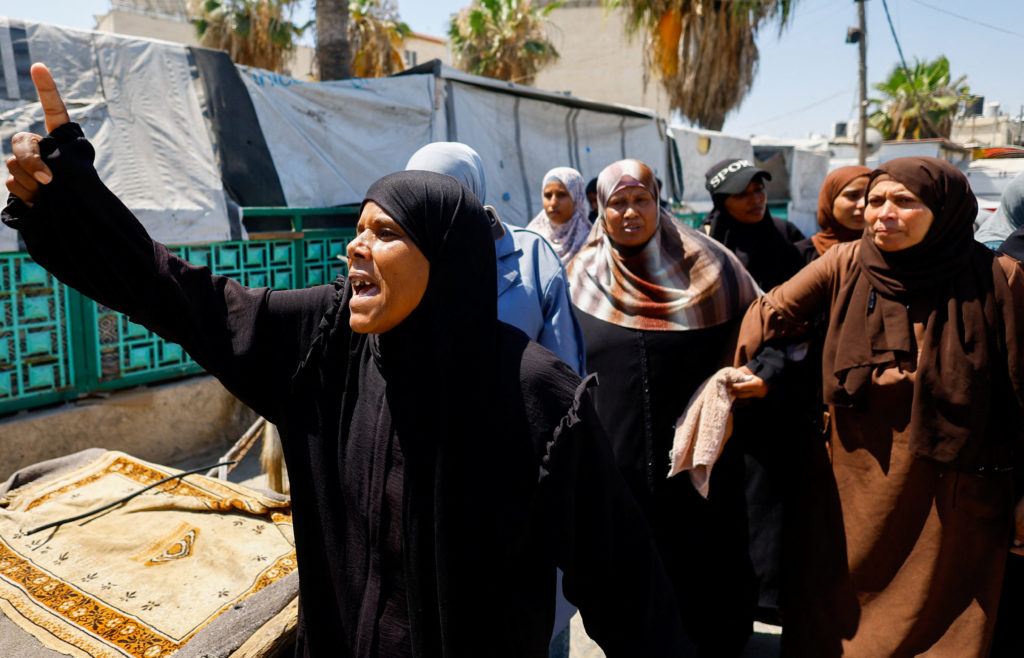
Israeli forces struck a tent in the central Gaza Strip, killing three Palestinians, including an 8-year-old boy and his grandfather. The Israeli military said the strike targeted a militant but did not confirm if the militant was killed.
Key Facts
The strike happened in Deir al-Balah, a town in central Gaza.
Among the dead were Hassan al-Hanagra and his 8-year-old grandchild, Malik Abu Shawish.
Malik was visiting his mother’s tent when the strike occurred; his mother was among seven people wounded.
Israel said it was targeting militants involved in attacks against Israeli troops.
Another strike on Sunday killed a member of Islamic Jihad linked to the Oct. 7 attack that started the current conflict.
Since an October ceasefire, Israeli forces have carried out nearly daily strikes in Gaza.
According to Gaza health officials, over 1,000 Palestinians have been killed since the ceasefire, including hundreds of women and children.
Israel reports five soldiers have died in militant attacks since the ceasefire.
Read the Original
Want the full story? Tap a source to open the original
article.
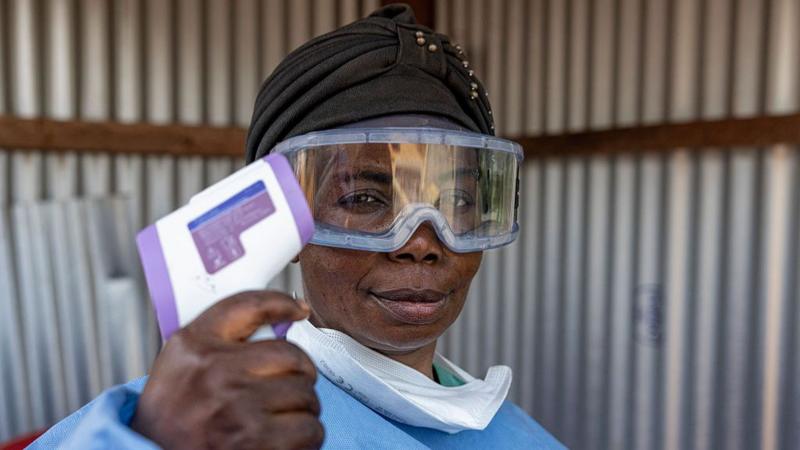
The Democratic Republic of Congo (DR Congo) has banned large public gatherings in its capital, Kinshasa, and three other provinces to stop the spread of Ebola. The disease is currently confirmed in three eastern provinces, but the government is concerned it could reach Kinshasa, which has 18 million people.
Key Facts
Mass gatherings are banned in Kinshasa, Tshopo, Haut-Uele, and Bas-Uele provinces to prevent Ebola spread.
Ebola has been confirmed in three eastern provinces: Ituri, North Kivu, and South Kivu.
The government fears Ebola could spread to Kinshasa, despite no confirmed cases there yet.
Opposition groups claim the ban is politically motivated to stop a protest planned for July 8.
A doctor who tested positive for Ebola in France recently traveled through Kinshasa.
The outbreak has caused 1,274 confirmed infections and 360 deaths so far.
Neighboring Uganda has reported 20 Ebola cases and 2 deaths.
This Ebola outbreak is caused by the Bundibugyo species, which currently has no vaccine.
Conflict in eastern DR Congo is making it harder to control the outbreak.
Read the Original
Want the full story? Tap a source to open the original
article.
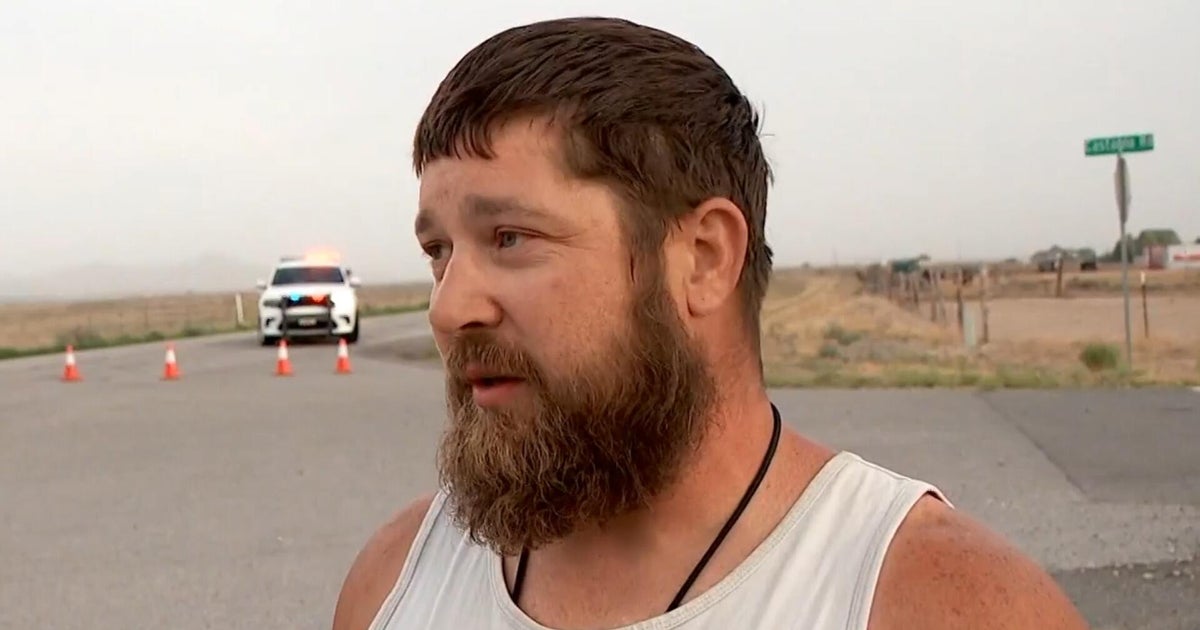
Strong winds have caused wildfires in Utah and Colorado, burning many acres and making people evacuate quickly. Colorado declared a state of emergency because of new fires.
Key Facts
High winds have spread wildfires in Utah and Colorado.
Thousands of acres have been burned by the fires.
Residents had to leave their homes quickly to stay safe.
Colorado declared a state of emergency due to new wildfires.
Authorities are monitoring the situation closely to protect people and property.
Read the Original
Want the full story? Tap a source to open the original
article.
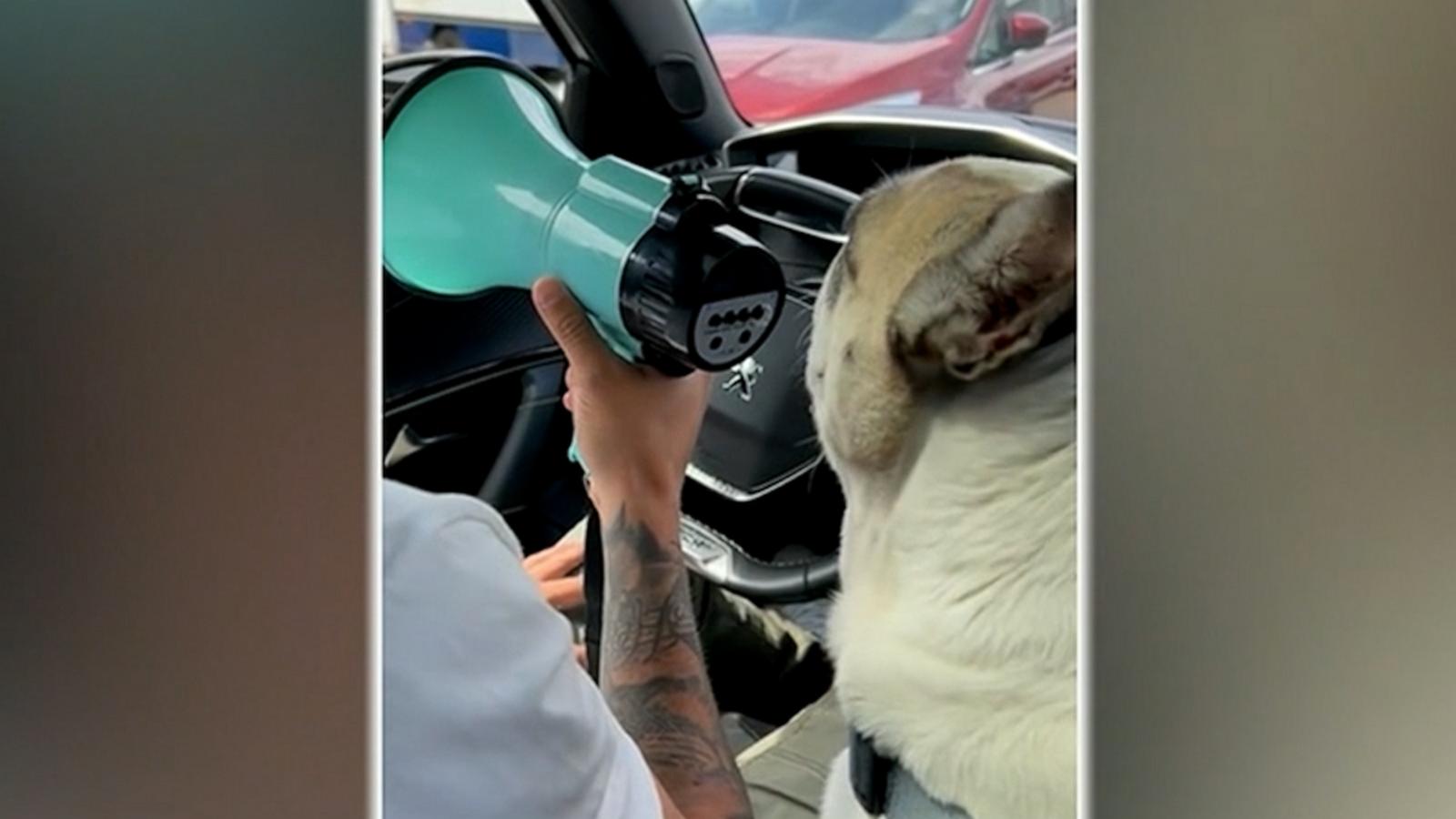
Sunny is a French bulldog who became famous online because a video shows her "talking" a lot. The video has been watched millions of times by internet users.
Key Facts
Sunny is a French bulldog featured in a viral video.
The video showcases Sunny "talking" or making expressive sounds.
Millions of people have watched the video online.
The article was published on June 29, 2026.
The story focuses on Sunny's popularity on social media platforms.
Read the Original
Want the full story? Tap a source to open the original
article.
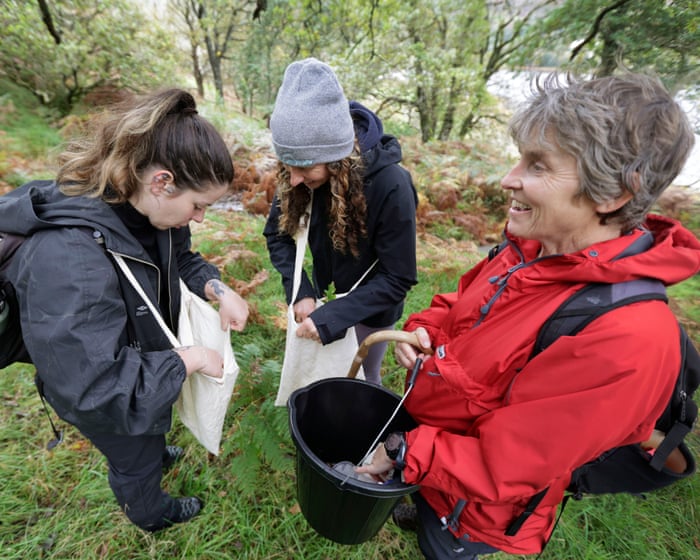
Volunteers in Scotland have collected 11 million seeds by hand to help restore the Atlantic rainforest, a rare type of wet forest along Scotland's coast. These native trees are grown into seedlings and planted in the right areas to bring back lost parts of this unique habitat.
Key Facts
About 100 volunteers gather seeds from native trees like oak, birch, willow, and yew in remote parts of western Highlands and islands.
The Atlantic rainforest in Scotland covers only about 30,000 hectares now.
Seeds are collected using detailed maps that locate ancient woodlands in challenging places.
Trees for Life, a rewilding group, processes the seeds at a nursery near Inverness to grow seedlings.
Seedlings are sent back to correct zones to restore forests in projects funded with millions of pounds.
The Woodland Trust uses these saplings in reforestation projects and sells them to farmers planting small woods.
Volunteers learn about tree species and ecology during their seed collecting trips.
Native trees are important because they are adapted to Scotland’s climate and soil, helping them survive as the environment changes.
Read the Original
Want the full story? Tap a source to open the original
article.
U.S. and Iranian officials are expected to meet in Qatar soon, following recent exchanges of military strikes and a fragile ceasefire. Iran may receive $6 billion in frozen funds from Qatar as part of a deal, while tensions continue with Israel destroying Hezbollah tunnels in Lebanon.
Key Facts
U.S. and Iran plan talks in Qatar, requested by Iran, but details are unclear.
Both countries recently exchanged strikes, threatening their fragile ceasefire.
Iran’s president says $6 billion of its frozen assets in Qatar could be released.
Iran and Oman have begun talks about managing the Strait of Hormuz, a key shipping route.
Israel destroyed a 200-meter tunnel with weapons belonging to Hezbollah in southern Lebanon.
Hezbollah accuses Israel of violating the ceasefire with strikes on Lebanese towns.
Oil prices rose slightly after the weekend’s clashes but remained mostly stable.
Iran’s negotiator denied any confirmed new U.S.-Iran talks this week, contradicting President Trump’s statement.
Read the Original
Want the full story? Tap a source to open the original
article.
Two strong earthquakes hit northern Venezuela on June 24, killing at least 1,450 people and leaving nearly 69,000 missing. U.S. emergency teams and other international groups are helping with rescue efforts, but the search for survivors is becoming harder as more time passes.
Key Facts
Two earthquakes of magnitudes 7.2 and 7.5 struck northern Venezuela on June 24.
At least 1,450 people have died, and around 68,900 are unaccounted for.
The hardest-hit area is La Guaira, near the capital city Caracas.
Venezuelan acting president Delcy Rodríguez took charge after U.S. forces captured former president Nicolás Maduro in January.
The country’s infrastructure, including hospitals and roads, was already in poor condition before the earthquakes.
Rescue teams usually say survivors are unlikely to be found after 72 hours without help.
U.S. responders found survivors, including an infant and a mother with her newborn, more than three days after the earthquakes.
The U.S. sent search and rescue teams, medical supplies, and humanitarian aid to Venezuela after the disaster.
Read the Original
Want the full story? Tap a source to open the original
article.