Neutral summaries of your favorite news sources — just the facts.
Your favorite news sources, one neutral feed — we distill their reporting into fact-first
summaries and always link to the original story. How it works
World News
Comprehensive coverage of international news and global events
Iran launched drone and missile attacks on Bahrain and Kuwait after recent U.S. airstrikes against Iran. Iran warned it might fully stop peace talks if the U.S. continues attacks, while discussions on controlling the Strait of Hormuz and sanctions are ongoing.
Key Facts
Iran attacked Bahrain and Kuwait with drones and missiles following U.S. strikes on Iranian targets.
These attacks targeted Gulf states that host U.S. military forces, including Bahrain’s U.S. Navy 5th Fleet base and a major U.S. base in Kuwait.
Iran demands control over the Strait of Hormuz, a key waterway for global oil shipments, and opposes U.S.-led routes near Oman.
Talks mediated by Pakistan between the U.S. and Iran are scheduled to continue, focusing on the strait, sanctions, and Iran’s uranium stockpile.
No injuries were reported in Bahrain and Kuwait; some property damage occurred near Bahrain’s airport.
Qatar reported one civilian death and one injury related to regional military actions.
The U.S. struck Iranian military facilities after an Iranian drone hit a merchant ship near Oman.
President Donald Trump warned Iran about violating the ceasefire and suggested the U.S. might take stronger military action if needed.
Read the Original
Want the full story? Tap a source to open the original
article.
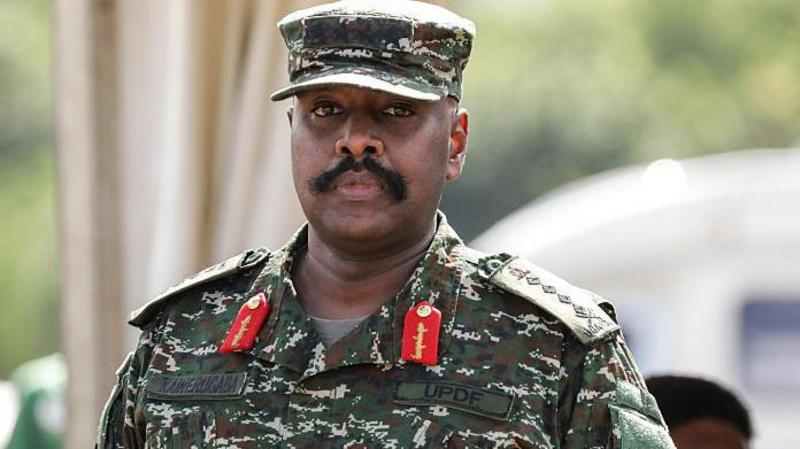
Uganda's army chief, General Muhoozi Kainerugaba, who is the son of President Yoweri Museveni, ordered the closure of major independent media outlets including TV stations and newspapers. Armed soldiers blocked access to these media offices in the capital, and the general declared that all media must follow government rules.
Key Facts
General Muhoozi Kainerugaba is the army chief and son of President Museveni.
The Nation Media Group outlets such as Daily Monitor, NTV, and Spark TV were shut down and taken off air.
Soldiers were stationed outside media headquarters in Kampala to enforce the closure.
Gen Kainerugaba stated he does not believe in a free press and that media should be controlled by the government.
President Museveni has been in power for about 40 years and recently won his seventh term.
Opposition and human rights groups accuse the government of repressing independent voices.
Previous crackdowns on media include forced closures and police raids over critical reporting.
The National Broadcasters Association says the shutdown violates Uganda’s constitution.
Read the Original
Want the full story? Tap a source to open the original
article.
New fighting has started in the Gulf only 10 days after Iran and the US signed an agreement to stop conflict. The agreement used broad language that both sides interpret differently. This has caused confusion and disagreements, especially over a ceasefire in Lebanon and the safe passage of ships through the Strait of Hormuz.
Key Facts
Iran and the US signed a 14-point memorandum to end conflict in the Gulf.
The memorandum uses vague terms, especially about Lebanon’s ceasefire and the Strait of Hormuz.
Two different ceasefire agreements exist in Lebanon: one involving Iran and its proxy Hezbollah, and another excluding them.
The Lebanese government and Israel signed a ceasefire that allows Israeli forces to stay in southern Lebanon until Hezbollah disarms.
Hezbollah and Iran likely do not accept the ceasefire signed by Lebanon and Israel.
The agreement said Iran would help keep commercial ships safe in the Strait of Hormuz for 60 days but was unclear about how.
Iran appeared to agree with the UN and Oman on a plan to allow ship evacuation but then restricted ships to only one route through the strait.
The lack of clarity and different interpretations are causing the deal to break down and increase tensions.
Read the Original
Want the full story? Tap a source to open the original
article.
President Donald Trump warned that the U.S. might have to finish military actions against Iran after recent U.S. strikes responding to a drone attack in the Strait of Hormuz. Iran retaliated with missile and drone attacks on Bahrain and Kuwait, increasing tensions in the region.
Key Facts
The U.S. launched airstrikes on multiple targets in Iran following a drone attack on a cargo ship in the Strait of Hormuz.
President Trump said the U.S. may be forced to "militarily complete the job," threatening that Iran "will no longer exist" if conflict continues.
Iran responded by attacking U.S. bases in Bahrain and Kuwait with drones and missiles.
Iran warned any challenge to its control over the Strait of Hormuz would raise tensions further.
Countries like Italy, Jordan, and the UAE condemned Iran’s attacks and called for avoiding escalation.
JD Vance, U.S. Vice President, stated the U.S. will come out stronger whether a final deal with Iran is reached or not.
Iran’s foreign minister met Iraqi officials to discuss security cooperation in the Gulf region.
President Trump announced Lance Schroyer as nominee for director of U.S. Immigration and Customs Enforcement (ICE).
Read the Original
Want the full story? Tap a source to open the original
article.
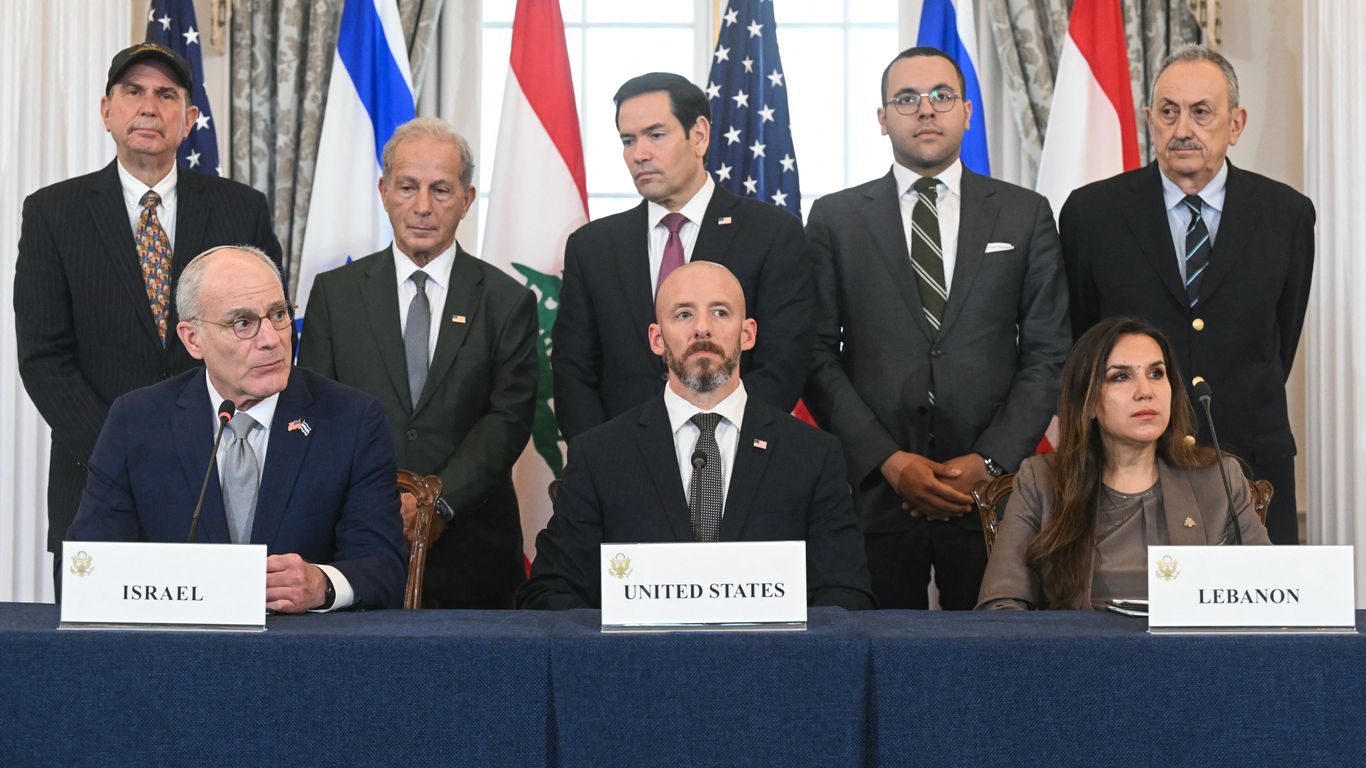
Israeli and Lebanese officials held four days of talks in Washington to reduce the influence of Hezbollah and Iran in Lebanon, with U.S. mediation. Though a framework agreement was developed, disagreements over Israeli troop withdrawals stalled final approval, and concerns remain about possible violence from Hezbollah and the impact on U.S.-Iran relations.
Key Facts
Negotiations involved Israeli and Lebanese governments meeting in Washington for four days.
The talks aimed to limit Hezbollah and Iran's power in Lebanon.
The Trump administration helped broker the most significant Israel-Lebanon political agreement in 40 years.
There is concern the deal might trigger violence from Hezbollah and worsen Lebanon’s stability.
Recent U.S.-Iran talks in Switzerland included a ceasefire agreement for Lebanon, creating a joint monitoring group with Pakistan and Qatar.
Israeli officials criticized the U.S.-Iran understanding on Lebanon, fearing it supports Hezbollah.
Talks covered security arrangements, a political framework, and plans for Israeli withdrawal from certain areas in southern Lebanon.
Negotiations faced difficulties, particularly over how and where Israeli troops would withdraw, causing delays and the need for further consultations.
Read the Original
Want the full story? Tap a source to open the original
article.
Tensions between the U.S. and Iran have risen again after recent attacks on ships in the Strait of Hormuz led to military strikes by both sides. A ceasefire agreement made ten days ago is uncertain, as the two countries disagree on its terms and continue to exchange attacks.
Key Facts
The U.S. and Iran agreed to a ceasefire 10 days ago to stop fighting near the Strait of Hormuz.
Iran promised to allow safe passage of commercial ships, and the U.S. lifted its blockade on Iranian ports.
Both sides agreed to create a direct communication line ("hotline") between U.S. forces and Iran's military to avoid conflicts, but it was not yet working.
Iran attacked a Panama-flagged oil tanker in the strait using a drone, carrying over 2 million barrels of crude oil.
The U.S. responded with air strikes on Iranian military sites targeting surveillance, communications, air defense, storage for drones, and minelaying.
Iran retaliated by attacking U.S. bases in Kuwait and Bahrain with missiles and drones.
President Donald Trump warned on social media that the U.S. may resume full military action if necessary.
Future negotiations planned in Switzerland are uncertain as tensions rise again.
Read the Original
Want the full story? Tap a source to open the original
article.
ABC News reporter Jay O’Brien covered the role of historical reenactors at the Lexington and Concord sites. He also climbed the Old North Church steeple to explain how the American Revolutionary War began.
Key Facts
The report focused on people who reenact scenes from the American Revolution.
Lexington and Concord are important battle locations from the start of the war.
The Old North Church played a key part in the early warning system of the revolution.
Jay O’Brien is the ABC News journalist who reported the story.
The coverage is part of the America 250 celebration marking 250 years since the nation’s founding.
The article was published on June 25, 2026.
The report helps people understand the history behind the Revolutionary War.
Read the Original
Want the full story? Tap a source to open the original
article.
The upcoming Defence Investment Plan will focus on new military technology like drones instead of traditional battleships. Discussions include how much Andy Burnham has contributed to the plans and Keir Starmer’s chances of becoming Prime Minister by the World Cup final.
Key Facts
The Defence Investment Plan is expected to be announced next week.
The plan emphasizes modern equipment such as drones over older military ships.
Andy Burnham’s involvement in the defence plans is being examined.
There is discussion about whether Burnham is prepared for defence issues.
Last week, experts debated if Keir Starmer would be Prime Minister by the World Cup final.
The podcast “Newscast” covers daily political news with hosts Victoria Derbyshire and Paddy O’Connell.
“Newscast” is available on smart speakers and online platforms for easy listening.
The episode providing this information lasted 29 minutes and aired on June 28, 2026.
Read the Original
Want the full story? Tap a source to open the original
article.
President Donald Trump warned that Iran’s existence could be at risk amid renewed attacks between Iran and the United States, which threaten a fragile ceasefire. The U.S. military struck Iranian missile, drone storage sites, and radar locations, citing violations of the ceasefire agreement.
Key Facts
President Trump posted on Truth Social about U.S. strikes on Iranian military sites.
The strikes hit missile and drone storage areas and coastal radar sites in Iran.
These attacks followed violations of a ceasefire agreement between the U.S. and Iran.
The ceasefire is described as fragile and is threatened by renewed violence.
The situation escalates tensions between Iran and the United States.
The strike locations included key military infrastructure used by Iran.
President Trump emphasized a strong response to any breaches of the agreement.
The conflict involves the Islamic regime in Iran and U.S. military forces.
Read the Original
Want the full story? Tap a source to open the original
article.
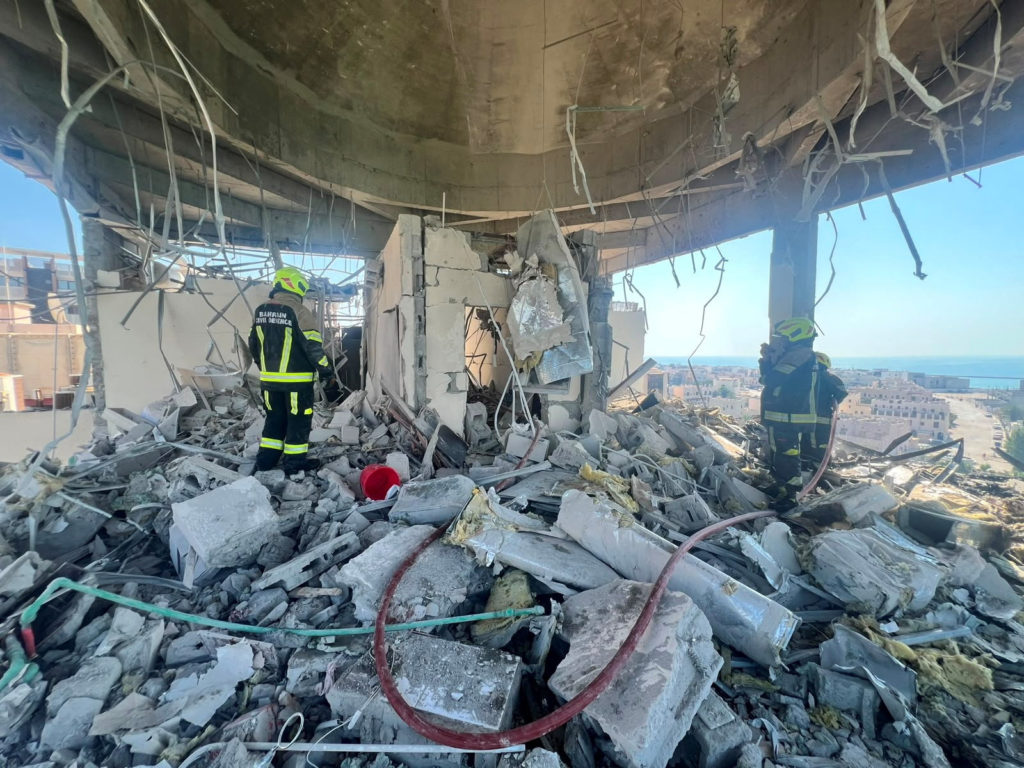
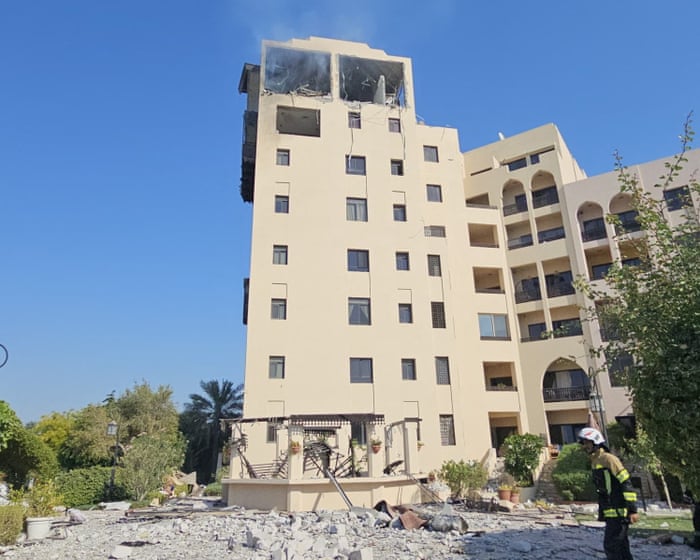
Iran attacked Kuwait and Bahrain with drones and missiles as a response to ongoing tensions. Iran also warned it might stop all talks with the United States meant to resolve their conflict.
Key Facts
Iran launched strikes on Kuwait and Bahrain on Sunday.
Kuwait’s military detected and intercepted Iranian drones and two ballistic missiles.
The attacks in Bahrain damaged the top floor of an 8-story building.
Iran threatens to completely halt negotiations with the U.S. aimed at ending their conflict.
The strikes are seen as retaliation within ongoing tensions in the Gulf region.
The situation increases instability in relations between Iran, Gulf nations, and the U.S.
Read the Original
Want the full story? Tap a source to open the original
article.
Kiki is a greyhound who does not like racing and instead found a new life as a pet with a musical couple from the US. She will live with them in Germany now and later move to California, enjoying a calm home life rather than running on a track.
Key Facts
Kiki is a greyhound bred for racing but shows no interest in chasing.
She was born in Sunderland and will move to California with her new family.
Her new owners are Natalie Angst and Tomas Antonic, who are jazz musicians.
Kiki was tested and found to be calm, gentle, and good with children and other animals.
She currently lives with her new family in Germany and will eventually join them in the US.
Organizations like Home Run Hounds help match dogs with suitable owners based on lifestyle.
Kiki prefers playing and being petted over running or racing.
She has her own Instagram account that highlights her friendly nature.
Read the Original
Want the full story? Tap a source to open the original
article.
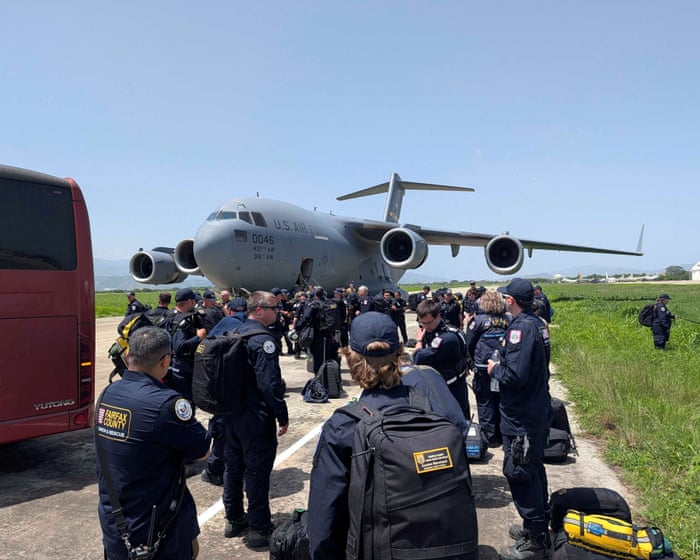
Venezuela was hit by two strong earthquakes that caused many deaths and damaged buildings. The US government under President Trump quickly started a disaster response, sending rescue teams and money to help, in a country now viewed as an ally after a recent change in leadership.
Key Facts
Two earthquakes in Venezuela killed at least 920 people and caused building collapses.
The US deployed over 250 disaster responders and pledged $150 million in aid.
The US special forces removed Nicolás Maduro, Venezuela's former leader, earlier this year.
Venezuela’s current acting president, Delcy Rodríguez, is cooperating more with the US.
The Trump administration moved disaster aid responsibility from USAID to the State Department and cut many aid workers.
This earthquake response is the largest US disaster mission in the western hemisphere since these changes.
Experts say the first 72 hours after an earthquake are critical for saving survivors.
The US has reduced international aid programs and shifted focus to deals seen as beneficial to both countries, rather than charity.
Read the Original
Want the full story? Tap a source to open the original
article.
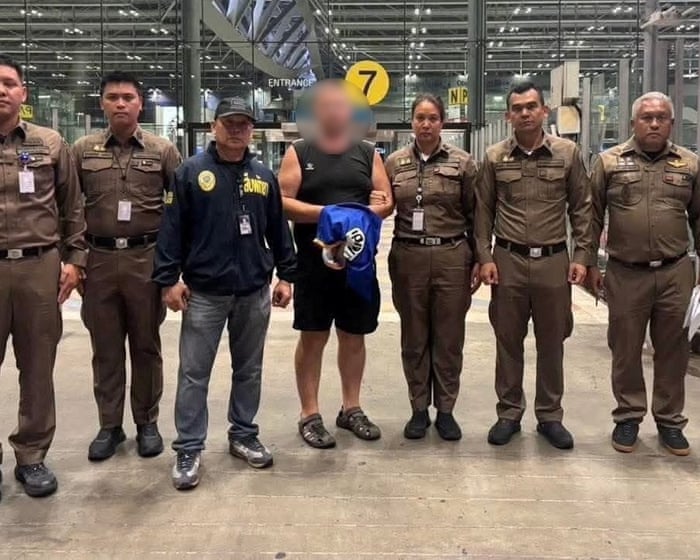
An Australian man named Simon Peter Carman has been charged with murdering a 17-year-old girl whose body was found in a suitcase in Thailand. Police say the crime started after a disagreement over money, and Carman denies the charges, claiming self-defense.
Key Facts
Simon Peter Carman, 46, was arrested in Bangkok related to the death of Tunchanok Donhomla, 17.
Donhomla’s naked body was found in a suitcase near railway tracks in Pattaya.
Carman faces three charges: murder, hiding a dead body, and abducting a minor for indecent purposes.
CCTV shows Carman and Donhomla together early in the morning and Carman dragging the suitcase late at night.
Carman claims the death was unintentional and says he acted in self-defense.
In Thailand, murder can lead to the death penalty or long prison sentences.
Donhomla’s father said he is very sad and struggling to cope with the loss.
Carman remains in custody and will return to court on a future date.
Read the Original
Want the full story? Tap a source to open the original
article.
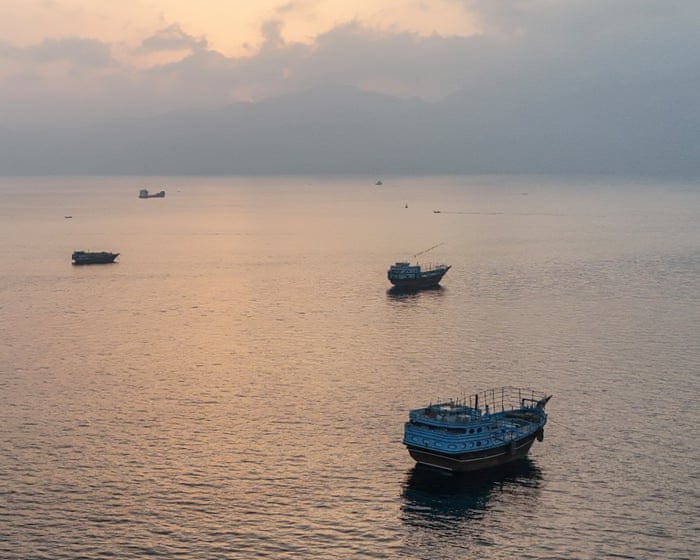
Iran attacked U.S. military bases in Bahrain and Kuwait after the U.S. struck several Iranian targets, increasing tensions between the countries. These actions challenge a recent ceasefire aimed at stopping fighting related to control of the Strait of Hormuz, an important route for global oil transport.
Key Facts
Iran's Islamic Revolutionary Guard Corps launched missiles and drones at U.S. bases in Kuwait and Bahrain.
The U.S. attacked Iranian military sites near the Strait of Hormuz in response to Iran's drone attack on an oil tanker.
The attacked oil tanker was carrying over two million barrels of crude oil and was damaged but its crew is safe.
Bahrain and Kuwait condemned Iran’s attacks, calling them violations of their sovereignty.
The attacks threaten a ceasefire agreement signed earlier in June between the U.S. and Iran.
Iran says ships must use its designated route through the Strait of Hormuz or it will consider it a breach of the ceasefire.
President Donald Trump warned Iran it may face further military action if it continues aggression.
The ceasefire agreement includes a plan for safe passage of commercial ships through the Strait, which moves about 20% of the world’s oil.
Read the Original
Want the full story? Tap a source to open the original
article.
A powerful pair of earthquakes hit Venezuela's La Guaira state, killing at least 1,430 people and leaving nearly 69,000 missing. Many locals and rescuers criticized the government for being unprepared and slow to respond, while international teams have arrived to help with rescue efforts.
Key Facts
Two strong earthquakes of magnitude 7.2 and 7.5 struck Venezuela three days ago.
At least 1,430 people have died and about 68,900 are reported missing.
Rescuers and civilians used shovels, equipment, ropes, and bare hands to look for survivors in rubble.
Many local people feel the government’s rescue efforts are insufficient and poorly managed.
More than 14,000 military and police personnel are patrolling the affected area, with restricted access.
International rescue teams have arrived, with 17 flights bringing over 1,600 team members.
Many bodies have been recovered and taken to a hospital parking lot for identification.
Frustration grew as some victims were reportedly found alive but not rescued in time.
Read the Original
Want the full story? Tap a source to open the original
article.
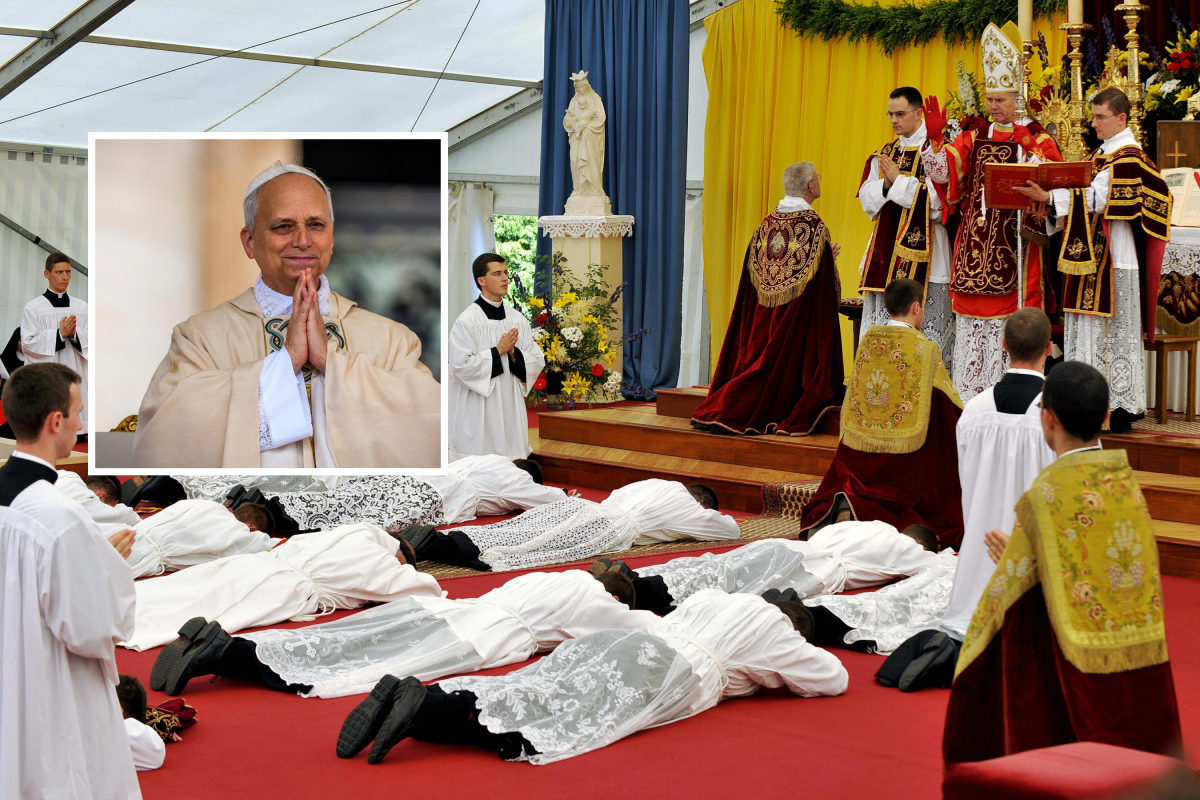
A traditionalist Catholic group called the Society of St. Pius X (SSPX) plans to make four new bishops without approval from Pope Leo XIV. The Vatican has warned this act could lead to excommunication, a serious penalty that separates someone from the church, but the group intends to go ahead anyway.
Key Facts
SSPX is a breakaway Catholic group that disagrees with the Vatican’s modern reforms since the 1960s.
The group announced on July 1 it will consecrate four priests as bishops without the pope's permission.
Bishops must be approved by the pope to maintain unity in the Catholic Church.
Vatican cardinal Víctor Manuel Fernández warned this action is schismatic (causing division) and could result in automatic excommunication.
Pope Leo XIV said if SSPX chooses to rebel, the church will move forward without them.
Excommunication means someone cannot take part in certain church rituals until they repent.
SSPX leaders say they want to stay true to traditional Catholic beliefs and would rather die than give them up.
SSPX says it needs more bishops because its current ones are older, and the group is growing.
Read the Original
Want the full story? Tap a source to open the original
article.
Australian actor Paul Hogan called politician Pauline Hanson a “pelican” in response to her support for an “Australian monoculture.” Hogan used the term to suggest she is foolish, while also defending multiculturalism as a reality in Australia.
Key Facts
Pauline Hanson, leader of the One Nation party, supports the idea of an “Australian monoculture.”
Hanson mentioned Paul Hogan and a TV character Norman Gunston as part of this monoculture.
Paul Hogan, known for Crocodile Dundee, called Hanson a “pelican,” a slang word meaning fool or clown in Australian English.
The term “pelican” is used as an insult based on the bird’s perceived slow and awkward nature.
Hogan said Hanson “sounds very much like this stupid boofhead over here, Trump,” criticizing her views.
Hogan supports Australia as a multicultural country, pointing out most Australians are migrants except Aboriginal people.
The insult “pelican” has been used in Australian slang and even appears historically in Shakespeare’s King Lear with a different meaning.
Despite the insult, the pelican bird is recognized for positive traits like teamwork and high flying ability.
Read the Original
Want the full story? Tap a source to open the original
article.
A seven-year-old girl named Hala survived an Israeli attack on her home in Gaza that killed her parents and two siblings. Thousands of Gaza children have lost parents or been injured in ongoing violence since October 2023, with many needing urgent medical and psychological care.
Key Facts
Seven-year-old Hala was badly injured in an Israeli attack on her Gaza home that killed her immediate family.
Hala is in al-Shifa Hospital and requires urgent medical treatment abroad to prevent further damage.
Since the war began in October 2023, about 17,000 children in Gaza have lost parents or primary caregivers.
Over 21,000 Palestinian children have died and 44,500 have been wounded during the conflict, according to UNICEF.
Despite a declared ceasefire in October 2023, Israel continues nearly daily attacks that have killed more than 1,000 Palestinians.
Around one child per day was killed during the first three months of the ceasefire, with many more wounded.
Many children in Gaza have permanent disabilities, including amputations caused by attacks.
Psychologists warn that orphaned children face serious mental health risks like trauma and loss of family identity.
Read the Original
Want the full story? Tap a source to open the original
article.
New Caledonia held its first provincial elections since 2019 amid a large police presence to ensure security. About 192,000 voters chose representatives for three provincial assemblies, which will help decide the future status of the French-ruled Pacific territory.
Key Facts
Polling stations opened at 8 a.m. local time on Sunday in New Caledonia.
Around 2,500 police officers were deployed to secure the voting locations.
About 192,000 people voted to elect 76 councillors across three provinces.
These councillors will select 54 members of the territory’s main congress.
The election was delayed from 2024 due to violent clashes between Indigenous Kanaks and French loyalists.
New Caledonia is a French overseas territory with about 270,000 people, including 41% Melanesian Kanak and 24% European origin.
The vote is important for future discussions with France about independence.
Pro-independence groups rejected a deal with France that would have ended future independence referendums. Three previous referendums favored staying with France, but the last was boycotted by pro-independence supporters.
Read the Original
Want the full story? Tap a source to open the original
article.
The Green Party in England and Wales is reviewing how it makes decisions after its membership more than tripled under leader Zack Polanski. Currently, only members attending two yearly meetings can vote on policies, but the party is considering changes like delegate voting or online ballots to involve more members.
Key Facts
The Green Party’s membership grew from about 68,000 to over 230,000 since Zack Polanski became leader in September.
Policies are decided by members who attend one of two annual conferences in person.
Some party members worry this system favors those who can afford to travel and take time off work.
Possible changes include letting local groups choose delegates to vote or allowing members to vote online.
The party’s conference organization is expanding from one long-time organizer to a team due to growth.
Polanski won nearly 85% of member votes but currently has limited power to change policy between conferences.
There is debate over changing the party’s leadership model to allow the leader more influence while maintaining accountability.
Some controversial policies have made it difficult to manage grassroots suggestions within the large membership.
Read the Original
Want the full story? Tap a source to open the original
article.