Neutral summaries of your favorite news sources — just the facts.
Your favorite news sources, one neutral feed — we distill their reporting into fact-first
summaries and always link to the original story. How it works
World News
Comprehensive coverage of international news and global events
The United States and Iran tested their fragile ceasefire when the U.S. launched strikes against Iran after an attack on a commercial ship in the Strait of Hormuz. President Donald Trump described the Iranian attack as a violation of the ceasefire agreement.
Key Facts
The U.S. and Iran had a ceasefire agreement in place before recent events.
Iran's Islamic Revolutionary Guard Corps attacked a commercial ship in the Strait of Hormuz.
The Strait of Hormuz is a key waterway for global shipping.
The U.S. responded by reopening military strikes against Iran.
President Trump called the Iranian attack a “foolish violation” of the ceasefire terms.
This exchange tested the limits, or "red lines," both countries set during the ceasefire.
The situation highlights ongoing tensions between the U.S. and Iran in the Middle East.
Read the Original
Want the full story? Tap a source to open the original
article.
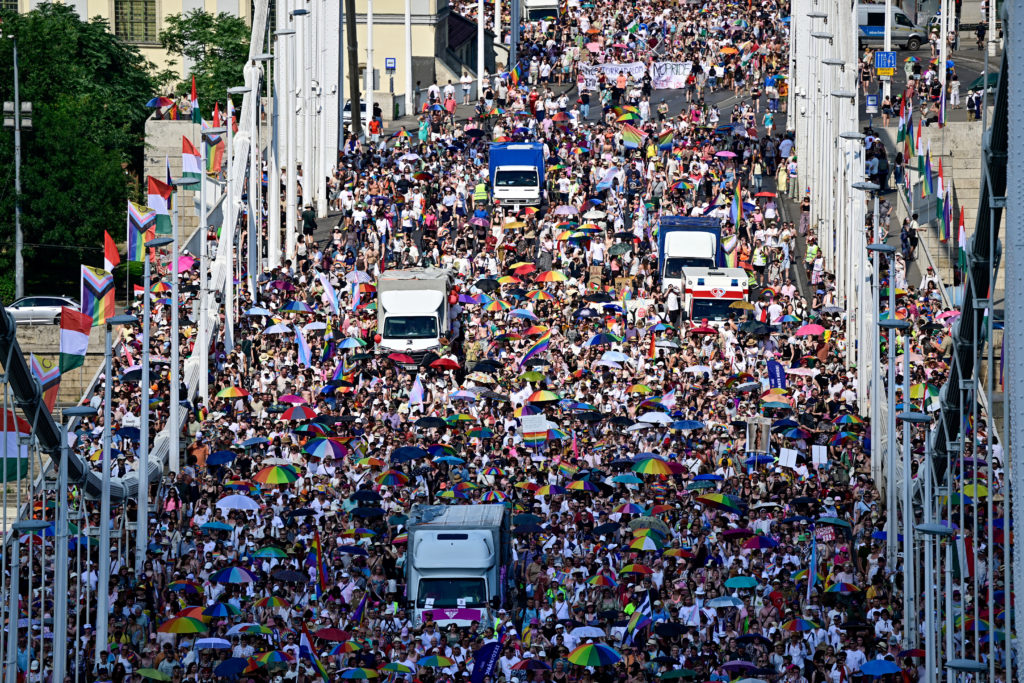
Tens of thousands of people took part in the 31st Budapest Pride march, the first since Prime Minister Viktor Orbán was voted out in April. The new government allowed the event despite laws passed under Orbán that tried to ban it, marking a significant change in Hungary’s approach to LGBTQ+ rights.
Key Facts
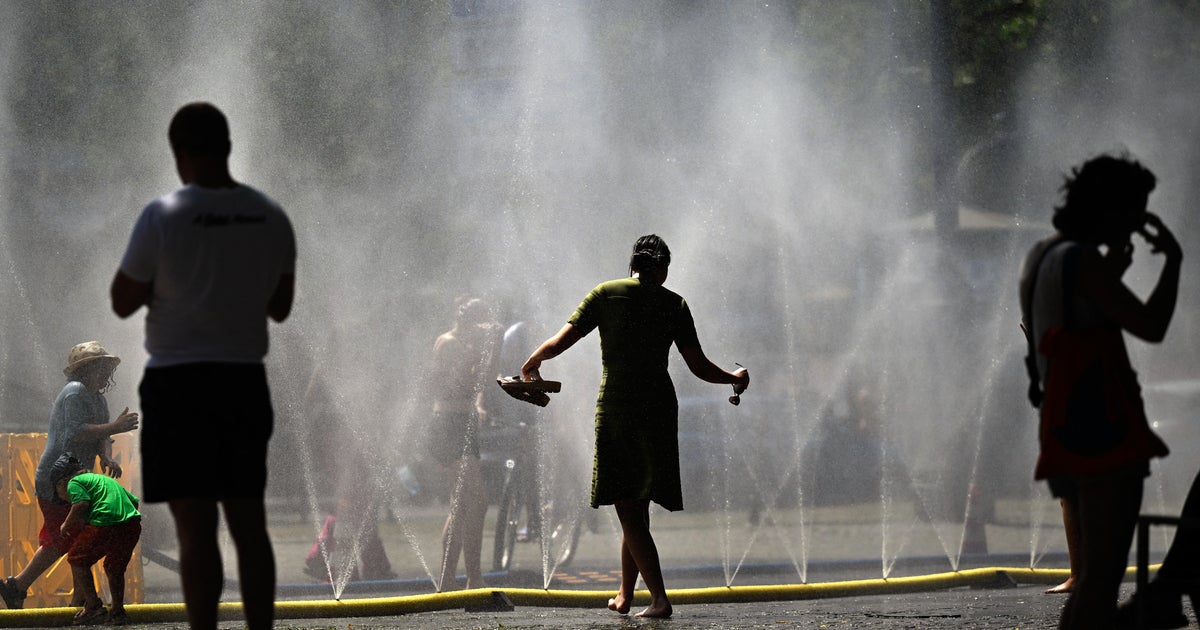
The Budapest Pride march was held on a very hot day, with temperatures over 38°C (100°F).
This was the first Pride event since Viktor Orbán, who tried to ban Pride, lost power in April elections.
Participants started at the Opera House and marched through the city ending at the Erzsébet Bridge over the Danube River.
Last year, despite a legal ban, over 350,000 people attended Budapest Pride, the largest ever in Hungary.
The new government has not yet removed the anti-Pride laws but allowed police to secure this year’s event.
Some participants feel hopeful that new laws supporting LGBTQ+ rights, such as adoption by same-sex couples, may be discussed.
The European Union’s top court ruled that Orbán-era laws banning LGBTQ+ content for minors break EU human rights rules.
Hungary’s previous government defended the Pride ban by saying it protected children’s moral development, a claim opposed by rights groups.
Read the Original
Want the full story? Tap a source to open the original
article.
An explosion followed by gunfire occurred near the offices of a paramilitary group called the Rangers in Karachi, Pakistan. Security forces, including police commandos and a special Rapid Response Force, have surrounded the area, and clashes are ongoing.
Key Facts
The incident happened on a Saturday near a gate to the Rangers' offices in Karachi.
The location is close to several universities and Pakistan’s meteorological department.
Pakistani media reported that special security teams were sent to the scene.
Police and paramilitary forces have sealed off the area.
Gunfire and clashes continue according to sources.
The situation is still developing and more information is expected.
Read the Original
Want the full story? Tap a source to open the original
article.
A former UK military leader, Admiral Sir Tony Radakin, said the next prime minister, likely Andy Burnham, must meet a "Moscow test" to show strong defense policies and alliances, especially with NATO and the US. The UK government is preparing to release a defense spending plan aimed at increasing funding to 3.5% of the country's economic output by 2035 to strengthen military capabilities.
Key Facts
Andy Burnham is the favourite to become the next UK prime minister.
Burnham has said new laws must pass a "Makerfield test" based on his local area.
Admiral Sir Tony Radakin said Burnham will also need to pass a "Moscow test" showing strong defense and alliances.
The UK plans to increase defense spending to 3.5% of GDP by 2035.
Current UK military funding and capabilities are considered inadequate by Sir Tony.
Defense Secretary John Healey and Armed Forces Minister Al Carns resigned, citing insufficient funds for defense.
The government aims to publish the Defense Investment Plan before the NATO summit on July 7.
The Ministry of Defence reportedly wants £28 billion more by 2030 but may receive only £10 billion extra.
Read the Original
Want the full story? Tap a source to open the original
article.
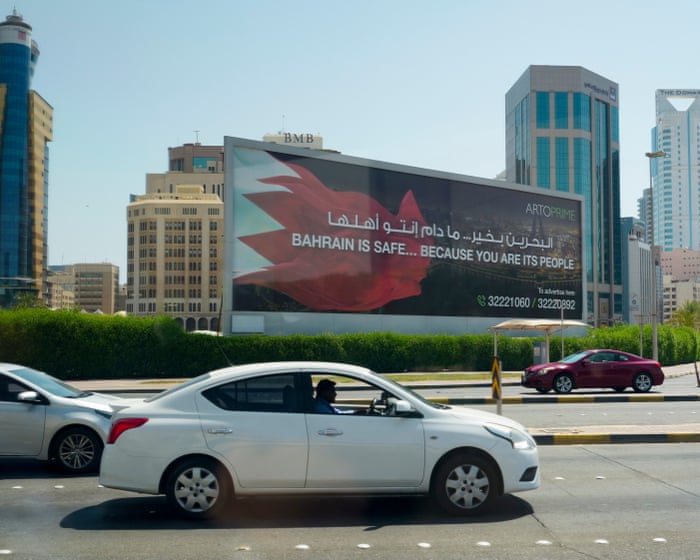
Bahrain said Iran attacked it with drones after the US carried out strikes on Iranian targets. The drone wave and a suspected attack on a ship in the Strait of Hormuz increased tensions between the US and Iran, despite a recent peace agreement.
Key Facts
Bahrain reported multiple drones launched by Iran but no damage or injuries were reported.
A ship in the Strait of Hormuz was also attacked, with no damage or claims of responsibility, but Iran is suspected.
Iran’s Revolutionary Guard said it targeted several US-related sites in the region on Saturday.
The US struck Iranian missile, drone, and radar sites overnight in response to an Iranian drone attack on a ship.
These were the first attacks since a ceasefire agreement was signed between the US and Iran last week.
The Strait of Hormuz, a key global shipping route, remains a major point of conflict and control between Iran and other countries.
The US and Gulf states reject Iran’s claim to control the strait and want to keep it open as an international waterway.
Hezbollah rejected a recent agreement between Lebanon and Israel, calling it a surrender to Israel.
Read the Original
Want the full story? Tap a source to open the original
article.
Between June 19 and June 26, 93 earthquakes measuring magnitude 4.5 or higher occurred worldwide. The most significant events included a rare “doublet” earthquake in Venezuela causing major damage and a strong earthquake off the coast of northern Japan with no major damage reported.
Key Facts
The U.S. Geological Survey (USGS) recorded 93 earthquakes of magnitude 4.5 or greater globally in one week.
Venezuela experienced two strong earthquakes seconds apart, measuring magnitude 7.2 and 7.5, near the Caribbean coast west of Caracas.
These earthquakes caused widespread destruction in northern Venezuela, killing at least 920 people and injuring over 3,000.
The Venezuela earthquakes were shallow, which increased the damage on the surface.
Seismologists call such closely timed big earthquakes a “seismic doublet,” which is a rare event.
A magnitude 6.9 earthquake struck off northern Japan’s Iwate Prefecture, causing strong shaking but no tsunami or major damage.
Japan’s strict building rules and emergency preparations helped minimize damage from its earthquake.
Northern California had a 5.6 magnitude earthquake with shaking felt over 100 miles away; officials monitored the situation with no immediate reports of serious harm.
Read the Original
Want the full story? Tap a source to open the original
article.
Lebanon experienced mixed reactions after it signed a framework agreement with Israel in Washington. The talks were led by the United States, aiming to resolve ongoing disputes between the two countries.
Key Facts
Lebanon and Israel signed a preliminary framework agreement.
The agreement was reached through U.S.-mediated talks in Washington.
People in southern Lebanon’s city of Tyre had a different reaction compared to those in Beirut, the capital.
The agreement aims to address long-standing issues between Lebanon and Israel.
The signing has caused a split in public opinion within Lebanon.
This is part of ongoing diplomatic efforts to maintain peace in the region.
Read the Original
Want the full story? Tap a source to open the original
article.
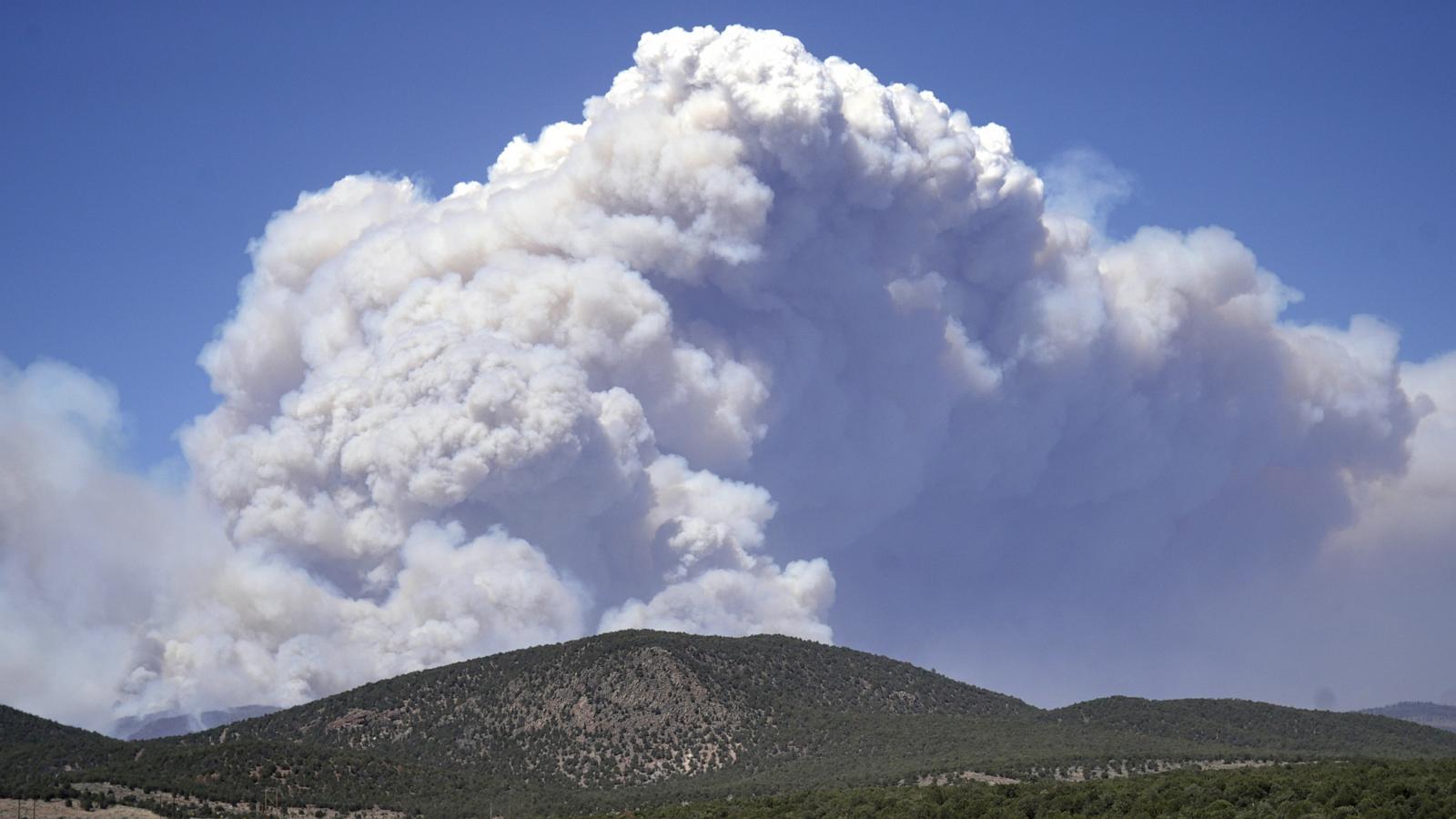
Parts of the Four Corners region in the western United States face an extremely high risk of wildfires this weekend due to hot, dry, and windy weather. Six states have Red Flag Warnings warning residents about dangerous fire conditions that could cause existing fires to grow quickly or new fires to start.
Key Facts
The Cottonwood Fire in Utah is the largest wildfire, burning over 71,000 acres with no containment.
Other major fires include the Iron Fire (40,000 acres, 38% contained) and the Cherry Fire (20,000 acres, 0% contained).
Six states in the West are under Red Flag Warnings, signaling very dangerous fire weather.
The Four Corners area (eastern Utah, western Colorado, northeast Arizona, northwest New Mexico) has the highest fire risk, rated level 3 out of 3.
Conditions include strong winds up to 55 mph, very low humidity, and extremely dry vegetation that fuels fires.
These weather conditions increase the chances for quick fire growth and erratic fire behavior.
The region has had record-low snowpack and extreme drought this winter, making fire risk worse.
Additionally, parts of the country face flood watches and severe storm risks with heavy rain and strong winds expected in various states.
Read the Original
Want the full story? Tap a source to open the original
article.
Fairbanks, Alaska, a small city known for its cold weather and Arctic location, has developed a surprising and diverse food scene, especially with many Thai restaurants. Immigrants and independent family businesses have introduced a wide variety of international cuisines, adapting recipes to local ingredients and conditions.
Key Facts
Charlie Boonprasert and Tutu Navachai, from northern Thailand, arrived in Fairbanks in the 1980s and opened the first Thai restaurant, Thai House, in 1989.
Fairbanks has about 31,000 residents and is known as a gateway to the Arctic and northern lights, not for its food.
There are now about 15 Thai restaurants in and around Fairbanks, reflecting the presence of a small Thai community.
Independent and family-owned restaurants thrive in Fairbanks because big food chains find it costly to transport goods there.
Lemongrass Thai restaurant, opened in 1996 by Tutu Navachai and run by his family, uses local vegetables and imported Thai ingredients.
The extreme cold, which can reach minus 50°F, influences restaurant operations and food sourcing.
Local farms, like Ann’s Greenhouses, take advantage of Fairbanks’ long summer daylight hours to grow fresh produce for restaurants.
Restaurants combine traditional recipes with local seafood, such as a dish called chu chee scallops with red curry and coconut milk.
Read the Original
Want the full story? Tap a source to open the original
article.
Many people brush their teeth too hard, which can damage the enamel and gums over time. Dentists recommend using a soft-bristled brush, brushing gently in circles, and waiting 30 minutes after acidic foods or drinks before brushing to protect tooth enamel.
Key Facts
Brushing too aggressively wears down the enamel, causing sensitivity and gum problems.
Enamel does not grow back once it is lost, so protecting it is very important.
Most people still use manual toothbrushes (64%), while about 23% use electric ones.
Medium or hard-bristled brushes can harm teeth; soft bristles are better.
Brushing with too much force does not clean teeth better.
Acidic drinks like juice, coffee, and soda soften enamel temporarily.
It is best to wait 30 minutes after acidic drinks before brushing to avoid enamel damage.
Rinsing with water after acidic foods or drinks can help protect enamel.
Read the Original
Want the full story? Tap a source to open the original
article.
Turkish President Recep Tayyip Erdoğan is benefiting from his relationship with U.S. President Donald Trump. Recently, Trump approved a military sales deal worth over $700 million to Turkey and eased sanctions, which helps Turkey before an important NATO meeting in Ankara.
Key Facts
President Erdoğan is gaining advantages from his connection with President Trump.
President Trump approved a military sales package of more than $700 million to Turkey.
Some groups opposed this military sale, but it was approved anyway.
Sanctions against Turkey have been eased or lifted.
Court cases involving Turkey have been dropped or delayed.
These changes come just before a major NATO summit held in Ankara next month.
The NATO summit is considered high-stakes, meaning it involves important decisions and discussions.
Read the Original
Want the full story? Tap a source to open the original
article.
Several European countries, including Germany, Denmark, Switzerland, and the Czech Republic, recorded their highest-ever temperatures during a heat wave. This intense heat caused damage to infrastructure, health emergencies, and disruptions in travel across the region.
Key Facts
Germany reached a record high temperature of 106°F (41.1°C) on Saturday.
Denmark experienced its hottest day ever at 98.6°F (37°C) in Ødum, a record since 1874.
Switzerland’s city of Basel hit a new record of 101.8°F (38.8°C).
The German highway A2 suffered damage as concrete cracked from the heat, leading to closures.
Train companies in Germany recommended avoiding nonessential travel due to heat effects.
The Czech Republic recorded 105°F (40.5°C) in Doksany, possibly still rising.
A nursing home in Dormagen, Germany, was evacuated after indoor temperatures reached 95°F (35°C); one resident died overnight.
In France, hospitals faced a surge in heat-related emergencies, with many elderly patients requiring care.
Three-quarters of France was under a red alert for extreme heat, with some areas reaching over 104°F (40°C).
Read the Original
Want the full story? Tap a source to open the original
article.
An Israeli drone attacked tents housing displaced Palestinians in Gaza’s Khan Younis area, killing at least two people, including a young girl, and wounding others. This happened despite a ceasefire agreement that declared parts of southern Gaza as safe zones.
Key Facts
The attack took place on makeshift tents in Khan Younis, southern Gaza.
At least two Palestinians were killed, including a young girl, and four others were wounded.
Gaza’s civil defence rescued seven injured people from the attack area.
A separate incident involved a 10-year-old Palestinian who died from wounds sustained in an earlier Israeli strike.
Israel continues its attacks despite a ceasefire established last year.
The United Nations reported that about 30% of those killed in Gaza since October 2023 were children.
Palestinian Health Ministry reports over 73,000 Palestinians killed and more than 173,000 wounded since October 2023.
Since the 2025 ceasefire, Israel has killed 1,031 Palestinians and wounded 3,309.
Read the Original
Want the full story? Tap a source to open the original
article.
Jeff Bergman is the voice actor behind many modern Looney Tunes characters. He recently talked about taking over the role of Mr. Potato Head in the movie "Toy Story 5" after Don Rickles passed away.
Key Facts
Jeff Bergman voices most of the current Looney Tunes characters.
He replaced Don Rickles as the voice of Mr. Potato Head.
The change occurred for the movie "Toy Story 5."
Don Rickles was the original voice of Mr. Potato Head.
Jeff Bergman spoke about this in an interview with CBS Saturday Morning.
Read the Original
Want the full story? Tap a source to open the original
article.
Bosnia and Herzegovina’s football team qualified for the World Cup and reached the knockout stage for the first time, sparking celebrations across the country and in Bosnian communities worldwide. The team’s success brought a sense of unity and pride, bridging ethnic and political divides three decades after the country’s war.
Key Facts
Bosnia and Herzegovina qualified for the World Cup and advanced to the knockout stage for the first time in its history.
The team’s success created widespread celebrations both inside Bosnia and among Bosnian communities globally.
Celebrations happened in cities like Seattle, Sarajevo, and even in places where Bosnians were vacationing.
Despite past political tensions, people in Republika Srpska and neighboring countries like Serbia and Croatia openly showed support for the Bosnian team.
Bosnian fans chanted together and sang traditional songs that reflect their national identity, expressing love and resilience rather than aggressive nationalism.
The team is known by nicknames “Dragons” and “Lilies,” referencing a historic military leader and a symbol of their country’s survival.
Two flags are used to represent Bosnia: the official blue-yellow star-spangled flag and a white flag with golden lilies, symbolizing independence and the country’s history.
The World Cup success is seen as a moment of hope and a chance to look beyond the political challenges created by the Dayton Accords after the war.
Read the Original
Want the full story? Tap a source to open the original
article.
Hezbollah leader Naim Qassem has rejected a recent agreement between Lebanon and Israel, calling it humiliating and a loss of Lebanon’s control. The deal, mediated by the US, aims to normalize relations but does not require Israel to leave southern Lebanon. Despite the agreement, Israeli air strikes continued in southern Lebanon, and Hezbollah supporters protested in Beirut.
Key Facts
Hezbollah leader Naim Qassem said the Lebanon-Israel agreement surrenders Lebanon’s sovereignty.
The US-mediated deal links Israel’s withdrawal to Hezbollah disarming, which Hezbollah rejects.
Israel’s government officials suggested Israeli forces may stay in Lebanon even after Hezbollah disarms.
The agreement focuses on recognition and peace talks but does not force Israeli withdrawal from southern Lebanon.
Hezbollah supporters protested by blocking roads and burning tires in Beirut after the deal was signed.
Israeli air strikes continued near southern Lebanese towns after the agreement.
Some Lebanese officials called the deal a sign Lebanon is acting like a proper state.
Lebanese security forces were ordered to prevent protests and identify rioters opposing the agreement.
Read the Original
Want the full story? Tap a source to open the original
article.
France is experiencing a severe heatwave that has lasted more than a week, causing a big rise in emergency hospital admissions. Paris hospitals are under pressure, with one hospital seeing about 3,000 emergency visits in one day, which is 36% more than usual.
Key Facts
A heatwave is affecting France and much of Europe for over a week.
Paris hospitals face increased emergency admissions due to the heat.
The Hôpital Européen Georges-Pompidou reported around 3,000 emergency visits in one day.
This number is 36% higher than normal daily admissions.
Authorities in Paris have activated emergency procedures to manage the situation.
The heatwave is raising concerns about health risks and hospital capacity.
Emergency services in Paris are struggling to keep up with the demand.
Some public events, like the Paris Pride parade, were postponed to avoid overloading emergency services.
Read the Original
Want the full story? Tap a source to open the original
article.
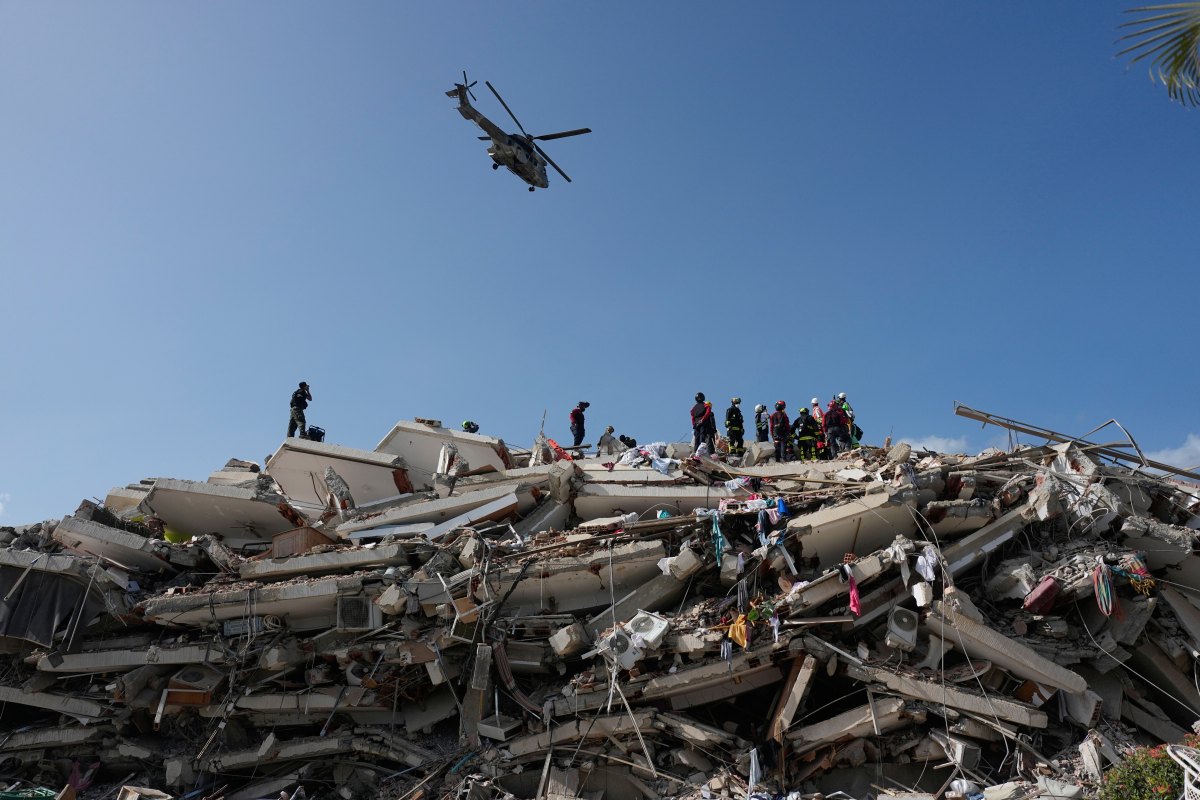
Twin earthquakes struck Venezuela, affecting nearly 7 million people, including about 2 million in the capital, Caracas. The death toll is close to 1,000, and tens of thousands of people are still missing, while survivors say the rescue efforts are moving too slowly.
Key Facts
Nearly 7 million people may have been affected by the earthquakes in Venezuela.
About 2 million people in Caracas, the capital, are included in those affected.
The death toll from the earthquakes is approaching 1,000.
Tens of thousands of people remain missing after the earthquakes.
Survivors report that rescue efforts are slower than expected.
The United Nations is involved in assessing the disaster impact.
The event was described as a natural disaster caused by twin earthquakes.
The article was reported on June 27, 2026.
Read the Original
Want the full story? Tap a source to open the original
article.
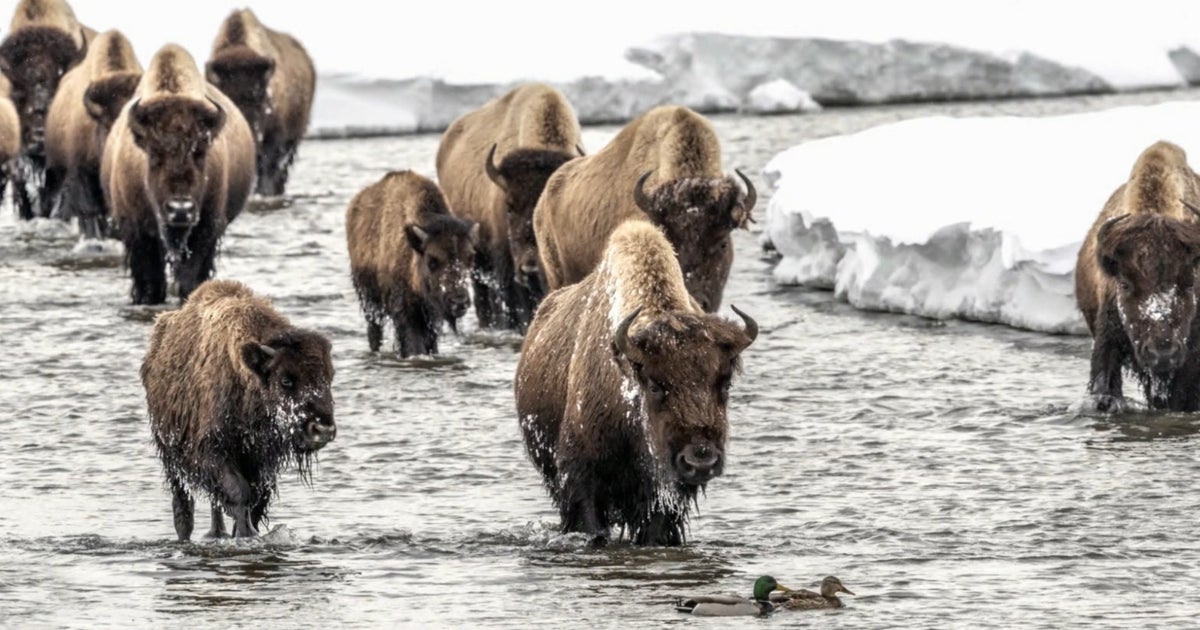
Wildlife photographer Tom Murphy talks about Yellowstone National Park and why it is important to protect it. The interview is part of a series called "USA to Z," which celebrates 250 years of American history and culture.
Key Facts
Tom Murphy is a wildlife photographer.
He shared his work and thoughts about Yellowstone National Park.
The discussion highlights the beauty of Yellowstone.
Preservation of the park is an important topic in the interview.
The interview appears in the "USA to Z" series.
"USA to Z" celebrates 250 years of American history and culture.
The segment is available on CBS News and its app.
Read the Original
Want the full story? Tap a source to open the original
article.
Central Europe experienced record-high temperatures, with new heat records in Switzerland, Denmark, and the Czech Republic. The heat wave caused infrastructure damage and health emergencies as temperatures rose above 40 degrees Celsius in some areas.
Key Facts
Denmark recorded its highest temperature ever at 37°C (98.6°F) in Ødum.
Switzerland’s city of Basel hit a record 38.8°C (101.8°F).
Germany’s A2 Autobahn suffered damage as concrete cracked, forcing closures.
The Czech Republic measured 40.6°C (105°F) in Doksany, its hottest day on record.
German train companies advised avoiding nonessential travel due to heat effects on transportation.
A nursing home in Dormagen, Germany, was evacuated because indoor temperatures reached 35°C (95°F); one resident died but heat was not confirmed as the cause.
French hospitals were overwhelmed with heat-related health emergencies during the heat wave.
Air conditioning is not common in many parts of Europe, making such intense heat more difficult to manage.
Read the Original
Want the full story? Tap a source to open the original
article.