Neutral summaries of your favorite news sources — just the facts.
Your favorite news sources, one neutral feed — we distill their reporting into fact-first
summaries and always link to the original story. How it works
World News
Comprehensive coverage of international news and global events
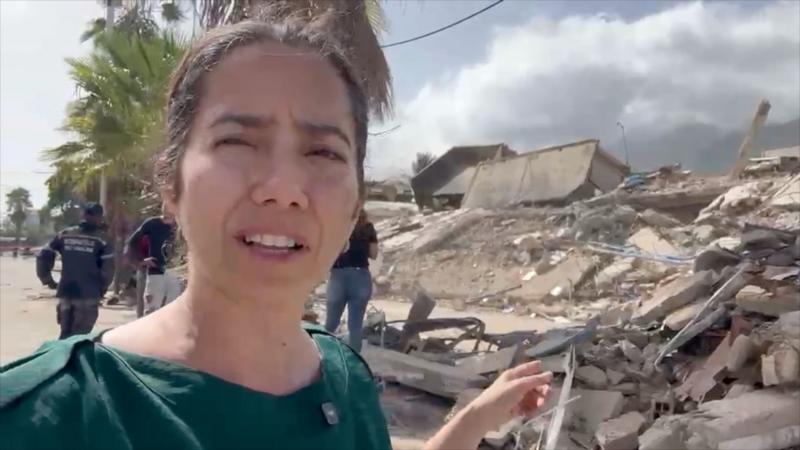
A BBC reporter visited La Guaira, Venezuela, a place badly damaged by two recent earthquakes. Many people are trapped under rubble, and rescue teams from other countries are helping to find survivors.
Key Facts
Two earthquakes hit Venezuela on Wednesday, causing severe damage in La Guaira.
Many people, including workers in a small shopping centre, are trapped under debris.
A mother named Natacha Díaz has two daughters missing in the rubble.
Rescue efforts continue with fears that more people are trapped.
International rescue teams have arrived, bringing sniffer dogs to help find survivors.
The death toll is expected to rise as search and rescue work goes on.
The BBC reporter Vanessa Silva covered the situation from La Guaira.
The area is one of the worst affected by the earthquakes in Venezuela.
Read the Original
Want the full story? Tap a source to open the original
article.
A 60-year-old man in Spain had brain lesions and worsening headaches that doctors first thought were cancer. After many tests, they found the lesions were actually caused by tapeworm larvae in his brain, a condition called neurocysticercosis. He was treated with anti-parasitic drugs and recovered.
Key Facts
The man had headaches and some changes in behavior for two weeks.
Blood tests showed high IgE, indicating possible allergies or parasitic infections.
Initial brain scans showed multiple lesions and swelling, leading doctors to suspect cancer.
Cancer tests, including scans and colonoscopy, found no tumors.
A detailed MRI scan revealed the lesions were tapeworm larvae called cysticerci, with visible heads (scolexes).
The man had no international travel but may have caught the parasite from coworkers who came from regions where pork tapeworms are common.
The parasite Taenia solium spreads through contaminated food or water and can infect the brain, causing neurocysticercosis.
The man was treated with anti-parasitic medicine and made a good recovery.
Read the Original
Want the full story? Tap a source to open the original
article.
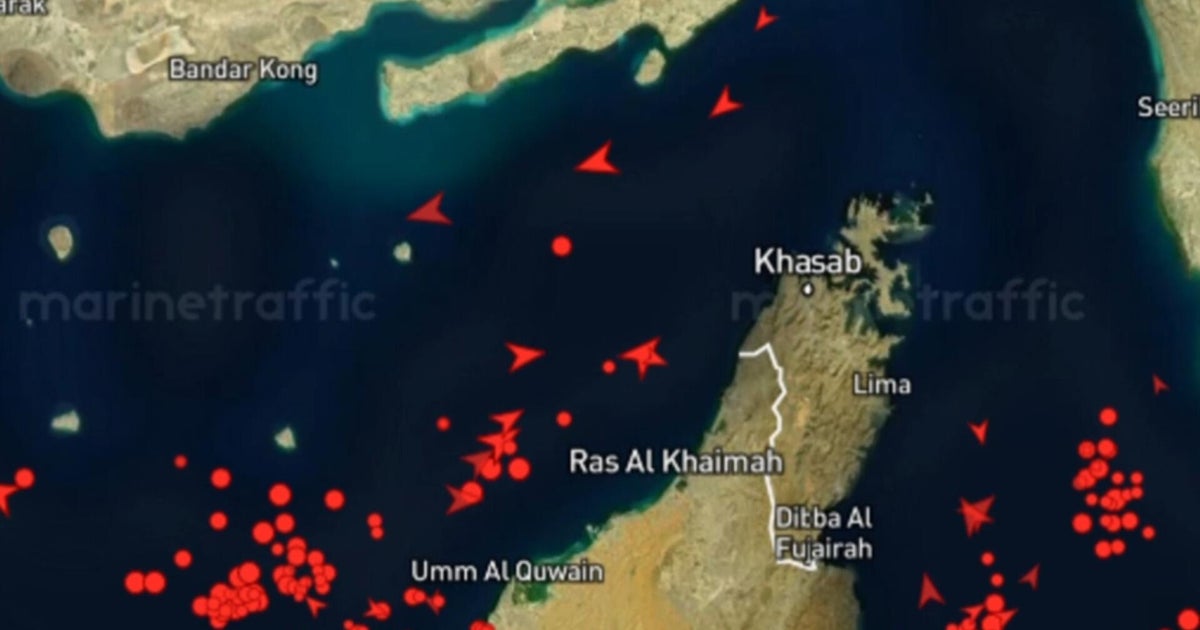
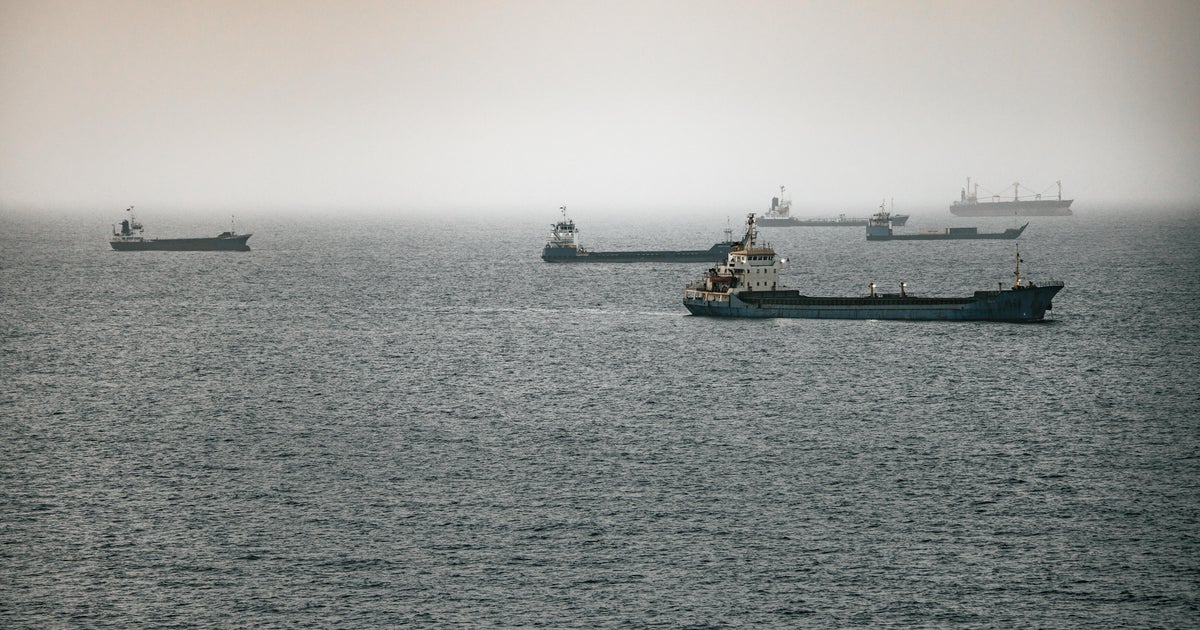
The United States attacked Iranian military sites after Iran allegedly attacked a cargo ship near the Strait of Hormuz. President Donald Trump said Iran broke a ceasefire agreement, and the U.S. military responded by targeting Iranian missile depots and radar positions. Iran warned it would respond quickly to any new U.S. attacks.
Key Facts
A cargo ship was hit near the Strait of Hormuz, a critical waterway for global shipping.
The U.S. military struck Iranian missile and drone storage sites and radar locations in response.
President Trump said the attack violated a ceasefire agreement between the U.S. and Iran.
The British military confirmed a vessel was hit off Oman by a projectile before the U.S. strikes.
Iran’s Revolutionary Guards said they repelled a U.S. attack on Sirik Island near the Strait of Hormuz.
Iranian officials called the U.S. violation "reckless" and warned of swift retaliation.
These events come amid fragile peace talks between the U.S. and Iran over an interim agreement.
The conflict affects regional stability and international shipping lanes in the Middle East.
Read the Original
Want the full story? Tap a source to open the original
article.
The United States conducted military strikes against Iran after President Donald Trump said that Iran violated a ceasefire agreement. This event marks an escalation in tensions between the two countries.
Key Facts
The US carried out strikes targeting Iran.
President Donald Trump stated the strikes followed a violation of a ceasefire.
The incident reflects ongoing conflict between the US and Iran.
It occurred on June 26, 2026.
President Trump emphasized the importance of enforcing the ceasefire.
Details about the specific targets or outcomes of the strikes were not provided in this article excerpt.
No information was given about casualties or Iran’s response.
Read the Original
Want the full story? Tap a source to open the original
article.
Burkina Faso's military government cut diplomatic ties with France, accusing it of interfering in the country's affairs and supporting harmful groups. The junta has been distancing itself from Western countries since it took power in a 2022 coup led by Captain Ibrahim Traore.
Key Facts
Burkina Faso's military junta ended diplomatic relations with France on June 26, 2026.
The government accused France of working against Burkina Faso’s interests and supporting terrorist and subversive groups.
Captain Ibrahim Traore has led the country since a coup in September 2022.
The decision only affects official diplomatic relations, not cultural or social ties between the two nations.
Burkina Faso and neighboring countries have faced violent attacks by jihadist groups linked to Al-Qaeda and ISIS for about ten years.
Anti-French feelings are rising in some African countries amid growing Russian and Chinese influence.
France has a long history of involvement in Africa, including military actions and economic influence since the 1960s.
France has pledged to end its "Francafrique" policy, which involved political control and economic privileges in former colonies.
Read the Original
Want the full story? Tap a source to open the original
article.
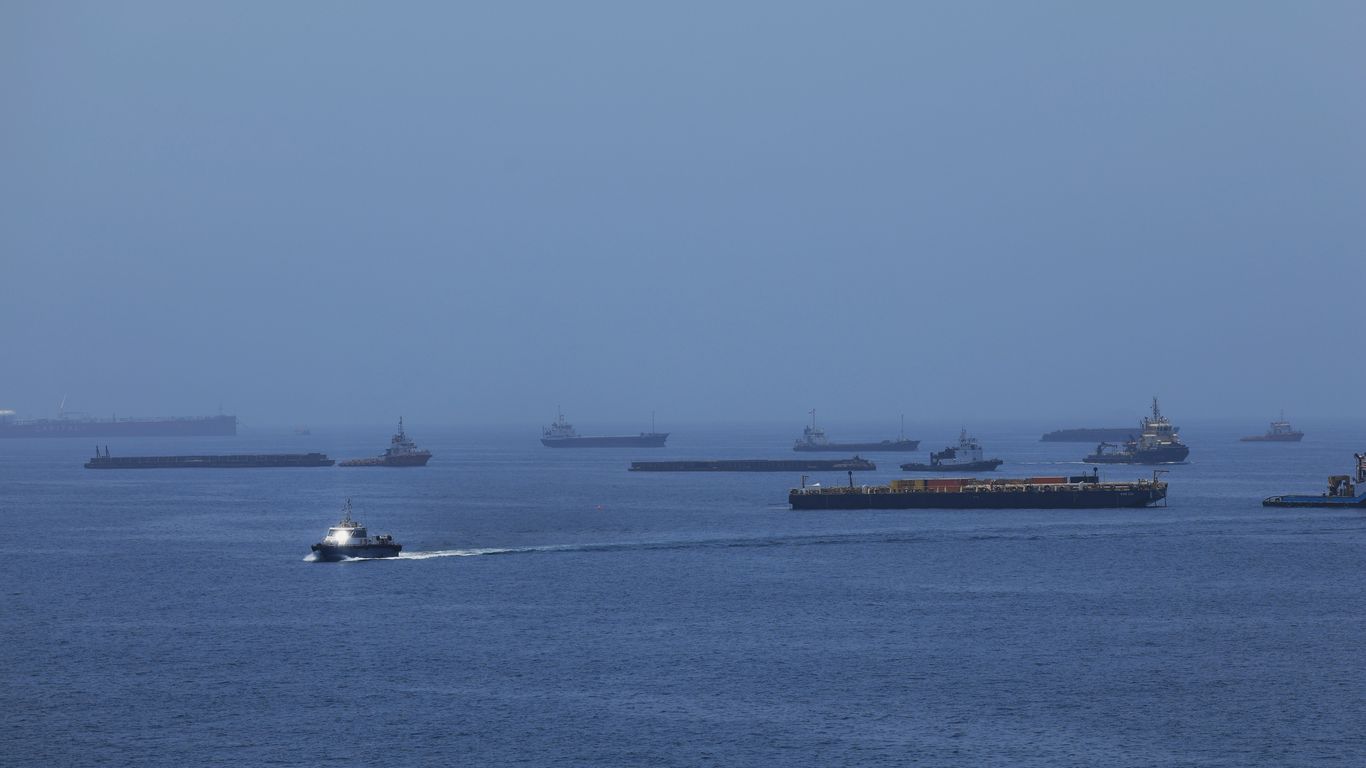
The United States carried out military strikes against Iran in the Strait of Hormuz area. This action was a response to Iran attacking a cargo ship in that region.
Key Facts
The U.S. military targeted Iranian forces near the Strait of Hormuz.
The strikes were in retaliation for an attack by Iran on a cargo ship.
The Strait of Hormuz is a key waterway used for global shipping.
CENTCOM (U.S. Central Command) provided information about the strikes.
The incident increased tensions between the U.S. and Iran.
The location of the strike is a strategic area for oil transport.
The U.S. described its actions as a response to protect shipping and navigation.
Read the Original
Want the full story? Tap a source to open the original
article.
Thousands of migrants are leaving South Africa due to increasing attacks against foreigners and planned anti-immigrant protests on June 30. Several African countries, including Malawi and Zimbabwe, are helping their citizens return home by setting up support outside their consulates.
Key Facts
Migrants from countries like Malawi, Zimbabwe, Nigeria, Ghana, and Mozambique are leaving South Africa.
The reason for the departures is rising xenophobic violence, which means hostility toward foreigners.
Anti-immigrant protests are scheduled to take place in South Africa on June 30.
Some migrants are waiting outside their country’s consulates to get help returning home.
Governments of neighboring African countries are actively repatriating their citizens.
The situation has caused concern about safety for foreign nationals living in South Africa.
Read the Original
Want the full story? Tap a source to open the original
article.
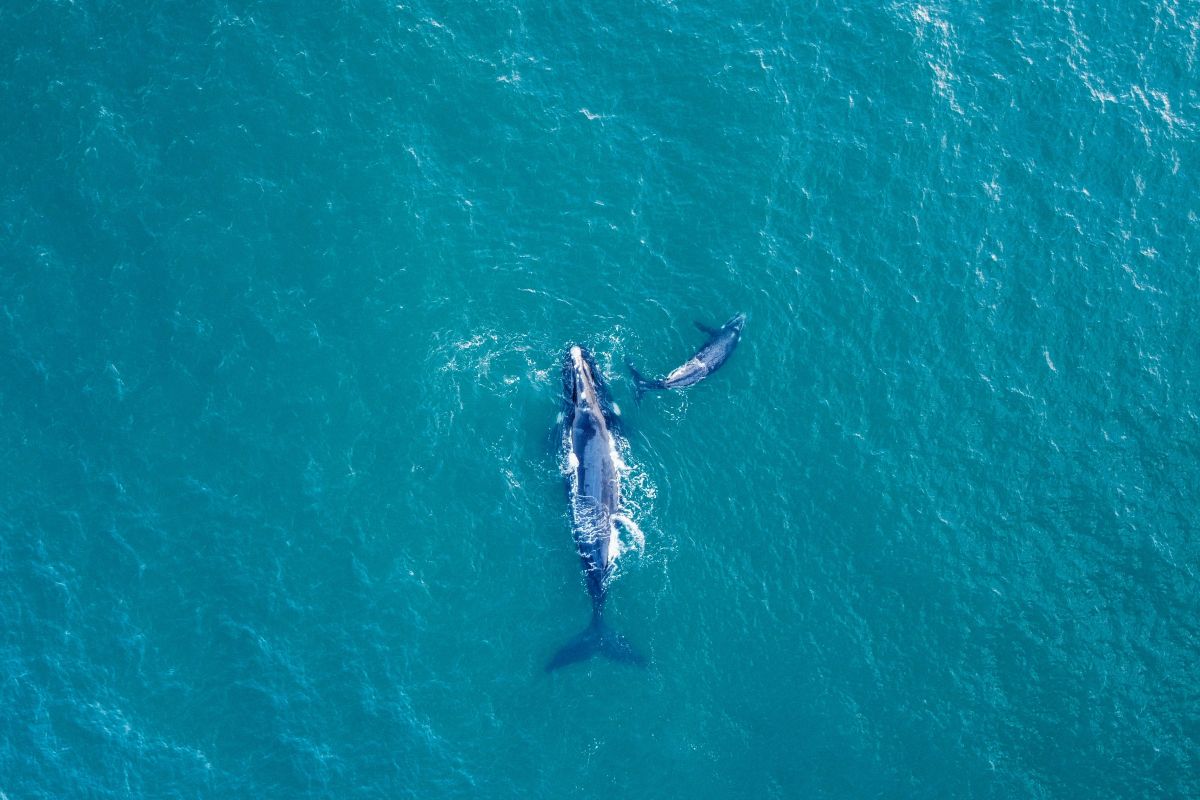
A Royal Caribbean cruise ship struck and killed a 61-foot endangered fin whale near Alaska, likely causing its death. This incident highlights a larger problem where thousands of whales worldwide are injured or killed each year by ships passing through their habitats.
Key Facts
The whale was pregnant and died from blunt-force trauma, probably from a ship collision.
Scientists estimate around 20,000 whales are killed by ship strikes globally each year.
Many whale deaths go unnoticed because whales often sink after being hit.
Ship traffic overlaps with whale feeding and migration areas, increasing risks.
Large whale species like fin whales, blue whales, humpbacks, and North Atlantic right whales are most at risk.
About 90% of world trade moves by sea, expanding shipping lanes through whale habitats.
Less than 7% of high-risk whale areas have strategies to reduce ship collisions.
The cruise line reported the incident to authorities and is cooperating with investigations.
Read the Original
Want the full story? Tap a source to open the original
article.
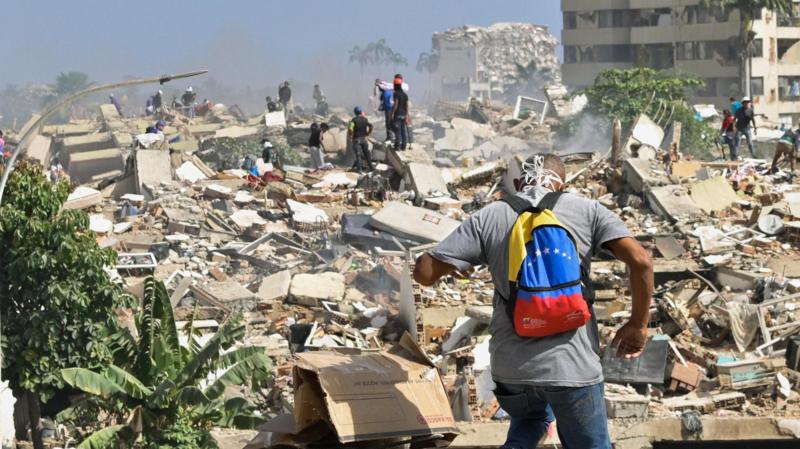
Two strong earthquakes hit northern Venezuela, killing at least 920 people and injuring over 3,300. Rescue teams are searching for survivors amid widespread damage to buildings and hospitals, while many families wait for news of missing loved ones.
Key Facts
Two earthquakes struck Venezuela on Wednesday, including one measuring magnitude 7.5.
Over 900 people have died and more than 3,360 have been injured.
La Guaira, north of Caracas, was the hardest-hit region with extensive damage.
At least 172 people are still believed to be trapped under rubble.
More than 240 people have been rescued alive so far.
Hospitals and many buildings were damaged or destroyed; medical facilities are overwhelmed.
Around 214 aftershocks have occurred since the initial quakes.
International rescue teams and aid, including from the US, UK, Netherlands, Mexico, and Switzerland, are supporting Venezuela’s efforts.
Read the Original
Want the full story? Tap a source to open the original
article.
Burkina Faso announced it is ending diplomatic relations with France on June 26, 2026. The military government in Burkina Faso accused France of interfering in its affairs and supporting groups that harm the country.
Key Facts
Burkina Faso cut diplomatic ties with France as of June 26, 2026.
The announcement was made on national television by the government.
The current government is led by Captain Ibrahim Traore, who came to power in a 2022 coup.
Burkina Faso’s government said France acts against its interests and interferes in its internal matters.
The government accused France of supporting networks and terrorists in Burkina Faso and the Sahel region.
Burkina Faso faces armed groups like al-Qaeda-linked JNIM and Islamic State Sahel Province in parts of the country.
The military government dissolved political parties in January 2026 and seized their assets.
France’s influence in Africa has decreased recently, with some countries turning toward Russia and China.
Read the Original
Want the full story? Tap a source to open the original
article.
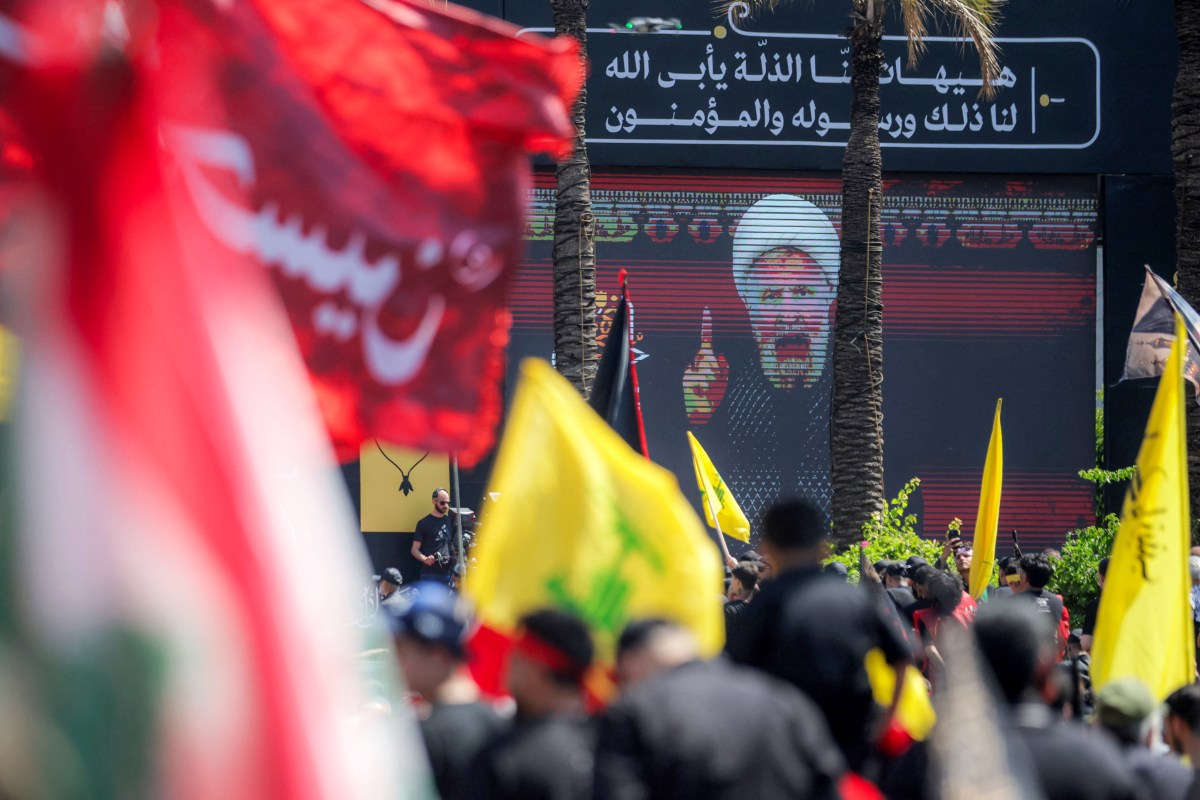
Hezbollah said it will follow a new U.S.-supported deal between Israel and Lebanon only if Israel fully leaves Lebanese land. The group warned it will fight back if Israel stays in parts of Lebanon. The deal, signed by Israel, Lebanon, and the U.S., includes a partial Israeli military withdrawal but does not involve Hezbollah directly.
Key Facts
Hezbollah said it will respect the deal only if Israel completely pulls its forces out of Lebanese territory.
The group warned of more fighting if Israel does not fully withdraw.
The new agreement was signed by Israel, Lebanon, and the United States at the State Department.
The deal includes Israel pulling back from two areas in a “security zone” in southern Lebanon.
Hezbollah did not take part in the deal negotiations.
Lebanese and Israeli officials described the deal as a step toward peace and restoring Lebanese control of their land.
Israeli Prime Minister Netanyahu said Israel will keep some forces in a security zone as long as Hezbollah has not disarmed.
The deal aims to reduce Iranian and Hezbollah influence in Lebanon, according to Israeli officials.
Read the Original
Want the full story? Tap a source to open the original
article.
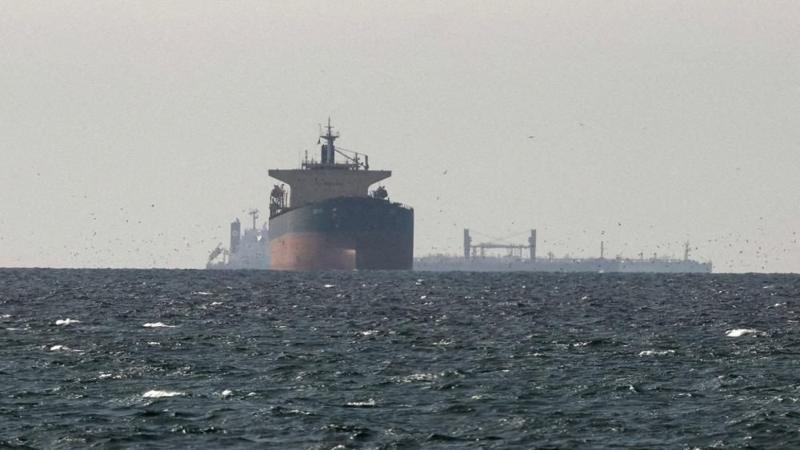
The United States struck Iranian military sites in response to an Iranian drone attack on a commercial cargo ship in the Strait of Hormuz. The US views the drone strike as a violation of a recent ceasefire agreement meant to pause hostilities in the region and keep the shipping route open.
Key Facts
An Iranian drone hit the Singapore-flagged cargo ship Ever Lovely near the Strait of Hormuz.
No crew members were injured, and the ship continued its journey after the strike.
The US launched airstrikes on Iranian missile, drone storage, and radar sites near Sirik, Iran.
President Donald Trump described the drone attack as a violation of a June 17 memorandum of understanding (MOU) between the US and Iran.
The MOU aimed to pause military actions and ensure safe commercial passage through the Strait of Hormuz.
Iran claims it neutralized the US strikes and promised a swift response at a time and place of its choosing.
The Strait of Hormuz is a critical route for global trade, and disruptions have caused rises in fuel and fertilizer prices.
The ceasefire has been fragile due to ongoing conflicts between Israel and Lebanon, which Iran supports.
Read the Original
Want the full story? Tap a source to open the original
article.
The U.S. military carried out strikes on Iranian missile and drone storage sites, along with coastal radar locations. These actions occurred one day after Iran’s Islamic Revolutionary Guard Corps attacked a cargo ship in the Strait of Hormuz.
Key Facts
The U.S. military targeted Iranian missile and drone storage areas.
Coastal radar sites in Iran were also struck by U.S. forces.
The strikes were conducted by U.S. Central Command (Centcom).
These actions followed an attack by Iran on a Singapore-flagged container ship.
The attack took place in the Strait of Hormuz, a key shipping route.
The Islamic Revolutionary Guard Corps of Iran carried out the attack on the ship.
Read the Original
Want the full story? Tap a source to open the original
article.
The US military carried out strikes against Iranian targets after President Donald Trump said Iran broke a ceasefire by attacking a cargo ship near the Strait of Hormuz. The attack used a one-way drone but caused no casualties. The US hit missile and drone storage sites and radar stations in response.
Key Facts
A cargo ship was attacked by an Iranian drone in the Strait of Hormuz, with no reported casualties.
The US planned to evacuate over 11,000 sailors from the region following the attack.
President Donald Trump called Iran's attack a "foolish violation" of the ceasefire agreement.
US Central Command struck Iranian missile and drone storage facilities and coastal radar sites.
Iran and the US had agreed to a ceasefire on June 17, including safe passage for commercial ships.
The Strait of Hormuz is a key shipping route for oil, gas, and other goods like fertilizer.
Iran closed the strait after US and Israeli attacks started in February, increasing global oil prices.
The US military will continue to help protect commercial ships passing through the strait.
Read the Original
Want the full story? Tap a source to open the original
article.
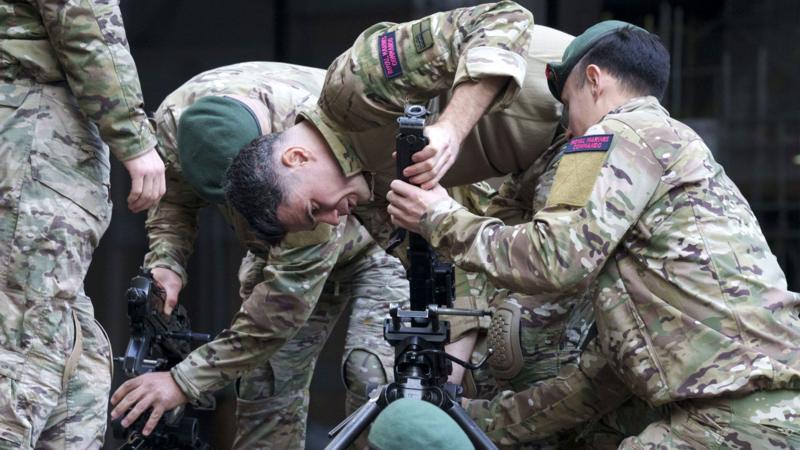
The UK Conservative Party proposed a tax cut to encourage more people to join the military reserves, aiming to increase reservists to 50,000. The plan would make the first 30 days of reservist service each year tax-free and is funded by restoring a limit on child benefit payments.
Key Facts
The Conservatives want to increase UK military reservists to 50,000 by recruiting about 18,000 new members.
Reservists who serve up to 30 days per year would pay no tax on their reservist earnings for those days.
This tax cut would be paid for by bringing back the two-child benefit cap, reducing welfare spending.
The UK's current trained and untrained reserves total over 32,000 as of January 2026.
Around 46% of reservists received a tax-free bonus for completing training and tests in 2024/25.
Conservative Party leader Kemi Badenoch said cutting welfare is necessary to fund the military.
Labour officials criticized the Conservatives for poor management of military recruitment in previous years.
The government’s recent Strategic Defence Review plans to increase the reserve forces by at least 20% in the 2030s and improve recruitment.
Read the Original
Want the full story? Tap a source to open the original
article.
The Trump administration, Israel, and Lebanon announced a three-way agreement to reduce Iran’s influence in Lebanon by limiting its support for the group Hezbollah. The deal also outlines steps for Israel to pull back its forces from southern Lebanon after lengthy talks.
Key Facts
The agreement involves the U.S. government under President Trump, Israel, and Lebanon.
Its goal is to reduce Iran’s control in Lebanon by targeting the support Iran gives to Hezbollah.
Hezbollah is a militant group active in Lebanon, backed by Iran.
The deal includes plans for Israel to withdraw troops from southern Lebanon.
The agreement was reached after three days of discussions between the involved parties.
It aims to promote stability in the region by addressing security concerns.
This framework represents cooperation among the U.S., Israel, and Lebanon on regional security issues.
Read the Original
Want the full story? Tap a source to open the original
article.
The U.S. military attacked Iranian targets near the Strait of Hormuz after Iran fired drones at commercial ships passing through the area. President Donald Trump called Iran’s actions a violation of their ceasefire agreement.
Key Facts
The U.S. strikes targeted Iranian missile and drone storage sites and coastal radar locations near the Strait of Hormuz.
Iran launched drones at several commercial ships, including a Singapore-flagged cargo ship named "Ever Lovely."
The drone attack occurred as ships were moving through the Strait of Hormuz, near the Omani coast.
The U.S. described its strikes as a "powerful response" to Iran’s attack.
President Trump posted on Truth Social that Iran’s attack broke the ceasefire agreement between the two countries.
The U.S. Central Command stated it will continue to help protect commercial ships passing through the strait.
The incident raised questions about whether Iran will respond with further military action.
This is the first U.S. strike against Iranian targets since signing a memorandum of understanding declared to end the war last week.
Read the Original
Want the full story? Tap a source to open the original
article.
The U.S. military attacked Iranian sites after Iran used drones to strike a commercial ship in the Strait of Hormuz. These were the first U.S. strikes on Iran since both countries agreed to extend a ceasefire last week.
Key Facts
The U.S. hit Iranian missile, drone storage, and radar locations on Friday.
The strikes responded to Iran's drone attack on a commercial vessel.
The affected attack site was in the Strait of Hormuz, a key shipping route.
U.S. Central Command described the strikes as a strong reaction to Iran’s actions.
The U.S. accused Iran of violating the ceasefire by attacking commercial ships.
The U.S. and Iran had recently agreed to continue a ceasefire agreement.
This event marks a significant escalation after the ceasefire extension.
The situation is ongoing and updates are expected as more information comes in.
Read the Original
Want the full story? Tap a source to open the original
article.
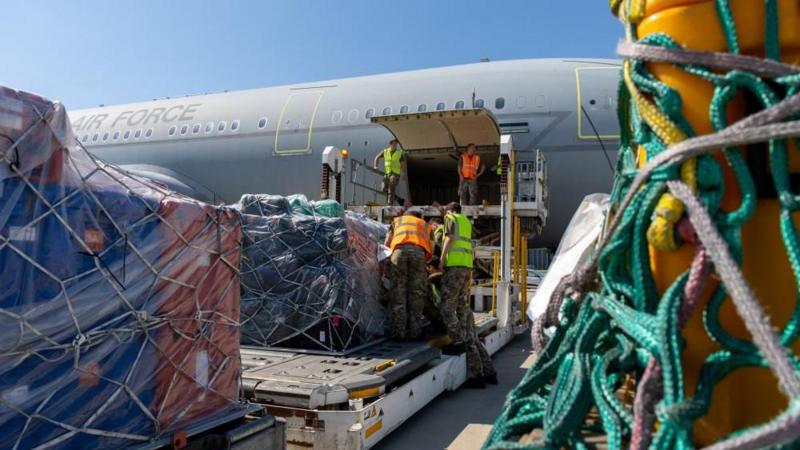
British search and rescue teams have been sent to Venezuela after two large earthquakes hit the country, causing nearly 1,000 deaths. The UK also provided £2 million in aid to help with rescue and relief efforts amid ongoing aftershocks and widespread damage.
Key Facts
Two earthquakes with magnitudes of 7.2 and 7.5 struck Venezuela seconds apart.
The epicenter was about 100 miles west of Caracas, the capital city.
Nearly 1,000 people have died, and tens of thousands have been displaced.
A British Royal Air Force plane carried 68 rescue workers, including firefighters, sniffer dogs, drones, and medical staff.
Over 52,000 people were reported missing or uncontactable hours after the earthquakes.
Venezuela declared a state of emergency and stopped airport, rail, and transport services.
More than 215 aftershocks have been recorded since the initial earthquakes.
Hospitals in the affected areas are short on critical supplies and overwhelmed.
Read the Original
Want the full story? Tap a source to open the original
article.
The United States announced a framework agreement between Israel and Lebanon aiming to start Israel’s troop withdrawal from southern Lebanon. However, the group Hezbollah has publicly refused to support the talks or the agreement.
Key Facts
The US announced a framework deal between Israel and Lebanon.
The deal is the first step toward Israel pulling troops out of southern Lebanon.
Hezbollah opposes the talks and the agreement.
The announcement was reported from Beirut, Lebanon.
The agreement focuses on reducing military presence and tensions in the region.
Hezbollah is a powerful political and military group based in Lebanon.
The framework deal is part of ongoing efforts to improve relations between Israel and Lebanon.
Read the Original
Want the full story? Tap a source to open the original
article.