Neutral summaries of your favorite news sources — just the facts.
Your favorite news sources, one neutral feed — we distill their reporting into fact-first
summaries and always link to the original story. How it works
World News
Comprehensive coverage of international news and global events
Iran claimed control over the Strait of Hormuz and said only ships that cooperate with Iran will be allowed to pass safely. This statement followed President Donald Trump’s accusation that Iran attacked a commercial ship near Oman using a drone.
Key Facts
Iran declared it controls the Strait of Hormuz, a key waterway for oil shipments.
Iran said ships must coordinate with Tehran to ensure safe passage through the strait.
President Donald Trump accused Iran of attacking a commercial vessel near Oman.
The attack allegedly involved a one-way attack drone.
The British military also commented on the situation, though details were not provided.
The Strait of Hormuz is a strategic location between the Persian Gulf and the Arabian Sea.
Iran’s warning followed rising tensions between Iran and the United States.
The situation affects international shipping and global oil supply routes.
Read the Original
Want the full story? Tap a source to open the original
article.
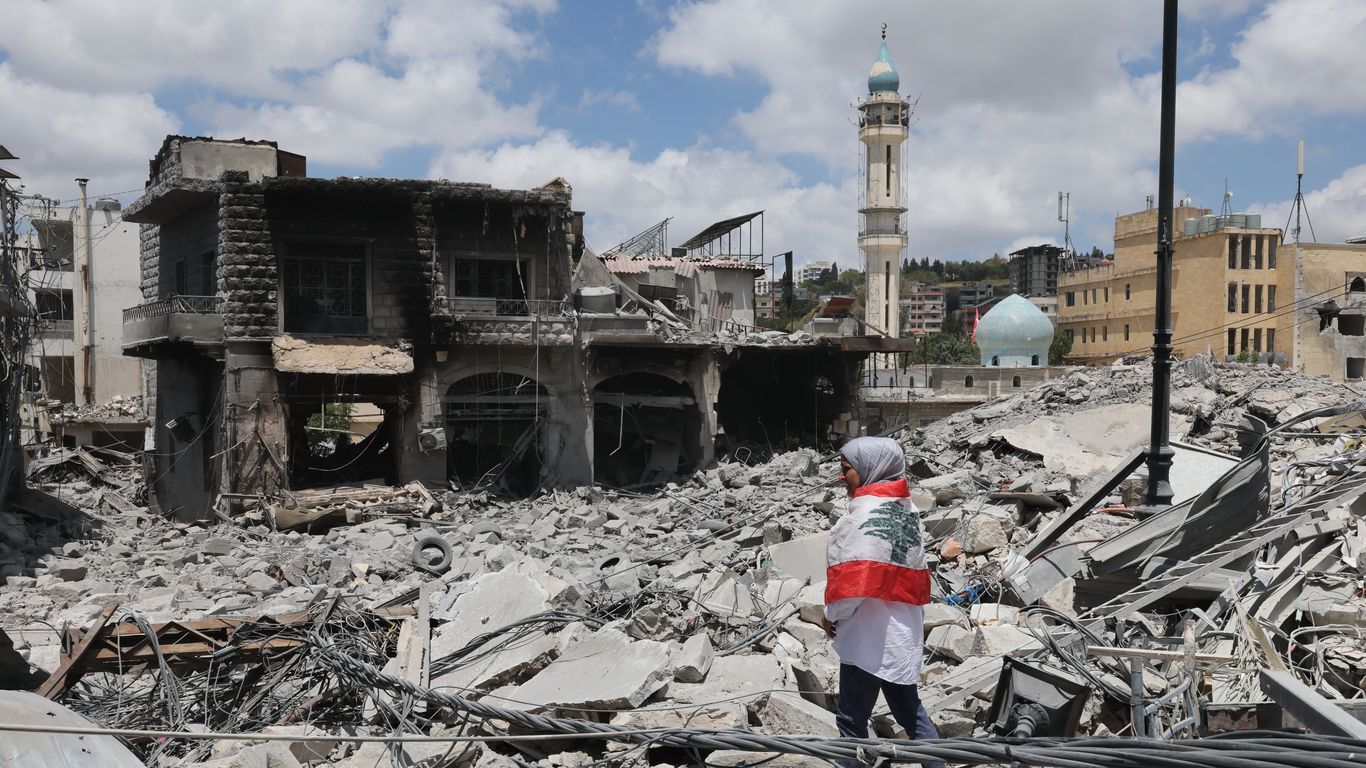
Israel and Lebanon are set to sign a framework agreement after four days of talks in Washington, helped by the Trump administration. The agreement outlines steps toward peace, including limited Israeli military withdrawal and Lebanese army deployment in certain areas.
Key Facts
The agreement was negotiated over four days in Washington D.C.
The Trump administration mediated the talks.
The deal includes launching two pilot projects where Israel will pull back troops and the Lebanese army will move in.
These areas are north and south of the Litani River in southern Lebanon.
This would be Israel’s first military withdrawal from southern Lebanon since expanding control during its war with Iran.
A fragile ceasefire between Israel and Hezbollah has mostly held since last weekend.
Israel has conducted strikes against what it says were threats from Hezbollah during this period.
U.S. Secretary of State Marco Rubio spoke with Israeli Prime Minister Netanyahu and Lebanese President Aoun to resolve final issues.
Read the Original
Want the full story? Tap a source to open the original
article.
King Charles’s tax payment was revealed for the first time, showing he will pay £12.9 million in taxes for 2024-25, and a total of £30 million since becoming king. However, details about his total income and assets are limited, and his tax bill is low compared to other wealthy individuals.
Key Facts
King Charles voluntarily began paying taxes in 1993, although monarchs are not required to pay tax.
His tax payment for 2024-25 is £12.9 million, slightly less than the previous year.
Since becoming king, he has paid about £30 million in taxes.
The king’s private wealth, called the privy purse, is estimated at least £1.8 billion.
The Duchy of Lancaster, part of his wealth, is a £690 million property portfolio that generates about £25 million a year.
Unlike regular income, the Duchy’s gains on property sales and rental income are not taxed.
Other wealthy individuals with similar or smaller fortunes pay much higher taxes; for example, a hedge fund owner worth £1.8 billion pays £114 million in tax.
The palace says the king pays capital gains tax on private wealth and that accounts are audited, but no full public disclosure exists.
Read the Original
Want the full story? Tap a source to open the original
article.
Bringing home a new puppy can change a family’s daily routine, especially for children. Puppies often wake up at night, need lots of care, and require teaching children how to interact safely with them.
Key Facts
Puppies often wake up during the night needing bathroom breaks or attention, which can disrupt family sleep.
Sleep disruptions may cause children to feel tired during the day or affect family patience.
Puppies need constant supervision and training as they grow, including managing chewing, teething, and accidents.
Families often underestimate how much time and effort puppies require.
Children should never be left alone with a young puppy and taught to be gentle.
Involving children in puppy care can be helpful and teach responsibility.
Preparing children before getting a puppy—by visits, books, and setting expectations—can ease the transition.
The challenges with puppies are temporary as they mature and become more independent.
Read the Original
Want the full story? Tap a source to open the original
article.
An Ebola outbreak in eastern Democratic Republic of Congo (DRC) started in early 2026 and has affected more than 1,000 people in over 30 areas. Despite some patients recovering after treatment, health workers warn that the epidemic is continuing and may last a long time due to challenges in tracking cases and reaching some communities.
Key Facts
The Ebola epidemic in the DRC began officially on May 17, 2026, but cases appeared as early as April.
Over 1,150 cases and 300 deaths have been confirmed as of late June 2026.
Ebola remains hard to control because some affected zones are dangerous or hard to reach, such as mining areas near borders.
Health workers celebrated the recovery and hospital release of 14 patients in Mongbwalu, the outbreak’s center.
Some infected people, including hospital staff, caught Ebola from contact with infected bodies, which remain contagious after death.
There is uncertainty about the total number of cases and deaths due to incomplete testing and possible confusion with other diseases like malaria.
International groups like the World Health Organization and Médecins Sans Frontières are involved in monitoring and responding to the epidemic.
Health experts describe the current response as delayed and say the epidemic is still spreading.
Read the Original
Want the full story? Tap a source to open the original
article.
The movie "Supergirl," directed by Craig Gillespie, tells the story of Kara Zor-El (played by Milly Alcock) as she struggles to find her place on Earth while trying to save her dog, Krypto, from a deadly poison. The film focuses on Kara's emotional journey and portrays her as a young woman dealing with loneliness and loss.
Key Facts
"Supergirl" is inspired by the comic series "Supergirl: Woman of Tomorrow."
Kara Zor-El, also known as Supergirl, is played by Milly Alcock.
The plot includes a villain named Krem who poisons Kara’s dog, Krypto.
Kara has only three days to find a cure to save Krypto’s life.
The film highlights Kara’s emotional vulnerabilities and her struggle to belong.
Visual effects and production design create a colorful and unique world supporting the story.
Some parts of the movie slow down pacing and feature less engaging action scenes.
Milly Alcock’s acting is praised for making Supergirl feel real and relatable.
Read the Original
Want the full story? Tap a source to open the original
article.
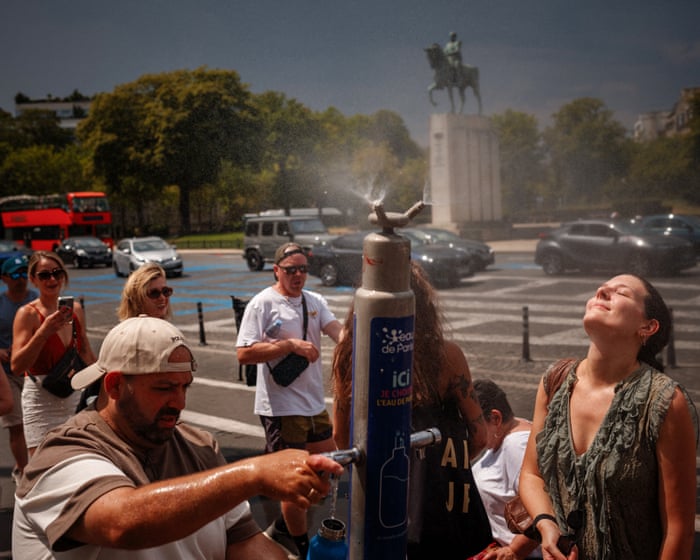
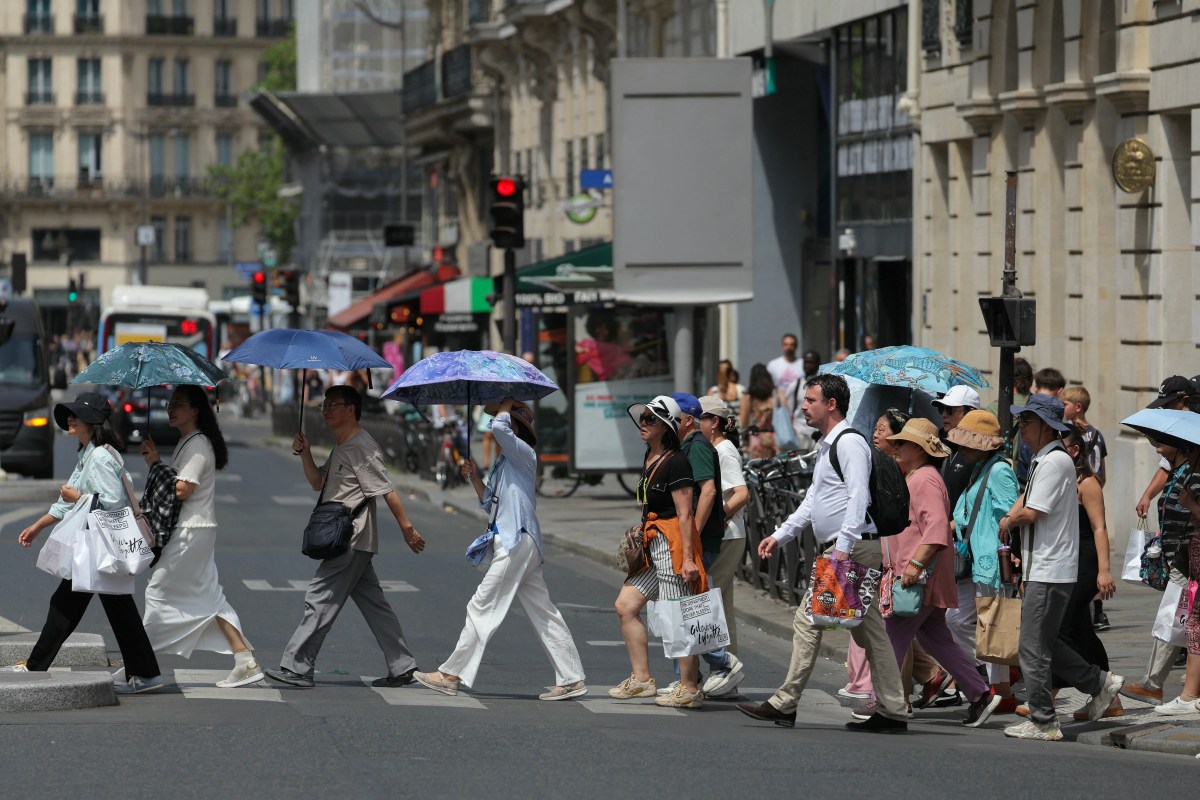
Many people in Paris are leaving their homes because of a very hot heat wave. Since many homes do not have air conditioning, people are going to public cooling centers to find relief from the heat.
Key Facts
Paris is experiencing an intense heat wave with very high temperatures.
Many Paris residents do not have air conditioning in their homes.
People are using public cooling centers to stay safe and cool.
Cooling centers are public places set up to help people escape extreme heat.
The heat wave has caused discomfort and health concerns for many residents.
Local authorities are encouraging the use of cooling centers during this heat wave.
Read the Original
Want the full story? Tap a source to open the original
article.
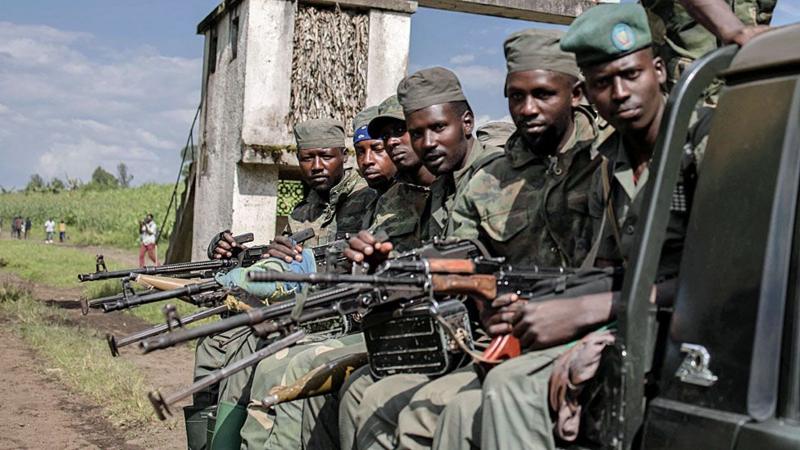
The Democratic Republic of Congo (DR Congo) has taken Rwanda to the International Court of Justice (ICJ), accusing Rwanda of supporting armed groups in DR Congo and breaking international treaties. DR Congo wants the court to make Rwanda stop these actions and pay compensation.
Key Facts
DR Congo filed a case at the ICJ accusing Rwanda of illegal military actions on its soil.
The accusations include violations of treaties on genocide prevention, racial discrimination, women's rights, and torture.
Rwanda is accused of backing the M23 rebel group in eastern DR Congo, which has captured large areas there.
Rwanda denies supporting rebel groups and calls one such group, the FDLR, a genocidal militia threatening its security.
The conflict started after the 1994 Rwandan genocide, which led many Hutus to flee into DR Congo.
Past ICJ cases between DR Congo and Rwanda were stopped because Rwanda did not accept the court’s authority.
Despite a peace deal signed in December 2024 with US support, fighting has continued in eastern DR Congo.
Read the Original
Want the full story? Tap a source to open the original
article.
A severe heatwave in Europe has caused at least four toddlers to die in France and led to more than 55 drownings across the country. The extreme heat, fueled by climate change, is hitting millions of people and has broken temperature records in the UK, putting a strain on hospitals and emergency services.
Key Facts
Four toddlers in France have died in heat-related incidents, including one found in a hot car and others trapped or left unattended.
Over 55 people have drowned in France since the heatwave began.
The heatwave is affecting about 150 million people in Europe with temperatures reaching 35°C (95°F) or higher.
Scientists say this is the most severe and widespread heatwave ever in the region, linked to climate change from fossil fuel use.
The UK set new records for the hottest June days, with temperatures reaching 37.3°C in Suffolk.
London and much of southern England are under a red heat alert, meaning serious health risks even for healthy individuals.
Hospitals and emergency services in the UK and France are overwhelmed, with some hospitals declaring critical incidents.
Measures like school closures, travel advisories, hosepipe bans, and public alcohol drinking bans in Paris have been put in place to manage the heatwave’s effects.
Read the Original
Want the full story? Tap a source to open the original
article.
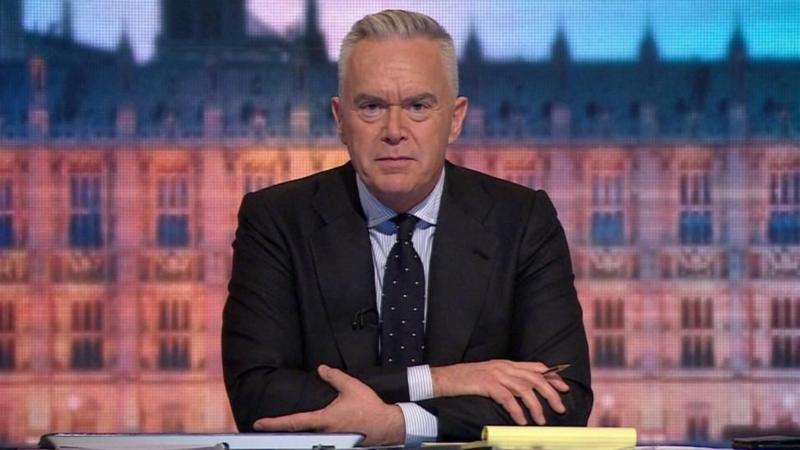
Huw Edwards, a former BBC news presenter who was convicted in 2024 for accessing illegal child images, has started a blog on Substack where he discusses current events and mental health. His decision to return to a public platform has been criticized by child sexual abuse campaigners who say it shows a lack of awareness and respect for victims.
Key Facts
In 2024, Huw Edwards admitted to accessing 41 illegal images of children, including some very serious ones.
He received a six-month suspended prison sentence and was put on the sex offenders' register for seven years.
Edwards launched a Substack blog offering commentary on current affairs and mental health topics.
Campaigners say Edwards' blog shows a “staggering lack of awareness” and is disrespectful to survivors.
Emma Jane Taylor, a survivor and campaigner, said Edwards should not have a public platform and should show genuine remorse privately.
Edwards has expressed regret and remorse publicly and in court.
The blog’s comment section is disabled, limiting public response directly on the site.
Some supporters believe Edwards deserves a second chance, but many victims and campaigners feel the blog could harm survivors.
Read the Original
Want the full story? Tap a source to open the original
article.
France is facing a record-breaking heatwave that has caused many deaths and led to debates about installing air conditioning (AC) in public buildings. The National Rally party supports a large plan to expand AC in schools, hospitals, and homes, while some environmentalists remain cautious. Europe is seeing unusually high temperatures, with Spain and the UK also breaking heat records.
Key Facts
France is experiencing the hottest temperatures since 1947, with warnings of dangerous heat levels.
The heat has caused dozens of deaths in France and about 200 deaths in Spain.
France’s National Rally (RN) party proposes a "plan clim" to install AC in all schools, hospitals, and homes with €20 billion in interest-free loans.
France has traditionally avoided widespread AC use, focusing instead on insulation to save energy.
Some environmental leaders now accept limited AC use due to rising temperatures, while others warn it could worsen climate change.
France has sent about €6 billion in military aid to Ukraine since 2022, less than Germany (€24.2 billion) and the U.S. (€64.6 billion).
Other European countries, like Spain and the UK, are also breaking heat records amid the ongoing heatwave.
Governments are taking various actions to protect people, such as closing schools and canceling events in extreme heat.
Read the Original
Want the full story? Tap a source to open the original
article.
The Democratic Republic of the Congo (DRC) has filed a case against Rwanda at the International Court of Justice (ICJ), accusing Rwanda of causing violence and abuses in eastern DRC for over 30 years. The DRC claims Rwandan forces and allied groups attacked civilians and refugee camps, leading to widespread suffering.
Key Facts
The DRC filed the case with the ICJ, the main UN court for disputes between countries.
The case covers alleged abuses from 1996 to today in eastern DRC.
The abuses mainly targeted ethnic groups such as Hutus, Nyindu, Bembe, Lega, Nande, Hunde, and Bashi.
The DRC says Rwanda and allied armed groups, including M23 and AFDL, carried out massacres, torture, sexual violence, forced displacement, and discrimination.
M23 captured two important cities, Goma and Bukavu, in early 2025, displacing many people.
Recent peace efforts, including a US-brokered deal and a Qatari ceasefire, have failed to stop the fighting.
Rwanda denies supporting M23 and claims it acts to defend itself against the FDLR militia.
The DRC wants the ICJ to order Rwanda to stop the violations and pay reparations to victims and the state.
Read the Original
Want the full story? Tap a source to open the original
article.
President Donald Trump said Iran carried out a drone attack on a cargo ship in the Strait of Hormuz, calling it a violation of a ceasefire agreement. The ship was damaged but remained operational, and other drones targeting the ship were shot down by the U.S. The event adds tension to ongoing talks between the U.S. and Iran aimed at ending conflict.
Key Facts
President Trump accused Iran of attacking a cargo ship with a drone in the Strait of Hormuz.
The drone damaged the ship’s upper deck, but it was still able to continue its journey.
The U.S. intercepted and destroyed three other drones targeting the same ship.
The British military reported a vessel was hit by a projectile near Oman the day before.
The attack happened during fragile peace talks between the U.S. and Iran.
A missile warning alert in Dubai was triggered by a technical glitch amid regional tensions.
UAE and Iranian foreign ministers held a call emphasizing the need to honor the interim peace deal.
The U.N. nuclear watchdog has begun talks to inspect Iran’s nuclear facilities, but progress is slow.
Read the Original
Want the full story? Tap a source to open the original
article.
Colombia recently held its closest election ever, where a right-wing outsider candidate supported by President Donald Trump narrowly defeated a left-wing experienced politician by less than one percent. This result shows a deep division in Colombia and raises questions about the future direction of the country and Latin America's political landscape.
Key Facts
The election in Colombia was the closest in the country's history.
A right-wing outsider candidate won by a very small margin, less than one percent.
This candidate received an endorsement from President Donald Trump.
The opponent was a left-wing politician with many years of experience.
The election result shows a strong split among Colombian voters.
The outcome could affect the political influence of the left in Latin America.
The story was covered by Al Jazeera in a podcast episode with Teresa Bo.
The podcast includes a team of producers, editors, and sound designers working together.
Read the Original
Want the full story? Tap a source to open the original
article.
As heatwaves become more common and severe in Europe, experts are focusing on how to adapt public health, education, and social systems to the hotter climate. Caradee Wright from South Africa explains that schools need changes in design and daily routines to protect children, who are especially at risk from extreme heat.
Key Facts
Europe faces more frequent and intense heatwaves due to climate change.
Climate adaptation now includes public health and education, not just the environment.
Caradee Wright leads a health research program on climate effects in South Africa.
Schools are seen as key places to address heat challenges because children are vulnerable.
Extreme heat is expected to be a long-term condition, not just a temporary problem.
Wright suggests combining building design, behavior changes, and education policies to improve heat resilience.
Protecting students' learning requires redesigning school buildings and routines.
This approach moves beyond just installing air conditioning to a broader plan for coping with heat.
Read the Original
Want the full story? Tap a source to open the original
article.
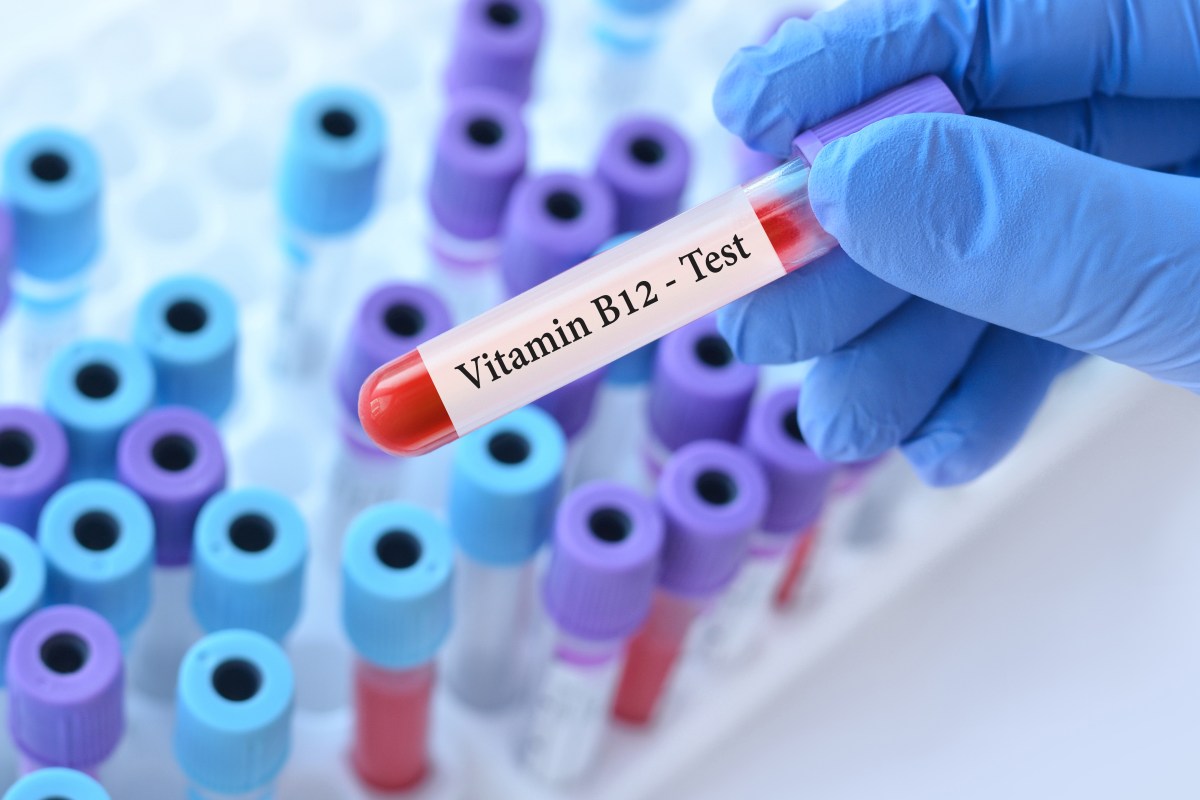
Recent studies show that vitamin B12 affects more than just blood and nerve health; it also helps keep muscles and the brain healthy as we age. Low or borderline B12 levels can cause symptoms like tiredness and memory problems, which are often wrongly seen as just normal aging.
Key Facts
Vitamin B12 deficiency can cause fatigue, brain fog, weakness, and memory issues.
Symptoms of B12 deficiency are similar to common aging signs, so it is often missed.
Standard blood tests for B12 may not be enough; doctors may also check methylmalonic acid (MMA) and homocysteine levels.
Older adults absorb less B12 due to lower stomach acid and other factors.
People who follow vegan or vegetarian diets may not get enough B12 from food.
Some medications and surgeries can reduce B12 absorption.
Vitamin B12 is important for making red blood cells and also for the energy-producing parts of cells called mitochondria.
New research links low B12 to muscle weakness and brain aging beyond just blood-related problems.
Read the Original
Want the full story? Tap a source to open the original
article.
President Trump said that Iran attacked commercial ships in the Strait of Hormuz, breaking a ceasefire agreement signed the week before. The ceasefire was intended to keep the waterway safe and start talks about Iran’s nuclear program.
Key Facts
President Trump accused Iran of attacking commercial ships in the Strait of Hormuz.
The attack involved the use of a drone.
A ceasefire had been signed the previous week to keep the waterway safe.
The ceasefire aimed to begin negotiations on Iran’s nuclear program.
President Trump called the attack a “foolish violation” of the ceasefire.
The Strait of Hormuz is a key route for global shipping and oil transport.
The attack threatens the stability and safety of this international passage.
Read the Original
Want the full story? Tap a source to open the original
article.
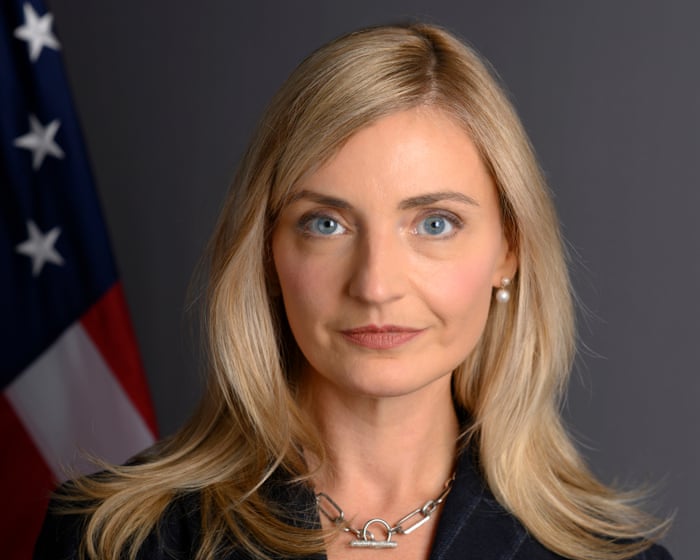
A senior US State Department official, Sarah B Rogers, claimed that British police arrested thousands of people for free speech offenses. The UK government strongly rejected these claims, saying their justice system is fair and protects all citizens.
Key Facts
Sarah B Rogers, a US State Department official, made claims about Britain arresting many people for free speech.
Rogers spoke at a right-wing conference in London called the Alliance for Responsible Citizenship (ARC).
The UK government said Rogers’ statements about the justice system were untrue and unfair.
Rogers’ speech referenced far-right online memes and controversial stories like a child thrown into a crocodile pit.
UK politicians from different parties criticized Rogers and said the US should focus on its own problems.
More than 4,000 people from 85 countries attended the ARC conference.
ARC promotes conservative ideas about culture, immigration, and family in the West.
Some UK politicians see this as unusual interference by US officials in British politics.
Read the Original
Want the full story? Tap a source to open the original
article.
A 20-year-old American-Palestinian student named Sama Safi has been held by the Israeli military for more than three weeks without charges after being arrested at her home in the West Bank. U.S. lawmakers have called on President Trump’s administration to help secure her release, while Israeli officials say she is suspected of involvement in terrorist activities.
Key Facts
Sama Safi is a 20-year-old American citizen and psychology student at Birzeit University in the West Bank.
She was arrested by Israeli forces around 3 a.m. on June 2 during a military raid on her home.
Safi has been held without any formal charges for over three weeks.
U.S. lawmakers, including Senators and Representatives, have urged the Trump administration to intervene for her release.
Safi has a serious health condition called familial Mediterranean fever that requires regular medication and care.
Her family and human rights groups say she is not receiving proper medical treatment in detention.
Israeli authorities say she was arrested for allegedly promoting terrorist activities.
Safi is represented by an Israeli human rights lawyer who is challenging the charges against her.
Read the Original
Want the full story? Tap a source to open the original
article.
Hezbollah leader Naim Qassem said Israel must leave southern Lebanon and other areas it occupies without any conditions. This statement followed Israeli Defence Minister Israel Katz's comment that Israel has no plans to withdraw, even if the United States asks them to do so.
Key Facts
Hezbollah demands Israel fully withdraw from southern Lebanon and other occupied places.
Naim Qassem is the leader of Hezbollah, a Lebanese political and military group.
Israel currently occupies parts of southern Lebanon and other areas.
Israel’s Defence Minister Israel Katz said Israel will not leave these areas.
Katz stated Israel will keep its positions even if the United States requests withdrawal.
The conflict involves ongoing tensions over land and control between Israel and Lebanon.
Read the Original
Want the full story? Tap a source to open the original
article.