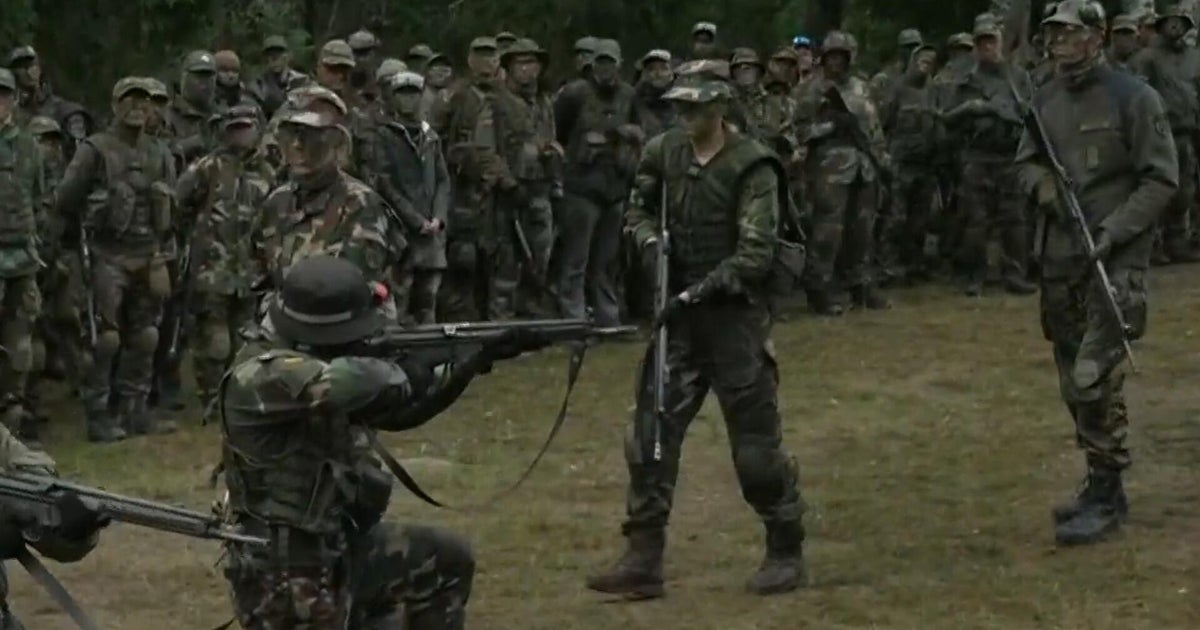
Nearly 2.4 million people in the Bangsamoro Autonomous Region in Muslim Mindanao (BARMM) in the southern Philippines are voting in their first parliamentary election since the region was created in 2019. The vote decides members of the region’s parliament, marking a major move toward self-governance after years of conflict.
Key Facts
The BARMM was established in 2019 as part of a peace agreement to give the region more autonomy.
The election is for 80 parliamentary seats: 40 from political parties, 32 from districts, and 8 sectoral representatives.
The region’s chief minister will be chosen by the new parliament at its first meeting.
Officials aimed for at least an 80% voter turnout after election delays.
Violence occurred before voting started, including a shooting in Cotabato City that killed three people and injured 15.
Cotabato City and the town of Maluso were placed under election commission control due to security problems and ballot issues.
The vote ends the transition period led by the Bangsamoro Transition Authority, an interim government from 2019.
The peace deal led former Muslim rebels to disarm and drop their goal of a separate state after decades of conflict that killed around 150,000 people.
Read the Original
Want the full story? Tap a source to open the original
article.
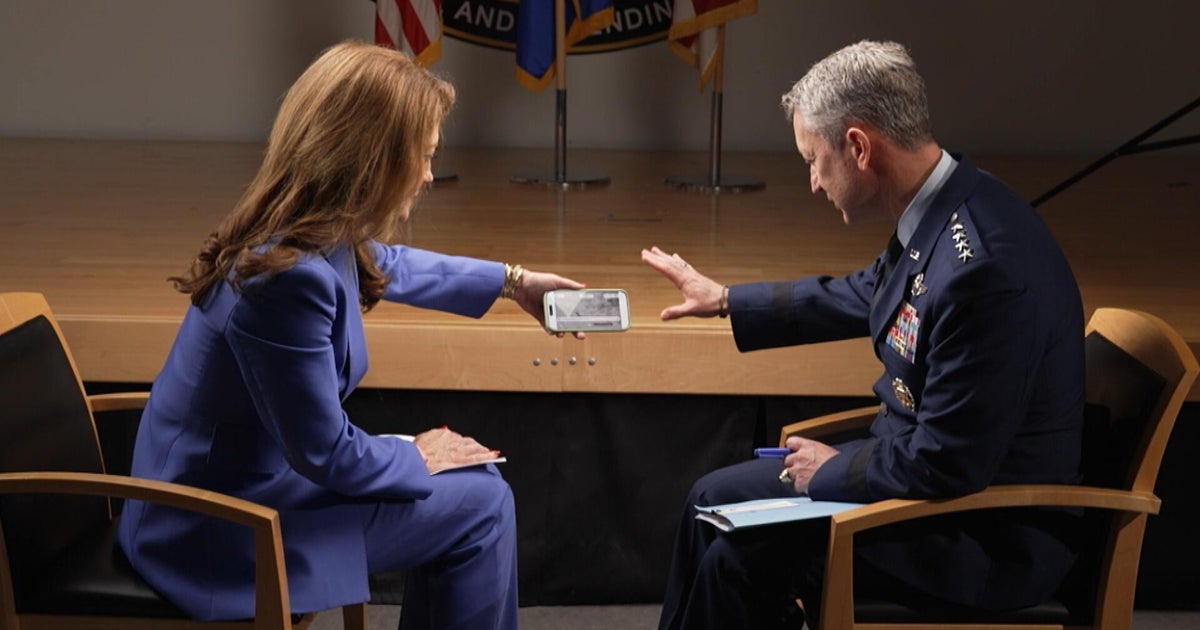
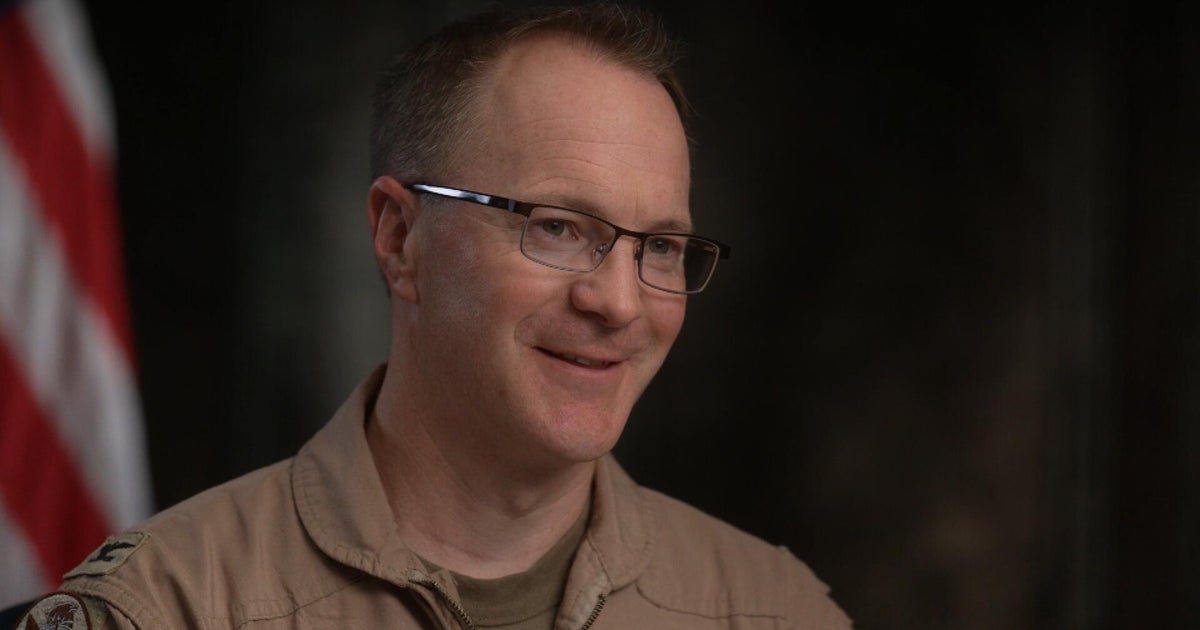
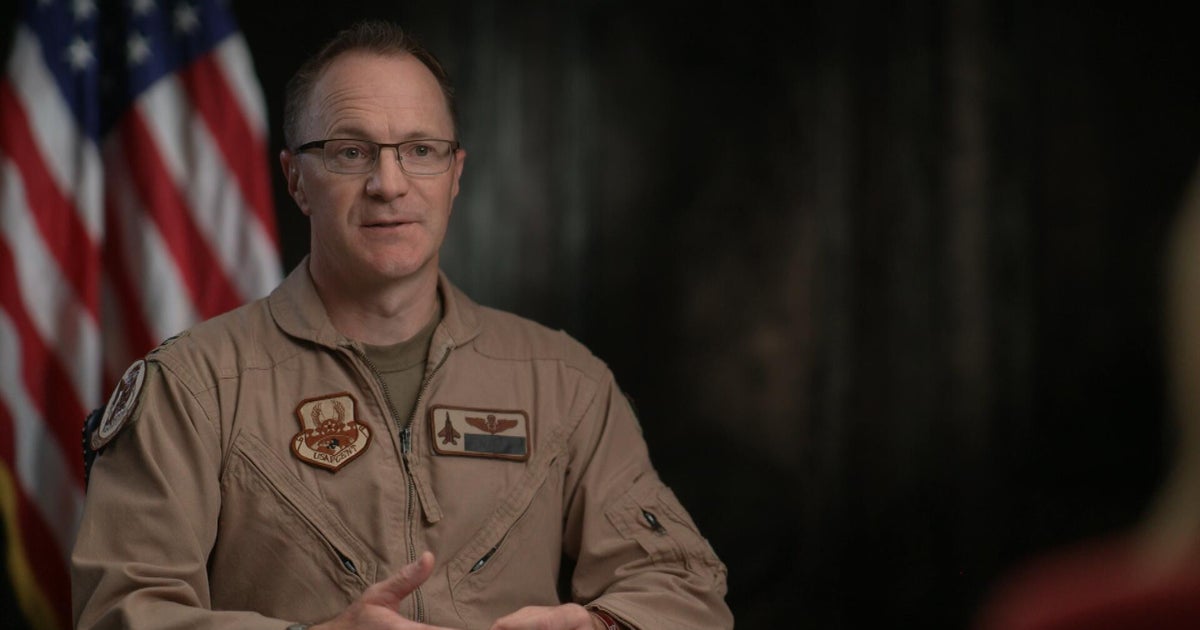
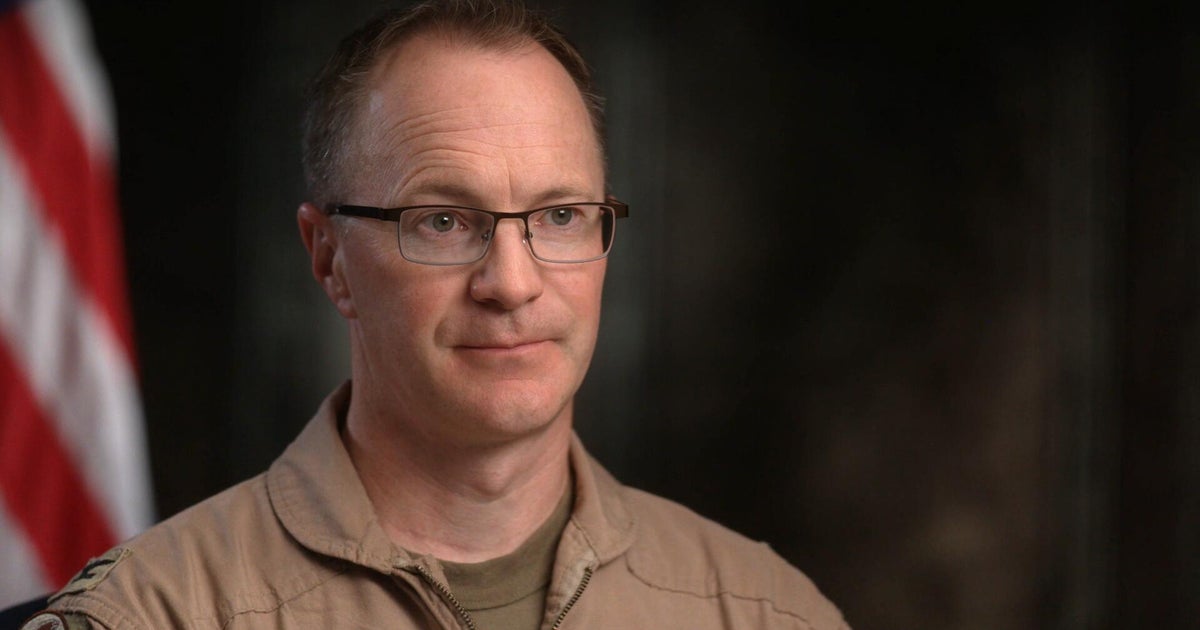
A U.S. Air Force colonel explained how he survived when his F-15E fighter jet was shot down over Iran in April. The incident happened during a conflict involving the United States, Israel, and Iran. The colonel shared his experience in an interview on the TV program “60 Minutes.”
Key Facts
The U.S. Air Force colonel was flying an F-15E fighter jet.
His jet was shot down over Iranian airspace in April.
This event took place early in a conflict involving the U.S., Israel, and Iran.
The colonel survived the incident after his aircraft was downed.
He described his experience during an interview with CBS News’ “60 Minutes.”
The article uses the codename "Bravo" to refer to the colonel and his mission.
No details were given about other military actions connected to the event.
Read the Original
Want the full story? Tap a source to open the original
article.
The United States is hosting G20 energy meetings in Houston, Texas, to discuss global energy supplies amid rising fuel prices. The talks include countries like China, India, Saudi Arabia, and Russia, and happen during ongoing conflict involving Iran that affects fuel markets worldwide.
Key Facts
The US holds the rotating presidency of the G20 group this year and is leading energy talks in Houston.
Delegations come from big economies including China, India, Japan, Germany, Canada, Saudi Arabia, and Russia.
The meetings focus on promoting "energy abundance" amid disruptions caused by the war involving Iran.
Gasoline and diesel prices in the US have sharply increased, with diesel reaching an average of $6.20 per gallon.
The conflict began after US and Israeli strikes on Iran in February, affecting global fuel supply and prices.
Russia's participation caused some controversy due to its war with Ukraine and being partly excluded by Western allies.
US Energy Secretary Chris Wright and Interior Secretary Doug Burgum are attending the Houston meetings.
The US government aims to improve access to affordable, reliable, and secure energy worldwide.
Read the Original
Want the full story? Tap a source to open the original
article.
Lithuania is strengthening its border defenses because of fears about possible actions from Russia. The country, which is next to Russia and part of NATO, is preparing for the chance of a conflict involving Russian tanks.
Key Facts
Lithuania is located near Russia and is part of NATO, a group of countries that work together on security.
The country is worried about a possible threat from Russia.
Lithuania is taking steps to strengthen its border defenses.
This includes preparing to stop or slow down tanks from Russia.
The situation reflects growing tensions in the Baltic region.
NATO borders in this area are considered sensitive because of Russian activity nearby.
The preparations show Lithuania’s efforts to protect its land and people.
Read the Original
Want the full story? Tap a source to open the original
article.
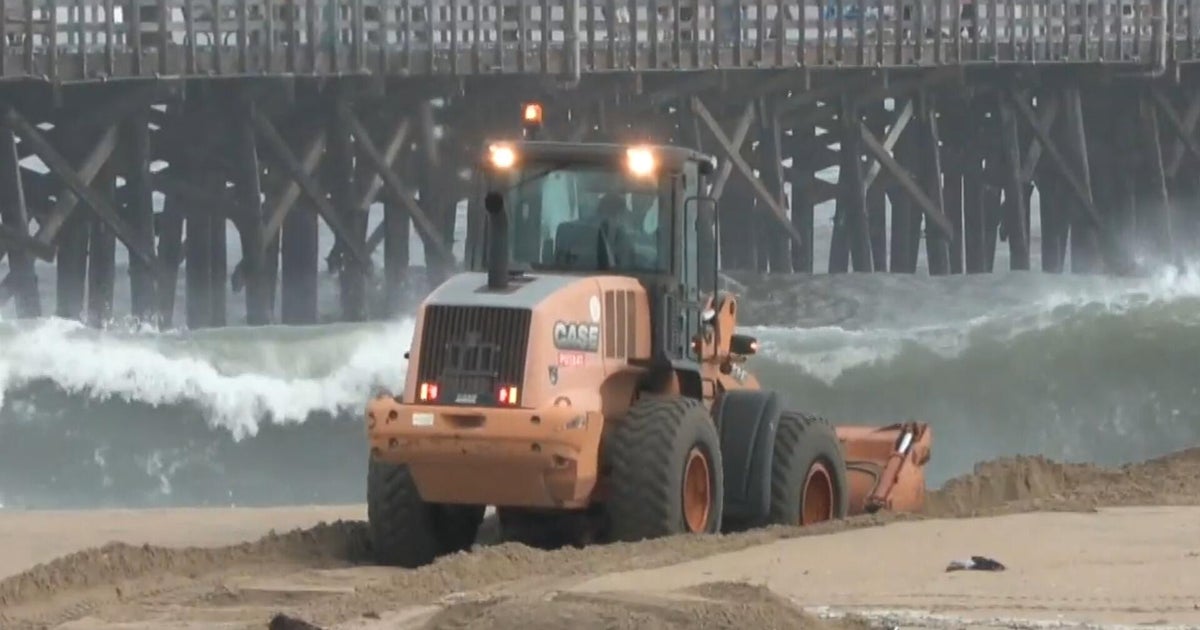
The El Niño weather pattern is expected to bring strong storms to the West Coast soon. People in this area, especially in California, are preparing to protect their homes and beaches from possible damage.
Key Facts
El Niño is a weather pattern that causes changes in ocean and air temperatures.
It often leads to stronger storms and increased rainfall on the West Coast of the U.S.
Communities along the West Coast are getting ready for these upcoming storms.
Coastal areas like Dana Point, California, are working to protect beaches and homes.
Officials and residents are taking action to reduce damage from the storms.
The forecast shows that the storms powered by El Niño will come this weekend.
El Niño events can cause flooding, erosion, and other weather-related problems.
Efforts include preparing emergency plans and reinforcing vulnerable locations.
Read the Original
Want the full story? Tap a source to open the original
article.
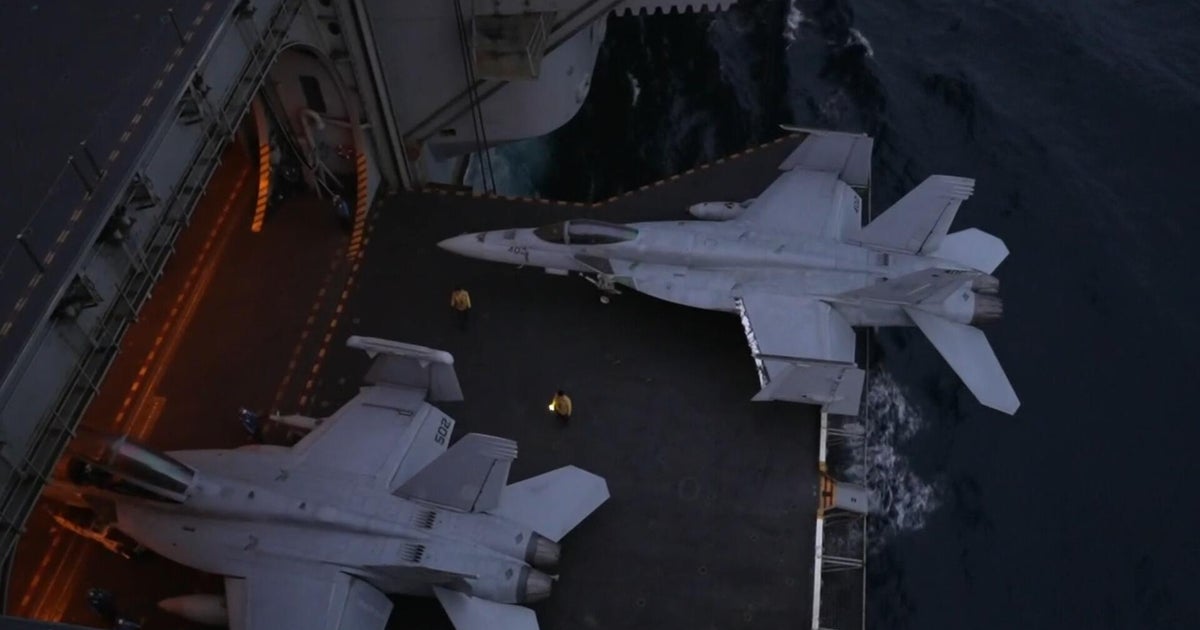
The U.S. military is on high alert in the Middle East as Iran and its allies are targeting energy supplies. About 50,000 U.S. troops in the area are ready to respond quickly if needed.
Key Facts
The U.S. Navy’s USS George Washington is deployed in the Middle East.
The U.S. has around 50,000 military personnel stationed in the region.
The military forces are prepared for battle at any moment.
Iran and its allies are focusing on attacking energy supply lines.
The alert status is a response to increased tensions in the area.
The U.S. military is closely monitoring the situation to protect energy infrastructure.
Read the Original
Want the full story? Tap a source to open the original
article.
A Russian drone attacked a train near the Ukraine-Poland border, hitting the engine but causing no injuries because passengers had already left. This happened after former UK Prime Minister Boris Johnson and European security officials had recently traveled on the same rail line.
Key Facts
The strike was carried out by a Russian drone near Yahodyn, close to the Ukraine-Poland border.
The attack hit the engine of the train but did not cause any casualties.
Passengers were evacuated before the strike took place.
Boris Johnson and European security advisers had traveled on the same rail line earlier on a different train.
The incident occurred shortly after a visit to Kyiv for a conference.
Ukrainian authorities reported the attack and confirmed no injuries.
Experts suggest this attack may indicate Russia is escalating its war against Ukraine.
Read the Original
Want the full story? Tap a source to open the original
article.
Protests broke out in Syria after the government increased fuel prices significantly. The government said the price rise was due to higher costs to buy fuel from other countries and repairs at a local refinery.
Key Facts
Syria raised diesel prices by up to 40%.
Gasoline prices increased by up to 28%.
The government said the price hike is because of higher import costs.
Repairs at the Baniyas refinery were also given as a reason for the increase.
Fuel price increases led to protests in different parts of Syria.
Read the Original
Want the full story? Tap a source to open the original
article.
Heavy rain and thunderstorms occurred in Mecca, causing significant changes during prayers at the Grand Mosque. Saudi officials warned people to stay away from valleys and low areas because of the risk of flooding.
Key Facts
Mecca experienced heavy rain and thunderstorms.
The rain happened while people were praying at the Grand Mosque.
Saudi authorities issued flood warnings.
Residents and visitors were told to avoid valleys and low-lying places.
The weather created dramatic scenes in the city.
Read the Original
Want the full story? Tap a source to open the original
article.
A US Air Force officer described falling without a fully open parachute after his plane was shot down over Iran in April. He and another US airman had to evade Iranian forces before being rescued in a special military operation.
Key Facts
Two US airmen ejected from a damaged F-15E jet after it was hit by an Iranian-made shoulder-fired missile.
One airman, called Bravo, fell with a damaged parachute and broke several bones but survived.
Bravo evaded Iranian forces for 48 hours before being rescued by US special forces.
The other airman, Alpha, was rescued within six hours during a firefight.
Over 90 US service members were involved in operations inside Iran, the first in 46 years.
Several US aircraft, including helicopters and fighter jets worth millions, were destroyed to prevent Iranian capture.
The incident happened during an ongoing conflict between the US, Israel, and Iran, now in its seventh month.
President Donald Trump predicted the war would continue at least until the November elections.
Read the Original
Want the full story? Tap a source to open the original
article.
Israel’s culture minister has called for the directors of the documentary NAZA to lose their Israeli citizenship, accusing them of betraying the country. NAZA is a film that criticizes Israel’s military actions in Gaza and has won international awards.
Key Facts
NAZA is a documentary about Israel’s military attacks in Gaza that killed many civilians.
The film’s directors, Yuval Abraham and Rachel Szor, interviewed 24 Israeli military and intelligence whistleblowers.
The Israeli culture minister, Miki Zohar, wants to revoke their citizenship, calling their work treason.
Revoking citizenship for “disloyalty” is legal in Israel but rarely used and requires approval from several government officials and judges.
The documentary won a special jury prize at the Venice Film Festival and was praised internationally.
Some Israeli officials strongly criticized the filmmakers, accusing them of helping Israel’s enemies.
The Israeli military denies the film’s claims and questions the validity of anonymous sources.
The conflict began after a Hamas attack on Israel in October 2023, which led to heavy Israeli bombardment in Gaza with high civilian casualties.
Read the Original
Want the full story? Tap a source to open the original
article.
Mary Gaudron, the first woman appointed to Australia’s High Court, died at age 83. She served on the court from 1987 to 2003 and played a key role in important legal decisions, including those supporting Aboriginal land rights and equal pay for women.
Key Facts
Mary Gaudron was appointed to Australia’s High Court in 1987 at age 44.
She was the first woman to serve on the High Court.
Gaudron helped decide the landmark Mabo case, recognizing Aboriginal land rights.
She was born in 1943 in Moree, New South Wales.
Early in her career, she won a case for equal pay in 1972.
She also worked on maternity leave rights as deputy president of the conciliation and arbitration commission.
After leaving the court in 2003, she worked for the International Labour Organization in Geneva.
Leaders praised her courage, intellect, and impact on law and equality for women.
Read the Original
Want the full story? Tap a source to open the original
article.
That's the point of this site, and readers keep it that way. Support for any amount and the daily digest lands in your inbox every morning at 7am Eastern.
This week will start warm and sunny but will become wetter and windier as a strong jet stream brings low-pressure weather systems to the UK. Temperatures will drop to normal September levels, and while higher pressure might return later in the month, a late-September heatwave is unlikely.
Key Facts
Monday will be the warmest day, with temperatures above 20°C in many areas and up to 26°C in parts of southern England.
The jet stream, a fast-moving air current high above the Earth, will strengthen and bring rain and wind later in the week.
Winds will shift to westerly or north-westerly by Thursday, making the weather cooler and fresher.
Temperatures will fall to around 14-16°C in Scotland and Northern Ireland and 17-20°C in England and Wales by midweek.
Low-pressure systems will cause unsettled weather with rain and wind towards next weekend, possibly causing minor disruption.
High pressure may return near the end of September, possibly bringing drier weather and warmer days.
There is no current sign of a late-September heatwave; cooler, chillier mornings are possible as nights get longer.
Long-range weather forecasts can change, so updates should be checked regularly.
Read the Original
Want the full story? Tap a source to open the original
article.
Houthi fighters in Yemen are moving closer to areas controlled by the Saudi-backed government, including the important oil and gas region of Marib and the city of Taiz. The conflict is growing more intense as both sides fight for control.
Key Facts
Houthi forces are advancing on government-held areas in Yemen.
Saudi Arabia supports the Yemeni government in this conflict.
The province of Marib is important because it has oil and gas resources.
The city of Taiz is also a key area in the fighting.
The fighting between the Houthis and government forces is getting stronger.
Al Jazeera reported on this from Yemen’s capital, Sanaa.
Read the Original
Want the full story? Tap a source to open the original
article.
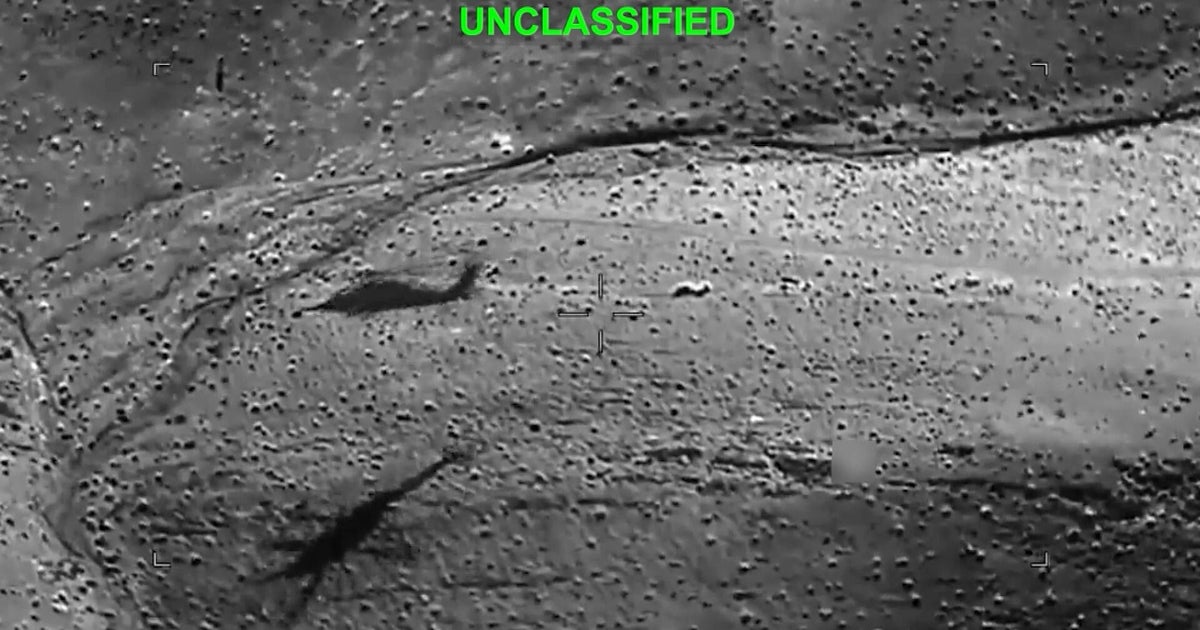
Newly released videos show the rescues of two U.S. Air Force officers who were shot down in Iran and landed miles apart in a mountainous area. The military launched a risky daytime mission eight hours after the first pilot ejected and located the second pilot, who was badly injured, two days later.
Key Facts
Two U.S. Air Force officers, called "Alpha" and "Bravo" for security, were shot down over Iran.
They landed about 5 miles apart near Isfahan in a mountainous region.
Iranian forces were searching for them and had placed bounties on their capture.
The rescue of Alpha happened about eight hours after ejection, involving 21 U.S. aircraft.
Leadership decided to conduct the rescue mission in daylight despite the danger.
Bravo was seriously injured with a broken back and climbed a 7,000-foot ridge while waiting.
U.S. pararescuers found Bravo about two days after the shootdown and brought him to safety.
Bravo called seeing the rescuers one of the greatest moments of his life and said, "Let's go."
Read the Original
Want the full story? Tap a source to open the original
article.
An American fighter jet was shot down over Iran in April during a war, forcing two officers to eject and survive behind enemy lines. One officer, called Bravo, shared details about the crash, their rescue, and the dangerous time spent avoiding capture by Iranian forces.
Key Facts
The F-15E jet, call sign Dude 44, was hit by an Iranian missile.
Both crew members ejected quickly and landed separated in a mountainous desert.
Bravo's parachute was damaged during the ejection, making the fall very dangerous.
Bravo suffered serious injuries, including a broken back, shoulder, and arm.
The rescue mission to save them was one of the largest and most complex in U.S. history.
Bravo credits his crewmate Alpha for quick decisions that saved their lives.
The survival equipment and aircraft systems worked better than expected despite damage.
After landing, Bravo was hunted by Iranian forces who tried to capture him.
Read the Original
Want the full story? Tap a source to open the original
article.
In April, a U.S. Air Force F-15E fighter jet was shot down over Iran during a mission targeting missile and drone facilities. Two officers ejected; one survived a dangerous parachute landing while separated in rough terrain, prompting a large U.S. military rescue operation.
Key Facts
The incident happened on April 2 over a mountainous area south of Isfahan, Iran.
The jet, call sign DUDE 44, was on a strike mission unrelated to Iran’s nuclear facility.
The $30 million aircraft was hit by a shoulder-fired missile costing about $100,000.
Two officers ejected and landed miles apart; one called Bravo suffered injuries and a damaged parachute.
Bravo described the ejection as like being hit by a freight train and experiencing free-fall with a broken parachute.
The U.S. military launched one of its largest search and rescue operations to recover the stranded officers.
Iran shared images of the wreckage on social media.
Defense Secretary Pete Hegseth emphasized the military’s commitment to rescuing the officers regardless of the danger.
Read the Original
Want the full story? Tap a source to open the original
article.
An Air Force officer was shot down over a mountainous desert area in Iran in April. After ejecting from the damaged F-15E fighter jet, he free-fell with a damaged parachute, survived injuries, and hid behind enemy lines for two days before being rescued.
Key Facts
The officer was the weapons-systems officer, call sign Bravo, flying in an F-15E with pilot Alpha during a mission over Iran.
Their jet was hit by an Iranian shoulder-fired missile near Isfahan, close to Iran’s nuclear material storage.
Bravo’s parachute was damaged, causing him to fall at 70-100 mph and suffer a broken back, arm, and shoulder.
He prayed for help during the fall and described his survival as a "modern-day miracle."
Bravo hid and survived for two days before being rescued behind enemy lines.
Alpha ejected safely, was rescued first, and later returned to flying duties.
The mission targeted Iranian drone and missile program facilities.
U.S. Central Command said the military has flown about 13,000 missions in the war with Iran.
Read the Original
Want the full story? Tap a source to open the original
article.
There are no ads, so there is no reason to bait you. Readers who chip in keep it that way. Most choose $3.99/month, and get the daily digest every morning.
An Air Force colonel who was shot down in Iran described his experience surviving behind enemy lines. He shared details about how he and his crewmate were rescued in a special operation.
Key Facts
An Air Force colonel was shot down in Iran.
He survived behind enemy lines for a period of time.
The colonel gave an interview to 60 Minutes correspondent Norah O'Donnell.
The interview provided new details about his survival and rescue.
The rescue operation brought both him and his crewmate, called "Alpha," safely back home.
The story was covered by CBS News.
Read the Original
Want the full story? Tap a source to open the original
article.
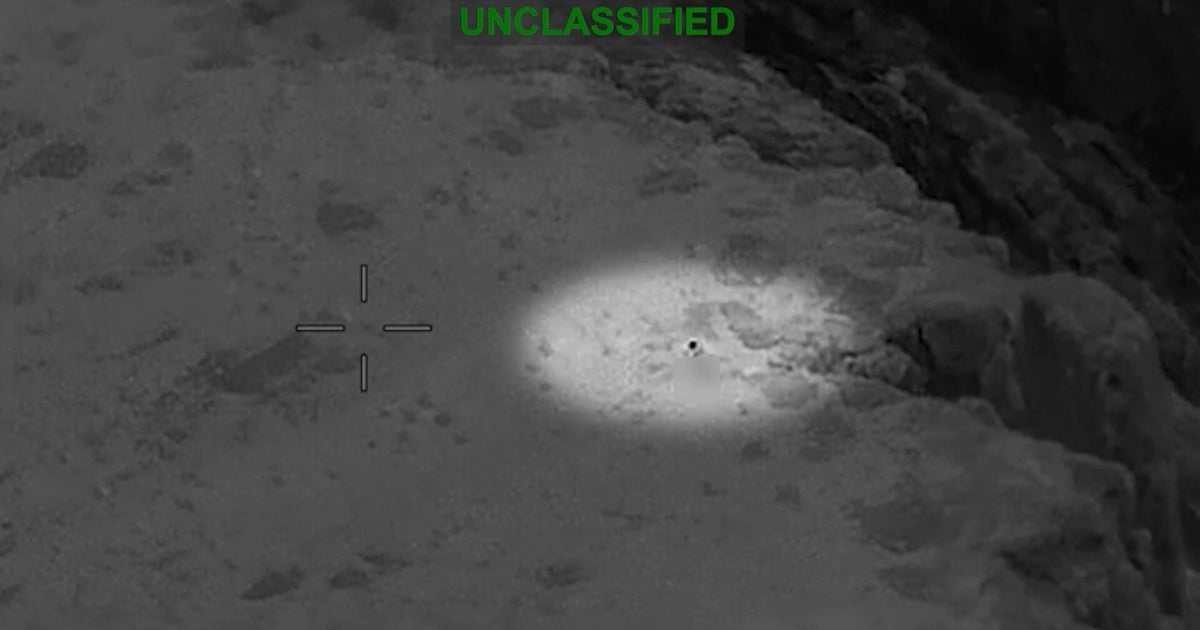
Newly released videos show the rescue of two Air Force officers who were shot down over a mountainous desert area in Iran in April. These rescues happened two days apart and involved urgent recovery missions.
Key Facts
The videos were recently declassified, meaning they were made public after being kept secret.
They show two separate rescue operations for Air Force officers shot down in Iran.
The rescues took place two days apart from each other.
The location of the incidents was a mountainous desert region in Iran.
The videos were obtained first by the news program 60 Minutes.
The footage highlights the difficult conditions involved in the rescue missions.
The events happened in April of this year.
Read the Original
Want the full story? Tap a source to open the original
article.