A tunnel collapse at a hydropower project in Sikkim, India, caused by a suspected gas explosion, has killed at least 10 people and left 17 missing. Rescue efforts are ongoing but are complicated by toxic gases inside the tunnel.
Key Facts
The accident happened at a hydropower project on the Teesta River in Sikkim, near the borders of Bhutan and Tibet.
A gas explosion, likely caused by methane trapped in the rocks, triggered the tunnel collapse.
At least 10 workers have died, and 17 are still missing inside the tunnel.
Six officials who went to help were also trapped in the tunnel.
Rescue teams, including the National Disaster Response Force, are using special breathing gear due to poisonous gases like methane, carbon monoxide, and hydrogen sulfide inside.
The Himalayan region is known for seismic activity and unstable rock, making tunnel construction dangerous.
A similar incident in northern India in 2023 trapped 41 workers for 17 days before rescue.
The Teesta River basin has young, fragile rock formations that can hold gases causing explosions.
Read the Original
Want the full story? Tap a source to open the original
article.
The Israeli Ambassador to the United Nations, Danny Danon, said that New York City Mayor Zohran Mamdani does not have the legal authority to arrest Israeli Prime Minister Benjamin Netanyahu during his visit to New York City in September. Ambassador Danon called the mayor's threat to arrest Netanyahu a political stunt.
Key Facts
Danny Danon is the Israeli Ambassador to the United Nations.
Zohran Mamdani is the Mayor of New York City.
Netanyahu is the Prime Minister of Israel.
Mamdani threatened to arrest Netanyahu during his September visit to New York.
Ambassador Danon said Mamdani has no jurisdiction, meaning no legal power, to make that arrest.
Danon described the arrest threat as a political stunt, implying it is not serious or legal.
The issue arose around Netanyahu’s planned visit to New York City.
Read the Original
Want the full story? Tap a source to open the original
article.
An Israeli air strike in Gaza City killed a family of six, including parents and their four children, while they were sleeping. The attack is part of ongoing strikes in Gaza despite a ceasefire signed nine months ago, and the Israeli military said it targeted a Hamas member and is reviewing the results.
Key Facts
The strike hit the al-Masri family home in the Sabra neighborhood, killing two parents and their four children.
More than 1,150 Palestinians, mostly civilians, have been killed in Israeli strikes since the ceasefire began nine months ago.
Israeli military confirmed the strike and said its target was a Hamas member.
A video showed rescue workers fighting fires and removing bodies covered in white shrouds from the building.
The family’s grandfather said the attack happened while the family was sleeping, with no warning.
Mediators including the US, Egypt, Qatar, and Turkey have tried to advance a peace plan involving Hamas disarmament and Israeli withdrawals, but progress is limited.
The United Nations condemned the strikes and said attacks on civilians may violate international law and could be war crimes.
From July 13 to 20 alone, at least 57 Palestinians, including women and children, were killed in Israeli attacks not counting the al-Masri family.
Read the Original
Want the full story? Tap a source to open the original
article.
The 2026 World Cup, partly hosted by the United States, featured a highly commercialized and lengthy halftime show led by Coldplay's Chris Martin. Despite criticism of the event's price increases, security issues, and overt marketing, the halftime performance included messages of unity and diversity, highlighting social issues relevant to the U.S.
Key Facts
The 2026 World Cup is co-hosted by the U.S., Mexico, and Canada.
The halftime show lasted 25 minutes, breaking FIFA’s usual rules, and featured multiple artists including Coldplay and Madonna.
Ticket prices and transportation costs, like train fares to the final’s MetLife Stadium, increased significantly.
Some officials and players faced difficulties entering the U.S., including a Somali referee and an Iraqi player.
FIFA president Gianni Infantino told critics to "chill" despite concerns over hosting issues.
Coldplay’s performance promoted themes of love, kindness, and diversity with children wearing inclusive messages.
The show ended with rainbow smoke, signaling support for LGBTQ+ rights.
Past World Cups have also had controversial hosts, such as Qatar (2022) and Russia (2018).
Read the Original
Want the full story? Tap a source to open the original
article.
Andy Burnham has just become the UK’s Prime Minister and is interested in sports. He supports projects like a possible Northern Olympics, upgrades to football stadiums, and stronger fan involvement in football clubs.
Key Facts
Andy Burnham became UK Prime Minister and Lisa Nandy remains the culture, media, and sport secretary.
Burnham was previously mayor of Greater Manchester for nine years and is a big sports fan.
He supports a potential Olympic Games in Northern England to boost growth outside London.
England, Northern Ireland, Scotland, and Wales will host the 2035 Women’s World Cup.
Burnham supports rebuilding Manchester United’s Old Trafford stadium and may back a men’s World Cup bid.
He opposes the FA Cup semi-finals always being held at Wembley Stadium.
Burnham favors an independent football regulator to oversee finances and has challenged the Premier League on sanctions.
He promotes fan ownership and involvement in football clubs and is critical of gambling sponsorship in sports.
Burnham helped lead efforts resulting in the recent Hillsborough Law to improve justice for disaster victims.
Read the Original
Want the full story? Tap a source to open the original
article.
Ukraine is facing a political crisis after President Volodymyr Zelensky dismissed Defense Minister Mykhailo Fedorov. The decision sparked street protests, especially among young people who support Fedorov’s use of drones in the war against Russia. The dismissal followed clashes between Fedorov and Army General Oleksandr Syrsky.
Key Facts
Defense Minister Mykhailo Fedorov was fired after six months in his position.
Fedorov had frequent disagreements with Army General Oleksandr Syrsky.
Many young Ukrainians praise Fedorov for using drone technology effectively in the conflict with Russia.
Fedorov publicly blamed General Syrsky for causing his removal.
Street protests continued for at least five days, showing strong public anger.
President Zelensky is trying to calm the crisis and unite the military leadership.
The conflict with Russia remains ongoing, and military leadership is crucial to Ukraine's defense.
The political situation is tense and closely watched internationally due to the war.
Read the Original
Want the full story? Tap a source to open the original
article.
A man suspected of killing six people in a shooting at a youth welfare facility in northern Germany was found dead in his prison cell. Authorities say he died by strangulation and believe he took his own life.
Key Facts
The shooting happened on June 29, 2026, in Stade, Germany.
Six people died; they worked at a shelter for pregnant women and young mothers or at the regional youth welfare office.
The suspect was a Turkish national born in Germany.
The shooting was linked to a custody dispute over the suspect’s 3-month-old daughter.
The suspect was being investigated for murder.
He was found dead on June 30, 2026, in a prison cell in Bremervörde, near Stade.
Medical examiners said he died by strangulation.
Officials said there is no evidence of involvement by anyone else and believe it was suicide.
Read the Original
Want the full story? Tap a source to open the original
article.
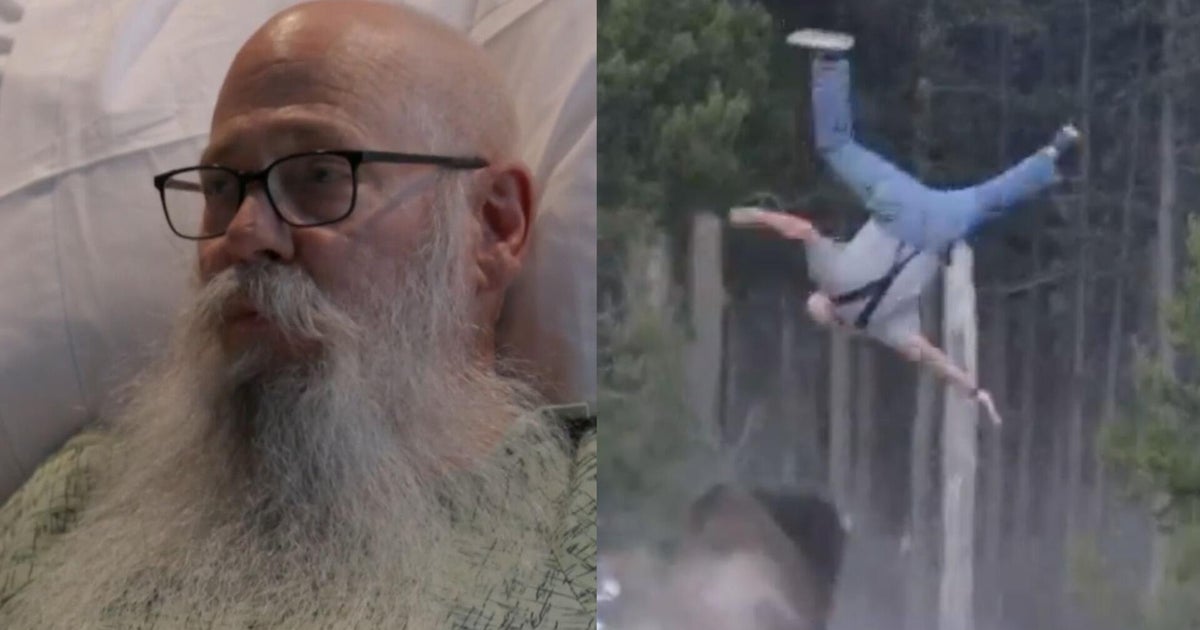
A 65-year-old man named Carl Isom-McDaniel was attacked by a bison at Yellowstone National Park. The bison charged and threw him about 8 feet into the air during a walk with his grandson.
Key Facts
The incident happened at Yellowstone National Park.
Carl Isom-McDaniel, 65 years old, was the person attacked.
He was walking with his grandson when the attack occurred.
The bison suddenly charged at them.
The bison flipped Mr. McDaniel about 8 feet into the air.
Mr. McDaniel described the event as very scary and dangerous.
Read the Original
Want the full story? Tap a source to open the original
article.
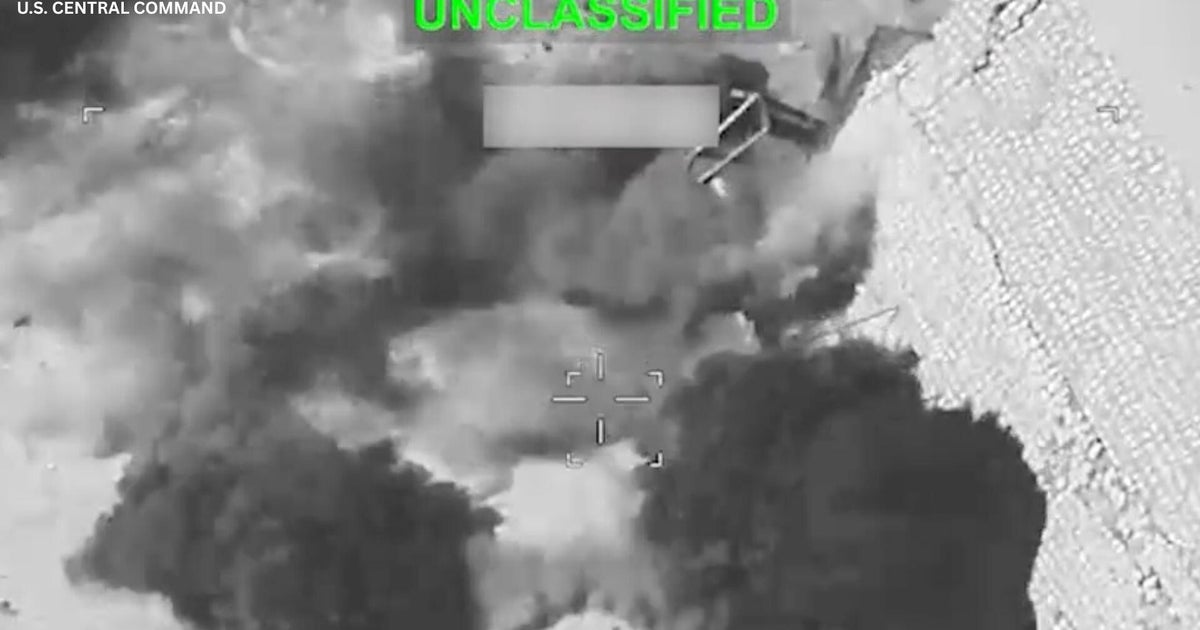
The United States has conducted airstrikes against Iran for ten nights in a row. In response, Iran said it attacked U.S. sites in Kuwait, Bahrain, and Jordan.
Key Facts
The U.S. carried out strikes against Iran for the 10th consecutive night.
Iran responded by targeting U.S. assets in three countries: Kuwait, Bahrain, and Jordan.
The strikes and counterattacks involve military actions in multiple Middle Eastern countries.
The situation is part of ongoing tensions between the U.S. and Iran.
CBS News correspondent Charlie D'Agata reported on the events.
This news highlights increasing conflict and instability in the region.
Read the Original
Want the full story? Tap a source to open the original
article.
President Donald Trump will meet Lebanese President Joseph Aoun at the White House, marking the first visit by a Lebanese leader since 2009. The meeting comes amid rising tensions between the U.S. and Iran, and Lebanon seeks U.S. support regarding issues involving Israel.
Key Facts
President Trump is hosting Lebanese President Joseph Aoun.
This is the first visit by a Lebanese president to the White House since 2009.
The meeting is scheduled for Tuesday morning.
There has been increased conflict between the U.S. and Iran in the past 10 days.
Lebanon wants U.S. assistance to influence Israel’s prime minister.
The talks occur during a period of regional instability involving Iran and Israel.
The visit highlights U.S. involvement in Middle Eastern affairs.
President Trump remains engaged in foreign diplomacy in the region.
Read the Original
Want the full story? Tap a source to open the original
article.
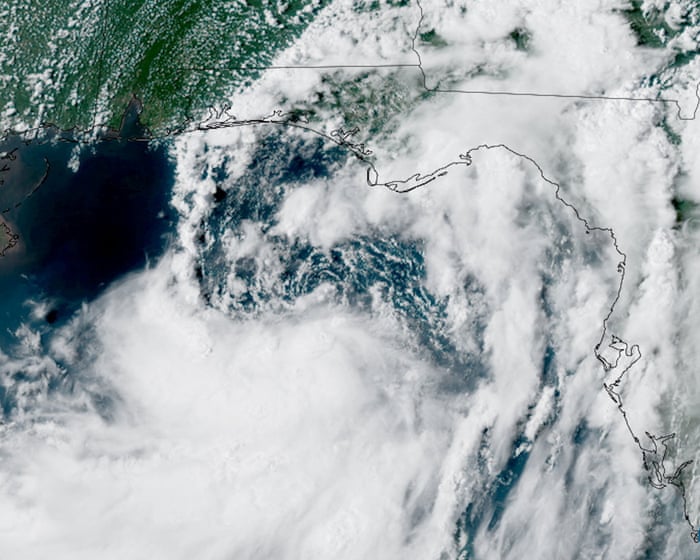
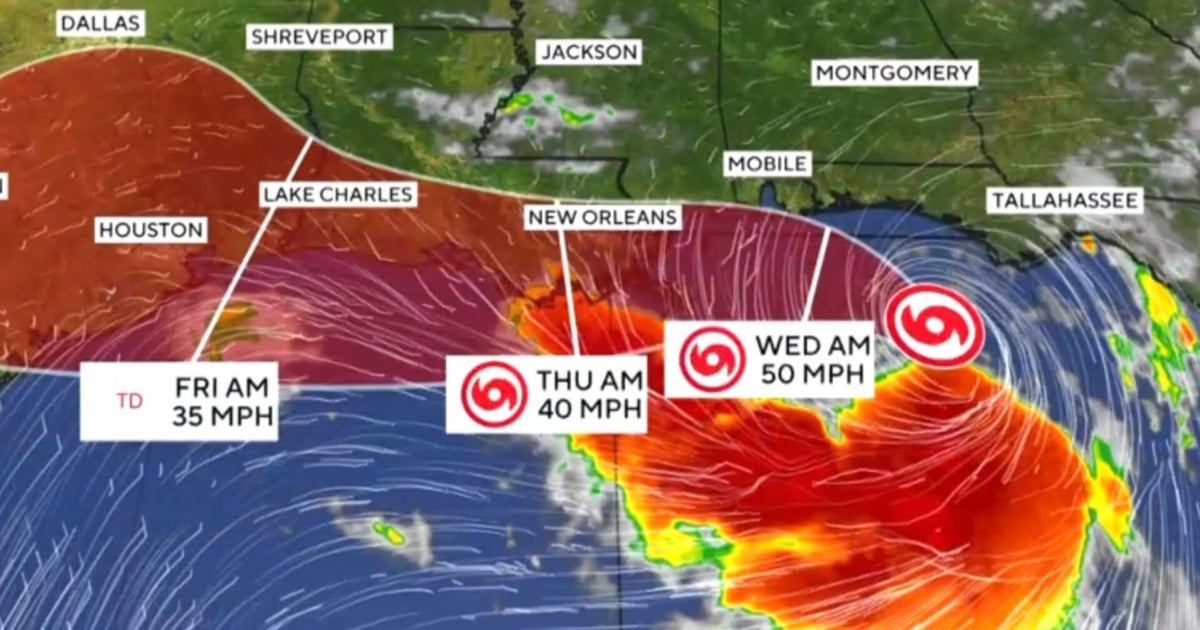
Tropical Storm Bertha has strengthened in the Gulf of Mexico and is moving slowly toward the Florida Panhandle and Alabama. Authorities issued warnings for tropical storm conditions and possible dangerous flooding from storm surge along parts of the Gulf Coast.
Key Facts
Bertha is about 110 miles south of Panama City, Florida, moving northwest at 5 mph.
The storm’s strongest winds have increased to 50 mph.
A tropical storm warning is in effect from the Florida-Alabama border to Louisiana.
A storm surge watch warns of possible flooding from rising water up to 4 feet high in some coastal areas.
Heavy rain and flash flooding are expected from Florida to Texas, with 3 to 5 inches possible along the Louisiana coast.
Officials have issued beach warnings and distributed sand for sandbags in flood-prone areas.
In the eastern Pacific, Hurricane Fausto is far from land but continues to strengthen with winds of 80 mph.
No coastal warnings have been issued for Fausto, but dangerous surf is possible on Mexico’s Baja California coast.
Read the Original
Want the full story? Tap a source to open the original
article.
An Indonesian court sentenced Lie Siu Luan to seven years in prison for leading a baby trafficking group that operated between Indonesia and Singapore. Prosecutors wanted a longer sentence of 10 years and may appeal the decision.
Key Facts
Lie Siu Luan was found guilty of leading a baby trafficking ring.
The ring had 19 members involved.
The trafficking operated between Indonesia and Singapore.
The court sentenced Lie to seven years in prison.
Prosecutors asked for a 10-year sentence.
Prosecutors are thinking about appealing the sentence.
Read the Original
Want the full story? Tap a source to open the original
article.
Ismael ‘El Mayo’ Zambada, a top Mexican drug trafficker, was sentenced to life in prison in the United States after admitting to trafficking large amounts of cocaine. He led the Sinaloa Cartel, a major and violent drug group in Mexico, for about 40 years.
Key Facts
Ismael ‘El Mayo’ Zambada is a leader of the Sinaloa Cartel.
The Sinaloa Cartel is one of Mexico’s most violent drug organizations.
El Mayo was involved in moving millions of kilograms of cocaine.
He pleaded guilty as part of a deal last year.
The U.S. sentenced him to life in prison.
He led the cartel for around four decades.
This sentencing took place in the United States.
Read the Original
Want the full story? Tap a source to open the original
article.
Tropical Storm Bertha is heading toward the Gulf Coast, bringing strong winds and heavy rain. People in the area are preparing for possible severe weather caused by the storm.
Key Facts
Tropical Storm Bertha is approaching the Gulf Coast region.
The storm is expected to bring strong winds.
Heavy rainfall is forecasted along the storm’s path.
Residents and local authorities are preparing for the storm.
The Gulf Coast could see flooding and wind damage due to Bertha.
Read the Original
Want the full story? Tap a source to open the original
article.
The former leader of Turkey’s main opposition party, Ozgur Ozel, plans to start a new political party to challenge President Recep Tayyip Erdogan. This move comes after a court removed Ozel from his position, reinstating the previous party leader, which many saw as a political effort to weaken the opposition.
Key Facts
Ozgur Ozel was removed as leader of the Republican People’s Party (CHP) by a court ruling that annulled a 2023 party vote.
The court’s decision reinstated Kemal Kilicdaroglu, the previous CHP leader.
Ozel announced the creation of a new party, likely called Yeni Parti (New Party), expected to launch soon.
Many CHP lawmakers are expected to join Ozel’s new party, which he says will become the main opposition in parliament.
The CHP has faced legal challenges, including criminal cases against party members, seen as weakening its position.
Istanbul Mayor Ekrem Imamoglu, a strong potential Erdogan challenger and CHP member, has been imprisoned since March 2023.
President Erdogan denies government control over the judiciary and says the CHP leadership dispute is internal.
Under Ozel, the CHP made gains in the 2024 municipal elections, winning key cities like Istanbul and Ankara.
Read the Original
Want the full story? Tap a source to open the original
article.
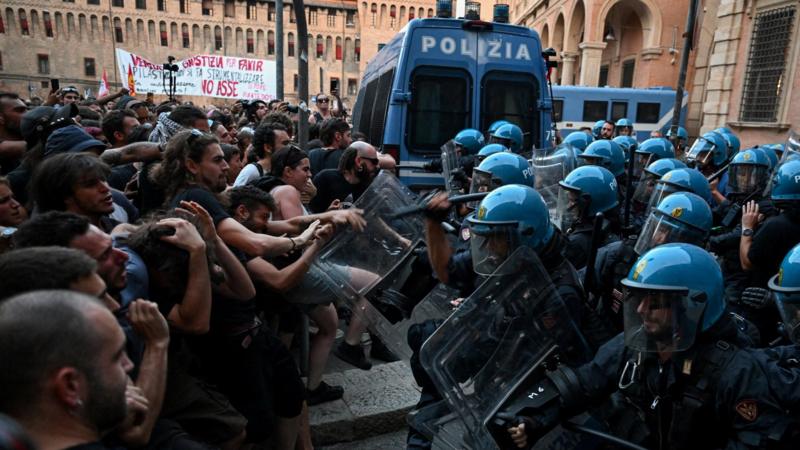
A Moroccan-born man, Abderrahim Fakir, died while being restrained by police in Bologna, Italy. Large protests took place, with some violence and injuries to police, and authorities have opened a manslaughter investigation into the incident.
Key Facts
Abderrahim Fakir died after police restrained him in the Pilastro neighborhood of Bologna.
Police used pepper spray, and video shows officers sitting on Fakir as he lies face down.
Fakir stopped moving after about two minutes, and police tied his hands and feet.
Prosecutors have started a manslaughter investigation involving police officers and medical workers present.
Thousands protested peacefully for justice, but a smaller group clashed with police, causing injuries and setting two cars on fire.
Police union leader said the officers acted correctly and the force used was not excessive.
Bologna’s mayor called for a peaceful demonstration and expressed shock at the video of Fakir’s death.
Italy’s Prime Minister Giorgia Meloni asked for a full investigation but condemned violence against police during protests.
Read the Original
Want the full story? Tap a source to open the original
article.
The FDA is still investigating a cyclospora outbreak and believes shredded iceberg lettuce from Taylor Farms in central Mexico is likely the source. Although a recent test showed a false positive, the investigation continues.
Key Facts
The FDA is investigating a cyclospora outbreak.
The outbreak is suspected to be linked to shredded iceberg lettuce.
The lettuce comes from Taylor Farms locations in central Mexico.
A recent sample test from Taylor Farms was initially thought to be positive but was later found to be a false positive.
The FDA continues its investigation to confirm the source of the outbreak.
Read the Original
Want the full story? Tap a source to open the original
article.
Prince Harry recently appeared on two sports-themed podcasts in the United States, showing a lighter and more relaxed side of himself. This approach is similar to how his brother, Prince William, interacts with the media, using casual conversations to connect with the public.
Key Facts
Prince Harry joined James Corden on a Fox sports podcast after the World Cup Final.
He also appeared on Joe Marler’s podcast to promote the Invictus Games, a sports event for wounded veterans.
Prince William has a longer history of doing sports podcasts and uses them to appear friendly and approachable.
Harry’s earlier media appearances focused on serious topics like royal family disputes and mental health.
On the podcasts, Harry joked about his school sports teams and corrected Corden on calling football "soccer."
Harry described his occupation humorously, saying he is a "full-time dad, British Army veteran, Prince of England," then settled on "Duke."
These podcast appearances mark a change toward a lighter style, similar to William’s media tactics.
Harry has made other podcasts before but mostly about serious issues, such as mental health and family challenges.
Read the Original
Want the full story? Tap a source to open the original
article.
Hungary’s former ruling party, Fidesz, said prosecutors unexpectedly raided their data servers. This happened after Prime Minister Peter Magyar’s new government started anti-corruption actions following his election victory over Viktor Orban’s party.
Key Facts
Hungary’s Fidesz party, led by ex-leader Viktor Orban, lost power in April elections.
Prosecutors raided Fidesz’s data servers without warning.
Prime Minister Peter Magyar’s government is pushing anti-corruption reforms.
Magyar’s party won a two-thirds majority in parliament, promising "regime change."
The new government is changing laws to block Orban from running for office again.
Fidesz called the raid unprecedented since the end of communism in 1990.
Magyar said he learned of the raid through Fidesz and is waiting for prosecutors’ comments.
The reforms aim to reduce corruption believed to have grown under Orban’s 16-year rule.
Read the Original
Want the full story? Tap a source to open the original
article.
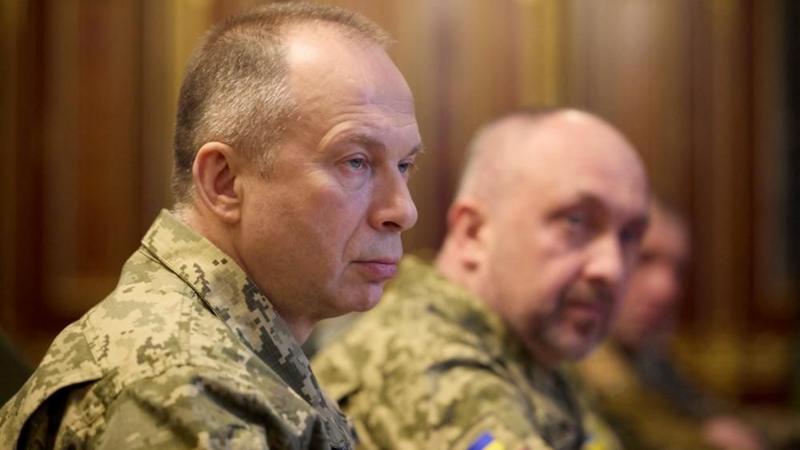
Ukraine is facing protests after President Zelensky dismissed Defence Minister Mykhailo Fedorov. Supporters want Fedorov back and the dismissal of Army Chief Oleksandr Syrskyi, who has defended his record and denied personal conflicts with Fedorov.
Key Facts
President Zelensky removed Defence Minister Mykhailo Fedorov last week.
Protesters have threatened nationwide demonstrations if Syrskyi remains and Fedorov is not reappointed by July 24.
General Oleksandr Syrskyi, Ukraine’s army chief, denied rumors that he had been fired.
Syrskyi said he had no personal conflict with Fedorov and apologized if any offense was caused.
The public debates focus on military contracts, procurement, and mobilization decisions.
Kyrylo Budanov, head of Zelensky’s office, urged calm and warned against internal conflicts.
Protesters accuse Syrskyi of following outdated military thinking.
Syrskyi criticized protests and slogans, saying war decisions require careful work, not public drama.
Read the Original
Want the full story? Tap a source to open the original
article.