Neutral summaries of your favorite news sources — just the facts.
Your favorite news sources, one neutral feed — we distill their reporting into fact-first
summaries and always link to the original story. How it works
World News
Comprehensive coverage of international news and global events
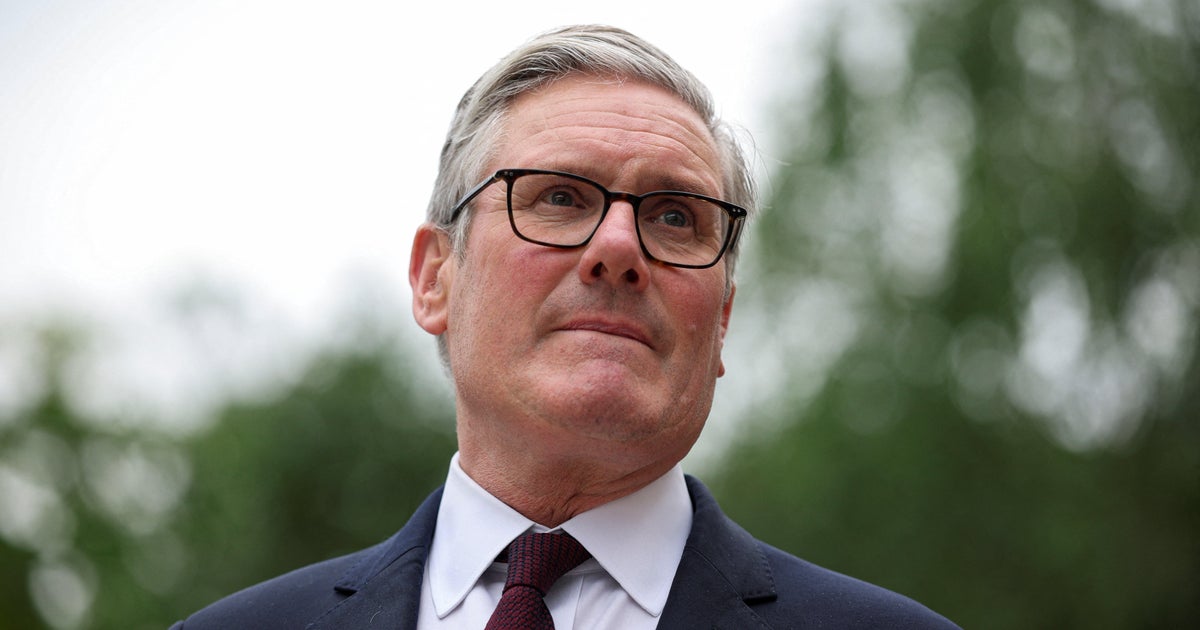
British Prime Minister Keir Starmer resigned less than two years after winning a large election victory, even though his government successfully reduced immigration numbers. His resignation shows that meeting public demands on immigration does not guarantee political support, which can serve as a warning for American Democrats ahead of their 2024 elections.
Key Facts
Keir Starmer's government lowered net migration to the UK to 171,000 by December 2025, the lowest since early 2021.
This immigration reduction followed Starmer's promise for a controlled and selective migration system.
Despite these immigration cuts, the Labour party lost many local council seats in England in recent elections.
Almost 100 Labour MPs asked Starmer to resign, and his health secretary quit the cabinet.
Starmer’s approval rating fell to one of the lowest among Western world leaders.
British voters have long demanded stricter border control, supporting Brexit as a way to enforce this.
Reform UK party gained popularity mainly due to its tough stance on illegal immigration.
The article suggests American Democrats might face similar political challenges if they do not acknowledge public concerns about immigration.
Read the Original
Want the full story? Tap a source to open the original
article.
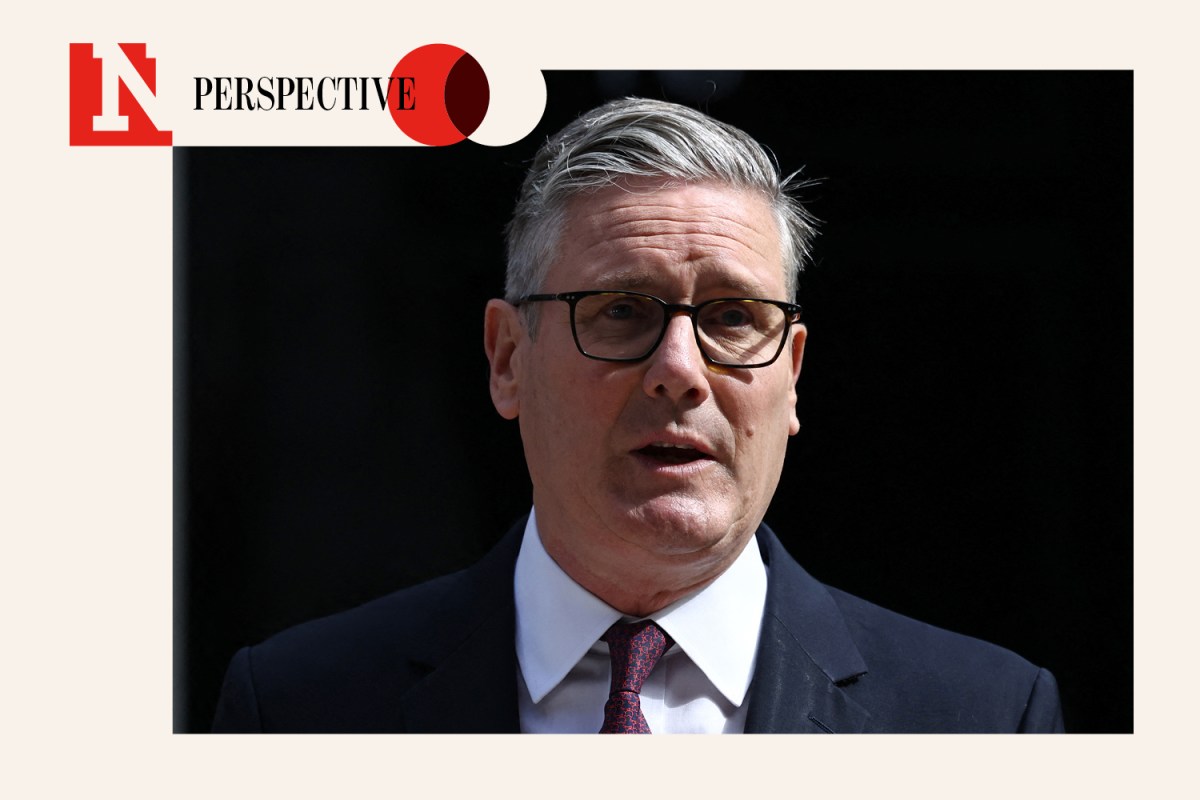
UK Prime Minister Keir Starmer said he will resign after facing pressure from his own Labour Party. A new leader will be chosen before Parliament returns in September.
Key Facts
Keir Starmer announced he will step down as prime minister.
The resignation comes after days of pressure within the Labour Party.
A new leader is expected to be in place by September.
Starmer won a large Labour majority in 2024 after many years of Conservative rule.
He has become unpopular in polls due to policy mistakes and scandals.
Pressure grew after Andy Burnham, a rival, won a by-election in North West England.
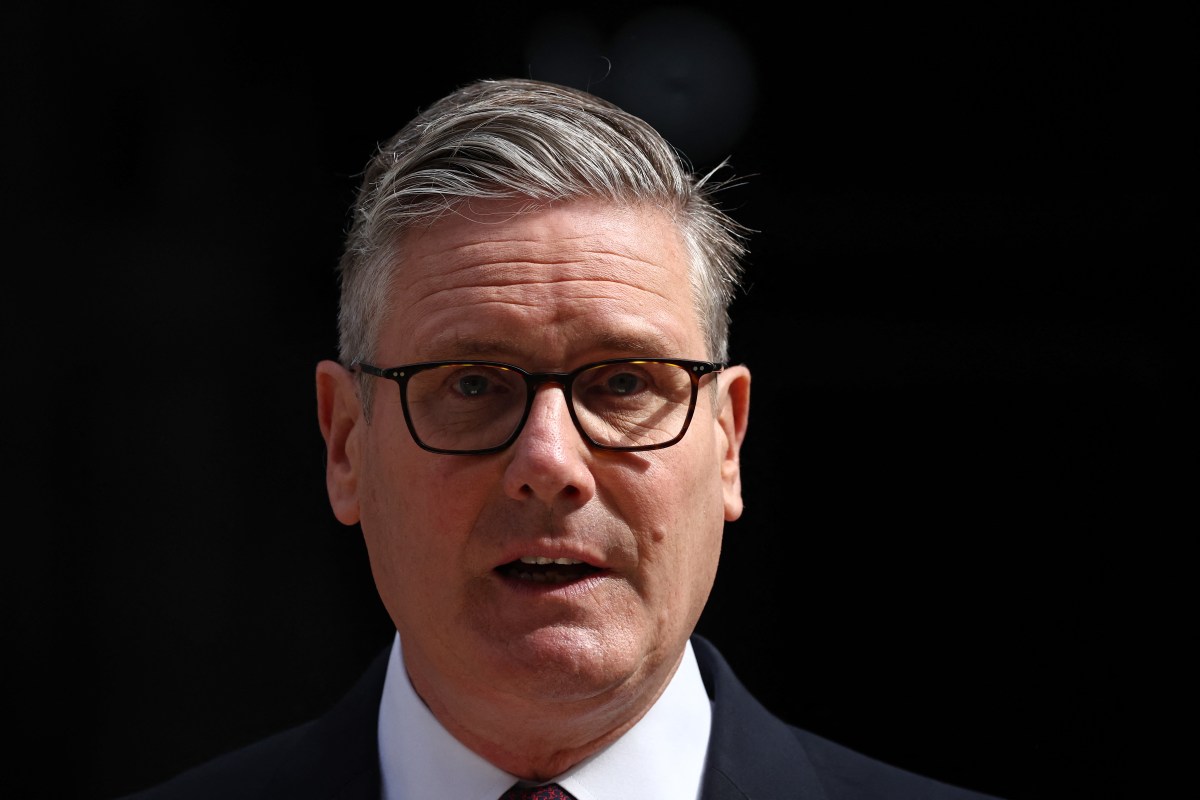
Starmer spoke to reporters outside 10 Downing Street in London.
The situation is developing and more news is expected.
Read the Original
Want the full story? Tap a source to open the original
article.
British Prime Minister Keir Starmer announced he will resign as leader of the Labour Party and as prime minister. This decision came after growing pressure within his party and a challenge from political rival Andy Burnham.
Key Facts
Keir Starmer is stepping down as leader of the Labour Party and as the UK prime minister.
Starmer faced increasing pressure to resign from members of his own party.
Andy Burnham, former mayor of Manchester, announced he would challenge Starmer for leadership.
Burnham recently became a Member of Parliament, making him eligible to lead as prime minister.
Starmer’s Labour Party won a big election less than two years ago but lost support in recent local votes.
Starmer gave a public statement at 10 Downing Street about his resignation.
He said his decisions were made with the country’s best interest in mind.
Starmer appeared emotional when speaking about his children during the announcement.
Read the Original
Want the full story? Tap a source to open the original
article.
Keir Starmer has announced he will step down as UK prime minister less than two years after a historic election win, following pressure from Labour MPs and cabinet ministers. He will remain in office until a leadership contest or handover is completed, with Andy Burnham seen as a leading candidate to replace him.
Key Facts
Starmer faced pressure from Labour MPs, including cabinet ministers, to resign.
His leadership was weakened by poor approval ratings and criticism over policy decisions.
Andy Burnham’s return to Westminster raised concerns among MPs and positioned him as a likely successor.
Starmer began preparing a resignation speech and may step down soon after consultations.
Some MPs worry Burnham is unprepared, while others want a quick transition to protect Labour’s public image.
Starmer stayed in office through recent challenges like the Middle East crisis and rejected U.S. pressure on Iran.
An appointment controversy involving Peter Mandelson hurt Starmer’s standing inside the party.
The May election results exposed Labour’s struggles and increased calls within the party for Starmer to leave.
Read the Original
Want the full story? Tap a source to open the original
article.
British Prime Minister Sir Keir Starmer has announced he will resign after losing support within his party and the public. His departure will prompt the Labour Party to select a new leader, continuing a pattern of frequent leadership changes in the UK since 2016.
Key Facts
Keir Starmer led the Labour Party to a major election win in 2024 but is resigning two years later.
Falling approval ratings and criticism over economic growth, immigration, welfare, and defence funding contributed to his decision.
A recent scandal involved Starmer’s appointment of Peter Mandelson as UK ambassador to the US, which raised questions due to Mandelson’s ties to Jeffrey Epstein.
Defence Secretary John Healey resigned over disagreements about military funding plans under Starmer’s government.
Andy Burnham, mayor of Greater Manchester and former Labour cabinet minister, won a by-election and may challenge to become Labour leader and UK prime minister.
The UK will have had seven prime ministers in the decade since the 2016 Brexit referendum, indicating high political turnover.
Starmer had tried to maintain leadership before announcing his resignation.
Read the Original
Want the full story? Tap a source to open the original
article.
British Prime Minister Keir Starmer announced on June 22, 2026, that he will resign as prime minister and leader of the Labour Party. He will stay in office as a caretaker until a new Labour leader is chosen in the coming weeks.
Key Facts
Keir Starmer is resigning as prime minister and Labour Party leader.
He will remain caretaker prime minister until a successor is selected.
The Labour Party will start the leadership election process in July.
Andy Burnham, mayor of Greater Manchester, is the leading candidate to replace Starmer.
Starmer announced his resignation outside 10 Downing Street in an emotional speech.
European Commission President Ursula von der Leyen praised Starmer for his work on European and Ukrainian security.
Nigel Farage, leader of Reform UK, called for a general election after the resignation.
This will be the seventh UK prime minister in just over ten years.
Read the Original
Want the full story? Tap a source to open the original
article.
The United States and Iran, with help from Qatar and Pakistan as mediators, agreed on a plan to reach a final deal within 60 days after talks in Switzerland. They set up committees and communication channels to manage negotiations about nuclear issues, sanctions, and maritime safety in the Strait of Hormuz.
Key Facts
The US and Iran held high-level talks in Switzerland, resulting in a 12-hour meeting and progress on a roadmap for a final deal in 60 days.
Qatar and Pakistan acted as mediators during the discussions.
A 14-point memorandum of understanding (MoU) was signed earlier to guide the peace process.
A high-level committee was created to oversee the negotiations and make sure the MoU is followed.
Direct communication channels were set up to avoid incidents in the Strait of Hormuz, a critical waterway for global oil transport.
The key issues pending include Iran’s uranium enrichment, international inspections, and sanctions relief.
US Vice President JD Vance and President Trump’s son-in-law Jared Kushner led the US delegation.
Iran’s delegation was led by Parliament Speaker Mohammad Bagher Ghalibaf and Foreign Minister Abbas Araghchi.
Read the Original
Want the full story? Tap a source to open the original
article.
UK Prime Minister Keir Starmer may soon announce a plan to step down, following pressure from his Labour Party after Andy Burnham won a key parliamentary election. Burnham, the likely successor, is expected to bring new leadership to the party amid declining support for Starmer.
Key Facts
UK media reports say Prime Minister Keir Starmer could announce his exit plan soon.
Andy Burnham won a parliamentary election and is expected to become Starmer’s successor.
Labour Party members have increased pressure on Starmer to resign.
Starmer’s popularity has fallen, and Labour has lost voter support under his leadership.
Burnham is known as a skilled communicator but has not yet outlined his policies on foreign affairs, the economy, or defense.
Starmer won a national election in 2024 and initially said he would fight any leadership challenge.
If Burnham becomes prime minister, he would be the seventh leader since the UK voted to leave the EU ten years ago.
High turnover of UK prime ministers reflects voter dissatisfaction with issues like living costs, public services, and immigration.
Read the Original
Want the full story? Tap a source to open the original
article.
The United States and Iran have started talks in Switzerland to create a final agreement aimed at ending their conflict. They agreed to work toward a deal within 60 days and formed a committee to oversee the negotiations. A key issue is stopping fighting in Lebanon involving Iran-backed Hezbollah and Israel.
Key Facts
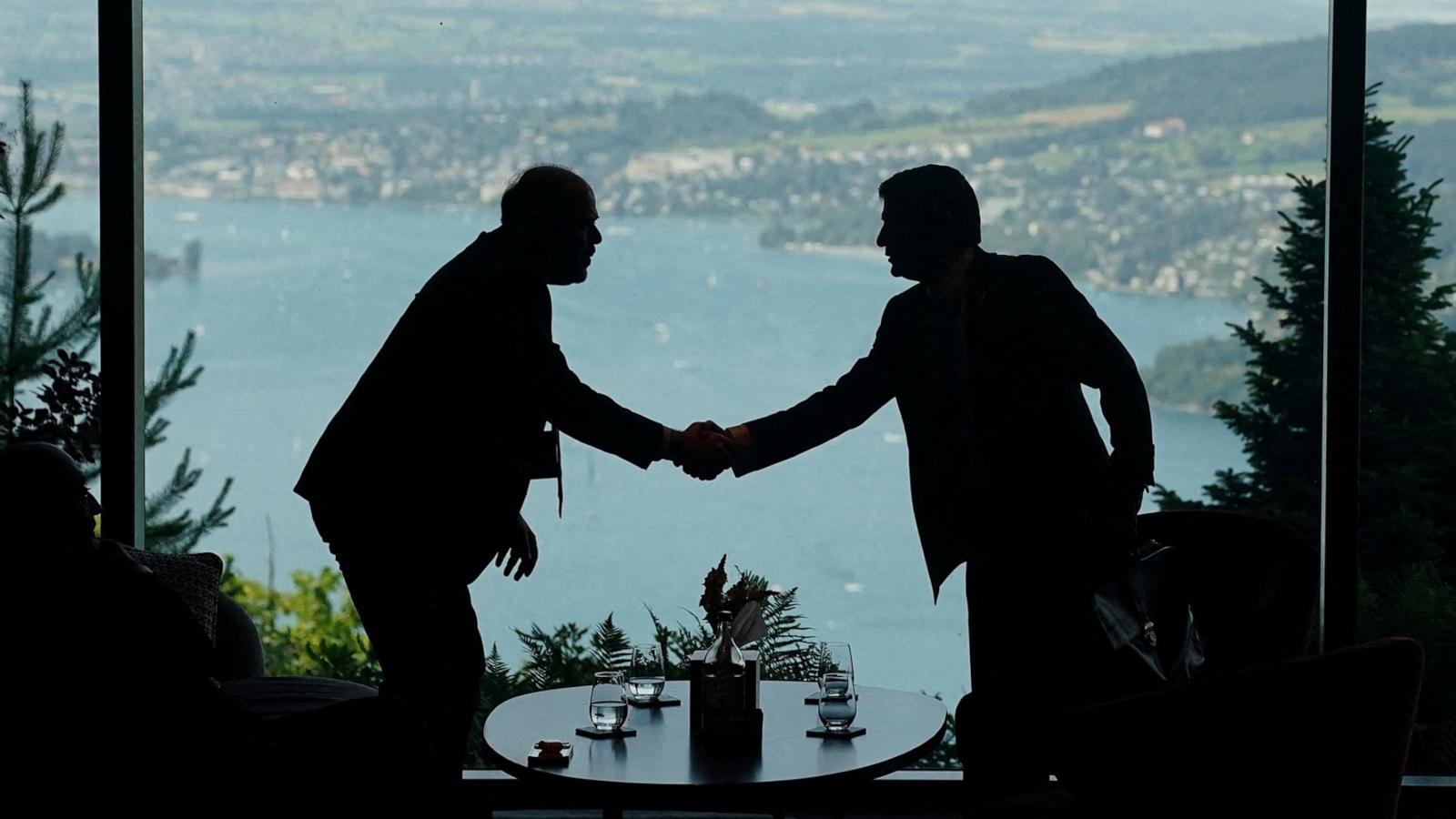
U.S. and Iranian delegations met at the Bürgenstock resort in Switzerland to negotiate a peace deal.
Both countries agreed to a 60-day plan to reach a final agreement.
A "High Level" committee will provide political guidance during the talks.
A "deconfliction cell" with U.S., Iranian, and Lebanese officials was formed to try to stop fighting in Lebanon.
Fighting in Lebanon between Israel and Hezbollah remains a major concern in the negotiations.
The Iranian delegation left the talks after about 18 hours of discussions and returned to Tehran.
Pakistan and Qatar are acting as mediators in the talks.
Israel’s defense minister said Israeli forces will remain in southern Lebanon despite ongoing fighting.
Read the Original
Want the full story? Tap a source to open the original
article.
Officials from the United States and Iran met in Switzerland and agreed on a plan to work towards a final deal to end their ongoing conflict that has lasted over 100 days. They set up communication to keep the Strait of Hormuz open and agreed to prevent fighting in Lebanon.
Key Facts
The talks took place in Switzerland and were led by US Vice President JD Vance and Iranian Parliament Speaker Mohammad Bagher Ghalibaf.
Both sides agreed on a roadmap to reach a final deal within 60 days, with ongoing technical talks planned.
They created a communication channel to avoid incidents in the Strait of Hormuz, a crucial waterway for global oil and gas shipments.
A “deconfliction cell” was agreed on to prevent renewed fighting in Lebanon between Israel and Iran-backed groups.
The negotiations are part of a broader preliminary deal signed to end the war that began after attacks involving the US, Israel, and Iran.
Iran had previously blocked the Strait of Hormuz in response to military attacks by the US and Israel.
The deal includes waiving sanctions on Iranian energy, releasing frozen Iranian assets, and plans for reconstruction and development in Iran.
Pakistani and Qatari mediators helped facilitate the progress in talks.
Read the Original
Want the full story? Tap a source to open the original
article.
China has placed export restrictions on 10 U.S. companies, including those involved in rare earth mining and defense technology, in response to the Pentagon adding Chinese tech firms to a watch list of military-linked companies. These new rules stop exports of certain goods to these U.S. firms and bar Chinese government buyers from purchasing from 46 U.S. companies.
Key Facts
China restricted exports of "dual-use" items (goods that can be used for civilian and military purposes) to 10 American companies.
Some affected U.S. firms work in rare earth mining and drone technology.
The U.S. Department of Defense recently added several Chinese companies, including tech giants like Baidu and Alibaba, to a military-linked watch list.
China said its actions protect national security and follow international nonproliferation rules.
The Pentagon's watch list includes 188 Chinese firms and warns of possible future U.S. restrictions or investment limits.
China's Finance Ministry banned government buyers from purchasing products from 46 U.S. companies, but this does not apply to U.S.-funded firms in China.
Well-known U.S. defense contractors already under sanctions, like Lockheed Martin and Boeing Defense, were included in China's procurement ban list.
The export restrictions mainly affect companies with little business presence in China, so the economic impact might be limited.
Read the Original
Want the full story? Tap a source to open the original
article.
The first direct talks between the US and Iran ended in Switzerland after a tense start caused by Iranian delegates walking out over threats from President Donald Trump. Despite this, both sides agreed to continue technical discussions and aim for a final deal within 60 days, including plans to reduce conflict in Lebanon and keep the Hormuz Strait open for shipping.
Key Facts
The US and Iran held face-to-face talks in Buergenstock, Switzerland, which concluded the first session.
Iran said it had closed the Hormuz Strait again, a key waterway for oil shipments.
President Trump threatened to attack Iran again and take control of the Hormuz Strait if it remained closed.
Iranian negotiators briefly walked out due to Trump’s threats but talks continued through mediators from Qatar and Pakistan.
Both sides agreed on a plan to end the Israel-Lebanon conflict and improve safety for ships in the Hormuz Strait.
Technical talks will continue throughout the week.
Iran claimed to have secured permission to export some oil and petrochemicals, release frozen assets, and start a rebuilding plan.
US Vice President JD Vance said progress was made toward ending fighting in Lebanon despite ongoing violence.
Read the Original
Want the full story? Tap a source to open the original
article.
Abelardo De La Espriella, a far-right lawyer, has won Colombia’s presidential run-off election by a narrow margin against left-wing Senator Ivan Cepeda, with 99.9% of votes counted. De La Espriella promises to end peace talks with rebel groups and focus on the oil and gas sector, while Cepeda challenges the results and supports continuing social policies and negotiations with armed groups.
Key Facts
De La Espriella won 49.7% of the vote; Cepeda received 48.7%, with almost all votes counted.
Cepeda supports continuing President Gustavo Petro’s social programs and peace talks with armed groups.
De La Espriella plans to stop peace talks, boost oil and gas, and lower taxes.
De La Espriella is a lawyer with no prior political experience and holds citizenship in Colombia, the US, and Italy.
The election marks a return to right-wing leadership in Colombia, which has mostly been governed by the right in past centuries.
De La Espriella received congratulations from US President Donald Trump.
Cepeda’s campaign is contesting the results in about 33,000 ballot boxes.
Security, drug trafficking, and violence remain major issues influencing voters.
Read the Original
Want the full story? Tap a source to open the original
article.
Nearly 60 Ukrainian drones were stopped while flying toward Moscow, causing a short pause at the city’s airports. Ukrainian President Volodymyr Zelenskyy said Ukraine is now striking back by attacking Russia every day as the fighting continues.
Key Facts
About 60 Ukrainian drones tried to reach Moscow but were intercepted by Russia.
Moscow’s airports temporarily stopped operations during the drone incident.
Russia reported shooting down over 300 drones across its territory.
A Russian drone attack killed three people, including a 13-year-old boy, in Ukraine’s Sumy region.
President Zelenskyy said Ukraine has started bringing the war back to Russia with daily strikes.
This ongoing conflict was discussed recently by leaders from the G7 group and the European Union.
The article also mentions other European political and weather events unrelated to the Ukraine conflict.
Read the Original
Want the full story? Tap a source to open the original
article.
The United States and Iran will hold talks for 60 days to address nuclear issues and sanctions. Experts say these talks will be difficult and need time, patience, and cooperation to reach lasting agreements.
Key Facts
The talks between the US and Iran are scheduled to last 60 days.
The focus is on nuclear concerns and economic sanctions.
Experts describe the talks as challenging.
Success depends on willingness from both sides.
Patience and time are important for good results.
Thomas Warrick of the Atlantic Council commented on the talks.
The talks aim to find long-term solutions to conflicts.
Read the Original
Want the full story? Tap a source to open the original
article.
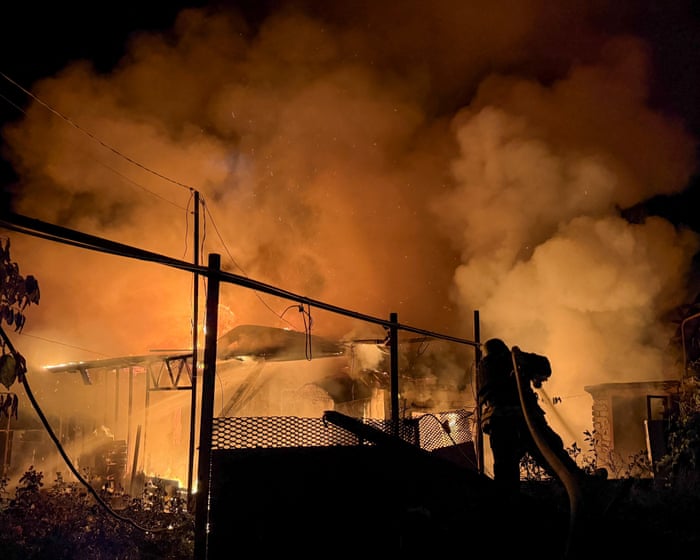
An explosion and fire occurred Sunday night at Qatar’s Ras Laffan natural gas export terminal while workers were trying to restart it after damage from an earlier Iranian attack. At least 54 people were injured and 18 were missing. The incident may disrupt global energy markets because Qatar is a major natural gas producer.
Key Facts
The explosion happened at the Barzan gas supply facility in the Ras Laffan industrial area of Qatar.
The incident happened as Qatar tried to restart operations after an Iranian missile strike had previously damaged the terminal.
At least 54 workers were hurt and 18 were reported missing after the blast and fire.
QatarEnergy, the state company, owns almost all of the Barzan plant, with ExxonMobil holding a small share.
The plant’s capacity is about 1.4 billion cubic feet of gas per day, used for local electricity and water desalination.
Qatar stopped gas exports after Iran controlled shipments through the Strait of Hormuz during the war.
Iran and Qatar share a large offshore natural gas field in the Persian Gulf.
Qatar has used its wealth from natural gas to raise its international profile through events like the 2022 FIFA World Cup and diplomatic efforts.
Read the Original
Want the full story? Tap a source to open the original
article.
U.S. and Iranian officials held a second day of talks in Switzerland to try to end the conflict between their countries. The talks saw progress on issues like keeping a key shipping route open and setting up a way to reduce fighting in Lebanon, despite tensions caused by comments from President Donald Trump.
Key Facts
U.S. and Iranian negotiators met in Obbuergen, Switzerland, to discuss ending the war between their countries.
Qatar and Pakistan are mediating the talks and reported "encouraging progress."
Both sides agreed to create a "de-confliction cell" to reduce fighting in Lebanon.
They discussed ways to keep the Strait of Hormuz, a key oil shipping route, open and maintain a ceasefire in southern Lebanon.
President Trump made critical comments about Iran that upset the Iranian delegation and caused a brief pause in talks.
Despite the tensions, negotiations continued with U.S. Vice President JD Vance, special envoy Steve Witkoff, and Jared Kushner representing the U.S.
Iran’s delegation included parliamentary speaker Mohammad Bagher Qalibaf and Foreign Minister Abbas Araghchi.
President Trump warned Iran on social media to stop proxy actions in Lebanon or face stronger retaliation.
Read the Original
Want the full story? Tap a source to open the original
article.
Two students, aged 14 and 15, opened fire at San Jose National High School in Tacloban city, Philippines, killing three students and injuring seven others. The suspects were arrested, and authorities are investigating the cause of the shooting.
Key Facts
The shooting occurred mid-morning at a government-run high school with over 1,500 students.
Both suspects were students and close friends who said they were bullied.
Each suspect carried one pistol; it is unclear how they obtained the guns.
Only one security guard was on duty at multiple school entrances, allowing the suspects to bring weapons inside.
Most victims were female students.
One suspect was caught at the school, and the other was found hiding nearby after residents alerted police.
President Ferdinand Marcos Jr. ordered a thorough investigation and urged stronger security at schools and public areas.
School shootings are uncommon in the Philippines despite frequent crimes involving guns.
Read the Original
Want the full story? Tap a source to open the original
article.
The Ebola outbreak in eastern Congo has reached 1,003 confirmed cases and 254 deaths. The virus is a rare type called Bundibugyo, which currently has no vaccine or treatment, and health officials warn the outbreak could get worse.
Key Facts
The outbreak is mainly in Ituri province in eastern Congo.
It started on May 15, 2026, and is the worst of its kind in its first month.
100 people have recovered so far.
The virus is the Bundibugyo strain, which has no known vaccine or treatment.
Health authorities believe there may be more cases not yet found.
Contact tracing, which means finding and monitoring people who may have been exposed, has only reached 55% of contacts so far.
Over 35,000 people who were in contact with infected individuals still need to be located and monitored.
Officials have not yet found the first person infected in this outbreak, known as patient zero.
Read the Original
Want the full story? Tap a source to open the original
article.
The US and Iran have completed a first round of talks in Switzerland, making progress and agreeing to set up a committee to oversee technical negotiations on key issues like Iran’s nuclear program and sanctions. A ceasefire in Lebanon seems to be holding amid ongoing tensions, while both sides prepare for further discussions and watchful military activity continues in the Middle East.
Key Facts
The US and Iran held talks in Switzerland, resulting in "encouraging progress" and an agreement to create a high-level committee.
The committee will oversee negotiations on nuclear issues, sanctions, and dispute resolution, with technical talks continuing this week.
The US and Iran agreed on a 60-day plan to work toward a final deal, including communication on the Strait of Hormuz and ending military operations in Lebanon.
Iran’s Foreign Minister said the US agreed to waive sanctions on Iranian oil and release frozen assets.
The head of Iran’s Quds Force warned Israel to leave southern Lebanon or face defeat similar to 2000.
President Donald Trump threatened Iran over its support for Hezbollah, but Iran dismissed his threats.
The US military remains active in the Middle East, conducting routine patrols in the region.
A ceasefire is reportedly holding in Lebanon after recent deadly attacks, but Israeli forces remain in southern Lebanon.
Read the Original
Want the full story? Tap a source to open the original
article.