Neutral summaries of your favorite news sources — just the facts.
Your favorite news sources, one neutral feed — we distill their reporting into fact-first
summaries and always link to the original story. How it works
World News
Comprehensive coverage of international news and global events
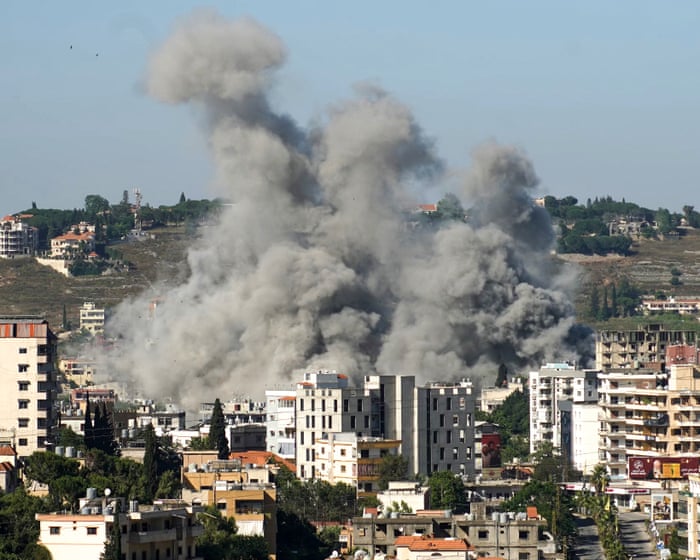
Israeli airstrikes hit Lebanon on June 20, 2026, killing at least 16 people despite a ceasefire that was supposed to start that day. Israel said it was responding to attacks by Hezbollah, a group supported by Iran.
Key Facts
At least 16 people were killed in Israeli strikes in Lebanon.
The strikes happened hours after a ceasefire with Hezbollah was reported to begin.
Israel stated its attacks were in response to projectiles fired by Hezbollah.
Hezbollah is an armed group backed by Iran.
The ceasefire was announced with involvement from the United States.
These events follow ongoing tensions and conflicts in the Middle East involving Israel, Hezbollah, Iran, and the US.
The situation remains unstable with continued military actions and postponed diplomatic talks.
Lebanese groups criticized Israel for targeting medical workers during the ceasefire.
Read the Original
Want the full story? Tap a source to open the original
article.
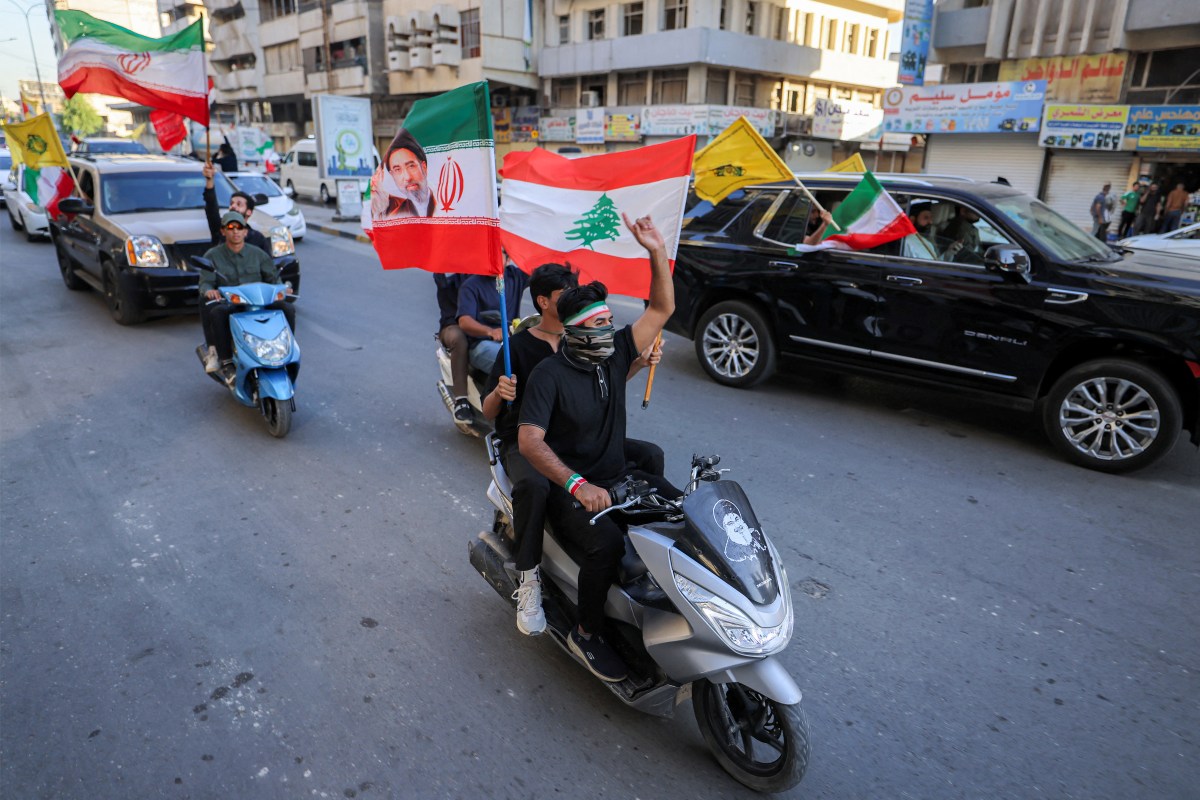
Iran’s new supreme leader, Mojtaba Khamenei, has expressed doubts about an interim peace deal between Iran and the United States, signed by Iran’s President Masoud Pezeshkian and President Donald Trump. Hardline groups in Iran oppose the deal, fearing war with the US may restart, while all political groups in Israel reject the deal and support military action against Iran.
Key Facts
Mojtaba Khamenei, Iran’s new supreme leader, disagrees with the peace deal in principle but allowed it with conditions.
President Masoud Pezeshkian signed the deal with the US, under mediation by Pakistan and Qatar.
Khamenei demanded that at least three-quarters of the security council members approve the deal before proceeding.
The Iranian Supreme National Security Council said it would negotiate with “total distrust” towards the US and prepare to retaliate if the US violates the deal.
Hardline political groups in Iran oppose any concessions and criticize Iranian leaders involved in the deal.
Israeli political factions unanimously reject the deal and want military action against Iran.
Iranian officials stressed that upcoming talks will not mean accepting demands seen as excessive by Iran.
The deal is seen as a first step in a difficult negotiation process amid Iran’s economic challenges worsened by war tensions.
Read the Original
Want the full story? Tap a source to open the original
article.
A remote village in Nepal called Lubra, which follows the ancient Tibetan Bon religion, is facing damage from worsening floods caused by climate change. These floods have forced families to leave their homes and are damaging farmland and crops that the village depends on.
Key Facts
Lubra is a small Himalayan village in northwest Nepal with 16 families.
The village follows Bon, an ancient religion from Tibet.
The village was founded generations ago, with spiritual and cultural traditions that have lasted for centuries.
Climate change has caused worse flooding during the monsoon season over the past decade.
Four families have left their homes because of these floods.
Flooding has damaged important farmland and apple orchards, which provide income and food.
The damage threatens both the homes and the unique culture of the village.
The village landscape and buildings show clear signs of erosion and flood damage.
Read the Original
Want the full story? Tap a source to open the original
article.
The British Foreign Secretary, Yvette Cooper, criticized Israeli National Security Minister Itamar Ben-Gvir for his statement saying "all of Lebanon must burn" after Israeli soldiers died in a Hezbollah attack. The remarks have sparked strong reactions, including condemnation from Iran and further aggressive statements from other Israeli officials about Lebanon.
Key Facts
Israeli National Security Minister Itamar Ben-Gvir said "all of Lebanon must burn" following the death of four Israeli soldiers in a Hezbollah attack.
British Foreign Secretary Yvette Cooper called Ben-Gvir’s comments "horrendous and abhorrent."
Ben-Gvir also rejected a peace deal between the US and Iran and demanded Israel not give up territory captured in fighting.
Iranian Foreign Minister Abbas Araghchi described Ben-Gvir’s remarks as dangerous and a threat to everyone.
Israeli Defence Minister Israel Katz said displaced people from southern Lebanon will never be allowed to return home.
Israeli Finance Minister Bezalel Smotrich urged aggressive military action, using similar language to earlier comments about Gaza.
Since Israel’s military action against Hezbollah began in March 2026, more than 1.2 million people in Lebanon have been displaced and over 1,200 killed.
The conflict involves deep tensions between Israel, Lebanon (especially Hezbollah), Iran, and international reactions.
Read the Original
Want the full story? Tap a source to open the original
article.
The article warns against treating people based on their economic worth. It says that deciding who deserves work and who should be excluded can lead to social and political problems.
Key Facts
Some ways of talking about people are unacceptable.
Sorting people by their economic value is one such unacceptable way.
This sorting divides people into those who deserve work and those who do not.
Societies that allow this division risk social conflict.
It also increases the chance of political problems.
Human dignity should not be sacrificed for the sake of artificial intelligence or economic calculations.
Read the Original
Want the full story? Tap a source to open the original
article.
NGOs in Lebanon have reported that Israeli attacks have targeted medical workers during a ceasefire period. The conflict began when Hezbollah launched rockets at Israel, leading to many deaths and large-scale displacement in Lebanon.
Key Facts
Hezbollah started attacking Israel on March 2nd as revenge for Iran’s leader being killed.
Israel has responded with military attacks killing over 3,900 people in Lebanon.
Around 20% of Lebanon’s population has been forced to leave their homes.
Medical workers have been hit by Israeli strikes even during a declared ceasefire.
The situation for people in Lebanon is very difficult with limited access to help.
Emergency health services are being provided by groups like Doctors Without Borders.
Talks for peace between the US and Iran are ongoing but have faced delays.
Both Hezbollah and Israel have at times agreed to a truce but fighting continues.
Read the Original
Want the full story? Tap a source to open the original
article.
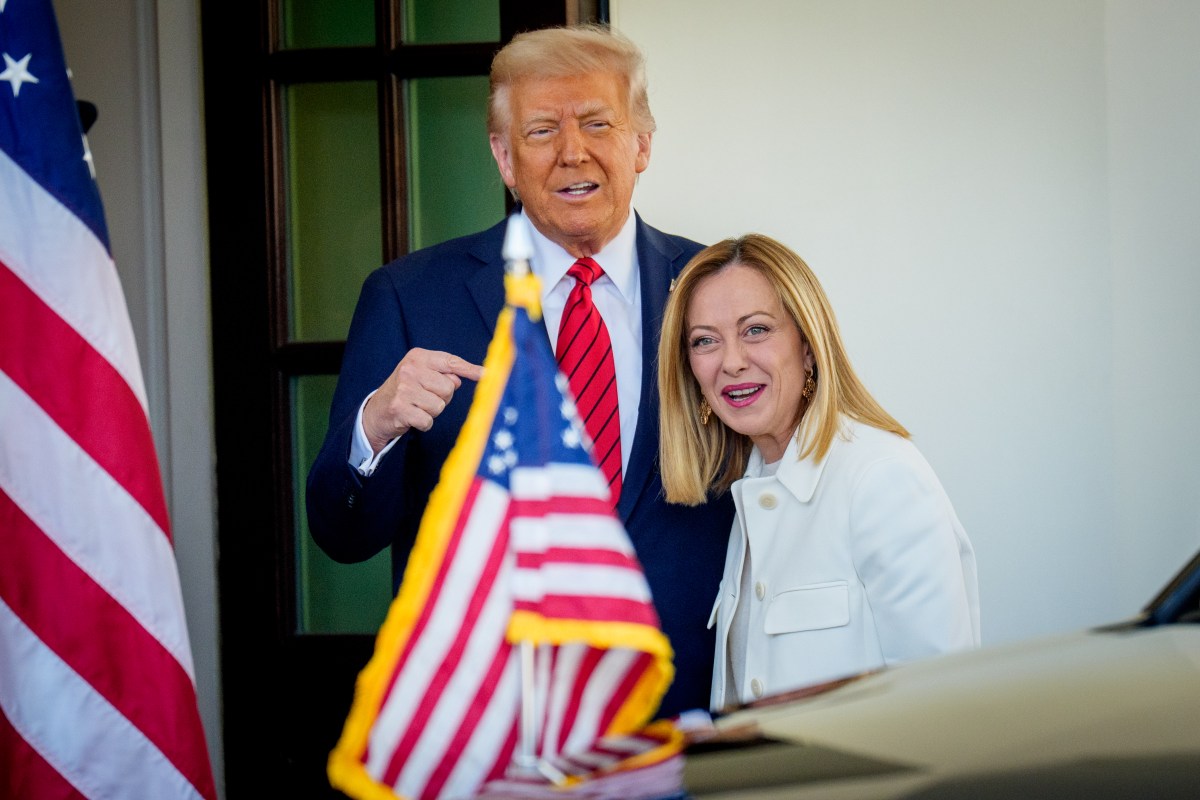
President Donald Trump and Italian Prime Minister Giorgia Meloni are involved in a disagreement about a photo taken at the G7 summit. Italy’s foreign minister canceled a planned U.S. visit after Trump said Meloni repeatedly asked for a photo, which she denied.
Key Facts
President Trump claimed Meloni asked many times for a photo with him at the G7 meeting in France.
Prime Minister Meloni denied this claim and said neither she nor Italy ever begged for anything.
Italy’s foreign minister canceled a planned trip to the United States because of Trump’s comments about Meloni.
Trump criticized Meloni’s popularity in Italy and linked it to Italy’s refusal to support U.S. and Israel in a conflict with Iran.
Trump also said Italy did not allow the U.S. to use its airbases, causing logistical problems during the conflict.
He suggested Meloni now wants to be friends to improve her political standing, but he rejected this.
The situation has created diplomatic tensions between the U.S. and Italy.
The story is ongoing and more information may come out later.
Read the Original
Want the full story? Tap a source to open the original
article.
A strong heatwave is affecting many parts of Europe, causing very high temperatures up to 40°C (105°F). Governments in countries like France, Germany, and Italy have issued warnings and held emergency meetings to deal with the extreme heat.
Key Facts
The heatwave is impacting much of Europe.
Temperatures have reached record highs, up to 40°C (105°F).
France has held emergency meetings to respond to the heatwave.
Germany has issued warnings across the entire country.
Italy is experiencing pressure on both residents and tourists due to the heat.
Authorities are closely monitoring the situation to protect public health.
The heatwave is causing concern for daily life and safety in affected countries.
Read the Original
Want the full story? Tap a source to open the original
article.
Poland has taken back its highest state honour from Ukrainian President Volodymyr Zelensky. This happened after Ukraine named a military unit after a World War II nationalist group that killed Polish civilians.
Key Facts
Poland withdrew its top state award from President Zelensky.
The reason is Ukraine naming a unit after a group involved in killing Polish civilians during WWII.
The nationalist group’s actions caused pain between Poland and Ukraine.
Poland’s decision may cause a serious diplomatic conflict between the two countries.
This happened shortly before a major conference on rebuilding Ukraine in the Polish city of Gdańsk.
The withdrawal was announced by President Karol Nawrocki of Poland.
The conflict relates to historical events and current political decisions.
Read the Original
Want the full story? Tap a source to open the original
article.
African fashion is gaining recognition as a distinct style with its own brands and goals. The ‘Africa Now’ event at Paris’ Galeries Lafayette highlighted this change, featuring key people like Senegalese designer Adama N'Diaye.
Key Facts
African fashion is moving beyond just inspiring big international brands.
It now creates its own styles, brands, and ambitions.
Paris’ Galeries Lafayette held an event called ‘Africa Now’ to showcase this.
Senegalese designer Adama N'Diaye, founder of Adama Paris, was a featured speaker.
The event shows the growing importance of African fashion in the global scene.
This shift reflects a broader cultural recognition of Africa’s creative impact.
The event took place in Paris, France.
Read the Original
Want the full story? Tap a source to open the original
article.
Top Ukrainian officials decided to return awards they received from Poland after Ukrainian President Zelenskyy was stripped of Poland’s highest honour. The dispute grew from Zelenskyy’s naming of a military unit after a Ukrainian group accused of killing Polish people during World War II.
Key Facts
President Zelenskyy named a military unit the Ukrainian Insurgent Army (UPA), a group active in the 1940s and 1950s.
The UPA is accused by many in Poland of committing mass killings of Polish citizens during World War II.
In response, Polish President Karol Nawrocki removed the Order of the White Eagle award from President Zelenskyy.
Ukrainian officials, including Zelenskyy’s chief of staff, ambassador to Poland, and foreign minister, said they will return Polish awards given to them.
Ukrainian officials criticized Poland’s decision, saying it helps Russia’s interests and harms Ukraine.
Polish Prime Minister Donald Tusk called for calming tensions between the two countries.
The UPA fought both Nazi Germany and Soviet forces but is a controversial group because of violent conflicts with Polish underground forces.
Poland continues to support Ukraine in its conflict against Russia despite the dispute.
Read the Original
Want the full story? Tap a source to open the original
article.
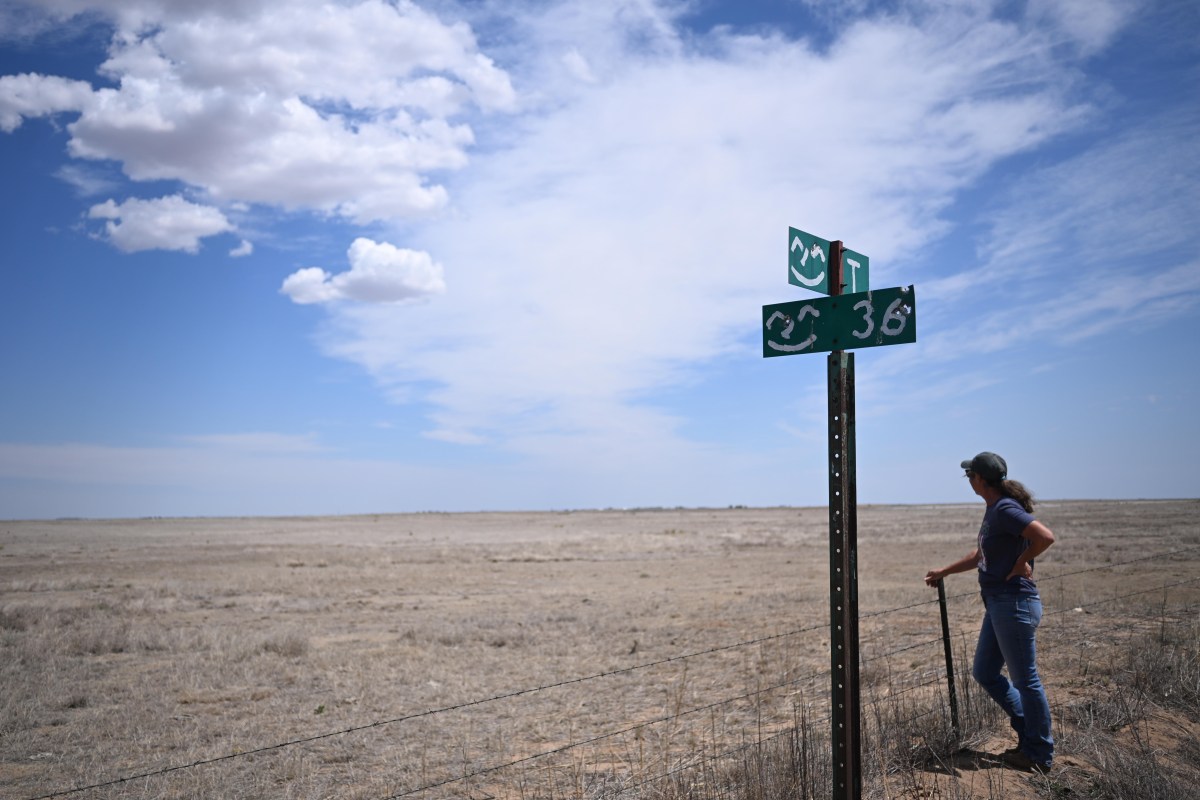
Meteorologists warn that the El Niño weather pattern could cause longer and worse droughts in the U.S., especially in the Plains region. This comes at a time when water use is rising due to more data centers being built, which use large amounts of water.
Key Facts
El Niño is a natural climate cycle that affects ocean and weather patterns every two to seven years.
It usually brings warmer weather to northern U.S. winters, wetter conditions in the south, and drier weather in the Midwest.
Current drought conditions affect nearly half of the U.S., including Nevada, Idaho, Colorado, Nebraska, and Oklahoma.
Data centers use millions of gallons of water daily and are growing rapidly in number across the country.
There is a 70% chance this El Niño will become a “Super El Niño,” which can cause long-lasting drought.
Past strong El Niños have triggered multi-year droughts in parts of the U.S. Plains.
El Niño conditions are expected to peak in the winter of 2026–27.
The current dryness across the U.S. is worse than in almost 95% of historical records.
Read the Original
Want the full story? Tap a source to open the original
article.
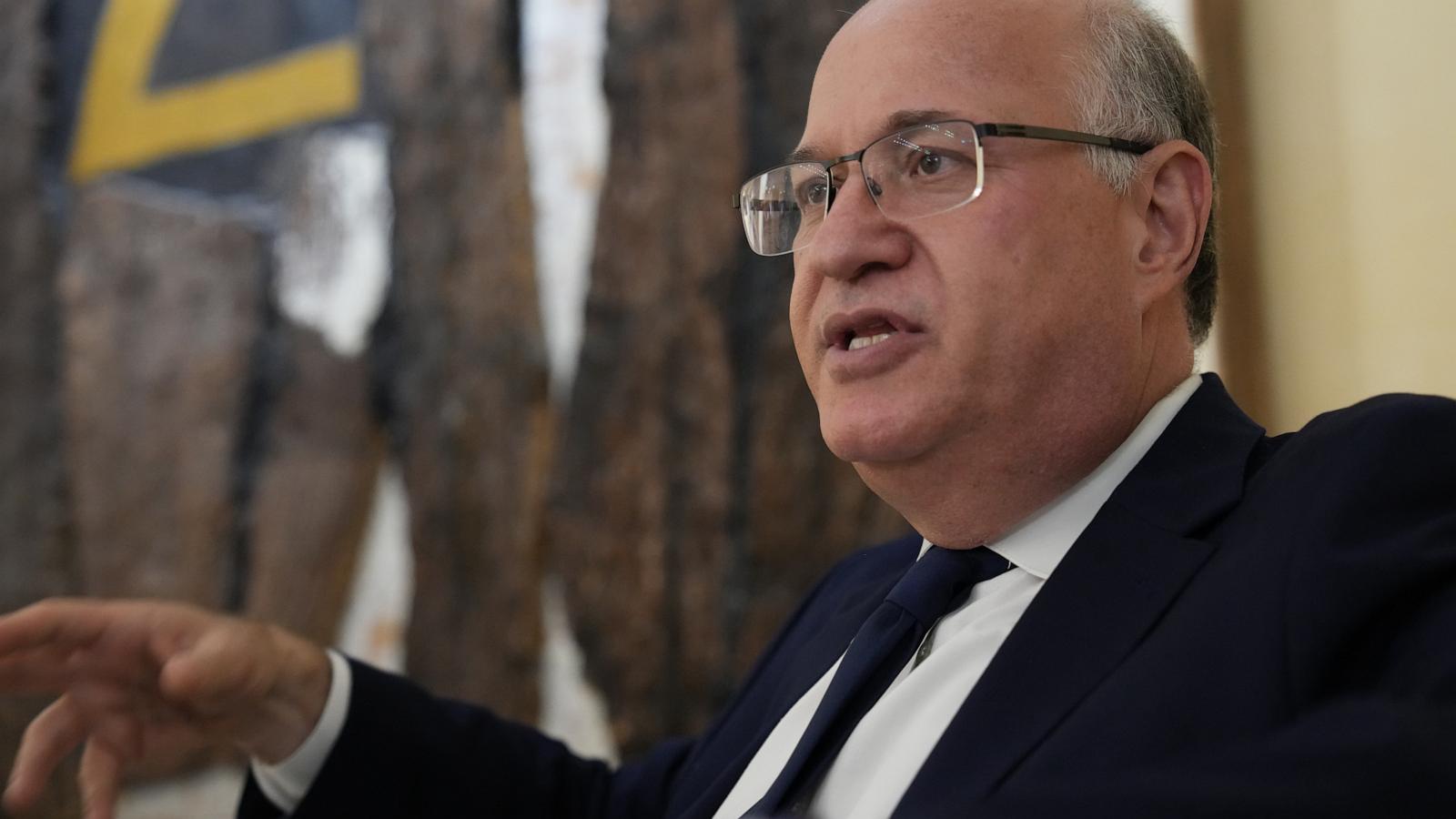
The President of the Inter-American Development Bank, Ilan Goldfajn, met with Pope Leo XIV to discuss the benefits of rare earth mining in Latin America. He emphasized the importance of doing mining with good labor, environmental, and governance standards to help local communities and support new technology industries.
Key Facts
Ilan Goldfajn is the head of the Inter-American Development Bank (IADB).
He met privately with Pope Leo XIV to talk about rare earth mining opportunities.
The Vatican has long opposed multinational mining companies harming Indigenous peoples and the environment in Latin America.
Rare earth minerals are important for technologies like smartphones, electric cars, and jet engines.
The IADB has about $4 billion planned for mining projects in Chile, Argentina, and Brazil, mostly with private partners.
Pope Leo XIV spent 20 years as a missionary in Peru, where he saw the impact of mining on local communities.
Earlier in 2026, Pope Leo met with mining executives but shortly after, the Vatican promoted divestment from mining companies.
The discussion highlights the challenge of balancing mining development with protecting Indigenous rights and the environment.
Read the Original
Want the full story? Tap a source to open the original
article.
Tunisia faces an energy shortage that costs the country billions of dollars yearly. The government recently approved five renewable energy projects run by foreign companies, but critics say this plan may increase Tunisia's dependence on outside firms and reduce public benefits.
Key Facts
Tunisia has an energy deficit costing about $3.8 billion, nearly half its trade deficit.
The deficit grows yearly because of higher energy use and lack of energy independence.
The government approved five renewable energy projects, mainly solar plants, to be managed by foreign companies.
These projects have a combined capacity of about 598 megawatts and involve $560 million in investments.
Critics say the national utility will only run the electricity grid, while foreign firms produce and profit from energy.
Public funds will cover infrastructure costs, while profits and carbon credits could go to the foreign companies.
Opponents warn there will be little job creation, technology sharing, or local benefits.
Despite public protests and strikes, parliament approved the projects, and some government officials were fired amid public anger.
Read the Original
Want the full story? Tap a source to open the original
article.
An Israeli court has found seven men guilty for their role in the 2021 lynching of Sa’id Moussa. Moussa was taken from his car and severely beaten during riots in May 2021. The court case lasted five years.
Key Facts
Seven men were convicted for the lynching of Sa’id Moussa.
The attack happened during riots in May 2021.
Sa’id Moussa was pulled from his car before being beaten unconscious.
The trial took five years to complete.
The incident took place in Israel.
The court’s decision marks the end of a long legal process.
Read the Original
Want the full story? Tap a source to open the original
article.
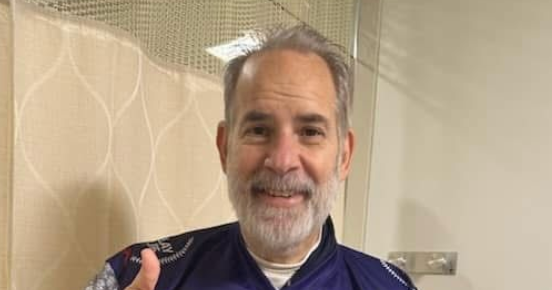
Joe Gillette noticed double vision one morning, which led to tests revealing Stage IV kidney cancer that had spread to multiple organs. After aggressive treatment including immunotherapy, radiation, brain surgery, and kidney tumor removal, his cancer is now under control with ongoing care.
Key Facts
Joe Gillette first noticed double vision, prompting a doctor visit and scans.
Tests showed Stage IV kidney cancer with tumors in his brain, lungs, bones, lymph nodes, stomach, and pancreas.
Gillette had no symptoms before the vision problem; COVID-19 infection indirectly helped catch the cancer early.
Treatment included immunotherapy, brain surgery, radiation, and a long medically induced coma for recovery.
After therapy, Gillette's tumors shrank, and he had successful surgery to remove the original kidney tumor.
He continues daily oral immunotherapy and regular check-ups including MRIs and endoscopies.
Doctors manage any new tumor growth with targeted radiation and immunotherapy to keep the cancer controlled.
Gillette volunteers with the American Cancer Society and emphasizes the importance of new cancer treatments.
Read the Original
Want the full story? Tap a source to open the original
article.
Colombia is having a presidential runoff vote between two candidates connected in different ways to paramilitary groups. One candidate favors a return to strong military action against armed groups, while the other supports continuing peace talks aimed at ending violence caused by various armed groups.
Key Facts
Colombia’s long conflict has caused nearly 500,000 deaths over decades.
Paramilitary groups were formed by right-wing elites to fight left-wing guerrillas and later became involved in drug trafficking.
Abelardo de la Espriella, a far-right candidate and Trump admirer, started his career defending paramilitary leaders and supports military action.
Iván Cepeda, a left-wing senator, is a human rights activist whose father was killed by paramilitary-linked army officers; he supports peace negotiations.
Violence in Colombia has increased since the 2016 peace deal with major rebel groups.
Current president Gustavo Petro promotes a “total peace” approach to negotiate with all armed groups; Cepeda backs this strategy.
Paramilitary groups committed severe violence including massacres and torture targeting civilians and groups seen as enemies or undesirable.
The election result will decide how Colombia deals with ongoing armed violence starting August 7 when the new leader takes office.
Read the Original
Want the full story? Tap a source to open the original
article.
Iran is linking its negotiations with the United States to the situation in Lebanon, specifically Israeli military actions against Hezbollah, a group supported by Iran. This connection could allow Iran to use diplomacy to protect Hezbollah from military pressure, which may affect regional security and international interests such as freedom of navigation through the Strait of Hormuz.
Key Facts
Iran wants to combine talks on sanctions, Lebanon, and maritime security into one deal.
Hezbollah is an armed group funded and supported by Iran to act as a shield against attacks on Iran itself.
Recently, Iran is using negotiations with the U.S. to protect Hezbollah, rather than just the other way around.
Israel faces threats from Hezbollah’s missile arsenal, impacting the safety of communities near Lebanon.
Freedom of navigation through the Strait of Hormuz is important worldwide and is being linked by Iran to other regional issues.
There are concerns that allowing Iran to protect Hezbollah through diplomacy could encourage other countries to use similar tactics.
The situation challenges President Trump’s foreign policy approach based on showing strength.
Israel wants peace but not by allowing Hezbollah to remain armed and shielded from military actions.
Read the Original
Want the full story? Tap a source to open the original
article.
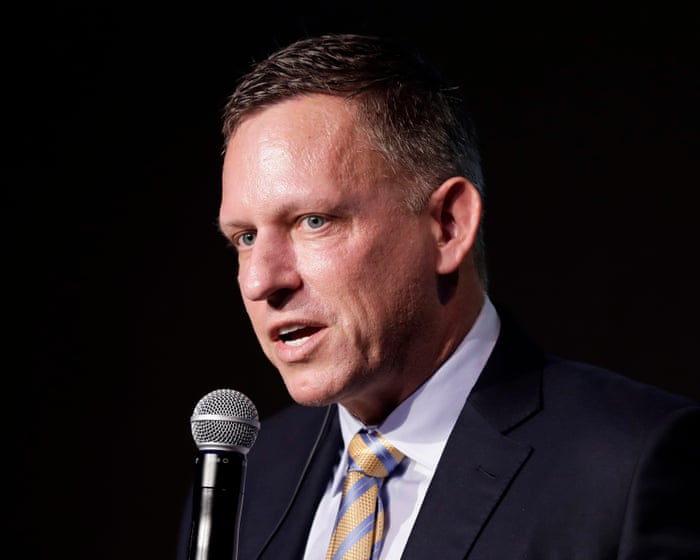
A leaked list revealed many influential people attending secretive Dialog retreats started by billionaire Peter Thiel. The retreats gather politicians, tech leaders, and media figures from various countries to discuss global issues. The exact role of each person on the list and their level of involvement remains unclear.
Key Facts
The Dialog retreats began in 2006 and are invitation-only events at luxury locations worldwide.
The gatherings include US politicians from both parties, top tech executives, foreign officials, and media writers.
The leak was discovered in the website's hidden source code on June 15 and shared by an online activist.
Key names listed include Elon Musk, OpenAI president Greg Brockman, Senator and congress members, and officials from Saudi Arabia, the UK, and Japan.
Some participants have strong ties to President Donald Trump and conservative politics.
The organization says Dialog promotes non-partisan discussions, but some attendees say they had only brief or distant involvement.
This year’s Dialog event will be held in Dublin and plans to cover topics like nuclear power, global conflicts, sex, and cults.
Journalists have reached out to listed individuals to clarify their participation but details are still limited.
Read the Original
Want the full story? Tap a source to open the original
article.
Israeli air strikes in southern Lebanon have killed at least 16 people, even though there were reports of a new ceasefire to stop fighting. The attacks follow recent conflict between Israel and Hezbollah, which has increased tensions and affected peace talks involving the US and Iran.
Key Facts
At least 16 people were killed and 12 wounded in Israeli strikes in southern Lebanon’s Nabatieh district.
Fighting between Hezbollah and Israel led to the cancellation of peace talks in Switzerland about Iran’s nuclear program.
The new interim US-Iran agreement requires a stop to fighting on all fronts, including Lebanon.
Israeli officials say the strikes target Hezbollah after rocket and drone attacks from the group.
A deadly strike hit a residential building in Barish, killing a family of four.
Violence began after Hezbollah hit an Israeli tank, killing four soldiers including an officer.
Hezbollah says it will follow a ceasefire only if Israel stops attacks and does not occupy new areas.
The US-Iran deal has reopened the strait of Hormuz, an important oil shipping route closed earlier in the war.
Read the Original
Want the full story? Tap a source to open the original
article.