Neutral summaries of your favorite news sources — just the facts.
Your favorite news sources, one neutral feed — we distill their reporting into fact-first
summaries and always link to the original story. How it works
World News
Comprehensive coverage of international news and global events
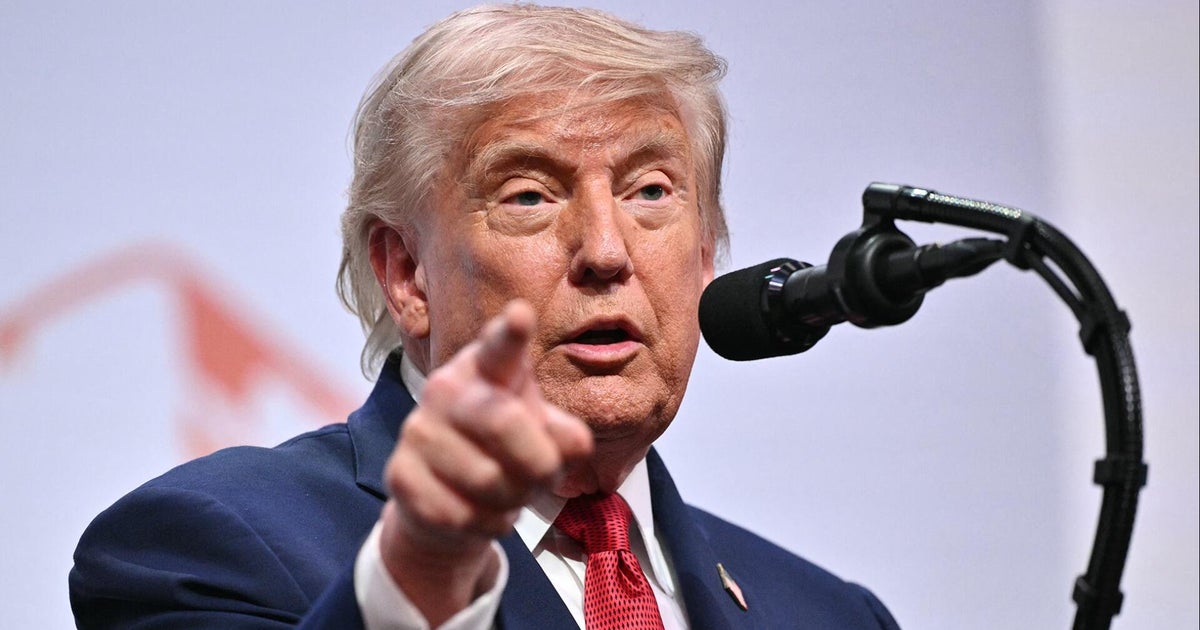
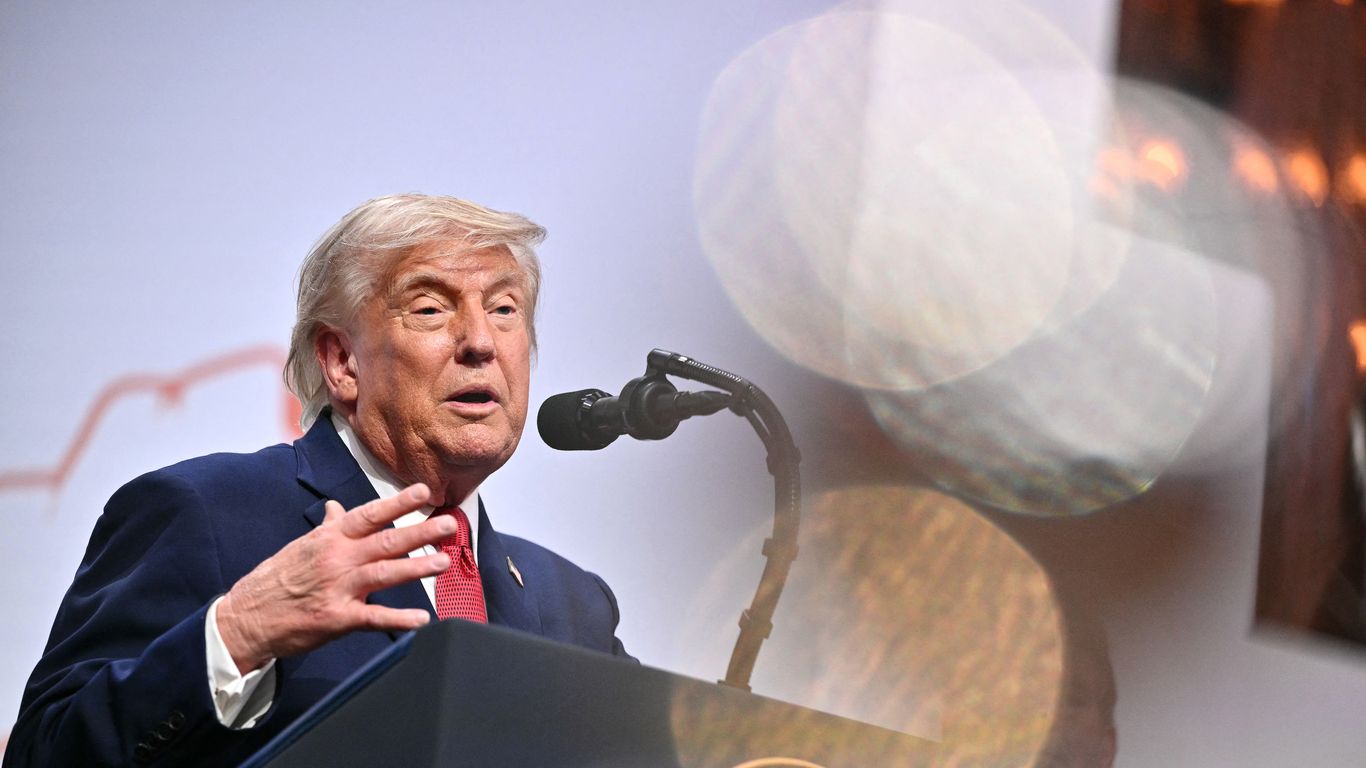
President Donald Trump said the signing of an agreement to end the US-Israeli conflict with Iran may still not happen, but added that people would know soon. The agreement aims to stop fighting, lift the US naval blockade, and reopen the Strait of Hormuz, with further talks planned on Iran’s nuclear program and other issues.
Key Facts
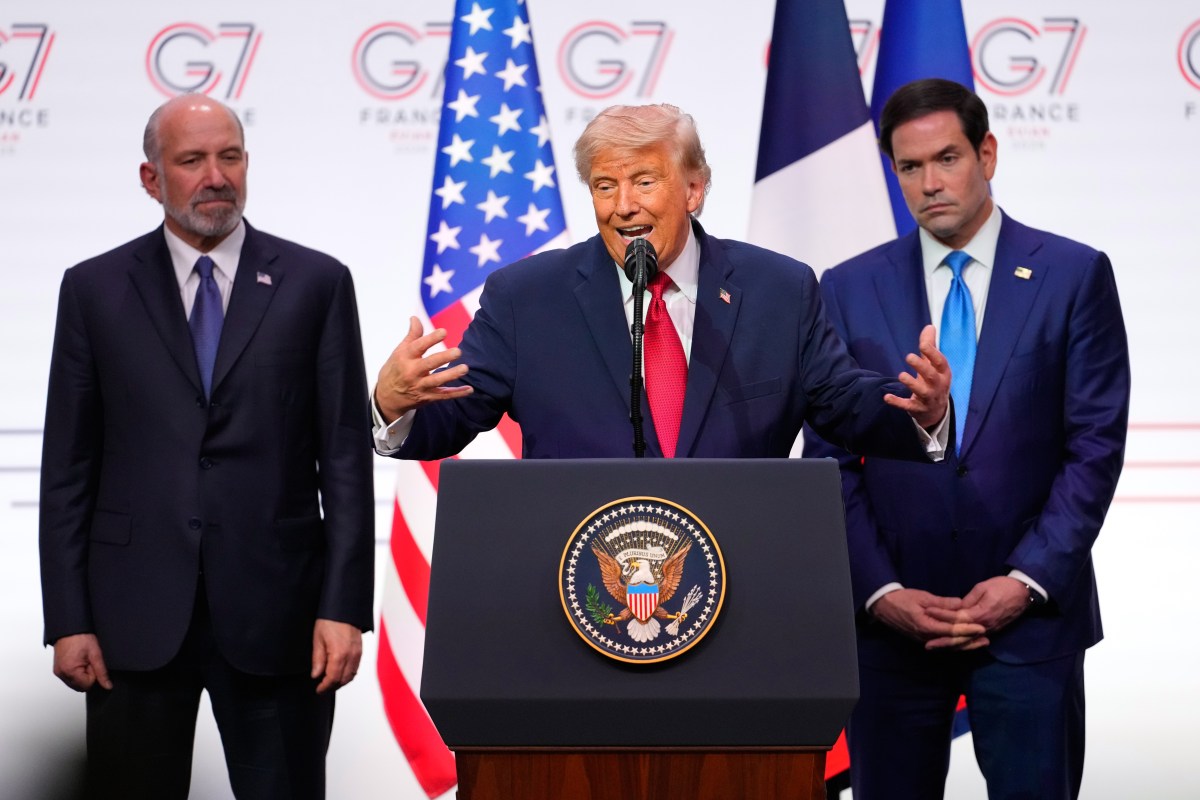
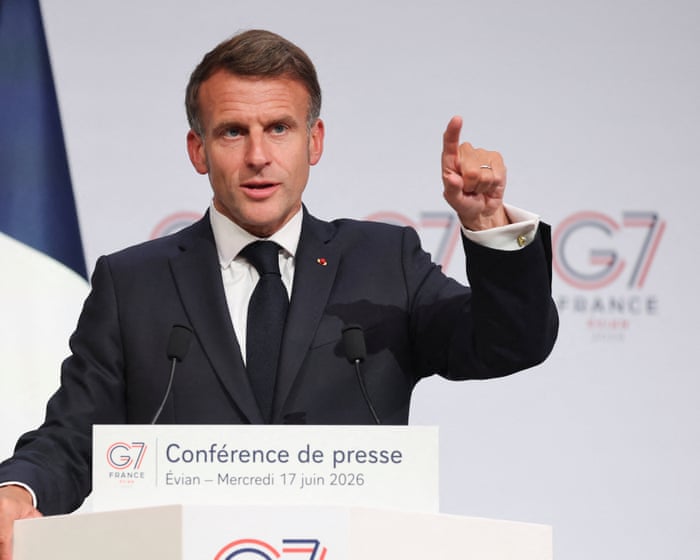
President Trump spoke about the deal during the G7 Summit in France.
The deal is a memorandum of understanding (MOU) between the US and Iran.
The MOU was reportedly digitally signed on Sunday but the final signing is planned for Friday.
The agreement would end fighting on all fronts and lift the US naval blockade on Iranian ports.
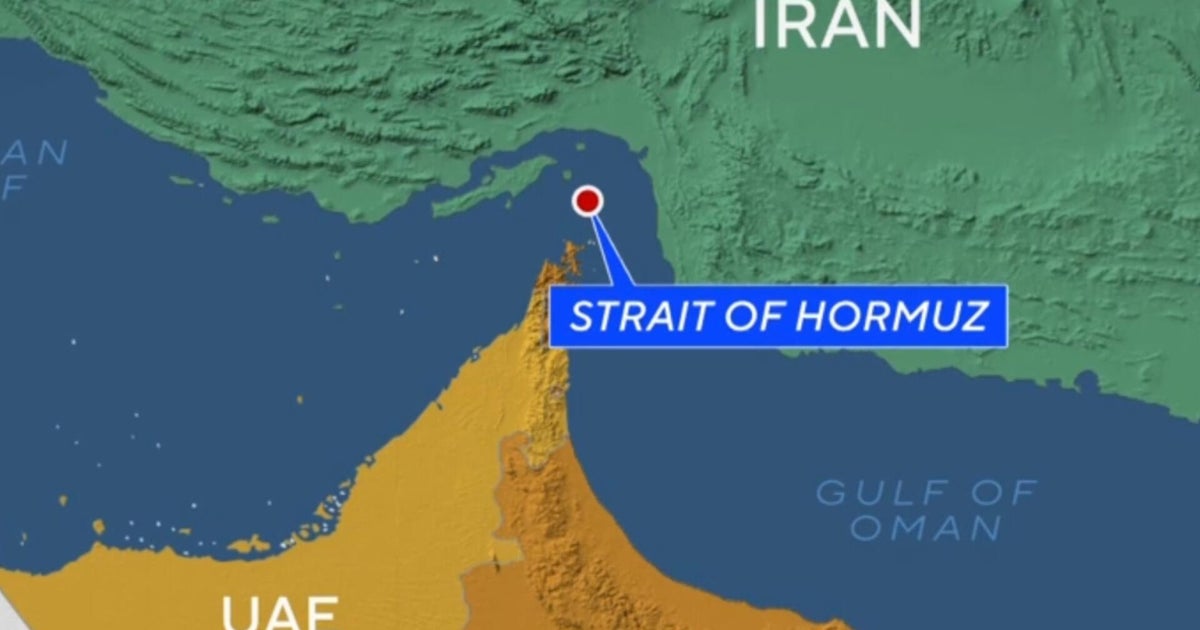
The Strait of Hormuz, a key shipping route, would be reopened.
The US would issue sanctions waivers for Iran’s fossil fuel industry immediately after.
A 60-day negotiation period will follow on nuclear issues, support for regional groups, and management of the Strait of Hormuz.
A $300 billion reconstruction and economic development plan for Iran is included but depends on Iran’s “right” behavior.
Trump emphasized the return of frozen Iranian funds, stating the money belongs to Iran and must be returned to maintain confidence in the US dollar.
Read the Original
Want the full story? Tap a source to open the original
article.
A large fire broke out in a 7,000 square-meter warehouse in Bobigny, near Paris. Thick black smoke spread across the city, and officials told people to stay away from the area as the fire is expected to continue for several hours.
Key Facts
The fire started in a warehouse covering 7,000 square meters in Bobigny, a suburb northeast of Paris.
Thick black smoke from the fire was visible across the Paris skyline.
Authorities expect the fire to burn for several hours.
Officials advised people to avoid going near the warehouse area.
Bobigny is part of the greater Paris metropolitan area.
Read the Original
Want the full story? Tap a source to open the original
article.
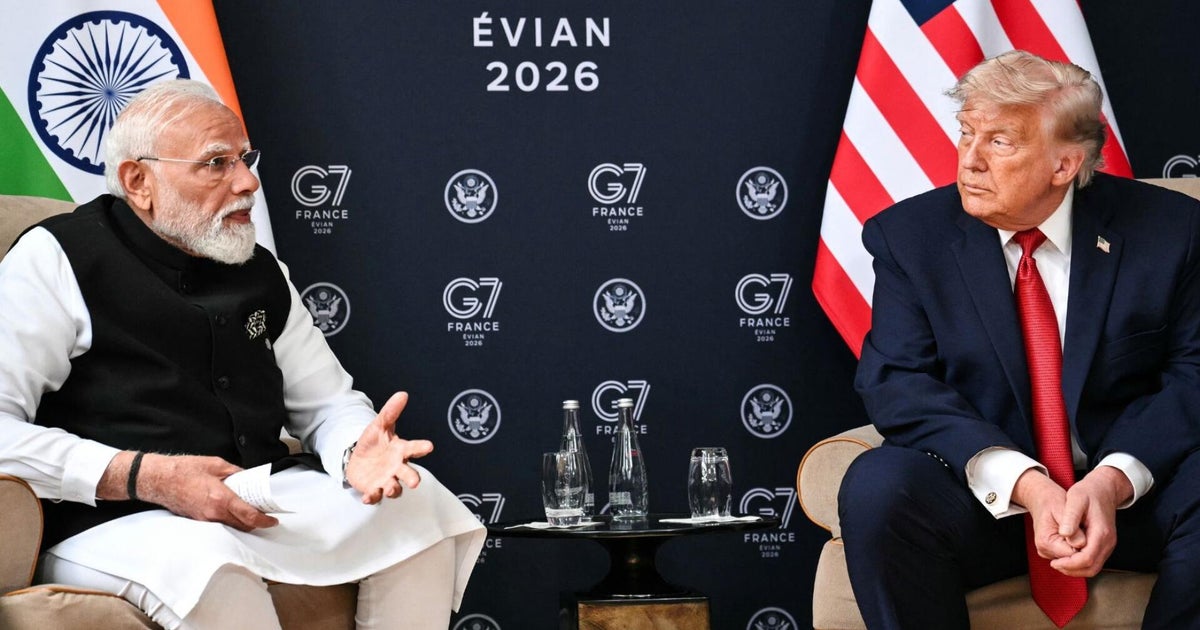
President Donald Trump met with Indian Prime Minister Narendra Modi at the G7 summit. They had a positive conversation despite previous difficulties between their countries, while global attention focused on a possible deal with Iran.
Key Facts
The meeting happened during the G7 summit.
President Trump and Prime Minister Modi discussed their countries' relationship.
Both leaders described the talk as very good.
There have been past tensions between the United States and India.
The meeting took place amidst worldwide interest in resolving issues with Iran.
CBS News reported on the meeting and provided additional context.
Read the Original
Want the full story? Tap a source to open the original
article.
President Donald Trump joined the Group of Seven (G7) summit in France and made a comment saying, “I’m the boss,” which made other world leaders laugh. The G7 summit is an annual meeting where leaders from seven major countries discuss global issues.
Key Facts
President Trump attended the G7 summit held in France.
The G7 includes leaders from the U.S., France, Canada, Italy, Japan, the U.K., and Germany.
When entering a meeting, President Trump said, “I’m the boss,” which caused laughter.
The G7 summit is an annual event focused on global discussions.
The article highlights a light moment during the gathering of world leaders.
Read the Original
Want the full story? Tap a source to open the original
article.
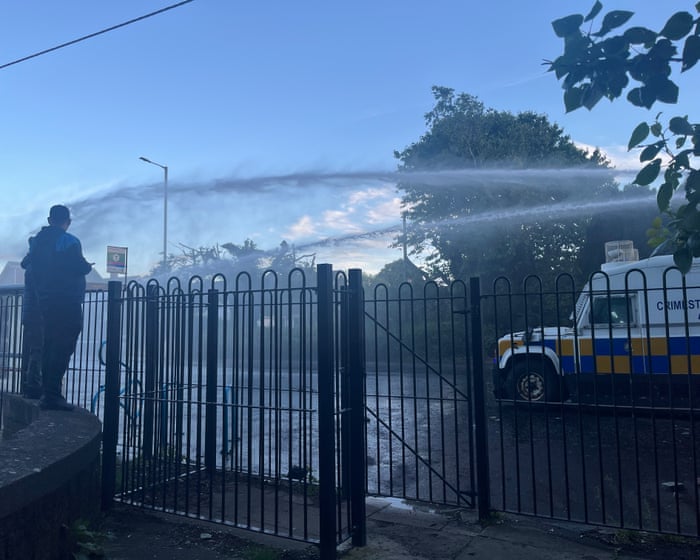
French riot police working under a £660 million UK-France agreement have been authorized to use water cannons and other crowd control measures against asylum seekers trying to cross the Channel. The UK government has deployed these French units to stop illegal boat crossings ahead of summer, despite concerns from refugee groups about the use of such force.
Key Facts
The UK and France have a £660 million deal to fight illegal crossings of the English Channel.
French riot police, including a 50-officer squad, are now stationed on French beaches to prevent asylum seekers from leaving.
French officers can use water cannons, tear gas (CS gas), and batons to control crowds and stop migrants.
Water cannons are not allowed in Great Britain but can be used in Northern Ireland and France.
Refugee charities have criticized the use of water cannons as violent and inhumane.
French riot police have a history of using water cannons and have been accused of brutality during past protests.
The deployment was announced by UK Prime Minister Keir Starmer at the G7 summit.
The UK is also increasing the number of officers on French beaches by 40% and building a detention center to manage the situation.
Read the Original
Want the full story? Tap a source to open the original
article.
Lil Nas X has shared an update after spending time in rehab and receiving a bipolar disorder diagnosis. He is now in therapy, feeling better, and working on new music while participating in a mental health program that could dismiss charges against him from a past incident with police.
Key Facts
Lil Nas X revealed he has bipolar disorder and is now seeing a therapist and psychiatrist.
He spent a few months in rehab and has returned to live between Atlanta and Los Angeles.
The musician was charged last summer after an incident with Los Angeles police officers where he allegedly charged at them.
A judge allowed him to join a mental health diversion program that could dismiss felony charges if he follows treatment and obeys the law for two years.
Bipolar disorder causes big changes in mood and energy, with manic and depressive episodes.
Lil Nas X apologized and opened up about his mental health struggles in a nearly three-minute Instagram video.
After the incident, he spent three days in jail, was released on $75,000 bail, and pleaded not guilty to the charges.
He announced new music is coming and expressed his love and gratitude toward his fans.
Read the Original
Want the full story? Tap a source to open the original
article.
Tropical Storm Arthur formed along the U.S. Gulf Coast as the first storm of the Atlantic season, bringing heavy rain and dangerous flooding risks to several states. The storm is expected to weaken and disappear by Thursday but could cause flash flooding over multiple days.
Key Facts
Tropical Storm Arthur developed from scattered storms along the Gulf Coast.
It had maximum winds of about 40 mph (65 kph) and was forecast to weaken soon.
The storm caused flash flood warnings, especially in the Houston, Texas area.
Flooding risks extend through Friday from Texas to the Florida Panhandle.
Rainfall could reach 5 to 10 inches, with some places receiving up to 20 inches.
Rising storm surge combined with tides may flood coastal areas.
A teenager drowned near Houston in floodwaters related to heavy rain.
A World Cup soccer match in Houston proceeded as planned despite the rain.
Read the Original
Want the full story? Tap a source to open the original
article.
Scientists discovered the oldest evidence of the plague in Siberia, showing it existed about 5,500 years ago—200 years earlier than previously known. They found plague DNA in the teeth of ancient hunter-gatherers, suggesting the disease spread from animals and between people long ago.
Key Facts
Plague DNA was found in teeth from 18 ancient hunter-gatherers near Siberia’s Lake Baikal.
The plague caused outbreaks starting around 5,500 years ago, earlier than former estimates.
The disease likely spread from marmots, large rodents, through contact or eating raw organs.
The plague also spread between people via coughing and sneezing.
Victims included many children between 8 and 11 years old.
Multiple family members were buried together, showing social bonds even after death.
This ancient plague evolved before the bubonic plague of the Black Death in medieval Europe.
Understanding ancient plagues helps scientists learn how dangerous diseases develop and may emerge again.
Read the Original
Want the full story? Tap a source to open the original
article.
President Donald Trump said that without the recent agreement with Iran and the reopening of the Strait of Hormuz, U.S. oil reserves would have been depleted in about four weeks. He made this statement during the Group of Seven summit in France, highlighting the importance of the deal in preventing a shortage of oil supplies.
Key Facts
President Trump spoke about oil reserves during the G7 summit in France.
He said oil reserves would last about four weeks if the Strait of Hormuz remained closed.
The Strait of Hormuz is a key waterway for global oil transport.
The recent memorandum of understanding with Iran helped reopen this important route.
Reopening the Strait of Hormuz helped prevent an oil supply crisis.
The statement focused on the impact of the Iran deal on global energy security.
President Trump linked the agreement to avoiding potential disruptions in oil reserves.
Read the Original
Want the full story? Tap a source to open the original
article.
President Donald Trump accepted an invitation to dine with French President Emmanuel Macron at the Palace of Versailles, a historic and grand royal palace near Paris. Versailles is known for its large size, rich decoration, and importance in French history and diplomacy.
Key Facts
The Palace of Versailles has 2,300 rooms and is set on nearly 2,000 acres of land west of Paris.
It was the home of King Louis XIV, also known as the Sun King, and later King Louis XVI before the French Revolution began in 1789.
President Macron often uses Versailles for important diplomatic events, including hosting Vladimir Putin and King Charles.
President Trump will tour key rooms and have dinner in the Lower Gallery, surrounded by statues from the Sun King’s era.
Hosting a US president alone at Versailles is rare; John F. Kennedy was a notable past guest in 1961.
The American elite have long admired Versailles’ style, influencing buildings like the Vanderbilts’ Marble House in Rhode Island.
President Trump has shown interest in French pomp and military parades before, such as the Bastille Day parade in Paris.
The Palace of Versailles symbolizes French power, luxury, and history, making it a significant setting for international diplomacy.
Read the Original
Want the full story? Tap a source to open the original
article.
The Strait of Hormuz, a key waterway for global oil shipments, was briefly blocked, affecting energy trade worldwide. President Trump said the strait would reopen soon, but experts say the event has changed how countries handle energy trade.
Key Facts
The Strait of Hormuz is an important route for shipping oil around the world.
The strait was blocked for a short time, disrupting oil transportation.
President Donald Trump announced the strait would reopen within a day or two.
The blockage caused concern about the reliability of global energy supplies.
Experts say even after reopening, energy trade practices and security will be different.
Countries may look for alternative ways to transport energy to avoid future problems.
The incident highlighted the strategic importance of the Strait of Hormuz in global trade.
Read the Original
Want the full story? Tap a source to open the original
article.
President Donald Trump defended allowing Iran to keep its large collection of ballistic missiles while discussing a new deal to reopen the Strait of Hormuz. He spoke about this during a Group of Seven (G7) press conference in France, mentioning that the U.S. will collaborate with Gulf countries on other concerns.
Key Facts
President Trump spoke at a G7 press conference in France.
He supported letting Iran keep its ballistic missile arsenal.
The discussion was about a new deal involving the Strait of Hormuz reopening.
The Strait of Hormuz is an important waterway for global oil trade.
The U.S. plans to work with Middle Eastern allies on related issues beyond the missile arsenal.
The G7 includes seven major advanced economies.
The issue involves regional security and international relations with Iran.
Read the Original
Want the full story? Tap a source to open the original
article.
President Donald Trump held a news conference during the G7 Summit in France where he answered questions about topics including the Iran nuclear deal, Israel, and Lebanon. After his remarks, CBS News reporters gave additional context to the issues discussed.
Key Facts
President Trump spoke at a news conference during the G7 Summit in France.
He answered questions on several international topics, such as the Iran nuclear agreement.
The discussion also included issues related to Israel and Lebanon.
CBS News reporters Weijia Jiang, Nancy Cordes, and Olivia Rinaldi provided background information after the conference.
The event was covered live by CBS News and available on their app.
The G7 Summit is a meeting of leaders from seven major advanced economies.
President Trump addressed a variety of global political questions during the session.
Read the Original
Want the full story? Tap a source to open the original
article.
The United States and Iran have agreed on a 14-point draft peace deal aimed at ending military conflicts between the two countries and their allies. The agreement includes ending hostilities, respecting each other’s borders, lifting some U.S. sanctions, and ensuring safe passage for ships in the Strait of Hormuz.
Key Facts
The deal sets a new minimum standard for reducing Iran’s highly enriched uranium.
It includes protecting Lebanon’s territory following recent Israeli strikes on Hezbollah.
The U.S. will waive some sanctions on Iran but not remove them completely.
Iran will allow free passage of commercial ships through the Strait of Hormuz for 60 days.
The U.S. will remove its naval blockade and forces near Iran within 30 days after signing.
Both countries promise to stop all military operations against each other and their allies.
The agreement must be finalized within 60 days, though the timeline can be extended.
Presidents Donald Trump and Masoud Pezeshkian are expected to sign the deal in a formal ceremony.
Read the Original
Want the full story? Tap a source to open the original
article.
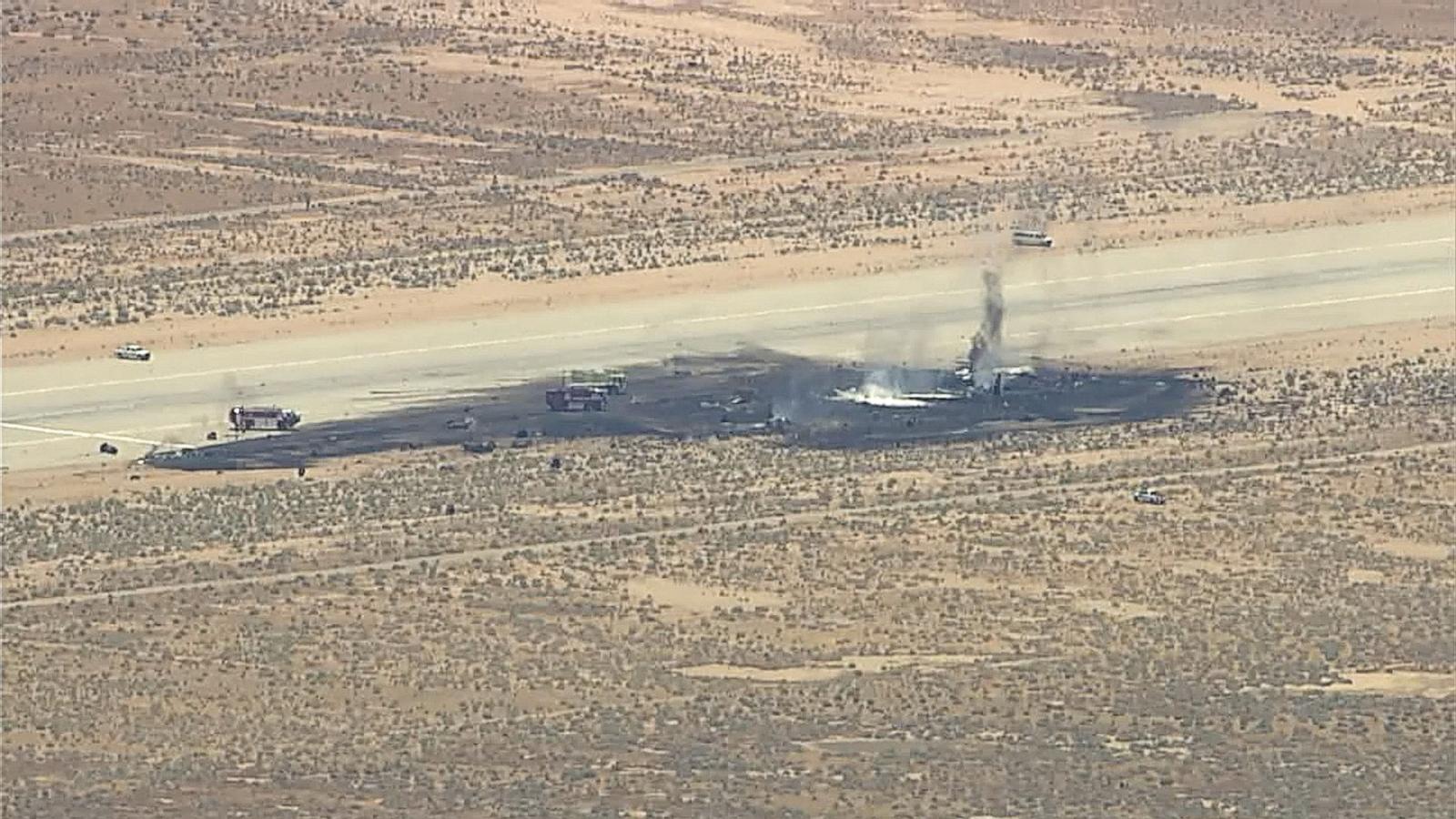
An Air Force B-52 bomber crashed shortly after takeoff from Edwards Air Force Base in California on June 15, 2026. All eight people on board, including Air Force members and contractors, died in the crash. The cause of the crash is still being investigated.
Key Facts
The crash happened during a routine test mission on June 15, 2026.
All eight people on board were killed, including four Air Force crew members, one civilian, and three contractors.
The victims included officers from the Air Force and employees from Boeing and other contractors.
Among the victims were pilots, weapon systems officers, and flight test engineers.
Edwards Air Force Base is known for conducting multiple flight test missions daily.
The investigation into the cause of the crash is ongoing and may take several months.
The Air Force base commander expressed condolences to the families and colleagues of the victims.
Boeing acknowledged the loss of its employees and extended sympathies to their families.
Read the Original
Want the full story? Tap a source to open the original
article.
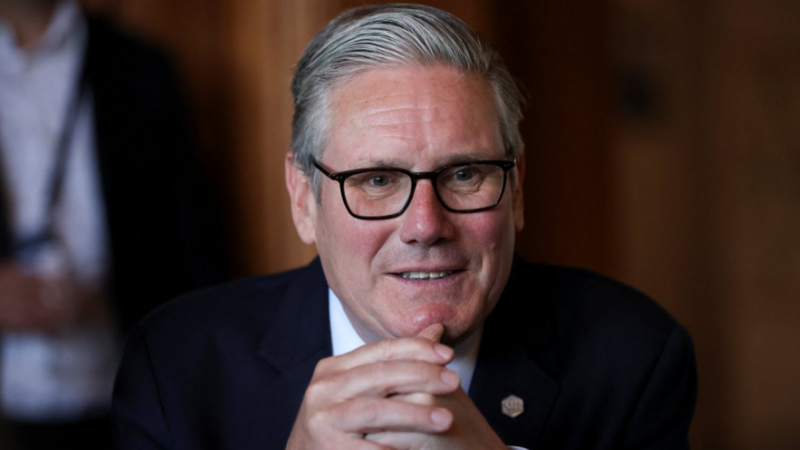
Prime Minister Keir Starmer faces a possible leadership challenge as the Greater Manchester mayoral by-election approaches. Starmer highlighted that if Andy Burnham wins the by-election, he would need to focus on holding the mayoralty, which would delay any leadership contest within the Labour Party.
Key Facts
Keir Starmer has spoken publicly to raise the difficulty for potential challengers within his party.
The Greater Manchester mayor cannot also be a sitting Member of Parliament (MP).
If Andy Burnham wins the mayoral by-election, it will trigger a vacancy in Parliament requiring another by-election.
Starmer suggests Burnham should prioritize securing the mayoralty rather than pushing for Labour leadership immediately.
Burnham's team disagrees and thinks delaying a leadership challenge is unreasonable.
Burnham is unlikely to accept a cabinet position because he wants to change Labour from outside the current government.
Former health secretary Wes Streeting has also indicated he may soon challenge Starmer’s leadership.
The outcome of the by-election will have a big impact on Labour’s future leadership and political strength.
Read the Original
Want the full story? Tap a source to open the original
article.
The United States and Iran have signed a memorandum of understanding (MOU) to stop all military fighting immediately and permanently. They agreed to respect each other's borders, end sanctions, and work toward a final deal within 60 days that includes rebuilding Iran’s economy and ensuring safe shipping routes.
Key Facts
Both countries agree to end all military actions, including in Lebanon, and not threaten each other.
They promise to respect each other’s sovereignty and not interfere in internal matters.
The U.S. will remove its naval blockade on Iran within 30 days after signing the MOU.
Iran will ensure safe and free passage for commercial ships in the Persian Gulf and Sea of Oman for 60 days.
Iran will work with Oman and other nearby countries to manage the Strait of Hormuz peacefully.
The U.S. and regional partners plan to invest at least $300 billion to rebuild Iran’s economy.
The U.S. will end sanctions on Iran, including those by the United Nations and its own government, on a set schedule.
Iran confirms it will not develop nuclear weapons and agrees to manage existing enriched nuclear material with the U.S.
Read the Original
Want the full story? Tap a source to open the original
article.
French President Emmanuel Macron said the G7 countries, including the US under President Trump, now share a strong commitment to supporting Ukraine’s territorial integrity. The leaders agreed to increase sanctions on Russia and cooperate on producing weapons in Ukraine, marking a significant change from last year’s G7 summit.
Key Facts
The G7 includes the US, France, Germany, Italy, the UK, Canada, and Japan.
Macron said President Trump and other leaders recognized that Russia is not seriously willing to seek peace in Ukraine.
Last year, there was a sharp disagreement in the G7, and President Trump left the summit early.
President Trump met Ukrainian President Volodymyr Zelenskyy twice during this summit and was impressed by Ukraine’s military progress.
The G7 agreed to increase sanctions on Russia, especially targeting energy sectors.
Ukraine will produce long-range missiles and air-defense systems under license from European countries to boost its defense and economy.
German Chancellor Friedrich Merz said this licensed production helps make up for low current weapons production.
Macron said Zelenskyy invited Russian President Vladimir Putin to the G7 summit, but Russia has not responded.
Read the Original
Want the full story? Tap a source to open the original
article.
House Minority Leader Hakeem Jeffries said the mother of Cape Verde’s goalkeeper Vozinha has been granted a visa to come to the country. She will join her son in time for Cape Verde’s next game in the FIFA World Cup.
Key Facts
Vozinha is the goalkeeper for Cape Verde’s national soccer team.
His mother needed a visa to travel to the country where the World Cup matches are held.
Jeffries spoke with Secretary of State Marco Rubio to ask for help with the visa.
The visa was approved, allowing Vozinha’s mother to join the team.
This reunion will happen before Cape Verde’s next World Cup match.
The World Cup is a global soccer tournament held every four years.
Cape Verde is participating in the current FIFA World Cup.
Read the Original
Want the full story? Tap a source to open the original
article.
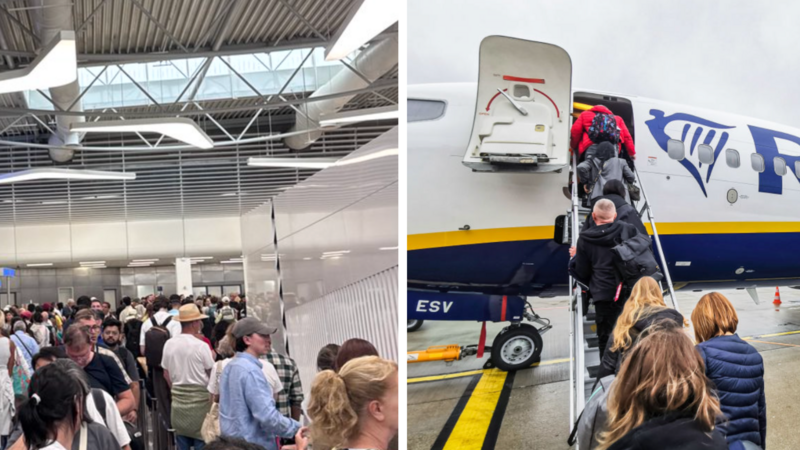
Ryanair passengers traveling from Athens to London were left behind when their flight departed without them due to long waits at passport control. The delays are linked to new border checks for travelers entering or leaving the Schengen area, causing large queues and missed flights at several European airports.
Key Facts
A Ryanair flight from Athens to London left without 20 to 50 passengers on Sunday because of passport control delays.
Passengers faced very long queues at Athens airport, with some waiting over an hour in stifling heat.
The EU’s Entry Exit System (EES) requires extra checks for non-EU travelers, which has slowed passport processing.
Greek officials have given mixed messages about whether UK travelers are exempt from biometric checks this summer.
Airport authorities intervened to manage passenger frustration caused by the delays.
Ryanair said only passengers at the gate when the flight boarded traveled, and those left behind missed the departure.
Similar passport delays have happened elsewhere in Europe, such as in Milan and other airports.
Airlines advise travelers to arrive three hours early due to longer border control times.
Read the Original
Want the full story? Tap a source to open the original
article.