Neutral summaries of your favorite news sources — just the facts.
Your favorite news sources, one neutral feed — we distill their reporting into fact-first
summaries and always link to the original story. How it works
World News
Comprehensive coverage of international news and global events
A mother shares her experience of discovering her baby daughter has Down syndrome only after birth. They had not known during pregnancy and accepted the diagnosis with love and understanding, feeling grateful for the peaceful birth and bonding time.
Key Facts
The baby, named Ever, was born at home unexpectedly before midwives arrived.
The parents noticed subtle signs that something was different soon after birth.
A midwife suggested the possibility of Down syndrome about 24 hours after birth.
A blood test confirmed Ever’s diagnosis several weeks later.
During pregnancy, the standard tests did not detect any concerns, and the parents chose not to have invasive testing.
The mother felt peace and confidence throughout the pregnancy and home birth plan.
The diagnosis led to acceptance, love, and no change in how the family viewed Ever.
The parents had prepared themselves emotionally for a possible Down syndrome diagnosis but wanted to enjoy pregnancy without worry.
Read the Original
Want the full story? Tap a source to open the original
article.
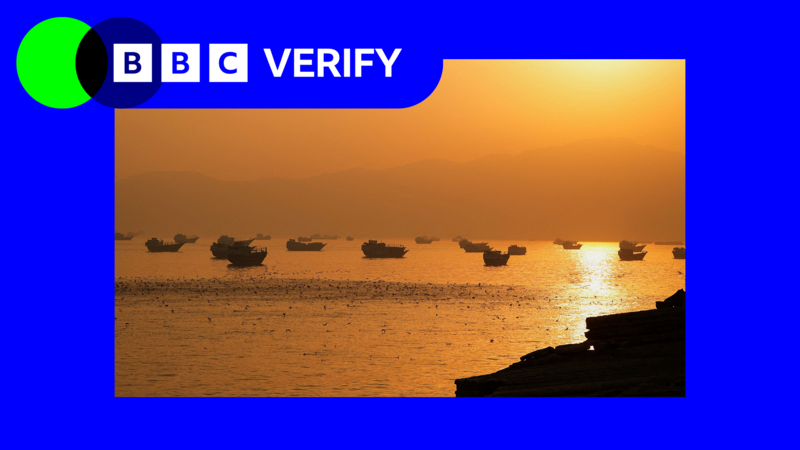
Ships are not yet passing through the Strait of Hormuz despite President Donald Trump's announcement of a US-Iran deal to reopen it. Many vessels remain stuck in the Gulf because of security risks, mine threats, and navigation tolls, following recent military conflicts and blockades.
Key Facts
The Strait of Hormuz is a key route for about 20% of the world’s oil and gas transport.
After US and Israeli strikes on 28 February, Iran effectively closed the strait.
More than 580 ships, including tankers and cargo ships, are currently waiting inside the Gulf.
About 75% of the tankers in the Gulf are not moving, most near oil export terminals in Saudi Arabia, Iraq, and the UAE.
Iran has fired on ships trying to pass without permission since February.
The US naval blockade of Iranian ports started on 13 April and disables ships that don’t comply.
President Trump said the blockade would stay until the Iran deal is fully signed.
There are risks of sea mines in the area, which Iran has threatened to use if attacked.
Ship captains and owners are cautious and waiting to see if conditions improve before sailing through the strait again.
Read the Original
Want the full story? Tap a source to open the original
article.
A woman in Brazil died when her bungee cord was not attached during a jump from a 40-meter bridge. Police have arrested three men and are investigating whether the deaths could be considered homicide.
Key Facts
The accident happened during a bungee jump from a 40-meter bridge in Brazil.
The woman's bungee cord was not secured before she jumped.
As a result, she died from the fall.
Police arrested three men involved in operating the bungee jump.
Authorities are investigating possible homicide charges related to the death.
Read the Original
Want the full story? Tap a source to open the original
article.
The Netherlands has seen recent legal and social developments showing more support for the Palestinian cause, even though its government still generally backs Israel. A key court case ended with the acquittal of Amin Abu Rashid, who was accused of funding Hamas but was found to be providing humanitarian aid.
Key Facts
Amin Abu Rashid, a refugee and humanitarian worker, was acquitted of charges accusing him of funding Hamas.
Abu Rashid’s case involved allegations of transferring money to Gaza orphans, but the court ruled this was humanitarian aid.
Abu Rashid spent nearly a year in solitary confinement, during which his health seriously worsened.
The verdict is viewed as a rare win for pro-Palestinian activists in the Netherlands.
The Netherlands has historically been a strong supporter of Israel within the European Union.
Public opinion in the Netherlands is shifting, with rising criticism of Israeli policies, especially after conflicts in Gaza.
Dutch government policy toward Israel remains supportive, though more critical voices are emerging.
Experts say significant policy changes would require strong grassroots pressure from society, not just legal decisions.
Read the Original
Want the full story? Tap a source to open the original
article.
Senegal and France will play an important soccer match at the 2026 World Cup, their first meeting in 22 years. Many Senegalese fans cannot attend because US visa rules make it hard for them to get permission to enter the country.
Key Facts
Senegal will face France in a group stage match at the 2026 World Cup.
This match is highly anticipated because the teams have not played each other in 22 years.
Many fans from Senegal want to attend the game in the US.
US visa rules restrict entry for many Senegalese fans.
These visa restrictions prevent fans from traveling to the World Cup in the US.
As a result, many Senegalese fans will watch the game from home instead of in person.
Read the Original
Want the full story? Tap a source to open the original
article.
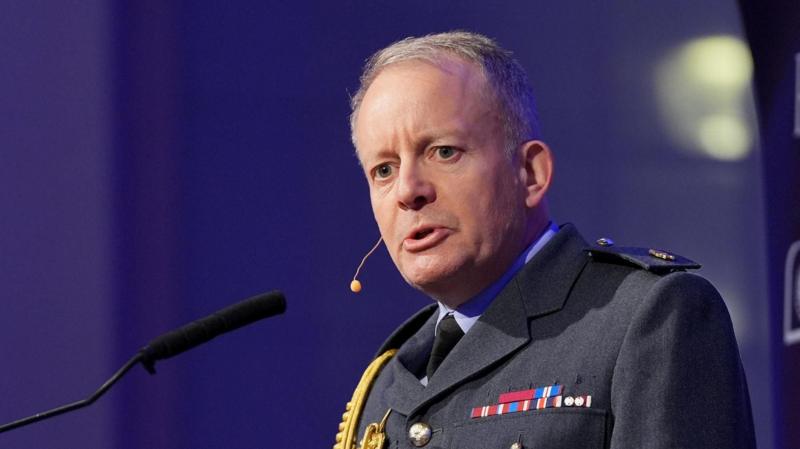
The UK’s armed forces may have to reduce training and operations unless they receive more funding. Defence leaders say the current government plan does not provide enough money for everyday military activities, raising concerns about national readiness and safety.
Key Facts
Air Chief Marshal Sir Richard Knighton said there is not enough funding for daily military activities.
John Healey resigned as UK defence secretary, criticizing the planned budget as too low.
Healey said the defence budget rise planned is too slow and does not meet threats.
The government aims to spend 3.5% of national income on defence by 2035, aligning with NATO allies.
The Defence Investment Plan (DIP) has been delayed and is under review by new defence secretary Dan Jarvis.
Without more money, training exercises and operational activities will be reduced.
Armed forces minister Al Carns also resigned, saying the budget plan underestimates new threats like drone warfare.
Current spending is about 2.3% of the UK’s GDP on defence.
Read the Original
Want the full story? Tap a source to open the original
article.
Oprah has chosen the book "Little Wonder" by Sophie Chen Keller for her book club. The story is about a mother and her son who get separated in a train station in Beijing and spend many years trying to find each other.
Key Facts
Oprah selected "Little Wonder" as her latest book club pick.
The book is written by Sophie Chen Keller.
The story takes place in Beijing, China.
A mother and her son are separated at a busy train station.
The novel follows their lives as they search for one another over many years.
Read the Original
Want the full story? Tap a source to open the original
article.
President Donald Trump has the opportunity to strengthen the United States' defense stance in the Indo-Pacific region, which includes Taiwan. However, to do this effectively, he needs to better understand the historical context of the area.
Key Facts
President Donald Trump can influence U.S. policy in the Indo-Pacific region.
The Indo-Pacific region is strategically important for U.S. security interests.
Taiwan is a key focus in U.S. efforts to deter potential threats in this region.
A clear understanding of history is important for making informed decisions about Taiwan.
Effective deterrence means preventing conflict by showing strong defense capabilities.
History lessons could help avoid misunderstandings and improve policy outcomes.
The article suggests President Trump has a unique role in shaping U.S. actions there.
Read the Original
Want the full story? Tap a source to open the original
article.
President Donald Trump is in France attending the G7 Summit. His administration announced it signed a deal with Iran, which includes partial reopening of a key waterway called the Strait. An expert said President Trump faces a high risk of losing in the negotiations with Iran.
Key Facts
President Trump is attending the G7 Summit in France.
The U.S. administration signed a deal with Iran.
The deal involves the partial reopening of the Strait (a strategic waterway).
The news report features analysis by a University of Chicago professor, Robert Pape.
The expert expressed concern that President Trump might lose in these negotiations.
CBS News’ Nancy Cordes provided details about the agreement.
Read the Original
Want the full story? Tap a source to open the original
article.
Thousands of Lebanese people are returning to their homes in southern Lebanon after a recent deal between the United States and Iran aimed at ending the war affecting the region. Despite warnings to stay cautious due to security risks and ongoing Israeli military presence, many residents are going back to towns severely damaged by months of Israeli attacks.
Key Facts
Over 1.2 million Lebanese fled southern Lebanon after heavy Israeli bombardment beginning March 2.
Many displaced people took shelter in makeshift facilities far from their homes.
The ceasefire deal between the US and Iran includes provisions related to Lebanon.
Israeli forces still occupy nearly 20% of southern Lebanon and have not fully withdrawn.
Extensive destruction has occurred in towns like Tyre and Nabatieh, with over 70% damage in some areas.
At least 3,783 people have died and 11,699 injured in the conflict.
Hezbollah supports the ceasefire deal but warns against Israeli attacks or continued occupation.
The peace agreement requires Israel to pull troops back and Hezbollah to move north of the Litani River, but compliance is incomplete.
Read the Original
Want the full story? Tap a source to open the original
article.
In southern Iran, people face severe water shortages after US strikes damaged local water facilities, causing health and daily life problems. Although a peace deal between the US and Iran is nearing, many Iranians express mixed feelings, showing skepticism and anger for different reasons.
Key Facts
US strikes reportedly damaged two water facilities serving villages near Sirik, Iran.
Temperatures reached 45°C (113°F) in Sirik, worsening water shortages.
Residents still wait in lines with buckets despite partial restoration of water supply.
A four-year-old child suffered dehydration and hygiene-related pain due to lack of water.
Many Iranians have mixed reactions to a possible US-Iran peace deal.
Some hardliners are angry that a deal weakens anti-US sentiments promoted by Iran's government.
Others oppose both the regime and foreign military involvement, and some support former royal family leadership.
There are concerns about international responses to deaths of Iranian children caused both by US strikes and Iran’s own regime.
Read the Original
Want the full story? Tap a source to open the original
article.
France and the United Kingdom have formed a coalition of about 20 countries to help reopen the Strait of Hormuz, a key route for global oil transport. Their mission is to clear mines and protect ships in the area after a US-Iran deal aimed at ending conflict in the Middle East.
Key Facts
The Strait of Hormuz carries around 20% of the world’s oil shipments.
France has deployed its nuclear-powered aircraft carrier Charles de Gaulle near the Arabian Peninsula since mid-May.
Two French minehunter vessels and a British destroyer are ready to support mine-clearing operations.
Italy and Germany have also offered minehunter ships to help clear mines after fighting stops.
The mission aims to clear mines laid by Iran to allow safe passage for tankers and cargo ships.
About 2,000 ships are waiting to pass through the strait, with Oman agreeing to Western naval escorts.
A memorandum between the US and Iran aims to reopen the strait within 30 days but does not end the war permanently.
Iranian officials may impose fees for ships using the strait, and they might limit mine-clearing operations to control ship routes.
Read the Original
Want the full story? Tap a source to open the original
article.
France and the United Kingdom have formed a naval mission with about 20 countries to help secure the Strait of Hormuz after the US and Iran agreed on a temporary ceasefire. The mission will work to clear mines, escort commercial ships, and restore safe passage through this important waterway that carries a large share of the world's oil.
Key Facts
The coalition includes around 20 countries, with four already present near the Strait of Hormuz.
France leads with its nuclear-powered aircraft carrier Charles de Gaulle and two minehunter vessels ready to deploy.
The UK is sending a destroyer to the region, while Italy and Germany have committed minehunter ships for mine-clearing duties.
The mission's main goal is to reassure shipowners so they send their vessels back through the Gulf.
Mines laid by Iran pose a threat to maritime traffic, and European countries have strong mine-clearing capabilities.
The coalition could escort about 2,000 tankers and cargo ships waiting to pass through the strait.
Oman has agreed to let Western naval forces escort ships in the area.
While the US and Iran's agreement aims to reopen the strait within 30 days, the ceasefire is temporary and does not end the overall conflict.
Read the Original
Want the full story? Tap a source to open the original
article.
France has decided to stop using the American company Palantir's data analysis tools for its intelligence services. Instead, it will use a French company called ChapsVision to reduce reliance on US technology and increase its own control over sensitive data.
Key Facts
France wants "strategic autonomy" for its intelligence technology and will reduce dependence on US firms.
The French intelligence agency DGSI will replace Palantir with ChapsVision for critical data processing.
ChapsVision is a smaller French AI company, earning about €200 million in 2025 compared to Palantir's $4.5 billion.
Palantir’s contract with DGSI is still active to avoid gaps in intelligence capacity.
Palantir was co-founded with help from the US CIA and is linked to Peter Thiel and President Donald Trump.
Concerns about Palantir include risks of mass surveillance and threats to privacy.
France plans to invest €655 million in AI infrastructure and research to support domestic tech companies.
Other European countries, like Germany and the UK, are also cautious about using US AI technologies.
Read the Original
Want the full story? Tap a source to open the original
article.
People in the Democratic Republic of the Congo are not trusting health workers, which is making it harder to stop the Ebola outbreak. Some are refusing treatment, hiding cases, and not following safe burial rules.
Key Facts
The Ebola outbreak is happening in the Democratic Republic of the Congo.
Many people do not trust health workers and officials.
Some Ebola patients refuse to get medical help.
Cases of Ebola are sometimes hidden from health authorities.
Safe burial practices are being rejected by some communities.
This mistrust is slowing down efforts to control the disease.
Doctors working in the area report these challenges firsthand.
Read the Original
Want the full story? Tap a source to open the original
article.
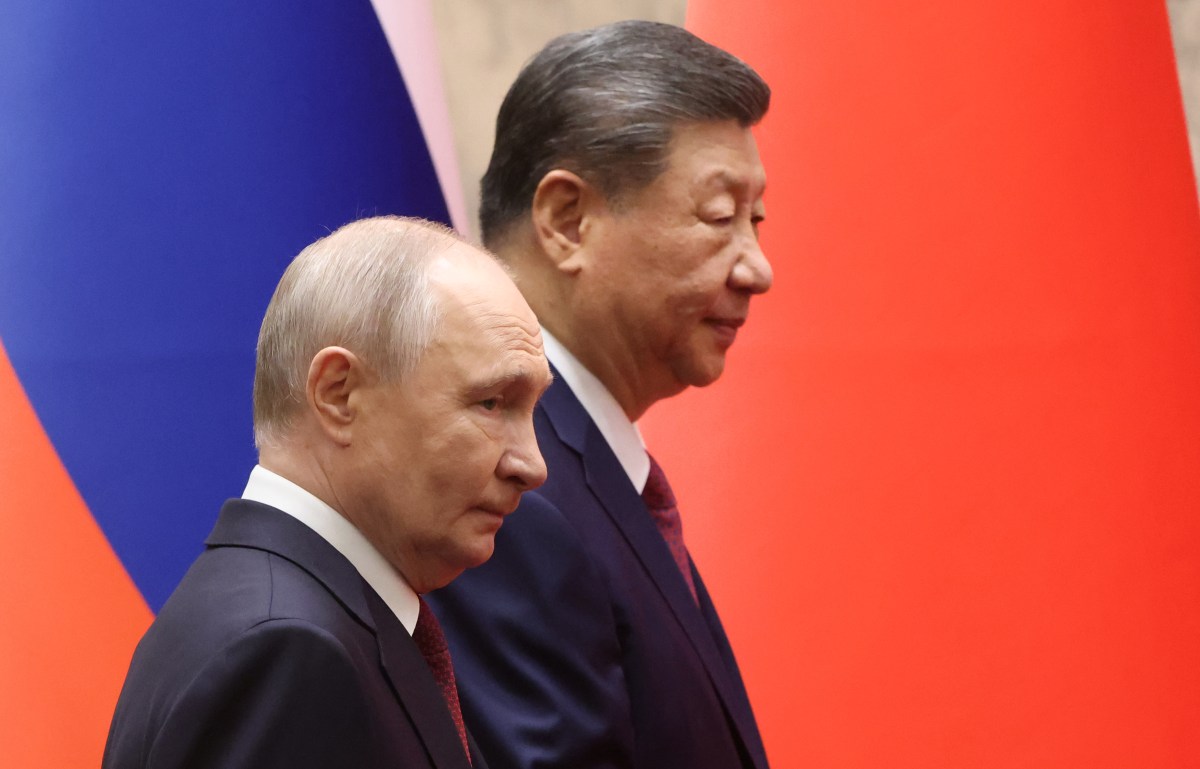
China denied the European Union’s claim that it has trained Russian troops who fought in Ukraine. The EU accused China of helping Russia’s war effort, including offering military training and supplying critical technology, but China called these claims false. The EU also announced new sanctions on companies linked to supporting Russia’s military.
Key Facts
The EU’s top diplomat, Kaja Kallas, said China trained Russian military personnel who fought in Ukraine.
China called this claim “slander and smears” and denied it during a press briefing.
China has remained neutral but supports Russia diplomatically and economically, especially by buying Russian oil and gas.
The EU announced sanctions on 21 companies and seven individuals helping Russia’s military efforts.
Among the sanctioned were two Chinese companies supplying drone parts and industrial materials important for weapons and vehicles.
Russia launched a major missile and drone attack on Ukraine, killing at least 11 people.
Ukraine responded with a drone strike on a key oil refinery in Moscow.
Read the Original
Want the full story? Tap a source to open the original
article.
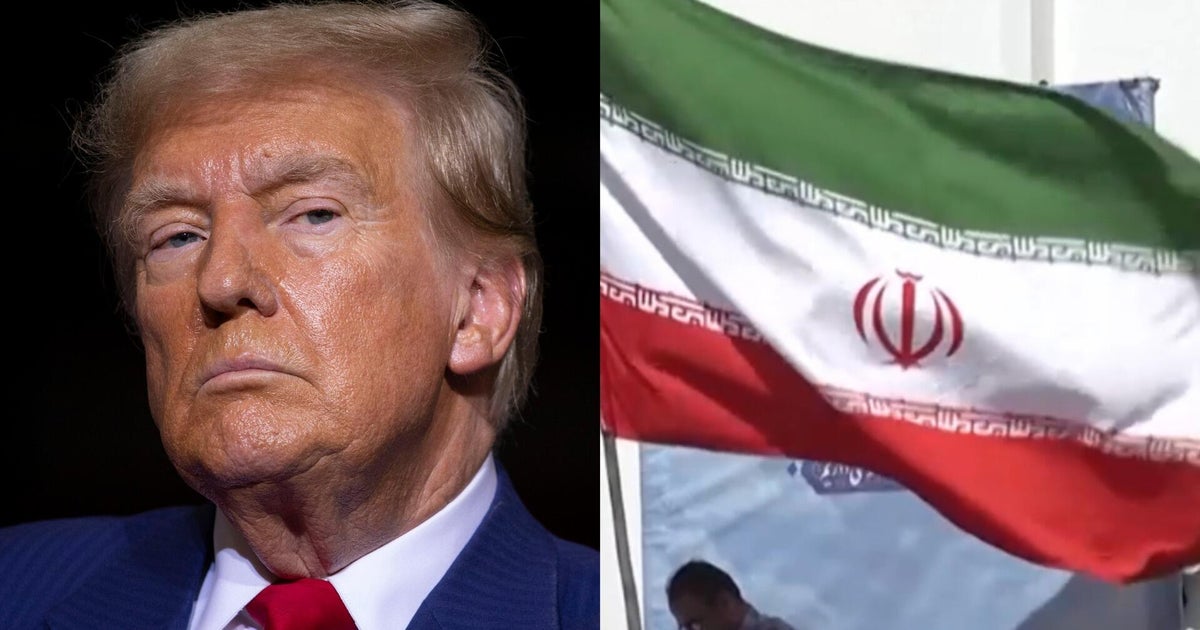
At the G7 meeting in France, President Donald Trump said the U.S. has made an agreement with Iran that ensures Iran will not develop nuclear weapons. He also announced plans to officially share the details of this agreement soon.
Key Facts
President Donald Trump spoke at the G7 meetings held in France.
He referred to a memorandum of understanding between the U.S. and Iran.
The agreement states that Iran will not have a nuclear weapon.
Trump promised to release the full text of the U.S.-Iran memorandum publicly.
The news report is dated June 16, 2026.
The G7 meetings involve discussions among major industrial countries.
The memorandum aims to limit Iran's nuclear weapons development.
Additional related news involved Ukraine and Russia also discussed at the G7.
Read the Original
Want the full story? Tap a source to open the original
article.
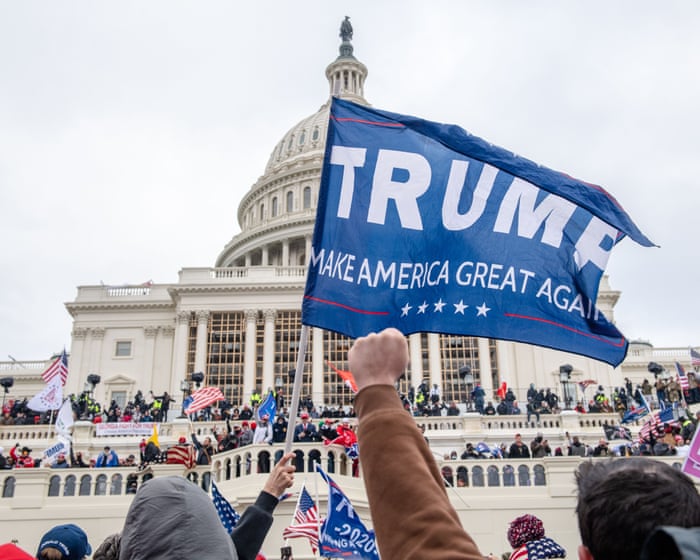
Sean Penn will direct a new movie about the January 6, 2021 Capitol riot, with Bradley Cooper likely to star as a police officer involved in the event. The film will explore an unusual story about friendship and is being made with help from the real person the story is based on, whose identity remains secret.
Key Facts
Sean Penn is directing a film about the January 6 Capitol riot.
Bradley Cooper is expected to play the lead role of a police officer.
The movie is described as a drama focusing on friendship during the violent events of January 6, 2021.
The film’s story is based on a real person who is helping with the project but remains anonymous.
Sean Penn attended a January 6 House committee hearing as an observer in 2022.
Penn has publicly criticized President Donald Trump in the past.
Bradley Cooper has won two Oscars and is involved in several upcoming film projects.
The January 6 events are also a subject in another upcoming film by Aaron Sorkin about social media’s impact.
Read the Original
Want the full story? Tap a source to open the original
article.
The United States and Iran are expected to sign an agreement in Geneva to end a recent conflict in the Middle East after three and a half months of war. The deal focuses on stopping Iran from developing nuclear weapons and aims to bring peace to the region.
Key Facts
The conflict between the US and Iran lasted for about 108 days.
An agreement to end the conflict is set to be signed this Friday in Geneva.
The deal aims to prevent Iran from acquiring nuclear weapons.
President Donald Trump stated that the deal will ensure Iran will never have a nuclear weapon.
The article discusses who benefits and who loses from the deal.
The agreement could help reduce tensions in the Middle East.
The deal is seen as a step toward peace after months of war.
Read the Original
Want the full story? Tap a source to open the original
article.
President Donald Trump met Ukraine's President Volodymyr Zelensky at the G7 summit in France. A year ago, President Trump said Ukraine had no strong options to end the war with Russia, but the situation appears to have changed since then.
Key Facts
President Trump and President Zelensky met again at the G7 summit in France on June 16, 2026.
A year earlier, President Trump said Ukraine had "no cards to play" to negotiate an end to its war with Russia.
The current meeting shows that Ukraine now has more options or influence regarding the conflict.
President Trump suggested that Russia "should make a deal" after the G7 meeting.
The G7 allies are trying to keep Ukraine as a main focus in their discussions.
Read the Original
Want the full story? Tap a source to open the original
article.