Neutral summaries of your favorite news sources — just the facts.
Your favorite news sources, one neutral feed — we distill their reporting into fact-first
summaries and always link to the original story. How it works
World News
Comprehensive coverage of international news and global events
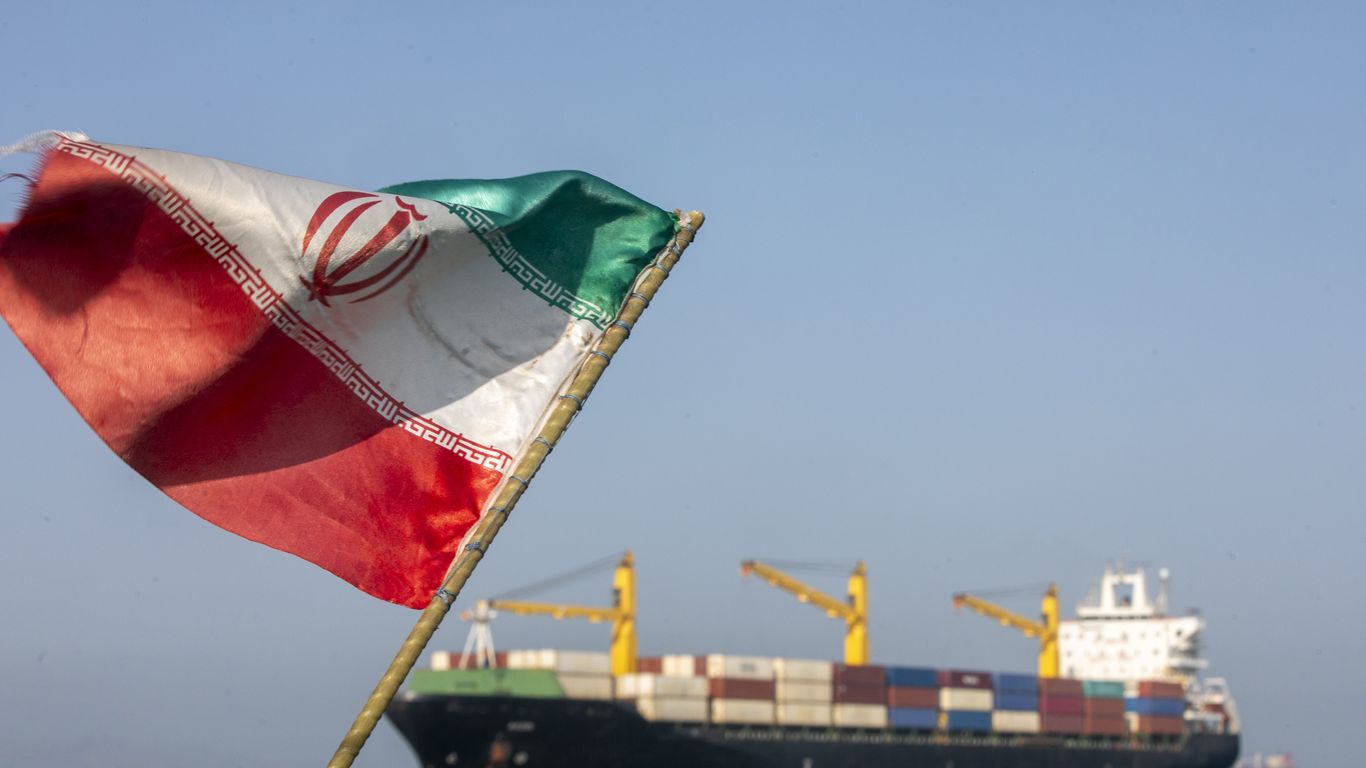
The United States and Iran have reached a peace agreement to immediately and permanently stop all military actions, including in Lebanon. The deal will be officially signed in Switzerland on June 19, ending more than three months of conflict in the Middle East.
Key Facts
The U.S. and Iran agreed to end military operations on all fronts, including Lebanon.
Pakistani Prime Minister Shehbaz Sharif announced the peace deal on social media.
The official signing will take place on June 19 in Switzerland.
President Donald Trump confirmed the agreement on his 80th birthday.
The deal follows weeks of fighting and threats between the U.S. and Iran.
Iran had threatened retaliation after Israeli strikes in Lebanon days before the deal.
The peace agreement aims to stop the conflict that lasted over three months.
Read the Original
Want the full story? Tap a source to open the original
article.
A study of supermarket purchases in England shows most women buy paracetamol for period cramps, but experts say ibuprofen may work better to reduce muscle cramps. Ibuprofen lowers chemicals that cause cramps, while paracetamol mainly helps block pain signals in the brain.
Key Facts
Researchers analyzed 211 million transactions from 3.4 million shoppers between 2006 and 2015.
Paracetamol was the most common painkiller bought with tampons and sanitary towels.
Ibuprofen can be more effective for period cramps because it reduces prostaglandins, chemicals that cause muscle contractions in the womb.
Paracetamol is better at relieving headaches and fever, working mainly in the brain.
Half of menstrual product purchases also included pain relief medication.
Experts say starting ibuprofen before cramps begin may improve its effectiveness.
Severe period pain could indicate health issues like endometriosis or fibroids and should be discussed with a doctor.
Ibuprofen is not safe for everyone; reading the label and medical advice is important before use.
Read the Original
Want the full story? Tap a source to open the original
article.
A woman in Ohio helped a group of geese safely cross a busy street by guiding them like a "Mother Goose." This act ensured the birds avoided traffic and reached the other side safely.
Key Facts
The event took place in Ohio.
A woman acted as a helper for a group of geese.
She guided the geese across a busy intersection.
The woman’s role was compared to "Mother Goose," a character known for caring for geese.
The woman’s actions prevented the geese from being in danger from traffic.
The main goal was the safety of the birds while crossing the street.
This was a local, peaceful event involving wildlife and a community member.
Read the Original
Want the full story? Tap a source to open the original
article.
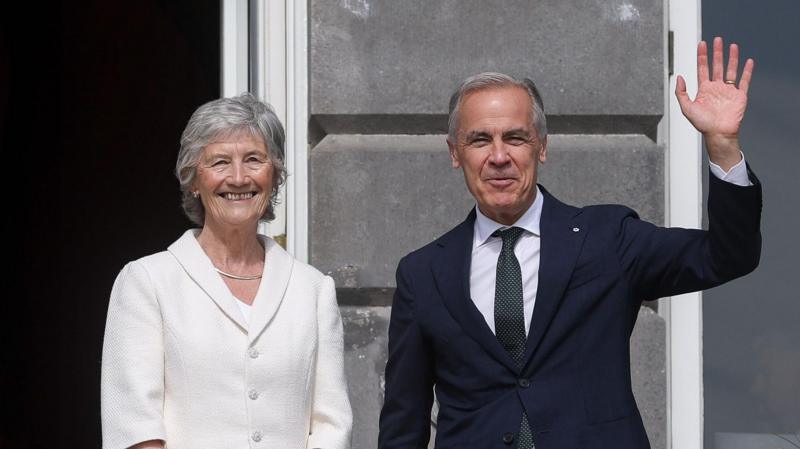
Canadian Prime Minister Mark Carney visited his ancestral village of Aughagower in County Mayo, Ireland, during a trip to the Republic of Ireland. He met Irish President Catherine Connolly, his relatives, attended local events, and spoke about his Irish heritage and global issues like a possible ceasefire between the US and Iran.
Key Facts
Mark Carney is the Canadian Prime Minister with Irish roots.
His grandparents, Robert and Nora Moran, emigrated from Aughagower, Ireland, to Canada in 1925.
Carney met over 20 of his Irish cousins, including close relatives Pat Carney and Maureen O'Malley.
He attended Mass, visited a cemetery where his relatives are buried, and planted an Irish oak tree.
Irish President Catherine Connolly met Carney during his visit.
Carney spoke about progress toward a ceasefire between the US and Iran ahead of the G7 Summit.
The visit was the first by a Canadian prime minister to Ireland since 2017.
The Carney and Moran families were tenant farmers enduring hardship after the Irish famine before emigrating.
Read the Original
Want the full story? Tap a source to open the original
article.
People in the UK with hypermobility conditions, like hypermobile Ehlers-Danlos syndrome (hEDS), often wait nearly 20 years or more to get a diagnosis. These conditions cause joint problems, pain, and other symptoms, but many doctors have low awareness of them, leading to delays in care and negative effects on patients’ lives.
Key Facts
Hypermobility conditions affect connective tissues and cause symptoms like joint pain, dislocations, fatigue, digestive and mental health issues.
The study involved over 2,000 people across the UK and was led by the University of Edinburgh.
On average, people waited between 19 and 22 years for a diagnosis, with Wales having the longest wait (about 21.7 years).
Many patients had to travel outside their home region, especially in Wales, Northern Ireland, and Scotland, to get diagnosed.
Most respondents (84%) reported chronic pain, 74% had partial joint dislocations, and many also had anxiety (71%) and depression (63%).
Nearly half of the people surveyed were unemployed, and over 48% received disability-related benefits.
The study calls for better healthcare pathways and more training for doctors to understand these complex, multisystem conditions.
The UK and Welsh governments acknowledge the problem and are working on improving care and support for sufferers.
Read the Original
Want the full story? Tap a source to open the original
article.
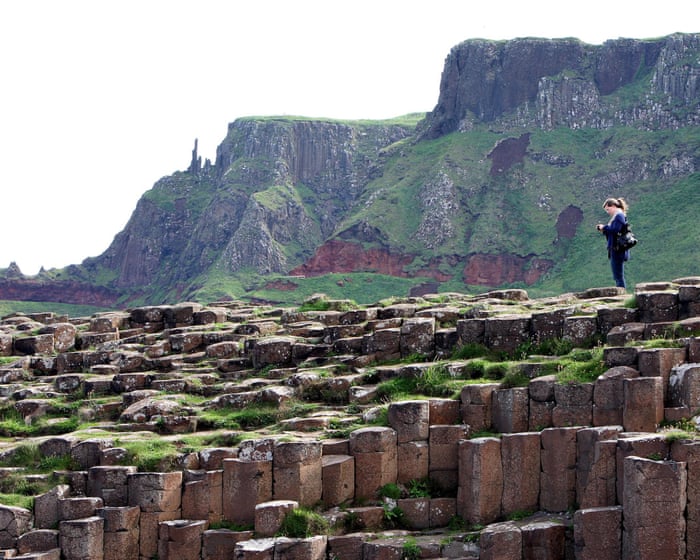
Scientists have found that the Giant’s Causeway in Northern Ireland was formed about 60 million years ago by intense volcanic activity during a major global event, not from a legendary battle between giants. They also discovered the volcanic activity happened over a shorter time than previously thought and was linked to similar rock formations in Scotland and other parts of the North Atlantic.
Key Facts
The Giant’s Causeway is made of around 40,000 interlocking basalt columns formed when lava cooled and cracked.
Scientists dated its formation to about 60 million years ago, over 5.5 million years, not 13.5 million as earlier believed.
Volcanic activity that created the Causeway is connected to similar formations on Staffa, Rùm, Skye, and Greenland.
This volcanic event was major and had effects recorded across the North Atlantic region.
The study links lava flows in Northern Ireland directly to those in the Inner Hebrides of Scotland.
The Giant’s Causeway is a UNESCO World Heritage site and considered one of the UK’s great natural wonders.
Irish folklore attributes the Causeway’s creation to the giant Finn McCool, but science shows volcanic processes formed it.
The basalt columns are mostly hexagonal due to cooling and contraction of lava, with some having different shapes.
Read the Original
Want the full story? Tap a source to open the original
article.
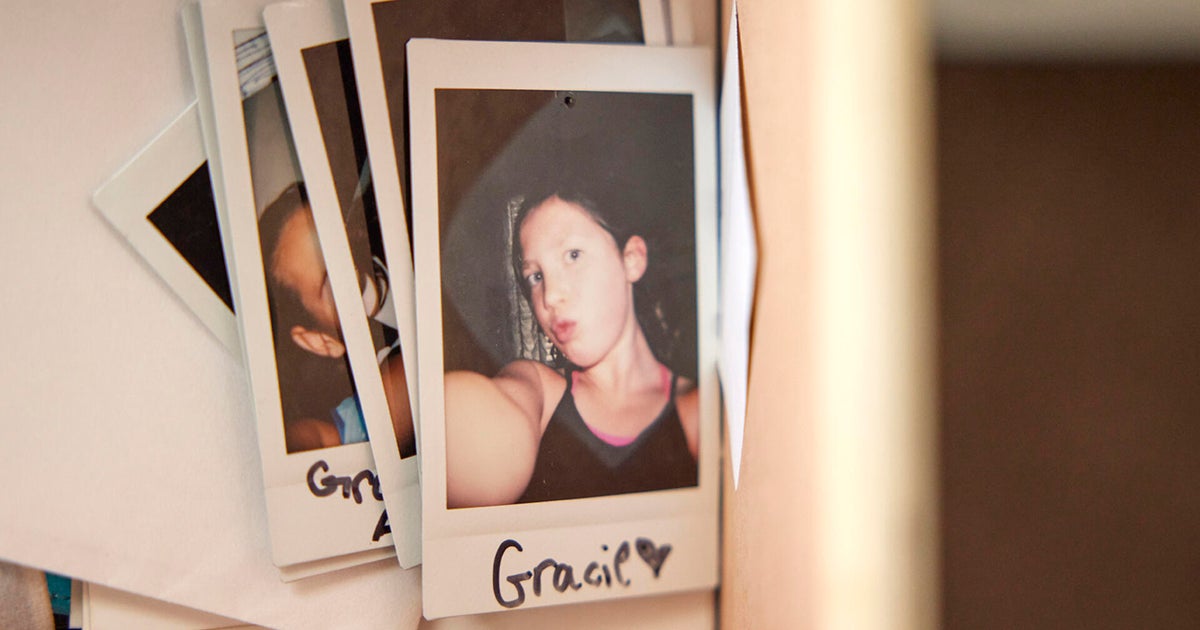
A CBS News project photographed the empty bedrooms of children killed in school shootings to show what was left behind and humanize the victims. The project, featured in the documentary "All the Empty Rooms," aims to remind people of the lives lost and the common desire to prevent future school shootings.
Key Facts
Cindy and Bryan Muehlberger lost their daughter Gracie in the 2019 Saugus High School shooting.
Gracie’s room, left as it was, shows personal items that reveal her personality and interests.
CBS correspondent Steve Hartman started the photo project by asking parents of victims to allow photos of their children’s rooms.
The project shows eight bedrooms of children killed in different shootings across the U.S.
Photographer Lou Bopp took the photos that capture the everyday life that ended suddenly for these children.
The project inspired the Netflix documentary "All the Empty Rooms," directed by Josh Seftel.
The idea is to bring a human face to the issue of school shootings beyond politics.
Gracie was remembered as lively, creative, and free-spirited, with a hobby of performing on a stage her father built for her.
Read the Original
Want the full story? Tap a source to open the original
article.
President Donald Trump announced that the United States and Iran have agreed to a ceasefire. Pakistan, Qatar, and Iran confirmed that the Strait of Hormuz will be reopened and a peace deal will be signed soon.
Key Facts
President Donald Trump announced a ceasefire agreement with Iran.
Pakistan, Qatar, and Iran confirmed the ceasefire deal.
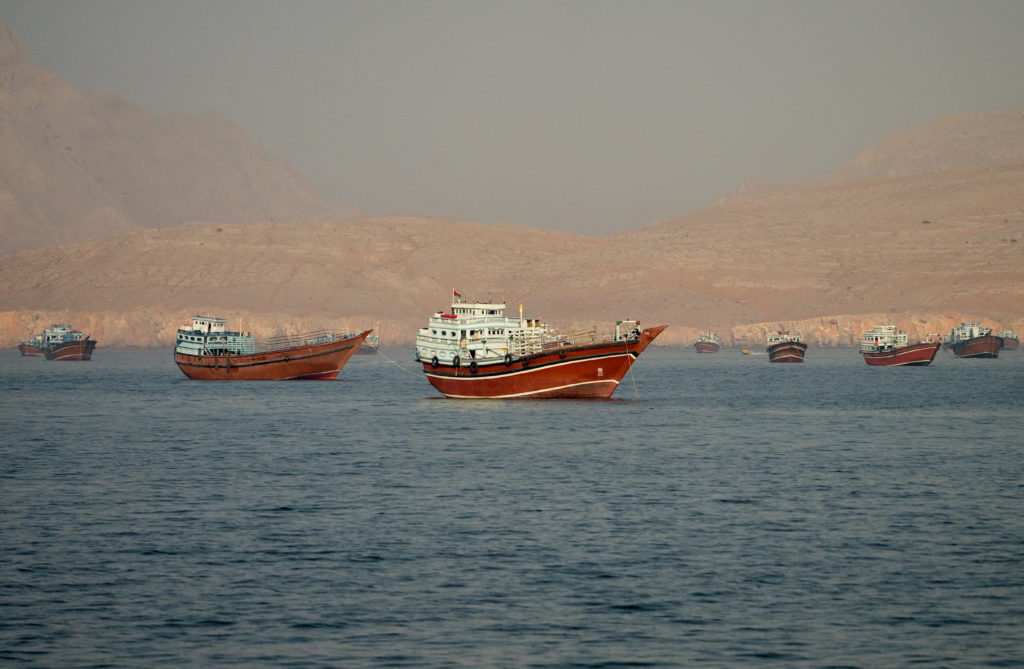
The Strait of Hormuz, a key waterway, will be reopened.
The ceasefire ends the ongoing war between the countries involved.
The formal peace agreement will be signed in the coming days.
Read the Original
Want the full story? Tap a source to open the original
article.
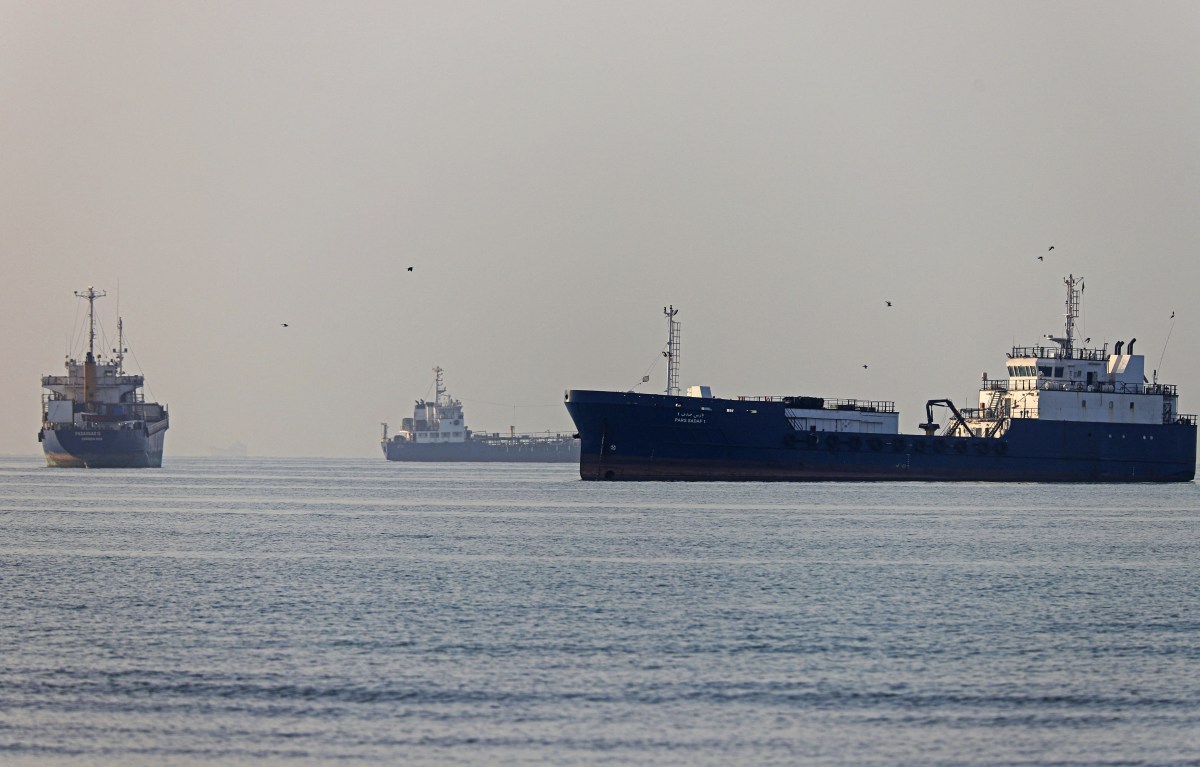
President Donald Trump announced a ceasefire agreement with Iran that ends military actions between the two countries. The deal includes reopening the Strait of Hormuz for toll-free shipping, ending a naval blockade, and was confirmed by Iran and supported by several countries involved in mediation.
Key Facts
President Trump said the ceasefire deal with Iran is complete and authorized free shipping through the Strait of Hormuz.
The Strait of Hormuz had been mostly closed since December 28 after attacks by the US and Israel on Iran.
Iran’s deputy foreign minister confirmed the agreement to end fighting between the US and Iran.
Pakistani Prime Minister Shebaz Sharif announced the peace deal includes stopping combat on all fronts, including Lebanon.
An official signing ceremony for the deal will take place in Switzerland on June 19.
Qatar, Saudi Arabia, and Turkey were key mediators helping reach the agreement.
Qatar’s Ministry of Foreign Affairs said the agreement promotes peace and economic growth in the region.
The deal calls for meetings this week to prepare for technical talks and finalize the agreement.
Read the Original
Want the full story? Tap a source to open the original
article.
The United States and Iran have made a deal to end their war and reopen the Strait of Hormuz. President Donald Trump approved stopping the U.S. naval blockade of Iranian ports, which should help the global economy.
Key Facts
The U.S. and Iran agreed to end their war after more than three months of fighting.
The deal will reopen the Strait of Hormuz, an important waterway for international shipping.
The agreement is set to be signed on Friday in Switzerland.
President Donald Trump confirmed the deal and ordered an end to the U.S. naval blockade on Iranian ports.
The exact details of the agreement have not been made public yet.
Ending the blockade and war is expected to ease global economic tensions.
Read the Original
Want the full story? Tap a source to open the original
article.
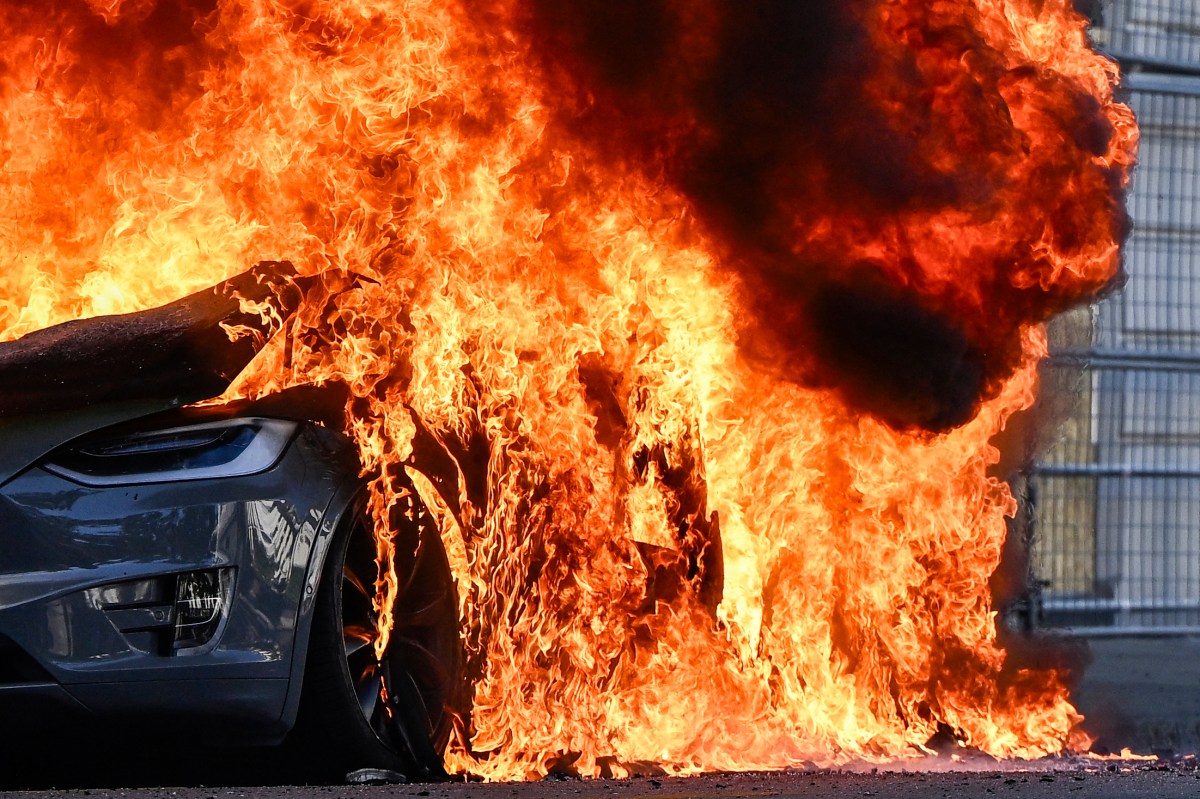
Thousands of protesters gathered in Geneva before the G7 summit, starting with a peaceful march that later turned violent. Some protesters set a Tesla car on fire and clashed with police, causing damage to buildings and prompting a heavy security response.
Key Facts
About 20,000 people participated in the protest in Geneva before the G7 summit.
The protest began peacefully but smaller groups later caused violence and vandalism.
A Tesla car was set on fire during the unrest, needing firefighters to put out the flames.
Protesters threw stones and damaged windows at buildings linked to international organizations and banks.
The G7 summit will be held in Evian-les-Bains, France, from June 15 to 17.
Protesters expressed anger about economic inequality, globalization, and the power of wealthy elites.
Elon Musk recently became the world’s first trillionaire, which some protesters linked to their anger at global wealth concentration.
French authorities deployed over 13,000 police and other officers in the summit region to maintain security.
Read the Original
Want the full story? Tap a source to open the original
article.
President Trump announced that his administration has made a deal with the Iranian government. This agreement may end over three months of conflict in the Middle East.
Key Facts
President Trump confirmed the deal on his social media platform, Truth Social.
The conflict in the Middle East has lasted about three and a half months.
The deal involves the Islamic Republic of Iran.
The announcement suggests this agreement could stop the ongoing conflict.
The deal was presented as fully authorized by President Trump.
Read the Original
Want the full story? Tap a source to open the original
article.
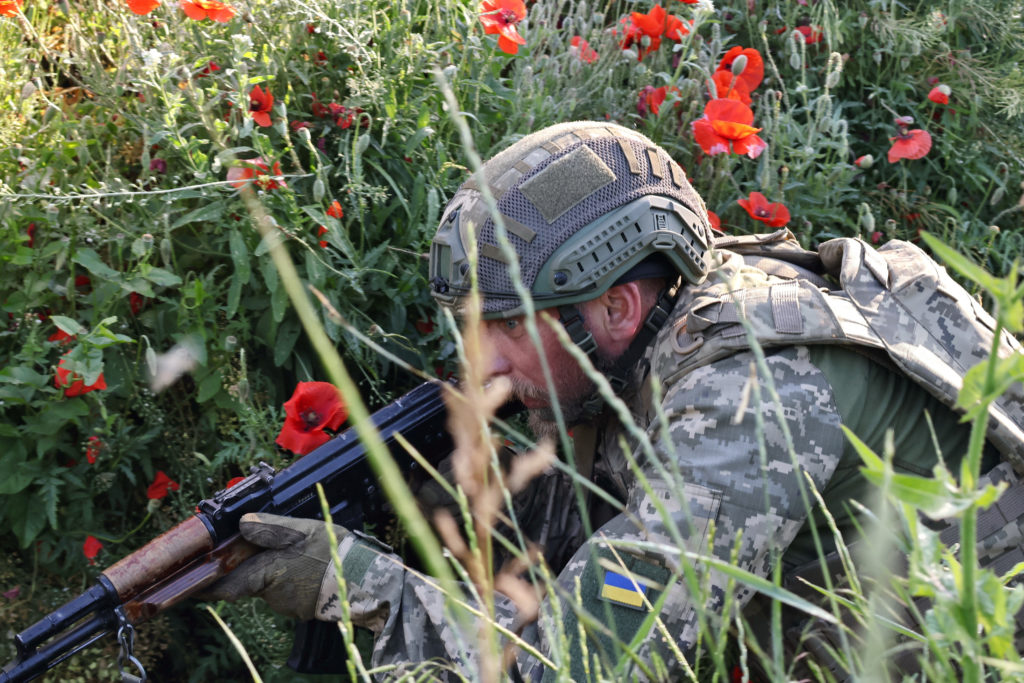
Russian President Vladimir Putin and Ukrainian President Volodymyr Zelenskyy both spoke by phone with U.S. President Donald Trump as tensions continue in the Ukraine conflict. The talks focused on ending the war, recent attacks in Russia, and upcoming discussions at the G7 summit, while fighting and drone strikes in Russia persist.
Key Facts
Putin and Zelenskyy each had a phone conversation with President Trump on the same day.
Putin’s call with Trump lasted nearly an hour and involved talks about the Ukraine war and Iran negotiations.
Trump said ending the Ukraine war quickly could improve U.S.-Russia relations.
Zelenskyy thanked Trump for supporting Ukraine and spoke about Ukraine’s strengthened position in the conflict.
Ukrainian drone strikes have caused deaths and damage in multiple Russian regions recently.
The U.K. detained a Russian-linked oil tanker suspected of breaking sanctions related to the war.
Trump celebrated his 80th birthday with a UFC fight at the White House before traveling to the G7 summit in France.
Ukraine is expected to be a major topic at the upcoming G7 meeting, with Zelenskyy attending.
Read the Original
Want the full story? Tap a source to open the original
article.
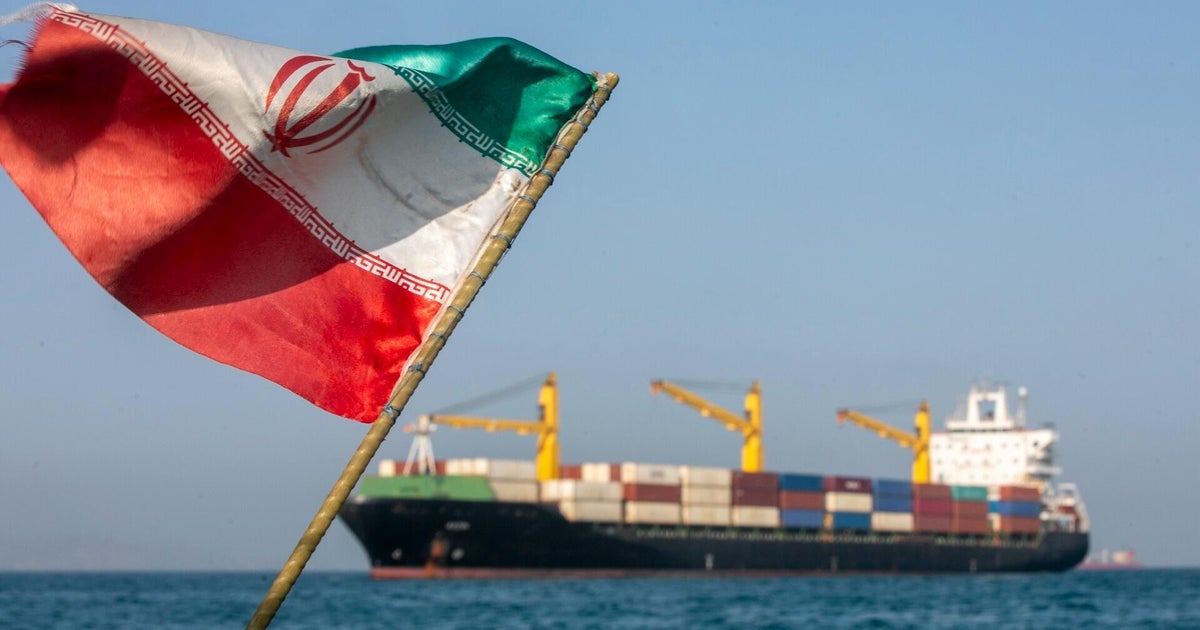
The United States and Iran have reached an agreement to end their conflict and reopen the Strait of Hormuz, a key waterway for global oil shipments. President Donald Trump confirmed the deal and authorized the U.S. to end its naval blockade of Iranian ports in the strait.
Key Facts
Pakistan announced the agreement between the U.S. and Iran to end the war and reopen the Strait of Hormuz.
The formal signing of the deal will take place on Friday in Switzerland.
The U.S. agreed to ease its naval blockade of Iranian ports and relax sanctions to help Iran sell more oil.
The deal ends military operations on all fronts, including Lebanon, where fighting involved Hezbollah and Israel.
Thousands of people have died since the war began over three months ago.
Iran still maintains its missile program, regional armed groups, and enriched uranium for nuclear activities.
Israel opposed the deal and conducted attacks during the negotiation period.
Iran’s new supreme leader, the son of Ayatollah Ali Khamenei, approved the agreement.
Read the Original
Want the full story? Tap a source to open the original
article.
The United States and Iran have agreed to end all military operations immediately and permanently, according to President Donald Trump and Pakistani Prime Minister Shehbaz Sharif. They plan to hold a signing ceremony in Switzerland on June 19 to finalize the deal.
Key Facts
President Trump announced the U.S.-Iran deal on social media.
The agreement ends military actions on all fronts, including Lebanon.
The U.S. Navy blockade of the Strait of Hormuz will be removed.
The Strait of Hormuz is a vital waterway for global oil shipments.
Pakistan’s Prime Minister Sharif said there will be meetings this week to prepare for the official signing.
Iranian officials have not yet commented on the agreement.
It is unclear if Israel has agreed to stop military operations in Lebanon.
The signing ceremony is scheduled for June 19 in Switzerland.
Read the Original
Want the full story? Tap a source to open the original
article.
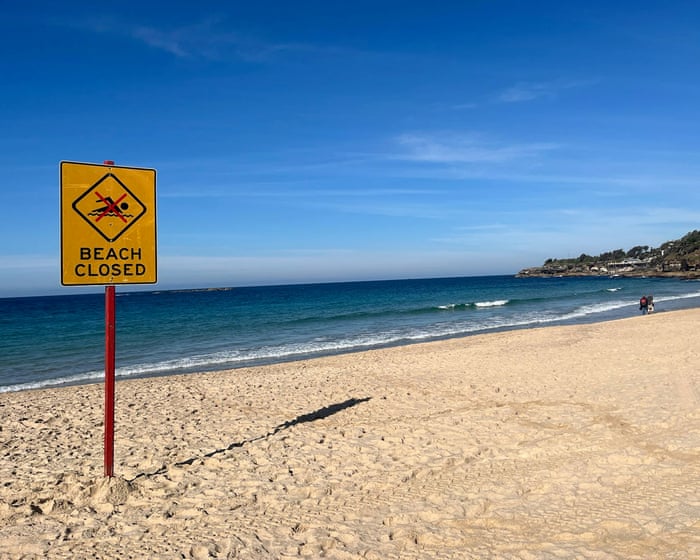
Experts say there is no clear proof that killing sharks will make beaches safer after a recent attack in Sydney. A survey shows many Australian university students feel they cannot freely share their opinions on campus. The government has given nearly $200 million in interest-free loans to support manufacturing businesses affected by international conflicts.
Key Facts
Experts found no scientific proof that a shark cull would reduce attacks or improve swimmer safety in Sydney.
At least 20% of students at Australian public universities feel they cannot express their views freely.
This feeling of limited free speech among students has increased over recent years.
The survey recommends universities be responsible for how free speech is handled on campuses.
Australia’s federal government provided about $200 million in no-interest loans to support manufacturers.
More than 200 Australian businesses joined this loan program to cope with supply chain problems from the Middle East conflicts.
One Nation party raised millions recently, aiming to run ads against the Labor party before the next election.
Government officials say the rise of One Nation reflects public frustration with economic and political challenges.
Read the Original
Want the full story? Tap a source to open the original
article.
The United States and Iran have agreed to end a war that started in February with joint U.S. and Israeli strikes against Iran. President Donald Trump announced the deal and ordered the removal of the U.S. naval blockade from the Strait of Hormuz, allowing oil shipments to resume.
Key Facts
The war began on February 28 with strikes by the U.S. and Israel against Iran.
President Trump announced the peace deal and authorized ending the naval blockade on the Strait of Hormuz.
The Strait of Hormuz is an important waterway for global oil shipments.
Iran has not yet officially confirmed the deal.
Pakistan’s Prime Minister Shehbaz Sharif helped mediate the negotiations.
Both countries agreed to stop military actions on all fronts permanently, including in Lebanon.
The signing ceremony is planned for June 19 in Switzerland.
The peace deal came despite recent Israeli strikes on Beirut suburbs in response to attacks from the Iran-backed group Hezbollah.
Read the Original
Want the full story? Tap a source to open the original
article.
The UK Prime Minister is preparing to announce new rules to restrict children under 16 from using certain social media platforms. These changes aim to protect kids from online harm by banning under-16s from using popular sites like TikTok and Instagram, and adding new limits like curfews and restrictions on AI chatbots.
Key Facts
The Prime Minister wants to change social media rules to better protect children under 16.
A government consultation found that about 90% of people support banning social media use for children under 16.
Proposed bans cover platforms including TikTok, Instagram, Snapchat, YouTube, Reddit, Twitch, X, Threads, Facebook, and Kick.
Additional measures may include curfews for older teens and limits on AI chatbot use.
Australia has already banned kids under 16 from these platforms, and the UK plans to adopt and expand on this approach.
Some campaigners worry that a full ban might push children to unsafe places online or harm their social connections.
The Prime Minister said the government will act to protect children and support families.
The culture secretary said tech companies had enough time to fix issues and that protecting children is about how to do it, not if it’s necessary.
Read the Original
Want the full story? Tap a source to open the original
article.
The U.S. and Iran have reportedly reached a deal to stop fighting, with a signing ceremony planned in Switzerland on Friday. This agreement aims to extend a ceasefire for 60 days, reopen the Strait of Hormuz for shipping, and start talks about Iran's nuclear program.
Key Facts
Pakistani Prime Minister Shehbaz Sharif announced the deal and said it is now in place.
President Donald Trump confirmed the deal and said the U.S. is lifting its naval blockade of the Strait of Hormuz.
Iran has not yet officially confirmed the deal.
The ceasefire covers fighting on all fronts, including clashes between Israel and Hezbollah in Lebanon.
The deal will allow shipping through the Strait of Hormuz, which handles about 20% of the world's oil and gas shipments.
Technical talks will start soon to discuss Iran’s nuclear program, including reducing uranium enrichment and monitoring compliance.
The U.S. will consider easing sanctions and releasing frozen Iranian funds if Iran meets its commitments.
Some violence and tension remain, with Israel striking Hezbollah targets before the deal was announced.
Read the Original
Want the full story? Tap a source to open the original
article.
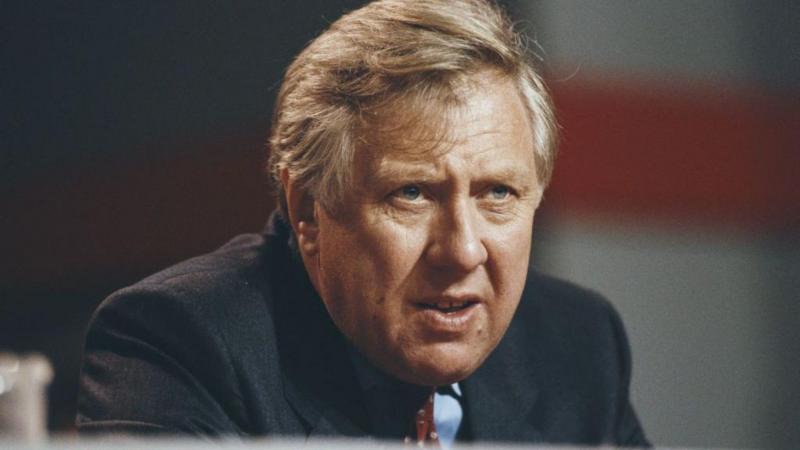
Roy Hattersley, who was deputy leader of the UK Labour Party for nine years and served as a cabinet minister in the 1970s, has died at age 93. He was known for his long career in British politics and was made a life peer in 1997.
Key Facts
Roy Hattersley was born in Sheffield and became a Member of Parliament (MP) in 1964.
He represented Birmingham Sparkbrook as an MP for over 30 years.
He served as a cabinet minister under Prime Minister James Callaghan during the 1970s.
Hattersley was deputy leader of the Labour Party from 1983 to 1992 while the party was in opposition.
After leaving the House of Commons in 1997, he was made a life peer with the title Baron Hattersley of Sparkbrook.
Current Labour leader Keir Starmer praised Hattersley as a key figure in the Labour movement.
Other Labour figures, including deputy leader Lucy Powell and strategist Alistair Campbell, also honored his contributions to British politics.
Read the Original
Want the full story? Tap a source to open the original
article.