Neutral summaries of your favorite news sources — just the facts.
Your favorite news sources, one neutral feed — we distill their reporting into fact-first
summaries and always link to the original story. How it works
World News
Comprehensive coverage of international news and global events
Human remains found in a sleeping bag in Olympic National Park, Washington, in 2000 have been identified 26 years later as Joseph Louis Serrao Jr., who went missing in 1998. Forensic genealogy using DNA helped investigators finally match the remains to Serrao and notify his family.
Key Facts
Human skeletal remains were found in July 2000 near the Sol Duc River in Olympic National Park.
The remains were inside a sleeping bag within a tent, along with belongings like binoculars and winter gear.
The remains were estimated to be of a man aged 30-50 who died at least six months to two years before discovery.
Joseph Louis Serrao Jr., born in December 1960 and from Hawaii, disappeared in 1998.
Lack of fingerprints and evidence initially blocked identification efforts.
In 2024, DNA from the remains was submitted for forensic genealogy by a medical examiner’s office anthropologist.
Forensic genealogy identified possible living relatives by 2025, allowing investigators to confirm the identity.
The case involved collaboration between National Park Service investigators, King County authorities, and Othram forensic laboratory.
Read the Original
Want the full story? Tap a source to open the original
article.
Russian military trucks in Ukraine are being painted with black-and-white striped "dazzle" camouflage. This pattern aims to confuse the artificial intelligence (AI) systems used by Ukrainian drones to spot and target these vehicles.
Key Facts
Russian forces have applied dazzle camouflage, which uses bold black-and-white stripes, to their trucks.
The purpose is to confuse AI-based recognition systems on Ukrainian drones.
AI systems typically identify vehicles by their shape and visual features, which this pattern disrupts.
This tactic is intended to make it harder for drones to track and target Russian logistics vehicles.
The camouflage technique, called dazzle camouflage, was first used in World War I to protect ships from submarine attacks.
Ukrainian forces use US-made Hornet drones that rely on AI to target Russian convoys.
Experts say dazzle camouflage is a low-cost way to interfere with drone targeting but its effectiveness in Ukraine is still uncertain.
The tactic represents ongoing changes in military approaches as both sides adapt to new technologies in the conflict.
Read the Original
Want the full story? Tap a source to open the original
article.
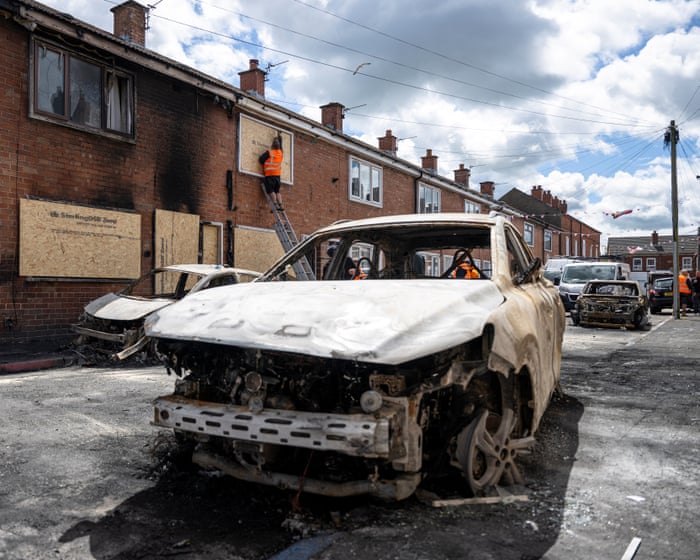
Police in Northern Ireland have used plastic bullets and received reinforcements from Great Britain to control violent clashes linked to racial attacks. The unrest has led to injuries, arrests, and widespread concern about safety for minority ethnic communities.
Key Facts
Police fired 17 plastic bullets since violence began on Tuesday.
Additional 200 officers from Great Britain were sent to support Northern Ireland police.
Twelve police officers have been injured, and 16 people arrested during the riots.
The violence involved attacks on minority ethnic people, including throwing rocks and petrol bombs.
Two suspects have been charged and were due to appear in court for offenses related to the disturbances.
Police watchdog is investigating all 17 uses of plastic bullets.
There are reports of intimidation and threats against immigrants and ethnic minorities, including circulating lists of foreign residents.
The violence followed a knife attack in north Belfast, raising fears and political debate around asylum and immigration policies.
Read the Original
Want the full story? Tap a source to open the original
article.
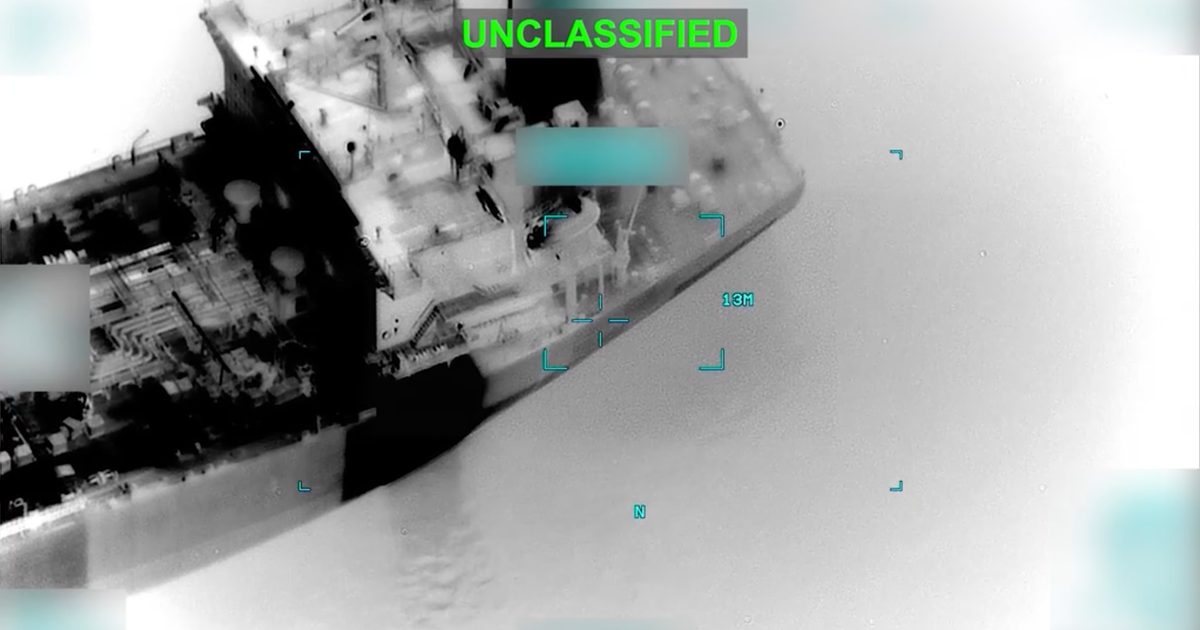
Three Indian sailors died after a U.S. military strike hit an oil tanker in the Gulf of Oman. The U.S. said the tanker was trying to break a naval blockade on Iran, while India condemned the attack and demanded answers.
Key Facts
Three Indian crew members on the oil tanker M/T Settebello were killed in a U.S. strike.
The tanker was flagged in Palau and was targeted for allegedly violating a naval blockade on Iran.
The U.S. Central Command said the crew ignored repeated warnings before the strike.
India identified the three sailors as Aditya Sharma, Shivanand Chaurasiya, and Patnala Suresh.
India’s government protested strongly to the U.S. and called for the attacks on commercial ships to stop.
The U.S. disabled two other oil tankers this week for similar reasons related to the blockade.
The naval blockade of Iran started on April 13, 2026, aiming to stop shipments of Iranian oil.
President Donald Trump stated the blockade was highly effective in pressuring Iran economically.
Read the Original
Want the full story? Tap a source to open the original
article.
President Donald Trump said the United States secretly moved millions of barrels of oil through the Strait of Hormuz despite Iranian restrictions. However, U.S. Energy Secretary Chris Wright said he was not aware of such large oil movements, and experts say the number of tankers passing the strait during the conflict is much lower than claimed.
Key Facts
The Strait of Hormuz is a narrow, important waterway carrying about 20% of the world’s energy supply.
Iran closed the strait to most ships in March after conflicts with the U.S. and Israel.
The U.S. and Iran both restrict ship passage through the strait, with a U.S. naval blockade starting mid-April.
President Trump claimed the U.S. moved 100 million barrels of oil secretly through the strait during the conflict.
Trump said this was part of a secret mission to support commercial ships escorted by the U.S. military.
U.S. Energy Secretary Chris Wright said he was unaware of such large oil shipments, but confirmed some military help for ships was provided.
Before the conflict, about 140 ships, carrying around 20 million barrels per day, passed through the Strait daily.
Experts note that 100 million barrels equal about five days of normal traffic, which would need roughly 700 ships, more than current reported numbers.
Read the Original
Want the full story? Tap a source to open the original
article.
The article explores life in French villages beyond their traditional, picturesque image. It highlights challenges such as population decline and everyday difficulties while also noting some villages attract visitors because of their unique names.
Key Facts
French villages are often seen as charming with stone churches, small squares, and cafés.
Many rural areas in France face a drop in the number of people living there.
Life in these villages can be difficult for residents.
Some villages attract tourists due to their beauty.
Other villages are known for their unusual or funny names.
The article is part of a series called "French Connections" that looks at different aspects of France.
The coverage aims to show what life is really like beyond the usual postcard scenes.
Read the Original
Want the full story? Tap a source to open the original
article.
A fan from Malaysia bought three tickets for the 2026 FIFA World Cup but decided not to attend after seeing how expensive travel, accommodation, and visa costs would be. He returned the tickets through FIFA’s official resale platform. This situation reflects wider concerns about ticket prices, visa rules, and travel issues for the tournament held across the U.S., Canada, and Mexico.
Key Facts
Izzroy Isahak from Kuala Lumpur spent about $1,400 on three Category 2 tickets for the 2026 World Cup.
After checking travel and other costs, he found the total expense too high and returned the tickets via FIFA’s resale platform.
The 2026 World Cup will be hosted by the U.S., Canada, and Mexico, unlike previous single-country tournaments.
Many tickets and travel costs for 2026 are higher than in past tournaments, like the 2022 World Cup in Qatar.
Ticket holders must follow standard visa application processes, unlike past World Cups where some visa-free entry or easier access was available.
Reports include visa denials and entry refusals for some fans and officials trying to attend the tournament.
Some fans have experienced ticketing problems, such as seat changes after purchase.
High costs and complicated travel have raised worries that some World Cup matches might have empty seats.
Read the Original
Want the full story? Tap a source to open the original
article.
Arwa Elrayess, the first Palestinian president of the University of Oxford’s debating society, faced a no-confidence motion accusing her of creating hostility. She denied supporting Hamas, saying her earlier comments were misquoted and meant as analysis, not approval. The vote to remove her failed.
Key Facts
Arwa Elrayess is the first Palestinian president of Oxford Union.
A 20-year-old student accused her of creating a hostile atmosphere.
The accusations stemmed from her messages discussing the Hamas attack on Israel.
Elrayess said her message was taken out of context and she did not support Hamas.
She condemned violence against innocent civilians by all sides.
The no-confidence motion needed 150 votes but got only 126 and failed.
She faced earlier false claims before becoming president.
The controversy included debates over freedom of speech and political views at the university.
Read the Original
Want the full story? Tap a source to open the original
article.
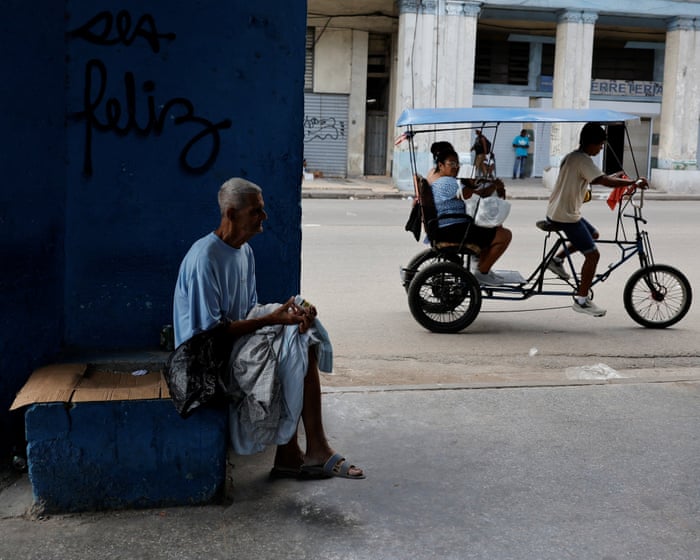
Cuba is facing a US oil blockade lasting nearly five months, raising fears of a possible US attack. Some hope the World Cup, held partly in Miami close to Cuba, will delay or prevent military action, but Cuba’s leaders have warned they will strongly respond to any attack.
Key Facts
The US has imposed an oil blockade on Cuba for almost five months.
The World Cup is partly hosted in Miami, just over 200 miles from Cuba’s north coast.
About 20,000 fans from Scotland are expected to travel to Miami for World Cup games.
US intelligence reports say Cuba has acquired around 300 military drones from Russia and Iran.
Iranian drones can fly up to 1,500 miles, potentially reaching parts of the US.
US Defense Secretary Pete Hegseth warned Cuba against getting weapons that could hit US bases or the US mainland.
Cuban President Miguel Díaz-Canel warned that a US attack on Cuba would cause heavy bloodshed.
US military actions around Cuba have increased, including surveillance flights and a naval carrier near its coast.
Read the Original
Want the full story? Tap a source to open the original
article.
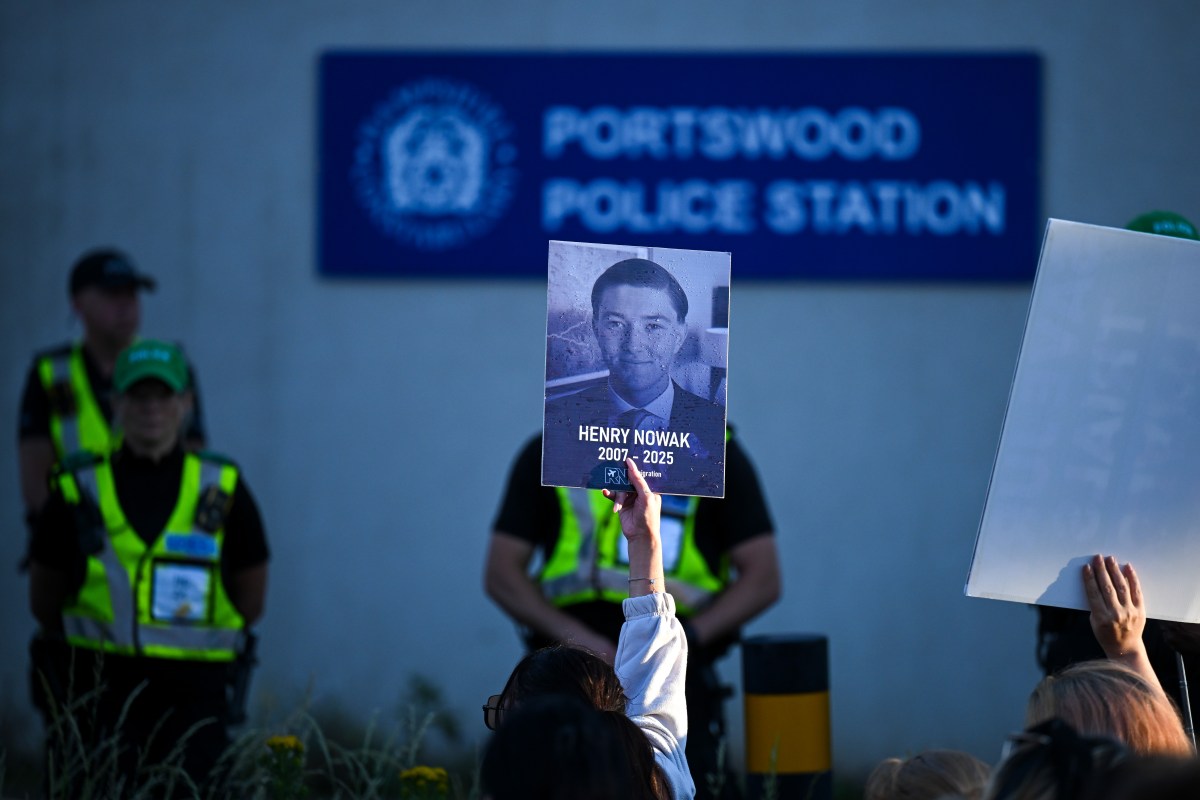
The article discusses concerns about modern British policing and its departure from long-standing principles that prioritize saving lives and impartial law enforcement. It highlights a recent case where police officers did not provide timely help to a stabbing victim, raising questions about whether political or ideological pressures are influencing police duties.
Key Facts
British policing was historically based on clear principles established by Sir Robert Peel, focusing on serving the public, enforcing the law fairly, and preserving life.
The death of 18-year-old Henry Nowak after a police encounter has sparked a debate on whether police are fulfilling their life-saving duties.
Body-camera footage showed officers doubting the victim’s injury and not providing immediate aid.
Over 220,000 people signed a petition calling for investigation and accountability regarding police actions in this case.
British police guidelines emphasize that saving lives should be the top priority in emergency decisions.
Some observers believe police decisions today may be influenced more by political concerns and fear of criticism than by their duty to protect.
The U.S. adopted many British policing principles, including impartial law enforcement and community-focused policing.
The article argues Britain should return to its original policing values to restore trust and effectiveness.
Read the Original
Want the full story? Tap a source to open the original
article.
The article discusses how Japan shows that a country can have strong democratic control while maintaining a professional military. It suggests that India, which has nuclear weapons, could learn from Japan's example of balancing democracy and defense.
Key Facts
Japan balances democracy with a disciplined and professional military.
Japan’s military approach is guided by civilian oversight and rules.
India has nuclear weapons and a different military strategy.
The article suggests India could benefit from adopting some aspects of Japan’s defense model.
Japan’s approach aims to prevent military actions from undermining democratic values.
Read the Original
Want the full story? Tap a source to open the original
article.
India confirmed that three Indian sailors died in a US military attack on a ship near Oman, marking the third such incident linked to the US this week. Another Indian-crewed tanker was disabled by a US airstrike after failing to comply with orders, though all crew members were safe and being evacuated.
Key Facts
Three Indian sailors died on the Palau-flagged tanker MT Settebello after a US military strike near Oman.
The MT Jalveer, flying the Guinea-Bissau flag and carrying 20 Indian crew, was also attacked and disabled by the US Navy near Shinas port in Oman.
The US used Hellfire missiles to hit the Jalveer after the ship repeatedly ignored US orders.
All 20 crew members on the Jalveer were safe and were being rescued by helicopter.
India summoned a senior US diplomat to protest the attacks on ships with Indian sailors.
The incidents occurred amid ongoing tensions and a fragile ceasefire involving the US, Israel, and Iran.
Indian officials are working to repatriate the bodies of the deceased sailors and ensure the safety of the rescued crew.
The attacks increased pressure on diplomatic talks expected between Indian Prime Minister Narendra Modi and President Donald Trump at the upcoming Group of Seven summit.
Read the Original
Want the full story? Tap a source to open the original
article.
In Northern Ireland, violent clashes erupted for a second night following a knife attack in Belfast. Protesters set homes and vehicles on fire, targeted health workers with racist abuse, and caused injuries to police officers before authorities made arrests to restore order.
Key Facts
Violent disorder occurred mainly on one street in the greater Belfast area after a knife attack left a man seriously injured.
A van was set on fire and pushed toward a resident’s home in Glengormley.
Police used water cannons to disperse crowds; 12 officers were injured, and 16 people were arrested.
Health workers, including a nurse at Ulster hospital, faced racist threats and intimidation.
Some hospital staff were told to leave their homes or face threats of arson.
Families from Sudan, Somalia, Syria, and Eritrea were targeted, having their addresses shared on social media, causing fear and forcing some to take refuge in a church.
The South Eastern Trust and Belfast Trust condemned the racist attacks on health workers.
Authorities and community leaders called for calm and action to prevent further violence.
Read the Original
Want the full story? Tap a source to open the original
article.
The United States and Iran continued military attacks against each other in the Middle East for a second day. The U.S. targeted Iranian surveillance, communication, and air defense systems, while both sides’ actions halted any peace talks.
Key Facts
The U.S. Central Command carried out strikes on Iranian military surveillance and communication systems.
U.S. Marine Corps, Air Force, and Navy forces conducted precise attacks on Iranian air defense sites.
The exchange of strikes between the U.S. and Iran has lasted for two days.
These hostilities have stopped ongoing negotiations between the two countries.
The conflict is happening in the Middle East region.
Read the Original
Want the full story? Tap a source to open the original
article.
A 19-year-old police officer named Jess Turnbull died after being hit by a car while responding to a crash in Northumberland. The driver, a 73-year-old man, was arrested on suspicion of dangerous driving causing death and is currently on bail.
Key Facts
Jess Turnbull joined Northumbria Police in September last year and worked in response policing.
She was hit by a black Mercedes CLC on the A189 Spine Road in Cramlington around 11:10 pm while outside a police vehicle at another crash scene.
The driver involved was arrested twice: first for causing serious injury and then for causing death by dangerous driving.
Turnbull was taken to the hospital in critical condition and died two days later, surrounded by loved ones.
The police union flag was flown at half mast to honor Turnbull at the force headquarters.
The police chief described her as dedicated and committed with a promising future.
Investigations are ongoing, and police are asking for witnesses or any dashcam footage.
Tributes are requested to be left at the police headquarters flagpole, not at the crash site.
Read the Original
Want the full story? Tap a source to open the original
article.
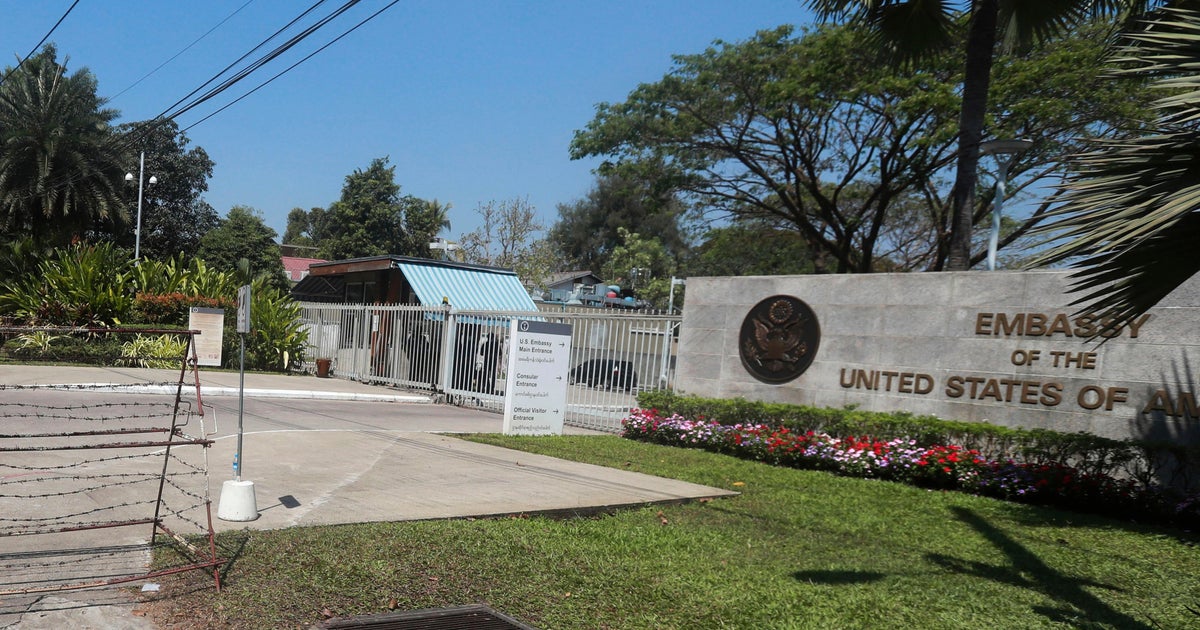
A Thai woman appeared in court in Myanmar accused of murdering an American diplomat in Yangon. The diplomat was found stabbed to death at a hotel near the U.S. Embassy, and the woman faces serious charges, including murder and immigration-related offenses.
Key Facts
The suspect is a Thai woman charged with murder and an immigration-related crime for foreigners committing crimes in Myanmar.
The murder took place at the Sakura Residence & Hotel in Yangon on May 11.
The American diplomat died from stab wounds to the head and neck.
The U.S. State Department confirmed the diplomat's death but gave no further details, including the diplomat’s name.
The court hearing took place in Kamayut Township Court, but it is unclear if the woman had legal representation or entered a plea.
If convicted, the woman could face 10 years in prison up to the death penalty under Myanmar law.
Myanmar is under a military-led government since 2021 after a coup, and officials are not commenting on the case.
Thailand is providing consular help to the woman but has not clarified if it provided legal support.
Read the Original
Want the full story? Tap a source to open the original
article.
John Healey resigned as the UK defence secretary because he disagreed with the government's military spending plans. He said the planned defence investment does not provide enough money to keep the country safe against growing threats.
Key Facts
John Healey was the UK defence secretary.
He resigned due to dissatisfaction with the defence spending plan.
The plan, called the defence investment plan (DIP), was expected soon but fell short of needed funding.
Healey said the Treasury refused to allocate enough money for defence.
He learned about the final spending plan only recently and found it insufficient.
Healey noted that threats like a potential Russian attack on NATO by 2030 require more investment.
He warned that the lack of funding would reduce military readiness and increase risks to personnel.
Healey informed Prime Minister Keir Starmer of his resignation after failing to secure more resources for defence.
Read the Original
Want the full story? Tap a source to open the original
article.
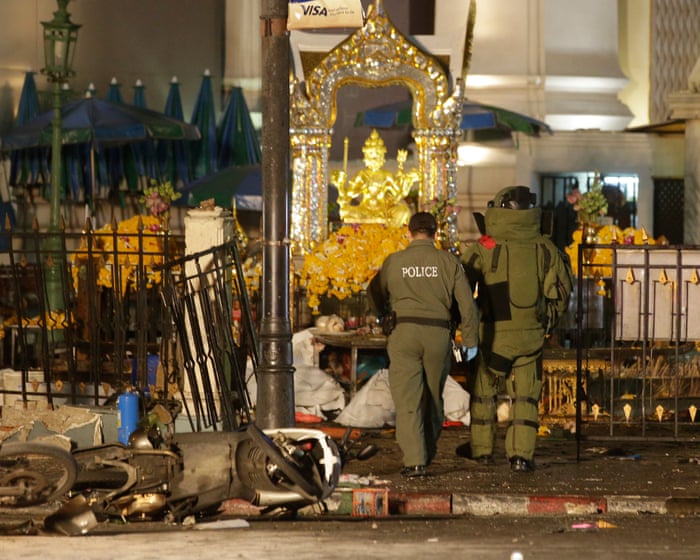
A Thai court sentenced two Uyghur men to death for a 2015 bombing at a popular Bangkok shrine that killed 20 people and injured 120. The men deny the charges and plan to appeal, while China supports the verdict.
Key Facts
Two Uyghur men, Adem Karadag and Yusufu Mieraili, were sentenced to death by a Thai court for a 2015 bombing in Bangkok.
The bombing at the Erawan Shrine killed 20 people, including 7 from China and Hong Kong, and injured 120 others.
The court ruled the men committed premeditated murder and multiple other offenses.
The suspects deny the charges and will appeal the verdict within a month, according to their lawyers.
The trial took over 10 years, with many witnesses and difficulties in finding interpreters.
No group claimed responsibility, but experts say the attack may have been retaliation for Thailand deporting Uyghurs to China.
China supports the verdict and condemned the bombing as a cruel crime.
Last year, Thailand again deported 40 Uyghurs to China despite warnings from UN human rights experts about their safety.
Read the Original
Want the full story? Tap a source to open the original
article.
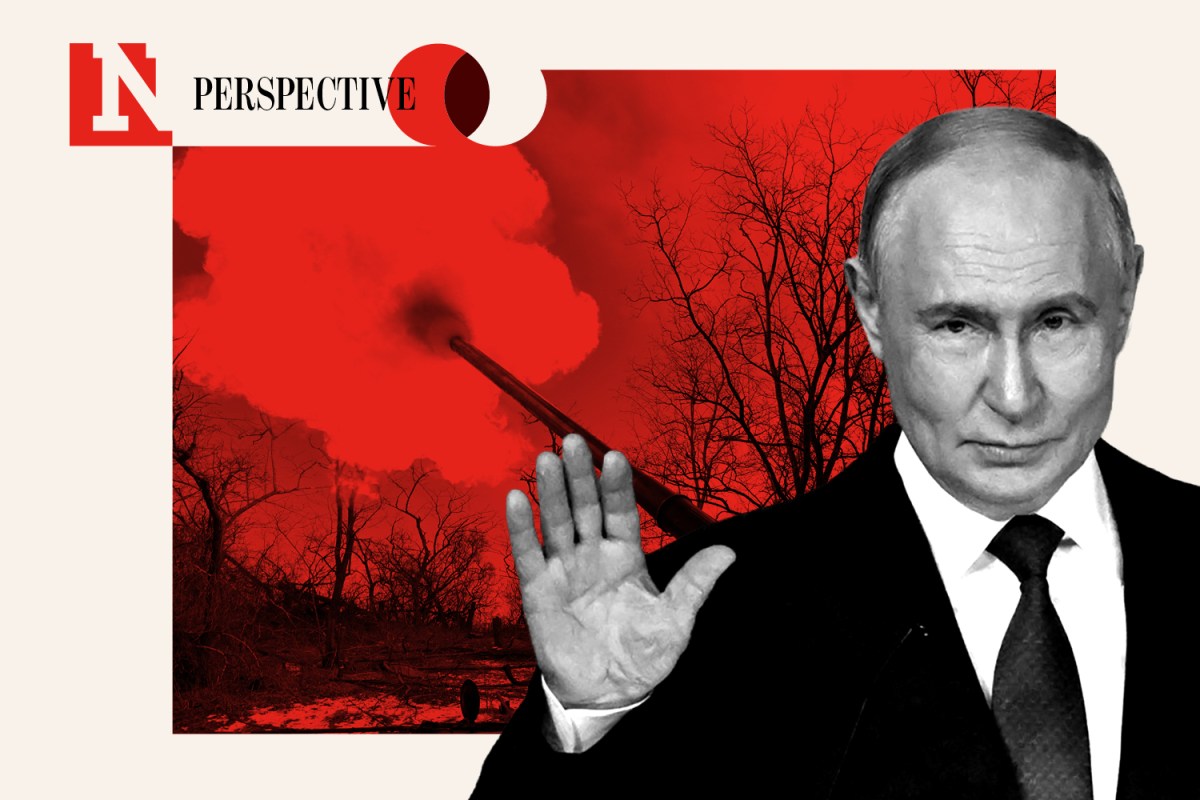
The war between Russia and Ukraine has lasted more than 1,569 days, longer than World War I. Despite Russia's larger size and resources, Ukraine has resisted strongly with help from Western countries. Several signs show that the war is not going as planned for Russia and President Vladimir Putin.
Key Facts
Russia expected to quickly take over Ukraine, but the war has dragged on much longer.
Ukraine has improved its defenses and weapons, including drones and missiles.
Russia is gaining less territory now compared to previous years, showing a slowdown in its advances.
Ukraine has recaptured more land than it has lost recently.
The fighting is spreading closer to Russia’s own borders, with Ukraine launching attacks deep inside Russia.
The long war is damaging Russia’s original goal of a fast victory.
Western support is helping Ukraine maintain its resistance.
The situation challenges Putin’s plan and weakens Russia’s position in the conflict.
Read the Original
Want the full story? Tap a source to open the original
article.
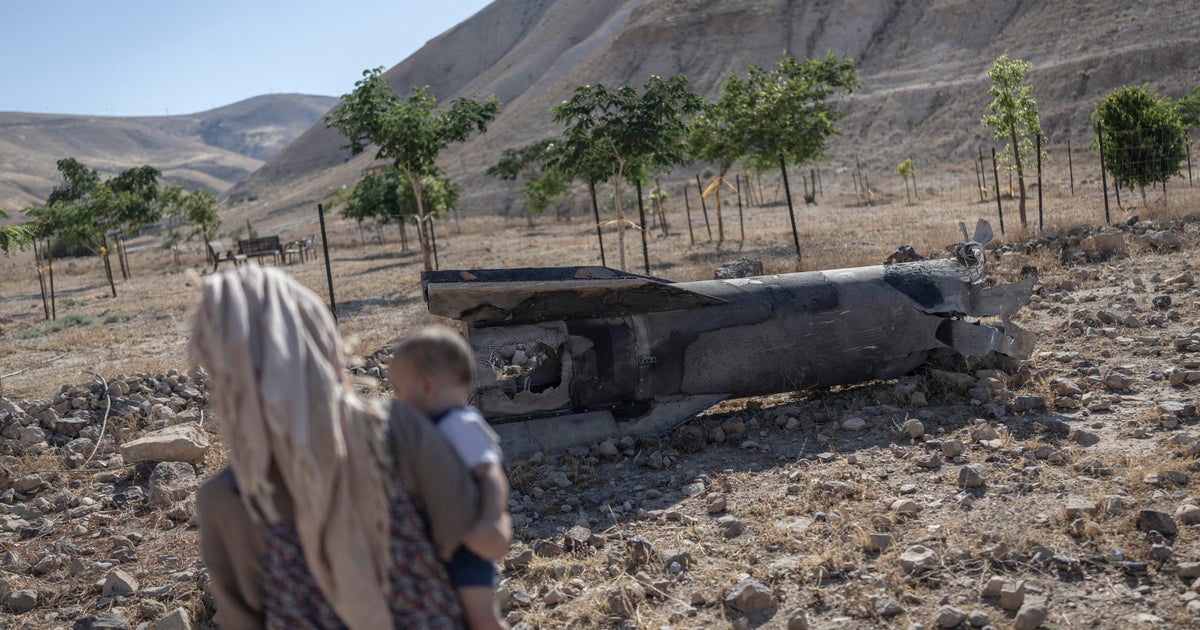
The U.S. denied Iran's claim that it closed the Strait of Hormuz amid renewed fighting between the two countries. Recent attacks have targeted commercial vessels and military bases in the Gulf region, while diplomats from Qatar and Pakistan continue efforts to negotiate peace.
Key Facts
The U.S. military rejected Iran's claim of closing the Strait of Hormuz.
Three Indian sailors died on a tanker targeted by the U.S. for breaking the blockade on Iran.
Other Indian-crewed ships were also hit in recent days.
Kuwait, Bahrain, and Jordan intercepted Iranian missile attacks after U.S. strikes on Iran.
President Trump warned Iran they would face consequences if they refused a peace deal.
Qatari diplomats met in Tehran to discuss resolving the conflict.
Jordan intercepted 20 Iranian missiles aimed at a U.S. military base.
An 11-year-old girl was injured by debris from an Iranian drone intercepted over Bahrain.
Read the Original
Want the full story? Tap a source to open the original
article.