Neutral summaries of your favorite news sources — just the facts.
Your favorite news sources, one neutral feed — we distill their reporting into fact-first
summaries and always link to the original story. How it works
World News
Comprehensive coverage of international news and global events
Thousands of men in England with low- or intermediate-risk prostate cancer will be offered a new type of precise radiotherapy called SABR. This treatment reduces the number of sessions from 20 to five, aiming to target the cancer more effectively with fewer side effects.
Key Facts
SABR stands for stereotactic ablative radiotherapy and delivers a focused, high-powered radiation beam.
The treatment is already used for some lung and brain cancers but is now available for certain prostate cancer patients outside of trials.
About 17,500 men diagnosed yearly in England have low- or intermediate-risk prostate cancer; around 3,500 are expected to choose SABR.
SABR cuts the number of radiotherapy sessions from 20 to five, helping patients recover faster.
The NHS expects all 48 radiotherapy centers in England to offer SABR within weeks.
Side effects are often reduced because SABR limits damage to healthy cells around the tumor.
Trials are ongoing to see if SABR can help patients with high-risk prostate cancer.
Patients like Edwin Lambert report fewer severe side effects and a quicker return to normal activities after SABR.
Read the Original
Want the full story? Tap a source to open the original
article.
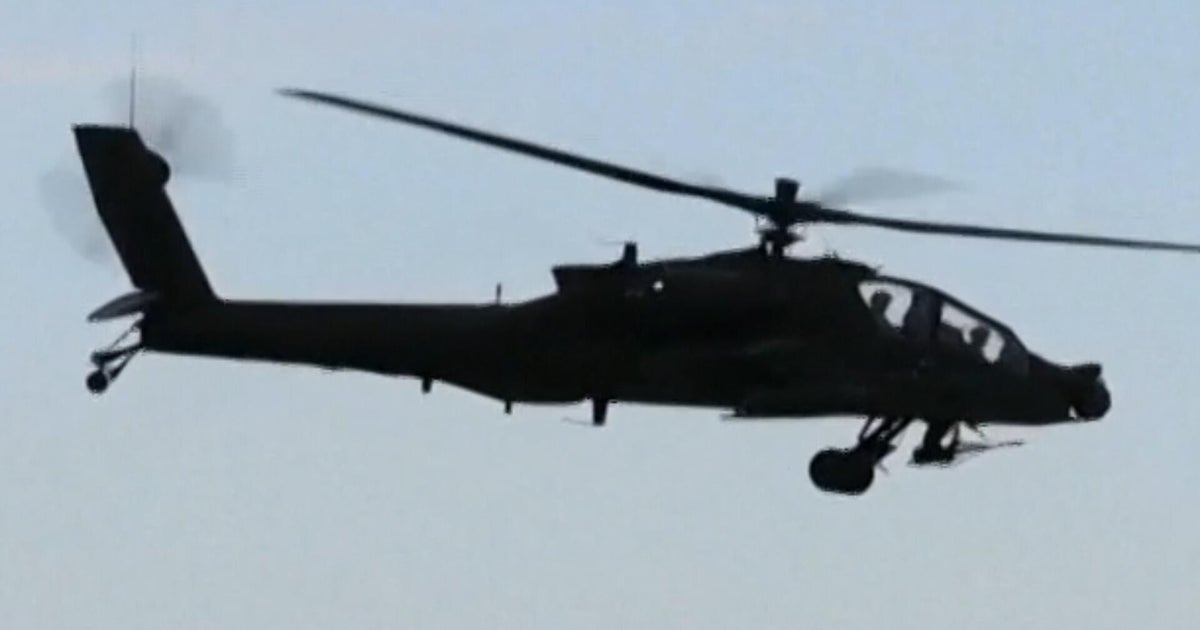
The US military started strikes against Iran in response to Iran shooting down a US Army Apache helicopter. The US Central Command called these attacks "self-defence" actions and blamed Iran for the helicopter incident.
Key Facts
The US military launched strikes against Iran.
These strikes were described as "self-defence" by US Central Command (CENTCOM).
The strikes were in response to Iran shooting down a US Army Apache helicopter.
CENTCOM holds Iran responsible for the helicopter being downed.
The news was reported from the White House by Al Jazeera’s Alan Fisher.
Read the Original
Want the full story? Tap a source to open the original
article.
Authorities in western Afghanistan stopped a protest where people were demonstrating against the arrest of more than a dozen women for breaking dress code rules. Police fired shots during the protest, injuring at least three people.
Key Facts
Protesters gathered in western Afghanistan to oppose the detention of women over dress code rules.
More than a dozen women were arrested for violating dress codes.
Police opened fire on the protesters.
At least three people were wounded in the shooting.
The protest was forcibly stopped by authorities.
Eyewitnesses reported the police action during the event.
Read the Original
Want the full story? Tap a source to open the original
article.
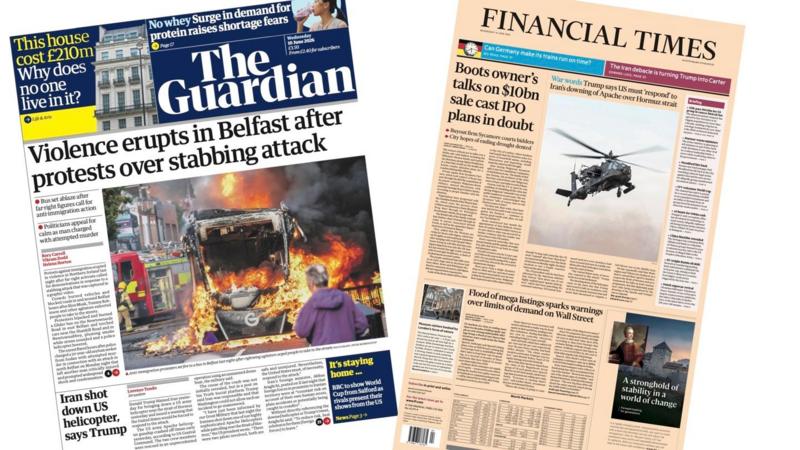
There has been violence in Belfast after a knife attack by a Sudanese man who was granted asylum in the UK. Police and leaders are calling for calm amid fears of more unrest in other UK cities. Separately, President Donald Trump has promised a response to Iran after an American helicopter was shot down near the Strait of Hormuz.
Key Facts
A 30-year-old Sudanese man attacked people with a knife in Belfast and was charged with attempted murder.
The attacker arrived in the UK via Paris and Dublin and was granted asylum in 2023.
Police say the attacker was not known to security services before the attack.
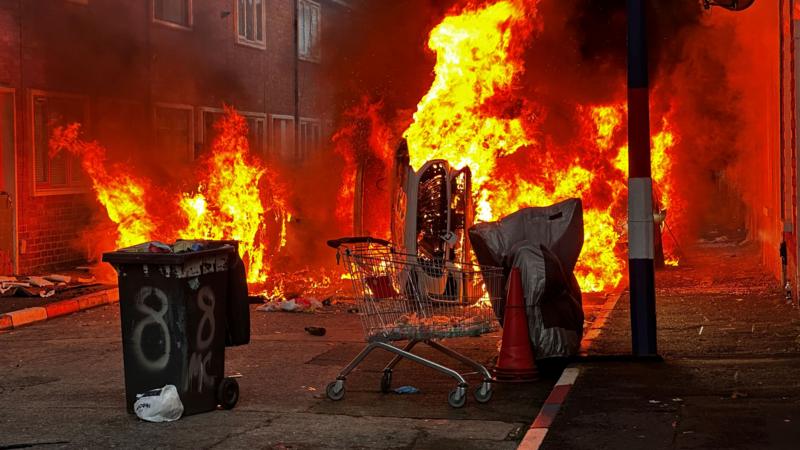
Crowds in Belfast set buses on fire and blocked roads after the knife attack.
Officials are asking people not to protest to avoid more violence.
President Donald Trump vowed a response to Iran after a US helicopter was hit by a drone near a key water route.
A new law banning sex-based harassment was used for the first time to arrest a man on a train near London.
A Somali football referee was denied entry to the US despite having a visa, causing anger in the football community.
Read the Original
Want the full story? Tap a source to open the original
article.
A man has been charged with attempted murder after a knife attack in Belfast that seriously injured another man. Following the attack, violent protests broke out across the city and nearby areas, with fires and damage to property reported, leading to a strong police and emergency response.
Key Facts
A 30-year-old Sudanese man is charged with attempted murder, possession of a blade in public, and threats to kill.
The knife attack happened around 10:30 PM on Monday in north Belfast, seriously injuring a man in his 40s.
Violent protests followed the attack, with fires set to houses, cars, bins, and a bus in Belfast and nearby towns.
Public transport services in Belfast were suspended due to safety concerns.
Police called for calm and increased their presence to manage ongoing disruptions.
Some protests were peaceful, but many turned violent with masked individuals damaging property and confronting police.
Community leaders and officials condemned the violence and urged peaceful responses.
Emergency services continue to monitor and respond to incidents related to the disorder.
Read the Original
Want the full story? Tap a source to open the original
article.
Mohammed Dewji is a Tanzanian businessman who became one of Africa’s youngest billionaires through his family’s company, which works in industries like textiles and food products. He has promised to give away at least half of his wealth to charity and believes wealthy people should help others.
Key Facts
Mohammed Dewji runs a large family business in East Africa involved in making textiles, flour, drinks, and cooking oils.
His family’s company was started by his grandparents and grew under his father in the 1970s.
Africa had no billionaires 25 years ago; now, there are 23 billionaires on the continent.
Combined, these African billionaires have wealth exceeding 100 billion US dollars.
Dewji signed the Giving Pledge in 2016, which means he will donate at least half of his fortune to good causes.
He says it is important for billionaires to act responsibly and give back to society.
The interview with Dewji was part of a BBC World Service program called The Interview.
The show features global figures and airs as a podcast and radio episode several times a week.
Read the Original
Want the full story? Tap a source to open the original
article.
The U.S. military conducted new strikes in Iran after Iran shot down a U.S. Apache helicopter. The helicopter crew was rescued safely using an American drone boat.
Key Facts
Iran downed a U.S. Apache helicopter.
The U.S. military responded with new strikes in Iran.
The helicopter crew survived and was rescued.
Rescuers used an American drone boat to save the crew.
The incident occurred just before this report.
The U.S. military confirmed these actions publicly.
The rescue was featured in a CBS News report by Charlie D’Agata.
Read the Original
Want the full story? Tap a source to open the original
article.
Pope Leo XIV spoke at a prayer vigil in Barcelona about the growing problems of depression and domestic violence. He urged public health systems to focus more on mental health and called on society to address abuse and violence, especially against women.
Key Facts
Pope Leo XIV held a prayer vigil in Barcelona on June 9, 2026.
He listened to young people sharing emotional stories, including a woman who survived a suicide attempt.
The pope said mental health issues like depression are widespread but often invisible.
He warned that modern societies put pressure on people, harming their mental health.
The pope highlighted problems of domestic violence and abuse in families, pointing out violence against women can lead to femicide (killing of women due to gender violence).
He encouraged everyone to act personally and as a society to fix these issues.
During his visit, the pope also blessed the Sagrada Familia's new tower and held large public masses.
He plans to visit the Canary Islands to meet migrants and honor those who died trying to reach the islands.
Read the Original
Want the full story? Tap a source to open the original
article.
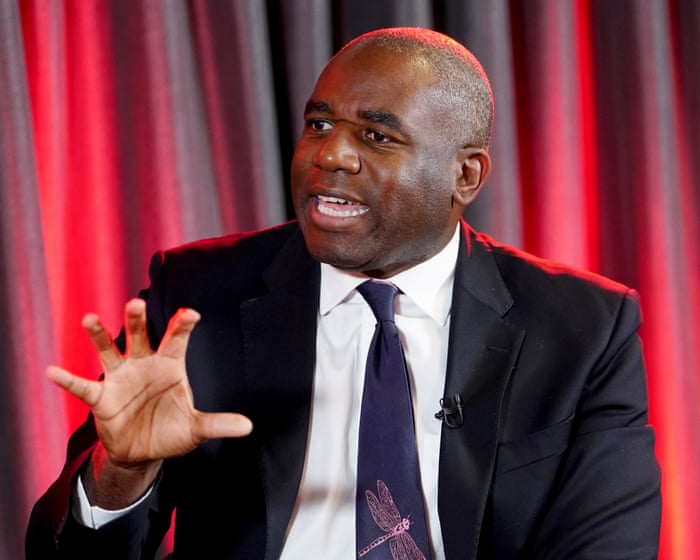
A group of UK MPs say David Lammy’s plan to change how some criminal trials work could hurt trust between the black community and the justice system. The plan would remove the right for some defendants to choose a jury trial, which black defendants are more likely to want. The MPs also highlight very low numbers of black judges in higher courts.
Key Facts
David Lammy, UK deputy prime minister and justice secretary, plans to remove the right to choose a jury trial in certain mid-level criminal cases.
Black defendants in England and Wales choose jury trials more often than other groups (26% vs. 15% for white defendants).
MPs warn this change could increase mistrust in the justice system among the black community and other groups.
Only 1% of crown court judges are black, a figure unchanged since 2015.
MPs call for the government to set a clear national goal to increase black representation among senior judges by 2035.
The planned reforms would shift thousands of trials away from juries to judges and magistrates.
The magistrates’ court system may not be ready for the extra cases, with recruitment and retention challenges.
Some MPs and lawyers oppose the changes, worrying about fairness and court capacity.
Read the Original
Want the full story? Tap a source to open the original
article.
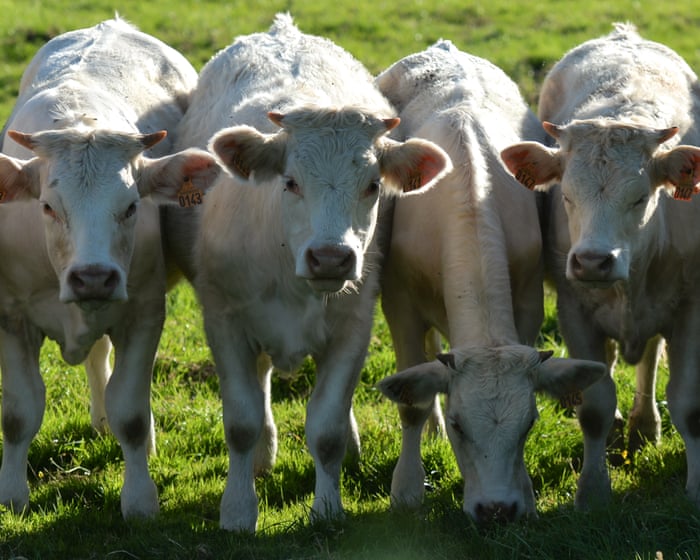
England plans to vaccinate cattle against tuberculosis starting in 2030 to help eliminate the disease by 2038. The badger cull, which has been controversial, will end by 2029 and be replaced with badger vaccination in certain areas.
Key Facts
Tuberculosis kills over 20,000 cattle in England each year and costs taxpayers around £100 million.
Badger culling began in 2013, has killed about 250,000 badgers, and cost about £60 million.
New strategy focuses on cattle because they spread TB to each other 15 times more often than from badgers.
The plan includes vaccinating cattle, improving testing, and sharing risk scores for cattle herds monthly.
A new “Diva” test will distinguish vaccinated cattle from infected ones, allowing vaccination to start in 2030.
Officials are working to get acceptance for cattle vaccination and testing from other countries and health organizations.
Badger vaccination will continue in key areas as part of the strategy, and the last badger culls are expected to end by 2029.
The strategy was developed by farmers, vets, scientists, and government officials aiming to end TB in cattle by 2038.
Read the Original
Want the full story? Tap a source to open the original
article.
The U.S. military launched strikes against Iran in response to an Army helicopter being shot down near the Strait of Hormuz. President Donald Trump confirmed that both crew members survived without injuries.
Key Facts
An American Apache helicopter went down near the Strait of Hormuz while on patrol.
Both crew members on the helicopter are safe and uninjured.
The U.S. military described its attack on Iran as "self-defense strikes."
The incident happened off the coast of Oman.
President Donald Trump addressed the situation publicly.
Geoff Bennett and Dan Lamothe from The Washington Post discussed the event.
Read the Original
Want the full story? Tap a source to open the original
article.
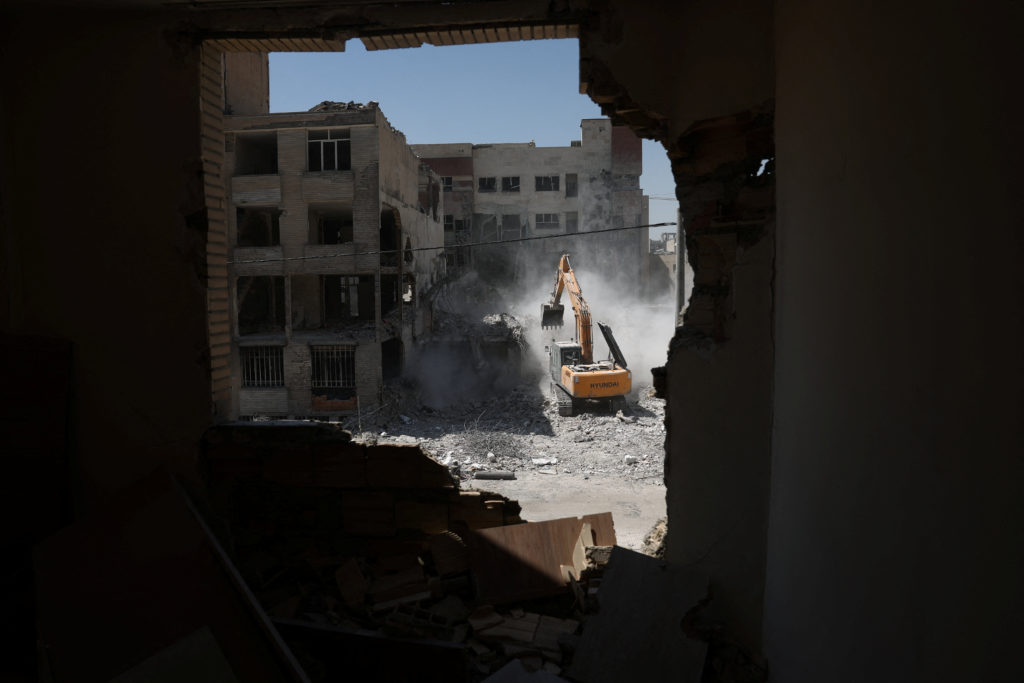
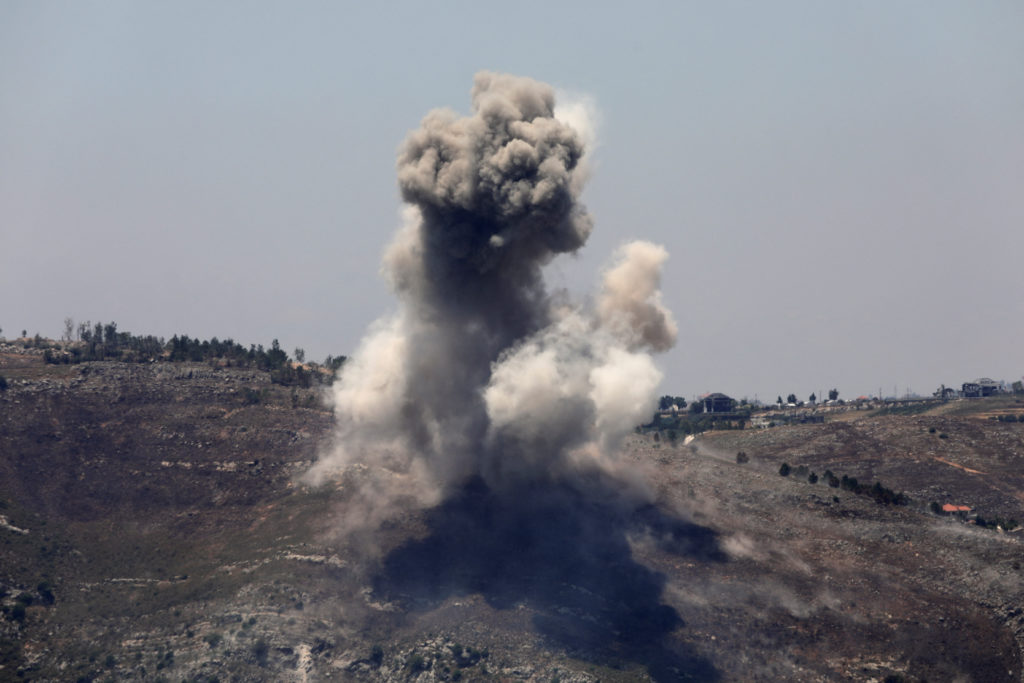
Israel continues to bomb Hezbollah targets inside Lebanon, making peace talks between the U.S. and Iran more difficult. In Kenya, people protested violently against plans for an Ebola quarantine center for Americans. Iran's soccer federation says FIFA took away tickets for Iranian fans to watch World Cup games in the U.S.
Key Facts
Israel is carrying out bombing attacks against Hezbollah inside Lebanon.
These attacks make it harder for the U.S. and Iran to reach a peace deal.
Kenya planned to create an Ebola quarantine center for Americans.
Protests against the quarantine center in Kenya turned violent.
Iran’s soccer federation says FIFA canceled the tickets given to Iranian fans.
The canceled tickets were for Iran’s three World Cup matches held in the U.S.
Read the Original
Want the full story? Tap a source to open the original
article.
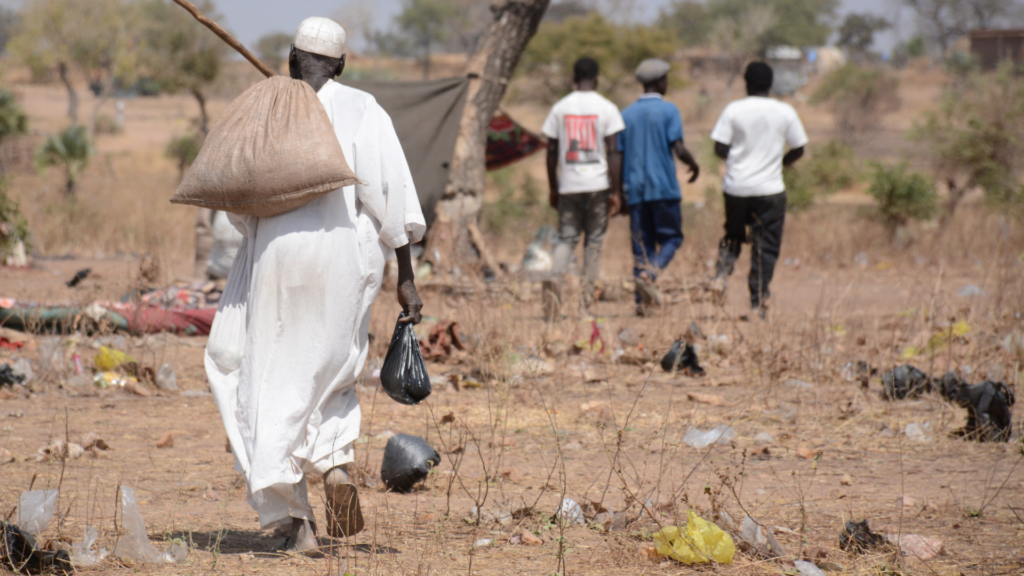
Sudan’s civil war is now in its fourth year and has created the world’s largest humanitarian crisis. Nearly 40% of people in Sudan are facing severe hunger, and aid groups say the situation is worse because the nearby Strait of Hormuz has been closed, making it harder to deliver aid.
Key Facts
Sudan’s civil war has lasted for four years.
Almost 40% of Sudan’s population is experiencing emergency-level hunger.
The humanitarian crisis in Sudan is the largest in the world right now.
Aid organizations say the crisis is not getting enough global attention.
The closure of the Strait of Hormuz has disrupted the delivery of aid to Sudan.
The Strait of Hormuz is a key shipping route near Sudan that helps bring supplies.
Humanitarian officials warn that conditions in Sudan are getting worse because of these problems.
Read the Original
Want the full story? Tap a source to open the original
article.
Thousands of teachers and supporters blocked a major road leading to Mexico City's Azteca Stadium just days before the 2026 World Cup begins. The protests are led by a breakaway teachers' union demanding better pay and pension changes, causing disruptions despite government efforts to keep the tournament on schedule.
Key Facts
The Azteca Stadium in Mexico City will host the first game of the 2026 World Cup on June 15, between Mexico and South Africa.
A dissident faction of the CNTE teachers' union organized protests and blocked an important avenue near the stadium.
The teachers have been on strike since last week, seeking a salary increase and changes to pension laws.
Authorities deployed thousands of officers and concrete barriers to prevent protests from reaching the stadium.
President Claudia Sheinbaum called the protests a "provocation" but stated the opening match will go ahead.
The government prefers dialogue over police repression but has not met the protesters' demands.
Protesters also plan demonstrations involving families of people who disappeared in Mexico.
Mexico is completing renovations at subway stations and the main airport ahead of the World Cup amid the unrest.
Read the Original
Want the full story? Tap a source to open the original
article.
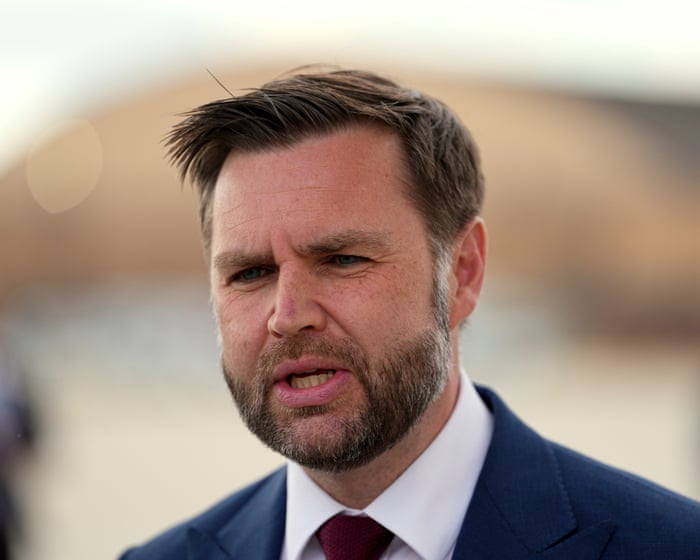
Vice President JD Vance said the US is close to making a peace deal with Iran that would limit its nuclear program. The US recently launched self-defense strikes on Iran after an American helicopter was shot down, increasing tensions in the region.
Key Facts
JD Vance said a peace deal with Iran could happen within a week or a few months.
The goal is to prevent Iran from getting nuclear weapons in the long term.
The US launched strikes against Iran in response to the downing of a US Apache helicopter near the Strait of Hormuz.
President Trump said the US must respond to the attack but also hopes for a deal soon.
The US and Israel have been in conflict with Iran since February, causing a fragile ceasefire and global energy price increases.
Iran says US bases are now legitimate targets after Israeli strikes in Beirut.
Talks between the US and Iran continue but no final agreement has been reached.
President Trump demands strong and long-term limits on Iran’s nuclear program as part of any deal.
Read the Original
Want the full story? Tap a source to open the original
article.
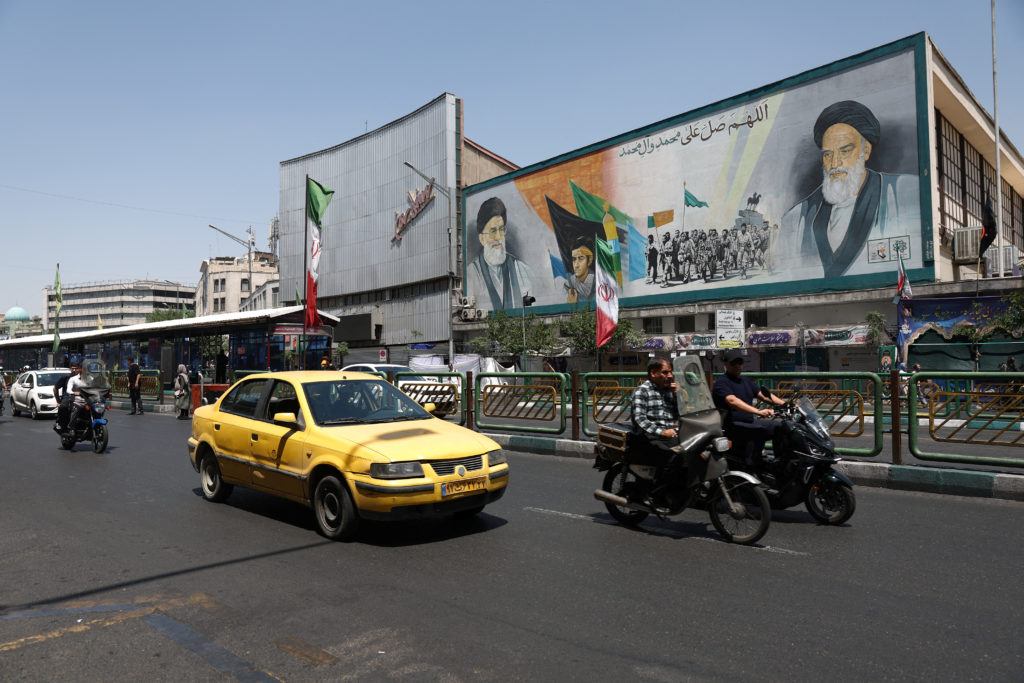
The U.S. military began strikes against Iran after an American Apache helicopter crashed near Oman. President Donald Trump said Iran shot down the helicopter and promised a response. Iran warned that foreign forces near its territory face risks and suggested they leave the area.
Key Facts
A U.S. Army Apache helicopter crashed off the coast of Oman near the Strait of Hormuz.
President Donald Trump accused Iran of shooting down the helicopter.
The U.S. military launched strikes against Iran as a "proportional response" to what it called Iranian aggression.
Both U.S. service members aboard the helicopter were rescued safely by a drone boat.
Iran's Foreign Minister said foreign military forces near Iran risk accidents or crossfire and should leave to reduce danger.
The helicopter incident worsened tensions during a fragile ceasefire involving Iran, Israel, and the U.S.
Recent fighting between Iran, Israel, and their allies has affected the global economy and increased prices for energy and food.
Efforts to make the ceasefire a lasting peace deal have not succeeded amid ongoing military operations.
Read the Original
Want the full story? Tap a source to open the original
article.
The TV series "Every Year After," based on Carley Fortune’s novel "Every Summer After," will premiere on Prime Video on June 10, 2026. All eight episodes will be released at once, telling the romantic story of childhood friends Sam and Percy reuniting after ten years.
Key Facts
"Every Year After" is adapted from Carley Fortune’s novel "Every Summer After."
The series focuses on the characters Sam and Percy and expands on their stories and others from the book.
It is set in the small lake town of Barry’s Bay and covers six years and one week.
All 8 episodes of season 1 will be available on Prime Video starting June 10, 2026.
Episodes become available at 12 a.m. PT / 3 a.m. ET and times differ internationally.
A Prime Video subscription is required, costing $14.99/month or $139/year with Amazon Prime, or $8.99/month separately.
Episode lengths vary from 40 to 52 minutes.
The show stars Sadie Soverall and Matt Cornett as the leads.
Read the Original
Want the full story? Tap a source to open the original
article.
The US military has carried out new air strikes against Iran following the downing of an Apache helicopter. These military actions come amid rising tensions between the two countries in the Middle East.
Key Facts
The US military launched new strikes targeting Iran.
The strikes happened after an Apache helicopter was shot down.
The incident increased tensions between the US and Iran.
Iran responded with missile attacks on Bahrain and Kuwait.
The US targeted Iranian radar sites during the strikes.
Regional conflicts involving Israel and Lebanon are ongoing.
The situation is part of broader Middle East unrest involving multiple countries.
Read the Original
Want the full story? Tap a source to open the original
article.
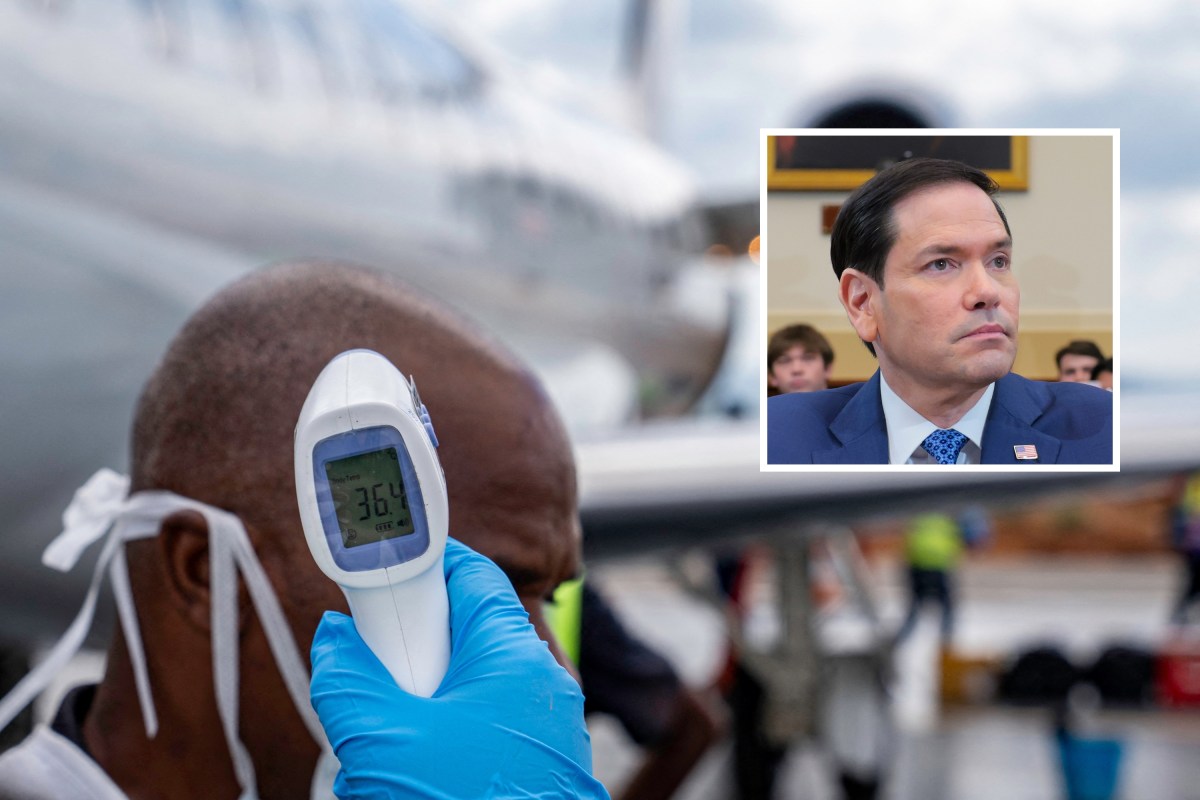
The U.S. State Department has asked the European Union to increase efforts to stop Ebola from spreading before the FIFA World Cup in North America. Secretary of State Marco Rubio expressed concerns to the European Commission President about the outbreak in Africa and warned that travel restrictions could affect World Cup visitors.
Key Facts
The U.S. is focused on protecting Americans and preventing Ebola from reaching the country.
State Department officials say the global community also needs to take stronger actions against Ebola.
Europe has over 300 daily flights connected to Africa, increasing the risk of spread.
The U.S. has restricted entry for travelers who visited Ebola-affected countries within the past 21 days.
The Trump administration started by limiting airports receiving travelers from Ebola-affected areas to enable testing.
The European Union does not have continent-wide travel bans but emphasizes preparation and targeted safety measures.
Airlines and airports in some European countries, like Belgium, are monitoring passengers and coordinating with health officials.
Further travel restrictions could impact visitors coming to the World Cup events in North America.
Read the Original
Want the full story? Tap a source to open the original
article.