Yemen's Houthi rebels attacked Riyadh, Saudi Arabia's capital, claiming to have hit the international airport with a missile. Diplomats and students in Riyadh took shelter as explosions were heard, while Turkey decided not to send troops to support Saudi Arabia against the Houthis.
Key Facts
The Houthis, an Iran-backed group from Yemen, claimed a missile attack on Riyadh's international airport.
Saudi forces said they intercepted two missiles aimed at Riyadh.
Explosions were heard across Riyadh, causing safety measures for diplomats and international school students.
At least one school moved students into basements for protection.
Turkey announced it would not send troops to fight the Houthis despite a defense agreement with Saudi Arabia.
Saudi Arabia and Yemeni government forces are trying to stop the Houthis' advance in Yemen.
Flights at Riyadh's King Khalid International Airport faced delays and cancellations after the attack.
Saudi authorities warned residents not to share unauthorized images or videos related to the missile attacks.
Read the Original
Want the full story? Tap a source to open the original
article.
High school students in France held new protests despite the government trying to calm the situation. The protests come during a time when many people are worried about rising living costs and the upcoming presidential elections.
Key Facts
The protests involve high school students across France.
The government has made efforts to reduce tensions but the protests continue.
Many schools have closed because of the protests.
Over 6,000 people have been arrested since the protests began.
The protests happen amid a broader crisis about the cost of living in France.
There is public concern linked to the upcoming presidential vote.
Authorities have suspended the use of stun grenades after a student lost a hand during protests.
Read the Original
Want the full story? Tap a source to open the original
article.
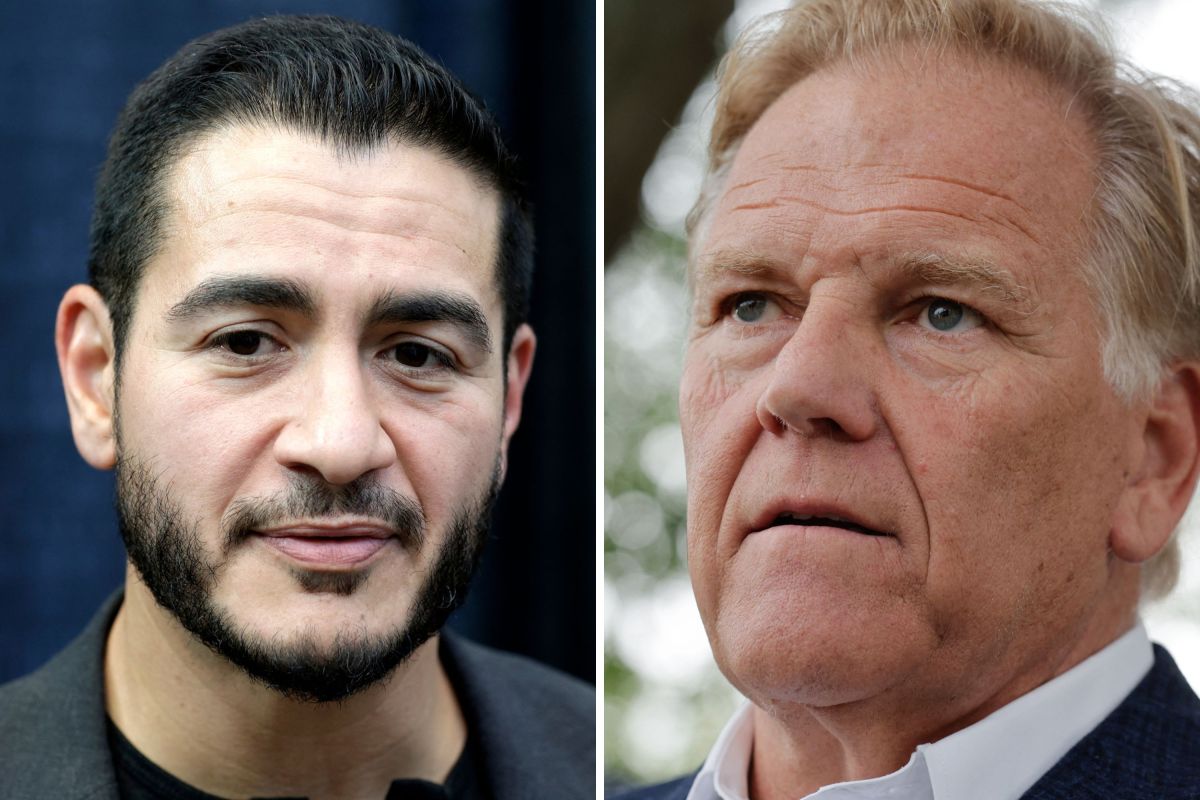
President Trump criticized Fox News for giving a positive interview to Abdul El-Sayed, a Democratic candidate for the U.S. Senate from Michigan. Republicans are concerned that Fox News is helping El-Sayed appear more moderate and reach voters outside the Democratic base.
Key Facts
President Trump called a Fox News interview with El-Sayed "softball" and accused the network of supporting Democrats.
Republicans have privately complained for months that Fox's coverage helps El-Sayed's image.
El-Sayed, who would be the first Muslim U.S. Senator, is in a close race with Republican Mike Rogers.
Fox News aired many ads and interviews featuring El-Sayed, helping him reach more voters.
GOP strategists say Fox News coverage is helping El-Sayed appeal to moderate and center-right voters.
Fox News defended its coverage, saying it shows topics their audience may not want to hear.
Fox News invited Mike Rogers to be interviewed but he did not respond.
President Trump and White House officials have expressed frustration publicly and privately with Fox over this coverage.
Read the Original
Want the full story? Tap a source to open the original
article.
OpenAI has released hundreds of new mathematical proofs created by a powerful AI model, showing significant AI progress in the field of mathematics. This release has sparked mixed reactions, with some experts excited about the potential and others questioning the originality and practical use of these AI-generated results.
Key Facts
OpenAI published 722 manuscripts grouped into 372 sets addressing long-standing math problems.
The proofs were generated by a powerful AI model not yet released to the public.
Some mathematicians see the results as potentially groundbreaking, comparable to major math awards.
Others doubt whether the AI results are original or mostly derived from existing human work.
AI-generated math can be checked for correctness, similar to how AI-generated code is tested.
AI has already transformed computer programming by helping write and debug code.
Mathematicians worry about how AI might change education and the future role of human theorists.
Experts note that meaningful math advances often require human creativity and organizing ideas, which AI may not replicate soon.
Read the Original
Want the full story? Tap a source to open the original
article.
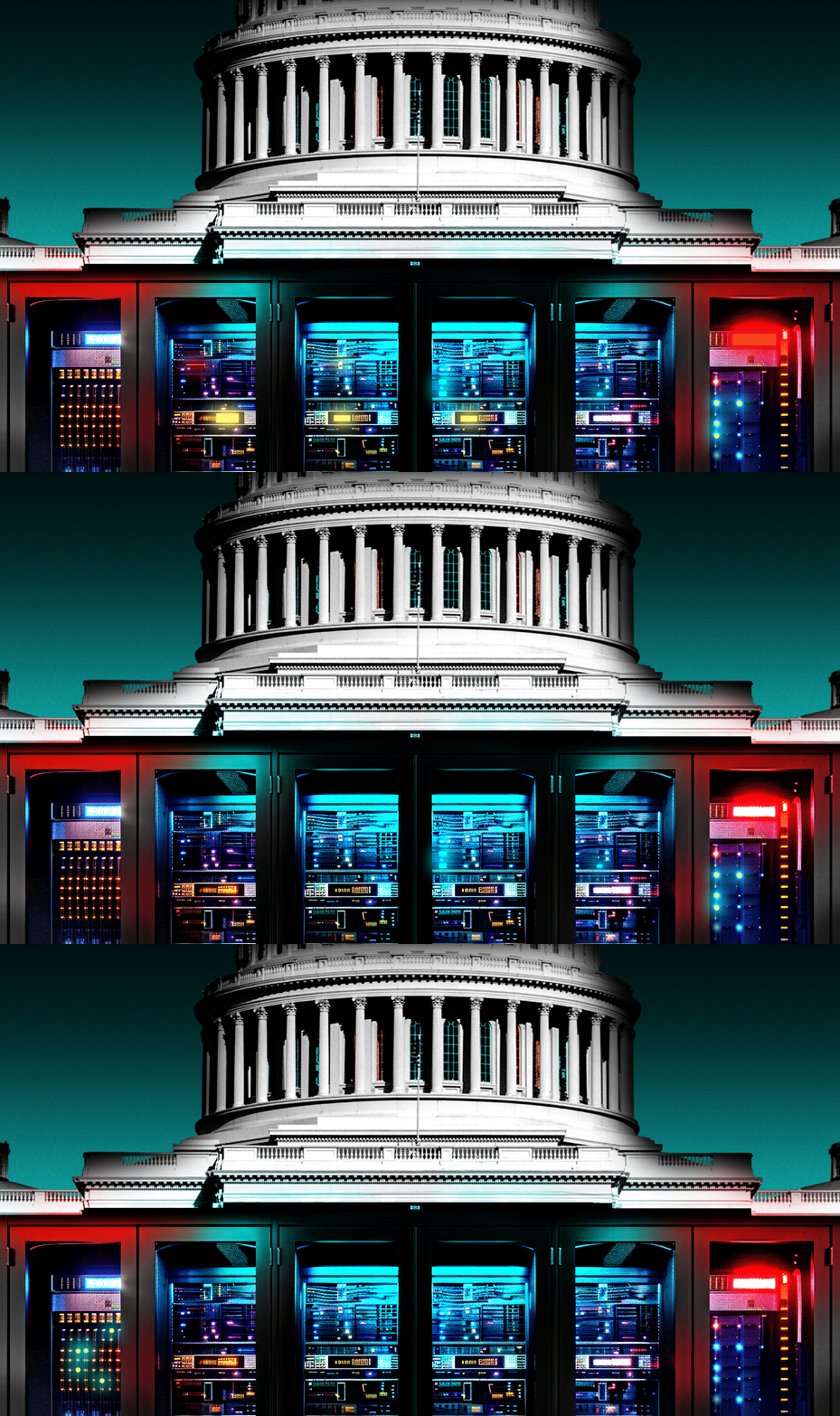
Lawmakers have introduced a new bipartisan bill that would make data centers pay more for the energy infrastructure they use while also speeding up the building of power plants and transmission lines to support their growth. The bill aims to balance faster energy development with protecting other customers from bearing the costs caused by data centers.
Key Facts
The new legislation targets large data centers that use a lot of electricity, especially due to the AI boom.
Data centers would pay their share of the existing and new costs for electricity transmission, changing a long-standing federal policy.
New data centers consuming at least 20 megawatts must cover all incremental costs for power generation, storage, transmission, and distribution caused by their operations.
Regulators can charge data centers even more than their incremental costs and use extra funds to lower bills for other customers.
Data centers must still pay infrastructure costs even if they stop buying electricity before those costs are recovered.
States can impose stricter rules, including limiting electricity use or requiring new power supplies for data centers.
The bill also requires utilities to get financial guarantees before building power infrastructure for data centers to protect other customers.
Major tech companies like Microsoft, Google, Nvidia, Meta, and Amazon have not publicly commented on the bill yet.
Read the Original
Want the full story? Tap a source to open the original
article.
A study found that major events like Brexit, Covid-19 lockdowns, Russia’s invasion of Ukraine, and Liz Truss’s mini-budget caused a lasting decline in mental health in the UK over the past decade. These events led to big increases in depression and anxiety, with many more people visiting doctors for mental health issues.
Key Facts
The study used data from 87,857 UK people collected between 2009 and 2024.
Brexit in 2016 and the first Covid lockdown in 2020 caused the biggest rises in mental health problems.
Brexit led to about 120,000 more people seeking medical help for depression.
The first Covid lockdown caused around 900,000 more doctor visits for depression.
Russia’s invasion of Ukraine added about 15,000 more monthly depression cases.
Liz Truss’s mini-budget in 2022 led to 23,000 more monthly doctor visits due to depression.
Mental health decline has stayed high and has not returned to pre-2016 levels.
Poor mental health in the UK costs the economy around £300 billion each year.
Read the Original
Want the full story? Tap a source to open the original
article.
Co-op Legal Services has started using artificial intelligence (AI) to listen to and score phone calls between workers and customers who need legal advice. The AI rates employees on many parts of their calls and gives pass or fail scores to managers to help check worker performance.
Key Facts
Co-op Legal Services uses AI to record and analyze calls about probate, wills, and estates.
The AI model assesses over 50 different aspects of each call and provides scores.
Managers use these scores to review how employees perform and find ways to improve sales.
Some workers feel the AI monitoring is constant and creates distrust.
Co-op says the AI helps support workers and improve the quality of advice for clients.
Trade unions have raised concerns about AI increasing workplace stress and being unfair.
Similar AI monitoring is used by companies like Burger King and was paused by Meta after staff complaints.
The International Labour Organization warned about mental health risks from AI surveillance at work and said regulations are needed.
Read the Original
Want the full story? Tap a source to open the original
article.
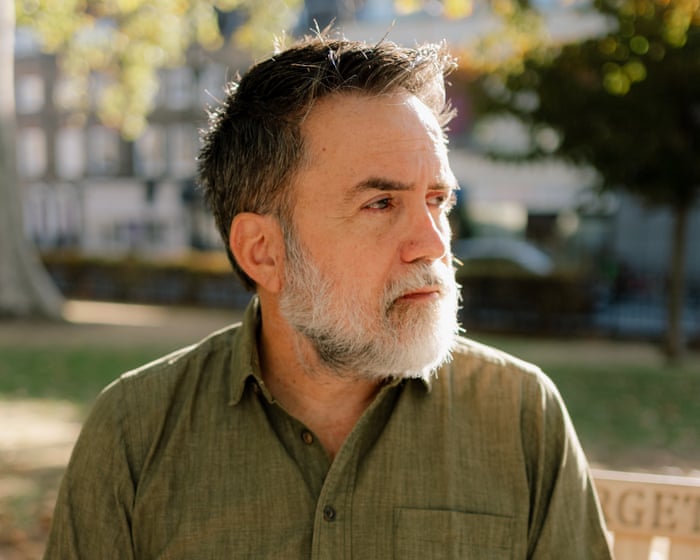
Arturo Béjar worked at Meta (formerly Facebook) for eight years and raised concerns about harm to young users on Instagram. After his warnings were ignored, he left the company and has testified multiple times to the US Senate about Meta’s knowledge of these issues.
Key Facts
Arturo Béjar was a consultant on Instagram’s wellbeing team at Meta.
He sent a detailed email in 2021 to Mark Zuckerberg and other executives about high rates of bullying and unwanted advances on Instagram.
His email revealed that more than half of Instagram users experienced harm weekly, but very few reports led to content removal.
Zuckerberg did not respond to Béjar’s warnings and emphasized impact and winning over user safety.
Béjar compared Zuckerberg’s behavior to the portrayal of him in the movie The Social Reckoning.
In 2023, Béjar testified under oath before the US Senate about Meta’s internal knowledge of harm caused by its platforms.
Béjar has testified at least seven times in trials and hearings against Meta.
The article mentions a major 2023 lawsuit by 29 US states accusing Meta of knowingly harming users.
Read the Original
Want the full story? Tap a source to open the original
article.
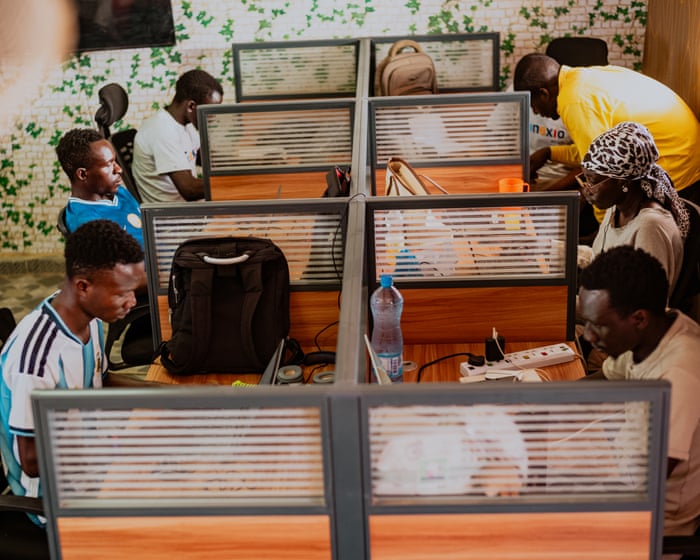
Refugees in Kenya’s Kakuma camp are doing small online tech jobs, like translating hymns, using tools like ChatGPT. They work through a platform called AOP Connect run by a British company, but their pay is irregular, often very low, and many don’t know how their work quality is judged or if they will be paid.
Key Facts
Refugees in Kakuma camp use ChatGPT for research tasks such as translating texts.
They perform digital “microwork” for companies like RWS through the AOP Connect platform.
Workers can earn discretionary rewards up to $500 but are not guaranteed payment.
Many refugees earn less than the promise and lack transparency about payment criteria.
The platform requires confidentiality agreements and individual task completion.
Tech companies rely on low-paid workers in poor countries to improve AI tools.
The number of tech-related jobs available to refugees is shrinking.
Organizations training refugees in digital skills express concern about unclear pay and job conditions.
Read the Original
Want the full story? Tap a source to open the original
article.
Republican political groups are spending large amounts of money to support some Senate candidates in states they won easily in previous elections while reducing spending in races they see as lost causes. President Trump is actively campaigning in key states to help Republican candidates ahead of the November elections. Democrats are also adjusting their ad spending based on polling confidence.
Key Facts
Republican super PACs are increasing spending in states considered safe for them and cutting ads in races likely to be lost.
President Trump has been campaigning in several states, including Texas, Oklahoma, Alabama, Ohio, and Nebraska.
Republicans have spent over $100 million on Texas Senate candidate Ken Paxton and seek more funds for Alaska, Iowa, and Ohio Senate races.
Democrats are pulling back advertising in some states where they feel confident about winning.
The Republican Senate Leadership Fund is financially strong and helps support candidates in red states.
Both parties have reduced ad spending in certain House races where victory seems unlikely.
Vice President Vance has campaigned in Alaska and Ohio recently.
Political spending shifts reflect strategic decisions to focus on the most competitive races.
Read the Original
Want the full story? Tap a source to open the original
article.
House Speaker Mike Johnson raised $30 million in the third quarter, bringing his total fundraising to $156 million for House Republicans this election cycle. He has distributed over $91 million to Republican candidates, committees, and state parties as they work to keep control of the House.
Key Facts
Mike Johnson has raised $156 million for House Republicans in the current election cycle.
He collected $30 million in the third quarter alone.
Johnson has distributed more than $91 million to Republican members, candidates, committees, and state parties.
$46 million of that went to the National Republican Congressional Committee (NRCC).
Johnson’s fundraising since becoming Speaker in October 2023 totals over $220 million.
He has visited over 40 districts in 22 states to support Republican candidates.
The NRCC has a cash lead of $13 million over the Democratic Congressional Campaign Committee.
Despite fundraising success, several competitive House races have shifted in favor of Democrats recently, including many districts carried by President Trump in 2024.
Read the Original
Want the full story? Tap a source to open the original
article.
U.S. politicians from both parties are working to protect children from harmful social media effects on mental health. Laws and actions are being proposed and taken to regulate social media companies, requiring them to add safety measures for kids.
Key Facts
Texas U.S. Senate candidates James Talarico (Democrat) and Ken Paxton (Republican) both want to limit harm from social media on children’s mental health.
Talarico supports a ban on social media use for kids under 16 and a bill against explicit deepfakes, which are AI-made fake videos.
Paxton is suing major tech companies for allegedly targeting youth and not restricting harmful content for kids.
Social media giant Meta agreed to a $17 billion settlement to change policies and better protect children.
Many Senate candidates have sponsored bills or investigations to regulate social media’s impact on youth.
The Kids Online Safety Act is a federal bill aiming to require social media companies to add protections like limiting contact between adults and minors.
Some tech companies, including Apple, support regulation, but Meta promotes parental control instead of outright bans.
Big Tech is actively lobbying senators to influence new laws, with many companies and groups involved.
Read the Original
Want the full story? Tap a source to open the original
article.
President Donald Trump is considering buying potash fertilizer from Belarus to pressure Canada to lower prices. However, Belarus is a risky choice because it is landlocked, politically close to Russia, and faces sanctions, making it a less secure supplier for American farmers.
Key Facts
Potash is an important fertilizer used by American farmers.
Canada is the major supplier of potash to the United States.
Belarus produces potash but has no access to ocean ports.
Belarus borders countries that refuse to trade with it due to political tensions.
Belarus is led by Alexander Lukashenko, who is allied with Russian President Vladimir Putin.
Belarus supported Russia’s 2022 invasion of Ukraine, which caused global market disruptions.
The European Union has sanctions on Belarusian potash.
Shipping potash from Belarus to the U.S. would likely go through Russia, raising security and cost concerns.
Read the Original
Want the full story? Tap a source to open the original
article.
China has a law requiring its citizens and organizations to help with state intelligence work. The FBI recently arrested a U.S. resident accused of spying for China on the son of Taiwan’s president. The U.S. is actively working to protect itself from Chinese espionage while balancing civil liberties.
Key Facts
China’s 2017 National Intelligence Law requires citizens and companies to support state intelligence efforts.
The law promises protection to those who cooperate, but primarily protects the Chinese Communist Party.
Wanying “Heather” Zhang, a naturalized American living in California, was arrested for allegedly spying for China.
Zhang is accused of spying on Taiwan’s president’s son, who lives in Seattle.
She faces charges related to acting as an unregistered agent of a foreign government, with up to 10 years in prison and a $250,000 fine.
Zhang studied at the University of International Relations in Beijing, known to be a training ground for spies.
The U.S. and other democracies face large amounts of spying from China but are working hard to defend themselves.
Authorities stress that all accused individuals have the right to a fair trial and are presumed innocent until proven guilty.
Read the Original
Want the full story? Tap a source to open the original
article.
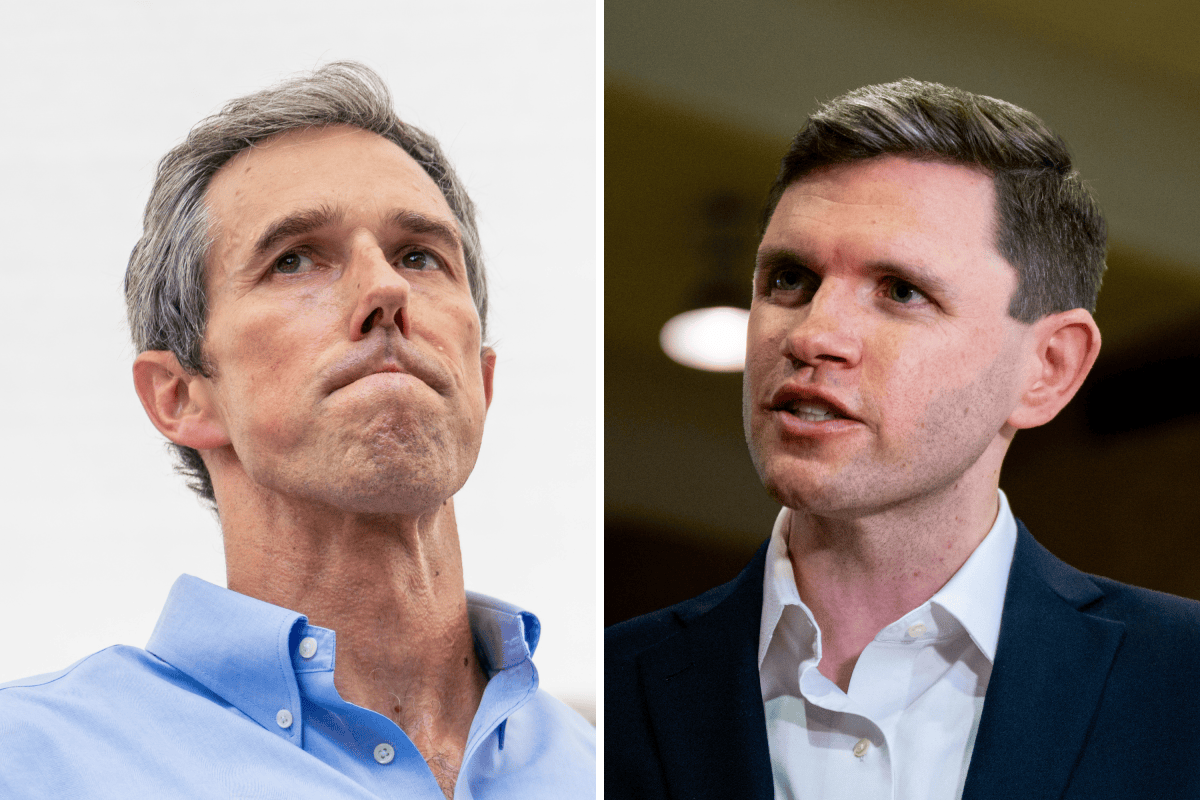
Democrat James Talarico is leading Republican Ken Paxton in recent Texas Senate polls, a closer gap than Democrat Beto O’Rourke had in 2018. However, success depends on whether Talarico can turn potential voters, especially younger and diverse groups, into actual voters, which has been a challenge for Democrats in Texas.
Key Facts
James Talarico has a small but steady lead over Ken Paxton in Texas Senate race polls.
Beto O’Rourke had a similar but less strong polling position in 2018.
Turning potential Democratic voters into actual voters remains a challenge.
Talarico is a former public-school teacher and Texas House representative since 2018.
Ken Paxton is the Texas Attorney General and has faced legal and ethical controversies, including impeachment articles.
President Donald Trump has endorsed Ken Paxton.
Recent polls show Talarico leading by 1 to 6 points among likely Texas voters.
Experts say candidate favorability may be influencing polling in a usually Republican state, but actual voter turnout is the key issue.
Read the Original
Want the full story? Tap a source to open the original
article.
Suki, a healthcare AI company, is partnering with Wolters Kluwer Health to launch Ask, a clinical decision support tool. This tool uses Wolters Kluwer’s UpToDate Expert AI to help doctors get patient-specific medical advice directly in their normal workflow without switching apps.
Key Facts
Ask is integrated into Suki for Clinicians and uses UpToDate Expert AI’s medical knowledge.
UpToDate is a trusted medical resource used by over 3 million clinicians worldwide.
Ask uses patient information from electronic health records (EHR) to give tailored clinical guidance.
Doctors can ask questions by typing or speaking, and receive text-based answers with evidence citations.
The tool is available across major health software systems like Epic, Oracle Health, athenahealth, and MEDITECH.
UpToDate Expert AI provides clinical answers based only on physician-reviewed content, not general internet sources.
Early tests showed clinicians preferred responses with patient context 83% of the time.
The tool is being rolled out to over 400 health system customers, with activation depending on each health system.
Read the Original
Want the full story? Tap a source to open the original
article.
Republican Mike Rogers and Democrat Abdul El-Sayed are debating in Michigan’s Senate race, a key contest in the 2024 midterms. They are discussing major issues important to Michigan voters, including the cost of living, trade tariffs with Canada, data centers, and health care.
Key Facts
Mike Rogers and Abdul El-Sayed are Michigan’s main candidates for the U.S. Senate in the 2024 election.
Both candidates debated for the first time on September 21, 2024, in Grand Rapids, with a second debate planned before Election Day.
Michigan voters say the economy and cost of living are their top concerns.
El-Sayed supports Medicare for All and taxing the wealthy to address costs; Rogers focuses on education, housing, and job creation.
President Trump imposed high tariffs on Canadian cars and parts, which has increased costs for Michigan families.
Rogers recently called for ending the tariff conflict with Canada but hasn’t directly criticized President Trump.
El-Sayed criticized Trump’s tariffs and was endorsed by the United Auto Workers union.
The race is very close, making voters’ opinions on these key issues especially important.
Read the Original
Want the full story? Tap a source to open the original
article.
The article discusses the challenges of managing multiple after-school activities for children. It highlights a parent's effort to provide varied experiences to help children discover their interests, while also recognizing the difficulties and costs involved.
Key Facts
The author’s child attends after-school activities Monday through Thursday.
The child takes two back-to-back hip-hop dance classes on Tuesdays.
The author’s children are enrolled in basketball, dance, Hebrew school, and tennis classes.
Parents spend a lot of time driving children to and from activities.
After-school lessons can be expensive and time-consuming.
The author believes children need to try many activities to learn what they like or dislike.
The author notes the importance of kids learning how to be bored.
The article reflects a balance between encouraging activities and following the children’s interests.
Read the Original
Want the full story? Tap a source to open the original
article.
A study of over 62,000 children in South Korea found that the actual rate of autism has stayed about the same from 1998 to 2010, even though more children are being diagnosed. The increase in autism diagnoses is mainly because doctors and schools have gotten better at finding children with autism, not because autism itself is becoming more common.
Key Facts
The study looked at 62,081 children born between 1998 and 2010 in South Korea.
Researchers checked autism diagnoses using strict criteria called DSM-5.
Autism rates ranged between about 2% and 3.4%, without a clear increase over time.
Many autistic children were previously undiagnosed because they had not been seen by doctors or schools.
Over time, more children were identified before the study, showing better early detection.
Girls with autism were more likely to be missed in earlier diagnoses.
The study only followed children up to age 7, so some may get diagnosed later in life.
Experts say the rise in reported autism is due to better screening and awareness, not an actual rise in autism.
Read the Original
Want the full story? Tap a source to open the original
article.
The article reviews recent actions and statements by President Donald Trump and other political figures, showing how Trump's social media posts continue to influence politics in various ways. It highlights incidents involving politicians, controversies over language, and public reactions to these events.
Key Facts
President Trump shared Senator Tom Cotton’s personal phone number, encouraging voters to call him about daylight saving time.
Trump called for the resignation of former Federal Reserve Chair Jerome Powell after a critical federal report, urging the Attorney General to investigate.
Florida governor candidate Byron Donalds removed many references to Trump from his campaign website, but Trump still supports him and scheduled rallies for him.
Trump used a derogatory term against a South Carolina Democratic Senate nominee who is not transgender, causing some Republicans to distance themselves from his language.
Congressman María Elvira Salazar criticized some of Trump’s immigration policies and broke with him to appeal to Latino voters; Trump responded with attacks against her.
Trump praised Boeing's CEO after a plane incident where a passenger helped regain control following a co-pilot's attack on the captain.
The article uses a system of arrows to show whether public figures’ reputations are rising or falling based on current events.
Read the Original
Want the full story? Tap a source to open the original
article.