A Flydubai flight to Israel had an emergency when the co-pilot attacked the captain with a crash axe. Two other pilots on board quickly took control of the plane, helped stabilize it after severe damage, and safely landed in Saudi Arabia.
Key Facts
Flydubai flight 1073 was carrying 182 passengers to Israel.
The co-pilot attacked the captain with a crash axe during the flight.
The captain was badly injured but managed to unlock the cockpit door.
Two on-duty pilots traveling as passengers rushed into the cockpit to take control.
The attackers were subdued by passengers and crew members.
The plane’s rudder was partly torn off after a sharp descent.
The two pilots took about 10 minutes to stabilize the aircraft.
The plane made an emergency landing in Saudi Arabia.
The airline has not publicly identified the two pilots who saved the flight.
Read the Original
Want the full story? Tap a source to open the original
article.
French far-right leader Marine Le Pen has expressed full support for her ally Jordan Bardella after a news website accused him of making anti-Semitic remarks in 2013. Bardella strongly denies the claims and plans to take legal action, while Le Pen’s continued support may depend on how the situation affects her presidential campaign.
Key Facts
Jordan Bardella is the leader of France’s National Rally (RN) party and a close ally of Marine Le Pen.
Mediapart published screenshots suggesting Bardella made anti-Semitic comments on Facebook Messenger in 2013.
Bardella denies the accusations and claims the messages are fake, announcing plans to sue Mediapart.
Marine Le Pen publicly called Bardella’s denial credible and stood by him during party meetings.
Bardella has worked to change RN’s image, including taking an unprecedented visit to Israel in 2025.
The controversy arises during Le Pen’s presidential run, where she is the frontrunner.
Some experts believe Le Pen may remove Bardella if the scandal worsens, while others think she will keep supporting him.
Tensions reportedly existed between Le Pen and Bardella on certain policies, but they have maintained a united front publicly.
Read the Original
Want the full story? Tap a source to open the original
article.
Glasgow council plans to fire and rehire 23,000 non-teaching workers with lower pay, after union talks failed. The council and unions have paused and restarted talks several times, with uncertainty about job and pay conditions continuing.
Key Facts
Glasgow council workers could be fired and rehired on worse pay terms due to pay and grading changes.
About 23,000 non-teaching council staff are affected by this plan.
Union talks with the council broke down, especially with Unison refusing a pay offer that cuts pay for 11% of workers.
Fire-and-rehire letters were sent as part of the plan but a pause was agreed after further talks.
The Scottish government opposes fire-and-rehire practices as unfair work.
The council previously paid over £500 million to settle past unequal pay claims mostly involving women.
Unions want longer pay protection and other concessions before agreeing to new terms.
Green councillors tried to stop the plan but were rejected by the council committee.
Read the Original
Want the full story? Tap a source to open the original
article.
People in a working-class neighborhood of Dakar, Senegal, came together to clean a rundown elementary school before the new school year starts. Students, teachers, and local volunteers cleaned classrooms, cleared drains, and picked up trash to help improve the school and raise awareness about keeping the environment clean.
Key Facts
The cleanup took place at Medina Gounass Elementary School in Dakar.
Students, teachers, environmental groups, and local people joined the effort.
They cleaned classrooms, cleared blocked drainage, and collected plastic and household waste.
Medina Gounass is a crowded suburb with poor waste management and sanitation problems.
The rainy season often makes waste and drainage issues worse in the area.
The school year for staff begins on Monday and for students on Tuesday.
The cleanup aimed to prepare the school for reopening and teach the community about environmental care.
Similar problems affect many outer neighborhoods of Dakar.
Read the Original
Want the full story? Tap a source to open the original
article.
Apple and Google charge app developers up to 30% commission on sales made through their app stores in the UK. This “app tax” increases costs for developers and consumers because there are no real alternatives to the Apple App Store and Google Play Store on smartphones.
Key Facts
Apple and Google control around 90% of UK mobile device platforms.
Both companies charge up to 30% commission on purchases made inside apps.
Developers cannot inform users about cheaper options outside the app stores, a restriction called “steering”.
British consumers pay an estimated £700 million yearly to Apple and Google from these fees.
This amount is £232 million more than what these companies paid in UK corporation tax last year.
Parliament passed the Digital Markets, Competition and Consumers Act (DMCCA) in 2024 to regulate dominant platforms like Apple and Google.
The Competition and Markets Authority (CMA) has mostly gotten voluntary promises from Apple and Google, not enforceable rules.
A CMA consultation on allowing “steering” has recently closed, with a decision expected soon.
Read the Original
Want the full story? Tap a source to open the original
article.
President Donald Trump has blocked or delayed $177 billion in federal funds that Congress approved to help states with services like education, health care, and disaster relief. Many state leaders, including attorneys general, are suing the federal government to recover this money and protect these services.
Key Facts
President Trump has withheld billions of dollars in federal money promised to states since early 2025.
The withheld funds affect programs such as reduced electric bills, teacher programs, DNA testing for sexual assault survivors, and food assistance.
Congress approves federal spending, and the Constitution does not allow the president to stop these funds.
A project called Lost Funds shows that all 50 states and Washington, D.C. have been hurt by these blocked funds.
Attorneys general from 22 states and D.C. sued the federal government and won a court order to restore some frozen funding in 2025.
Despite the ruling, the Trump administration continued to cut funding, leading to more state lawsuits.
In November 2025, SNAP food aid funding freeze left over 40 million Americans without access to food assistance until states sued.
Most Americans do not support the president’s power to withhold money that Congress has approved, according to an August 2026 poll.
Read the Original
Want the full story? Tap a source to open the original
article.
A woman shared her story about starting college at 62 to follow her dream of studying theater. After years of working in other fields and raising a family, she decided to go back to school when she learned that people over 62 in Georgia can attend public colleges for free.
Key Facts
The woman dreamed of studying theater but chose a different major due to family pressure.
She initially majored in Political Science and later earned a second degree in Journalism.
She worked in TV news, then paused her career to raise her daughter.
She later worked as a communications specialist to balance family needs.
At age 62, she became eligible for free college tuition through a Georgia program.
A breast cancer diagnosis led her to reflect on her life and pursue her original passion.
She enrolled at the University of Georgia to study theater and live her dream.
The University System of Georgia offers free tuition for residents aged 62 or older.
Read the Original
Want the full story? Tap a source to open the original
article.
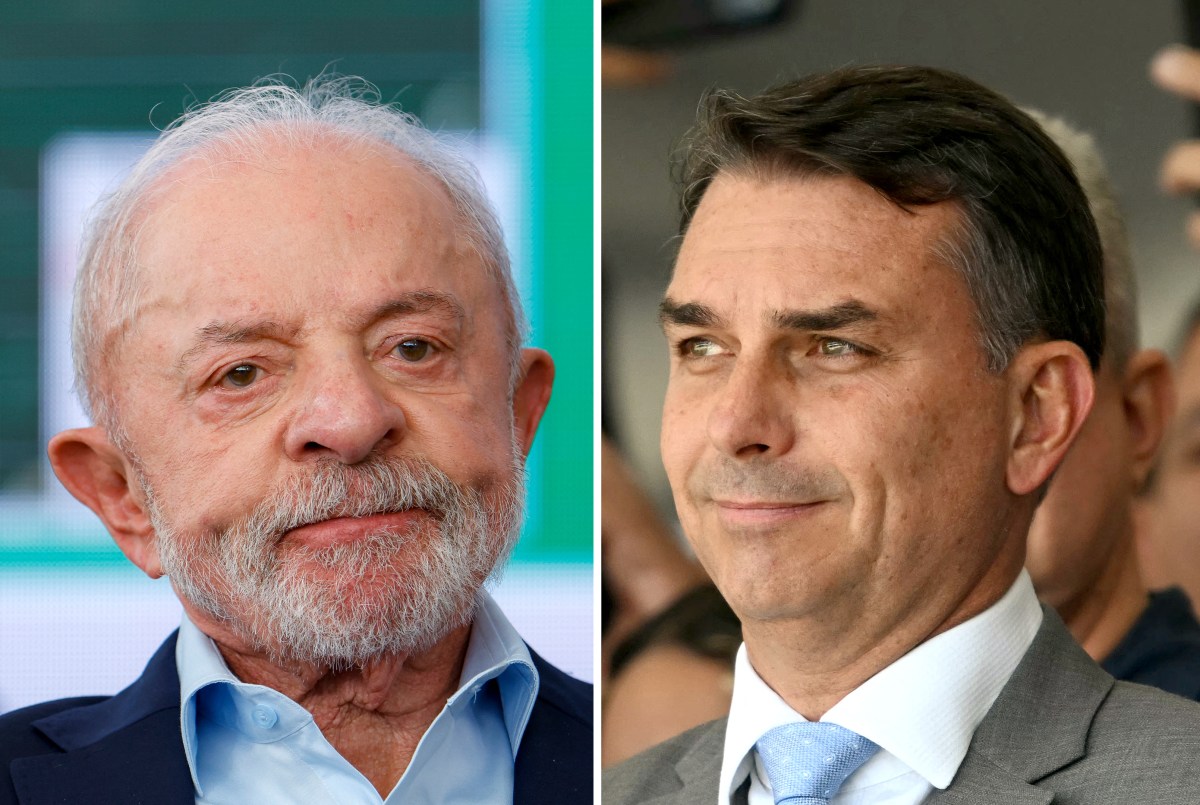
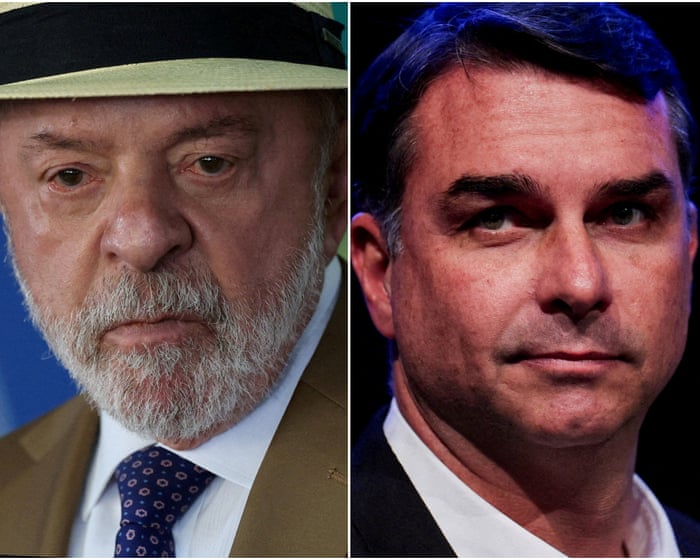
Brazilians will vote in the first round of their presidential election, with President Luiz Inácio Lula da Silva currently ahead but without a clear majority. His main opponent is Senator Flávio Bolsonaro, an ally of U.S. President Donald Trump, and polls show a close race that may lead to a second round runoff.
Key Facts
Brazil’s presidential election first round is scheduled for Sunday.
President Luiz Inácio Lula da Silva leads most polls but does not have enough votes to win outright.
Senator Flávio Bolsonaro, son of former President Jair Bolsonaro and ally of President Donald Trump, is his main opponent.
In a head-to-head runoff, polls show the two candidates are nearly tied.
The U.S. under President Trump has taken steps against Lula’s government, including sanctions and visa restrictions.
Jair Bolsonaro, currently imprisoned for plotting a coup, cannot run for president.
Recent polls show Lula leads by small margins in the first round, but the runoff is within the margin of error.
Voter preferences for minor candidates could influence the outcome in a second round.
Some experts warn polls might underestimate Bolsonaro’s support, as happened with his father in 2022.
Read the Original
Want the full story? Tap a source to open the original
article.
The Islamic Revolutionary Guard Corps (IRGC) of Iran released a 26-page letter addressed to the American people. The letter claims that despite hardship, Iran has won a decisive victory against the United States and criticizes U.S. and Israeli actions, while addressing the ongoing conflict and tension between Iran and America.
Key Facts
The IRGC wrote a long letter directed at the people of the United States.
Iran claims it has achieved a decisive victory against the U.S. and Israel in their conflict.
The letter mentions "Death to America" slogans used by some Iranians, showing hostility towards the U.S. government.
The U.S. government classifies the IRGC as a terrorist organization.
Iran claims it controls the strategic Strait of Hormuz, a key global oil shipping route.
Despite a much smaller defense budget, Iran says it damaged American military bases in the Persian Gulf.
The letter states Iran increased its military production and developed new weapons during the conflict.
The letter suggests American public opinion of Iran is improving, while hostility toward Israel is growing.
Read the Original
Want the full story? Tap a source to open the original
article.
Sixteen candidates in close U.S. election races support policies that help data centers, which are large facilities that store and process data. These candidates come from important states and have different views on balancing data center growth with local concerns about energy use and costs.
Key Facts
Sixteen candidates support data center-friendly policies in tight House and Senate races.
Candidates are from key states like Pennsylvania, Iowa, Virginia, and Maine.
Their support scores range from 3.0 to 4.2 on a five-point AI Policy Scorecard.
The scorecard rates lawmakers based on their views on AI regulation, data centers, jobs, safety, privacy, and national security.
Voters are concerned about data centers, with many opposing new construction in their communities.
Some candidates support quicker building permits and more power generation while trying to protect local control and electricity rates.
Republican Senator Susan Collins supports case-by-case data center projects but worries about energy use.
Representative Scott Perry sees rapid data center growth as key to competing with China in AI technology.
Read the Original
Want the full story? Tap a source to open the original
article.
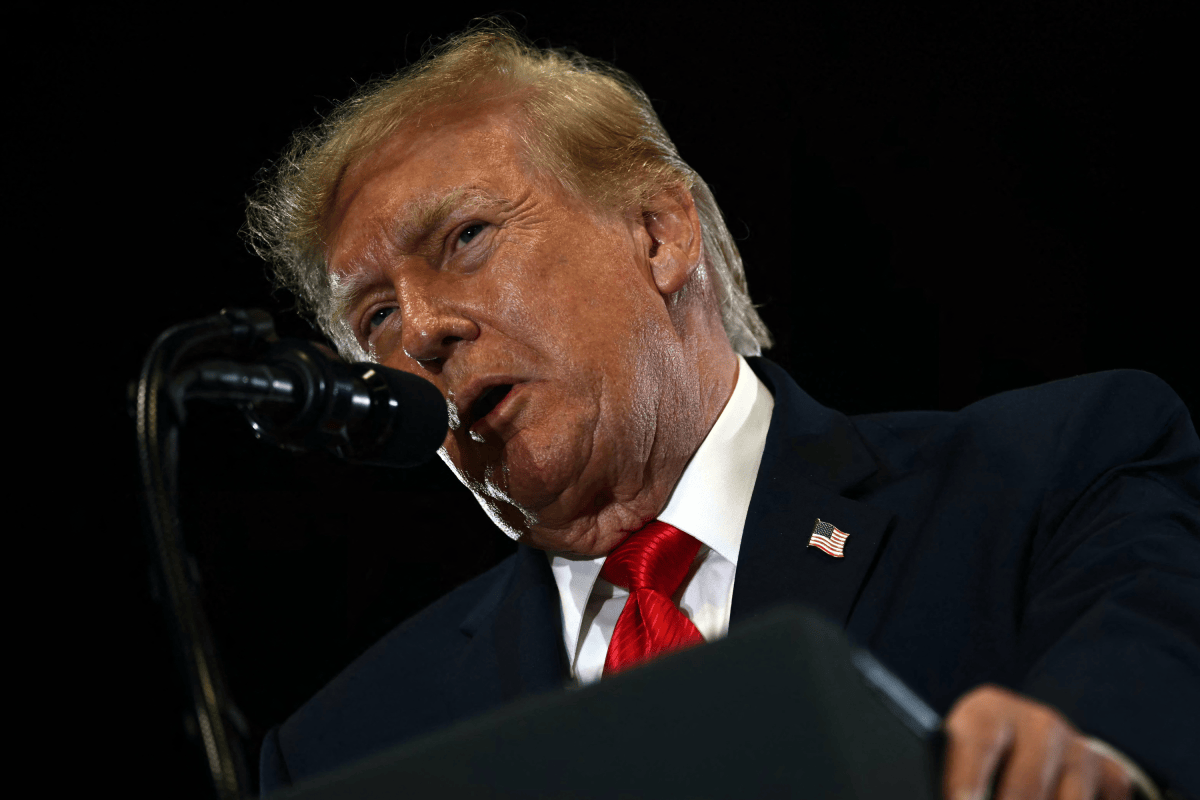
President Donald Trump’s approval rating among voters aged 18 to 24 increased from 25% in July to 41% in September, according to recent Harvard/Harris polls. This rise shows that young voters’ opinions about Trump are changing, though their participation in elections remains lower than older groups.
Key Facts
Trump’s approval rate among 18-24-year-olds rose from 25% in July to 41% in September.
Disapproval in that age group fell from 67% in July to 54% in September.
The latest poll was conducted online from September 26-28 with 2,200 registered voters.
Young adults historically vote less than older Americans, with only 34% of 18-29-year-olds saying they would definitely vote in the midterms versus 78% of those 65 and older.
Experts suggest social media may influence young voters’ changing views and that some might be reconsidering their opinions as the election nears.
Despite higher approval ratings, youth turnout may not increase and could possibly stay low or fall.
The White House emphasized that the real measure is the 2024 election, where Trump was re-elected.
Trump’s approval among 18-24-year-olds is now higher than among people aged 55 and above.
Read the Original
Want the full story? Tap a source to open the original
article.
Many wealthy people are buying bomb shelters and bunkers because they feel worried about future dangers like war, civil unrest, and new technology risks. Businesses that build these shelters say more people are now seriously planning for emergencies than in the past.
Key Facts
DEFCON Underground and other companies sell bomb shelters to customers who want protection from worst-case scenarios.
Interest in bunkers has increased sharply due to concerns about geopolitical conflict, technology risks, and social instability.
Clients fear threats including war with Iran, civil unrest in the U.S., cyberattacks, AI risks, pandemics, and natural disasters.
The idea of civil war is a common worry among bunker buyers due to U.S. political divisions.
AI is seen both as a direct risk and a factor that worsens other security threats.
Since 2020, major events like the COVID-19 pandemic, the war in Ukraine, and concerns about immigration have also boosted sales.
Companies in the U.S., Europe, and the Middle East report more inquiries and faster planning for bunkers.
Both nuclear and non-nuclear shelter requests have increased recently.
Read the Original
Want the full story? Tap a source to open the original
article.
A New York divorce lawyer explains that divorce laws are changing in the U.S., especially for spouses who do not work and rely financially on their partners. Courts now tend to give less financial support and fewer assets to stay-at-home spouses compared to the past.
Key Facts
Divorce laws have shifted to be more gender-neutral and reflect current social roles, with more fathers seeking equal child custody and more mothers earning income.
Stay-at-home spouses, often women, are receiving less spousal support, fewer legal fee payments, and smaller shares of property after divorce.
No-fault divorce laws, enacted in New York about 15 years ago, allow divorces without blaming one partner, changing how cases are handled.
Courts now see each spouse more as an individual with their own income rather than part of a traditional household setup.
Financial dependence is a key issue; stay-at-home spouses may be at a disadvantage if financial roles change after divorce.
Prenuptial agreements mainly protect assets and inheritance before marriage and do not provide full protection for stay-at-home spouses.
Lifetime spousal support is becoming rare, so stay-at-home spouses should understand their financial rights before divorcing.
Understanding custody expectations and rights is important before making decisions about divorce.
Read the Original
Want the full story? Tap a source to open the original
article.
A very strong El Niño weather event is developing and may affect travel during Thanksgiving and Christmas in the United States. Southern states could face heavy storms and flooding, while northern states might have warmer and drier weather, which could mean fewer travel problems from snow or ice.
Key Facts
El Niño is a natural climate pattern where Pacific Ocean waters become warmer than usual.
The current El Niño is the strongest in 170 years, with ocean temperatures 3.05 degrees Celsius above average.
There is a 75% chance this El Niño will be the strongest since 1950.
Southern U.S. states like Texas, Louisiana, and California may experience heavy rain, flooding, and storms during the holiday season.
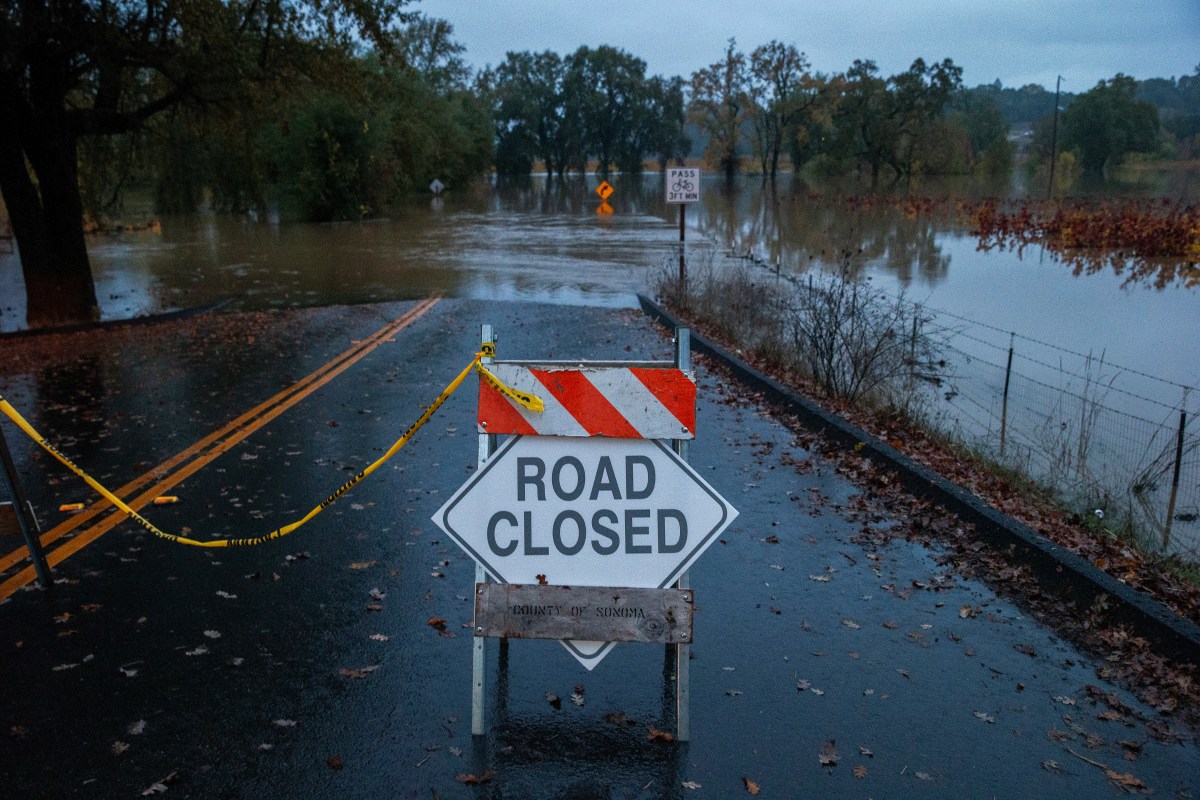
Flooding and mudslides could cause road closures and make travel harder in the South.
Northern states such as New York and Massachusetts may have warmer and drier winters, possibly easing travel problems.
Weather experts warn that warmer global temperatures caused by greenhouse gases can make flooding worse.
Past strong El Niño events, like the one in 1997-98, caused major flooding and road damage in southern California.
Read the Original
Want the full story? Tap a source to open the original
article.
German Chancellor Friedrich Merz made an unannounced visit to Kyiv amid ongoing Russian attacks on the city. Shortly after his arrival, Russian forces struck the North Bridge in Kyiv, damaging the bridge but causing no reported casualties.
Key Facts
Friedrich Merz visited Kyiv unexpectedly to show support for Ukraine.
Russian forces attacked Kyiv’s North Bridge shortly after Merz arrived.
The North Bridge is one of several bridges connecting Kyiv’s central area to suburbs.
Earlier strikes damaged other bridges over the Dnipro River, disrupting transportation.
Since April, Kyiv has faced more frequent Russian attacks including strikes on schools and infrastructure.
Merz brought German defense manufacturers and plans to meet Ukrainian President Zelenskyy.
Sirens sounded in Kyiv and smoke was visible after the bridge attack.
Ukraine is preparing for a difficult autumn and winter amid ongoing conflict.
Read the Original
Want the full story? Tap a source to open the original
article.
Brazilians are voting in a key presidential election that could affect the future of Latin America. The main candidates are the left-wing President Luiz Inácio Lula da Silva, seeking a fourth term, and far-right senator Flávio Bolsonaro, son of former President Jair Bolsonaro.
Key Facts
The election is highly divided and important for Brazil and the region.
Lula is 80 years old and opposes President Trump’s influence in Brazil.
Flávio Bolsonaro supports President Trump and wants to join a US-led anti-drug coalition.
Jair Bolsonaro is serving a 27-year prison sentence for attempting a coup after losing the 2022 election.
If no candidate gets more than 50% of votes, there will be a runoff on October 25.
The election includes votes for president, state governors, legislators, and senators.
Lula is favored by some for protecting vulnerable groups and the Amazon rainforest.
Both main candidates face corruption allegations, affecting voter opinions.
Read the Original
Want the full story? Tap a source to open the original
article.
A major bridge in Kyiv was struck by Russian drone attacks for the second day in a row, causing damage and disrupting traffic and heating services. This happened at the same time as German Chancellor Friedrich Merz made an unannounced visit to Kyiv to show support and promise more help for Ukraine’s air defenses.
Key Facts
The Pivnichnyi (Northern) Bridge in Kyiv was hit by Russian strikes on two consecutive days.
The attacks damaged the road surface and a heating main, causing a temporary lack of hot water in a Kyiv district.
Russian drones have also targeted the Pivdennyi (Southern) Bridge nearby in previous attacks.
Kyiv officials say these bridges are vital for moving troops and supplies between the west and east parts of the city.
German Chancellor Friedrich Merz visited Kyiv suddenly and pledged support for Ukraine’s air defense systems.
Russian officials claim these attacks are in response to Ukraine hitting Russian energy sites, though Russia started the strikes.
Repeated drone strikes risk weakening the bridges, forcing closures and disrupting city infrastructure.
Kyiv's mayor described the situation as very serious due to ongoing attacks on critical infrastructure.
Read the Original
Want the full story? Tap a source to open the original
article.
The remains of Tsar Samuel, a medieval Bulgarian ruler, were returned to Sofia, Bulgaria’s capital, after being located near the border with Greece. Bulgarian fighter jets transported the remains back following long negotiations with Greece, which included an exchange involving religious artifacts.
Key Facts
Tsar Samuel was a medieval ruler of Bulgaria.
His remains were found near the border between Bulgaria and Greece.
Bulgaria and Greece negotiated for decades over the remains.
The bones were returned to Sofia, the capital of Bulgaria.
Bulgarian fighter jets flew the remains back to Bulgaria.
The return was part of an exchange where religious artifacts were also returned.
This event highlights ongoing cultural and historical cooperation between Bulgaria and Greece.
Read the Original
Want the full story? Tap a source to open the original
article.
German Chancellor Friedrich Merz visited Kyiv and announced a new aid package for Ukraine worth over 1.3 billion euros to help with defense and energy needs. During his visit, Kyiv experienced renewed Russian drone attacks, including damage to key infrastructure like bridges over the Dnipro River.
Key Facts
Germany and Ukraine signed a 1.3 billion euro aid deal, including about 1 billion euros for weapons and 350 million euros for Ukraine’s energy sector.
The aid focuses on fighting increased Russian drone attacks and supporting Ukraine’s power and heating systems during winter.
Russian attacks struck Kyiv’s Northern Bridge and other infrastructure several times in recent days.
Air raid sirens repeatedly sounded during Merz’s visit, with damage to the National Academy of Sciences from a drone attack killing two people.
Kyiv’s mayor said the city should prepare for continuous attacks like a war zone.
Merz said supporting Ukraine is important to European security because unchecked Russian aggression could threaten other countries.
The aid deal includes plans for producing advanced anti-drone technology jointly with Ukraine to improve its air defense.
President Zelensky mentioned that the U.S. suggested new talks with Russia and Ukraine by the end of the month.
Read the Original
Want the full story? Tap a source to open the original
article.
Bosnia and Herzegovina held a general election to choose leaders for its multiethnic presidency, Parliament, and regional governments. The vote is important for the country’s efforts to join the European Union, but ongoing ethnic divisions and calls for reform shape the political landscape.
Key Facts
About 3.4 million people voted in the general election on October 4, 2026.
Voters chose three members of the country’s shared presidency, lawmakers, and leaders for two main regions: the Federation of Bosnia and Herzegovina (FBiH) and Republika Srpska.
Bosnia’s complicated government system was created in 1995 to manage tensions between Bosniaks (Muslims), Serbs (Orthodox Christians), and Croats (Catholics).
Political parties often focus on old war conflicts, which some voters find frustrating.
Republika Srpska’s right-wing leader, Milorad Dodik, has expressed strong separatist views.
Bosniak parties support a stronger central government and want to speed up EU and NATO integration.
Bosnia was granted EU candidate status in 2022, but negotiations were delayed until the country improves anti-corruption and justice reforms.
This election was the first to use electronic scanners and fingerprint verification to reduce voting fraud.
Read the Original
Want the full story? Tap a source to open the original
article.