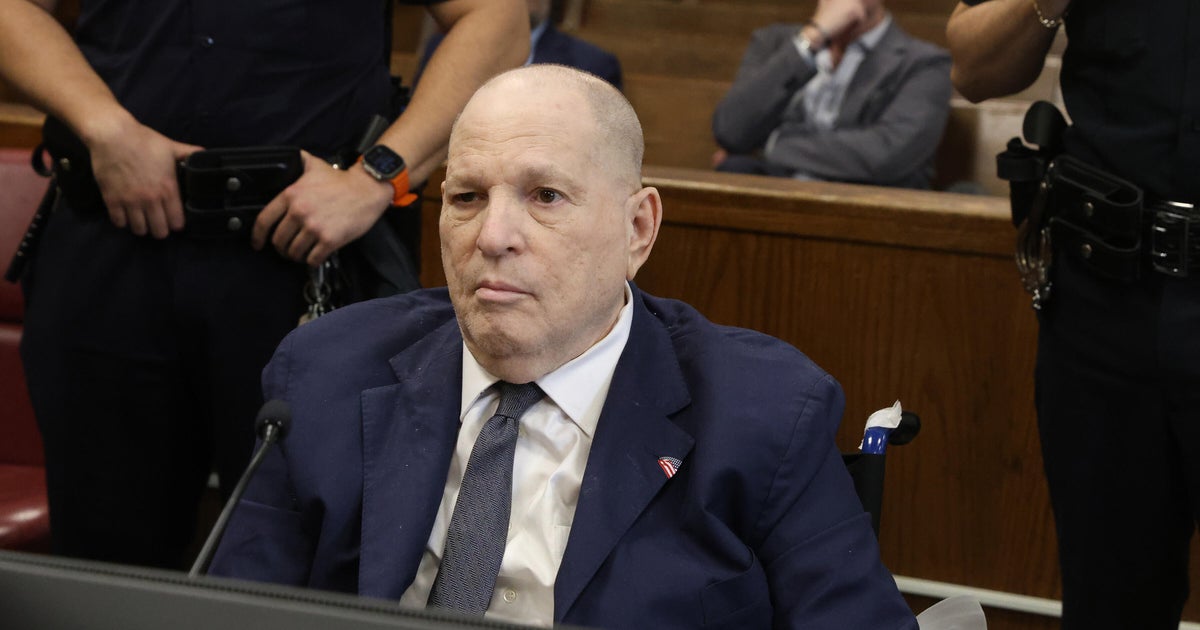
Harvey Weinstein has been sentenced to 15 years in prison after being found guilty of sexual assault against a former assistant. He has already spent six years in jail during multiple trials over similar charges and apologized in court while denying the allegations.
Key Facts
Weinstein was sentenced to 15 years in prison for a criminal sexual act against Miriam Haley.
The conviction followed a retrial after New York's highest court overturned his original 2020 conviction.
Weinstein has faced three trials in New York for rape and abuse allegations.
He has a separate sex crimes conviction in Los Angeles.
Weinstein spent six years in prison during the legal process.
He is a former Hollywood producer known for Miramax and films like Shakespeare in Love.
Allegations against him, which became public in 2017, helped start the #MeToo movement.
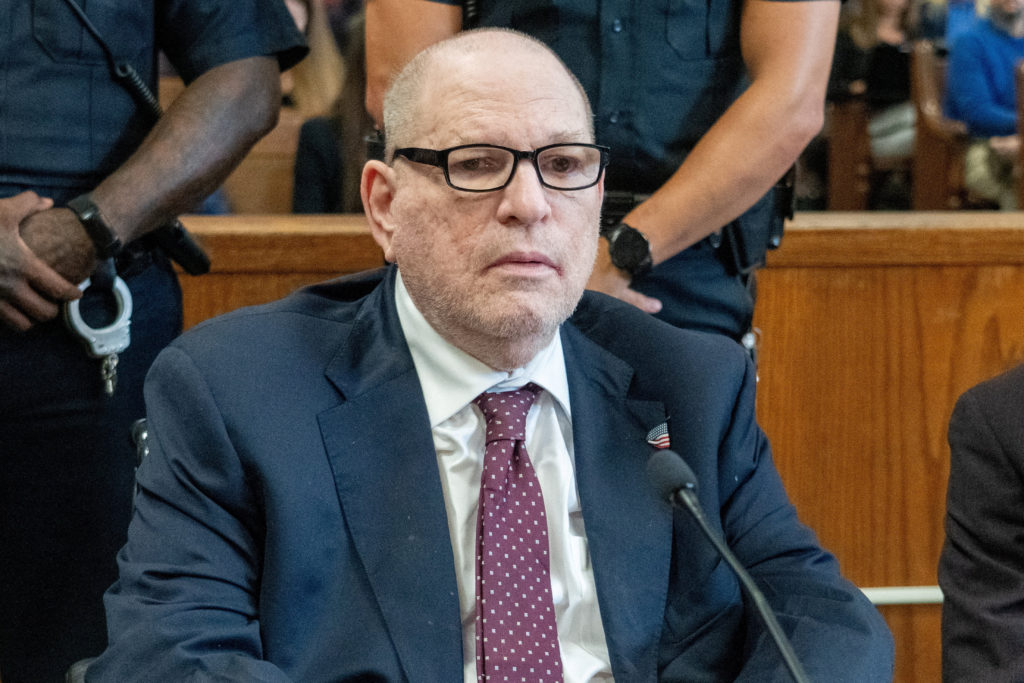
Weinstein appeared in court in a wheelchair and apologized to those he may have hurt.
Read the Original
Want the full story? Tap a source to open the original
article.
This article discusses who should control and benefit from the personal health data collected by devices like smartwatches and health apps. It argues that individuals should keep control over their data and receive compensation when companies use it for purposes beyond the services they offer.
Key Facts
Wearable devices and health apps collect detailed personal health data, such as heart rate and sleep patterns.
Artificial intelligence (AI) can use this data to create new health insights and commercial value.
Current laws, like HIPAA, do not fully protect personal health data collected by many apps and devices.
Privacy policies from wearable makers often lack transparency and may not reflect actual data practices.
People commonly agree to data use without fully understanding how their information will be used or shared.
The article suggests allowing people to see, control, and revoke permissions for their data’s use.
It proposes economic compensation for individuals when companies use their health data for commercial purposes.
Safeguards are important to avoid coercion or unfair treatment, especially for vulnerable groups.
Read the Original
Want the full story? Tap a source to open the original
article.
An inmate named Reginald Steed, charged with killing a correctional officer in Tennessee, died unexpectedly in his prison cell. The prosecutor said this death shows that "God is the ultimate arbiter of justice" and an investigation into Steed's death is ongoing.
Key Facts
Reginald Steed was charged with first-degree murder for killing correctional officer Dustin Pedigo in February.
Pedigo was 35 years old and was fatally stabbed while checking Steed's prison cell.
Steed died suddenly and was found lifeless in his cell at the Riverbend Maximum Security Institution in Nashville.
Prosecutor Russell Johnson said Steed would have likely received the death penalty if convicted.
Steed was already serving 27 years for previous violent crimes, including a 2015 shooting.
The Tennessee Department of Correction and Tennessee Bureau of Investigation are investigating Steed’s death.
A grand jury is set to meet in November about Steed's case.
Issues with prison conditions, such as cell locks, were reported following the stabbing incident.
Read the Original
Want the full story? Tap a source to open the original
article.
A tunic believed by some Christians to have been worn by Jesus Christ at his crucifixion will be shown to Pope Leo XIV during his visit to France. The Holy Tunic, usually kept hidden in Argenteuil, will be displayed under tight security at Stade de France for a prayer event.
Key Facts
The Holy Tunic of Christ is considered very sacred by many Christians.
It is believed to be the garment Jesus wore during his crucifixion.
The tunic is kept in Argenteuil, France, and is only shown publicly about every 50 years or on special occasions.
This tunic was last displayed to the public from April 18 to May 11, 2025, at the Basilica of Saint-Denys in Argenteuil.
It will be transported almost four miles to Stade de France under strict security with secret routes and aerial surveillance.
The tunic was stolen in December 1983 and returned in early 1984, but the details about the theft remain unknown.
Scientific studies have produced mixed results; some support its authenticity while a 2004 carbon dating suggested the fabric dates from 530-650 AD, after Jesus’ time.
Tradition says the tunic was given to Emperor Charlemagne by Byzantine Empress Irene around AD 800 and then kept in the Argenteuil monastery for safekeeping.
Read the Original
Want the full story? Tap a source to open the original
article.
Argentina’s President Javier Milei said at the United Nations that the people of the Falkland Islands do not have the right to decide their own future. Argentina claims the Falkland Islands, known locally as Las Malvinas, and does not recognize the islands’ self-rule under the United Kingdom.
Key Facts
Argentina’s President Javier Milei spoke at the UN General Assembly.
He said the “principle of self-determination” does not apply to the Falkland Islands.
The Falkland Islands are a self-governing territory of the United Kingdom.
Argentina calls the islands Las Malvinas.
Argentina claims the Falkland Islands belong to them.
The principle of self-determination means that the people living somewhere have the right to decide their political status.
This claim challenges the current British governance of the islands.
Read the Original
Want the full story? Tap a source to open the original
article.
Hurricane Polo has become one of the strongest Pacific hurricanes in many years and is expected to move close to Mexico's southwestern coast. Another storm, Odalys, also grew stronger but is not expected to hit land.
Key Facts
Polo is a very powerful hurricane in the Pacific Ocean.
It has winds up to 150 mph, making it a Category 4 hurricane.
Polo was once a Category 5 hurricane, the highest category.
The storm is located south of Zihuatanejo and southeast of Manzanillo in Mexico.
Polo is moving slowly north and will turn northwest soon.
The U.S. National Hurricane Center calls Polo an "extremely dangerous" storm.
Another hurricane, Odalys, strengthened but is not expected to affect land.
Both storms are being closely tracked for potential impact.
Read the Original
Want the full story? Tap a source to open the original
article.
UK lettuce farmers are losing about £10 million due to a huge outbreak of aphids, small insects that harm the crops. Around 30 million lettuces are expected to be wasted this season because of warm and dry weather, which helps aphids to multiply.
Key Facts
Aphids have caused serious damage to UK lettuce farms, especially in many parts of England.
About 30% of UK lettuce crops from now until the end of October may be wasted.
UK growers produce around 500 million heads of lettuce each season.
The outbreak may cause more imported lettuces to appear on UK shelves earlier than usual.
Warm and dry weather has created good conditions for aphids to thrive.
Last year also saw problems with aphids, and a mild winter may have helped their population grow.
The National Farmers' Union is supporting farmers by working with researchers and plant breeders to manage the problem.
The current losses affect the end of the growing season, lasting a few weeks.
Read the Original
Want the full story? Tap a source to open the original
article.
Many wealthy people feel pressure to use their money wisely and avoid waste. Collecting items like art, watches, and cars is growing in popularity among rich people, especially younger collectors who care about culture and meaning as much as financial gain.
Key Facts
Wealth managers offering art-related services rose from 25% in 2011 to 51% now.
72% of younger collectors value cultural impact and legacy more than money returns.
Different watch brands perform very differently in terms of investment value.
Understanding the specific piece, market, and desirability matters more than the category alone.
People can enjoy their collectibles while also making smart financial decisions.
Condition, history, and documentation affect the value of watches and cars.
Collections can create social connections and opportunities beyond financial benefits.
Collecting involves more knowledge and networks than just buying expensive items.
Read the Original
Want the full story? Tap a source to open the original
article.
President Donald Trump has quickly changed his approach to media and policy by launching a 24-hour White House TV channel called Trump TV after barring several news outlets. He is known for rapidly shifting positions on major issues like TikTok, tariffs, and artificial intelligence, treating sudden changes as strategic moves rather than retreats.
Key Facts
President Trump barred CNN, MSNBC, and Politico reporters from the White House.
Within two days, the White House started Trump TV, showing presidential speeches and appearances nonstop.
Trump often changes his political positions very quickly, a style described as a "supersonic pivot."
In 2020, Trump tried to ban TikTok for security reasons but delayed enforcement after returning to office in 2025.
In April 2025, Trump imposed broad tariffs but paused many of them within days to allow for negotiations.
The U.S. and China agreed to suspend extra tariffs for 90 days following those negotiations.
At the United Nations in 2025, Trump suggested renaming “artificial intelligence” to “super intelligence” because the word “artificial” sounds fake.
Trump's rapid changes aim to show flexibility and control, avoiding appearing to back down.
Read the Original
Want the full story? Tap a source to open the original
article.
Germany has announced for the first time that it will stop using fossil fuels by 2045. The government plans to increase renewable energy use and reduce methane emissions as part of this effort.
Key Facts
Germany aims to phase out fossil fuels completely by 2045.
The country plans to increase renewable electricity from 55% to 80% by 2030.
Targets include adding 12 gigawatts (GW) of onshore wind power and reaching 215 GW of solar power by 2030.
Germany intends to stop using coal by 2038, possibly earlier by 2035.
Methane emissions will be cut by 30% by 2030, following a global methane reduction agreement.
There is political debate in Germany about the use of gas and heating rules, with some parties opposing strict changes.
Other countries like France and the Netherlands have also published plans to phase out fossil fuels.
The UK has not yet set a date to end fossil fuel use but will lead the G20 starting December 2024.
Read the Original
Want the full story? Tap a source to open the original
article.
The article questions whether relying on wealthy individuals to decide how to spend large sums of money without any oversight is a good way to manage public funds. It suggests that billionaires can afford to pay taxes instead of just giving to charity.
Key Facts
Billionaires often donate millions to charity.
Donations from billionaires do not have oversight or public accountability.
The article questions if private control of funds is the right way to serve public needs.
It implies that taxing billionaires might be a better solution than relying on their donations.
The focus is on issues related to public spending and governance.
Read the Original
Want the full story? Tap a source to open the original
article.
Many U.S. businesses cannot fill job openings because they only search for workers in nearby areas. Using temporary workers repeatedly causes problems, while hiring foreign workers permanently through visa programs could create a more stable workforce.
Key Facts
In August, 35% of small business owners had unfilled jobs.
Among businesses trying to hire, 82% saw few or no qualified local applicants.
There were 7.3 million job openings in the U.S. in July.
Companies often rely on temporary workers, causing repeated hiring and training costs.
Temporary visa programs help fill short-term needs but are not ideal for long-term workforce stability.
Permanent visa programs like EB-3 allow foreign workers to build futures in the U.S. and improve retention.
Human resources departments often focus only on local hiring, missing opportunities in international recruitment.
Expanding recruitment beyond local areas can help businesses fill jobs, maintain operations, and support communities.
Read the Original
Want the full story? Tap a source to open the original
article.
On the biggest stories we show what the outlets agree on and where they differ. Readers keep that going, and get the daily digest by email every morning. Most choose $3.99/month.
Many people around the world feel lonely even though technology makes it easier to contact others. Loneliness is a serious health issue connected to many deaths each year, and it happens partly because modern life has reduced everyday face-to-face interactions that build real friendships.
Key Facts
In 2025, the World Health Organization said about 1 in 6 people globally feel lonely.
Loneliness causes around 871,000 deaths every year.
In the past, people met friends easily at places like churches, malls, and local businesses without planning.
Today, social life often requires scheduling, and work or family distance reduces regular contact.
Older adults can become more isolated due to mobility and family changes.
"Third places" like parks, libraries, and cafes help people connect outside home and work.
Digital communication can help start relationships but cannot fully replace in-person meetings.
The WHO calls social connection a global public health priority with impacts on health and well-being.
Read the Original
Want the full story? Tap a source to open the original
article.
Iran's President Masoud Pezeshkian told the United Nations that Iran will not give in to pressure from the United States despite ongoing conflict. He expressed willingness to negotiate but said any agreement must end the U.S. blockade of Iranian ships and ports.
Key Facts
Iran and the U.S. have been in conflict for nearly seven months, involving attacks and blockades in the Strait of Hormuz.
President Donald Trump threatened to "annihilate" Iran if no deal is reached soon.
Iran’s president stated the Iranian people will resist sanctions and pressure rather than surrender.
Iran demands the U.S. end its blockade of Iranian ships and ports as part of any deal.
The Strait of Hormuz is a key route for about 20% of the world’s oil and gas shipments.
The strait has been effectively closed due to Iranian attacks on ships and the U.S. blockade since February.
A preliminary agreement to end the conflict and reopen the strait collapsed after attacks resumed.
U.S. and Iranian officials held indirect talks recently in New York, but Iran says conditions for peace remain the same.
Read the Original
Want the full story? Tap a source to open the original
article.
Harvey Weinstein was sentenced to 15 years in prison for sexually assaulting Miriam Haley in 2006. This is after a new jury convicted him in 2025 following an earlier conviction that was overturned by New York’s highest court.
Key Facts
Weinstein, 74, was found guilty of sexual assault against Miriam Haley in his Manhattan apartment in 2006.
He was originally convicted in 2020 on this and another charge but the sentence was overturned in 2024.
A new jury reconvicted Weinstein in 2025 for the assault on Haley.
Prosecutors said Weinstein has shown no remorse and accused him of online harassment and blaming victims.
Haley spoke about the lasting impact of the attack, including PTSD and feeling harassed during legal proceedings.
Weinstein’s defense called the cases complex and noted he has been convicted in two cases in California as well.
Prosecutors requested a 20-year sentence plus 5 years of supervision after release, but the judge sentenced him to 15 years.
Haley said she felt the process was very difficult but wanted to continue seeking justice.
Read the Original
Want the full story? Tap a source to open the original
article.
Harvey Weinstein was sentenced to 15 years in prison for sexually assaulting a TV production assistant in 2006. His original conviction was erased, but after a retrial, a jury found him guilty again. Weinstein has already spent over six years in jail during the legal process.
Key Facts
Weinstein was sentenced on Wednesday for assaulting Miriam Haley in his Manhattan apartment in 2006.
His original 2020 conviction was overturned by New York's highest court in 2024 due to unfair testimony from other women.
After a retrial last year, he was again convicted of a first-degree criminal sex act related to Haley.
Weinstein was acquitted of forcibly performing oral sex on another woman, and another rape charge ended without a verdict.
Prosecutors dropped a rape charge after the accuser could not testify again.
Weinstein has served more than six years in prison during multiple trials and appeals.
Weinstein has denied raping or assaulting anyone but expressed remorse for Haley’s pain in court.
Haley said the assault and legal process have caused long-lasting trauma and fear.
Read the Original
Want the full story? Tap a source to open the original
article.
Harvey Weinstein was sentenced to 15 years in prison for sexually assaulting Miriam Haley, a former TV production assistant, in 2006. This new sentence follows a retrial in New York after his original 23-year conviction was overturned on appeal.
Key Facts
Harvey Weinstein is a well-known Hollywood movie producer involved in many abuse allegations.
He was originally sentenced to 23 years in prison in 2020 for sexually assaulting Miriam Haley.
His original conviction was overturned by an appeals court in 2024.
A retrial took place in New York in 2025, which ended with a guilty verdict.
On September 23, 2026, Weinstein received a new sentence of 15 years in prison for this offense.
The case was part of the larger #MeToo movement that exposed many sexual abuse cases in Hollywood.
Weinstein was present in Manhattan Supreme Court when sentenced.
The case received wide international media coverage due to its impact on the film industry and social movements.
Read the Original
Want the full story? Tap a source to open the original
article.
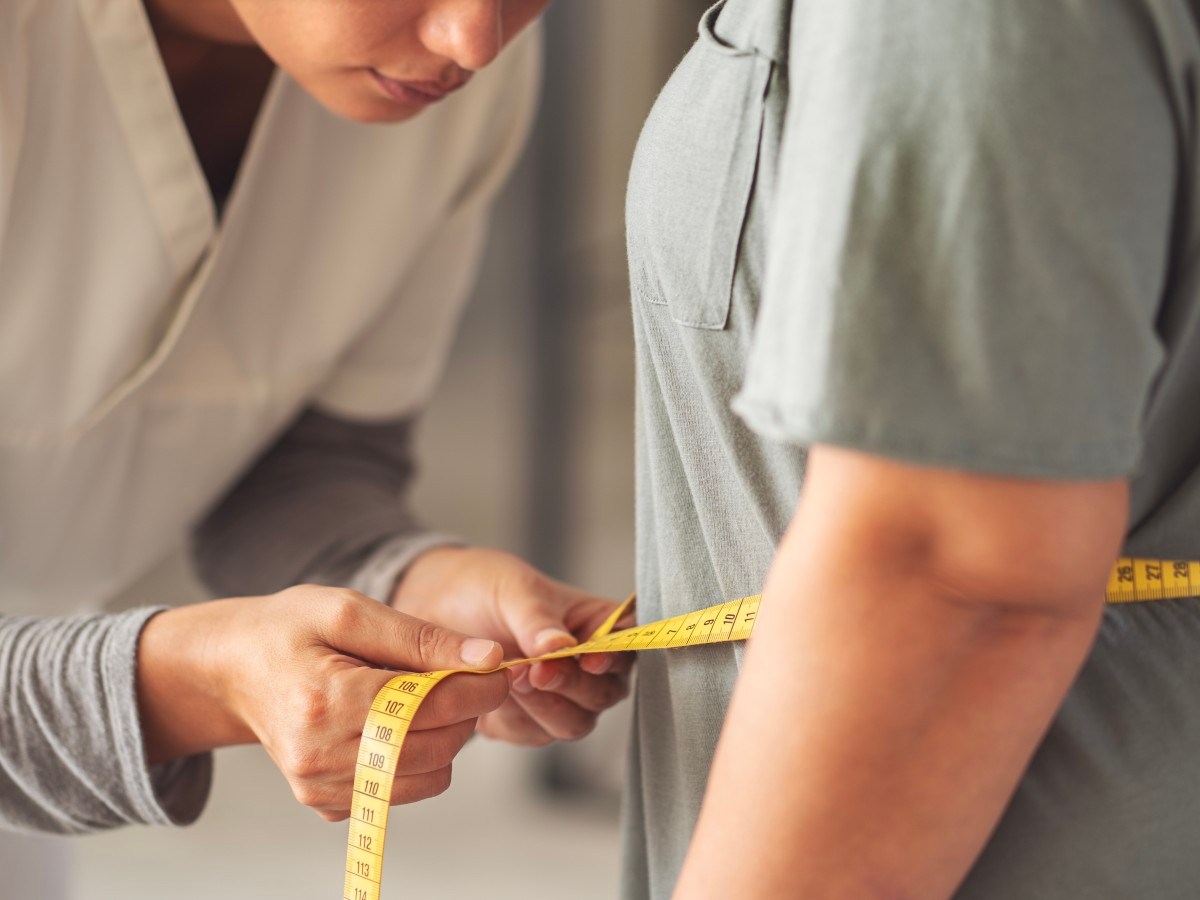
A new study found that having a higher body mass index (BMI) in teenage years is linked to faster biological aging later in life. Researchers tracked over 3,500 people for 40 years and found that higher BMI in adolescence can increase the risk of diseases and earlier death.
Key Facts
The study was done by the University of Jyväskylä in Finland and published in the International Journal of Obesity.
Biological aging means the way cells and the body show signs of getting older, which can lead to health problems.
Teens with high BMI, whether due to genetics or other factors, may face more health issues linked to obesity as adults.
Excess body fat causes inflammation, which can harm the body's metabolism and speed up aging.
A 2023 study showed that weight control programs in children can slow biological aging.
The study suggests preventing weight gain early by improving schools, neighborhoods, and food options.
Higher BMI may also reflect other unhealthy habits like poor diet and low physical activity.
Early prevention efforts can reduce future risks of heart disease, cancer, and brain diseases.
Read the Original
Want the full story? Tap a source to open the original
article.
Staying informed here is free for everyone. If it's worth something to you, pay what you want. Supporters also get the daily digest by email every morning.
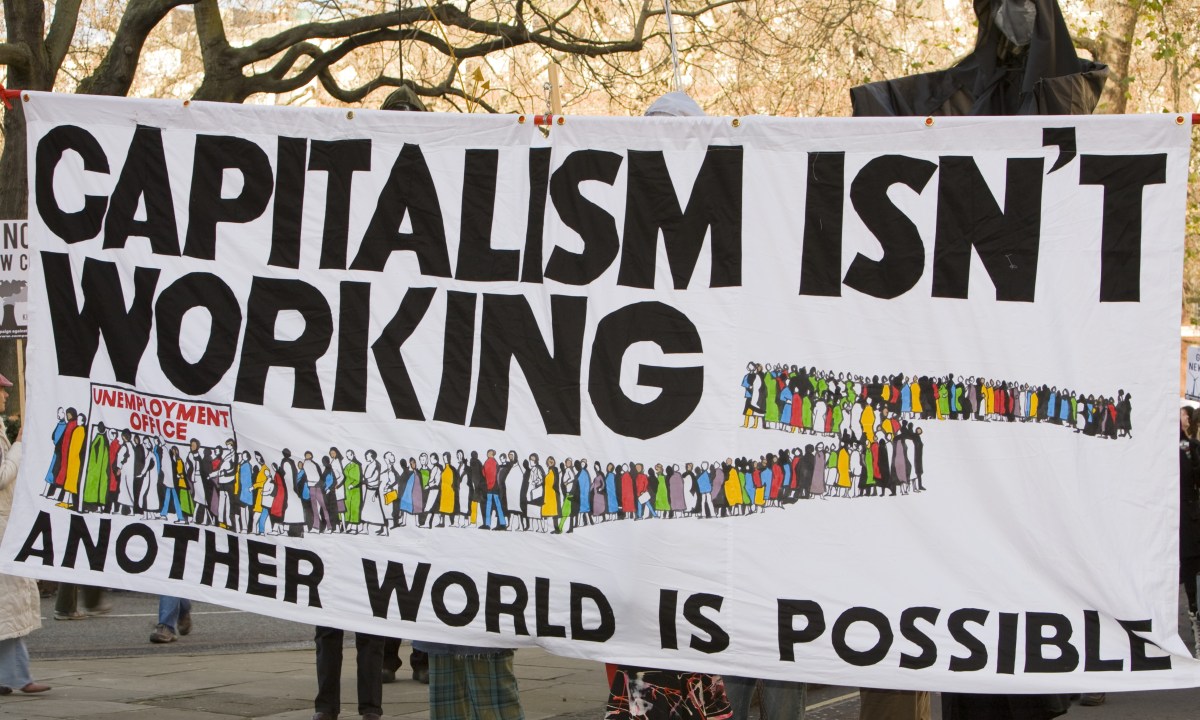
Many Americans are unhappy with current economic choices, showing less support for both capitalism and socialism. The article suggests improving capitalism by increasing ownership opportunities for workers and others, so more people can share in economic success.
Key Facts
In 2025, only 54% of Americans viewed capitalism positively, the lowest on record.
Socialism gained 39% positive views, showing no clear winner in public opinion.
People want more than just a choice between capitalism or socialism—they want to share wealth created by the economy.
The issue is not capitalism itself, but who owns the wealth; many workers do not gain enough from their labor.
Cooperative and member-owned businesses already involve 12% of the world’s population and generate trillions in revenue.
Ownership allows people to build wealth and feel included in economic growth, unlike wages that only cover daily needs.
Increasing broad ownership can strengthen capitalism and reduce political polarization on economic policy.
Economic success is more sustainable when more people directly benefit from it, not just receive government help.
Read the Original
Want the full story? Tap a source to open the original
article.
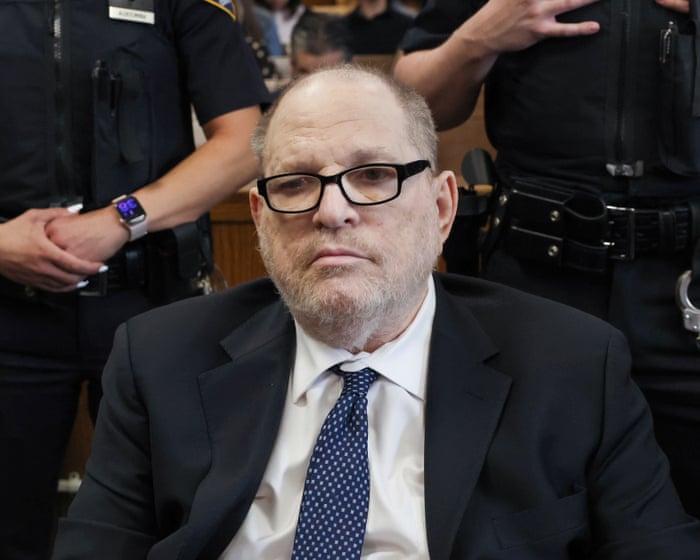
Harvey Weinstein was sentenced to 15 years in prison after being found guilty of sexually assaulting Miriam Haley in 2006. He has faced multiple trials, including a retrial after a previous conviction was overturned, and is also facing other legal cases related to sexual assault.
Key Facts
Weinstein was sentenced to 15 years for sexually assaulting Miriam Haley in 2006.
Haley gave a statement describing the lasting impact of the assault on her life.
Prosecutors asked for a 20-year sentence, claiming Weinstein showed no remorse.
Weinstein apologized and expressed regret for his actions during his statement.
His defense requested a shorter sentence due to his health problems, including blood cancer and heart disease.
A judge noted Weinstein’s role in sparking the #MeToo movement due to many sexual assault allegations against him.
Weinstein’s original 23-year sentence from 2020 was overturned because the trial was ruled unfair; he was retried and reconvicted.
He faces other legal cases, including a upheld 2022 conviction in California and possible additional prison time.
Read the Original
Want the full story? Tap a source to open the original
article.