Neutral summaries of your favorite news sources — just the facts.
Your favorite news sources, one neutral feed — we distill their reporting into fact-first
summaries and always link to the original story. How it works
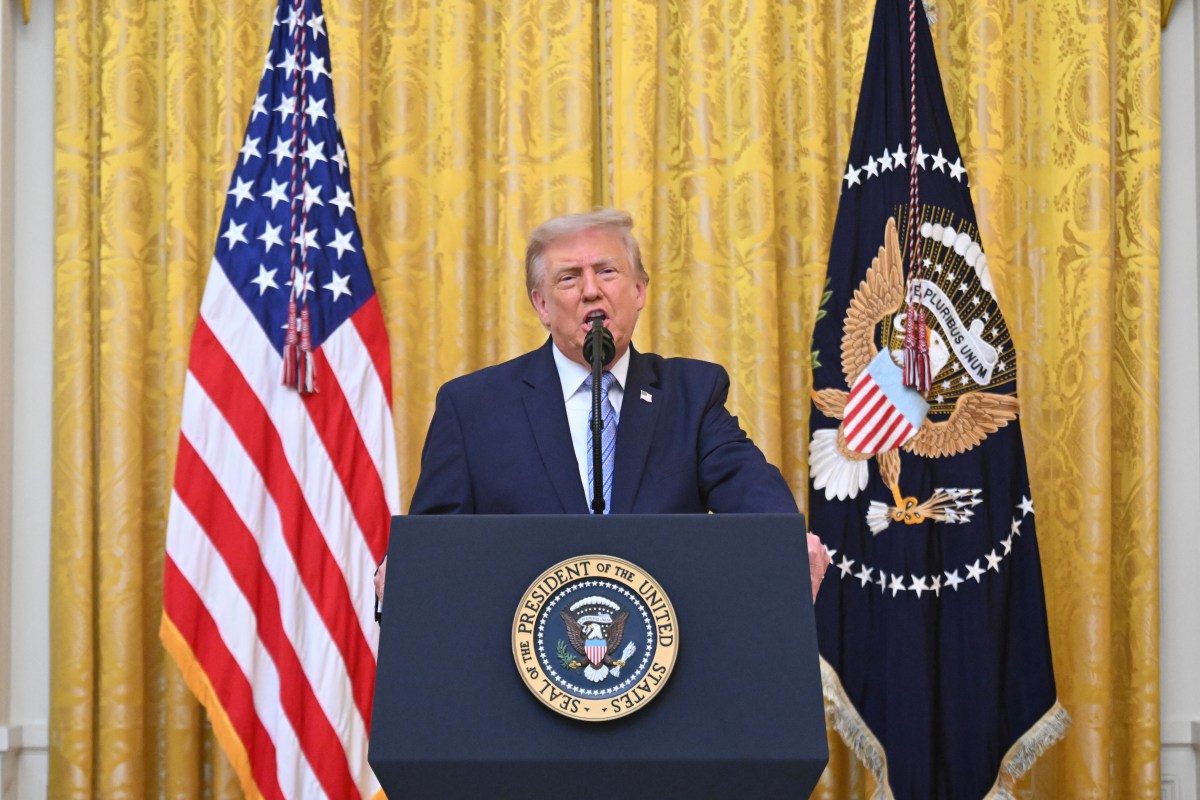
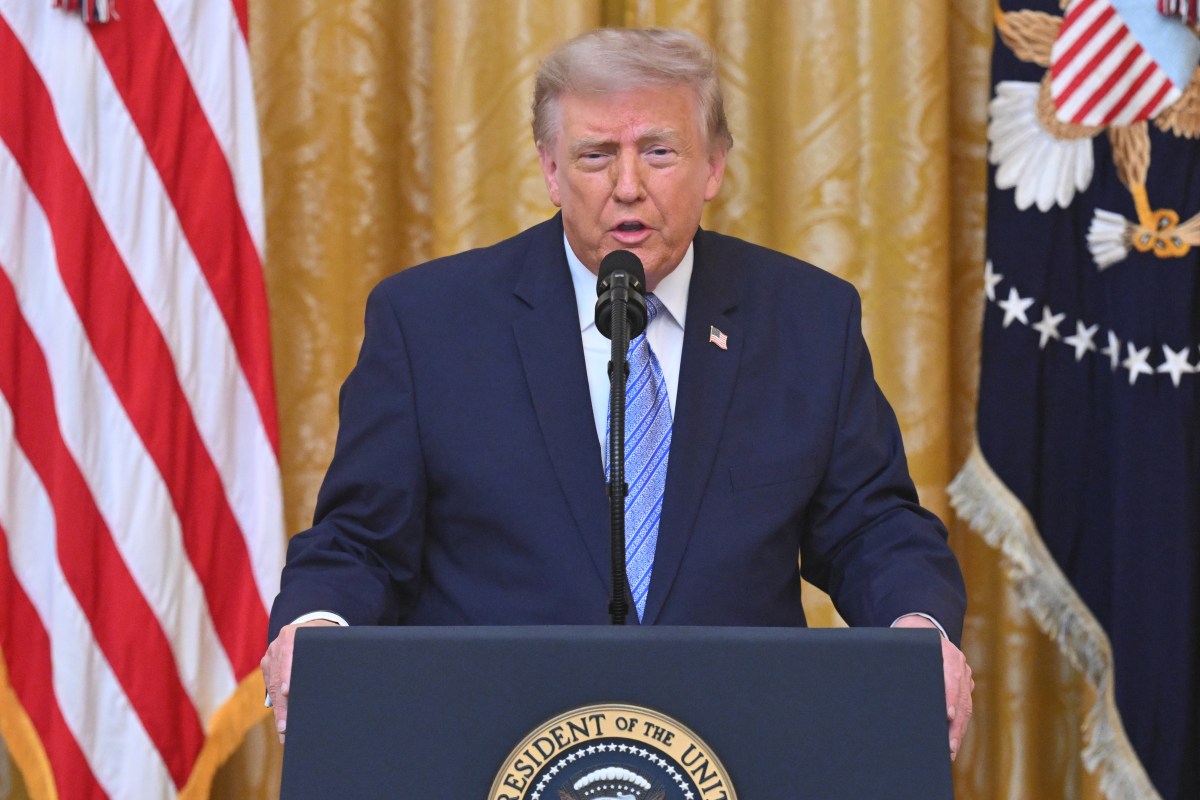
President Donald Trump gave a speech in which he repeated broad claims about voter fraud and interference by China. He spoke ahead of the upcoming midterm elections, which many expect him to challenge.
Key Facts
President Trump made claims of voter fraud without providing supporting evidence.
He also alleged that China interfered in U.S. elections.
The speech was delivered from the East Room of the White House in Washington, D.C.
The speech happened on July 16, 2026.
The midterm elections are approaching, and many expect disputes over the results.
The speech included warnings but did not give detailed plans or proof.
The article notes what President Trump said and what he did not address.
Read the Original
Want the full story? Tap a source to open the original
article.
Several political action committees (PACs) connected to the artificial intelligence (AI) industry are raising and spending millions of dollars ahead of the U.S. midterm elections. Pro-AI groups supporting rapid development and lighter regulation have much more funding than those focused on AI safety and regulation.
Key Facts
Leading the Future is a pro-AI super PAC backed by tech executives that had $31.5 million at the end of June, after transferring $20 million to other related groups.
Leading the Future sent $10 million each to two other PACs: Think Big PAC and American Mission PAC.
Public First Action, a nonprofit promoting AI safety, received $20 million from AI company Anthropic this year and is linked to three super PACs.
The bipartisan Public First PAC had about $494,000 on hand but raised $3.4 million this quarter, much from Anthropic staff; the CEO of Anthropic donated $1 million.
Jobs and Democracy PAC, which supports Democrats, ended June with about $1.3 million; it spent heavily on a New York candidate who lost the primary.
The Republican-leaning Defending Our Values PAC had around $315,000 available at quarter’s end.
Guardrails Alliance, a new super PAC supporting AI safety and workers' rights, reported nearly $400,000 in funds.
Overall, groups focused on AI safety have far less money than those pushing for rapid AI development and fewer regulations.
Read the Original
Want the full story? Tap a source to open the original
article.
Classified documents released by the White House show that China and Russia targeted Joe Biden's 2020 presidential campaign, mainly to gather intelligence and spread negative information. President Donald Trump disputed the 2020 election results and claimed foreign interference changed the outcome, but reviews of the documents do not support these claims.
Key Facts
The White House posted classified documents about foreign interference in the 2020 election.
China targeted Biden’s campaign to gather intelligence, but did not plan to change the election outcome.
Russia aimed to harm Biden’s public image and support President Trump on social media.
President Trump used a prime-time speech to question the 2020 election’s legitimacy and push for tougher voting laws.
Independent reviews found no proof that foreign interference altered the election results.
The documents were released without full context and include partial investigation files and intelligence reports.
Many lawmakers and Democrats criticized Trump’s claims as unproven conspiracy theories.
Read the Original
Want the full story? Tap a source to open the original
article.
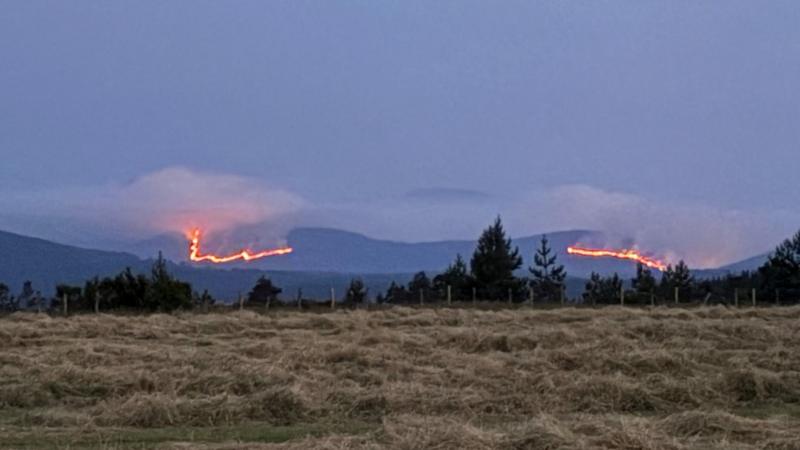
A major wildfire has been burning for three days in the Cairngorms area of Scotland, spreading over nearly four miles and causing evacuations of homes, businesses, and campsites. Firefighters and volunteers continue to work to contain the fire, which has burned about 300 hectares of land, while authorities warn people to avoid the area and stay safe.
Key Facts
The wildfire started near Ryvoan Bothy close to Nethy Bridge on Wednesday morning.
By Thursday afternoon, the fire had spread across 3.7 miles (6 km).
Evacuations include homes, businesses, ski resorts, and campsites in Glenmore Forest Park.
Firefighters have worked through the night and continue to fight the fire with six engines and specialized equipment.
About 300 hectares (740 acres) of land have burned so far.
Volunteers from the Royal Society for the Protection of Birds (RSPB) have helped using vehicles and hoses.
There are no reports of injuries or casualties.
Authorities warn people not to visit the affected areas and keep following safety advice due to ongoing risk.
Read the Original
Want the full story? Tap a source to open the original
article.
Energy prices began rising after Iran increased attacks near the Strait of Hormuz, a key oil shipping route, while the U.S. military struck Iranian targets. China’s large oil reserves and reduced imports helped keep global oil prices from rising too quickly despite the conflict.
Key Facts
Iran attacked ships near the Strait of Hormuz, a crucial waterway for oil shipments.
The U.S. military resumed daily strikes on Iranian targets amid rising tensions.
Despite disruption, global oil prices did not spike to expected historic levels.
China cut its crude oil imports by 41.3% compared to the previous year.
China used its strategic petroleum reserves, which hold about 1.2 billion barrels of crude oil.
China is the world’s largest crude oil buyer, accounting for 20% of global traded oil last year.
Nearly half of China’s oil comes from the Middle East, including discounted oil from Iran.
China’s use of reserves and lower imports helped stabilize the global oil market during the conflict.
Read the Original
Want the full story? Tap a source to open the original
article.
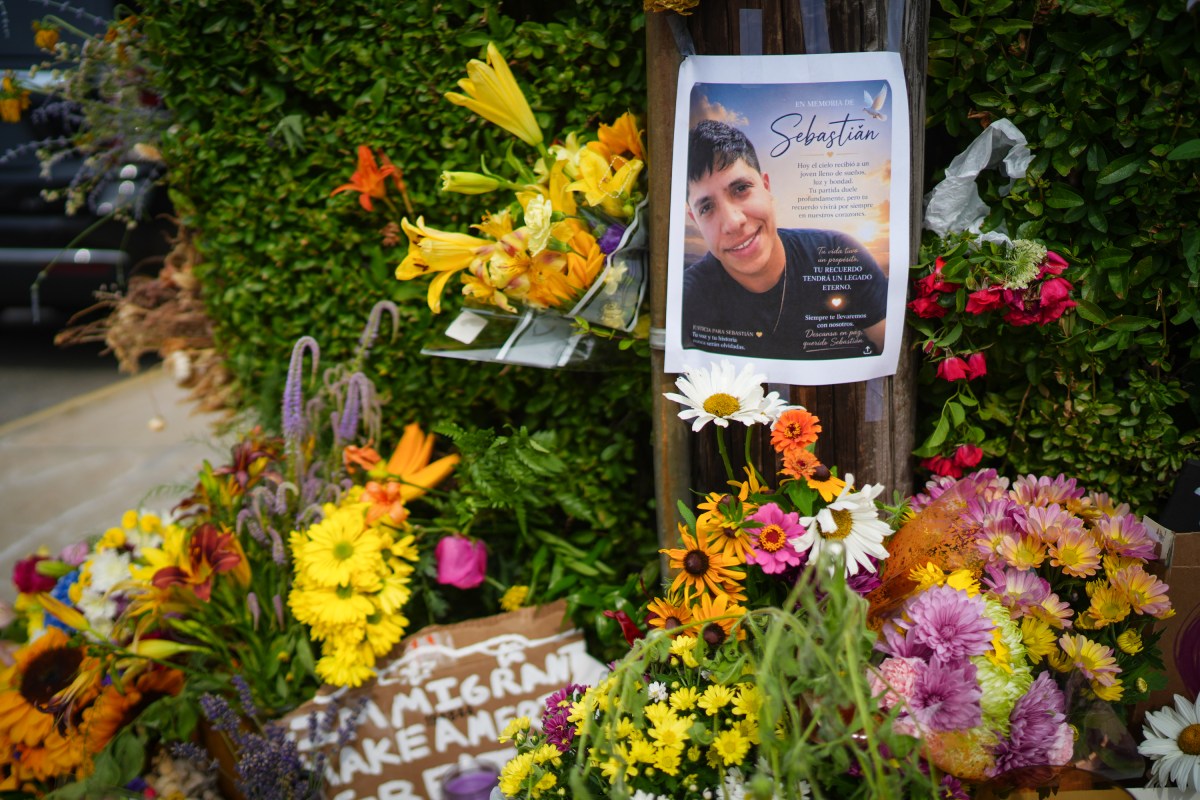
David Brouillette, an ICE agent and Army veteran, fatally shot a 25-year-old Colombian man in Maine. Brouillette has a history of mental health issues and violence, according to family members and court records, raising concerns about ICE’s hiring and screening process.
Key Facts
David Brouillette is a U.S. Immigration and Customs Enforcement (ICE) agent with nearly 10 years of federal law enforcement experience.
He shot and killed Johan Sebastián Durán Guerrero, a 25-year-old Colombian man, in Biddeford, Maine.
Brouillette’s ex-wife and daughter say he admitted to the shooting and has long-standing mental health and violence problems.
Court records reveal allegations of physical and verbal abuse by Brouillette toward his family.
His second ex-wife requested and received protection orders due to his alleged abusive behavior.
Democratic members of Congress have questioned ICE’s recruitment and training after this incident.
The Department of Homeland Security declined to identify Brouillette, citing officer safety.
Attempts to contact Brouillette for comment were unsuccessful.
Read the Original
Want the full story? Tap a source to open the original
article.
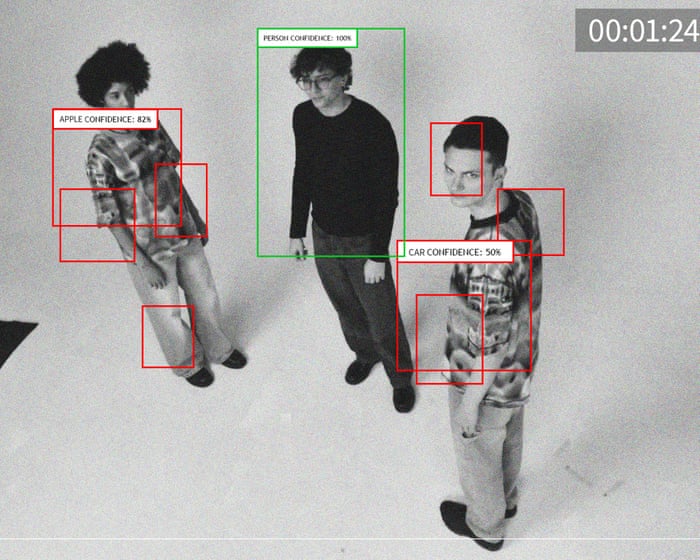
Clothing designers are creating garments with special patterns that aim to confuse facial recognition systems used in public spaces. These "adversarial clothing" designs use shapes and colors to make it harder for computer algorithms to identify people, raising awareness about privacy and surveillance concerns.
Key Facts
Facial recognition technology is increasingly used in public areas across Britain.
“Adversarial clothing” uses patterns that try to trick facial recognition software.
Advances in computing have made it easier to produce such garments for everyday consumers.
The effectiveness of these patterns depends on the type of surveillance system and the settings.
Experts warn that no design can fully guarantee protection from facial recognition.
Some garments incorporate features like infrared LEDs to confuse night-vision cameras.
There are concerns that facial recognition often misidentifies Black and Asian people more than white people.
Public worry about surveillance is growing, with nearly 60% fearing it may lead to a “surveillance society.”
Read the Original
Want the full story? Tap a source to open the original
article.
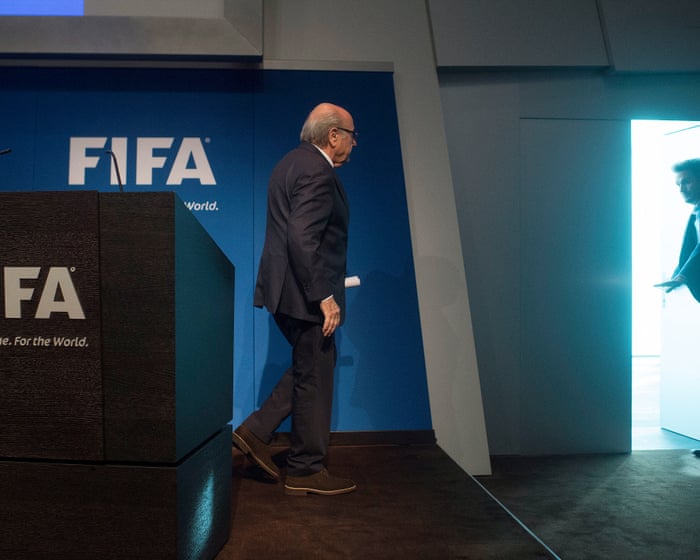
Mel Brennan worked inside Concacaf during a time of corruption led by Jack Warner and Chuck Blazer. He helped investigators uncover wrongdoing and believes that football has survived past corruption scandals and will continue to do so under current leadership.
Key Facts
Mel Brennan was an executive at Concacaf during the corrupt leadership of Jack Warner and Chuck Blazer.
Brennan became a secret source for FBI and journalists investigating football corruption.
Concacaf offices were located in Trump Tower, where some officials lived or worked close to Donald Trump’s residence.
FBI raids in 2015 targeted Concacaf and Fifa officials due to widespread corruption.
Brennan says the corrupt leaders were opportunists, not criminals, and feared exposure.
Concacaf was seen as less competent than other football organizations, making corruption easier to detect.
Football has survived previous corruption scandals involving Sepp Blatter, Warner, and Blazer, and Brennan believes it will survive current issues with Gianni Infantino.
Media sometimes avoided deep investigation to maintain access, contributing to the problem.
Read the Original
Want the full story? Tap a source to open the original
article.
Katsiaryna Bartko, a 33-year-old Belarusian cancer survivor, was hospitalized three times in four days while in U.S. Immigration and Customs Enforcement (ICE) custody in Kansas. She requires daily medication after thyroid cancer surgery, and there are concerns about whether she is receiving proper medical care during detention.
Key Facts
Katsiaryna Bartko is a Belarusian asylum seeker held at the Midwest Regional Reception Center in Leavenworth, Kansas, since June 19.
She has undergone thyroid cancer surgery, which requires her to take daily hormone and calcium supplements for life.
Bartko was hospitalized three times within four days due to critically low calcium levels and other health issues.
Her partner claims she was initially denied some prescribed medication while in ICE custody.
ICE and the detention center operator CoreCivic say Bartko is getting regular medical care and her health issues are being addressed.
Bartko’s low calcium levels can cause serious problems like muscle spasms and heart issues if untreated.
She was treated with intravenous calcium and diagnosed with additional infections and cysts during her hospital visits.
The case raises broader concerns about medical care quality and access for detainees under the Trump administration’s expanded immigration enforcement.
Read the Original
Want the full story? Tap a source to open the original
article.
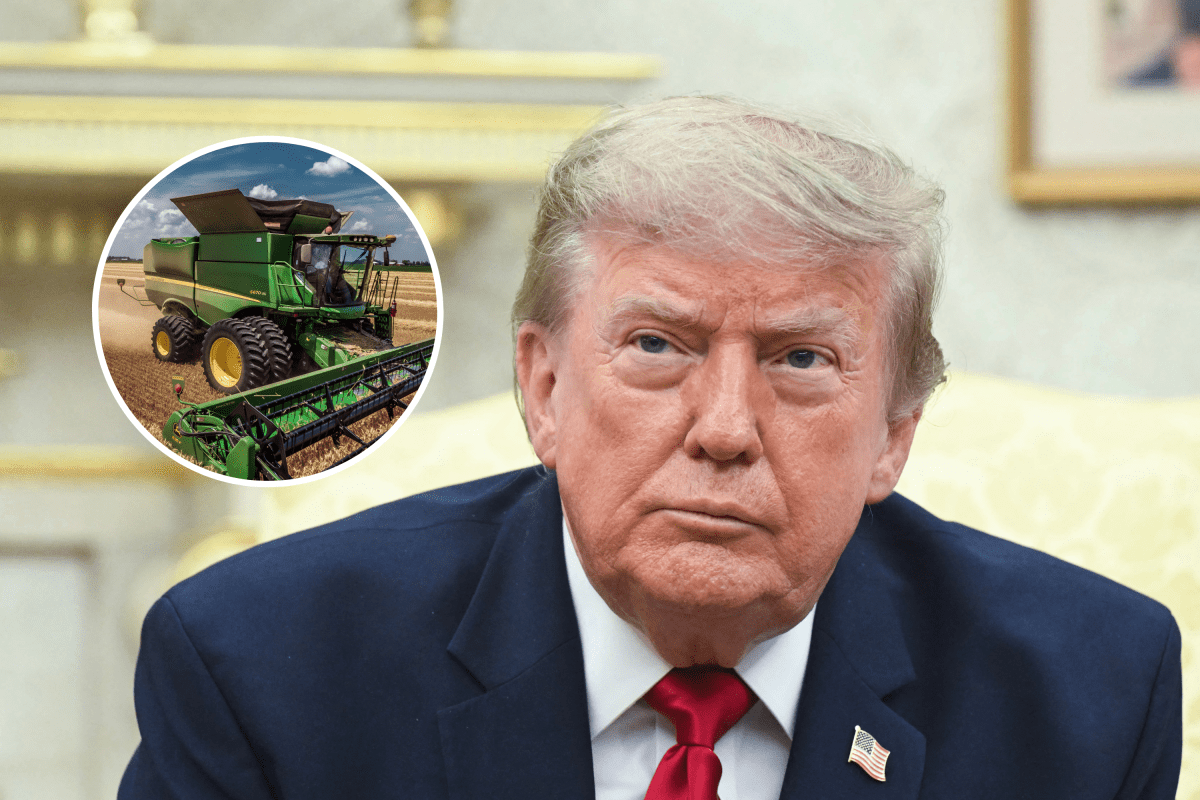
President Donald Trump’s approval rating among rural voters has returned to a positive level in July 2026 after several months of decline. This improvement comes after a sharp drop in rural support earlier in the year, which was largely influenced by economic pressures like inflation and rising farm costs.
Key Facts
A July 2026 Harvard CAPS/Harris poll shows Trump’s approval among rural voters at 52%, with 44% disapproving, resulting in a net +8 rating.
This is Trump’s first positive rural approval rating with this pollster since February 2026, when he had a +2 margin.
Earlier in May 2026, a Fox News poll found Trump’s rural approval dropped to a net -14, marking a 34-point drop from early 2025.
The economic issues affecting rural voters include inflation and higher farm costs, partly linked to international events like the Iran conflict.
Rural voters have traditionally been a strong support base for Republicans, so changes in their approval can impact competitive elections.
Trump’s national approval rating in the same July poll is 42%, showing his rural support is stronger than his overall national standing.
The July polling was conducted before the breakdown of a ceasefire in Iran, a situation that could affect economic conditions and voter sentiment.
White House officials say Trump has made progress on jobs, inflation, and housing affordability, efforts that may influence rural voter attitudes.
Read the Original
Want the full story? Tap a source to open the original
article.
Chinese officials and experts see President Trump’s approach to U.S.-China relations as more cooperative compared to prior policies. They note that reducing trade conflicts and pausing arms sales to Taiwan have eased tensions and helped China’s position globally, while raising concerns about impacts on U.S. power and influence.
Key Facts
After a rocky start, U.S.-China relations have improved during President Trump’s second term, according to Chinese officials and academics.
Trump’s approach focused on transactions rather than ideological or technology competition.
Trump reduced tariffs and relaxed export controls on advanced AI chips to China.
Arms shipments to Taiwan were paused, shifting military balance toward Beijing.
China mourns the U.S. withdrawal from some international diplomacy groups, where China may gain influence.
Chinese experts see Trump’s policies as beneficial to China’s global standing.
Trump’s policies may weaken U.S. alliances and hurt long-term American competitiveness.
The easing of tensions offers potential benefits but also risks reducing U.S. global power.
Read the Original
Want the full story? Tap a source to open the original
article.
A woman shared her personal experience of testing HIV positive during medical exams required for joining the military in 2010. Despite the initial shock and struggles to accept her diagnosis, she has since worked on her health and openness about living with HIV.
Key Facts
The author was 23 years old and starting military enrollment when she had medical tests in 2010.
A new rapid HIV test using a mouth swab showed she was HIV positive.
Follow-up blood tests confirmed the HIV diagnosis after one week.
At diagnosis, her immune cell count was normal and her virus level was low.
She initially found it very hard to accept the diagnosis and felt devastated.
Her brother provided emotional support during this difficult time.
She did not start truly accepting her HIV status until around 2019.
Now, she follows a healthy lifestyle, takes HIV medication daily, and speaks openly about living with HIV.
Read the Original
Want the full story? Tap a source to open the original
article.
The US military carried out airstrikes in southern Iran for the sixth night in a row. They destroyed an important bridge and a maritime control tower, causing at least seven deaths.
Key Facts
The US military targeted southern Iran with airstrikes.
These strikes have continued for six nights in a row.
A key bridge was destroyed during the attacks.
A maritime control tower was also destroyed.
At least seven people were killed in the strikes.
The strikes are part of ongoing military actions involving the US and Iran.
Read the Original
Want the full story? Tap a source to open the original
article.
Severe thunderstorms with large hailstones have hit parts of Europe during a record heatwave, causing flooding and damage in countries like France, Germany, and Poland. Meanwhile, heavy monsoon rains in Bangladesh have caused deadly floods and landslides, affecting about a million people.
Key Facts
Large hailstones up to 7 cm in diameter fell in southeastern France, damaging cars, buildings, and vineyards.
Flooding and strong winds caused road and tram closures in Wrocław, Poland, with warnings issued to stay indoors.
Storms in France were expected to bring 30-50 mm of rain, with some places receiving more.
In Bangladesh, monsoon rains caused flooding and landslides that killed at least 53 people, including schoolchildren and a teacher.
About one million people in Bangladesh have been affected, with many living in government shelters.
Cox’s Bazar refugee settlement in Bangladesh was evacuated due to flooding.
Chattogram district recorded 412.3 mm of rain in 24 hours, the highest July rainfall in 42 years.
Bangladesh’s low-lying geography and many rivers increase its risk of flooding during heavy rains.
Read the Original
Want the full story? Tap a source to open the original
article.
Wildfires in northern Minnesota and Canada are producing heavy smoke that is affecting air quality across the U.S. Midwest and Northeast, as well as parts of Canada. Experts link the increase in wildfire smoke to human-caused climate change, which is making fires more frequent and severe.
Key Facts
Wildfire smoke has created poor air quality warnings in cities like New York, Chicago, and Toronto.
The smoke comes from large fires burning in northern Minnesota and Canada.
Climate change, caused by human activity, is increasing both the number and intensity of wildfires.
From 2020 to 2024, exposure to harmful wildfire smoke in the U.S. was four times higher per person than from 2006 to 2019.
The fires have destroyed homes and harmed local tourism industries.
Hot, dry weather is helping the fires continue and raises the chance of new fires starting.
Smoke may spread to other areas, potentially moving southward in the coming week.
Experts suggest that more people will need to adjust to “smoke season” in addition to traditional “fire season.”
Read the Original
Want the full story? Tap a source to open the original
article.
China denied President Donald Trump's claim that it stole 220 million American voter records to influence the 2020 U.S. election. The Chinese Foreign Ministry called the accusation baseless and urged the U.S. to stop blaming China and focus on improving their relationship.
Key Facts
President Trump accused China of illegally taking sensitive voter data from the 2020 U.S. election.
China’s Foreign Ministry spokesperson Lin Jian said the U.S. accusations are without facts and meant to harm China’s reputation.
A 2021 U.S. intelligence report found no evidence that China influenced the 2020 election results.
China said it has no interest in and has never interfered with U.S. elections.
China criticized the U.S. for spying on other countries and harming cybersecurity globally.
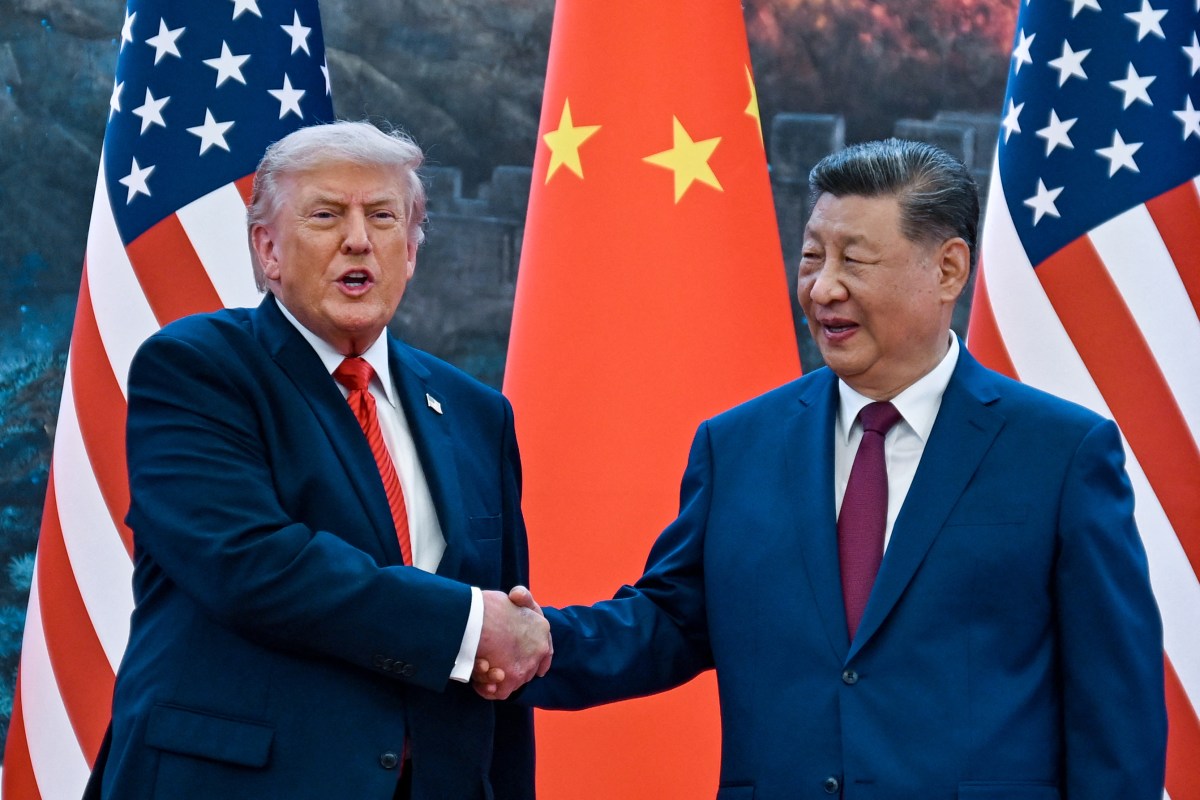
President Trump and Chinese President Xi Jinping met in May but made little progress on major issues.
Trump invited Xi to visit Washington in September to continue talks.
The U.S. and Chinese governments had not responded to requests for comments after the news story broke.
Read the Original
Want the full story? Tap a source to open the original
article.
Iran launched missile and drone strikes on several countries in the Gulf region as the United States continued air attacks on Iran for a sixth night. Countries including Bahrain, Iraq, Kuwait, Oman, Qatar, Jordan, and Syria took defensive measures amid rising tensions between the US and Iran.
Key Facts
Iran fired missiles and drones at Gulf states and other nearby countries overnight.
The US conducted air strikes on Iranian civilian infrastructure, including telecommunications, railways, and a bridge in Hormozgan province.
Bahrain, Iraq, Kuwait, Oman, Qatar, Jordan, and Syria activated defenses against these Iranian attacks.
Qatar raised its security threat level after explosions in the capital Doha but later returned to normal.
Iranian forces claimed to have attacked US military sites in Bahrain, Oman, Kuwait, and Syria.
US coalition forces shot down eight explosive drones over Erbil in northern Iraq without casualties.
Jordan intercepted and destroyed three Iranian missiles entering its airspace with no reported injuries.
China and Pakistan urged both sides to stop fighting and return to diplomatic talks to maintain the recent tentative ceasefire.
Read the Original
Want the full story? Tap a source to open the original
article.
Victorian Liberal MP Moira Deeming was removed as a candidate for the November state election after her party voted to cancel her endorsement. She had challenged the party’s decision in court but withdrew the legal action before the election.
Key Facts
Moira Deeming was disendorsed as the leading candidate for the Western Metropolitan Region in Victoria’s upcoming state election.
The Liberal Party held a meeting and decided to cancel her endorsement on Friday afternoon.
Deeming dropped a legal challenge she started to stop the party from removing her as a candidate.
She had accused fellow Liberal MP Matthew Guy of grabbing her in a headlock, but later said she misunderstood the situation.
CCTV footage showed Guy placing his hand on Deeming’s back, not a headlock.
Police investigated the incident and found no offence took place.
Matthew Guy said Deeming owed him a public apology and denied any wrongdoing.
Deeming sent a 12-page statement with a mediation proposal to end the court action before withdrawing it.
Read the Original
Want the full story? Tap a source to open the original
article.
Scientists have discovered how a toxin made by a common gut bacterium called Bacteroides fragilis attaches to a protein on colon cells, causing damage that can lead to colorectal cancer. This breakthrough helps explain how some gut bacteria may directly contribute to the development of colon tumors and offers a new way to potentially block the toxin’s harmful effects.
Key Facts
Bacteroides fragilis is a common bacterium found in about 20% of healthy people’s guts.
Only certain strains of this bacterium produce a toxin called BFT linked to colorectal cancer.
The toxin binds to a protein on colon cells called claudin-4 to start damaging the gut lining.
Damage from BFT triggers inflammation, which may lead to tumor growth in the colon.
Researchers used a gene-editing method (CRISPR) to find claudin-4 as the toxin’s attachment point.
Blocking claudin-4 prevented the toxin from harming colon cells in lab tests.
Scientists created a molecular "decoy" that mimics claudin-4 to intercept the toxin and stop damage in animal studies.
Maintaining a healthy diet and lifestyle can help support colon health and reduce cancer risk.
Read the Original
Want the full story? Tap a source to open the original
article.
Shay Taylor-Allen worked as a hospital janitor for ten years before becoming a doctor. After seeing her mother struggle with illness, she decided to pursue medicine and is now training as a resident doctor at the same hospital where she once worked as a janitor.
Key Facts
Shay Taylor-Allen began working as a janitor at Yale New Haven Hospital at age 18.
She felt "invisible" in her janitorial role but saw it as a steppingstone to other healthcare careers.
Her mother’s illness inspired her to study medicine to help patients better.
Taylor-Allen earned an undergraduate degree at Southern Connecticut State University.
She completed a master’s degree at Quinnipiac University.
She earned her medical degree from Howard University College of Medicine.
She worked as a janitor throughout her early college years and left the job when she started medical school in 2021.
Now she is a resident doctor in anesthesiology at Yale New Haven Hospital, the same place she started as a janitor.
Read the Original
Want the full story? Tap a source to open the original
article.