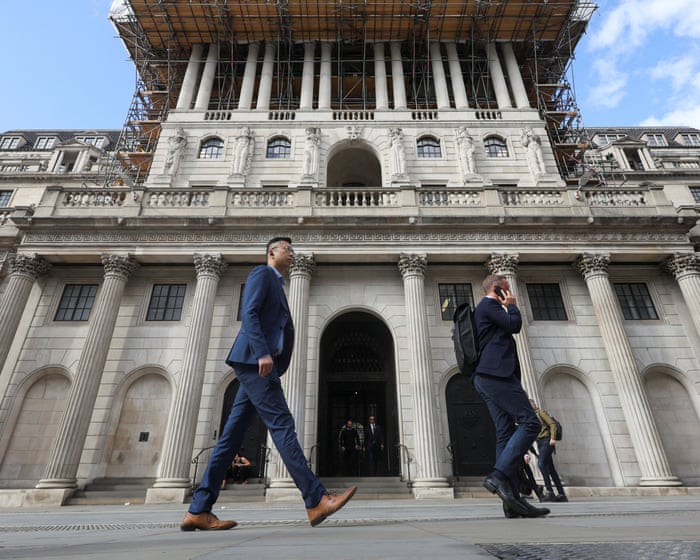
The Bank of England kept interest rates steady at 3.75% but warned that ongoing conflict in the Middle East could lead to future rate increases to control inflation. It also announced a plan to sell £146 billion of UK government bonds back to the Treasury, aiming to manage market stability and public finances ahead of the next budget.
Key Facts
The Bank of England’s base interest rate remains at 3.75%.
The ongoing Middle East war has caused energy prices to rise, increasing inflation risks.
Inflation in the UK is expected to reach 4% by early next year due to higher energy costs.
The Bank’s rate-setting committee voted 6-3 to keep rates unchanged.
The Bank plans to sell £146 billion of government bonds to the Treasury by 2034.
Selling bonds back to the Treasury is a new move to reduce market instability and public finance pressures.
The Bank paused its current program of selling bonds to investors until a deal with the government is reached.
This bond sale is part of the Bank’s quantitative tightening, reversing earlier bond-buying during financial crises.
Read the Original
Want the full story? Tap a source to open the original
article.
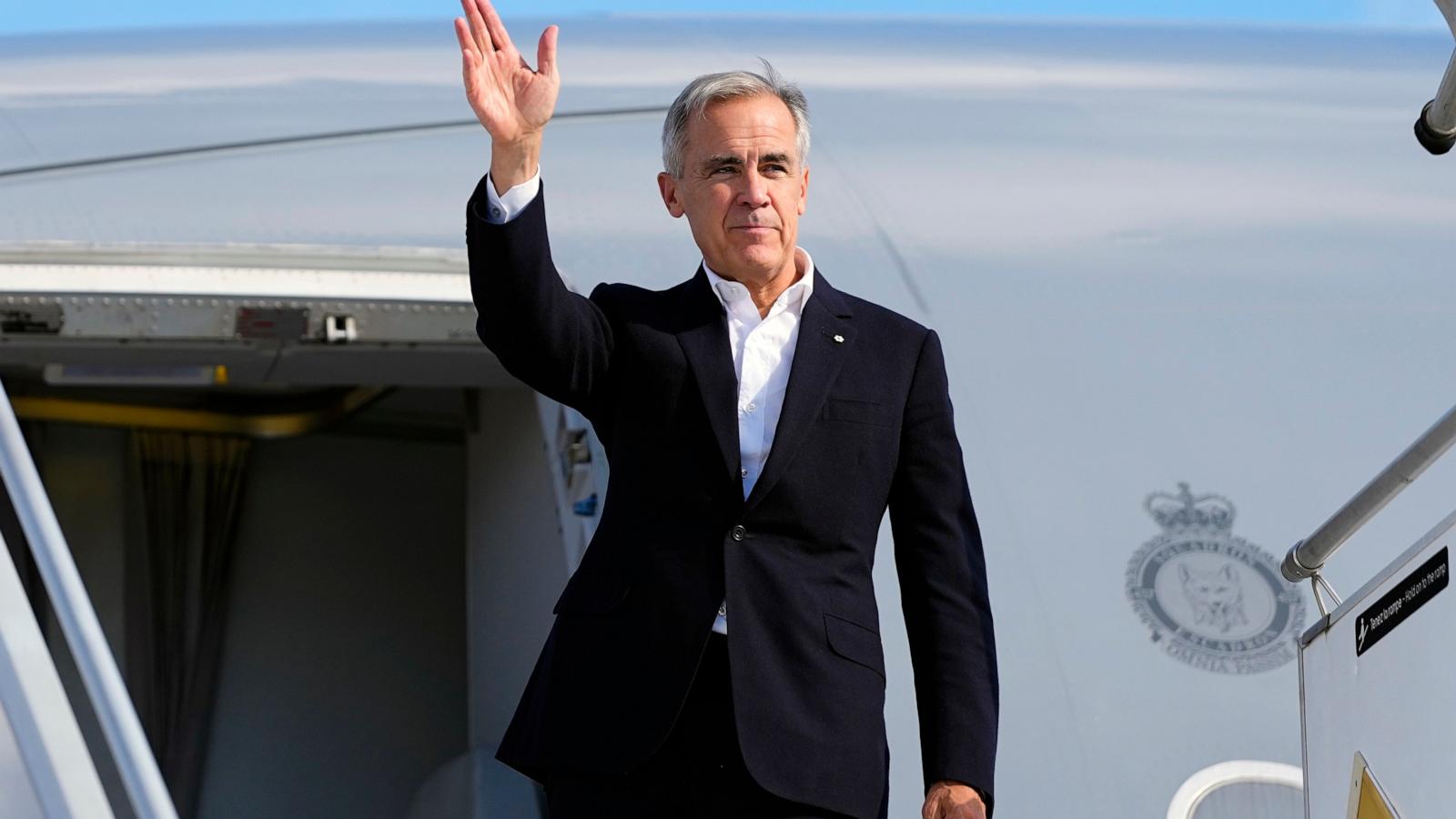
Canadian Prime Minister Mark Carney spoke to the European Parliament on September 17, 2026. This event followed President Donald Trump’s statement that Canada becoming an associate member of the European Union could be seen as a hostile action.
Key Facts
Mark Carney is the Prime Minister of Canada.
He addressed the European Parliament on September 17, 2026.
President Donald Trump commented that Canada joining the EU as an associate member might be considered a hostile act.
The European Parliament is a key decision-making body of the European Union.
Associate membership means a closer relationship with the EU but is not full membership.
The topic reflects ongoing discussions about Canada and its international partnerships with Europe.
Read the Original
Want the full story? Tap a source to open the original
article.
Mohammed Radwan is a camera repairman in Gaza who helps journalists keep their cameras working during the war. Despite shortages of cameras, spare parts, and electricity, he repairs damaged equipment so reporters can continue documenting events.
Key Facts
Mohammed Radwan is a camera repairman based in Gaza.
He repairs damaged camera equipment for journalists.
There are severe shortages of cameras and spare parts in Gaza.
Electricity supply is limited in the area.
Journalists rely on his work to keep filming the war.
His efforts help maintain coverage of the conflict despite tough conditions.
Read the Original
Want the full story? Tap a source to open the original
article.
A "48 Hours" team spent a night in the Lizzie Borden House in Fall River, Massachusetts, where the 1892 murders of Andrew and Abby Borden took place. Lizzie Borden was accused but acquitted of killing her parents with a hatchet, and the case remains a famous mystery with new insights and media retellings continuing to emerge.
Key Facts
Andrew Borden and his wife Abby were killed on August 4, 1892, in their home.
Lizzie Borden, Andrew’s daughter, was the prime suspect but was found not guilty after a two-week trial.
The murders were violent; Abby was stabbed fewer than a dozen times, and the weapon was a small hatchet, not an axe as commonly believed.
The Borden house is now a museum and Bed and Breakfast where guests can stay in rooms connected to the crime.
The house is over 180 years old and has been restored with original crime scene photos on display.
Visitors and investigators note the thin walls and small size of the house make it hard to believe Lizzie didn’t hear the attack upstairs.
Questions remain about how the killer could commit the murders without leaving blood evidence or noise.
The case has inspired many books, films, a nursery rhyme, and a Netflix series called "Monster: The Lizzie Borden Story."
Read the Original
Want the full story? Tap a source to open the original
article.
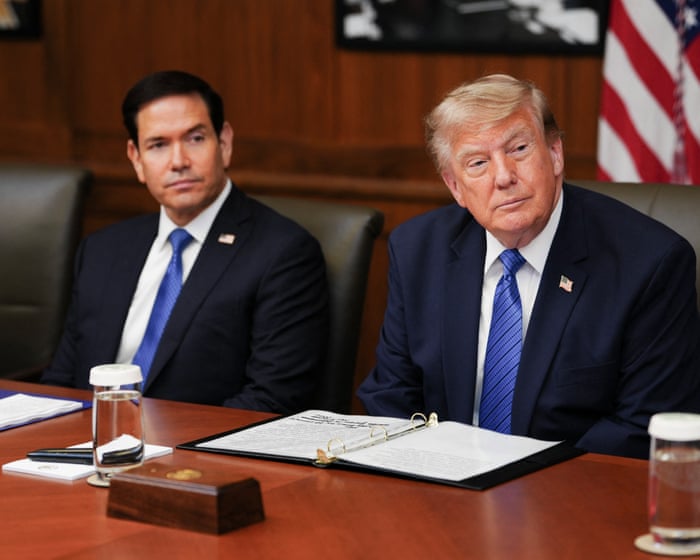
Various U.S. and international investors, including allies of President Donald Trump and Secretary of State Marco Rubio, are competing to control valuable Cuban assets amid tough U.S. sanctions on the island. These sanctions have pushed out many foreign companies and created new business opportunities for these insiders if the Cuban government falls.
Key Facts
The U.S. has imposed strict secondary sanctions on Cuba, causing many foreign companies to leave the country.
President Trump signed an executive order in May that forced Canada’s Sherritt International out of a mining deal with Cuba.
Two rival U.S. groups led by Trump supporters are competing to buy Sherritt’s stake in Cuban mining.
Australian company Antilles Gold was blacklisted but then allowed by the U.S. government to negotiate transferring its Cuban mining stake to an American investment fund.
Trump Organization executives have returned to Cuba recently to explore real estate deals and meet with relatives of Cuba’s former leaders.
Secretary of State Marco Rubio has held quiet talks with Raúl Guillermo Rodríguez Castro, grandson of former Cuban president Raúl Castro.
Spanish hotel chains Meliá and Iberostar have left Cuba, creating new openings for investors.
The situation is part of a broader effort by the U.S. to increase economic pressure on Cuba and limit foreign influence on the island.
Read the Original
Want the full story? Tap a source to open the original
article.
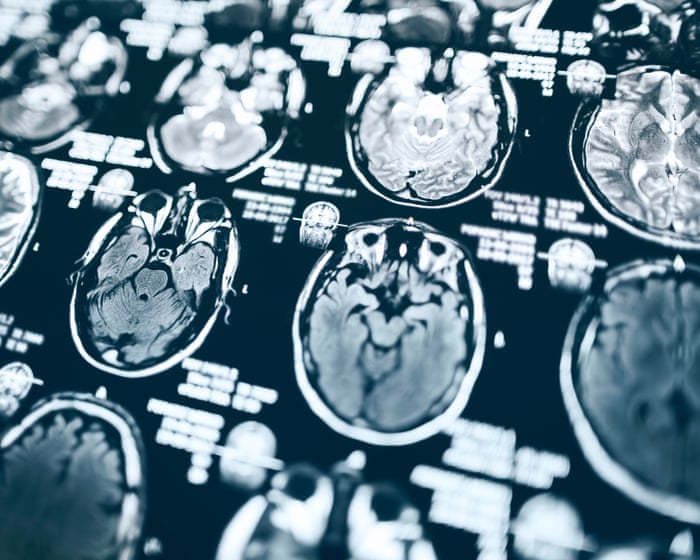
The Trump administration cut funding for a federal Alzheimer’s disease study involving 600 aging adults in two low-income, mostly Black neighborhoods in Pittsburgh. This early shutdown prevents researchers from analyzing and sharing important data, which could delay diagnosis and treatment for these participants.
Key Facts
The study focused on Alzheimer’s disease risk in two majority Black, low-income Pittsburgh neighborhoods.
The Trump administration canceled the research grant in August and gave researchers 90 days to close the study, more than five months earlier than planned.
Researchers cannot complete data analysis or share cognitive test results with participants due to lack of time and money.
Over the last two years, the administration canceled or froze more than 5,700 medical research grants funded by NIH, affecting over 74,000 clinical trial participants nationally.
The cuts are tied to the Trump administration’s changes in federal science funding, including efforts against diversity, equity, and inclusion (DEI) programs.
Researchers are suing the NIH, claiming the government is censoring research that conflicts with political views.
Black Americans are twice as likely to get Alzheimer’s disease but are underrepresented in research studies.
Early diagnosis of Alzheimer’s is important because treatments work best in the early stages and can help slow disease progression.
Read the Original
Want the full story? Tap a source to open the original
article.
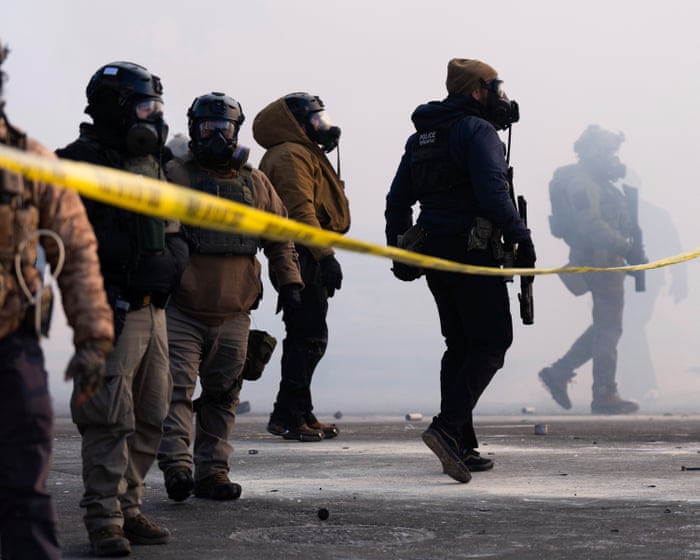
Congresswoman Ilhan Omar plans to introduce the Make ICE Pay Act, a bill to block nearly $140 billion in federal funding for immigration enforcement agencies ICE and CBP. The bill aims to redirect this money to local governments, nonprofits, and small businesses harmed by immigration raids and authorizes support for recovery efforts and investigations into enforcement actions.
Key Facts
The bill is called the Make ICE Pay Act and targets funding for ICE and Customs and Border Protection (CBP).
It would block about $140 billion previously allocated under President Trump’s immigration budget.
Funds would be redirected to states, local authorities, nonprofits, and small businesses affected by immigration enforcement.
Enforcement operations covered include raids in Minnesota, Illinois, Louisiana, Maine, North Carolina, and Oregon.
Omar says immigration raids caused nearly $700 million in damages in Minneapolis alone.
The bill supports economic relief, educational aid, counseling, investigations, record-keeping, and memorial projects.
The program would be overseen by the Department of Housing and Urban Development’s inspector general for three years.
ICE arrests recently surged, with the highest monthly number of detentions in July during President Trump’s second term.
Public opinion polls show 47% of Americans view ICE unfavorably, while 39% view it favorably.
Read the Original
Want the full story? Tap a source to open the original
article.
This article offers a list of important books to help people understand the fast-changing world of artificial intelligence (AI). It includes books that cover the industry’s growth, risks, political issues, and environment, as well as some critiques and different points of view.
Key Facts
AI companies have grown quickly, making lots of money and influencing areas like schools and law enforcement.
“Empire of AI” by Karen Hao reports on major AI companies and key figures like Sam Altman and Elon Musk.
“Project Maven” looks at how the US military and Palantir created AI weapons and surveillance tools.
“Hyperscale” discusses the environmental and community impact of AI data centers worldwide.
“Your Face Belongs to Us” reveals how Clearview AI’s facial recognition helps governments and businesses monitor people.
“The AI Con” challenges extreme beliefs that AI will soon surpass humans and become a new life form.
Some books, like “If Anyone Builds It, Everyone Dies” and “Superintelligence,” warn about AI risks but are debated for their accuracy or style.
The article aims to guide readers through the hype, fears, and realities of AI using informed and critical reading material.
Read the Original
Want the full story? Tap a source to open the original
article.
The Codex Azcatitlán, an important Aztec manuscript held in France for 186 years, is now on display in Mexico. This document shows the history of the Aztecs using pictures and is part of a cultural exchange between Mexico and France.
Key Facts
The Codex Azcatitlán was created in the 16th century shortly after the Spanish arrived in Mexico.
It tells the story of the Aztec civilization and their fight against the Spanish conquistadors using pictograms (pictures that represent words or ideas).
The manuscript has been kept in the French National Library since 1898.
France lent the Codex Azcatitlán to Mexico to celebrate 200 years of diplomatic relations between the two countries.
In exchange, Mexico will lend France the Codex Boturini, which depicts the Aztec migration to Lake Texcoco.
The exchange was agreed upon by Mexico’s President Claudia Sheinbaum and France’s President Emmanuel Macron during his visit to Mexico last year.
Mexico has been actively working to bring back historical objects taken from the country; over 2,000 items were returned last year.
The Codex Azcatitlán will be shown at the National Museum of Anthropology in Mexico City starting this Thursday.
Read the Original
Want the full story? Tap a source to open the original
article.
This article explains how artificial intelligence (AI) might affect your money and investments. It gives advice on how to protect your finances from possible ups and downs in the market because of AI changes.
Key Facts
AI is a popular topic right now and many people wonder how it will impact their finances.
The article discusses what AI means for your investment portfolio (the collection of your investments).
It offers tips on how to guard your money against possible market changes caused by AI developments.
The article also includes advice on preparing for major career changes related to AI.
The information is presented by Jill and Mark on CBS News’ Money Moves segment.
Read the Original
Want the full story? Tap a source to open the original
article.
President Donald Trump started a conflict with Iran, a situation that has had consequences. Earlier, he had advised Ukrainian President Zelensky about winning wars, though Ukraine was defending itself and did not start its war.
Key Facts
In April, President Trump spoke to Ukrainian President Zelensky about war and winning.
Ukraine is currently defending itself in a war it did not start.
President Trump later initiated a conflict with Iran.
The advice Trump gave Zelensky was seen as inappropriate because Ukraine was not the aggressor.
The conflict with Iran has caused problems or costs for President Trump.
The article contrasts Trump’s advice on war with his own actions involving Iran.
Read the Original
Want the full story? Tap a source to open the original
article.
Canadian Prime Minister Mark Carney supports the idea of Canada becoming the European Union’s first associate member, aiming to strengthen ties in trade, defense, and technology. This move comes as a way to reduce Canada’s reliance on the United States, especially after President Trump’s trade threats, and to protect Canada’s economic independence.
Key Facts
Canada might become the EU’s first associate member, a new status that would need to be created by the EU.
Prime Minister Carney wants closer cooperation with Europe in areas like trade, defense, energy, and artificial intelligence.
President Trump called the idea a possible “hostile act” and threatened tariffs on Europe if he viewed the plan negatively.
Canada currently sends about 70% of its exports to the United States, making it vulnerable to U.S. trade policies.
The proposal aims to build Canada’s ability to resist economic control or political pressure from any country.
European Commission President Ursula von der Leyen proposed the new relationship, calling it an “Alliance for the Future.”
Canada and the EU plan a summit in Montreal on October 29-30 to discuss this partnership in more detail.
Carney emphasized that this plan is not to compete for power but to secure freedom and economic security for Canada and Europe.
Read the Original
Want the full story? Tap a source to open the original
article.
There are no ads, so there is no reason to bait you. Readers who chip in keep it that way. Most choose $3.99/month, and get the daily digest every morning.
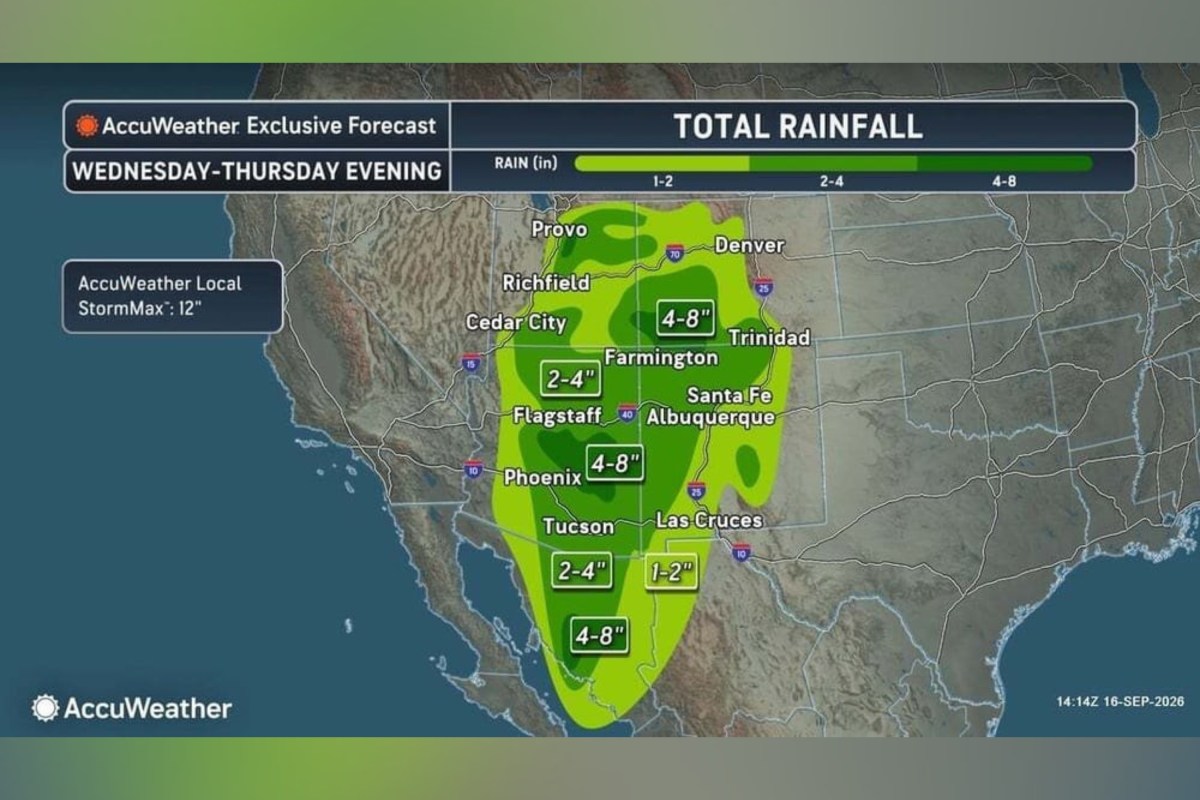
Monsoon rains are expected to bring some short-term relief to parts of the drought-hit Southwest but will not solve the ongoing water shortage in the Colorado River Basin. Experts say that a long-term supply of rain and snow over several years is needed to improve the water levels in Lake Mead and other reservoirs.
Key Facts
The Southwest will see moderate monsoon rainfall this week, mainly in New Mexico, Arizona, and Colorado.
This rainfall may reduce drought conditions locally but will not significantly refill Lake Mead or Lake Powell.
The Colorado River Basin has been in a multi-decade drought since the mid-1990s.
Lake Mead dropped to a record low level of about 1,040 feet in August 2026.
The Colorado River is around 1,400 miles long and supplies water to 40 million people across seven U.S. states and Mexico.
The river supports 5.5 million acres of farmland and produces hydropower for about 700,000 homes.
Experts say prolonged rain and snow over several years are needed to reverse the drought and reservoir declines.
The current monsoon season has been average or slightly below average in rainfall amounts.
Read the Original
Want the full story? Tap a source to open the original
article.
Inflation is rising again because oil prices have gone over $100 a barrel due to ongoing conflicts in the Middle East. Central banks are now thinking about raising interest rates, even though this can slow economic growth, to help manage higher energy costs affecting families and businesses.
Key Facts
Oil prices surged past $100 a barrel recently.
The Iran war has been ongoing for six months, disrupting the Strait of Hormuz, a key oil route.
Advances by the Houthi movement threaten Saudi Arabia’s oil supply.
Energy costs are increasing household and business expenses.
Central banks usually did not raise interest rates after oil price shocks before.
Raising interest rates now could slow economic growth but might help control inflation.
Policymakers are reconsidering past decisions because of these new challenges.
Read the Original
Want the full story? Tap a source to open the original
article.
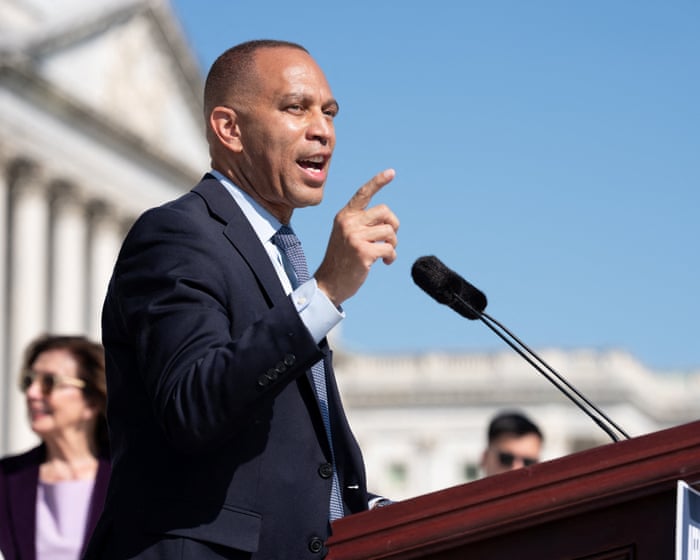
The U.S. House of Representatives passed a new bill giving President Donald Trump the power to impose higher tariffs on countries buying Russian energy. House Democratic leader Hakeem Jeffries criticized the bill for having many loopholes that could limit its impact on Russia and cause economic harm to Americans.
Key Facts
The bill is called the Lindsey O. Graham Sanctioning Russia and Iran Act of 2026.
It passed the House by a 262-159 vote before the midterm recess.
The bill allows President Trump to impose tariffs up to 100% on top buyers of Russian energy, including China.
It targets Russian political and military officials and networks that help Russia avoid current sanctions.
The bill aims to stop Russia’s "shadow tankers" from shipping crude oil despite sanctions.
House Democratic leader Jeffries said the bill contains many loopholes and could hurt the American people.
Republicans and some Democrats see the bill as a strong step to pressure Russia amid the conflict in Ukraine.
Other political updates include President Trump’s reaction to interest rate hikes and ongoing congressional activities during the midterm period.
Read the Original
Want the full story? Tap a source to open the original
article.
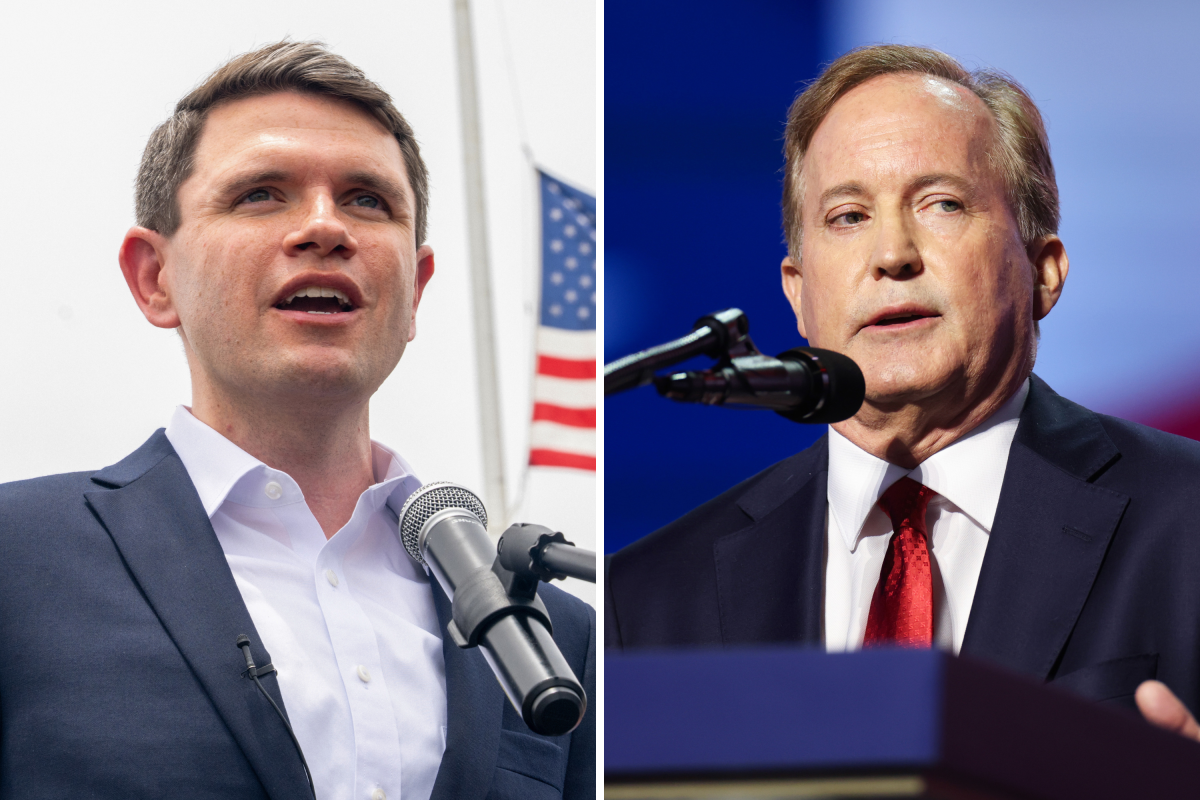
Texas Democrat James Talarico is currently ahead of Republican Ken Paxton in statewide polls for the U.S. Senate race. This is the first time Talarico leads every pollster, reflecting changing voter preferences in Texas ahead of the November election.
Key Facts
James Talarico is leading Ken Paxton in polls by eight different pollsters.
The latest Emerson College poll (Sept 12-14) shows Talarico with 47% and Paxton with 46%.
The previous Emerson poll (Aug 9-10) showed Paxton leading 47% to 46%.
Texas Hispanic voters, who supported President Trump in 2024, now favor Talarico by 54% to 39%.
53% of Texas Hispanic voters disapprove of President Trump.
51% of Texas voters think the state is going in the wrong direction.
Texas has been a Republican stronghold, but recent elections are becoming more competitive.
President Donald Trump supports Ken Paxton and has criticized Talarico publicly.
Read the Original
Want the full story? Tap a source to open the original
article.
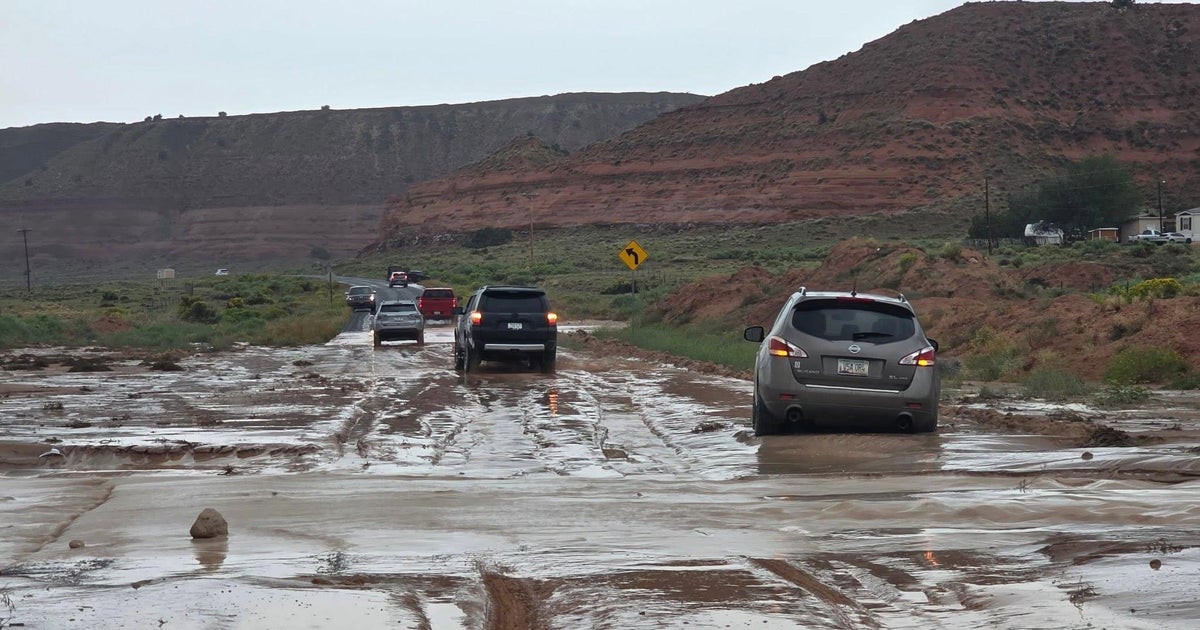
Three people—a child and two adults—died after being swept away by floodwaters early Wednesday on the Navajo Nation in New Mexico. The area had heavy rain and flooding, and authorities are investigating the drownings while warning residents to be cautious due to ongoing storms.
Key Facts
The incident occurred near the community of Newcomb on the Navajo Nation in northwestern New Mexico.
Tribal police received reports around 12:30 a.m. about people being washed away by floodwaters.
Search crews found the bodies of two adults and one child.
The National Weather Service warned of heavy thunderstorms and near-record moisture levels through mid-September.
Flooding has made some roads impassable, and people are advised not to drive through flooded areas.
The Four Corners region, including New Mexico, Arizona, Utah, and Colorado, is expecting more heavy rain and flash floods.
Navajo Nation President Buu Nygren offered condolences and urged people to be cautious during the dangerous weather.
Recent floods in the region have also caused deaths elsewhere, such as at the Grand Canyon.
Read the Original
Want the full story? Tap a source to open the original
article.
President Trump criticized the European Union’s plan to make Canada an “associate member” to strengthen cooperation in technology, defense, and energy. He called the proposal “laughable” and warned that the U.S. could impose trade tariffs or stop trade with the EU if the plan moves forward.
Key Facts
The EU plans to make Canada its first “associate member” to boost cooperation.
The cooperation involves areas like technology, defense, and energy.
President Trump responded negatively to this plan.
He described the proposal as “laughable.”
Trump threatened to impose tariffs on EU goods or end trade with the EU.
This statement was made on Wednesday, September 17, 2026.
The move signals tension in trade relations between the U.S. and the EU.
The article also mentions other global and regional news but focuses on Trump’s reaction to the EU-Canada plan.
Read the Original
Want the full story? Tap a source to open the original
article.
On the biggest stories we show what the outlets agree on and where they differ. Readers keep that going, and get the daily digest by email every morning. Most choose $3.99/month.
President Donald Trump said he has directly spoken with Iranian officials and hopes the war with Iran is nearing its end, suggesting talks might resume. However, Iran has not confirmed these direct negotiations and insists on its conditions being met before any talks, while conflict in the region continues to affect global oil supplies.
Key Facts
President Trump claims he has had direct communication with officials in Tehran.
Iran has not confirmed reopening direct talks with the United States.
A senior Iranian official said Iran will not talk unless certain conditions are met.
Iran has effectively closed the Strait of Hormuz, a key route for global oil and gas.
Fighting has spread to Yemen, involving Iran-linked Houthi forces attacking Saudi oil facilities.
Oil prices have risen above $100 per barrel due to the conflict and blockade.
Iran’s Foreign Minister held talks with Pakistan’s army chief to discuss regional issues.
China has urged both the US and Iran to show restraint and reopen the Strait of Hormuz soon.
Read the Original
Want the full story? Tap a source to open the original
article.
The US Congress has passed a law that imposes new sanctions on Russia to increase pressure because of the war in Ukraine. The bill now goes to President Donald Trump for his approval to become law.
Key Facts
The US Congress approved a sanctions bill targeting Russia.
The sanctions aim to increase pressure on Russia due to its actions in Ukraine.
The bill was passed by both chambers of Congress.
President Donald Trump will review and decide whether to sign the bill.
Sanctions are financial or economic penalties used to influence countries’ behavior.
This measure shows the US commitment to responding to the conflict in Ukraine.
Read the Original
Want the full story? Tap a source to open the original
article.