The golf industry supports making daylight saving time permanent in the United States. They believe this change would benefit their business by giving people more daylight hours in the evening for golf and other outdoor activities.
Key Facts
The U.S. currently changes clocks twice a year for daylight saving time.
Golf businesses want to stop the time changes and keep daylight saving time all year round.
More daylight in the evening could lead to more people playing golf after work or school.
Longer daylight hours can help golf courses attract more customers and make more money.
Some other industries also support permanent daylight saving time for similar reasons.
Changing to permanent daylight saving time would mean darker mornings in winter but lighter evenings.
The golf industry believes the benefits to business outweigh concerns about darker mornings.
Congress must approve any change to the daylight saving time system.
Read the Original
Want the full story? Tap a source to open the original
article.
Canadian travel to the U.S. dropped sharply after President Trump returned to office and tensions grew due to a trade dispute between the two countries. Despite ongoing efforts by U.S. tourism groups to attract Canadian visitors back, issues like tariffs and strained political relations are keeping traveler numbers below earlier levels.
Key Facts
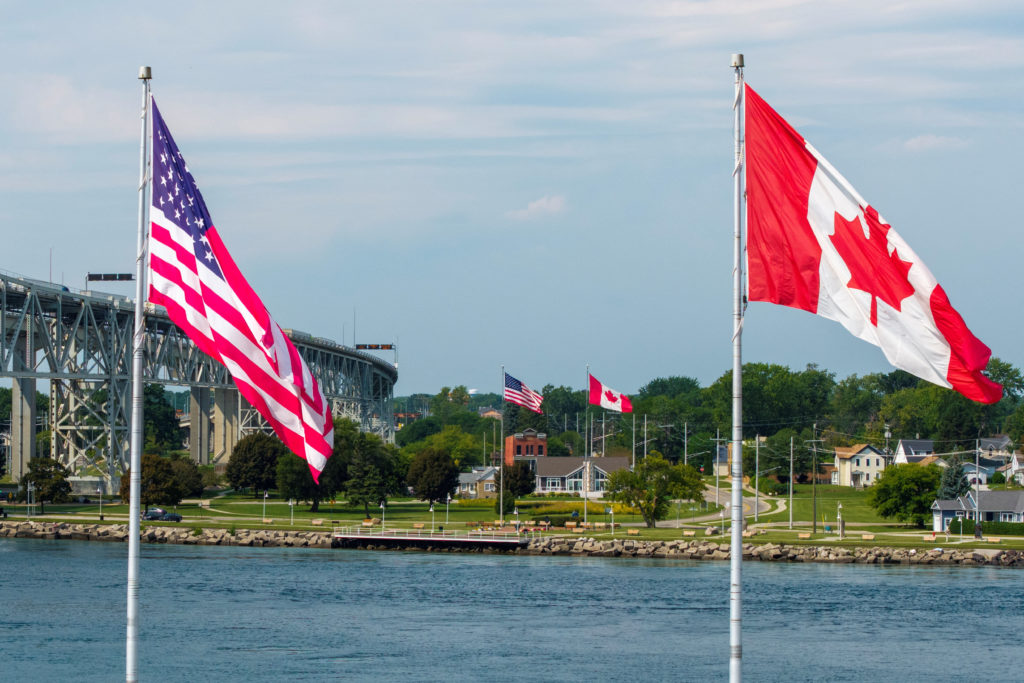
Canadian visits to the U.S. fell significantly after President Trump returned to office and made remarks about making Canada the 51st state.
A trade war began, with the U.S. imposing up to 50% tariffs on Canadian imports; Canada responded with similar measures.
Tourism groups in U.S. states like New York and cities such as Las Vegas are offering discounts and promotions to attract Canadian travelers.
The Canadian dollar's lower value and increasing travel costs have also made trips to the U.S. more expensive for Canadians.
Canadian travel to the U.S. dropped 25% in border crossings and spending fell by about $2.4 billion CAD in 2025 compared to the previous year.
There were small increases in travel in mid-2025, partly linked to the 2026 World Cup cohosted by the U.S., Canada, and Mexico.
U.S. tourism organizations continue outreach efforts, including events and meetings with Canadian travel industry representatives.
Political tensions remain high, including symbolic disputes like renaming Lake Ontario to "Lake America" as ordered by President Trump.
Read the Original
Want the full story? Tap a source to open the original
article.
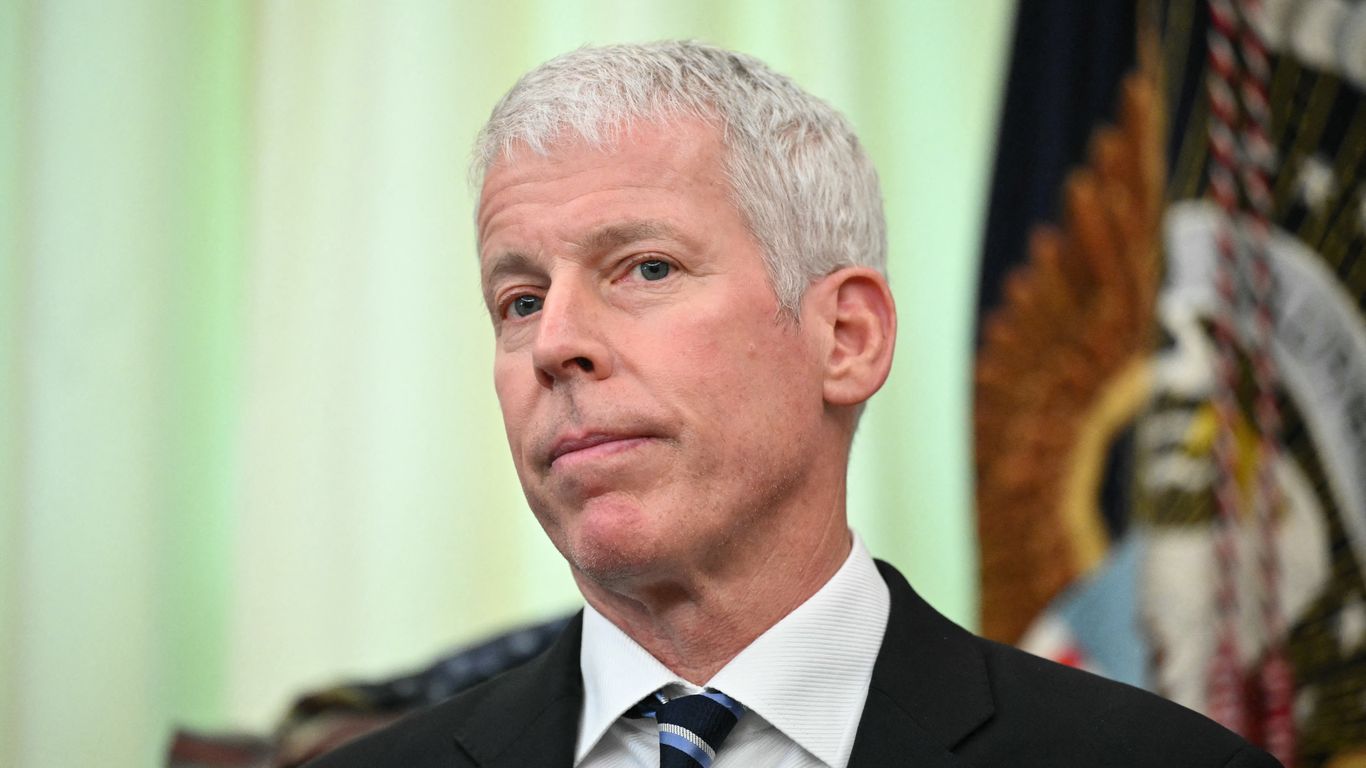
Energy Secretary Chris Wright said gasoline prices are likely to go down after Labor Day because fewer people drive in the fall and more gasoline will be produced. However, he did not give a firm promise about prices dropping, as fuel costs remain high due to recent global conflicts and oil prices.
Key Facts
Gasoline prices for Labor Day weekend are the highest ever recorded.
Diesel prices, which affect many goods and services, are at record highs.
Gasoline demand usually falls after Labor Day because summer driving ends.
The government has eased some environmental rules to increase gasoline production.
Gasoline production is expected to increase soon while demand decreases.
Futures prices for gasoline suggest prices may fall, but these prices can change quickly.
Crude oil prices are near $96 per barrel, the highest in about six weeks, partly due to recent conflicts.
Oil prices might rise again soon because of new tensions over the weekend.
Read the Original
Want the full story? Tap a source to open the original
article.
Palestinian farmers in the West Bank town of Beit Ummar near Hebron face daily challenges from nearby settler outposts that block their access to farmland and destroy crops. Settlers release livestock onto the fields to damage crops, and the Israeli military requires Palestinians to have permits to work their own land, making farming difficult and risky.
Key Facts
Palestinian farmer Theeba al-Sabaa spends her time protecting her farmland from settler encroachment in Beit Ummar.
Settlers use their sheep to trample and eat crops, causing significant damage to Palestinian farmland.
The Israeli army demands permits from Palestinians to access and work on their land.
Some Palestinian farmers have been forced to leave their fields due to settler attacks.
Settler attacks in the West Bank increased to over 11,000 incidents in the first half of 2026.
Military checkpoints and roads restrict Palestinians from reaching their orchards and vineyards.
Palestinian farmers have missed four farming seasons because they cannot properly tend to their land.
Palestinian women often take on the role of guarding family land amid these challenges.
Read the Original
Want the full story? Tap a source to open the original
article.
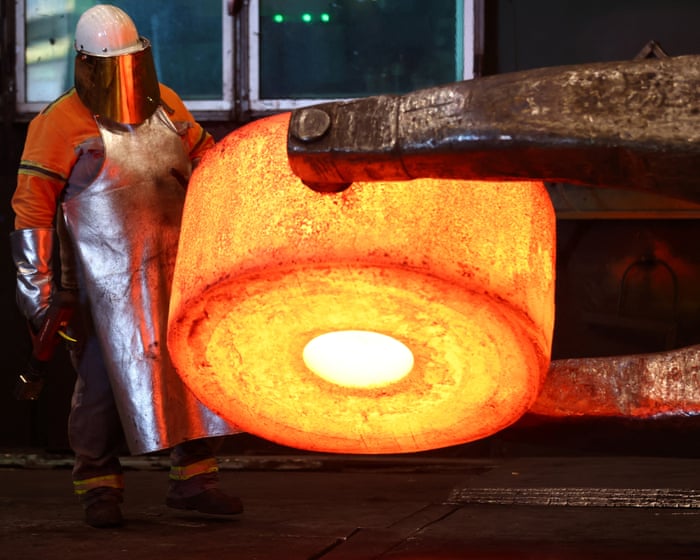
A European industry group warns that 300,000 manufacturing jobs in the EU could be lost in 2026 due to competition from Chinese component makers. They urge EU leaders to act because China is increasingly controlling supply chains, which threatens European factories and industries.
Key Facts
Eurometal, a trade body, predicts 300,000 factory job losses in the EU during 2026.
China has a daily trade surplus of €1 billion with the EU, meaning it exports much more to Europe than it imports.
Eurometal is protesting in Brussels with symbolic coffins to highlight the risk to EU competitiveness and jobs.
China aims to control key supply chains and move beyond raw materials to finished products.
The EU has put tariffs on some Chinese imports like electric vehicles and steel to protect its industries.
Chinese products avoid tariffs and carbon taxes that European manufacturers must pay, making competition harder.
EU companies often continue buying from China to satisfy shareholders despite political concerns.
The European Commission forecasts over 1 million potential job losses due to global competition and high energy costs.
Read the Original
Want the full story? Tap a source to open the original
article.
The article discusses how merging community banks into larger banks can affect innovation in the United States. It highlights that policymakers need to think about the negative effects that follow bank mergers, especially on local businesses and innovation.
Key Facts
Community banks are being merged into larger banks.
These mergers may have effects beyond just the banking industry.
Local businesses often rely on community banks for support.
Losing community banks can reduce financial help for small businesses.
This reduction can slow down local innovation and economic growth.
Policymakers should pay attention to these indirect effects when approving bank mergers.
Read the Original
Want the full story? Tap a source to open the original
article.
A top U.S. official said there might not be a new nuclear agreement with Iran, hinting that the U.S. could use strikes to stop Iran’s nuclear progress. The official also said a deal might happen with new leaders in Iran but is currently unlikely.
Key Facts
U.S. Energy Secretary Chris Wright said on ABC News that a nuclear deal with Iran “may not” happen.
The U.S. may focus on destroying Iran’s nuclear capabilities instead of diplomacy.
Iran says its nuclear program is for energy, not weapons.
Wright mentioned the U.S. is reducing Iran’s ability to build and deliver nuclear weapons.
He said a nuclear deal might be possible under future Iranian leadership.
Since July, U.S.-Iran attacks have resumed after a pause, including Iran blocking the Strait of Hormuz.
President Trump and Vice President JD Vance have downplayed the conflict publicly.
Wright said the U.S. will work with regional allies and other countries to address the conflict.
Read the Original
Want the full story? Tap a source to open the original
article.
Energy Secretary Chris Wright said the U.S. needs a war with Iran to "reset" the Middle East. He said the main reason is to stop Iran from getting a nuclear weapon.
Key Facts
Chris Wright is the U.S. Energy Secretary.
He spoke about the situation on ABC’s show “This Week.”
Wright called for a war with Iran to change the balance in the Middle East.
The U.S. government wants to prevent Iran from having nuclear weapons.
This is a repeated message from the current administration.
Wright used the word "reset" to describe the goal in the Middle East.
The interview was on a Sunday program.
Read the Original
Want the full story? Tap a source to open the original
article.
Germany's far-right party Alternative for Germany (AfD) won 44.5% of the vote in the Saxony-Anhalt state election, marking the strongest far-right performance in Germany since World War II. The party gained support by focusing on immigration control and nationalist policies, but other parties may refuse to form a government with them.
Key Facts
AfD won 44.5% of the vote in Saxony-Anhalt's election, well ahead of other parties.
Voter turnout reached a record 65.3% by 4 p.m., much higher than previous elections.
AfD campaigns on restricting immigration, stricter border controls, and reducing asylum applications.
The party's strong support comes mainly from eastern Germany, especially the former communist areas.
AfD’s Saxony-Anhalt branch is classified as a "far-right extremist organization" by a government agency.
If in power, AfD would control state policies like education, policing, and parts of immigration.
Other German parties have so far refused to join coalitions with AfD due to its far-right stance.
The election result challenges Chancellor Friedrich Merz's conservative party and may influence future national politics.
Read the Original
Want the full story? Tap a source to open the original
article.
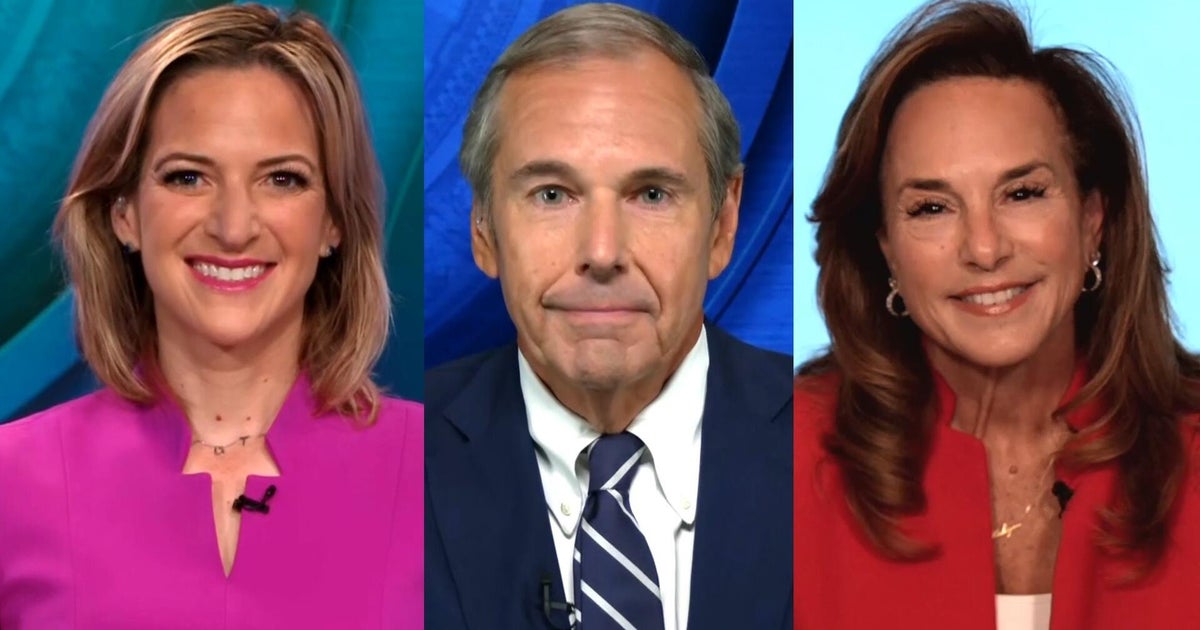
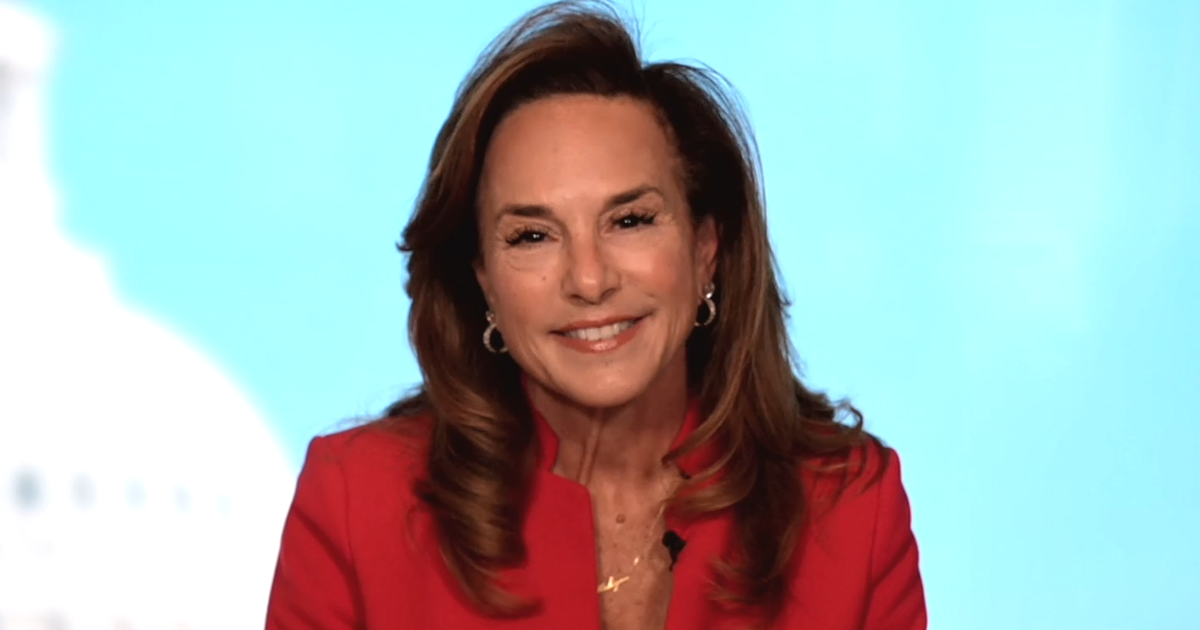
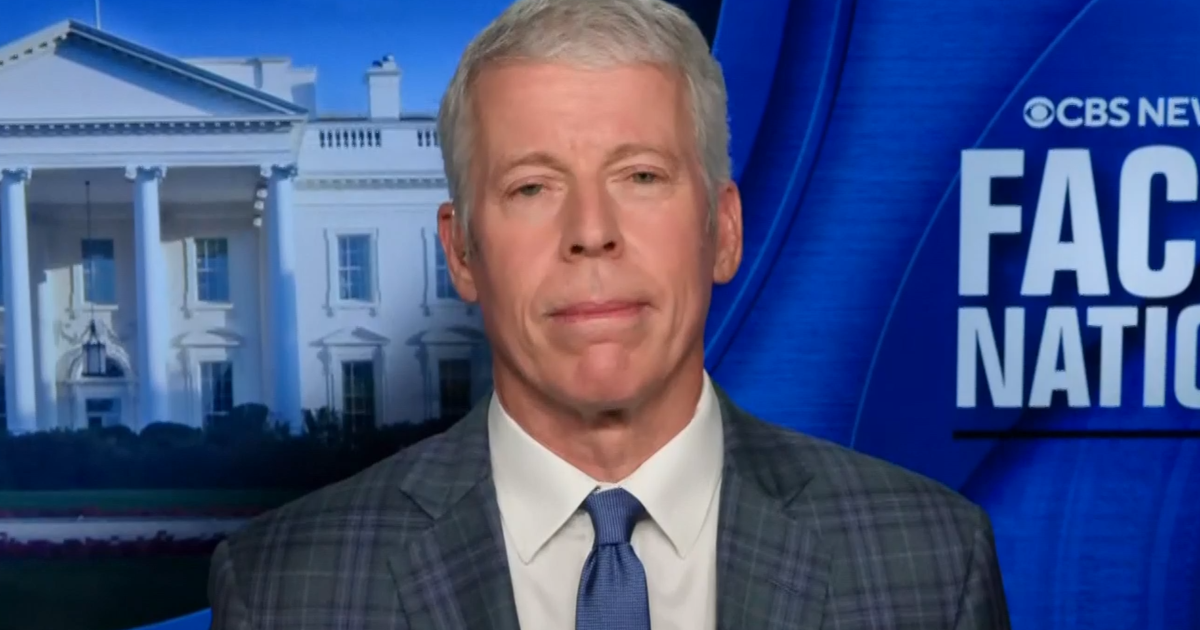
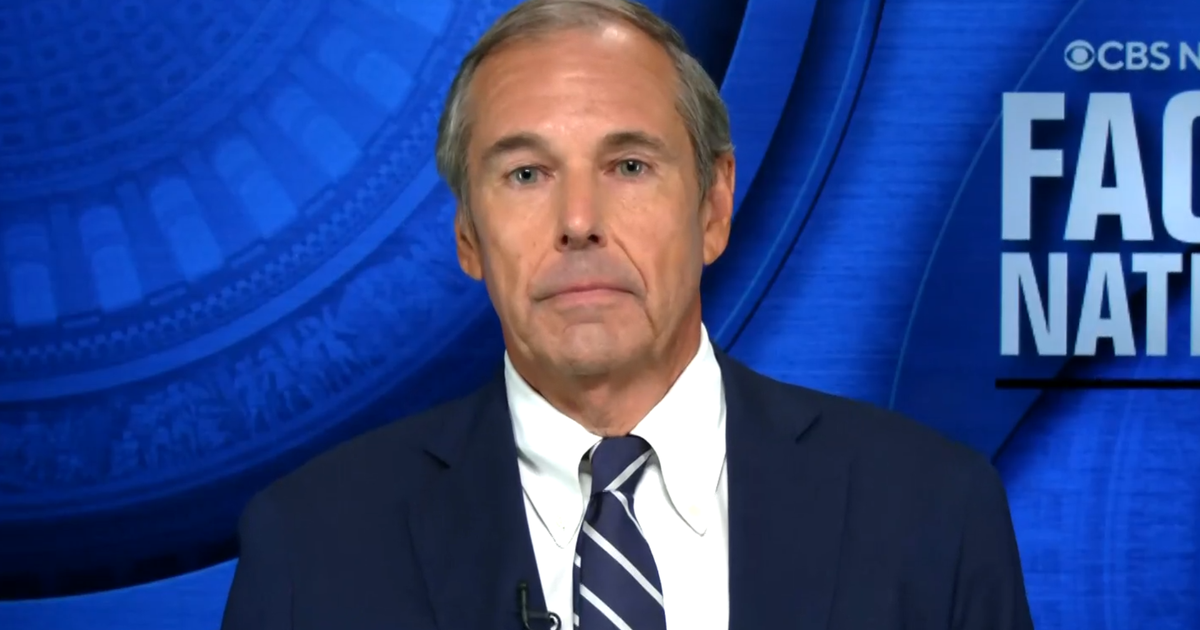
The CBS News show "Face the Nation" featured guests Rep. Lisa McClain, Michigan Secretary of State Jocelyn Benson, and Sunoco chairman Ray Washburne, who is also the Republican midterm convention chair. The segment covered discussions related to current U.S. political topics.
Key Facts
The show is called "Face the Nation" and airs on CBS News.
Guests included Rep. Lisa McClain, a U.S. Representative from Michigan.
Jocelyn Benson is the Michigan Secretary of State.
Ray Washburne is the chairman of Sunoco and the GOP midterm convention chair.
The discussion likely involved topics related to the Republican Party and upcoming elections.
Viewers can watch the show on the CBS News app or online via browsers like Chrome or Safari.
Some viewers missed the second half of the show, as noted in the content.
Read the Original
Want the full story? Tap a source to open the original
article.
The Department of Justice (DOJ) under President Donald Trump asked the Supreme Court to let the government stop the U.S. Postal Service from sending mail-in ballots to some voters. The request aims to change rules about mail voting for the current election.
Key Facts
The DOJ requested an emergency ruling from the Supreme Court.
The request was made in a 40-page document by the Solicitor General, D. John Sauer.
The DOJ wants to restrict mail-in voting in the current election cycle.
They want to stop the Postal Service from automatically sending mail-in ballots to certain state residents.
The move is part of the Trump administration's effort to limit mail voting.
The Supreme Court is being asked to act quickly on this request.
Read the Original
Want the full story? Tap a source to open the original
article.
Michigan Representative Lisa McClain said that Max Miller is currently the Republican nominee for his seat, despite accusations of abuse against him. She expressed hope that the allegations are not true, but some prominent Republicans have chosen not to support him in the upcoming election.
Key Facts
Max Miller is the Republican nominee running for reelection this fall.
Ohio Representative Max Miller faces abuse allegations.
Lisa McClain is the House GOP conference chair from Michigan.
McClain publicly stated that Miller is "our nominee right now."
She also said she hopes the abuse allegations are false.
Some well-known Republicans have refused to back Miller.
The discussion appeared on the program "Face the Nation with Margaret Brennan."
Read the Original
Want the full story? Tap a source to open the original
article.
On the biggest stories we show what the outlets agree on and where they differ. Readers keep that going, and get the daily digest by email every morning. Most choose $3.99/month.
Energy Secretary Chris Wright spoke about gas and diesel prices after Labor Day, saying prices may drop as demand falls and U.S. refiners increase production. He also discussed challenges with diesel supply due to damaged Russian refineries and the impact of ongoing tensions with Iran on oil exports and prices.
Key Facts
Gas prices may fall soon because summer driving season ends and U.S. refiners can produce more gasoline and diesel.
Diesel prices hit a record high of $5.89 per gallon recently.
Russian refineries are heavily damaged, stopping Russia from exporting diesel and making it an importer instead.
U.S. plans to increase fuel production rather than banning exports to lower prices.
Iran’s current government may not reach a nuclear deal with the U.S., but diplomatic talks remain open.
The U.S. military’s main goal in the region is to stop Iranian oil exports.
Oil exports through the Strait of Hormuz are high despite regional conflicts.
U.S. and allies are working to increase oil supply from places like Alaska, the Gulf, Venezuela, and the Middle East.
Read the Original
Want the full story? Tap a source to open the original
article.
Around 140 migrants on a single inflatable boat were rescued in the English Channel after launching from the Normandy coast. French and UK rescue teams worked together, and the migrants will be taken to the UK shore. Officials recently discussed ways to reduce these dangerous small boat crossings.
Key Facts
The dinghy carried about 140 people and launched from near the Bay of the Seine in Normandy.
French rescue boats followed the dinghy for about 10 hours but did not stop it in French waters for safety reasons.
The migrants were rescued in UK waters by RNLI lifeboats from Bembridge and Yarmouth.
This crossing is unusual because the launch point is about 170 miles from the usual departure area near Calais.
In August, a record boat carried 230 migrants across the Channel.
Between January and September 2026, about 16,513 people crossed the English Channel by small boats, down 43% from the previous year.
Migrant boats are now larger, carrying more people to avoid detection as policing strengthens near Calais.
The UK government is sending 45 extra police officers to French beaches to handle larger "mega dinghies."
Many migrants arriving by small boat apply for asylum, which under international law allows them to stay while their cases are reviewed.
At least 84 people died trying to cross the Channel in 2024, showing how dangerous the trip is.
Read the Original
Want the full story? Tap a source to open the original
article.
FIFA President Gianni Infantino will run for re-election in 2027 despite criticism over his failed plan to sell shares of the World Cup. Some soccer organizations, including UEFA and the English FA, have lost confidence in him and want him to step down.
Key Facts
Gianni Infantino is currently FIFA President and will seek a fourth and final term through 2031.
Infantino tried to sell stakes in the World Cup but abandoned the plan after strong opposition.
UEFA has publicly said it lost confidence in Infantino and threatened to boycott FIFA events.
The English Football Association and other national groups have withdrawn support for Infantino’s re-election.
FIFA apologized for mistakes related to the World Cup sale plan and promised to avoid similar errors.
Infantino did not comment on his future at the Under-20 Women's World Cup event in Poland.
The deadline to enter the FIFA presidential race is November 18, with the vote taking place in March 2027.
Read the Original
Want the full story? Tap a source to open the original
article.
Michigan Secretary of State Jocelyn Benson, the Democratic candidate for governor, spoke about high costs faced by many residents and the impact of recent tariffs on Michigan’s economy. She said she plans to lower costs, create jobs, and negotiate state-level agreements to reduce the effects of federal tariffs from Canada.
Key Facts
A University of Michigan study found that 40% of Michigan residents struggle to pay for basic needs.
Jocelyn Benson said affordability is the main focus of her campaign for governor.
Michigan exports 36% of its goods to Canada, which recently imposed tariffs on U.S. products like steel, aluminum, dairy, and appliances.
These Canadian tariffs could be between 15% and 50% on $20 billion worth of U.S. goods, affecting Michigan significantly.
Benson claims families in Michigan are paying $5,600 more on average because of these tariffs.
She criticized her Republican opponent for supporting tariffs and said she stands against the current tariff policies.
Benson plans to negotiate "subnational agreements" with other states to help reduce costs despite federal tariff policies.
She highlighted her record improving the Michigan Department of Motor Vehicles and running state agencies efficiently.
Read the Original
Want the full story? Tap a source to open the original
article.
President Trump’s administration asked the US Supreme Court again to allow new rules that would limit mail-in voting ahead of the November midterm elections. A federal judge blocked these rules, and voting by mail is already underway in several states, making it difficult to change the process quickly.
Key Facts
President Trump signed an order to limit mail-in ballot delivery only to voters on a special federal list.
A federal judge stopped the new mail-in voting limits from being enforced.
The Trump administration asked the Supreme Court to overturn the judge’s decision for the third time.
Mail-in ballots have started being sent to voters in North Carolina and will soon be sent in other states.
If the rules change now, it could confuse election officials and voters.
Nearly one-third of US voters cast ballots by mail, making this issue important for the midterm elections.
Democrats and voting rights groups say the new rules are unconstitutional and will disrupt elections.
The Postal Service says it is ready to follow the new rules if allowed by the courts.
Read the Original
Want the full story? Tap a source to open the original
article.
Ray Washburne, chairman of Sunoco and co-chair of the Republican midterm convention, discussed the upcoming GOP convention in Dallas, mentioning strong attendance and fundraising efforts. He also talked about support for Texas Senate candidate Ken Paxton, including campaign contributions from President Trump and Elon Musk, and noted current trends in fuel demand and refinery operations.
Key Facts
The Republican midterm convention is being held in Dallas with about 20,000 attendees from all states and territories.
Lawmakers are reportedly required to pay $25,000 to attend, but vulnerable candidates are not charged.
The convention is seen as a key networking opportunity for political candidates and donors.
Ken Paxton, former Texas Attorney General, is a highlighted candidate with significant campaign support.
President Trump has donated $10 million to Ken Paxton’s Senate campaign, with more funding expected.
Elon Musk has also pledged substantial financial support for Paxton.
Paxton is launching an extensive advertising campaign beginning with the convention.
Sunoco’s refineries are currently running at 98% capacity, with fuel demand peaking for the summer and expected to decline in the fall.
Read the Original
Want the full story? Tap a source to open the original
article.
There are no ads, so there is no reason to bait you. Readers who chip in keep it that way. Most choose $3.99/month, and get the daily digest every morning.
Germany's far-right party, Alternative for Germany (AfD), is set to win a large share of votes in the eastern state of Saxony-Anhalt, according to exit polls. This could be the first time since World War Two that a far-right party controls a German state, giving them power over local issues like policing and education.
Key Facts
The AfD is projected to win about 44-44.5% of the vote in Saxony-Anhalt.
The main rival, the conservative CDU, is expected to get about 18.5%.
If the AfD wins a majority, they would govern the state and control areas like policing and education.
The Saxony-Anhalt population is approximately 2.1 million people.
Germany's domestic intelligence labels the Saxony-Anhalt AfD as "far-right extremist," but party leader Ulrich Siegmund denies this.
The AfD’s final majority depends on whether smaller parties pass a 5% vote threshold to enter the state parliament.
No far-right party has governed a German state since World War Two.
Read the Original
Want the full story? Tap a source to open the original
article.
Early results from the Saxony-Anhalt state election in eastern Germany show the far-right AfD party leading by a large margin. If the AfD forms the government, it would be the first time since World War II that a far-right party governs a German region.
Key Facts
The election took place in Saxony-Anhalt, a state in eastern Germany.
The far-right party Alternative for Germany (AfD) is the clear frontrunner according to early results.
AfD winning and forming a government would be the first far-right regional government in Germany since World War II.
The last time a far-right government ruled Germany was during the Nazi era.
This election result is closely watched due to its historical and political significance.
Saxony-Anhalt is a region where AfD has gained popularity in recent years.
The development may affect political dynamics in Germany and Europe.
Read the Original
Want the full story? Tap a source to open the original
article.