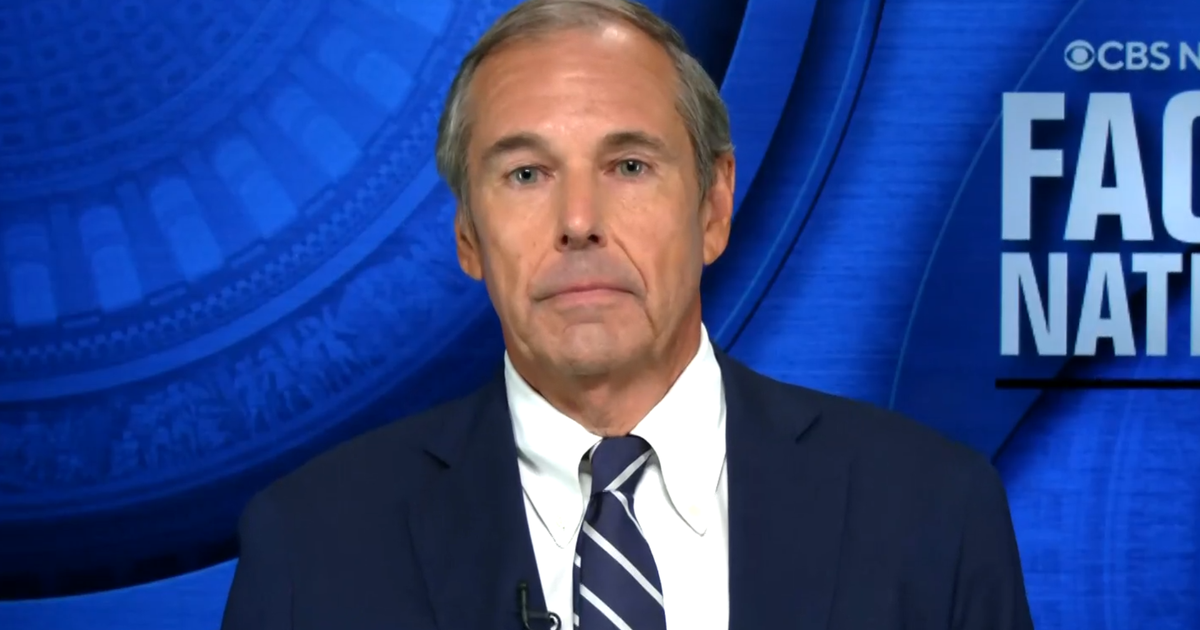
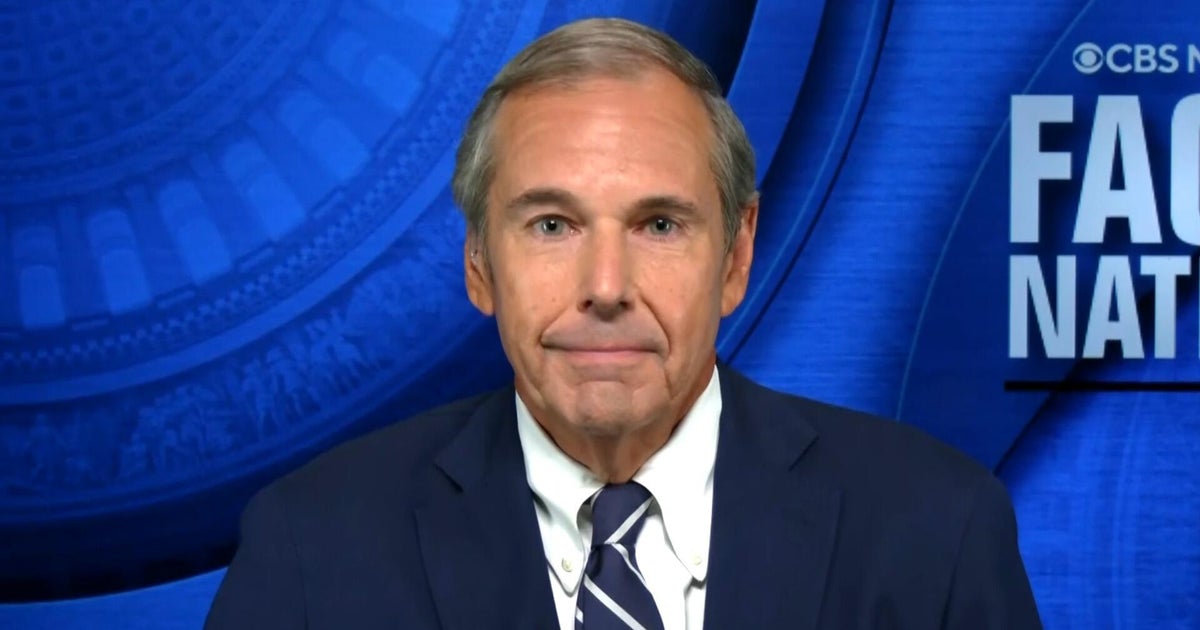
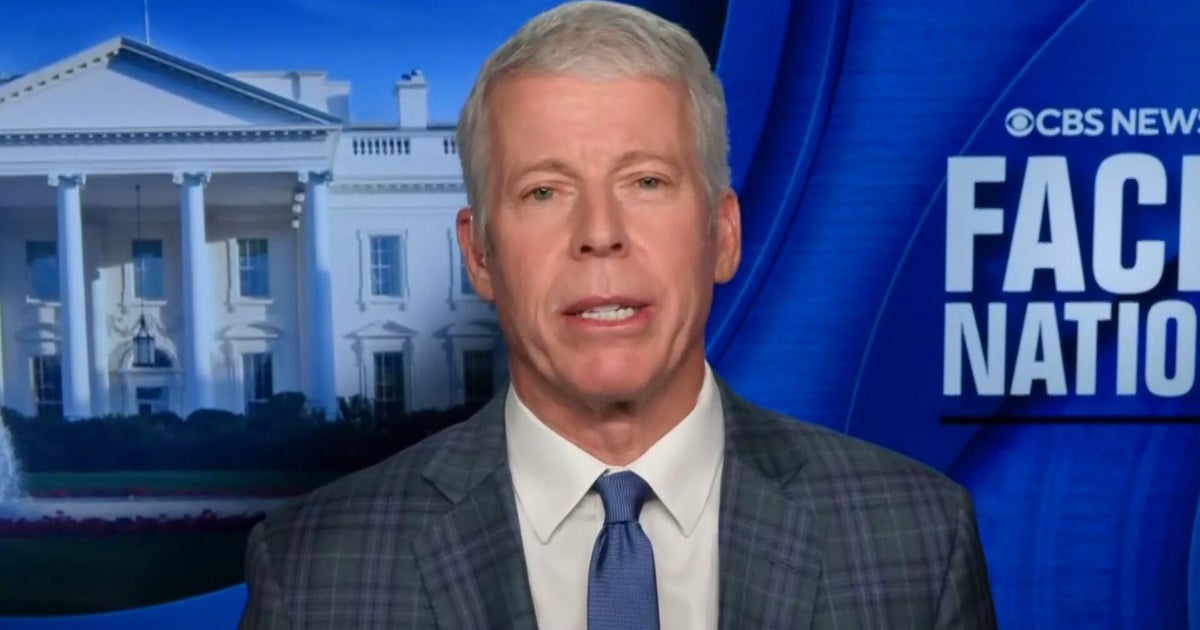
Ray Washburne, chairman of Sunoco and co-chair of the Republican midterm convention, discussed the upcoming GOP convention in Dallas, mentioning strong attendance and fundraising efforts. He also talked about support for Texas Senate candidate Ken Paxton, including campaign contributions from President Trump and Elon Musk, and noted current trends in fuel demand and refinery operations.
Key Facts
The Republican midterm convention is being held in Dallas with about 20,000 attendees from all states and territories.
Lawmakers are reportedly required to pay $25,000 to attend, but vulnerable candidates are not charged.
The convention is seen as a key networking opportunity for political candidates and donors.
Ken Paxton, former Texas Attorney General, is a highlighted candidate with significant campaign support.
President Trump has donated $10 million to Ken Paxton’s Senate campaign, with more funding expected.
Elon Musk has also pledged substantial financial support for Paxton.
Paxton is launching an extensive advertising campaign beginning with the convention.
Sunoco’s refineries are currently running at 98% capacity, with fuel demand peaking for the summer and expected to decline in the fall.
Read the Original
Want the full story? Tap a source to open the original
article.
Germany's far-right party, Alternative for Germany (AfD), is set to win a large share of votes in the eastern state of Saxony-Anhalt, according to exit polls. This could be the first time since World War Two that a far-right party controls a German state, giving them power over local issues like policing and education.
Key Facts
The AfD is projected to win about 44-44.5% of the vote in Saxony-Anhalt.
The main rival, the conservative CDU, is expected to get about 18.5%.
If the AfD wins a majority, they would govern the state and control areas like policing and education.
The Saxony-Anhalt population is approximately 2.1 million people.
Germany's domestic intelligence labels the Saxony-Anhalt AfD as "far-right extremist," but party leader Ulrich Siegmund denies this.
The AfD’s final majority depends on whether smaller parties pass a 5% vote threshold to enter the state parliament.
No far-right party has governed a German state since World War Two.
Read the Original
Want the full story? Tap a source to open the original
article.
Early results from the Saxony-Anhalt state election in eastern Germany show the far-right AfD party leading by a large margin. If the AfD forms the government, it would be the first time since World War II that a far-right party governs a German region.
Key Facts
The election took place in Saxony-Anhalt, a state in eastern Germany.
The far-right party Alternative for Germany (AfD) is the clear frontrunner according to early results.
AfD winning and forming a government would be the first far-right regional government in Germany since World War II.
The last time a far-right government ruled Germany was during the Nazi era.
This election result is closely watched due to its historical and political significance.
Saxony-Anhalt is a region where AfD has gained popularity in recent years.
The development may affect political dynamics in Germany and Europe.
Read the Original
Want the full story? Tap a source to open the original
article.
The far-right party Alternative für Deutschland (AfD) won a major state election in Saxony-Anhalt, Germany, with about 44.5% of the vote. However, it is unclear if the AfD will have enough support to form a government, as they need an absolute majority and other parties have refused to work with them.
Key Facts
The AfD received 44.5% of the vote in the Saxony-Anhalt state election.
The Christian Democrats (CDU) came second with 18.5%, followed by Die Linke (9.5%), Greens (9%), and Social Democrats (8%).
The AfD may have failed to get an absolute majority, which they consider necessary to govern alone.
Other mainstream parties have rejected forming any coalition with the AfD.
Voter turnout was a record high at 76.5%.
Saxony-Anhalt has been governed by the CDU since 2002.
The AfD is classified as “rightwing extremist” by Germany’s domestic intelligence agency.
If the AfD forms a government, its leader plans policies including increased deportations, banning rainbow flags in schools, and stopping new windfarm projects.
Read the Original
Want the full story? Tap a source to open the original
article.
The United States struck and disabled three Iranian oil tankers in the Gulf of Oman, part of a naval blockade of Iran's southern ports. Iran's military responded by firing missiles at US warships and warned that it will respond more strongly to any further attacks.
Key Facts
US Central Command (CENTCOM) released video showing strikes on three Iranian crude oil tankers near Iran.
Two tankers were permanently disabled, and a third sank after bombing.
Iran’s Islamic Revolutionary Guard Corps (IRGC) showed video of attacks on ships in the Strait of Hormuz and said they hit a US sea drone.
The IRGC fired ballistic missiles at US warships but the US military said the attacks were avoided.
Iran’s parliamentary speaker said Iran would respond with stronger strikes against further US attacks.
Iran called the US attacks illegal and a violation of the United Nations Charter.
The US says the naval blockade allows many vessels to pass the Strait of Hormuz safely, but Iran considers the strait closed.
Oil exports from the Middle East dropped 39% in August compared to early 2023, partly due to the blockade and attacks.
Read the Original
Want the full story? Tap a source to open the original
article.
Germany’s far-right party Alternative for Germany (AfD) won a large share of votes in the Saxony-Anhalt state election, with early results showing 44.5%. It is unclear if they can lead the government alone, as other mainstream parties want to stop the AfD from gaining power.
Key Facts
AfD received 44.5% of the vote in Saxony-Anhalt state elections.
Chancellor Friedrich Merz’s conservative party got 18.5%.
The center-left Social Democrats and Greens passed the threshold to join the state parliament.
AfD wants stricter migration rules and closer ties with Russia.
Germany’s intelligence agency is investigating AfD for right-wing extremist links.
Mainstream parties have a policy to avoid coalitions with AfD, known as a “firewall.”
AfD’s leader in Saxony-Anhalt is Ulrich Siegmund, aged 35.
The election result weakens Chancellor Merz’s authority, as his government struggles with economic growth.
Read the Original
Want the full story? Tap a source to open the original
article.
The chair of Sunoco's board, Ray Washburne, said that gas prices are high and causing pain for consumers. However, he also said that refineries are producing more gas, and people continue to fill up their cars and drive.
Key Facts
Ray Washburne is the board chairman of Sunoco.
He is also the chair of the upcoming Republican midterm convention.
Washburne described current gas prices as "painful."
Refineries are increasing their production of gasoline.
Despite high prices, people are still filling their cars with gas.
Driving habits have not decreased much even with costly fuel.
The remarks were made during a CBS News interview.
Read the Original
Want the full story? Tap a source to open the original
article.
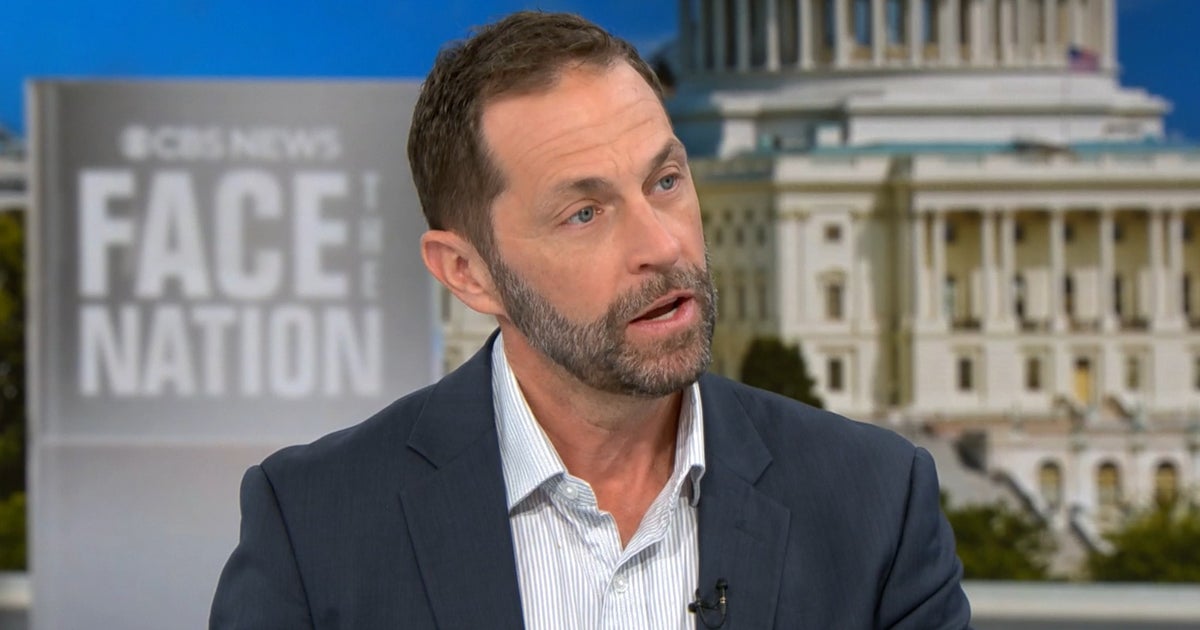
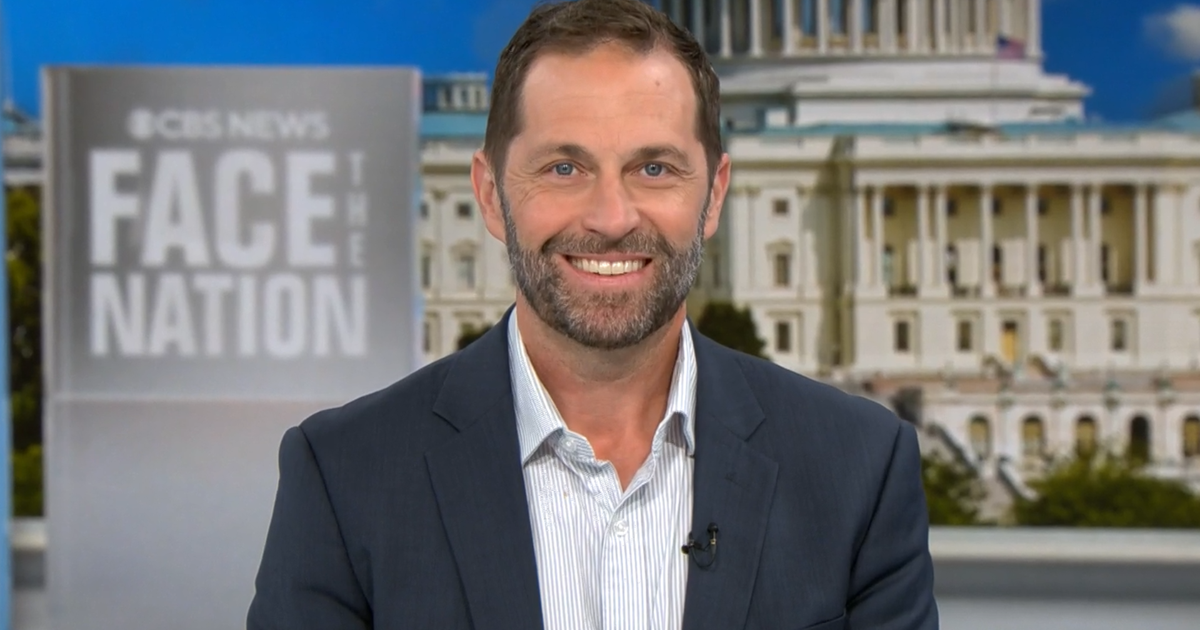
Representative Jason Crow said that Congress has not received any updates about an investigation into leaks at the Pentagon. The investigation is led by Defense Secretary Pete Hegseth, and Rep. Crow expressed concerns about its impact on information sharing.
Key Facts
Rep. Jason Crow is a member of both the House Intelligence and House Armed Services Committees.
Congress has not been briefed on the Pentagon leak investigation.
The investigation is led by Defense Secretary Pete Hegseth.
Rep. Crow commented on the investigation during an interview on "Face the Nation."
The investigation aims to address leaks of information from the Pentagon.
Rep. Crow said the investigation may cause fear and limit information coming out of the Pentagon.
Read the Original
Want the full story? Tap a source to open the original
article.
Iran has warned it will respond more strongly to U.S. attacks amid ongoing fighting between the two countries. Recently, the U.S. struck Iranian oil tankers, and Iran claims it attacked a U.S. drone ship, which the U.S. denies.
Key Facts
Iran's parliament speaker said the U.S. needs to understand that the situation has changed and Iran will respond faster and harder to attacks.
The U.S. launched strikes on Iranian oil tankers after Iran attacked American warships in regional waters.
Iranian navy claimed to have attacked a U.S. remote-controlled vessel near the Strait of Hormuz, but the U.S. military called this report false.
U.S. Defense Secretary Pete Hegseth threatened to destroy Iran’s oil tankers if Iran attacks U.S. ships again.
A 60-day ceasefire between the U.S. and Iran ended last month, after which fighting resumed.
The conflict includes strikes and counter-strikes in countries like the UAE, Bahrain, Kuwait, and Jordan.
President Donald Trump said the renewed conflict would not last long but peace talks have not succeeded so far.
The war between Iran and the U.S. has lasted about six months without a clear diplomatic solution.
Read the Original
Want the full story? Tap a source to open the original
article.
Rep. Jason Crow discussed a rare polygraph test of high-ranking U.S. military officials as part of a leak investigation. He highlighted concerns about military leadership changes, low munitions supplies, and questioned the lack of a long-term plan for ongoing conflicts in the Middle East.
Key Facts
Several top U.S. military officials, including combatant commanders, were given polygraph tests in a leak investigation.
Secretary Hegseth has removed over 80 generals and admirals, affecting the top 10% of military leadership.
The number of women promoted in the military is at a 25-year low.
The independent military newspaper Stars and Stripes had its editor fired amid concerns over transparency.
U.S. military munitions stockpiles are very low and rebuilding them takes a long time.
Rep. Crow criticized President Trump’s approach for starting a conflict without a clear strategy or exit plan.
There are about 50,000 U.S. military personnel in the Middle East, with ongoing discussions about reducing that presence.
Rep. Crow supports reducing U.S. forces in the Middle East to avoid continued conflicts.
Read the Original
Want the full story? Tap a source to open the original
article.
The Alternative for Germany (AfD), a far-right party, won the recent state elections in Saxony-Anhalt, eastern Germany, according to exit polls. This marks the first time since World War II that a far-right party has gained power at a state level in Germany.
Key Facts
The AfD won the Saxony-Anhalt state elections.
Saxony-Anhalt is located in eastern Germany.
This is the first time since World War II that a far-right party has won a state-level election in Germany.
The AfD aims to use this victory as a step towards gaining power nationally.
The party plans to compete in the 2029 federal elections.
Exit polls showed the election results shortly after voting ended.
The AfD is known as a far-right political party.
Read the Original
Want the full story? Tap a source to open the original
article.
Energy Secretary Chris Wright said the U.S. is open to making a nuclear deal with Iran. He added that President Trump prefers to avoid using military action unless it is absolutely needed.
Key Facts
Energy Secretary Chris Wright spoke on the show "Face the Nation."
He said the U.S. is always open to a nuclear agreement with Iran.
Gas prices are rising in the U.S. at the time of his statements.
President Trump’s goal is to avoid military solutions if possible.
The comments suggest the U.S. is still willing to negotiate with Iran on nuclear issues.
Read the Original
Want the full story? Tap a source to open the original
article.
Rep. Lisa McClain discussed President Trump’s upcoming large meeting in Dallas, aimed at uniting Republicans and highlighting their achievements in Congress. She said the president’s policies on trade and taxes, especially those helping farmers by addressing tariffs and the death tax, have support in rural areas like Michigan.
Key Facts
President Trump plans a big gathering in Dallas to energize Republicans ahead of the midterm elections.
Trump’s current approval rating is 39% according to CBS.
Rep. McClain said Trump’s policies have helped secure the border and pass large tax cuts.
The administration is working to balance trade with Canada, which has a 250% tariff on some U.S. farm products like milk and poultry.
President Trump enacted 20 new trade deals, more than the previous administration.
Republicans want to protect family farms by addressing the death tax, allowing farms to be passed to the next generation.
Tariffs have cost Michigan $23 billion since January 2025, about $5,619 per household, largely affecting industries like aluminum, dairy, steel, and appliances.
Retaliatory tariffs from Canada are expected to impact Michigan’s economy further.
Read the Original
Want the full story? Tap a source to open the original
article.
The number of children in England with special education needs plans (EHCPs) is expected to double to one in 10 by 2029. This surge is largely due to families trying to get support before government changes take effect, putting pressure on schools and local councils.
Key Facts
The proportion of children with EHCPs in England is predicted to rise from 1 in 20 in 2025 to nearly 1 in 10 by 2029.
EHCPs provide legal support for children with needs like learning difficulties, autism, or ADHD.
The number of EHCPs has increased by over 11% annually in recent years.
Local councils are facing financial strain due to the rising number of EHCPs, with debts growing despite government efforts to reduce them.
Schools have experienced a sharp increase in applications for EHCP assessments since early 2024.
The government plans to reform the system by offering earlier support and focusing EHCPs on children with the most severe needs starting in 2030.
New initiatives, like putting specialists in mainstream schools, will begin later this year.
More than 530,000 children currently have EHCPs, with an additional 1.3 million identified as having special needs but not covered by EHCPs.
Read the Original
Want the full story? Tap a source to open the original
article.
The Trump administration is involved in a legal case about the abortion pill mifepristone. A court in New Orleans will hear arguments soon, and the case could limit access to this drug across the United States.
Key Facts
The case concerns the abortion pill called mifepristone.
The Trump administration is connected to the dispute.
Oral arguments will be held by a three-judge panel.
The court is the 5th U.S. Circuit Court of Appeals, located in New Orleans.
The case could lead to restrictions on the nationwide use of mifepristone.
The timing is significant because the midterm elections are two months away.
Read the Original
Want the full story? Tap a source to open the original
article.
The article explains that while the U.S. national debt often seems overwhelming when compared to one year’s income, looking at it alongside the country’s total wealth shows the U.S. can manage this debt without cutting spending or raising taxes on regular workers. This broader view suggests other ways to handle the debt without hurting everyday Americans.
Key Facts
The U.S. national debt is commonly compared to the country’s yearly income.
This comparison often leads to talk about cutting government spending or raising taxes on ordinary workers.
Comparing the debt to total national wealth provides a different, less alarming perspective.
The U.S. has enough total wealth to manage its debt responsibly.
This approach could avoid austerity measures, which means severe spending cuts.
It could also prevent raising taxes on wages and salaries of regular people.
The article encourages thinking about the debt in terms of overall wealth, not just yearly income.
Read the Original
Want the full story? Tap a source to open the original
article.
U.S. envoys Steve Witkoff and Jared Kushner visited Kyiv to hold talks aimed at ending the war between Russia and Ukraine. They met with Ukrainian and Russian leaders but did not announce any major agreements. Fighting continues despite ongoing discussions.
Key Facts
U.S. envoys Steve Witkoff and Jared Kushner traveled to Kyiv for talks to end the war in Ukraine.
They had a meeting with Russian President Vladimir Putin in Moscow before coming to Kyiv.
Ukrainian President Volodymyr Zelenskyy called for a "just, fair peace" and thanked the U.S. envoys for visiting.
The talks in Moscow lasted over three hours but ended without major breakthroughs.
Discussions covered not only the war but also economic projects between Russia and the U.S.
Fighting continues, with drone strikes and missile attacks reported in both Ukraine and Russia.
Ukraine intercepted many Russian drones overnight; Russia said it also shot down Ukrainian drones.
British, French, and German officials are expected to join the peace talks soon.
Read the Original
Want the full story? Tap a source to open the original
article.
The Deauville Film Festival in France highlights top American films, showing the wide range of movies made in the United States. The festival features stars, premieres, and awards, while also asking viewers about their favorite American films.
Key Facts
The United States produces between 500 and 700 films each year.
India produces the most films, placing the U.S. second in the world for film production.
The Deauville Film Festival showcases notable American movies in France.
The festival includes movie premieres, awards, and visits from film stars.
The festival sought opinions from moviegoers about their favorite American films, whether old or new.
Reporter Gaëlle Fonseca interviewed people in Deauville for their film preferences.
The event helps introduce American cinema to audiences across the Atlantic.
Read the Original
Want the full story? Tap a source to open the original
article.
That's the point of this site, and readers keep it that way. Support for any amount and the daily digest lands in your inbox every morning at 7am Eastern.
Niger’s military government accused France of planning a failed mutiny in the capital, Niamey, last week. France denied these claims, and fighting involved Niger’s soldiers and Russia-backed paramilitary forces until the mutiny was controlled.
Key Facts
On August 29, renegade soldiers attacked a major military base in Niamey and spread fighting across the city.
Hundreds of soldiers took part in the mutiny, with dozens killed or arrested.
Niger’s military government blamed France and some West African countries, accusing them of supporting the mutiny.
France denied any involvement and called the accusations “pure fantasy.”
Niger’s Council of Ministers said it has evidence and may take the issue to international courts.
Niger thanked Russia, Algeria, Burkina Faso, and Mali for their support during the unrest.
Since a 2023 coup, Niger has expelled French troops and diplomats and suspended French media broadcasts.
Security experts warn the mutiny may weaken Niger’s fight against armed groups linked to ISIL and al-Qaeda.
Read the Original
Want the full story? Tap a source to open the original
article.
The Taliban has stopped girls in Afghanistan from going to secondary school. In response, some teachers and students are secretly running schools to continue education for girls.
Key Facts
The Taliban banned secondary education for girls in Afghanistan.
Girls are prevented from officially attending middle and high schools.
Some teachers are organizing secret schools to teach girls in private locations.
These secret schools operate in hidden places to avoid Taliban detection.
Girls and educators risk punishment by attending or running these schools.
This effort shows a strong desire among Afghan girls to keep learning despite restrictions.
Read the Original
Want the full story? Tap a source to open the original
article.