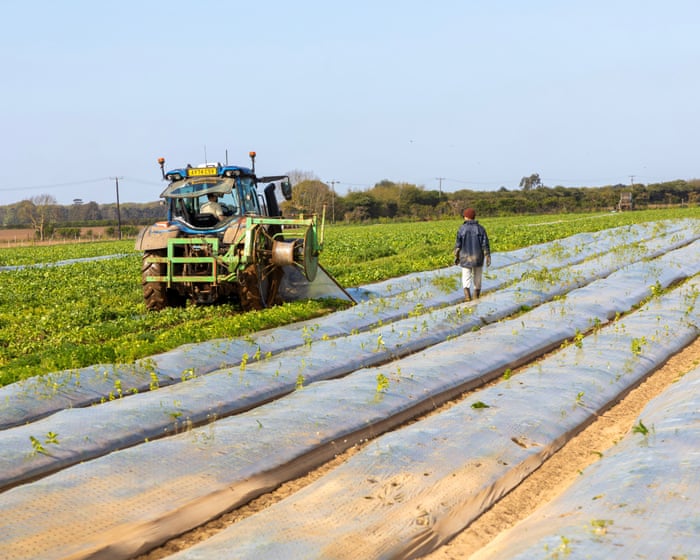
Fuel prices for farmers in the UK and US have sharply increased due to a rise in diesel costs. The increases come after conflicts involving the US, Iran, and Russia, which affected oil supply and caused diesel prices to spike.
Key Facts
Diesel prices rose by about 10% in the UK, with red diesel now costing around £1.10 per litre.
UK motorists’ average diesel price reached 183.5p per litre in late August.
Renewed US-Iran fighting and Russia’s extended diesel export ban contributed to higher fuel costs.
Brent crude oil price rose to nearly $97 a barrel, its highest in six weeks.
US diesel prices hit about $5.78 per gallon, a 54% increase since the Iran conflict began.
Farmers are buying fuel in smaller amounts more frequently to manage costs.
Ukrainian attacks on Russian refineries reduced global diesel supply.
Higher fuel prices are also affecting paraffin used to heat farm buildings, adding pressure on rural households.
Read the Original
Want the full story? Tap a source to open the original
article.
India joined other Shanghai Cooperation Organization (SCO) members in adopting a declaration that criticized attacks on Iran and supported Iran’s sovereignty and nuclear program. Although this seems like a move towards China and Russia, India still has ongoing tensions and rivalry with China, especially over border disputes.
Key Facts
The SCO is a group of countries focused on security and economic cooperation, including China, Russia, India, and Iran.
At the 26th SCO summit in Bishkek, members condemned attacks on Iran, supporting its sovereignty and nuclear rights.
The declaration also opposed sanctions that are not approved by the United Nations or World Trade Organization.
India agreed to the declaration but remains in conflict with China, particularly over border areas in the Himalayas.
China and India are major rivals but maintain trade and cooperation through groups like BRICS and the SCO.
India continues to be cautious because China supports Pakistan, India’s rival.
Experts say India is not fully aligned with China and is pursuing its own independent path.
The SCO members represent a significant part of the world’s land, population, and economy.
Read the Original
Want the full story? Tap a source to open the original
article.
A mother noticed her 12-year-old son, Jayvion, had mouth sores and a sore throat that got worse over a week. After multiple doctor visits and tests, Jayvion was diagnosed with acute myeloid leukemia and started treatment quickly.
Key Facts
Jayvion first showed symptoms like painful mouth sores, sore throat, fever, and swollen gums.
Initial tests for strep throat and mono were negative, and he was treated for sinus infection.
Jayvion’s condition worsened, and he had trouble swallowing.
A repeated strep test came back positive, but his blood tests showed very low blood cell counts.
Jayvion was admitted to the hospital and had a bone marrow biopsy.
Doctors diagnosed him with acute myeloid leukemia, a type of blood cancer.
He was transferred to a specialist hospital in Fort Worth to start chemotherapy.
Jayvion experienced side effects from treatment and will have further tests to help with swallowing.
Read the Original
Want the full story? Tap a source to open the original
article.
On September 4, 2001, President Trump and his top officials met in the White House Situation Room to discuss the growing threat from al-Qaeda for the first time during his administration. A terrorism expert warned them that al-Qaeda was ready to kill Americans and that failure to act earlier might lead to many deaths, but the meeting ended with no clear decisions on how to respond.
Key Facts
The meeting included President Trump, Vice President, national security advisor, defense and state secretaries, CIA director, and others.
Richard Clarke, a terrorism staffer, sent a memo warning that al-Qaeda might kill hundreds of Americans soon.
Clarke criticized past U.S. counterterrorism efforts, citing the lack of retaliation after the 2000 USS Cole attack.
There was disagreement about using Predator drones for reconnaissance or armed strikes over Afghanistan.
The Pentagon was reluctant, saying there was "nothing worth hitting" in Afghanistan at the time.
Officials worried about assassination rules, which ban killing individuals without approval, due to legal and ethical concerns.
A draft national security policy on terrorism was approved and sent for further comments during the meeting.
National security advisor Condoleezza Rice believed the al-Qaeda threat would unfold over about three years.
Read the Original
Want the full story? Tap a source to open the original
article.
Russia has slowed down construction at a site in the breakaway Abkhazia region, where it planned to build a new naval base on the Black Sea. Satellite images show activity at the port of Ochamchire in 2025, but work slowed in 2026, suggesting Russia has put less focus on the project.
Key Facts
Russia began building a new naval base at Ochamchire in Abkhazia, a region internationally recognized as part of Georgia but controlled by Russian-backed separatists.
The base was intended to serve as a new secure port for Russian military ships on the Black Sea.
Satellite images from early 2025 showed new buildings, concrete foundations, and a railway line being constructed.
Construction progress slowed in early 2026, with some buildings disappearing and only one new building added.
About 50 ships docked at the port in January 2026, but most left by late February.
Many ships at Ochamchire did not broadcast their locations, which is common for Russian military or government vessels.
Experts say the port would need major investment to support large naval ships and to make it a full naval base.
Russia’s reduced investment may be due to economic pressures and Ukraine’s military reach in the Black Sea.
Read the Original
Want the full story? Tap a source to open the original
article.
President Donald Trump will see the U.S. jobs report for August, which shows whether the labor market is improving after recent struggles. The report is important for economic policy decisions, especially for the Federal Reserve’s plans to control inflation while managing job growth.
Key Facts
August jobs data will show if the U.S. labor market is stabilizing after weak months.
Inflation remains high, making job market recovery important for the White House.
Economists expect little change in unemployment and only a small increase in jobs.
July’s report showed a loss of 23,000 jobs and a drop in labor force participation to the lowest level since early 2021.
The Federal Reserve will use this report to guide its decision on interest rate changes in mid-September.
Strong job numbers would support raising rates to fight inflation; weak numbers could delay hikes.
The Trump administration links good job numbers to the success of its economic policies.
They also point to immigration controls and retiring baby boomers as reasons for slower job growth needs.
Read the Original
Want the full story? Tap a source to open the original
article.
The U.S. Open's signature cocktail, the Honey Deuce, costs $23 and has continued to sell in record numbers despite its high price. Fans buy it not just as a drink but as a souvenir or a symbol of their experience at the event.
Key Facts
The Honey Deuce cocktail includes vodka, lemonade, raspberry liqueur, and three honeydew melon balls.
Its price increased from $22 to $23 in 2024, yet sales rose instead of falling.
The U.S. Open sold 738,459 Honey Deuces in 2023, a 32% increase from the previous year.
Typically, higher prices cause fewer sales, but the Honey Deuce is an exception.
Buyers treat the drink as a status symbol or souvenir, not just a cocktail.
The drink comes in a souvenir cup and is often photographed, enhancing its value as a memory.
Compared to other U.S. Open merchandise, the $23 price is seen as relatively reasonable for this type of status purchase.
The U.S. Open has not yet reached a price point where demand for the Honey Deuce drops significantly.
Read the Original
Want the full story? Tap a source to open the original
article.
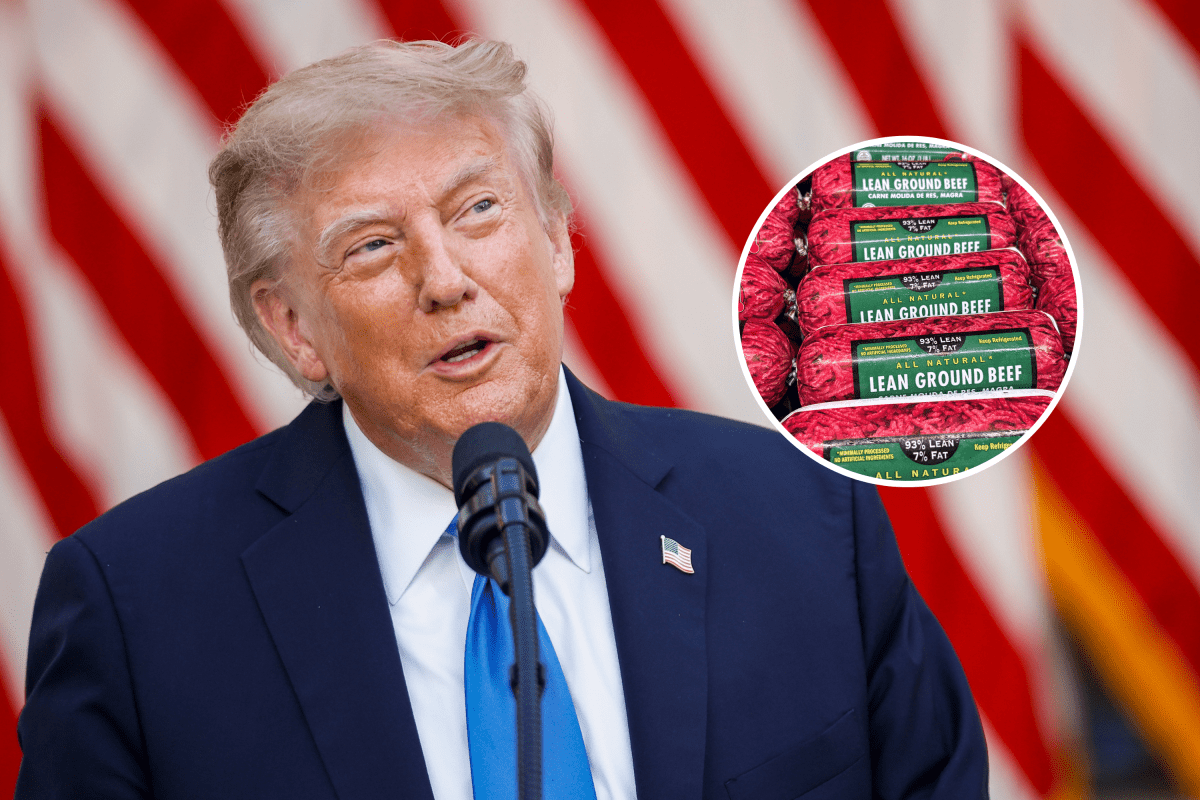
President Donald Trump’s approval rating among rural voters dropped 22 points between June and August, falling to 42 percent approval. This decline is linked in part to a new policy that temporarily removes tariffs on some imported beef, causing concern among cattle producers and some Republican lawmakers.
Key Facts
Trump’s approval rating in rural areas fell from 54% in June to 42% in August.
Disapproval among rural voters rose from 42% to 52% in the same period.
The White House announced a 90-day suspension of tariffs on up to 300,000 metric tons of imported beef to lower prices.
The policy aims to reduce grocery costs by selling imported beef at a 25% discount.
Many cattle producers and Republican senators criticize the move, saying it may hurt American ranchers by increasing competition.
The polling decline began before the policy announcement, suggesting other issues like inflation and the economy also affect support.
Rural voters are a key part of Trump’s political base, so losing their support could impact midterm elections.
Some Republican lawmakers, including Chuck Grassley and Mike Rounds, have publicly opposed the tariff change.
Read the Original
Want the full story? Tap a source to open the original
article.
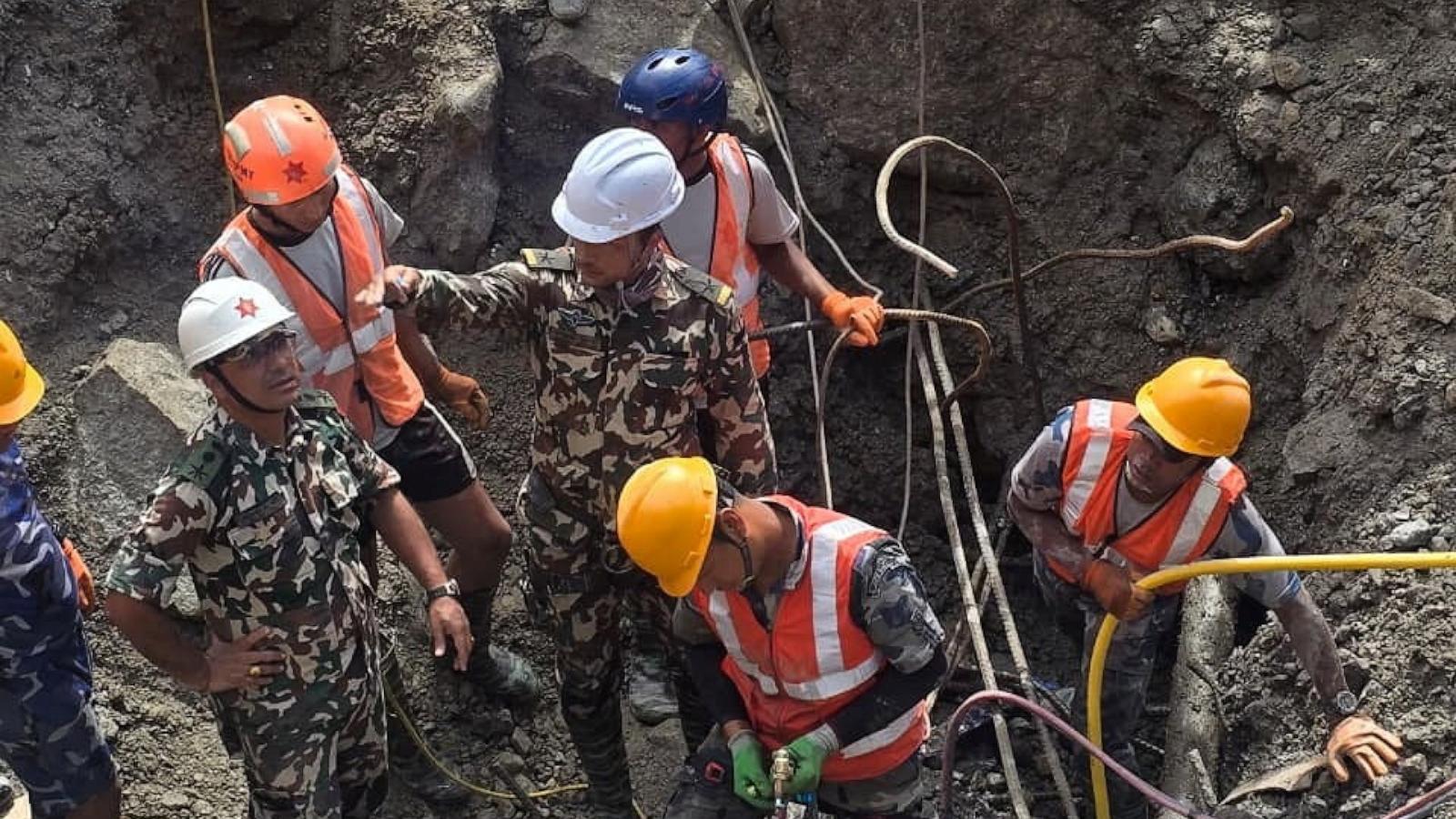
Two workers were rescued alive from a hydropower tunnel in Nepal after a deadly flash flood hit the Nepal-Tibet border. The floods and mudslides caused over 1,250 deaths and thousands more people remain missing.
Key Facts
Two workers named Sanjay Sah and Kabir Maharjan were rescued from the Upper Trishuli-3A Hydropower Project tunnel.
Rescuers heard voices from people trapped inside the tunnel during search operations.
The death toll in Nepal from the flash flood has risen to 1,252, with 4,216 people still missing as of September 2026.
In Tibet, 16 additional deaths and 546 missing people were reported, raising the total death toll in the region to 1,268.
Nearly 12,000 people have been rescued through international and local efforts.
Over 21,500 security personnel are involved in rescue operations.
More than 5,000 injured people are receiving medical treatment.
Nepal’s Prime Minister stated the government will soon shift focus to rebuilding and recovery efforts.
Read the Original
Want the full story? Tap a source to open the original
article.
Diesel fuel prices in the U.S. reached a record high average of $5.85 per gallon due to ongoing disruptions caused by the war in Iran. Higher diesel costs are raising transportation expenses, which are increasing prices for many goods, including groceries and everyday products.
Key Facts
Diesel prices in the U.S. hit a record high of $5.85 per gallon.
The price increase is linked to disruptions in fuel supply caused by the war with Iran, which has lasted six months.
Diesel is important for freight and delivery networks, so higher prices increase transportation costs.
Businesses are passing some of these higher costs to consumers through added fees on deliveries and packages.
Groceries like produce and meat are affected because they require frequent transport and diesel-powered farming equipment.
Other products transported by diesel trucks and trains include clothing, cosmetics, and furniture.
Experts warn that if diesel prices stay high, the cost increases will continue to impact many goods.
Read the Original
Want the full story? Tap a source to open the original
article.
The Philippine peso has fallen to a record low against the US dollar due to rising oil prices, the US-Israel conflict with Iran, and economic challenges within the Philippines. Higher oil costs and stronger US Treasury Bonds have made investors favor the US dollar, while the Philippines faces large budget and trade deficits along with high inflation.
Key Facts
The peso reached an all-time low of 62.71 to the US dollar on Friday.
Since January, the peso has lost about 6% of its value against the dollar.
Rising oil prices and disruptions caused by the US-Israel war with Iran have reduced oil supply through the Strait of Hormuz.
Philippine importers need more dollars to buy oil, lowering the peso’s value.
Higher returns on US government bonds lead investors to prefer the dollar over developing countries’ currencies like the peso.
The Philippines has large fiscal (government budget) and current account (trade) deficits.
Inflation in the Philippines is 6.1%, much higher than the central bank’s 3% target.
A weaker peso can help exporters but increases costs for consumers, especially for imported goods and energy.
Read the Original
Want the full story? Tap a source to open the original
article.
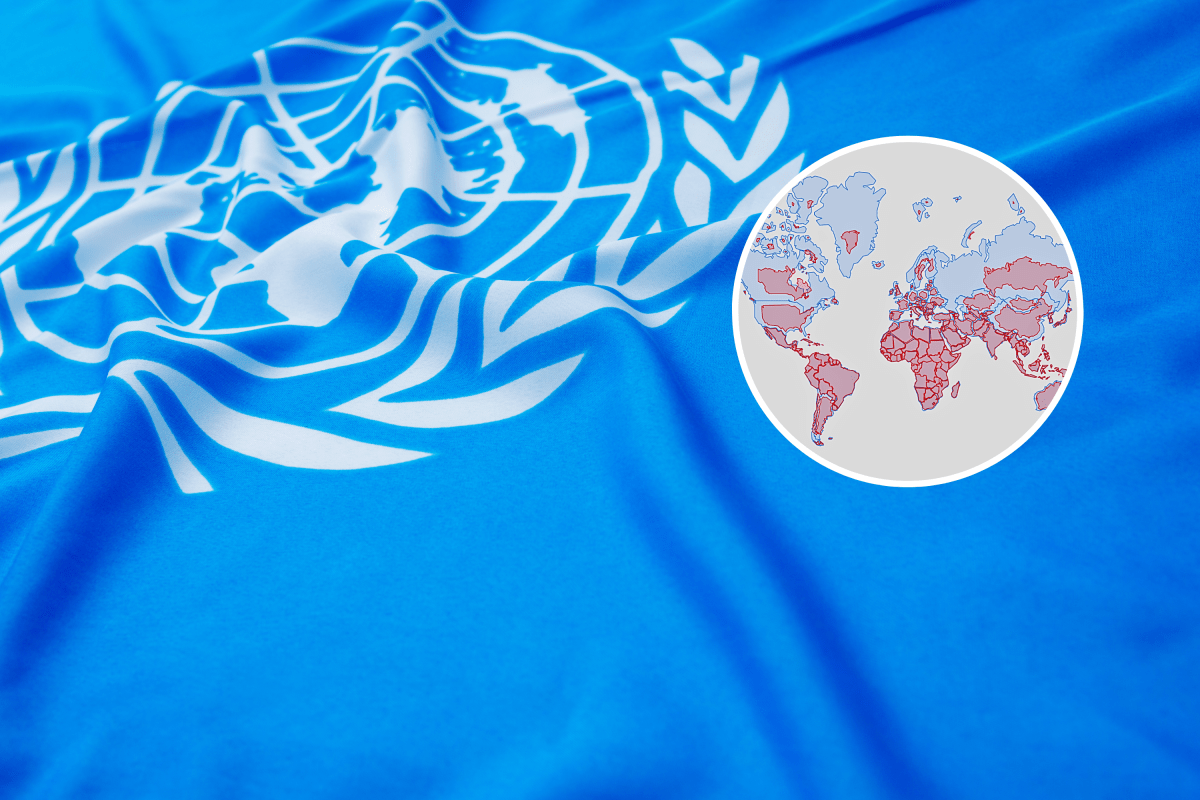
The United Nations General Assembly is set to vote on a resolution supporting the use of the Equal Earth map, which shows countries and continents in correct sizes relative to each other. This effort, led by Togo with backing from the African Union, aims to replace the widely used Mercator map, which distorts the size of regions near the poles and makes places like Africa appear smaller than they really are.
Key Facts
The UN vote will promote the Equal Earth projection and other maps that keep country sizes accurate.
Togo introduced the resolution with support from the African Union and the #CorrectTheMap campaign.
The Mercator projection enlarges areas near the North and South Poles, making places like Europe, Greenland, and North America look bigger.
Africa is often shown smaller than reality on Mercator maps, despite being much larger than Greenland.
Equal Earth, created in 2018, keeps land areas proportional and tries to look similar to a globe.
The Mercator map was originally designed to help sailors navigate by keeping compass directions straight.
The resolution encourages governments, schools, and companies to use maps with accurate size representation but does not ban Mercator maps.
Togo’s foreign minister said maps influence how people understand the world and that this change is about showing reality, not giving Africa special treatment.
Read the Original
Want the full story? Tap a source to open the original
article.
Rescuers in Nepal used maps, satellite images, and careful digging to find and free two men trapped in a blocked hydropower tunnel after a deadly flood. They faced many challenges like mud, rocks, water inside the tunnel, and the risk of further floods while working to reach more people still trapped inside.
Key Facts
A massive flash flood hit Nepal-Tibet border, killing about 1,300 people so far.
The flood buried the entrance of the Trishuli 3A Hydropower Station tunnel under mud and debris.
Experts used old maps, satellite images, and video to find the hidden tunnel entrance.
Rescuers cleared the tunnel with digging and controlled explosions, avoiding harm to trapped survivors.
Water inside the tunnel was pumped out through trenches to prevent flooding during rescue.
Two survivors, Sanjaya Shah and Kabir Maharjan, were found and rescued early Friday.
Rescuers still need to dig about 150 meters deeper to reach the hydropower station and more trapped people.
Rescue workers face risks of water flooding inside the tunnel and potential new floods outside.
Read the Original
Want the full story? Tap a source to open the original
article.
Some U.S. cities are losing residents while others are gaining, based on data from Bank of America Institute for the second quarter of 2026. Cities like Memphis and Washington, D.C. saw population declines, while places like Salt Lake City and Indianapolis experienced growth, largely due to affordability and job opportunities.
Key Facts
Memphis had the largest population drop among big U.S. metro areas, down nearly 1% compared to a year earlier.
Other cities with notable population decline include Washington, D.C., Los Angeles, Boston, Miami, Baltimore, Orlando, New York, San Jose, and St. Louis.
Americans moved less in 2026 compared to the pandemic years, with lower-income households and millennials moving the least.
The Midwest led population growth with cities like Indianapolis (+1.87%), Columbus, Louisville, and Cincinnati growing due to affordable living and jobs.
Salt Lake City had the highest population growth at 1.88%, thanks to a strong job market, outdoor activities, and lower cost of living compared to other western cities.
Indianapolis and Raleigh also grew because of their affordable housing, job markets, and local amenities.
Median home prices differ greatly, with Indianapolis around $258,859, Raleigh $424,769, Salt Lake City $608,669, and the U.S. median at about $408,776.
Memphis is shrinking for reasons other than affordability, despite being a relatively low-cost city.
Read the Original
Want the full story? Tap a source to open the original
article.
Diesel prices reached a new all-time high of $5.85 per gallon, driven by global conflicts that have disrupted supply and refining. This surge raises costs for farmers, truckers, and shipping companies, which could increase the prices of many goods for consumers.
Key Facts
Diesel price hit $5.85 per gallon, surpassing the previous record set in June 2022.
Conflicts, including the Iran war and Russia-Ukraine war, disrupted diesel supply and refinery operations.
Diesel costs more than gasoline due to higher taxes, stricter environmental rules, and lower production per barrel of oil.
Diesel is essential for many industries like farming, trucking, fishing, and construction.
Higher diesel prices increase shipping and production costs, which can raise prices on many consumer goods.
Small trucking companies feel the impact more, as they have less ability to raise freight rates compared to large carriers.
Diesel inventories may be unusually low heading into refinery maintenance season, increasing price risks.
Rising diesel prices add inflation pressure, which could influence Federal Reserve decisions on interest rates.
Read the Original
Want the full story? Tap a source to open the original
article.
Giorgia Meloni has become Italy’s longest-serving post-war prime minister, leading for over 1,400 days. While she initially aligned with President Donald Trump on certain political issues, their relationship cooled due to public disagreements, and Meloni has since distanced herself from him to reflect changing opinions in Italy.
Key Facts
Giorgia Meloni leads the Brothers of Italy party and has been prime minister for 1,413 days, breaking a post-war record.
She initially shared political views with President Trump on immigration and cultural issues.
Public tensions arose after Meloni defended Pope Leo XIV against Trump’s criticisms, calling Trump’s remarks "unacceptable."
At the 2024 G7 summit, Trump said Meloni "begged" for a photo, but she strongly denied this claim.
Meloni's distancing from Trump was influenced by shifting Italian public opinion and economic concerns related to the Iran war.
Polls show low support for Trump in Italy, with only 11 percent approval.
Meloni positioned herself as a pragmatic conservative who aims to balance European interests with other global powers.
Cross-party support in Italy increased for Meloni after her disputes with Trump.
Read the Original
Want the full story? Tap a source to open the original
article.
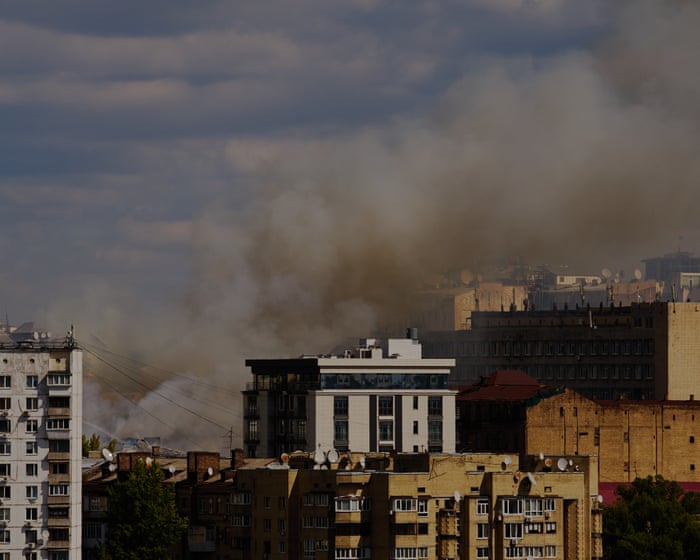
Russia continues to attack Ukraine’s energy infrastructure, aiming to damage the country’s power system before winter. Recent strikes have caused casualties and targeted cities including Kyiv, while Ukraine’s President Zelenskyy plans talks with US officials soon.
Key Facts
Russia is attacking Ukraine’s energy facilities in ongoing nighttime and daytime strikes.
The attacks aim to disrupt Ukraine’s power supply before winter.
One person died and at least five were injured in a recent attack in the Odesa region.
Kyiv has faced repeated strikes, including a Russian drone hitting a nine-story residential building.
President Volodymyr Zelenskyy is preparing for talks with US negotiators, with dates set for a visit to Kyiv.
Germany is holding a state election in Saxony-Anhalt with potential for the far-right party Alternative für Deutschland to gain power.
Italy’s Prime Minister Giorgia Meloni is noted for leading the longest-serving government since World War II.
Read the Original
Want the full story? Tap a source to open the original
article.
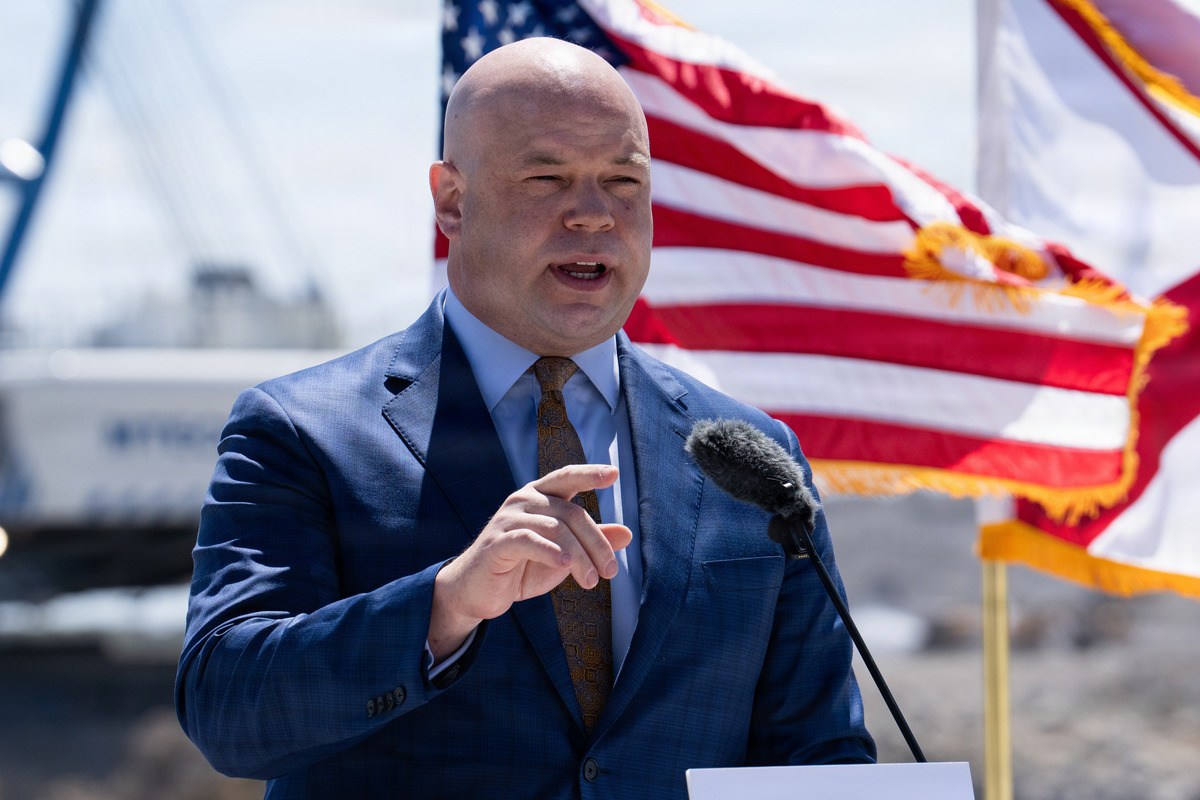
President Donald Trump has appointed Adam Telle as the new acting Secretary of the Army. Telle will start the job immediately, replacing Dan Driscoll, who resigned this week without publicly explaining why.
Key Facts
President Trump named Adam Telle as acting Secretary of the Army.
Telle is currently the assistant secretary of the Army for civil works.
He will begin his new role immediately.
Telle replaces Dan Driscoll, who resigned earlier this week.
Driscoll announced his resignation on social media but did not give a reason.
Driscoll’s departure followed reports of disagreements with Defense Secretary Pete Hegseth.
This change is part of ongoing leadership shifts in the Army’s civilian roles.
Read the Original
Want the full story? Tap a source to open the original
article.
Each summary links back to the original reporting, so you can check the work. Support that, and get the daily digest every morning. Most choose $3.99/month.
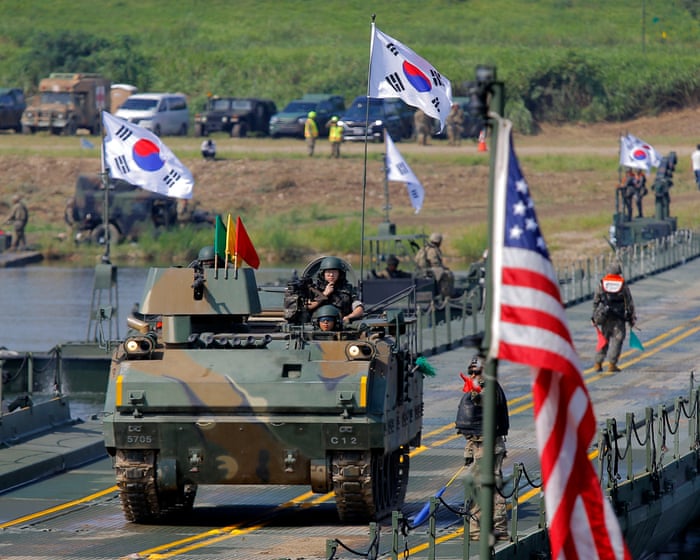
South Korea is looking into sending military forces to the Strait of Hormuz due to pressure from President Trump. However, the South Korean presidential office said no decision has been made yet, and any deployment would need approval from its national assembly.
Key Facts
South Korea is reviewing a possible military deployment to the Strait of Hormuz.
The review is happening under pressure from President Trump, who wants allied support in the region.
The deployment might include a P-8 Poseidon patrol aircraft and a naval support ship.
No final decision has been made, and the government denies the reports as facts.
Any deployment would require national security council review and approval by the national assembly.
The Strait of Hormuz is vital for South Korea as it imports more than 90% of its main energy through this route.
In 2020, South Korea extended an anti-piracy mission to include the Strait of Hormuz without needing new assembly approval.
Relations between the U.S. and South Korea have been tense over this issue, including disagreements on military exercises and intelligence sharing.
Read the Original
Want the full story? Tap a source to open the original
article.
Two workers were rescued alive from a hydropower tunnel in Nepal nine days after severe flash floods. Many more people remain trapped in several damaged hydropower sites across the region.
Key Facts
The rescue took place nine days after heavy flash flooding hit Nepal.
Two workers were found alive inside a hydropower tunnel.
The floods have buried dozens of hydropower projects in the affected area.
Hundreds of workers are still trapped under the debris or in damaged facilities.
Authorities and rescuers are actively working to find and save the remaining trapped people.
The floods caused significant damage to infrastructure related to hydropower production.
Flash floods in Nepal have been deadly and disruptive to many communities.
Read the Original
Want the full story? Tap a source to open the original
article.