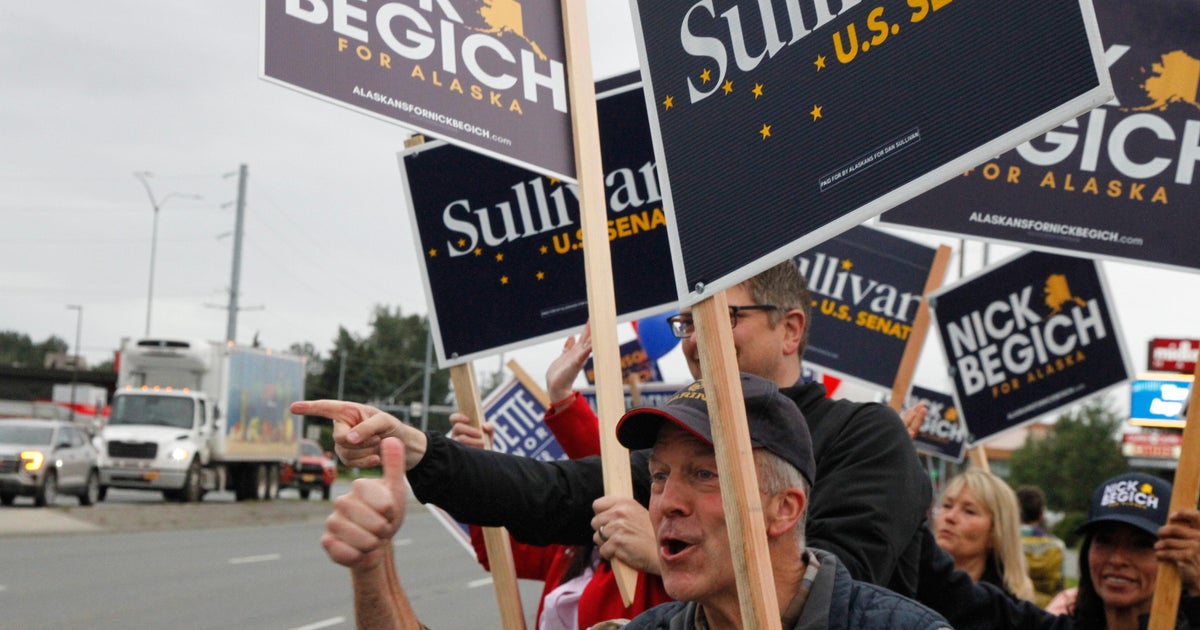
Alaska’s November election ballot includes unusual candidates due to its ranked-choice voting system. In the Senate race, two candidates share the same name, and in the House race, a felon serving a prison sentence is on the ballot.
Key Facts
Alaska uses a ranked-choice voting system, which allows voters to rank candidates by preference.
In the 2024 Senate race, GOP Sen. Dan Sullivan and Democrat Mary Peltola are the main contenders.
A challenger named Daniel J. Sullivan, sharing the same name as the incumbent senator, is also on the ballot after appealing a decision to remove him.
The House race includes GOP Rep. Nick Begich and Independent Bill Hill as top candidates.
Democrat Eric Hafner, a convicted felon serving 20 years in New York prison, is on the Alaska ballot.
Candidate Matt Schultz suspended his campaign and will not be on the ballot.
Alaska’s election system changed in 2020 to reduce political polarization by using a nonpartisan primary and ranked-choice voting.
Alaska has a history of unusual election outcomes, such as Senator Lisa Murkowski's 2010 write-in victory after losing the GOP primary.
Read the Original
Want the full story? Tap a source to open the original
article.
Iran fired missiles and drones at U.S. allies and military bases in the Middle East on Wednesday. This was in response to recent U.S. airstrikes against Iran, as the ongoing conflict enters its seventh month.
Key Facts
Iran launched attacks on U.S. allies’ locations in Kuwait, Bahrain, Jordan, and Iraq.
The attacks involved missiles and drones.
These strikes happened shortly after the U.S. carried out airstrikes targeting Iran.
The conflict between Iran and the U.S. and its allies has lasted about seven months.
Iran described the attacks as a retaliation against the U.S. military actions.
The targets were mainly U.S. military bases and assets in the Gulf region.
This exchange marks a continuing cycle of violence in the Middle East involving Iran and the U.S. and its partners.
Read the Original
Want the full story? Tap a source to open the original
article.
Hospitality businesses in Northern Ireland want a cut in the value-added tax (VAT) to compete with lower VAT rates in the Republic of Ireland. Industry leaders say a VAT cut would help businesses survive but may not directly lower prices for customers. The UK government has refused the request, saying it would cost too much.
Key Facts
Hospitality VAT in Northern Ireland and the rest of the UK is 20%, while in the Republic of Ireland it is 9% on food and 13.5% on accommodation.
Northern Ireland businesses face higher costs due to wage increases, taxes, and supply chain issues.
Hospitality leaders say a VAT cut would help them offer better prices to tour operators and keep business from declining.
The Republic of Ireland has changed VAT rates several times since 2011 to support tourism and the hospitality industry.
The latest Irish VAT cut on food service is estimated to cost around €680 million per year.
The UK government argues a VAT cut is expensive and may not help customers with lower prices.
An economic expert suggested a trial VAT cut in Northern Ireland to see if it encourages investment, estimating an initial cost of £225-250 million per year.
Read the Original
Want the full story? Tap a source to open the original
article.
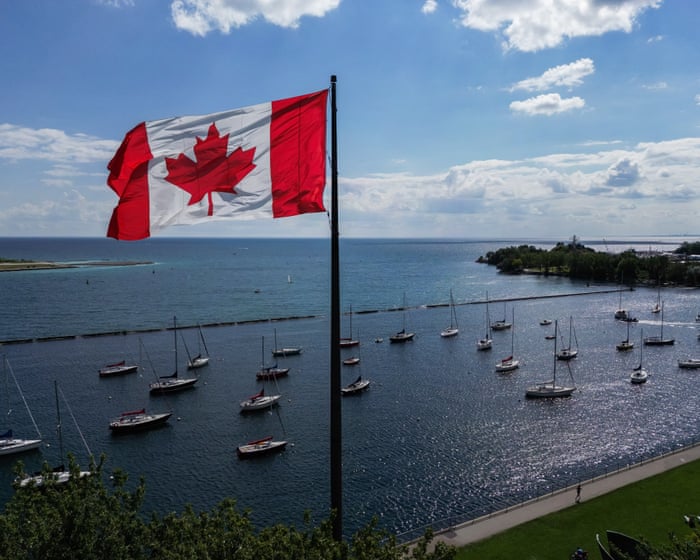
President Donald Trump has started a trade dispute with Canada, the United States' close neighbor and important trading partner. His tariffs and harsh statements against Canada have led to strong Canadian responses and increased national pride there, while also causing concern and opposition among many Americans, especially in states near the Canada border.
Key Facts
President Trump claims Canada has exploited the US economically and has imposed tariffs on Canadian goods.
He signed an order to rename Lake Ontario as "Lake America," which is symbolic and not officially recognized.
The tariffs affect a small part of US imports but a large part of Canadian exports.
Canada has responded with "dollar for dollar" retaliation by imposing tariffs on US goods from key states like Ohio and Texas.
Canadian Prime Minister Justin Trudeau’s Liberal party gained political support partly because of the response to US tariffs.
The trade conflict has fueled Canadian nationalism and weakened separatist movements in Quebec and Alberta, at least for now.
A Reuters/Ipsos poll shows most Americans oppose Trump’s tariffs on Canada and the lake-renaming action.
Democrats in US border states criticize the tariffs, arguing they harm local economies.
Read the Original
Want the full story? Tap a source to open the original
article.
Freelance creative workers are increasingly hired to fix low-quality work made by artificial intelligence (AI). This cleanup work often takes as much time as making new content but pays less and can be tiring for freelancers. Despite growing demand for AI cleanup jobs, these roles may decline as AI gets better and fewer original freelance projects are available.
Key Facts
Since the release of ChatGPT in 2022, many freelancers have shifted to fixing AI-generated designs and content.
About 90% of some freelancers’ logo and packaging jobs now involve cleaning up AI output.
Cleaning up AI work can mean improving blurry images, fixing flawed designs, and correcting AI text errors.
On Freelancer.com, AI cleanup job listings increased 87% from August 2025 to June 2026.
Similar increases in AI-related cleanup gigs were seen on Upwork and Fiverr platforms.
The amount of freelance jobs vulnerable to AI automation dropped by about 20% after ChatGPT’s launch.
Competition for freelance projects is increasing, with more bids per project and fewer original creative jobs.
Clients often expect AI cleanup work to be quick and cheap, but freelancers say it can be as hard as creating new content.
Read the Original
Want the full story? Tap a source to open the original
article.
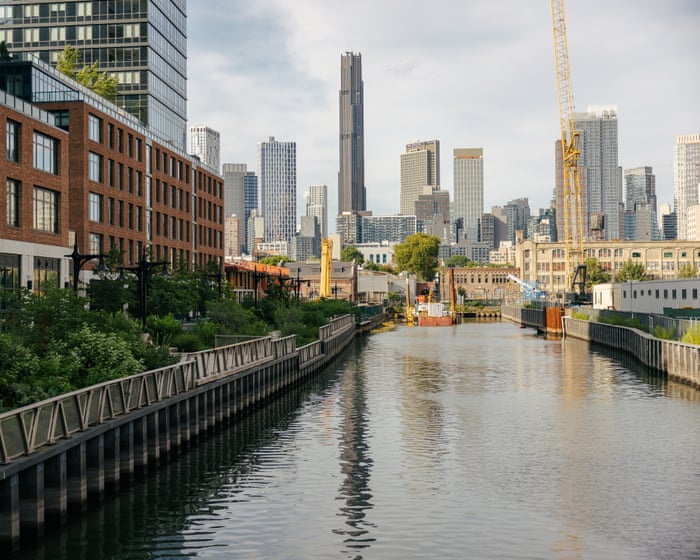
The Gowanus Canal in Brooklyn, once heavily polluted from industrial waste, is being cleaned and transformed into a more natural and accessible area. Local groups and designers are working to improve the environment, manage stormwater, and create public green spaces along the canal.
Key Facts
The Gowanus Canal is 1.8 miles long and was polluted by industry for over 100 years.
Toxic waste like mercury, lead, and coal tar created a thick sludge that harms water, soil, and air.
In 2010, the EPA labeled the canal a Superfund site, which means it needs cleanup.
Climate change causes more storms and flooding, increasing pollution problems.
Two new tanks are being built to capture sewage and stormwater before they enter the canal.
The Gowanus Canal Conservancy, a local nonprofit, has been improving the area for over ten years.
A 2017 plan and 2021 rezoning aim to make the waterfront public and support environmental justice.
Designers created natural landscapes to handle flooding and provide habitats, while allowing people to enjoy parks and walkways.
Read the Original
Want the full story? Tap a source to open the original
article.
The article discusses concerns about police using Flock cameras, a type of surveillance technology. It points out worries about increased government monitoring without enough proof that this helps more than it harms, and calls for better public control and protections for groups often over-policed.
Key Facts
Flock cameras are used by police to watch public areas.
These cameras can increase government power to monitor people.
There is no clear proof the benefits of these cameras are greater than the harms.
The article highlights the need for public oversight to control how these cameras are used.
It stresses the importance of safeguards to protect communities that are already heavily watched by police.
The discussion is about balancing effective police tools with citizens' privacy and rights.
Read the Original
Want the full story? Tap a source to open the original
article.
Since September 2025, the US military has launched over 60 attacks on boats suspected of drug trafficking in the Caribbean and Eastern Pacific. President Donald Trump’s administration calls this Operation Southern Spear, a fight against "narcoterrorism," but has shared little information about the people killed or how targets are chosen.
Key Facts
More than 60 military strikes have targeted suspected drug boats since September 2025.
Over 220 people have died as a result of these strikes.
The campaign is called Operation Southern Spear.
The operation is led by President Donald Trump’s administration.
There is little public information about who was killed or the evidence against them.
The strikes happen in the Caribbean Sea and Eastern Pacific Ocean.
Questions remain about the legality of the strikes and their impact on drug trafficking.
Investigations include stories from families, witnesses, and legal experts.
Read the Original
Want the full story? Tap a source to open the original
article.
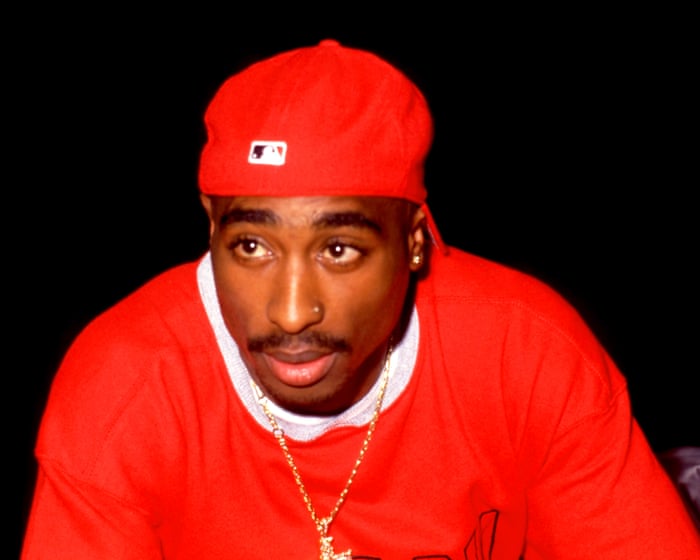
A man named Duane “Keffe D” Davis was found guilty of murdering rapper Tupac Shakur, who was killed in 1996. The conviction came after Davis confessed in a memoir and during the trial, bringing closure to a case that has lasted over 30 years.
Key Facts
Tupac Shakur was murdered in September 1996.
Duane “Keffe D” Davis, a former gang leader, was convicted for his role in the murder.
Davis admitted in a 2019 memoir that he planned retaliation against Tupac after an earlier fight.
Orlando Anderson, Davis’s nephew and suspected gunman, died in 2004.
Fans have waited 30 years for answers about Tupac’s death.
Some fans connected with Tupac’s music for its messages about social issues and giving voice to the unheard.
The case was solved largely because Davis spoke openly about the events.
The conviction helps end years of speculation and conspiracy theories around Tupac’s murder.
Read the Original
Want the full story? Tap a source to open the original
article.
Chevron announced a deal to grow its oil production in Venezuela by getting more land in the Orinoco Belt. The company plans to invest over $7 billion in the next five years and increase oil output in the region.
Key Facts
Chevron secured additional acreage in Venezuela’s Orinoco Belt oil region.
The Orinoco Belt is an important oil-producing area where Chevron already operates.
Chevron plans to invest more than $7 billion over the next five years.
The goal is to increase oil production to a higher level (exact target not specified).
This expansion is part of a joint venture arrangement.
Chevron’s move marks a significant investment in Venezuela’s oil industry.
The announcement was made early on a Wednesday.
Read the Original
Want the full story? Tap a source to open the original
article.
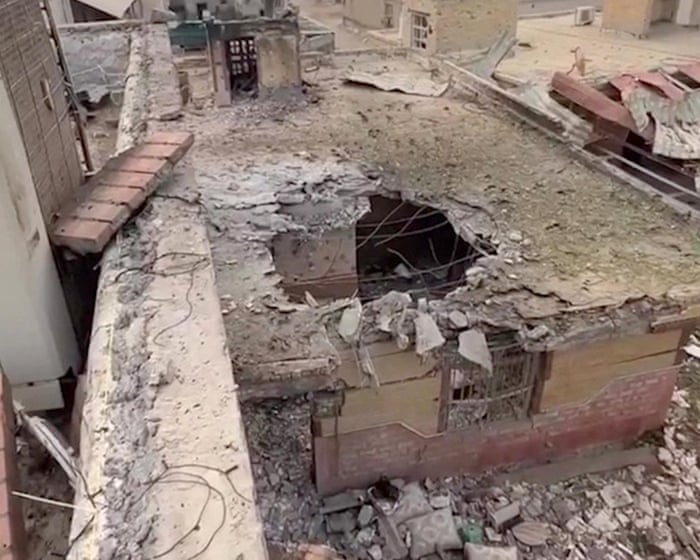
A missile strike by the US hit a wedding in southern Iran, killing at least five people and injuring 68. Iran has called this attack a “war crime” and warned of a strong response after the US targeted Iranian military sites and Iran retaliated with drone and missile strikes on US bases in the Middle East.
Key Facts
The missile blast occurred at a wedding in Kuhestak, Hormozgan province, Iran.
At least five people died, including a 4-year-old child and a 16-year-old teenager.
68 people were injured in the explosion, with many hospitalised.
Iran’s foreign ministry called the US strike a “war crime” and promised firm retaliation.
The US targeted Iranian military sites like air defenses, radars, and maritime assets.
Iran responded by launching drones and missiles at US bases in Bahrain, Kuwait, and the UAE.
Shrapnel found at the scene matched US-made Slam-Er missiles, known for precision guidance.
The US said it does not target civilians and is aware of reports of civilian casualties.
Read the Original
Want the full story? Tap a source to open the original
article.
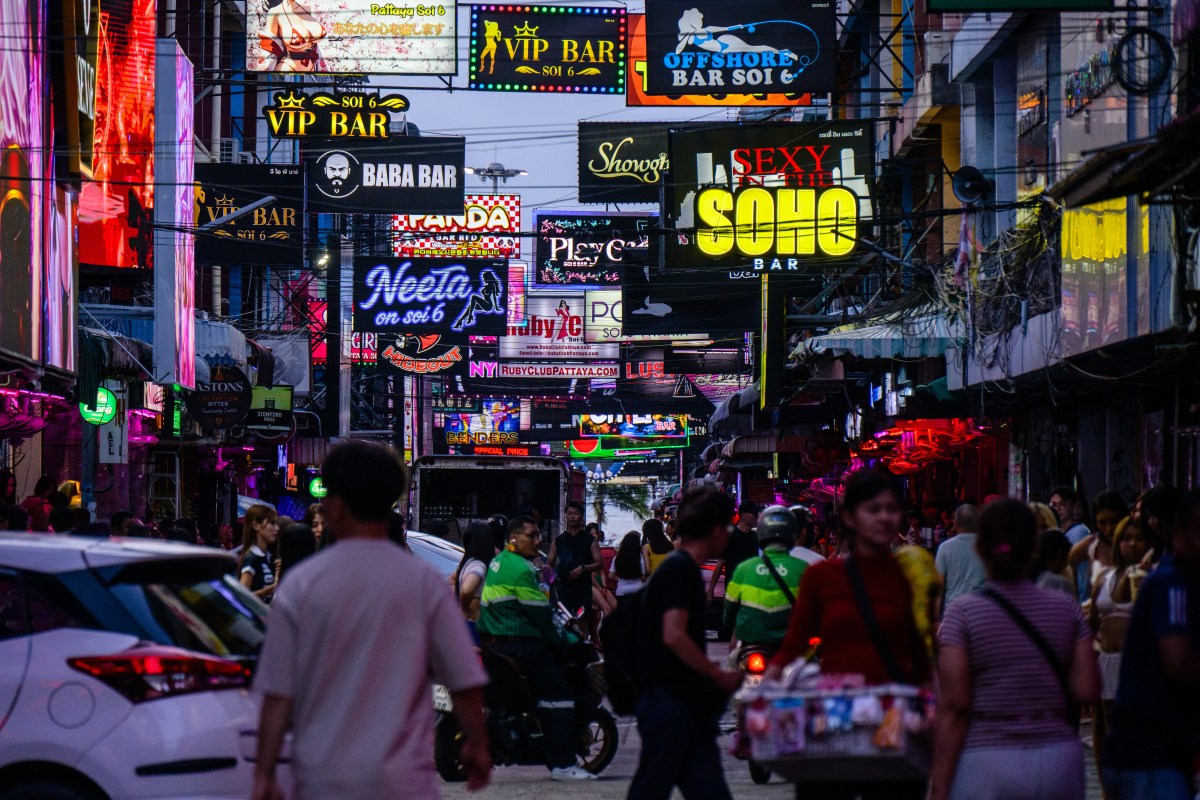
The USS Abraham Lincoln aircraft carrier has arrived in Pattaya, Thailand, after a long trip without stopping at port. Approximately 5,000 crew members will spend time in the city, which local officials and businesses believe will help the local economy recover by boosting tourism and spending.
Key Facts
The USS Abraham Lincoln stayed at sea for 286 days and went 250 days without a port stop before arriving in Thailand.
The ship anchored near Pattaya, about 100 km south of Bangkok.
Around 5,000 sailors from the ship are allowed to visit the city during a "liberty port call."
The Navy described the visit as a chance for sailors to rest and as a sign of strong U.S.-Thailand relations.
Pattaya is known for beach resorts and nightlife, historically popular with U.S. military personnel since the Vietnam War era.
Local businesses expect the sailors’ visit to boost hotels, restaurants, transport, shops, and other tourism areas.
A local travel company increased staffing in preparation and reported positive past experiences with U.S. service members visiting.
Pattaya’s mayor expects American visitors to spend significantly, helping the city’s economy after a slow summer for tourism.
Read the Original
Want the full story? Tap a source to open the original
article.
On the biggest stories we show what the outlets agree on and where they differ. Readers keep that going, and get the daily digest by email every morning. Most choose $3.99/month.
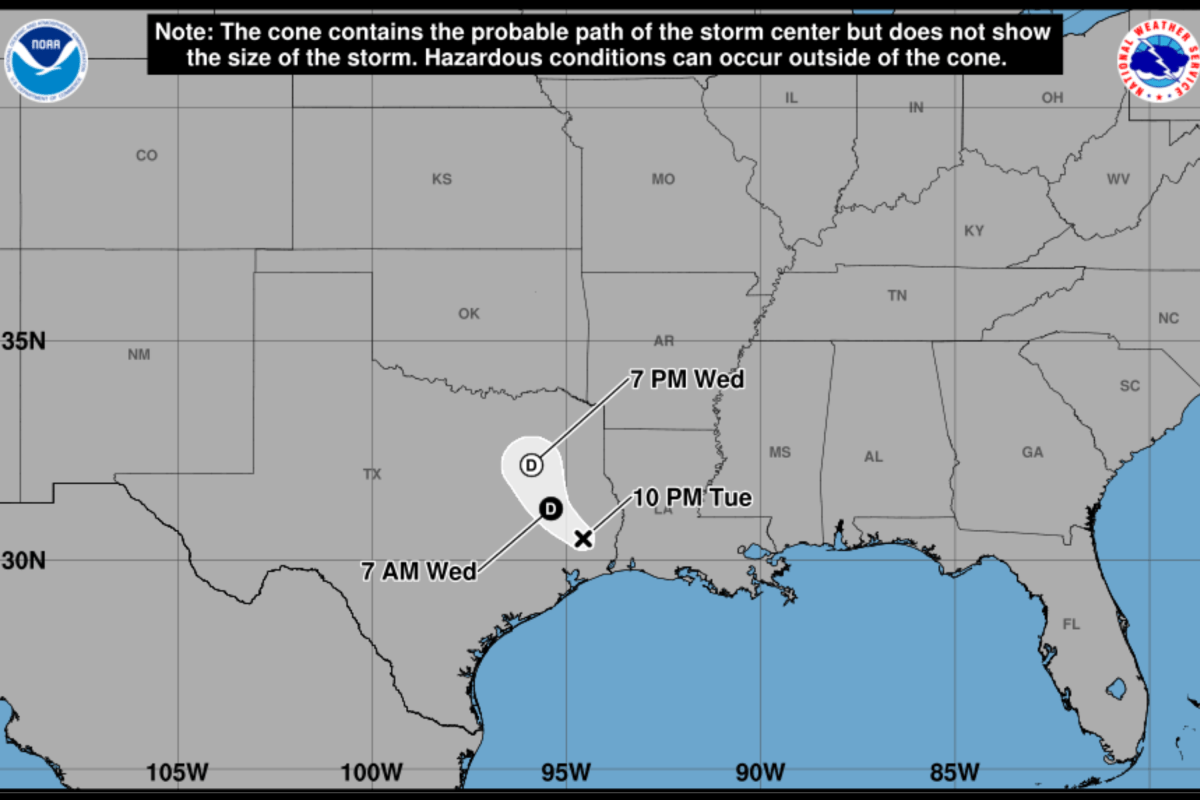
Tropical Storm Edouard has weakened to a tropical depression but is causing heavy rain and flood risks in eastern and central Texas. Officials are preparing for flooding and travel problems as the storm moves inland from the Gulf Coast.
Key Facts
Edouard has lessened to a tropical depression but still brings strong rain and flash flooding threats.
The storm is moving north through eastern and central Texas, with the heaviest rain from the upper Texas coast inland.
Tropical storm force wind gusts up to 73 mph remain possible near the storm’s center for a short time.
Flood Watches cover many counties in northeast and southeast Texas, warning of potential flooding from 1 to 15 inches of rain.
Local officials in Montgomery County and other areas are preparing rescue equipment and closing schools and offices.
Intense rainfall may produce 3 to 4 inches of rain per hour in some spots, increasing flood dangers.
The storm’s remnants will continue moving inland through midweek, keeping flood risks high due to repeated rain.
Authorities remind people not to drive through flooded roads and to follow weather updates closely.
Read the Original
Want the full story? Tap a source to open the original
article.
More than 900 people have died in Israeli attacks in Gaza this year, despite a ceasefire agreement made in October. The health ministry run by Hamas reports ongoing violence and deaths but Israel’s military disputes the figures, saying it targets threats carefully.
Key Facts
Over 1,300 people have died in Gaza since the ceasefire started on 10 October, including 301 children.
The ceasefire followed a 20-point peace plan proposed by President Donald Trump.
Israeli strikes have continued monthly, with the deadliest month being July, which saw 152 deaths.
Hamas’s health ministry reports that all the deaths result from Israeli military actions but does not separate civilians from fighters.
The Israel Defense Forces (IDF) says it has killed hundreds of military targets and lost five soldiers since the ceasefire.
Independent groups and the UN find the health ministry’s casualty figures reliable.
The IDF claims it operates carefully to avoid civilian harm and disputes that all deaths are caused by its actions.
The ongoing violence has complicated efforts to fully enforce the ceasefire deal.
Read the Original
Want the full story? Tap a source to open the original
article.
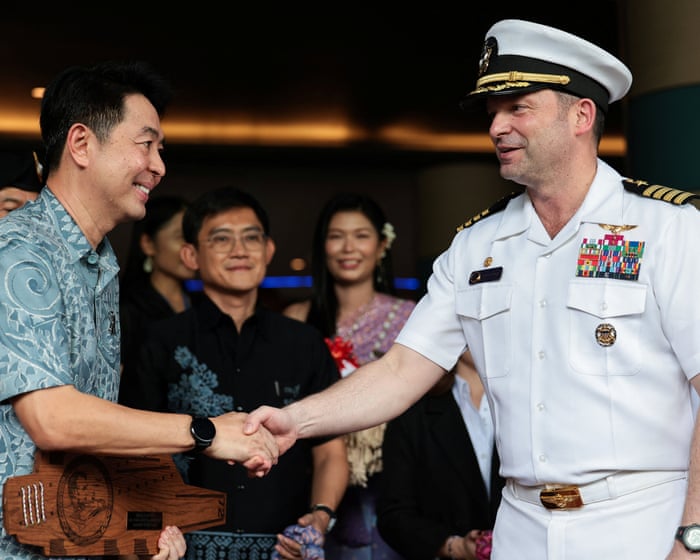
The crew of the USS Abraham Lincoln arrived in Pattaya, Thailand, for shore leave after spending nearly nine months continuously at sea, a record for the ship. The sailors experienced limited fresh food and supplies on board, and some reported difficult living conditions, though the ship's captain confirmed enough food was available.
Key Facts
The USS Abraham Lincoln’s crew of 5,000 spent almost nine months without shore leave, the longest continuous sea deployment for this ship.
The sailors arrived in Pattaya, Thailand, where local officials and traditional dancers greeted them.
Crews were told not to discuss ship conditions with journalists.
Living conditions on board were reported as difficult, with limited fresh fruit, vegetables, soap, and toothpaste.
The ship’s captain said complaints from first-time sailors were expected and compared it to sending kids off to college.
There were reports of attempted suicides on the ship, but the captain did not comment due to an ongoing investigation.
The deployment overlapped with a war involving the US and Israel against Iran.
The USS Higgins crew also arrived in Pattaya, with some sailors acknowledging military service is not like a cruise.
Read the Original
Want the full story? Tap a source to open the original
article.
Russian President Vladimir Putin gave a vague answer when asked if Russia might attack UK military sites in response to British arms support for Ukraine. Putin also warned Western countries they could face strong Russian reactions if they try to weaken Russia and expressed willingness to negotiate peace with certain US representatives.
Key Facts
Putin responded "That's a secret. A military secret," when asked about potential strikes on UK military targets.
This unclear response may be meant to create uncertainty and pressure the UK over its support for Ukraine.
Germany accused Russia of carrying out a drone attack on Leipzig airport last month; Russia denied it.
Putin compared Western countries to sharks and said Russia is ready to "punch" back if threatened.
Putin expressed confidence that Russia will win despite heavy losses and economic problems.
The Kremlin calls the war in Ukraine a "special military operation," but Putin now also calls it a "war."
Putin said he is open to peace talks and prefers to work with US envoys linked to President Trump.
A recent CIA visit to Moscow was not acknowledged as a meeting with Putin by Kremlin officials.
Read the Original
Want the full story? Tap a source to open the original
article.
Chevron plans to invest $7 billion in Venezuela over five years to double its oil production. This comes after President Donald Trump announced a deal with Venezuela to create a joint venture to operate large oil fields in the country.
Key Facts
Chevron is the only U.S. oil company operating in Venezuela.
The company aims to raise oil production to about 600,000 barrels per day, double its current output.
Chevron will develop new areas called Carabobo 1 and Carabobo-2-South in the Orinoco Belt, a region rich in oil.
The investment follows a deal announced by President Trump on August 28 to create a private joint venture with Venezuela.
Producing oil in Venezuela currently costs Chevron approximately $20 per barrel.
The Orinoco Belt contains about 65 billion barrels of petroleum, a key resource in the deal.
Chevron’s CEO stated the investment offers low-cost growth potential and long-term value.
Read the Original
Want the full story? Tap a source to open the original
article.
The US government announced a deal with Venezuela to control part of its large oil reserves and increase oil production for the US market. However, experts say this deal will not reduce fuel prices in the US soon, as the oil is costly to extract and global prices have actually risen since the announcement.
Key Facts
Venezuela has about 303 billion barrels of proven oil reserves, the largest in the world.
The US is partnering with North American Blue Energy Partners (NABEP), owned by Venezuelan businessman Alejandro Betancourt, to access these oil reserves.
The Pentagon’s Office of Strategic Capital will own 35% of NABEP, which can produce about 200,000 barrels of oil per day.
The US is guaranteed the right to buy 20% of the oil output at cost.
Venezuelan interim leader Delcy Rodriguez supports the deal, which helps Venezuela’s government get funds.
Since January 2024, the US has imported around 500,000 barrels of Venezuelan oil daily, about 40% of Venezuela’s oil output.
Despite the deal, US oil prices rose from about $83-$86 per barrel to above $90 after the announcement.
Venezuela’s oil is heavy and sour crude, which is more expensive to process than lighter oils.
Read the Original
Want the full story? Tap a source to open the original
article.
Richard Ravalomanana, Madagascar’s former Senate president, was sentenced to 10 years of hard labor for his role in violent actions against youth protests last year. The protests led to the removal of the previous government, and at least 22 people died during the unrest.
Key Facts
Richard Ravalomanana was found guilty of being involved in murder related to the crackdown on protests.
The protests occurred in September and October 2025, led mainly by young people called Gen Z.
The protests started because of power and water shortages but grew into a wider movement against the government of President Andry Rajoelina.
Over 20 people died and more than 100 were injured during the protests, according to UN figures.
Ravalomanana was a retired general and an ally of the former president Rajoelina.
He was removed as Senate president in October 2025 and arrested in December after not responding to a summons.
He denies the charges and plans to appeal the court's decision.
Ravalomanana is also being investigated separately for corruption.
Read the Original
Want the full story? Tap a source to open the original
article.
Civil rights laws were created to stop discrimination based on skin color. The article discusses concerns about discrimination continuing despite new diversity and inclusion efforts.
Key Facts
Civil rights laws aim to prevent unfair treatment based on race.
The laws focus on ensuring equal opportunities for all people.
Concerns exist that new diversity programs may still result in discrimination.
Diversity, Equity, and Inclusion (DEI) efforts try to support fairness at work and in society.
Some people feel DEI programs do not fully solve discrimination issues.
Read the Original
Want the full story? Tap a source to open the original
article.