The Manhattan District Attorney is encouraging low-income workers in New York City to report if their employers do not pay them the full wages they earned. This is part of a larger effort to stop wage theft, which causes workers to lose billions of dollars every year.
Key Facts
Wage theft happens when employers do not pay workers the full amount they are owed.
The Economic Policy Institute says workers lose over $50 billion annually because of wage theft.
New York City authorities are increasing efforts to stop wage theft and protect low-income workers.
The Manhattan DA is actively asking workers to report wage theft incidents.
Stopping wage theft helps improve workers’ financial well-being in the city.
Read the Original
Want the full story? Tap a source to open the original
article.
Japan has created a small cooling booth called the "Do Hiemon Box" to help people quickly cool down and prevent heatstroke during very hot weather. It was first made for outdoor workers but is now being placed in public areas for more people to use.
Key Facts
The "Do Hiemon Box" is a personal cooling booth to fight heatstroke.
It quickly cools a person by targeting their body temperature.
It was originally designed for people working outside in the heat.
The cooling booth is now being introduced in public spaces.
Its purpose is to help people stay safe during extreme heatwaves.
Heatstroke is a serious health risk caused by high temperatures.
This solution aims to provide relief quickly to prevent illness.
Read the Original
Want the full story? Tap a source to open the original
article.
The United States has seen over 160 food recalls this year. A Cyclospora outbreak has made nearly 11,000 people sick and caused two deaths. Cuts to federal staff have raised concerns about the strength of food safety oversight.
Key Facts
There have been more than 160 food recalls in the US this year.
A Cyclospora outbreak affected almost 11,000 people.
The outbreak caused two deaths.
Federal government staff responsible for food safety have been cut.
These staffing cuts have caused worries about weaker food safety controls.
Cyclospora is a parasite that can cause illness through contaminated food or water.
Read the Original
Want the full story? Tap a source to open the original
article.
Palestinians in Qaryut, a town in the Occupied West Bank, say Israeli settlers and the military are forcing them to leave their homes and land. This is happening in Area B, a part of the West Bank under joint Palestinian and Israeli control.
Key Facts
The location involved is Qaryut, in the Occupied West Bank.
Palestinians report that Israeli settlers are trying to push them out.
The Israeli military is supporting the settlers in these actions.
Families are being forced to leave their homes and land.
Area B of the West Bank is mentioned, which is under shared control by Palestinians and Israel.
The report comes from Al Jazeera correspondent Nida Ibrahim.
The situation involves conflict over land and housing rights.
This issue is part of the broader Israeli-Palestinian conflict.
Read the Original
Want the full story? Tap a source to open the original
article.
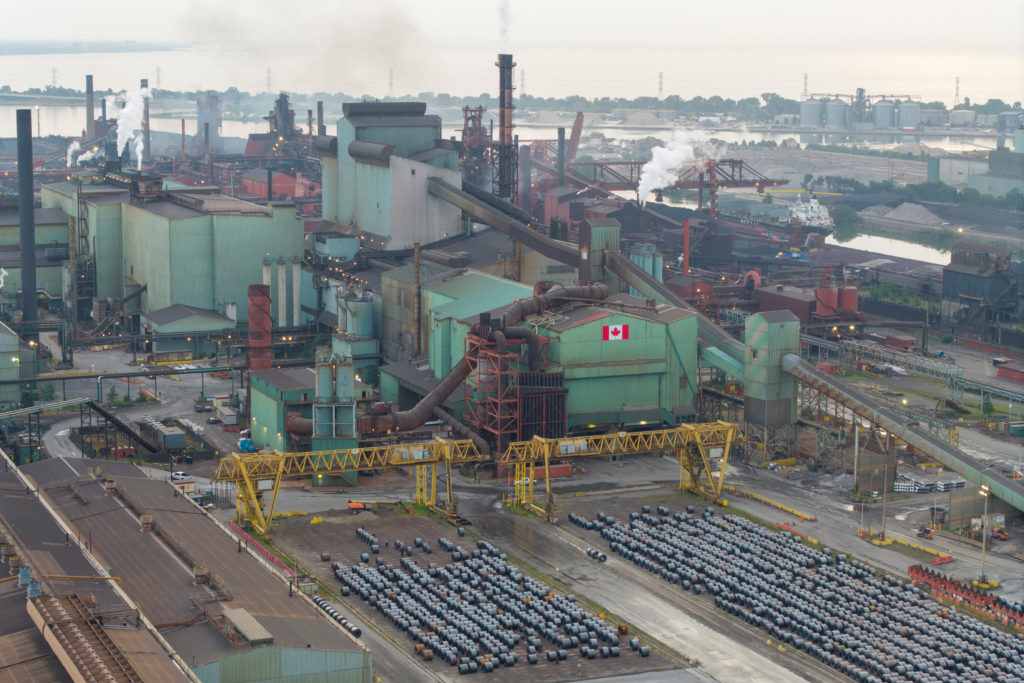
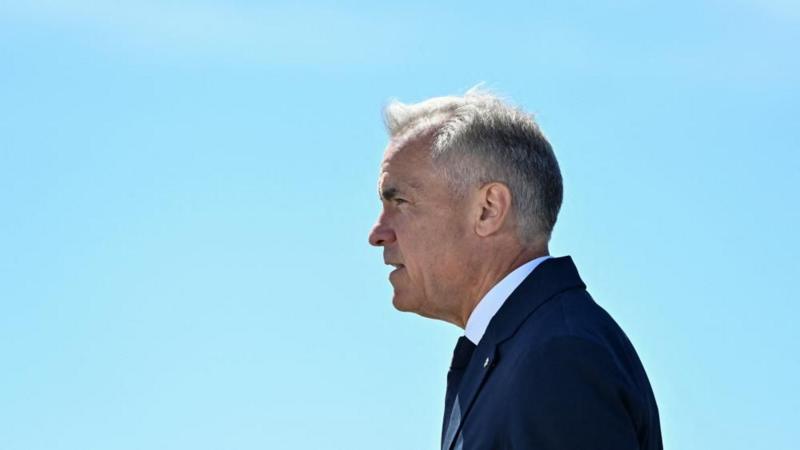
Canada's Prime Minister Mark Carney said new U.S. tariffs on Canadian goods are a mistake meant to harm and divide the two countries. After trade talks collapsed over disagreements, Canada announced it will respond by imposing tariffs on U.S. products starting September 8.
Key Facts
Canada and the U.S. could not reach a trade deal after talks ended on Friday night.
Both sides blamed each other for making last-minute changes that broke the deal.
The U.S. will impose new 50% tariffs on several Canadian goods, including steel, dairy, appliances, and electronics.
Canada will retaliate by matching the U.S. tariffs dollar-for-dollar beginning September 8.
Prime Minister Mark Carney said Canada refused to compromise its sovereignty and called the U.S. tariffs a "miscalculation."
The Canadian response to tariffs is described as reluctant but necessary to protect the country’s interests.
Details of Canada's counter-tariffs will be announced soon.
President Donald Trump has not yet made a public comment on the trade dispute or retaliation.
Read the Original
Want the full story? Tap a source to open the original
article.
Nearly 40,000 bottles of Clear Eyes Maximum Itchy Eye Relief eye drops are being recalled across the US because of concerns they may not be sterile. The recall was issued by Prestige Brand Holdings and the FDA classified it as a moderate-risk issue.
Key Facts
The recall involves 39,060 bottles of Clear Eyes Maximum Itchy Eye Relief eye drops.
The affected bottles are 15ml with lot code 2552A and expire on September 30, 2027.
The product is sold at major stores like Walmart, Target, Kroger, and Dollar General.
The FDA calls this a Class II recall, meaning the product might cause temporary health problems but serious issues are unlikely.
Consumers should stop using the eye drops and return them for a refund.
People worried about health effects should talk to a pharmacist or doctor.
Eye drop recalls are rarer than food safety recalls but can happen due to contamination risks.
In 2023, a similar recall happened for EzriCare Artificial Tears linked to bacterial infection that caused serious illness.
Read the Original
Want the full story? Tap a source to open the original
article.
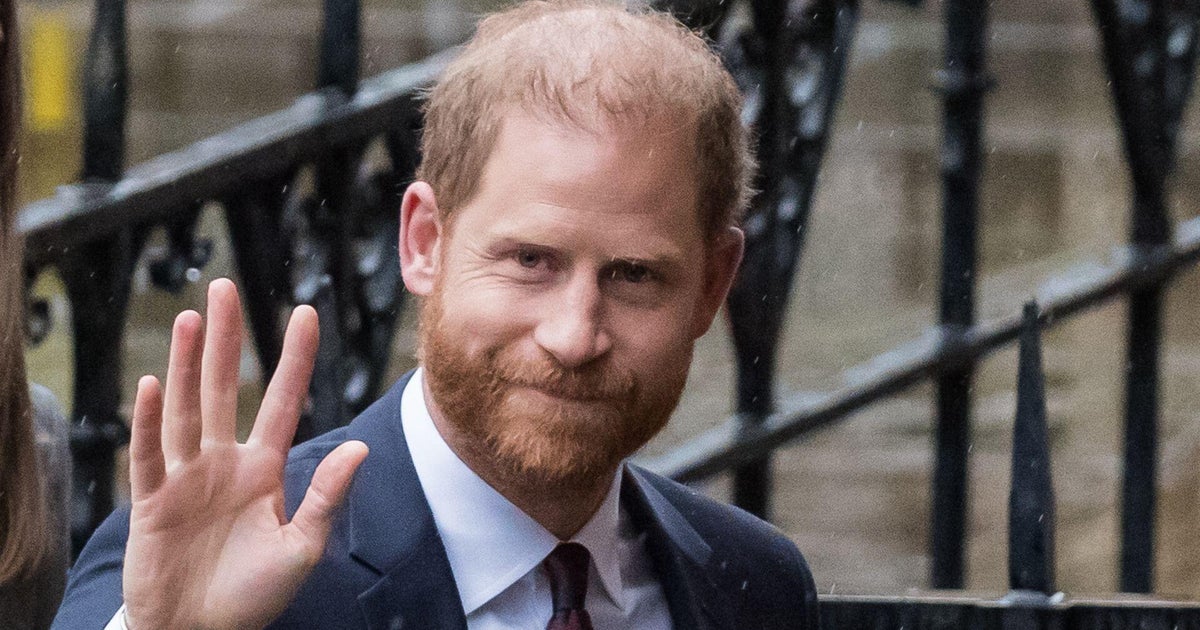
Prince Harry and six others, including musician Elton John, lost a legal case against the publisher of the Daily Mail. They were sued over claims related to invasion of privacy, and now they must pay millions of pounds to the publisher.
Key Facts
Prince Harry and six others were involved in a privacy lawsuit.
The plaintiff was the publisher of the Daily Mail newspaper.
The lawsuit claimed that the publisher invaded the privacy of the defendants.
The court ruled against Prince Harry and the others.
As a result, Prince Harry and the group must pay millions of pounds in costs.
Elton John was one of the six others involved in the case.
The case relates to events and actions around privacy and media coverage.
Read the Original
Want the full story? Tap a source to open the original
article.
A seven-year-old boy was left alone for hours on Mount Fuji by his father, who continued climbing with the boy’s older brother. The boy was found safe by a mountain hut worker and later reunited with his parents after police reprimanded the father.
Key Facts
The family was climbing Mount Fuji via the Fujinomiya route at about 2,000 meters (6,500 feet) altitude.
The boy told his father he was too tired to continue, so the father left him on a bench with snacks and a drink.
Weather conditions included rain and thick fog when the boy was left alone.
A worker found the boy near a steep drop and alerted the police around 7:40 a.m.
Police found the father further up the mountain and made him return to the boy.
The boy was unharmed and reunited with his family.
Police said leaving a child alone on the mountain is unacceptable, even if it means stopping the climb.
Mount Fuji is an active volcano and Japan’s highest peak at 3,776 meters (12,389 feet).
The official climbing season is July to early September, with the trail potentially dangerous due to weather and crowded times.
Read the Original
Want the full story? Tap a source to open the original
article.
A federal judge blocked President Donald Trump’s order to stop issuing visas to people from 75 countries. The judge said this policy was against the law and that Secretary of State Marco Rubio did not have the authority to make it.
Key Facts
The judge’s decision was 61 pages long.
The visa pause affected immigrants from 75 different countries.
The judge said the policy broke the law.
The policy was created by the Trump administration.
Secretary of State Marco Rubio was named as the official who issued the visa pause.
The ruling prevents the government from continuing the visa ban.
The decision was made by U.S. District Judge Jeannette Vargas.
The visa pause was part of an immigration control effort by the administration.
Read the Original
Want the full story? Tap a source to open the original
article.
The United States has placed a 50% tax on $20 billion of goods from Canada. Canada plans to respond with its own taxes after efforts to avoid conflict did not work.
Key Facts
The U.S. added a 50% tariff tax on Canadian products worth $20 billion.
These tariffs affect about 5% of all goods Canada sends to the U.S. each year.
The taxed products include items like hockey sticks and tongue depressors.
Canada announced it will apply its own retaliatory tariffs starting on September 8.
Negotiations between the two countries did not resolve the trade dispute.
The U.S. President at the time of this decision is Donald Trump.
The tariffs mark a new tension between two countries that have been long-time allies.
Read the Original
Want the full story? Tap a source to open the original
article.
A group of 102 former French and British diplomats has asked their governments to jointly sanction Israel over its actions in occupied Palestinian lands. They warn that Israeli policies could end the chance for a Palestinian state and call for measures like stopping trade and military cooperation with Israel.
Key Facts
102 former diplomats from France and the UK signed an open letter asking their countries to sanction Israel.
The letter says Israeli policies in Palestinian territories threaten the future of a Palestinian state.
Signatories include former ambassadors and diplomats with experience in the Middle East.
They accuse Israel of ethnic cleansing through house demolitions and violence by settlers.
The letter urges suspending trade and arms deals with Israel and banning property purchases in occupied areas.
France and the UK recognized a Palestinian state in 2025, and the letter calls for urgent action to support it.
The diplomats also criticize Palestinian leadership and encourage democratic elections in November.
The group highlights the need for humanitarian access to Gaza and protection for journalists and diplomats.
Read the Original
Want the full story? Tap a source to open the original
article.
A federal judge ruled that President Trump's policy suspending immigrant visas for people from 75 countries is illegal. The judge said the policy overstepped legal authority and canceled visa denials made only based on that policy, requiring normal immigration rules to be used again.
Key Facts
The policy was announced in January by the State Department and stopped immigrant visa processing from 75 countries.
The suspension aimed to prevent people from entering the U.S. who might use public welfare benefits.
Judge Jeannette A. Vargas said the policy contradicted federal immigration law giving visa decisions solely to consular officers.
The judge’s ruling cancels visa denials made just based on this policy.
The suspension affected families, separating spouses, parents, and children who followed legal immigration steps.
The Catholic Legal Immigration Network filed the lawsuit challenging the policy.
The State Department has not said whether it will appeal the judge’s decision.
Earlier, the State Department said the policy was to stop people who would become a public charge and misuse U.S. generosity.
Read the Original
Want the full story? Tap a source to open the original
article.
On the biggest stories we show what the outlets agree on and where they differ. Readers keep that going, and get the daily digest by email every morning. Most choose $3.99/month.
A federal judge in New York canceled a policy from President Trump’s administration that stopped processing immigration visas from 75 countries. The judge ruled that the policy was illegal because it stopped visa decisions based only on nationality, ignoring the rules that give consular officers the authority to decide visa eligibility.
Key Facts
The policy suspended visa processing from 75 countries, including Afghanistan, Iran, Russia, and Somalia.
The policy was created under Secretary of State Marco Rubio during President Trump’s administration.
U.S. District Judge Jeannette Vargas ruled that the policy violated the Immigration and Nationality Act.
The judge said consular officers must have the power to decide visa applications individually.
Two nonprofits and 11 individuals challenged the policy in court because it separated families.
The Trump administration justified the policy by saying many immigrants from these countries used public assistance.
The court decision supports the goal of family reunification and enforces existing immigration law.
The State Department declined to comment on the ongoing legal case but defended its Visa screening procedures.
Read the Original
Want the full story? Tap a source to open the original
article.
Canada and the United States have entered a trade conflict after talks failed to reach an agreement. The U.S. imposed high tariffs on Canadian goods, and Canada responded with matching taxes, marking a significant change in their long-standing economic relationship.
Key Facts
The U.S. applied 50% tariffs on about $20 billion worth of Canadian products.
Canada promised to impose equivalent tariffs on U.S. imports.
Prime Minister Mark Carney said the old relationship with the U.S. was over and called recent U.S. trade demands unfair.
Negotiations collapsed after last-minute changes by the U.S., leading Canada to suspend talks.
President Donald Trump has pressured Canada with trade measures and questioned its economic viability.
Travel between Canada and the U.S. decreased sharply during the dispute, with car and air trips down by about 27-29% compared to the previous year.
This trade war reflects a broader shift and tension in what was once a close Canada-U.S. alliance.
Canada is focusing on strengthening its own economy and diversifying trade to reduce reliance on the U.S. market.
Read the Original
Want the full story? Tap a source to open the original
article.
President Donald Trump has asked a judge to deny the BBC's request to get testimony and documents from his family members in a $10 billion defamation case. The case involves Trump's claim that the BBC edited his January 6, 2021 speech in a way that made him look bad, and the dispute over subpoenas to his family is ongoing in court.
Key Facts
President Trump filed a $10 billion defamation lawsuit against the BBC in December.
Trump says the BBC edited his January 6, 2021 speech to misrepresent what he said.
The BBC aired a documentary a week before the 2024 presidential election, which Trump says tried to influence the outcome.
The BBC wants to get testimony and documents from Ivanka Trump, Jared Kushner, and Donald Trump Jr. through subpoenas.
Trump’s lawyers argue the BBC is trying to gain political advantage and oppose the subpoenas.
Attempts to serve subpoenas to family members in person were unsuccessful due to Secret Service involvement.
A federal judge nominated by Trump recently took over the case, with a trial scheduled for February.
The BBC apologized for the misleading edit but denies defaming President Trump.
Read the Original
Want the full story? Tap a source to open the original
article.
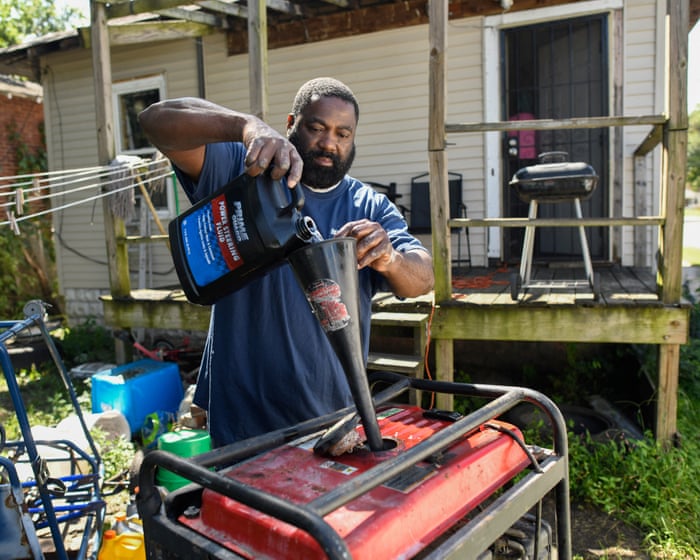
Thousands of people in northwest Indiana have been without electricity for 11 days because storms damaged power lines and poles. The main utility company, Nipsco, has restored power to most customers but some, especially in Gary, may have to wait several more days. Residents have criticized the company and filed a lawsuit, saying the company did not properly maintain trees near power lines.
Key Facts
Storms on August 11 caused trees and power lines to fall in northwest Indiana.
Over 33,000 customers were still without power as of the 11th day after the storms.
Nipsco restored power to about 341,000 of 374,500 affected customers.
Gary residents may wait until Tuesday for power restoration, nearly two weeks after the storms.
A class-action lawsuit accuses Nipsco of failing to trim trees that caused outages; Nipsco denies this and says it has increased vegetation management spending.
About 300 power poles were damaged in the storms.
The storms also caused flooding, winds over 80 mph, and tornadoes affecting parts of Indiana, Ohio, Illinois, and Kentucky.
Some residents reported difficulties like spoiled food, no phone service, and unsafe living conditions in hot weather without electricity.
Read the Original
Want the full story? Tap a source to open the original
article.
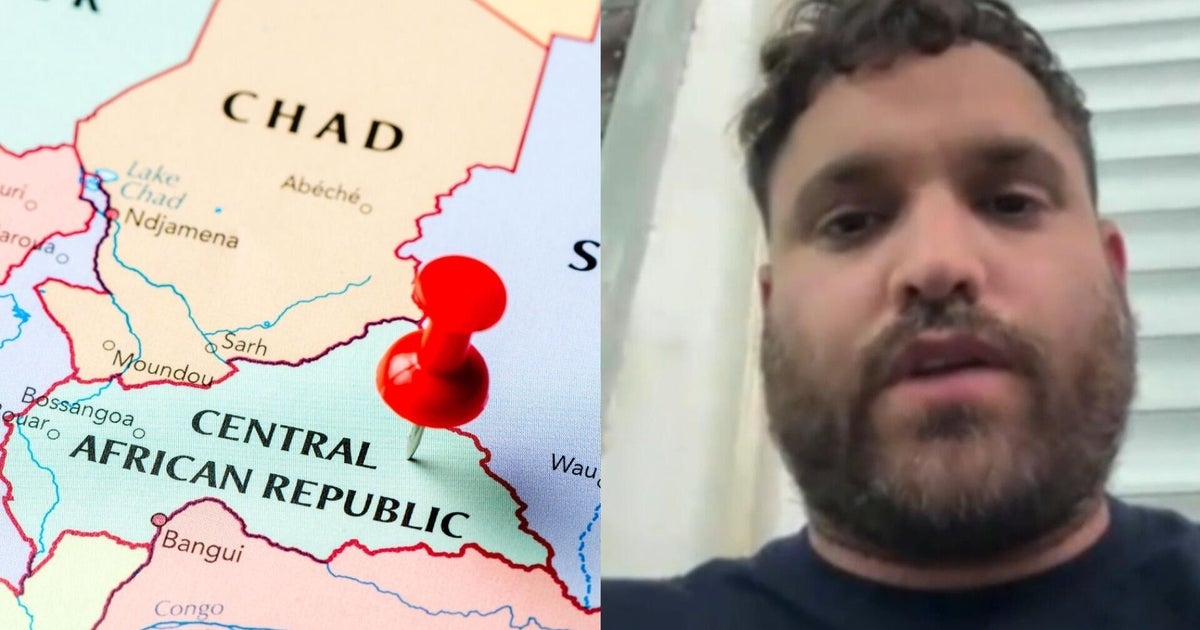
The U.S. government has issued a warning to avoid travel to the Central African Republic because of violence and crime. Despite this warning, the Trump administration has sent some immigrants back to that country. Journalists spoke with these deported immigrants and their families about their experiences.
Key Facts
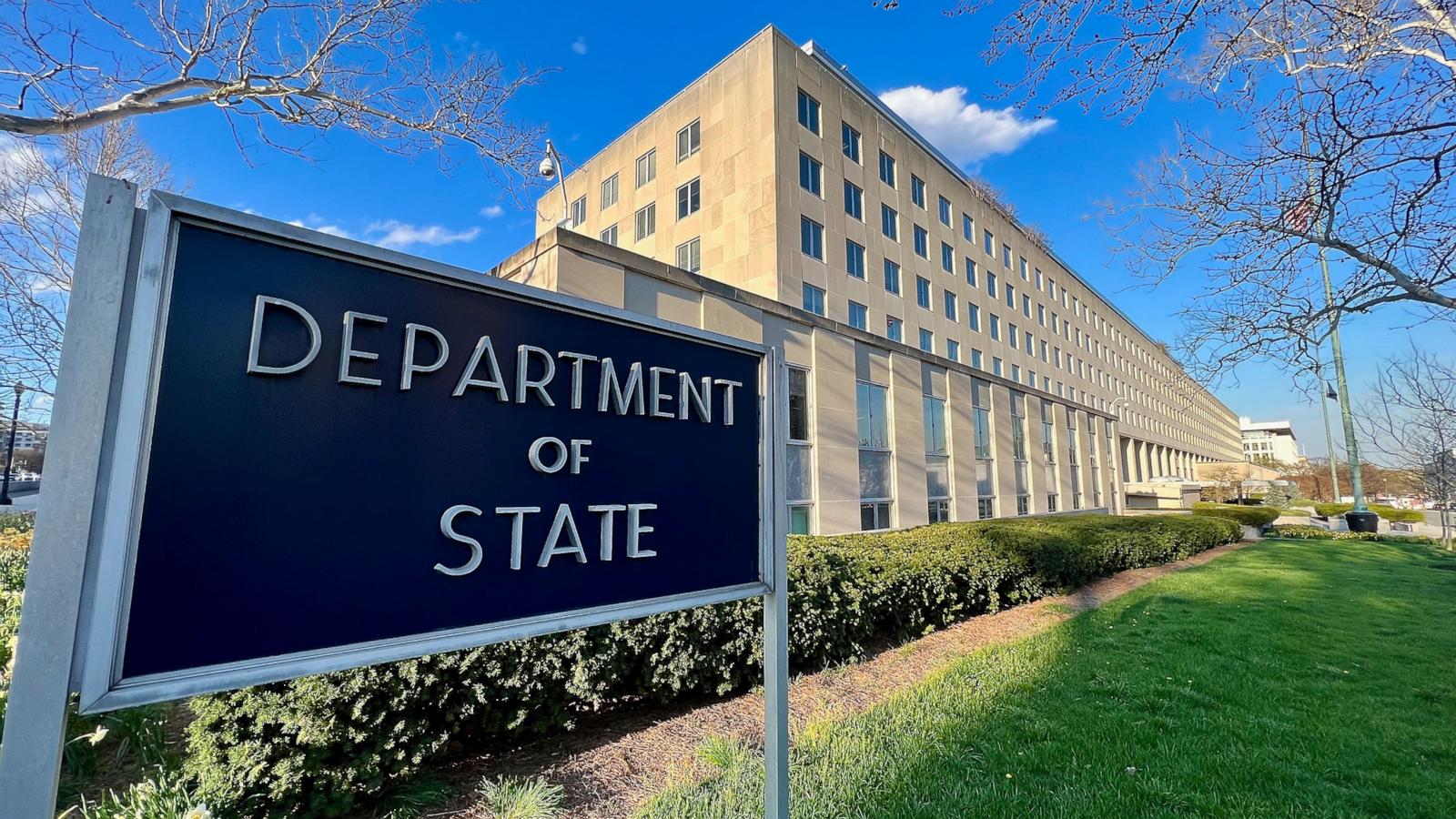
The U.S. Department of State advises people not to travel to the Central African Republic.
The warning is due to problems like violence, crime, kidnappings, and terrorism.
The Trump administration has deported immigrants from other countries to the Central African Republic.
Immigrants who were deported spoke about their situations.
Families of these deported immigrants were also interviewed.
The Central African Republic is considered one of the most dangerous countries in the world.
The deportations occurred even with the official travel warning in place.
Read the Original
Want the full story? Tap a source to open the original
article.
The United States and Canada, long-time trade partners, are now involved in a growing trade conflict after Canada stopped trade talks with President Trump and decided to retaliate against U.S. tariffs. Canadian Prime Minister Mark Carney faces a major test in convincing Canadians and provinces to accept economic pain while holding out for a better deal.
Key Facts
Canada and the U.S. have had free trade for decades but are now in a trade war.
Talks ended when Canada rejected last-minute U.S. deal changes deemed unfair.
Canada plans to match U.S. tariffs dollar for dollar as retaliation.
Canada sends about 70% of its exports to the U.S., making economic pain likely for both countries.
Some Canadian provinces have banned U.S. alcohol, causing big losses in U.S. wine and spirits exports.
Polls show many Canadians support standing firm despite possible economic damage.
Carney will meet provincial leaders to discuss the dispute and manage political risk.
The U.S. criticized Canadian provinces for not lifting bans on American liquor, affecting negotiations.
Read the Original
Want the full story? Tap a source to open the original
article.
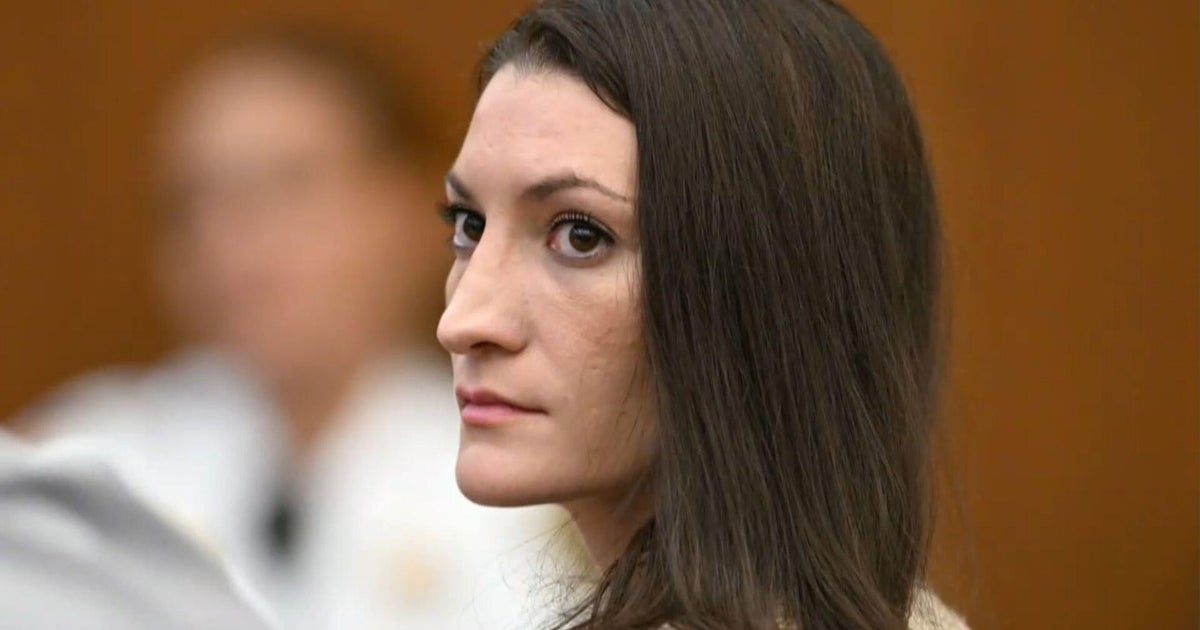
Lindsay Clancy admitted to killing her three children. Psychiatrists testified that she was experiencing postpartum psychosis, a serious mental illness, during the incident. Experts recommended that she should not be held responsible for the crimes because of her mental state.
Key Facts
Lindsay Clancy admitted to killing her three children.
Medical experts testified at her murder trial.
Psychiatrists said Clancy was "psychotic" during the incident.
Clancy was diagnosed with postpartum psychosis, a rare and severe mental illness that can occur after childbirth.
Experts recommended that she should face no criminal charges due to her mental condition.
The trial examined her mental state to determine criminal responsibility.
Postpartum psychosis can cause hallucinations, confusion, and impaired judgment.
The testimony aimed to explain how her illness affected her actions.
Read the Original
Want the full story? Tap a source to open the original
article.
Tehran sees delaying talks not as doing nothing, but as a way to gain an advantage in negotiations. This means Iran is using time to strengthen its position rather than simply waiting.
Key Facts
Iran views postponing negotiations as a deliberate tactic.
Delaying is used to strengthen Iran’s bargaining power.
Tehran does not consider waiting as passive or inactive behavior.
The issue relates to ongoing discussions involving Iran.
Understanding Iran’s strategy helps explain delays in talks.
Read the Original
Want the full story? Tap a source to open the original
article.