A seven-year-old boy was left alone for hours on Mount Fuji by his father, who continued climbing with the boy’s older brother. The boy was found safe by a mountain hut worker and later reunited with his parents after police reprimanded the father.
Key Facts
The family was climbing Mount Fuji via the Fujinomiya route at about 2,000 meters (6,500 feet) altitude.
The boy told his father he was too tired to continue, so the father left him on a bench with snacks and a drink.
Weather conditions included rain and thick fog when the boy was left alone.
A worker found the boy near a steep drop and alerted the police around 7:40 a.m.
Police found the father further up the mountain and made him return to the boy.
The boy was unharmed and reunited with his family.
Police said leaving a child alone on the mountain is unacceptable, even if it means stopping the climb.
Mount Fuji is an active volcano and Japan’s highest peak at 3,776 meters (12,389 feet).
The official climbing season is July to early September, with the trail potentially dangerous due to weather and crowded times.
Read the Original
Want the full story? Tap a source to open the original
article.
A federal judge blocked President Donald Trump’s order to stop issuing visas to people from 75 countries. The judge said this policy was against the law and that Secretary of State Marco Rubio did not have the authority to make it.
Key Facts
The judge’s decision was 61 pages long.
The visa pause affected immigrants from 75 different countries.
The judge said the policy broke the law.
The policy was created by the Trump administration.
Secretary of State Marco Rubio was named as the official who issued the visa pause.
The ruling prevents the government from continuing the visa ban.
The decision was made by U.S. District Judge Jeannette Vargas.
The visa pause was part of an immigration control effort by the administration.
Read the Original
Want the full story? Tap a source to open the original
article.
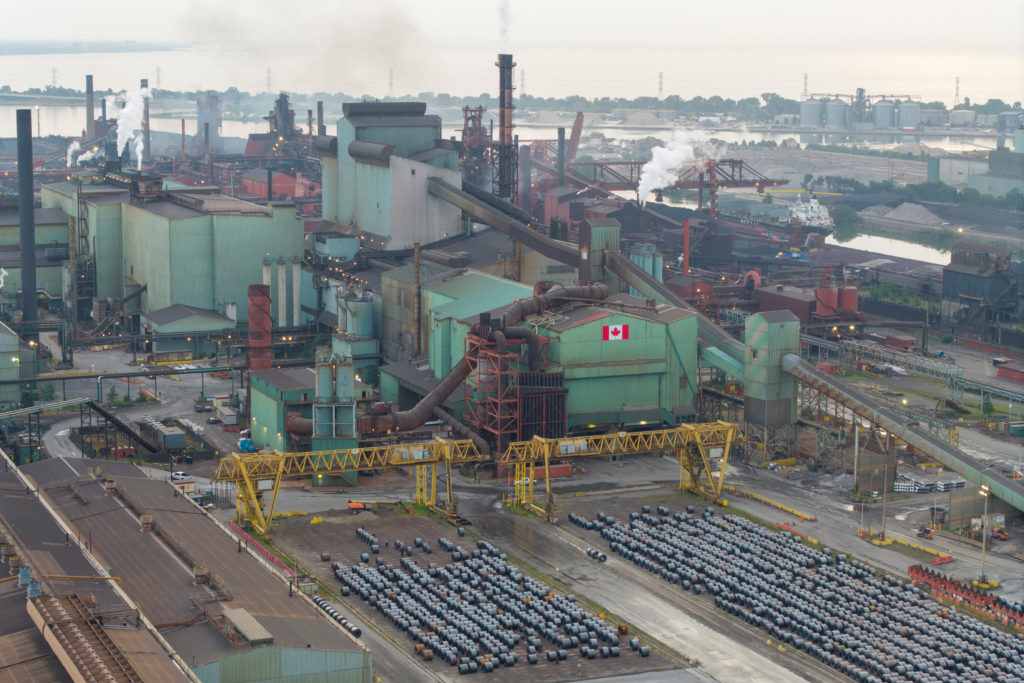
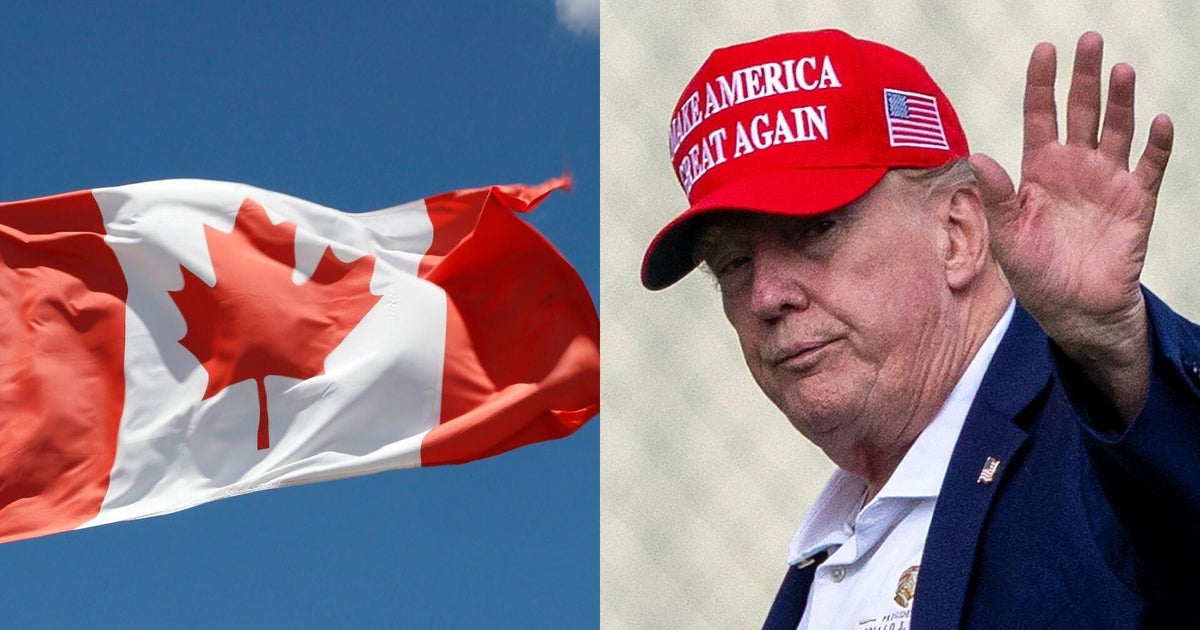
The United States has placed a 50% tax on $20 billion of goods from Canada. Canada plans to respond with its own taxes after efforts to avoid conflict did not work.
Key Facts
The U.S. added a 50% tariff tax on Canadian products worth $20 billion.
These tariffs affect about 5% of all goods Canada sends to the U.S. each year.
The taxed products include items like hockey sticks and tongue depressors.
Canada announced it will apply its own retaliatory tariffs starting on September 8.
Negotiations between the two countries did not resolve the trade dispute.
The U.S. President at the time of this decision is Donald Trump.
The tariffs mark a new tension between two countries that have been long-time allies.
Read the Original
Want the full story? Tap a source to open the original
article.
A group of 102 former French and British diplomats has asked their governments to jointly sanction Israel over its actions in occupied Palestinian lands. They warn that Israeli policies could end the chance for a Palestinian state and call for measures like stopping trade and military cooperation with Israel.
Key Facts
102 former diplomats from France and the UK signed an open letter asking their countries to sanction Israel.
The letter says Israeli policies in Palestinian territories threaten the future of a Palestinian state.
Signatories include former ambassadors and diplomats with experience in the Middle East.
They accuse Israel of ethnic cleansing through house demolitions and violence by settlers.
The letter urges suspending trade and arms deals with Israel and banning property purchases in occupied areas.
France and the UK recognized a Palestinian state in 2025, and the letter calls for urgent action to support it.
The diplomats also criticize Palestinian leadership and encourage democratic elections in November.
The group highlights the need for humanitarian access to Gaza and protection for journalists and diplomats.
Read the Original
Want the full story? Tap a source to open the original
article.
A federal judge ruled that President Trump's policy suspending immigrant visas for people from 75 countries is illegal. The judge said the policy overstepped legal authority and canceled visa denials made only based on that policy, requiring normal immigration rules to be used again.
Key Facts
The policy was announced in January by the State Department and stopped immigrant visa processing from 75 countries.
The suspension aimed to prevent people from entering the U.S. who might use public welfare benefits.
Judge Jeannette A. Vargas said the policy contradicted federal immigration law giving visa decisions solely to consular officers.
The judge’s ruling cancels visa denials made just based on this policy.
The suspension affected families, separating spouses, parents, and children who followed legal immigration steps.
The Catholic Legal Immigration Network filed the lawsuit challenging the policy.
The State Department has not said whether it will appeal the judge’s decision.
Earlier, the State Department said the policy was to stop people who would become a public charge and misuse U.S. generosity.
Read the Original
Want the full story? Tap a source to open the original
article.
A federal judge in New York canceled a policy from President Trump’s administration that stopped processing immigration visas from 75 countries. The judge ruled that the policy was illegal because it stopped visa decisions based only on nationality, ignoring the rules that give consular officers the authority to decide visa eligibility.
Key Facts
The policy suspended visa processing from 75 countries, including Afghanistan, Iran, Russia, and Somalia.
The policy was created under Secretary of State Marco Rubio during President Trump’s administration.
U.S. District Judge Jeannette Vargas ruled that the policy violated the Immigration and Nationality Act.
The judge said consular officers must have the power to decide visa applications individually.
Two nonprofits and 11 individuals challenged the policy in court because it separated families.
The Trump administration justified the policy by saying many immigrants from these countries used public assistance.
The court decision supports the goal of family reunification and enforces existing immigration law.
The State Department declined to comment on the ongoing legal case but defended its Visa screening procedures.
Read the Original
Want the full story? Tap a source to open the original
article.
Canada and the United States have entered a trade conflict after talks failed to reach an agreement. The U.S. imposed high tariffs on Canadian goods, and Canada responded with matching taxes, marking a significant change in their long-standing economic relationship.
Key Facts
The U.S. applied 50% tariffs on about $20 billion worth of Canadian products.
Canada promised to impose equivalent tariffs on U.S. imports.
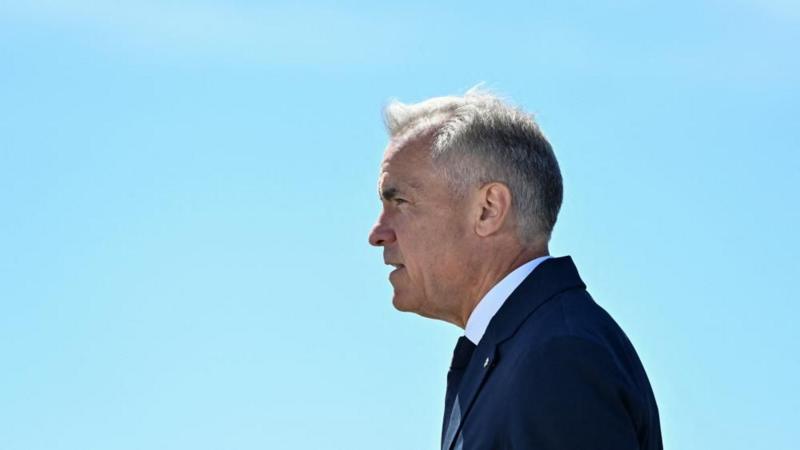
Prime Minister Mark Carney said the old relationship with the U.S. was over and called recent U.S. trade demands unfair.
Negotiations collapsed after last-minute changes by the U.S., leading Canada to suspend talks.
President Donald Trump has pressured Canada with trade measures and questioned its economic viability.
Travel between Canada and the U.S. decreased sharply during the dispute, with car and air trips down by about 27-29% compared to the previous year.
This trade war reflects a broader shift and tension in what was once a close Canada-U.S. alliance.
Canada is focusing on strengthening its own economy and diversifying trade to reduce reliance on the U.S. market.
Read the Original
Want the full story? Tap a source to open the original
article.
President Donald Trump has asked a judge to deny the BBC's request to get testimony and documents from his family members in a $10 billion defamation case. The case involves Trump's claim that the BBC edited his January 6, 2021 speech in a way that made him look bad, and the dispute over subpoenas to his family is ongoing in court.
Key Facts
President Trump filed a $10 billion defamation lawsuit against the BBC in December.
Trump says the BBC edited his January 6, 2021 speech to misrepresent what he said.
The BBC aired a documentary a week before the 2024 presidential election, which Trump says tried to influence the outcome.
The BBC wants to get testimony and documents from Ivanka Trump, Jared Kushner, and Donald Trump Jr. through subpoenas.
Trump’s lawyers argue the BBC is trying to gain political advantage and oppose the subpoenas.
Attempts to serve subpoenas to family members in person were unsuccessful due to Secret Service involvement.
A federal judge nominated by Trump recently took over the case, with a trial scheduled for February.
The BBC apologized for the misleading edit but denies defaming President Trump.
Read the Original
Want the full story? Tap a source to open the original
article.
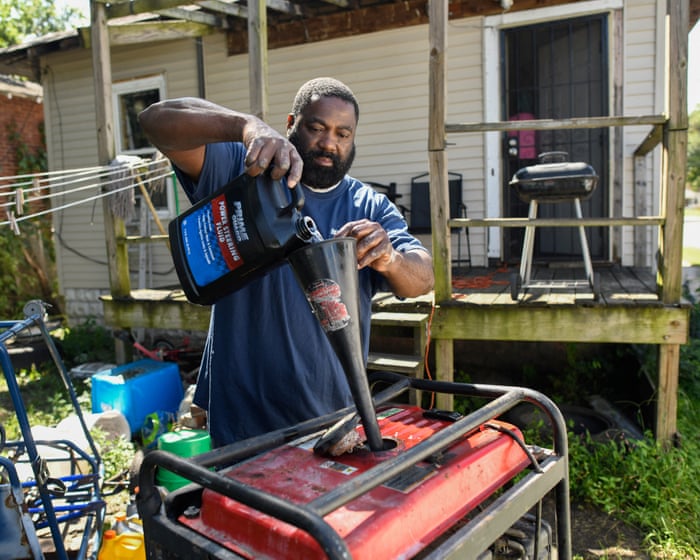
Thousands of people in northwest Indiana have been without electricity for 11 days because storms damaged power lines and poles. The main utility company, Nipsco, has restored power to most customers but some, especially in Gary, may have to wait several more days. Residents have criticized the company and filed a lawsuit, saying the company did not properly maintain trees near power lines.
Key Facts
Storms on August 11 caused trees and power lines to fall in northwest Indiana.
Over 33,000 customers were still without power as of the 11th day after the storms.
Nipsco restored power to about 341,000 of 374,500 affected customers.
Gary residents may wait until Tuesday for power restoration, nearly two weeks after the storms.
A class-action lawsuit accuses Nipsco of failing to trim trees that caused outages; Nipsco denies this and says it has increased vegetation management spending.
About 300 power poles were damaged in the storms.
The storms also caused flooding, winds over 80 mph, and tornadoes affecting parts of Indiana, Ohio, Illinois, and Kentucky.
Some residents reported difficulties like spoiled food, no phone service, and unsafe living conditions in hot weather without electricity.
Read the Original
Want the full story? Tap a source to open the original
article.
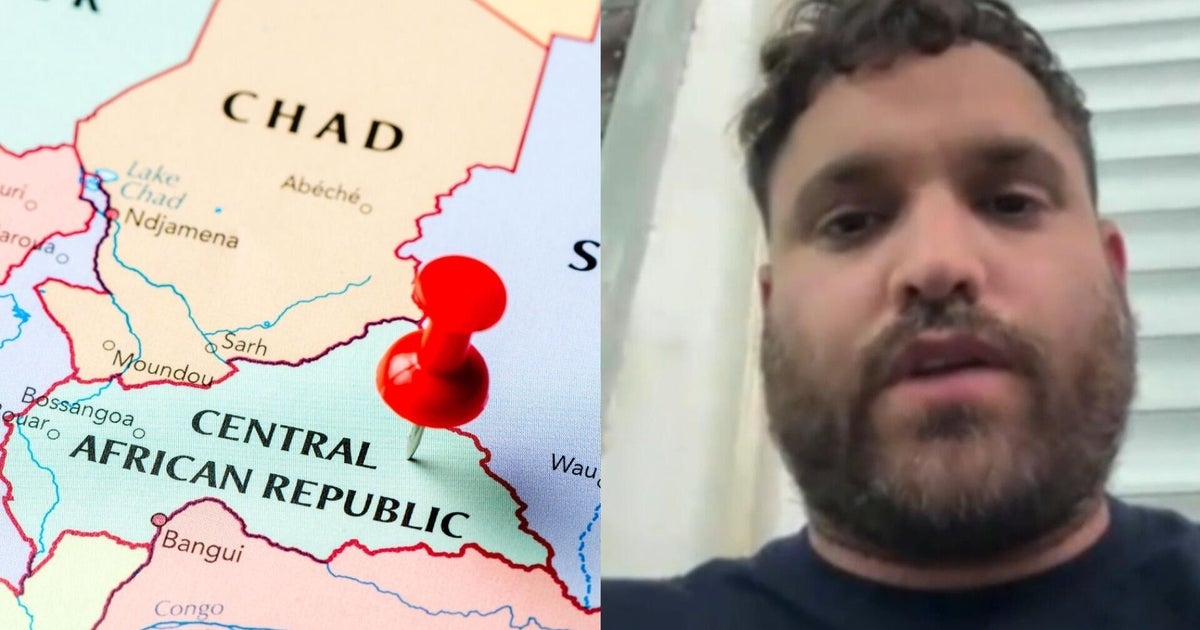
The U.S. government has issued a warning to avoid travel to the Central African Republic because of violence and crime. Despite this warning, the Trump administration has sent some immigrants back to that country. Journalists spoke with these deported immigrants and their families about their experiences.
Key Facts
The U.S. Department of State advises people not to travel to the Central African Republic.
The warning is due to problems like violence, crime, kidnappings, and terrorism.
The Trump administration has deported immigrants from other countries to the Central African Republic.
Immigrants who were deported spoke about their situations.
Families of these deported immigrants were also interviewed.
The Central African Republic is considered one of the most dangerous countries in the world.
The deportations occurred even with the official travel warning in place.
Read the Original
Want the full story? Tap a source to open the original
article.
The United States and Canada, long-time trade partners, are now involved in a growing trade conflict after Canada stopped trade talks with President Trump and decided to retaliate against U.S. tariffs. Canadian Prime Minister Mark Carney faces a major test in convincing Canadians and provinces to accept economic pain while holding out for a better deal.
Key Facts
Canada and the U.S. have had free trade for decades but are now in a trade war.
Talks ended when Canada rejected last-minute U.S. deal changes deemed unfair.
Canada plans to match U.S. tariffs dollar for dollar as retaliation.
Canada sends about 70% of its exports to the U.S., making economic pain likely for both countries.
Some Canadian provinces have banned U.S. alcohol, causing big losses in U.S. wine and spirits exports.
Polls show many Canadians support standing firm despite possible economic damage.
Carney will meet provincial leaders to discuss the dispute and manage political risk.
The U.S. criticized Canadian provinces for not lifting bans on American liquor, affecting negotiations.
Read the Original
Want the full story? Tap a source to open the original
article.
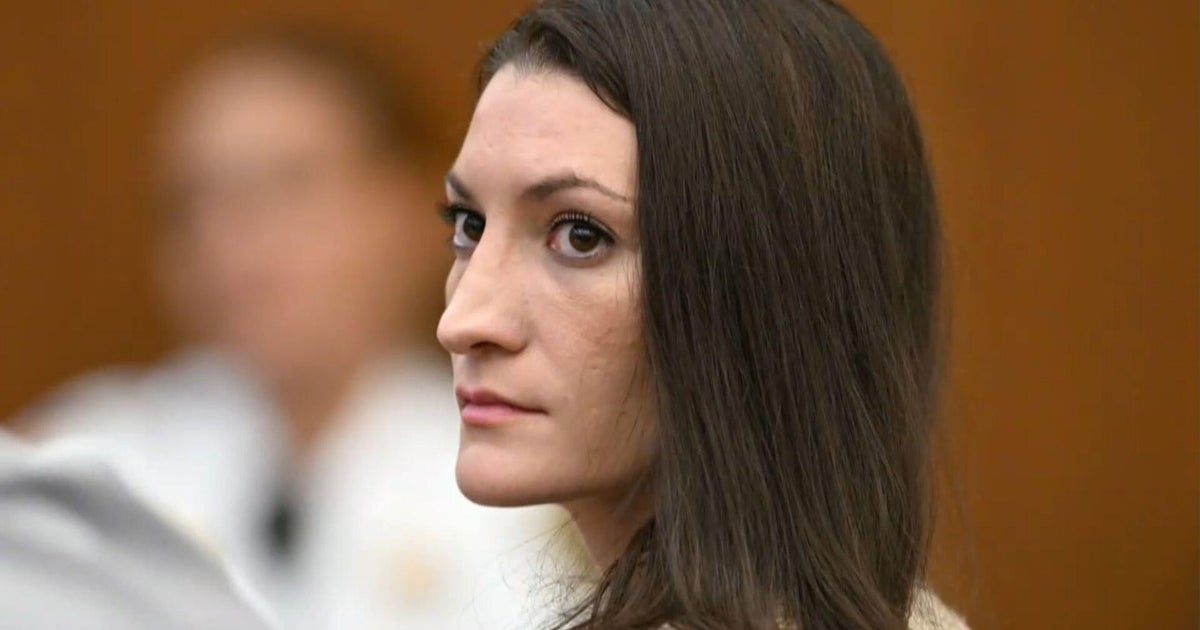
Lindsay Clancy admitted to killing her three children. Psychiatrists testified that she was experiencing postpartum psychosis, a serious mental illness, during the incident. Experts recommended that she should not be held responsible for the crimes because of her mental state.
Key Facts
Lindsay Clancy admitted to killing her three children.
Medical experts testified at her murder trial.
Psychiatrists said Clancy was "psychotic" during the incident.
Clancy was diagnosed with postpartum psychosis, a rare and severe mental illness that can occur after childbirth.
Experts recommended that she should face no criminal charges due to her mental condition.
The trial examined her mental state to determine criminal responsibility.
Postpartum psychosis can cause hallucinations, confusion, and impaired judgment.
The testimony aimed to explain how her illness affected her actions.
Read the Original
Want the full story? Tap a source to open the original
article.
That's the point of this site, and readers keep it that way. Support for any amount and the daily digest lands in your inbox every morning at 7am Eastern.
Tehran sees delaying talks not as doing nothing, but as a way to gain an advantage in negotiations. This means Iran is using time to strengthen its position rather than simply waiting.
Key Facts
Iran views postponing negotiations as a deliberate tactic.
Delaying is used to strengthen Iran’s bargaining power.
Tehran does not consider waiting as passive or inactive behavior.
The issue relates to ongoing discussions involving Iran.
Understanding Iran’s strategy helps explain delays in talks.
Read the Original
Want the full story? Tap a source to open the original
article.
The United States and Canada failed to reach a trade agreement. As a result, the U.S. will put a 50% tax on $20 billion of Canadian goods. Canada’s prime minister said Canada will respond by adding similar taxes on U.S. products.
Key Facts
The U.S. and Canada did not agree on a new trade deal.
The U.S. will charge a 50% tariff on $20 billion of Canadian imports.
A tariff is a tax on goods coming into a country.
Canada’s prime minister promised to match the U.S. tariffs equally.
These actions may affect trade between the two countries.
The situation follows a breakdown in negotiations.
It is not yet clear how long these tariffs will last.
The news was reported by CBS News.
Read the Original
Want the full story? Tap a source to open the original
article.
A family of four who lived in London died after getting into trouble in the sea near Shoreham, West Sussex. The parents and their 14-year-old daughter died at the scene, and their 6-year-old daughter died later in the hospital. The community held a vigil to pay respects to the family.
Key Facts
The family consisted of Hassan El-Khawas (55), Zeina Alayn (37), their 14-year-old daughter Sara, and 6-year-old daughter Saja.
The incident happened on Tuesday at Kingston Beach near Shoreham Fort.
The family were British citizens of Palestinian origin with roots in Lebanon.
Despite paramedics’ efforts, the parents and Sara died at the scene; Saja died later in hospital.
Sussex Police said the case was a tragic accident with no third-party involvement.
Local people held a vigil and a one-minute silence to honor the family.
MP Tom Rutland and community members attended the vigil.
The family had traveled from London to visit Shoreham on the day of the incident.
Read the Original
Want the full story? Tap a source to open the original
article.
Japan’s Prime Minister Sanae Takaichi spends most of her time working in her official residence near her office to save time and respond quickly in emergencies. She set up her residence as a workplace for meetings and remote work, often working late and bringing documents home.
Key Facts
Takaichi moved into the official residence in December; the building once served as the prime minister’s original office.
Living there saves commuting time and lets her start work immediately during emergencies.
She uses the residence as an office for in-person and remote meetings, even after usual office hours.
Takaichi has shared that she only sleeps zero to three hours per night due to her heavy workload and home duties.
Her work habits and policies, including pushing a male-only succession law, have led to criticism and falling support.
Reports say she avoids parliamentary sessions and has less contact with lawmakers and officials than past leaders.
She communicates policy and comments mostly via the social media platform X instead of traditional media.
The residence has history of violent events in the 1930s and is rumored to be haunted, but Takaichi is unfazed except for occasional cockroach encounters.
Read the Original
Want the full story? Tap a source to open the original
article.
A group of 102 former senior diplomats from France and the UK asked their governments to act to stop what they called Israeli efforts to remove Palestinians from the West Bank. They said these actions threaten the possibility of a Palestinian state and called for upholding international law in the area.
Key Facts
The diplomats are former high-ranking officials from France and the United Kingdom.
They wrote a public letter urging their governments to respond to the situation in the West Bank.
They accuse Israel of trying to remove Palestinians to prevent a future Palestinian state.
The letter calls on Western countries to enforce international law in the Palestinian territories.
The diplomats describe the situation using the term "ethnic cleansing," meaning forced removal of an ethnic group.
The appeal comes amid ongoing conflict and tensions in the Israeli-Palestinian region.
This call for action highlights growing international concern about settlement expansion and violence in the West Bank.
The article references other recent events related to violence and political tensions in the area.
Read the Original
Want the full story? Tap a source to open the original
article.
The U.S. Postal Service (USPS) has released a new rule outlining how mail-in ballots should be handled, in line with President Donald Trump’s March executive order aimed at tightening election rules. The rule changes how ballots are tracked and verified but does not stop states from allowing mail voting. Legal challenges have delayed full implementation, but USPS wants the rule active before upcoming elections.
Key Facts
The USPS finalized a 95-page rule on processing absentee and mail-in ballots following President Trump’s executive order from March.
The rule requires states to share lists of eligible voters with federal agencies and imposes new data entry and verification standards.
USPS can refuse to deliver ballots if states do not meet these verification requirements.
Courts in California and Massachusetts have blocked parts of Trump’s executive order, delaying the rule’s full rollout until after those injunctions are lifted.
USPS plans to implement the rule immediately to help election officials prepare for upcoming midterm elections.
More than 200,000 public comments were received during the rule’s review, with mixed opinions.
President Trump has criticized mail-in voting as prone to fraud but has voted by mail himself under exceptions for presidential duties.
The rule does not change voter eligibility or states’ ability to use mail voting; it focuses on ballot handling procedures.
Read the Original
Want the full story? Tap a source to open the original
article.
Leonardo is a 9-month-old golden retriever who became popular online for loving to swim in the ocean. The article also mentions various news headlines including severe weather, legal cases, and other top stories.
Key Facts
Leonardo is a young golden retriever who enjoys swimming in the ocean.
His swimming videos have gone viral on the internet.
The article notes severe storms and flooding risks in parts of the U.S. Midwest to Mid-Atlantic regions.
Dangerous heat is expected to continue in the Southern U.S.
Hawaii is preparing for heavy rain caused by Tropical Storm Moke.
The article lists many recent news updates, such as legal cases and accidents.
A variety of topics are covered including sports, politics, weather, and animals.
The overall focus is partly on weather events and viral social media stories.
Read the Original
Want the full story? Tap a source to open the original
article.
An Israeli drone strike in southwestern Syria injured several people, including a civilian driver. Israel said it targeted a terrorist preparing attacks, while Syria condemned the strike as a violation of its sovereignty and international law.
Key Facts
The strike happened near the town of Beit Jinn, in the western Damascus countryside.
Syria’s foreign ministry said several civilians were hurt and condemned the attack.
Israel confirmed the strike, stating it targeted a terrorist posing a threat to Israeli forces.
The vehicle hit was a small delivery truck used by a civilian for transporting goods.
Residents reported Israeli reconnaissance drones flying over the area for four days before the strike.
Beit Jinn has been targeted multiple times in the past year, including a previous strike that killed 13 civilians.
Experts say Israel considers southern Syria a security zone and may be expanding this zone to other parts of Syria.
Syria seeks to reduce tensions and is working on a security agreement with Israel mediated by the United States.
Read the Original
Want the full story? Tap a source to open the original
article.