The Peptide Boom Needs Proof, Not Promises | Opinion
Summary
The use of peptides in health treatments is growing quickly, but there is concern about safety and reliability. Many peptide products are not fully tested or approved, and patients may not have clear information about their risks or effectiveness.Key Facts
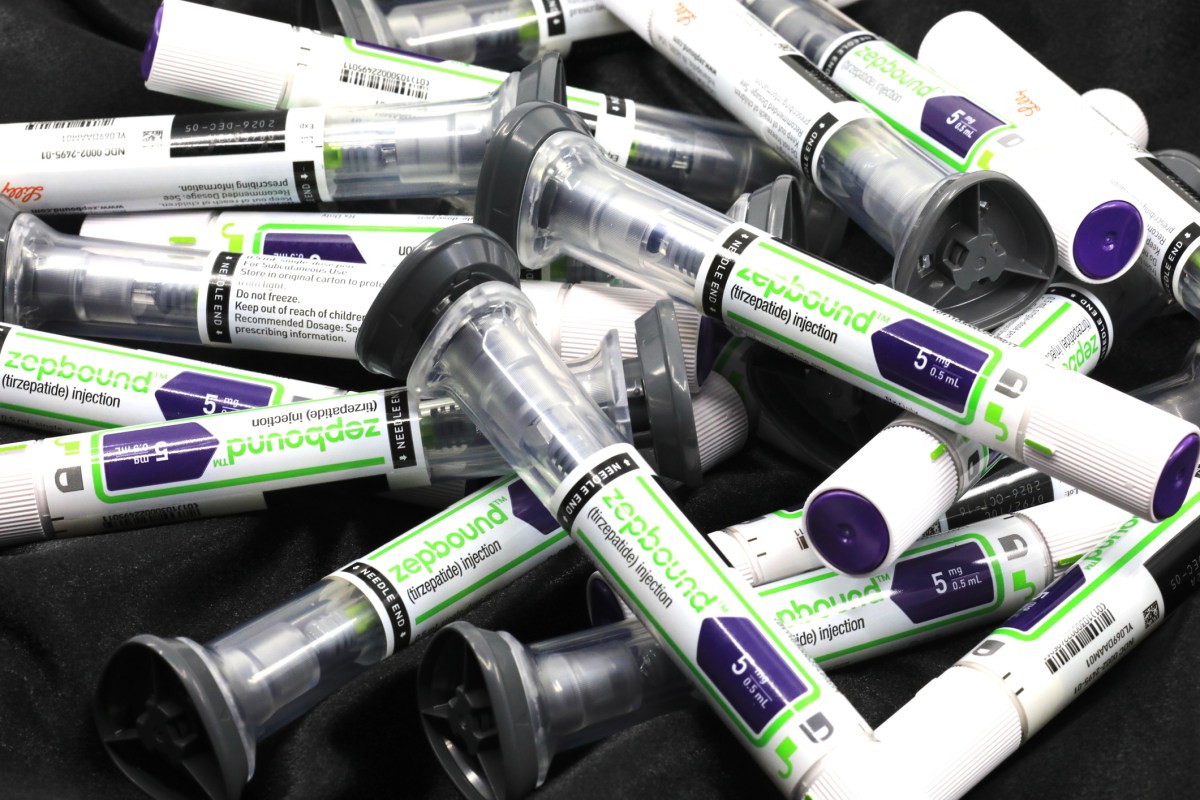
- The U.S. Food and Drug Administration (FDA) has received numerous adverse-event reports linked to compounded semaglutide and tirzepatide, two peptide-related drugs.
- Peptides are molecules involved in various health areas like muscle recovery, weight management, and longevity, but not all have proven medical benefits.
- Some peptides are approved medicines, while others remain experimental or lack strong evidence to support their use.
- There is a rapid increase in public interest and market growth for peptide treatments, sometimes ahead of proper safety assessments.
- Consumers may struggle to judge the quality or safety of peptide products based on labels or online claims.
- The FDA warns about risks with unapproved peptides that fall outside official drug approval pathways.
- Regulators face challenges balancing public demand for new treatments with the need for proven safety and effectiveness.
- Personal experiences, like the author’s hospitalization from a contaminated peptide, highlight potential dangers but are not scientific proof for all products.
Read the Full Article
This is a fact-based summary from The Actual News. Click below to read the complete story directly from the original source.