Big Tech claims voters’ AI backlash is “anti-Trump” not “anti-tech”
Summary
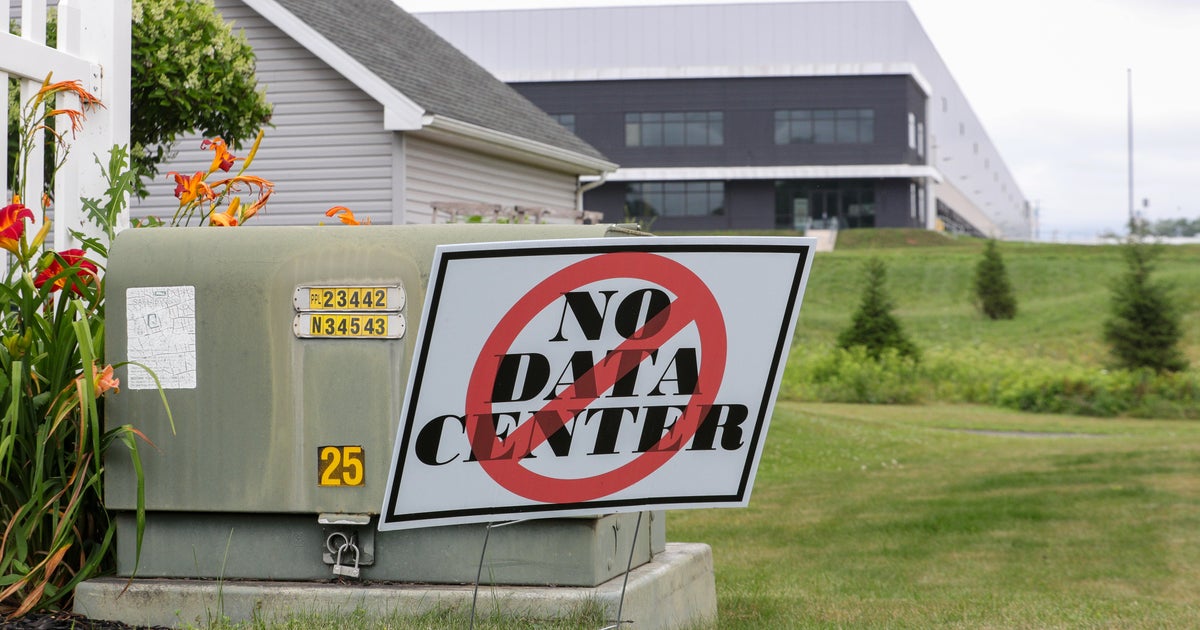
Voters backed restrictions on data centers and elected candidates who have called for tighter oversight of AI development, raising the prospect of delays for planned projects. Big Tech figures played down the results, framing opposition as political resistance to President Donald Trump’s AI agenda rather than broader opposition to technology.Key Facts
- Redbud Consulting tracked 44 ballot measures seeking to restrict data centers across 10 states; 38 had passed at the time of reporting.
- The measures included bans and moratoriums, and analysts said they would mainly affect projects planned for 2028 rather than facilities already built or approved through 2027.
- One measure allowing a data center to proceed required independent reviews and public hearings for expansions or proposed projects.
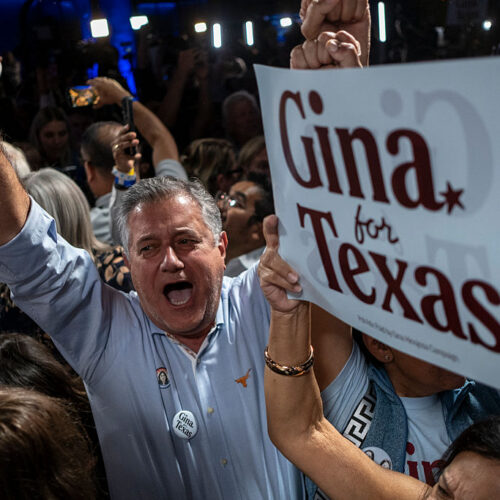
- Gina Hinojosa won the Texas governor’s race and has said she would delay projects until lawmakers address data centers’ effects on water, electricity, air quality, and property rights.
- Texas was expected to account for more than 41 percent of added U.S. data center capacity in 2028; Bloomberg estimated about 13 gigawatts of capacity could be affected by the election result.
- Democrats also won governor races in Arizona, Georgia, and Ohio, three other states that have attracted data center developers.
- Axios projected that nearly two-thirds of planned 2028 data center capacity could face delays; Bloomberg said half of U.S. data centers were more vulnerable to scrutiny.
- The article says some technology industry figures characterized the election results as opposition to Trump’s agenda rather than opposition to technology.
Read the Full Article
This is a fact-based summary from The Actual News. Click below to read the complete story directly from the original source.