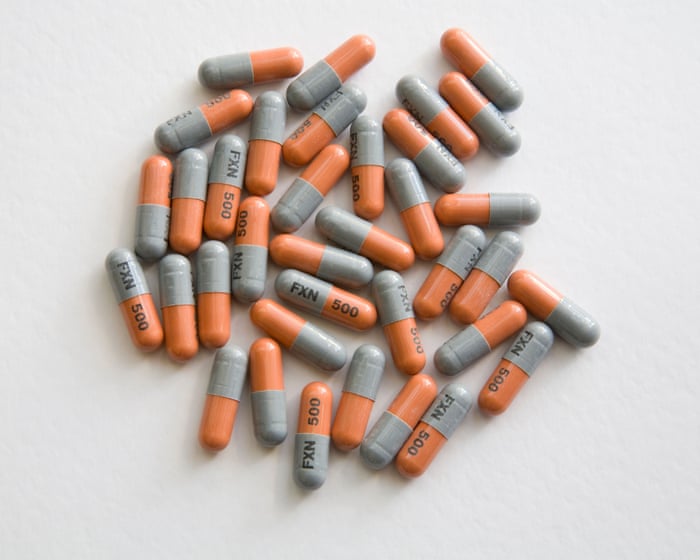
Most Australians who say they are allergic to penicillin are not truly allergic, according to new guidelines from Australian immunologists. These changes aim to improve the way doctors diagnose and manage penicillin allergy to reduce hospital stays and prevent antibiotic resistance.
Key Facts
About 10% of Australians, or 2.8 million people, report a penicillin allergy.
Up to 90% of those who report an allergy to penicillin are not actually allergic.
Misdiagnosis happens because some symptoms like rash or nausea are mistaken for allergy.
Penicillin is a narrow-spectrum antibiotic that targets specific infections.
Avoiding penicillin leads doctors to use broader antibiotics that can harm good bacteria and promote resistant "superbugs."
Antibiotic resistance allows bacteria to survive treatments and spread within communities.
New guidelines encourage doctors to re-assess penicillin allergy and when safe, give penicillin under supervision.
Clarifying penicillin allergy can reduce hospital time and health care costs.
Patients should not test penicillin allergy themselves and should always follow their doctor’s advice.
Read the Original
Want the full story? Tap a source to open the original
article.
Billionaire investor Ken Griffin said that the current high interest and investment in artificial intelligence (AI) likely creates a financial bubble. He explained that companies are borrowing a lot of money to build data centers and develop AI models, which may not be sustainable.
Key Facts
Ken Griffin is a billionaire investor and founder of a major investment firm.
He believes the current excitement about AI is causing a financial bubble.
Companies are taking on large amounts of debt to fund AI-related projects.
These projects include building data centers and AI models.
Griffin said big changes in the economy usually happen alongside bubbles.
A bubble means prices and investments grow quickly but may later drop sharply.
Griffin made these remarks publicly on a Tuesday.
Read the Original
Want the full story? Tap a source to open the original
article.
Polymarket removed a betting contract about whether seven men accused of sexual assault at Cornell University would be charged with felony sex crimes. The platform took down the contract after public criticism and legal concerns, and no charges have been filed against the men.
Key Facts
Polymarket offered bets on whether seven men accused of sexual assault at Cornell would face felony charges.
Users wagered more than $450,000 before the contract was removed.
The contract was available from September 30, 2024, until it was removed, initially set to close on January 31, 2025.
Polymarket’s U.S. platform is regulated by the Commodity Futures Trading Commission, which prohibits trading on illegal activities.
The company removed the contract after hearing public concerns and criticism.
Several celebrities, including LeBron James and Derek Jeter, appeared in Polymarket commercials and have endorsement deals with the company.
The alleged victim filed a civil lawsuit against the men and Cornell University, claiming sexual assault and mishandling of the complaint.
All accused men deny the allegations and have not been charged with a crime.
Read the Original
Want the full story? Tap a source to open the original
article.
U.S. homebuilders are less confident about the housing market due to higher mortgage rates, rising fuel prices, and weak demand. Builders are lowering prices and offering incentives, leading to fewer new home constructions.
Key Facts
Builder confidence dropped to 29 in October, the lowest since June 2012.
43% of builders cut prices in October, the highest percentage since 2020.
65% of builders used sales incentives for 19 months in a row.
New homes now cost less per square foot than older homes.
Mortgage rates have risen above 7%, making home loans more expensive.
Diesel prices are nearly double compared to last year, increasing construction costs.
President Trump’s steps to lower diesel costs are helping builders somewhat.
Immigration enforcement is causing construction delays and labor shortages.
New home building starts and completions are slowing down nationwide.
Read the Original
Want the full story? Tap a source to open the original
article.
France’s borrowing costs have risen above 5% for the first time in 24 years due to political unrest and the government’s delay in approving the budget. Protests and a divided parliament have made international lenders hesitant to loan money to France, pushing up interest rates on French government bonds.
Key Facts
The interest rate on France’s 10-year government bond hit 5%, the highest in 24 years.
France is facing civil unrest with violent protests over issues like school conditions and the rising cost of living.
Stores, including luxury brands, have suffered looting, and some public buildings have been set on fire during protests.
No political party has majority control in France’s parliament since President Macron’s 2024 snap election.
Parliament’s deadlock is blocking pension reforms and budget measures meant to control spending.
France’s budget deficit was 5.1% of its GDP in 2025, with government debt at 115.6% of GDP.
Some international lenders, including Japanese fund managers, have stopped lending to France.
Remaining lenders want higher interest rates, especially for long-term loans, due to doubts about France’s fiscal plans.
Read the Original
Want the full story? Tap a source to open the original
article.
The documentary *You Can See Everything* about Theranos founder Elizabeth Holmes is showing strong demand in UK cinemas before its official release. This follows a very successful $15 million opening in the US, with theaters adding extra showings because tickets are selling out quickly.
Key Facts
*You Can See Everything* is a documentary about Elizabeth Holmes, the Theranos founder.
The film made $15 million in its opening weekend in the US, one of the largest openings for a documentary in over 20 years.
UK cinemas have seen high demand, with tickets selling out and extra screenings added at many locations.
Picturehouse Cinemas, Cineworld, and Vue all report strong interest from audiences, especially younger viewers under 35 years old.
The film was co-directed by Nathan Fielder and Lance Oppenheim, and features a unique approach, including Fielder spending a month with Holmes.
The documentary received critical praise for its storytelling and its blend of documentary and performance elements.
The film taps into a growing trend of audiences seeking cinema experiences that offer something different from watching TV or streaming at home.
Elizabeth Holmes has participated in online discussions about the film, responding to social media posts about it.
Read the Original
Want the full story? Tap a source to open the original
article.
A professor estimated that the launch of the video game GTA 6 could cause a loss of about $1 billion to the U.S. economy. This estimate is based on the idea that around 1.5 million workers might call in sick on the day the game is released.
Key Facts
Economics professor Jose Garcia Montalvo made the estimate.
He calculated the economic impact based on 1.5 million workers not going to work.
These workers might call in sick to play the new game.
The estimated total loss to the U.S. economy is about $1 billion.
The estimate focuses on the day GTA 6 is released.
Read the Original
Want the full story? Tap a source to open the original
article.
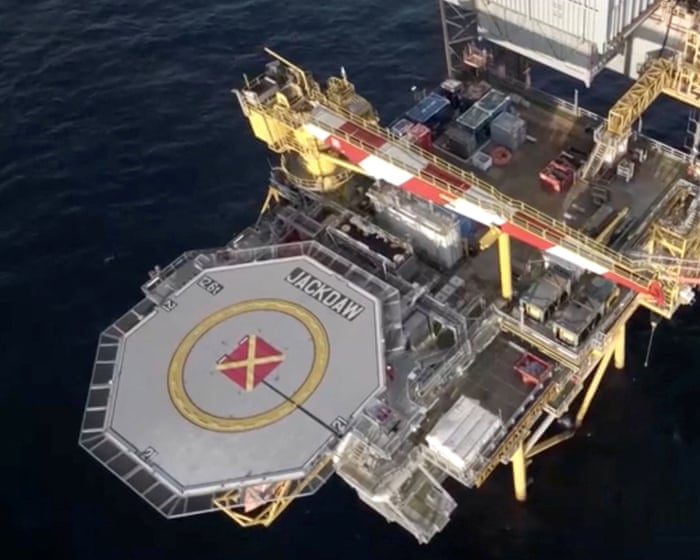
Energy Secretary Miatta Fahnbulleh is likely to reject approval for the large Rosebank oilfield in the North Sea because it would produce much more carbon dioxide and mostly export oil. She approved the smaller Jackdaw gasfield as it serves the UK domestic market and supports energy security during the transition to cleaner energy.
Key Facts
The Rosebank oilfield would emit about seven times more carbon than the Jackdaw gasfield.
Rosebank is mainly for exporting oil, while Jackdaw supplies gas to the UK market.
Fahnbulleh is expected to make a final decision on Rosebank later in 2024.
Jackdaw gasfield will start producing gas within weeks and add about 36 million tonnes of carbon emissions.
The UK government is balancing energy security with climate goals as it moves toward net zero emissions.
Future tax revenues from North Sea oil and gas will fund renewable energy projects through a new £2 billion energy wealth fund.
The UK aims to reduce carbon emissions sharply in the coming years to meet climate targets.
Opposition parties plan to ban new oil and gas drilling licenses, but current projects like Rosebank are still under review.
Read the Original
Want the full story? Tap a source to open the original
article.
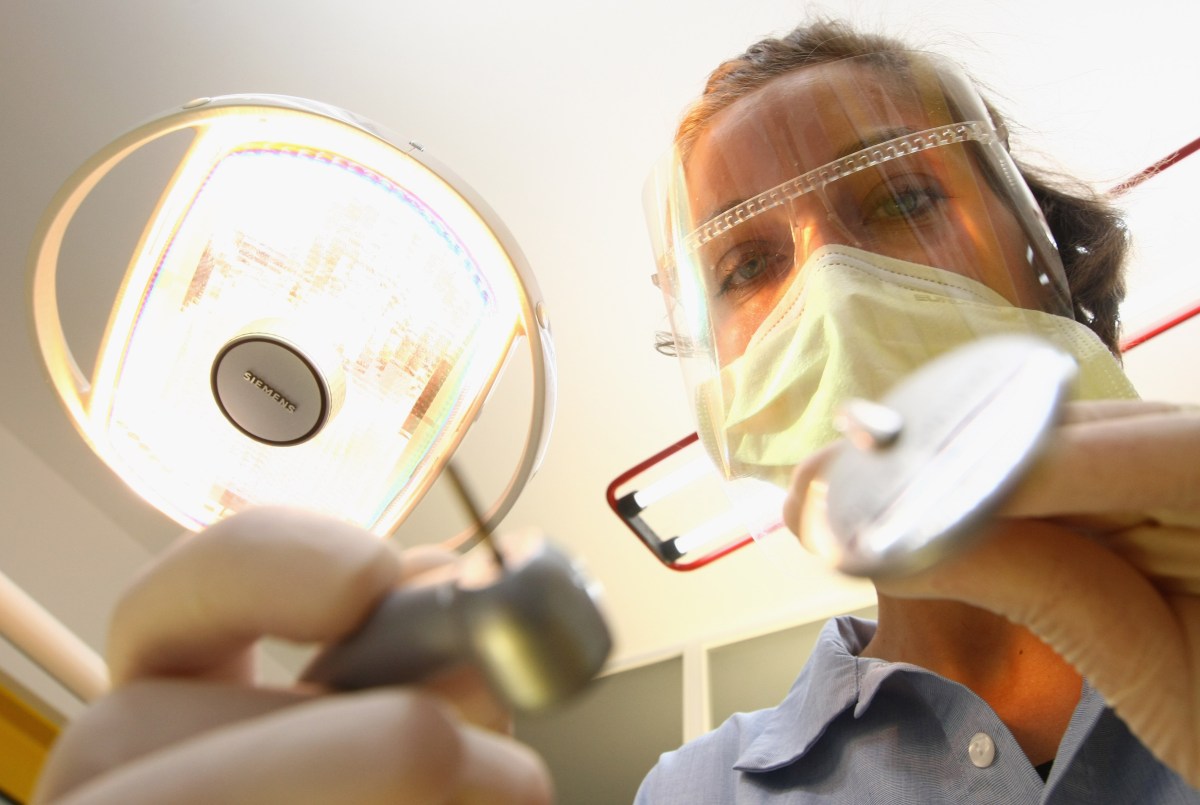
The article explains that many dental offices are increasingly owned by corporations or investors, which can affect how dentists work and how patient care is managed. It argues that patients should be clearly informed about who owns their dental practice before treatment starts.
Key Facts
Corporate ownership of dental practices is growing, with 16% of U.S. dentists linked to dental support organizations in 2024.
Private equity ownership of dental offices nearly doubled from 6.6% in 2015 to 12.8% in 2021.
Corporate owners often focus on financial returns, which can influence dentists’ treatment decisions toward more procedures or higher volume.
Dentists working under corporate ownership report low morale and high turnover, which affects patient experience.
About 23% of dentists left insurance networks in 2026, partly due to low reimbursement rates that have not kept up with inflation.
Independent dental practices have different priorities because owners live in their communities and answer to neighbors.
The author suggests a solution where dental practices must clearly disclose who owns them to patients before treatment.
Transparency about ownership would help patients make informed choices about their dental care providers.
Read the Original
Want the full story? Tap a source to open the original
article.
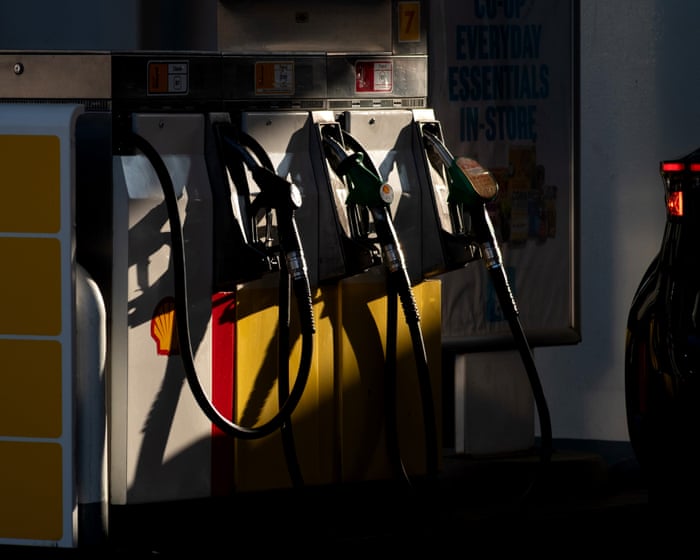
The UK government has approved drilling at the Jackdaw gas field in the North Sea, allowing gas production to start soon. Jackdaw is expected to provide about 1.6% of the UK's predicted gas needs over the next decade but is unlikely to significantly lower household energy bills.
Key Facts
Jackdaw gas field is located 150 miles east of Aberdeen in the North Sea.
It is owned equally by Shell and Equinor through Adura Energy.
The field holds around 10 million cubic meters of gas and could produce for about 11 years.
Jackdaw gas could connect to the UK gas network within weeks.
About half of the UK’s gas currently comes from North Sea fields and the rest mostly from imports, especially from Norway and the US (via liquefied natural gas).
Experts say gas produced at Jackdaw will not lower UK household bills this winter or have a big direct effect later.
UK gas prices follow European market rates, meaning local production does not guarantee cheaper energy.
Tax revenues from Jackdaw profits may fund green energy projects or reduce bills in the longer term.
Read the Original
Want the full story? Tap a source to open the original
article.
People who travel for luxury now care more about the whole experience than just staying in expensive hotels. The luxury travel market is worth over $1.6 trillion and is expected to nearly double by the early 2030s as travelers look for personalized, convenient, and immersive journeys.
Key Facts
The global luxury travel market is currently valued at over $1.6 trillion.
This market is expected to almost double by the early 2030s.
Travelers plan trips earlier and book activities like restaurants and tours in advance.
Details like luggage handling, transport, and equipment are now standard parts of the luxury experience.
Cruise ships are seen as part of the experience, not just transportation between places.
Personalization and knowledge of destinations help create unique experiences, like museum visits and city activities.
Social media increases travelers’ expectations by giving them detailed information ahead.
The luxury travel industry focuses more on creating unforgettable, customized experiences than just offering expensive rooms.
Read the Original
Want the full story? Tap a source to open the original
article.
Federal regulators are working to create clearer rules for cryptocurrency markets. They believe that even without new laws, existing laws should provide enough guidance.
Key Facts
The government wants to clarify how current laws apply to cryptocurrencies.
Regulators say unclear rules have caused confusion in crypto markets.
No new legislation has been passed yet to specifically govern cryptocurrencies.
Officials believe existing laws can cover most situations in crypto trading.
Clear rules can help protect investors and encourage market growth.
Regulators aim to open a clearer path for crypto businesses to operate legally.
This effort is part of ongoing work to bring more order to the digital currency sector.
Read the Original
Want the full story? Tap a source to open the original
article.
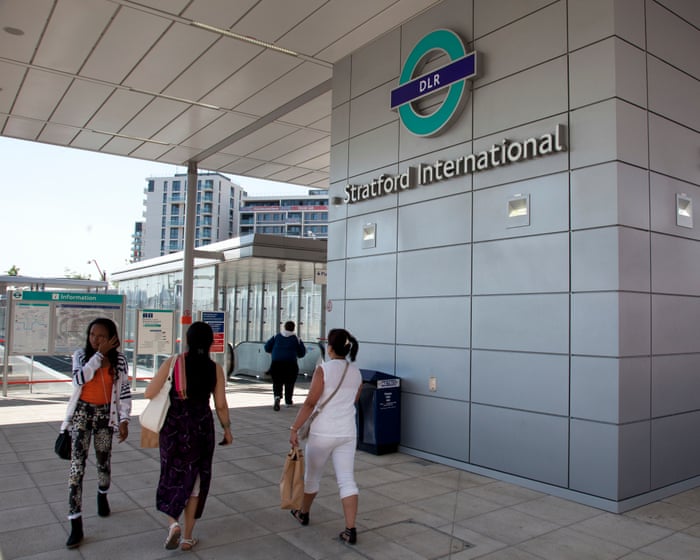
Stratford International train station in east London is set to receive government funding to upgrade and start running international train services. This upgrade will enable trains from Europe to stop there, supporting more jobs, investment, and tourism in the area.
Key Facts
Stratford International currently only serves domestic trains but Eurostar trains pass through without stopping.
London’s Mayor, Sadiq Khan, has pushed for funding to make the station fully "international."
Upgrading the station will cost about £20 million and include adding border controls, security checks, and passenger facilities.
The plan is for approximately one in three cross-Channel trains to stop at Stratford International.
The station opened in 2009, originally meant for Eurostar international services, but these were never fully implemented.
Chancellor John Healey is considering allowing local business rate growth to help pay for the station’s redevelopment.
Virgin plans to start international rail services from London to Europe in 2030, competing with Eurostar, and may include Stratford as a stop.
Another company, Gemini Trains, aims to run trains from Stratford to France, Belgium, and Germany but has not yet secured necessary track and depot access.
Read the Original
Want the full story? Tap a source to open the original
article.
Nearly $1 million worth of rare Pokémon trading cards was stolen from a FedEx truck in Southern California. The truck was parked near a business that checks and grades collectible cards before the theft occurred.
Key Facts
The stolen items were rare Pokémon trading cards.
The estimated value of the stolen cards is close to $1 million.
The theft happened from a FedEx truck.
The truck was parked near a company that validates and grades collectible cards.
The location of the theft is in Southern California.
Police are investigating the crime.
Read the Original
Want the full story? Tap a source to open the original
article.
MNEK has canceled his upcoming tour because not enough tickets were sold and the show’s costs were too high. He wants to wait until he can perform at a level that meets his standards and gives fans the experience they deserve.
Key Facts
MNEK planned to tour for his new album Bulldozer!! next month but canceled the shows.
The cancellation is due to low ticket sales and high production costs.
MNEK said the tour was not "ready to the standard" he wanted.
He will refund fans who bought tickets and hopes to tour later when conditions improve.
Other artists, like The Pussycat Dolls, have also canceled shows recently for similar reasons.
MNEK has worked with big artists such as Beyoncé, Zara Larsson, and Madonna.
Rising costs are making it hard for many artists to earn enough from touring.
Tickets for MNEK’s planned tour were priced from about £30.
Read the Original
Want the full story? Tap a source to open the original
article.
Elon Musk, CEO of SpaceX and Tesla, suggested that the two companies might merge after SpaceX reported very strong quarterly earnings. The article also mentions other business news, including challenges faced by companies like OpenAI and issues in France’s bond market due to political unrest.
Key Facts
SpaceX, a space and AI company, had a very successful quarterly financial report.
Elon Musk talked about the idea of merging SpaceX with Tesla, his electric car company.
The article briefly covers problems at OpenAI related to misbehavior by its agents.
Market troubles are affecting data center companies.
France is facing political problems that are worsening its government bond market.
There is a recent success where SpaceX’s Starship rocket reached Earth orbit.
Plans exist for a Starship rocket carrying a Tesla robot to go to Mars by the end of 2026.
The article title and focus are mainly about business developments around SpaceX and Tesla.
Read the Original
Want the full story? Tap a source to open the original
article.
The UK Chancellor John Healey faces a tough challenge balancing the budget as inflation rises and national debt passes £3 trillion. Inflation is expected to keep increasing, causing higher borrowing costs and pressure on public finances just before the Budget announcement.
Key Facts
UK National Debt has exceeded £3 trillion for the first time.
Inflation rate is currently 3.5% and may rise to 4.2% next year.
Borrowing is higher than expected due to increased spending and interest costs.
Inflation affects basic welfare payments, which will rise next April following the inflation rate.
State Pension will increase by 3.9% due to the government’s Triple Lock rule.
Rising inflation and borrowing costs create tough choices for the Chancellor’s Budget.
The Jackdaw gas field approval is part of efforts to support economic growth.
The US-Israel conflict with Iran has contributed to higher borrowing costs globally.
Read the Original
Want the full story? Tap a source to open the original
article.
Aberdeen, once a wealthy city due to oil and gas, has faced economic decline since 2014, with falling incomes and many empty shops. The UK government recently approved the Jackdaw gasfield project, which offers some hope for local workers by providing jobs and supporting energy supply, despite concerns about climate impact and limited economic recovery.
Key Facts
Aberdeen had the highest number of millionaires in the UK around 2012 due to oil and gas wealth.
Since 2013, disposable income in Aberdeen has dropped nearly 20%, the largest fall among big UK cities.
Many oil companies are reducing operations or leaving Aberdeen, including BP planning to sell its North Sea business.
The Jackdaw gasfield, 150 miles offshore, was recently approved by the UK government to help energy security.
Jackdaw is expected to provide about 6% of the UK’s gas at its peak but only around 2% of national gas demand for about 10 years.
Critics say Jackdaw won’t replace lost North Sea jobs since it will be mostly unmanned and remotely operated.
Oil and gas workers in Aberdeen see Jackdaw as a chance to keep jobs and pay their mortgages for now.
More than 90% of the UK’s North Sea oil and gas fields have been used up, meaning new projects like Jackdaw are rare.
Read the Original
Want the full story? Tap a source to open the original
article.
The UK government has approved the Jackdaw gasfield to produce natural gas in time for winter. This approval aims to boost domestic energy supply, reduce reliance on imports, and support jobs and tax revenue while the country still depends on gas.
Key Facts
Oil and gas supplied 75% of the UK’s energy in 2025.
About 43% of the UK’s overall energy was imported last year.
Less than 2% of UK homes have heat pumps for heating.
Nearly 95% of vehicles in the UK run on petrol or diesel.
Jackdaw gasfield is located 150 miles east of Aberdeen and has been approved for production.
Jackdaw will provide about 6% of UK North Sea gas at its peak production.
The Langeled pipeline from Norway supplies 40% of the UK’s gas but is vulnerable to disruptions.
The government plans to consider approving other North Sea gasfields to increase domestic production.
Read the Original
Want the full story? Tap a source to open the original
article.
UK inflation rose to 3.5% in September, higher than expected, mainly because of rising fuel costs linked to the war in the Middle East. This increase affects benefits, taxes, and the Bank of England's plan to raise interest rates soon.
Key Facts
UK inflation went up from 3.1% in August to 3.5% in September 2026.
The rise was driven mostly by higher petrol and diesel prices, with diesel increasing by 10.7p per litre.
Oil and gas prices surged after conflict started in the Middle East in February, disrupting supply routes.
Air fare prices fell less than usual due to higher fuel costs.
Clothing prices dropped slightly, and food price growth stayed steady at 1.3%.
Higher inflation means increases in benefits like child benefit and business taxes tied to inflation.
The Bank of England is likely to raise interest rates from 3.7% to control inflation.
UK government borrowing costs are rising, with the budget deficit at £24.5 billion in September and total debt reaching £3 trillion.
Read the Original
Want the full story? Tap a source to open the original
article.