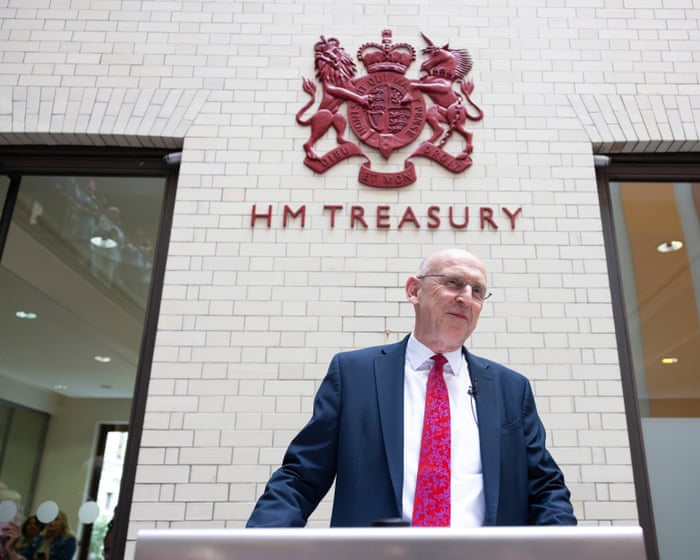
The UK Chancellor John Healey faces a tough challenge balancing the budget as inflation rises and national debt passes £3 trillion. Inflation is expected to keep increasing, causing higher borrowing costs and pressure on public finances just before the Budget announcement.
Key Facts
UK National Debt has exceeded £3 trillion for the first time.
Inflation rate is currently 3.5% and may rise to 4.2% next year.
Borrowing is higher than expected due to increased spending and interest costs.
Inflation affects basic welfare payments, which will rise next April following the inflation rate.
State Pension will increase by 3.9% due to the government’s Triple Lock rule.
Rising inflation and borrowing costs create tough choices for the Chancellor’s Budget.
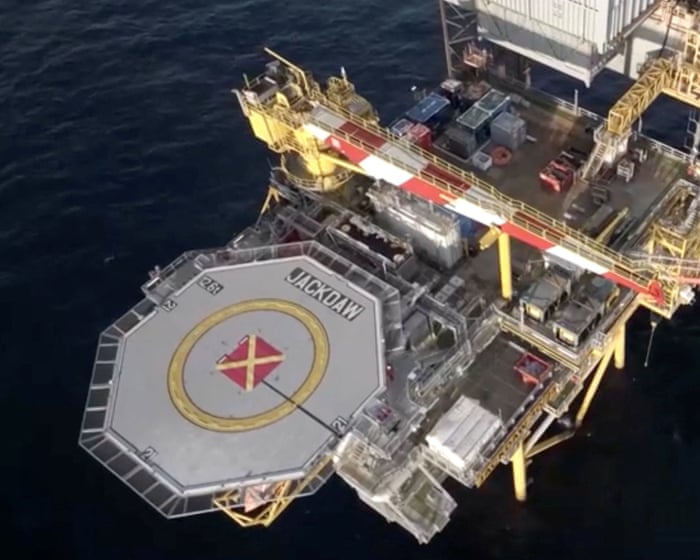
The Jackdaw gas field approval is part of efforts to support economic growth.
The US-Israel conflict with Iran has contributed to higher borrowing costs globally.
Read the Original
Want the full story? Tap a source to open the original
article.
Aberdeen, once a wealthy city due to oil and gas, has faced economic decline since 2014, with falling incomes and many empty shops. The UK government recently approved the Jackdaw gasfield project, which offers some hope for local workers by providing jobs and supporting energy supply, despite concerns about climate impact and limited economic recovery.
Key Facts
Aberdeen had the highest number of millionaires in the UK around 2012 due to oil and gas wealth.
Since 2013, disposable income in Aberdeen has dropped nearly 20%, the largest fall among big UK cities.
Many oil companies are reducing operations or leaving Aberdeen, including BP planning to sell its North Sea business.
The Jackdaw gasfield, 150 miles offshore, was recently approved by the UK government to help energy security.
Jackdaw is expected to provide about 6% of the UK’s gas at its peak but only around 2% of national gas demand for about 10 years.
Critics say Jackdaw won’t replace lost North Sea jobs since it will be mostly unmanned and remotely operated.
Oil and gas workers in Aberdeen see Jackdaw as a chance to keep jobs and pay their mortgages for now.
More than 90% of the UK’s North Sea oil and gas fields have been used up, meaning new projects like Jackdaw are rare.
Read the Original
Want the full story? Tap a source to open the original
article.
The UK government has approved the Jackdaw gasfield to produce natural gas in time for winter. This approval aims to boost domestic energy supply, reduce reliance on imports, and support jobs and tax revenue while the country still depends on gas.
Key Facts
Oil and gas supplied 75% of the UK’s energy in 2025.
About 43% of the UK’s overall energy was imported last year.
Less than 2% of UK homes have heat pumps for heating.
Nearly 95% of vehicles in the UK run on petrol or diesel.
Jackdaw gasfield is located 150 miles east of Aberdeen and has been approved for production.
Jackdaw will provide about 6% of UK North Sea gas at its peak production.
The Langeled pipeline from Norway supplies 40% of the UK’s gas but is vulnerable to disruptions.
The government plans to consider approving other North Sea gasfields to increase domestic production.
Read the Original
Want the full story? Tap a source to open the original
article.
UK inflation rose to 3.5% in September, higher than expected, mainly because of rising fuel costs linked to the war in the Middle East. This increase affects benefits, taxes, and the Bank of England's plan to raise interest rates soon.
Key Facts
UK inflation went up from 3.1% in August to 3.5% in September 2026.
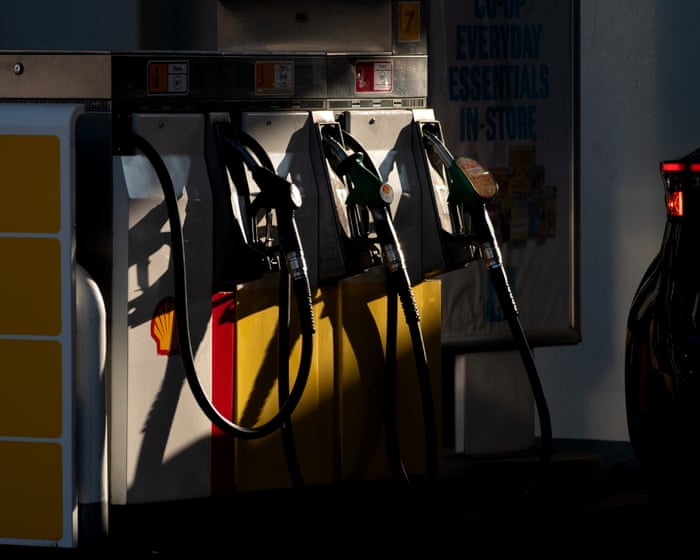
The rise was driven mostly by higher petrol and diesel prices, with diesel increasing by 10.7p per litre.
Oil and gas prices surged after conflict started in the Middle East in February, disrupting supply routes.
Air fare prices fell less than usual due to higher fuel costs.
Clothing prices dropped slightly, and food price growth stayed steady at 1.3%.
Higher inflation means increases in benefits like child benefit and business taxes tied to inflation.
The Bank of England is likely to raise interest rates from 3.7% to control inflation.
UK government borrowing costs are rising, with the budget deficit at £24.5 billion in September and total debt reaching £3 trillion.
Read the Original
Want the full story? Tap a source to open the original
article.
A survey shows that company leaders trust artificial intelligence (AI) more than their own judgment twice as often as regular workers do. This trend raises concerns because leaders are expected to use their experience, but relying heavily on AI might cause decision mistakes.
Key Facts
About 33% of executives trust AI more than their own judgment.
Only about 16% of regular workers trust AI over themselves.
Managers fall in between, with about 35% trusting AI more than their judgment.
The survey included 5,002 U.S. office workers from companies with over 100 employees.
The study describes "cognitive offloading," which means using AI to reduce mental effort.
Executives feel pressure to make quick decisions, making AI a useful tool for them.
AI often provides quick summaries but may not solve detailed, specific problems well.
Some workers worry AI could replace their jobs, creating tension around its use.
Read the Original
Want the full story? Tap a source to open the original
article.
A New Jersey company, Gellert Global Group, filed a lawsuit against President Donald Trump, claiming he wrongly used an old 1930 law to impose high tariffs on Canadian cheese. The company says these tariffs cost it over $520,000 and could reach $40 million yearly, arguing that newer trade laws limit the president’s power to do this.
Key Facts
Gellert Global Group imports Canadian cheese and has paid over $520,000 in tariffs on cheese shipments since September 2026.
The company estimates the tariffs could cost it $40 million each year if they continue.
The lawsuit challenges President Trump’s use of Section 338 of the Tariff Act of 1930 to impose 50% tariffs on Canadian products.
Gellert says newer trade laws, like Section 301 of the Trade Act of 1974, limit the president’s authority to impose these tariffs.
The lawsuit claims the administration did not follow the 30-day waiting period required by Section 338 before starting to collect tariffs.
Section 338 has not been used to impose tariffs in the 96 years before President Trump invoked it in 2026.
Canada has responded by putting tariffs on about $30 billion worth of U.S. goods, with rates of 15 to 50 percent.
The White House plans to defend the tariffs, saying the law is appropriate to respond to Canadian trade discrimination.
Read the Original
Want the full story? Tap a source to open the original
article.
Anthropic, a major artificial intelligence company, plans to start selling shares to the public soon because it needs a lot of money to support its growth. The company faces huge costs for its computing infrastructure and has already spent heavily, making private funding less effective.
Key Facts
Anthropic will launch an initial public offering (IPO) before Thanksgiving to raise funds.
The company expects computing costs to reach $750 billion over the next years.
Anthropic made $16.3 billion in revenue in the first half of 2026 but reported an $80.7 billion net loss, mostly from fundraising accounting charges.
Private investors are asking for higher returns to cover AI-related risks, with some deals offering more than 10% yield.
Public markets offer a larger pool of money better suited for Anthropic’s big funding needs than private investors.
Other AI and tech companies have delayed or struggled with IPOs due to market uncertainty.
Investors view Anthropic as a mature company ready for public trading despite current market challenges.
The IPO will show how stable and sustainable the AI industry’s growth is in public investors' eyes.
Read the Original
Want the full story? Tap a source to open the original
article.
This article shares advice on the best gifts for nine-year-old children, based on feedback from both kids and their parents. It highlights toys and games that children enjoy and that help them develop skills over time.
Key Facts
Nine-year-olds are curious and gaining independence, making gift choices important.
Gifts that offer challenges, like complex games or crafts, keep kids interested longer.
Feedback was collected from several nine-year-old children and their parents to find popular and useful gifts.
The article features Mexican Train dominoes, a game easy to learn that encourages group play and strategy.
Coloring pencils were recommended for creative children, especially those interested in drawing or comics.
The testing of toys included observing how children reacted, played with, and returned to them over time.
Unwanted toys were donated to the Salvation Army to support charity efforts.
Experts say group games and long-term projects help kids feel a sense of belonging and achievement.
Read the Original
Want the full story? Tap a source to open the original
article.
A woman started a business called Bridesmaid for Hire in 2014, offering professional bridesmaid services to help brides with wedding planning and emotional support. The business has grown to include many wedding-related services and products, helping couples manage the challenges of marriage preparations.
Key Facts
The founder began Bridesmaid for Hire by advertising on Craigslist.
She works as a professional bridesmaid, providing support like a close friend but is usually hired secretly.
Services include handling family issues, maid of honor speeches, bachelorette party planning, and more.
The business offers tools like vow-writing help, party planning guides, and courses on becoming a professional bridesmaid.
The company makes money through packages, products, books, and games related to weddings.
The founder spends about 25 hours a week on the business and also manages her family life.
Weddings often reveal hidden stresses and challenges behind the scenes, not visible in social media posts.
The business serves couples worldwide and has expanded beyond just standing by the bride at the altar.
Read the Original
Want the full story? Tap a source to open the original
article.
The UK government borrowed £24.5 billion in September, more than expected, due to higher interest costs on debt driven by inflation. Rising energy prices linked to the Iran war increased payments on government bonds tied to inflation, pushing debt interest to the highest September level on record.
Key Facts
The UK government ran a budget deficit of £24.5 billion in September.
Government paid £10.9 billion in interest on debt in September, the highest for that month ever recorded.
Some government bonds are linked to inflation measured by the Retail Prices Index (RPI), which recently increased due to higher energy costs caused by the Iran war.
The inflation rise added £4 billion to debt interest payments in September.
Total government debt is estimated to have reached £3 trillion for the first time.
Debt as a share of the UK economy is 94%, slightly lower than last year’s 95%.
Public sector borrowing so far this year is £97.8 billion, which is £4.4 billion less than the previous year but £6 billion higher than expected.
John Healey, the upcoming Chancellor, is expected to reduce the financial buffer against fiscal rules established by his predecessor Rachel Reeves.
Read the Original
Want the full story? Tap a source to open the original
article.
The inflation rate in the UK rose to 3.5% in the year to September, up from 3.1%, mainly because petrol and diesel prices increased sharply. Higher fuel costs are linked to global supply problems caused by conflicts in the Middle East and Europe.
Key Facts
UK inflation rate increased from 3.1% to 3.5% by September 2026.
Petrol prices in September reached their highest level since August 2022.
Petrol prices rose by 8.2 pence per litre to 169.5 pence per litre between August and September.
Diesel prices increased to 192.5 pence per litre over the same period.
Overall motor fuel prices went up by 29.8% in the last year.
Conflicts in the Middle East and Europe have reduced global oil supply, pushing prices higher.
The UK government borrowed £25 billion in September 2026, £1.8 billion more than the previous year.
Higher inflation increased the government’s debt interest costs.
Read the Original
Want the full story? Tap a source to open the original
article.
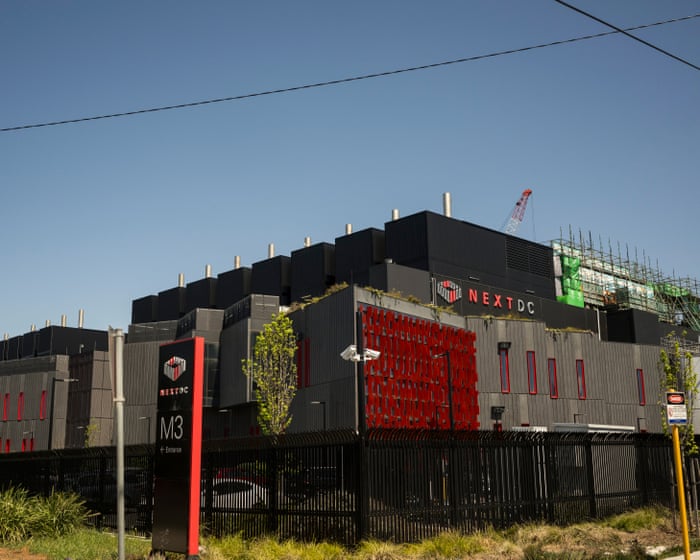
NextDC, Australia's biggest datacentre operator, has delayed its Melbourne M3 site expansion due to halted power pole upgrades caused by community protests and safety concerns. This delay pushed back the project to 2027/2028 and led to a significant drop in the company’s share price and lowered revenue estimates.
Key Facts
NextDC plans to expand its Melbourne M3 datacentre from 60 megawatts (MW) capacity to 225 MW.
The expansion depends on electricity upgrades by Jemena, including new 22-metre power poles.
Jemena paused construction of these poles due to community opposition, safety issues, and lack of council approval.
NextDC’s shares fell from over $9 to $5.69 after the delay announcement.
NextDC reduced expected revenue from $615-$640 million to $475-$500 million due to the delayed expansion.
The local community objects to the large-scale expansion, construction noise, and potential diesel generator use.
The Victorian government’s approval process for later construction stages is also taking longer than expected.
NextDC and Jemena are exploring alternatives like placing poles in industrial zones or underground power connections.
Read the Original
Want the full story? Tap a source to open the original
article.
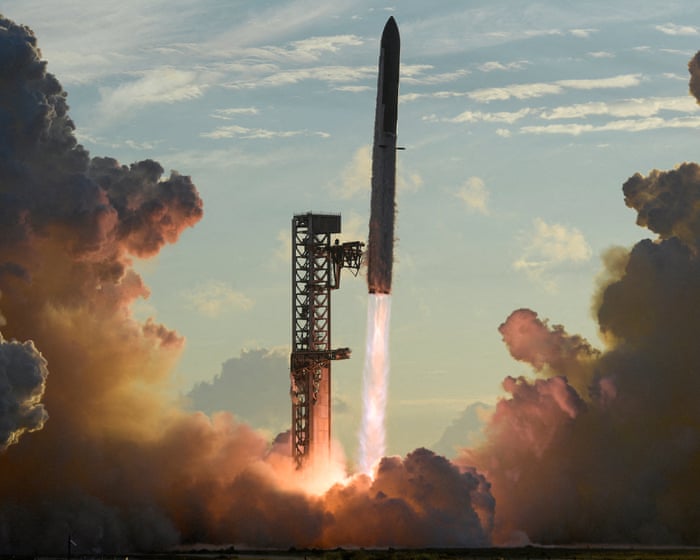
Elon Musk is considering merging his two companies, Tesla and SpaceX, which are both worth over a trillion dollars each. Committees have been formed to study the possible deal, but nothing has been decided yet, and shareholders must approve it.
Key Facts
Tesla is valued around $1.5 trillion, and SpaceX is valued around $2 trillion.
Elon Musk supports merging the two companies and says it could bring many benefits.
The merger would unite Tesla’s electric cars, robots, and self-driving tech with SpaceX’s rockets, satellites, and data centers.
Shareholder approval is needed, with at least half of Tesla’s shareholders required to agree.
Elon Musk is the CEO of both companies but cannot vote on the merger.
Experts say Tesla customers might not see big changes soon if the merger happens.
The move fits Musk’s goal to combine advanced technology and possibly support his Mars colonization plans.
After the news, SpaceX shares rose 8%, and Tesla shares rose 1.5%.
Read the Original
Want the full story? Tap a source to open the original
article.
Elon Musk announced that SpaceX and Tesla are thinking about merging, which would create the biggest company merger ever, worth over $3 trillion. Both companies have set up groups to study the idea, but no final decision has been made, and Tesla shareholders would need to approve it.
Key Facts
Elon Musk leads both SpaceX and Tesla and said the companies are exploring a possible merger.
The merger would create a combined value of about $3.5 trillion, making it the largest in history.
Special committees from both companies are working to develop a plan but have not agreed on one yet.
Tesla shareholders need at least 50% approval to make the merger happen.
SpaceX recently went public and reported its first quarterly profit of $4.4 billion, after losing money the previous year.
Tesla’s stock price rose by 1.8% and SpaceX’s by over 8% following the merger news.
Experts say the merger makes sense because both companies work on robotics, artificial intelligence, and manufacturing.
Musk warned that the merger is not guaranteed and depends on shareholder support.
Read the Original
Want the full story? Tap a source to open the original
article.
An ethical fashion report compared 138 Australian and international fashion companies and found that only 13% pay workers a living wage. The fast-fashion company Shein scored 28 out of 100, ranking higher than several well-known Australian brands, despite criticism of its environmental impact.
Key Facts
The Baptist World Aid ethical fashion report reviewed 138 companies covering 543 fashion brands.
Only 13% of the companies pay a living wage to workers in their supply chains.
Shein received a score of 28, below the average score of 31.5 but higher than brands like Myer, Windsor Smith, and Ghanda.
Several brands, including Ghanda, Windsor Smith, and Shein’s competitor Temu, scored zero.
Myer scored 20, Boardriders scored 3, and Seafolly scored 1.
Many companies did not provide additional information and were scored only on publicly available data, often resulting in lower scores.
Baptist World Aid contacted companies multiple times over 13 months to encourage participation.
Australia is the world’s highest consumer of textiles per person, with over 200,000 tonnes of clothing going to landfill annually.
Read the Original
Want the full story? Tap a source to open the original
article.
President Donald Trump announced that the Pentagon will invest $1.5 billion to increase semiconductor chip manufacturing in North Carolina. This effort is part of a broader plan to bring more manufacturing back to the United States.
Key Facts
The Pentagon is investing $1.5 billion in North Carolina’s semiconductor production.
Semiconductor chips are important components used in electronics.
The investment aims to create advanced, high-tech chips in the U.S.
This move supports reshoring, which means bringing manufacturing jobs back to America.
President Trump announced the investment during a public event.
The Department of War is the old term sometimes used to refer to the defense sector.
This initiative fits into the administration’s focus on strengthening U.S. manufacturing.
Read the Original
Want the full story? Tap a source to open the original
article.
Elon Musk said that SpaceX and Tesla are thinking about joining together to create one large company worth about $3.5 trillion. Both companies have set up special groups to look into this plan.
Key Facts
Elon Musk is the CEO of both SpaceX and Tesla.
The companies are exploring a merger, which means combining into one company.
The merged company could be worth $3.5 trillion.
Special committees have been created to study the merger idea.
No final decision has been made yet.
SpaceX is a company focused on space travel and rockets.
Tesla makes electric cars and clean energy products.
Read the Original
Want the full story? Tap a source to open the original
article.
Elon Musk supports combining his aerospace company SpaceX with his electric car company Tesla. Both companies have formed special groups to discuss a possible merger, but no deal has been made yet. SpaceX recently reported strong financial results, with much higher income than expected.
Key Facts
SpaceX and Tesla created special committees with independent directors to explore merging.
Elon Musk said he cannot be part of the committees because of a conflict of interest.
A merger would need approval from at least 50% of Tesla shareholders.
SpaceX's revenue grew 161% from last year, reaching $14.58 billion, beating analysts' expectations.
SpaceX earned a net income of $4.4 billion and 35 cents per share this quarter.
The company's AI segment, called Super Intelligence, earned $7.6 billion, more than its internet service.
There have been reports that Musk ordered limiting access to SpaceX’s Starshield internet service, but Musk and the White House denied this.
Musk has spent $366 million on US politics this election cycle and is co-leading a Pentagon project on future warfare.
Read the Original
Want the full story? Tap a source to open the original
article.
Kramers, a well-known bookstore in Washington, D.C., is celebrating its 50th year in business. The store has been visited by many famous people, including former President Barack Obama and artist Andy Warhol.
Key Facts
Kramers bookstore is located in the Dupont Circle neighborhood of Washington, D.C.
It has been open for 50 years.
The bookstore has attracted notable visitors such as former President Barack Obama and Andy Warhol.
Steve Salis is the current owner of the bookstore.
The anniversary marks a long history for the local institution.
Kramers is recognized as a cultural and community spot in Washington, D.C.
Read the Original
Want the full story? Tap a source to open the original
article.
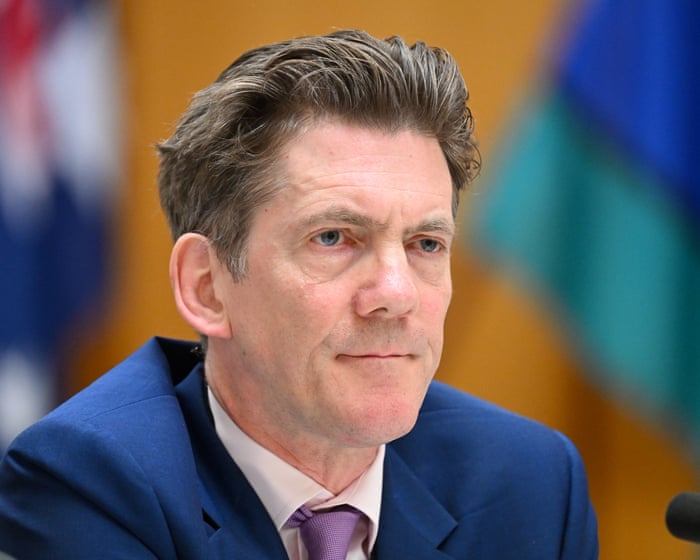
The Reserve Bank of Australia (RBA) deputy governor Andrew Hauser said inflation is worse than expected, which may lead to another interest rate increase. The RBA faces a tough decision between raising rates to fight inflation or protecting the economy and jobs from getting weaker.
Key Facts
Andrew Hauser is the deputy governor of the Reserve Bank of Australia.
Inflation in Australia is higher and more persistent than the RBA expected two months ago.
The RBA’s next meeting is scheduled for November 2-3.
Financial markets see about a one-in-three chance of another rate rise to 4.85%.
Some Australians and businesses are starting to expect inflation around 3.5% as normal.
Higher interest rates and petrol prices are slowing down economic activity.
Unemployment rose to 4.7%, the highest in five years.
The RBA must decide between raising rates further to control inflation or avoiding hurting the economy and labor market.
Read the Original
Want the full story? Tap a source to open the original
article.