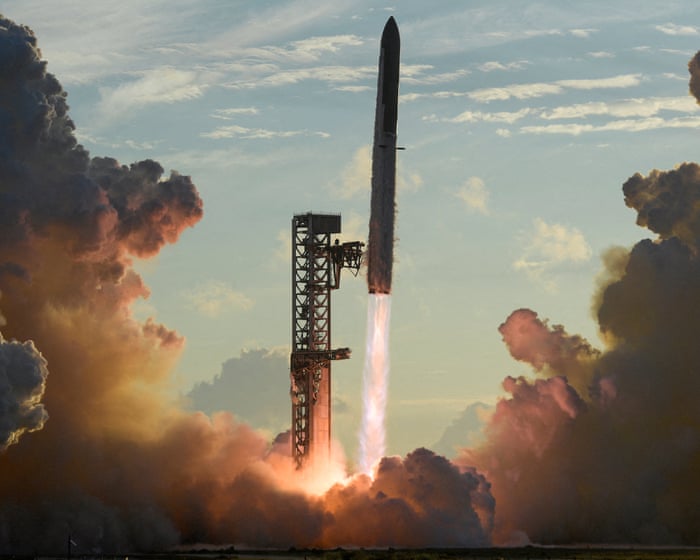
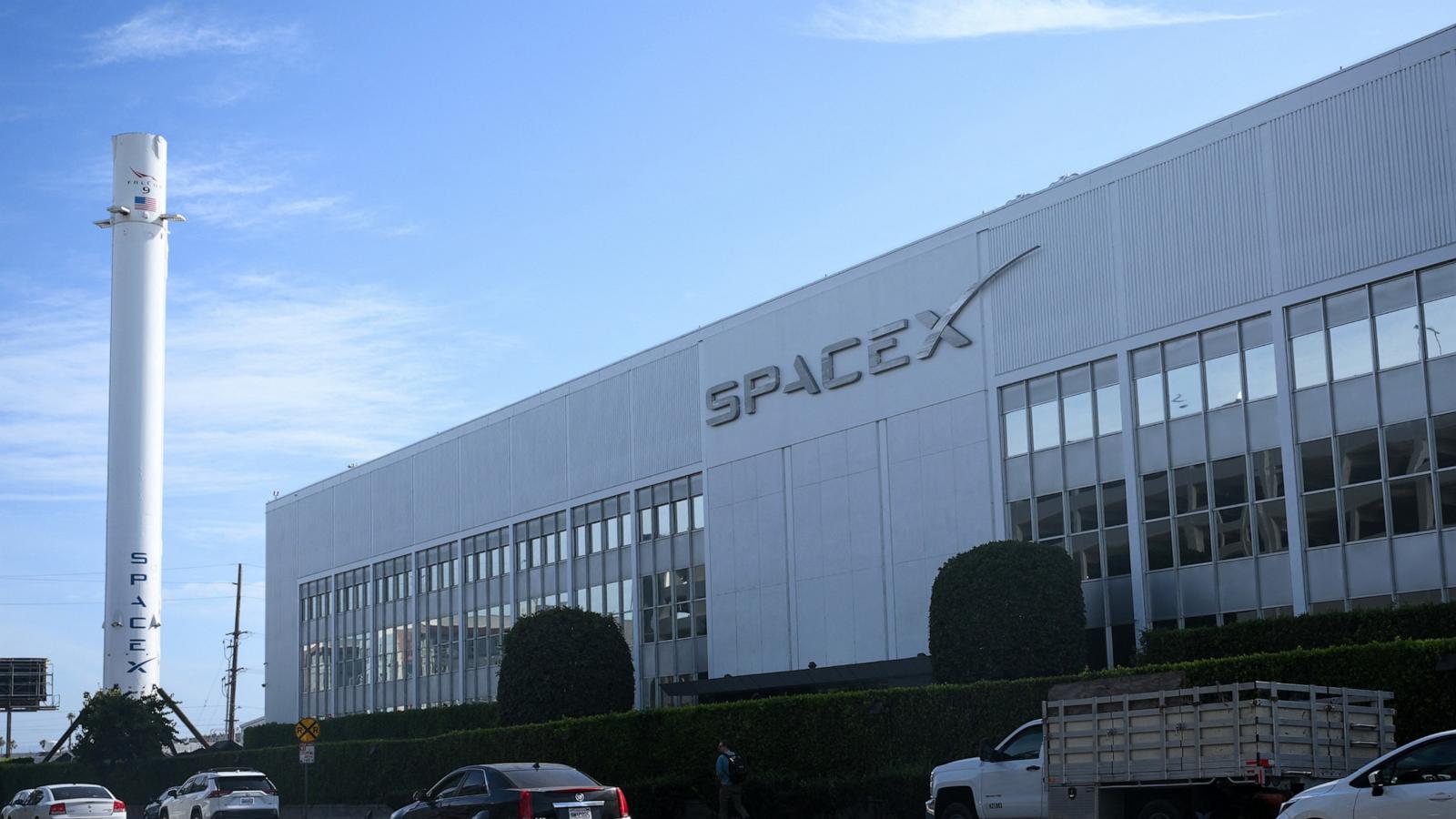
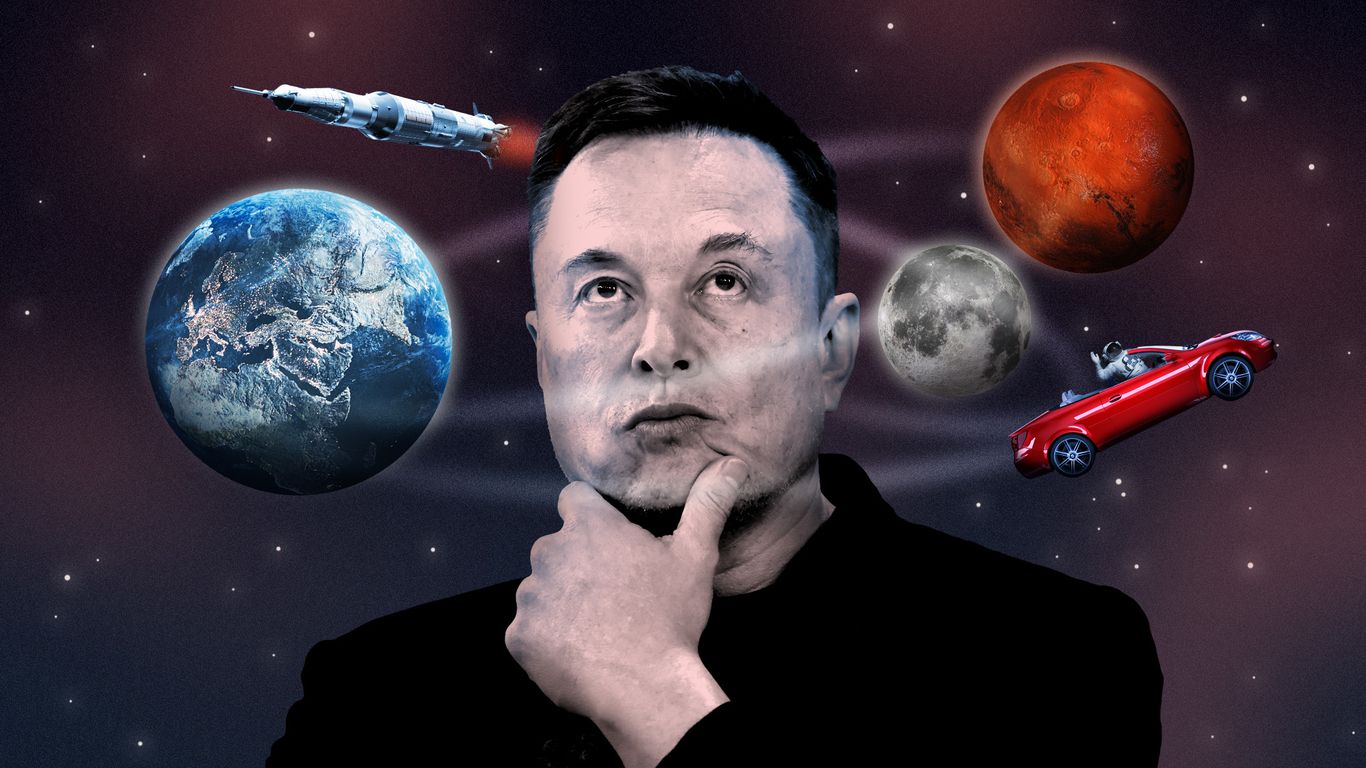
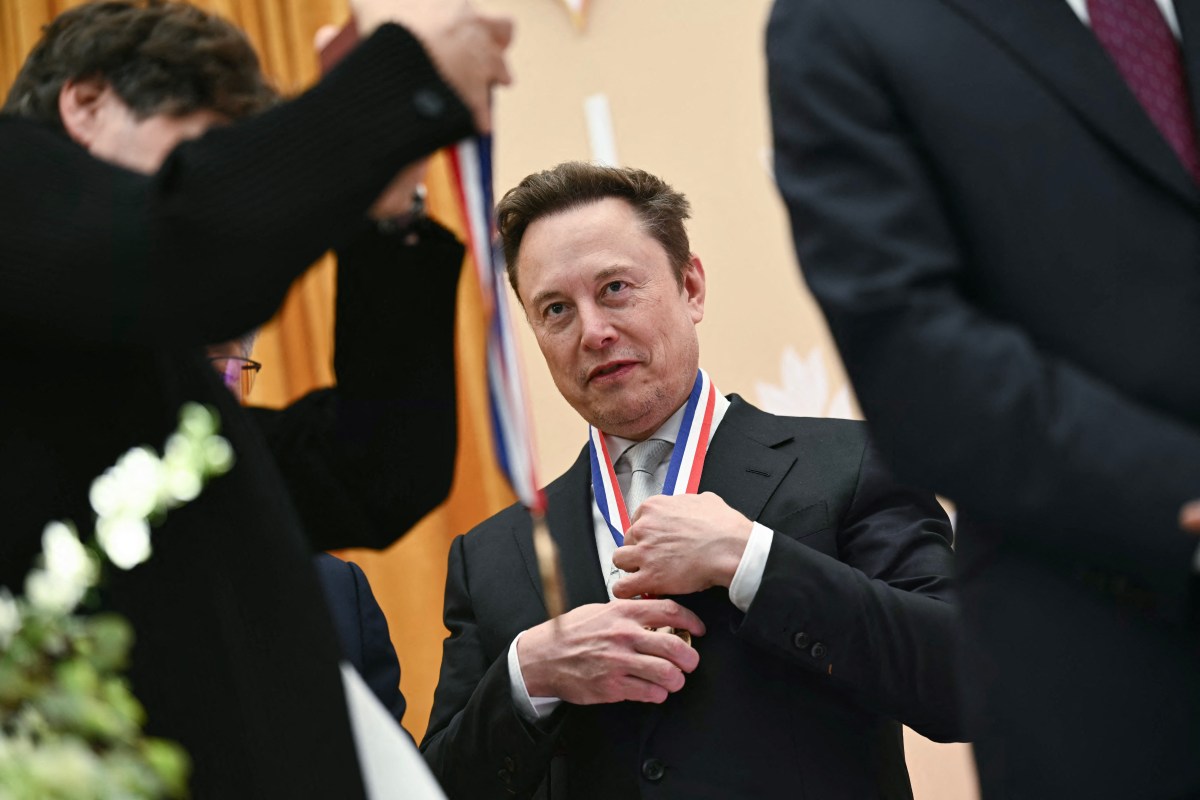
Elon Musk supports combining his aerospace company SpaceX with his electric car company Tesla. Both companies have formed special groups to discuss a possible merger, but no deal has been made yet. SpaceX recently reported strong financial results, with much higher income than expected.
Key Facts
SpaceX and Tesla created special committees with independent directors to explore merging.
Elon Musk said he cannot be part of the committees because of a conflict of interest.
A merger would need approval from at least 50% of Tesla shareholders.
SpaceX's revenue grew 161% from last year, reaching $14.58 billion, beating analysts' expectations.
SpaceX earned a net income of $4.4 billion and 35 cents per share this quarter.
The company's AI segment, called Super Intelligence, earned $7.6 billion, more than its internet service.
There have been reports that Musk ordered limiting access to SpaceX’s Starshield internet service, but Musk and the White House denied this.
Musk has spent $366 million on US politics this election cycle and is co-leading a Pentagon project on future warfare.
Read the Original
Want the full story? Tap a source to open the original
article.
Kramers, a well-known bookstore in Washington, D.C., is celebrating its 50th year in business. The store has been visited by many famous people, including former President Barack Obama and artist Andy Warhol.
Key Facts
Kramers bookstore is located in the Dupont Circle neighborhood of Washington, D.C.
It has been open for 50 years.
The bookstore has attracted notable visitors such as former President Barack Obama and Andy Warhol.
Steve Salis is the current owner of the bookstore.
The anniversary marks a long history for the local institution.
Kramers is recognized as a cultural and community spot in Washington, D.C.
Read the Original
Want the full story? Tap a source to open the original
article.
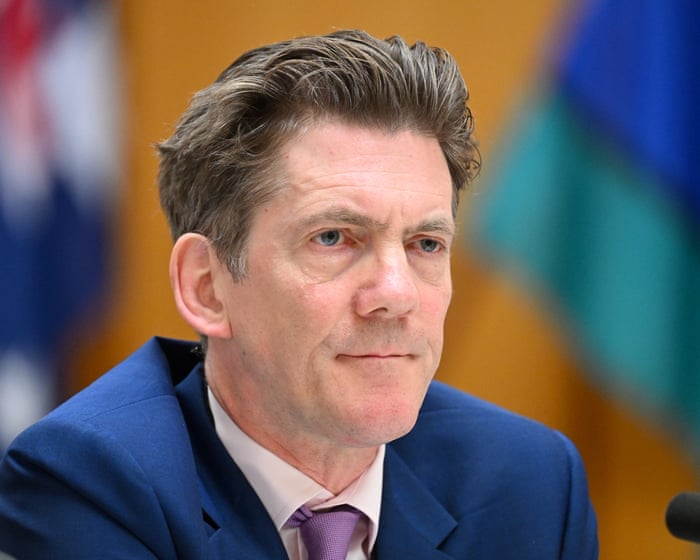
The Reserve Bank of Australia (RBA) deputy governor Andrew Hauser said inflation is worse than expected, which may lead to another interest rate increase. The RBA faces a tough decision between raising rates to fight inflation or protecting the economy and jobs from getting weaker.
Key Facts
Andrew Hauser is the deputy governor of the Reserve Bank of Australia.
Inflation in Australia is higher and more persistent than the RBA expected two months ago.
The RBA’s next meeting is scheduled for November 2-3.
Financial markets see about a one-in-three chance of another rate rise to 4.85%.
Some Australians and businesses are starting to expect inflation around 3.5% as normal.
Higher interest rates and petrol prices are slowing down economic activity.
Unemployment rose to 4.7%, the highest in five years.
The RBA must decide between raising rates further to control inflation or avoiding hurting the economy and labor market.
Read the Original
Want the full story? Tap a source to open the original
article.
Virginia Governor Abigail Spanberger wants to stop electricity rate increases for six years if the merger between NextEra Energy and Dominion Energy is approved. She filed expert testimony asking the State Corporation Commission to reject the merger unless the companies agree to the rate freeze.
Key Facts
Governor Abigail Spanberger supports a six-year freeze on electricity rate hikes in Virginia.
The rate freeze is linked to a proposed merger between NextEra Energy and Dominion Energy.
Spanberger submitted expert testimony to the State Corporation Commission (SCC).
She wants the SCC to reject the merger if the companies do not agree to the rate freeze.
The proposal aims to protect Virginia consumers from rising electricity costs after the merger.
The State Corporation Commission is the authority reviewing the merger proposal.
Dominion Energy and NextEra Energy are two large energy companies involved in the merger talks.
Read the Original
Want the full story? Tap a source to open the original
article.
Elon Musk said merging his two large companies, SpaceX and Tesla, could be a good idea, but the decision depends on shareholders. Both companies are moving toward artificial intelligence projects, and a merger could help them work together on technology like software, chips, and robotics.
Key Facts
Elon Musk mentioned a potential merger of SpaceX and Tesla during SpaceX’s quarterly earnings call.
Special committees of independent directors from both companies are discussing the merger idea.
Musk holds over 82% voting power in SpaceX but only about 20% in Tesla.
Combining the companies could increase Musk’s overall control of the merged company.
SpaceX recently went public with a record-breaking IPO and acquired Musk’s AI company, xAI.
Both SpaceX and Tesla are focusing on artificial intelligence for future growth.
Shareholders from both companies must approve the merger before it can happen.
Regulators and some political leaders may review or challenge the merger proposal.
Read the Original
Want the full story? Tap a source to open the original
article.
The U.S. housing market declined in September as mortgage rates rose sharply, slowing down home sales. Rising borrowing costs have made buying homes less affordable, adding economic worries ahead of the midterm elections.
Key Facts
Pending home sales fell 7.3% from August and 11.3% from a year ago in September.
Mortgage rates rose from about 6.8% at the start of September to 7.6% by the end of the month.
The median price of existing homes reached $417,500 in September, a record high for that month.
President Donald Trump promised to lower borrowing costs during his 2024 campaign, but mortgage rates have increased instead.
Freddie Mac’s average 30-year mortgage rate hit 7.40% in early October, the highest since November 2023.
The National Association of Home Builders reported the lowest homebuilder sentiment in 14 years due to high mortgage rates and construction costs.
Housing inventory rose to 1.60 million homes, the highest since November 2019, meaning more homes are available but fewer are being sold.
Inflation and other economic factors are expected to keep mortgage rates high for the near future.
Read the Original
Want the full story? Tap a source to open the original
article.
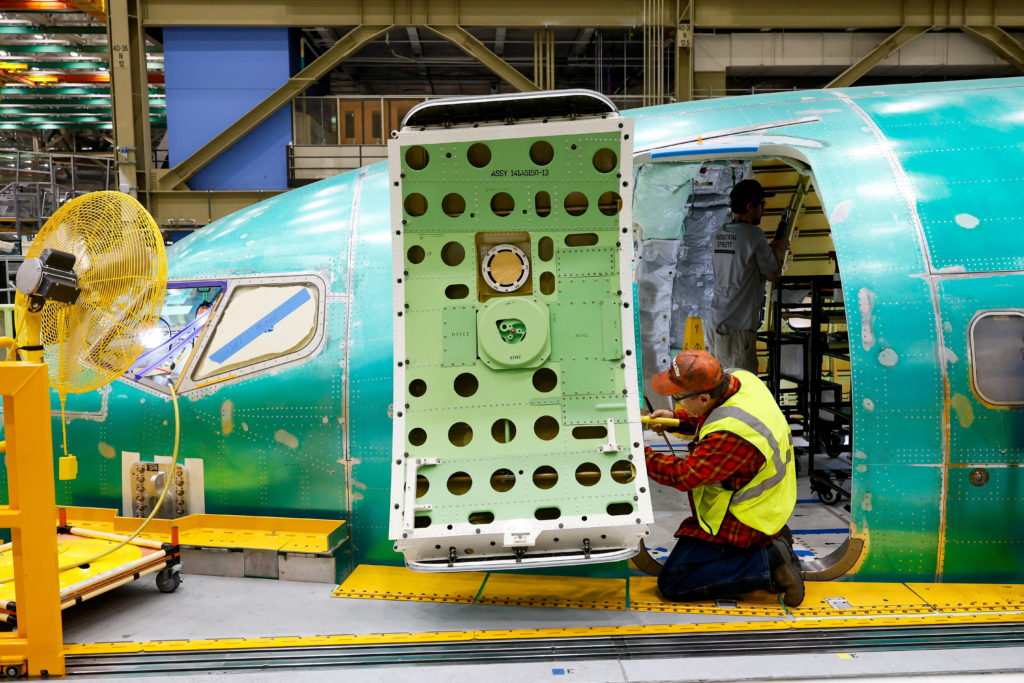
The FAA has approved Boeing's 737 Max 10 for passenger flights, allowing the plane to be sold and delivered to airlines. This approval ends years of delays and is important for Boeing as it works to improve its reputation and finances after safety problems with earlier 737 Max models.
Key Facts
The FAA announced approval of the Boeing 737 Max 10 on Tuesday after extensive safety checks and test flights.
The Max 10 is the largest version in Boeing’s 737 Max family and can seat 185-210 passengers.
Boeing expects to start delivering Max 10 jets in 2027, after several years of delays.
Over 30 airlines worldwide have ordered 1,555 Max 10 planes, including United, Delta, American Airlines, Ryanair, and Alaska Airlines.
The Max 10 competes with Airbus’s A321neo model, which can carry more passengers and fly farther.
This certification completes the approval for all four 737 Max models.
Safety concerns arose after crashes of the Max 8 model in 2018 and 2019, killing 346 people.
The FAA has reformed its safety rules for Boeing planes since those crashes but is gradually easing some restrictions.
Read the Original
Want the full story? Tap a source to open the original
article.
SpaceX's revenue rose 161% in the latest quarter compared to a year ago, reaching $5.2 billion from its Starlink internet service and AI business. The company made a $4.4 billion profit, recovering from losses in previous quarters.
Key Facts
SpaceX’s revenue grew 161% in the quarter ending September compared to the same quarter a year ago.
The company earned $4.4 billion in profit, switching from a loss of $1.05 billion the previous year.
Starlink, SpaceX’s satellite internet service, brought in $5.2 billion revenue, up 69% year-over-year.
SpaceX’s AI unit turned profitable with $431 million income from operations after a big increase in AI spending.
The company’s shares rose nearly 4% after the earnings announcement, valued at about $153.30 per share.
SpaceX has a valuation of nearly $1.95 trillion as of the latest report.
Elon Musk announced plans to give one SpaceX stock share to every U.S. child next year.
This is SpaceX’s second quarterly earnings report since going public in June 2026.
Read the Original
Want the full story? Tap a source to open the original
article.
SpaceX and Tesla have set up special groups to study a possible merger. Elon Musk, CEO of both companies, said the idea is promising but not guaranteed, as many Tesla shareholders would need to agree.
Key Facts
SpaceX and Tesla formed committees with independent directors to explore merging.
Elon Musk leads both companies but cannot be part of the merger talks due to conflict of interest.
Musk said combining the companies could improve work on AI, chips, robotics, and connectivity.
The merger is not certain and would need approval from about half of Tesla shareholders.
Analyst Gene Munster believes there is a 95% chance of a merger within two years.
SpaceX’s estimated value is over $2 trillion, Tesla’s is nearly $1.5 trillion.
Tesla will share its latest financial results soon, which could impact merger decisions.
Read the Original
Want the full story? Tap a source to open the original
article.
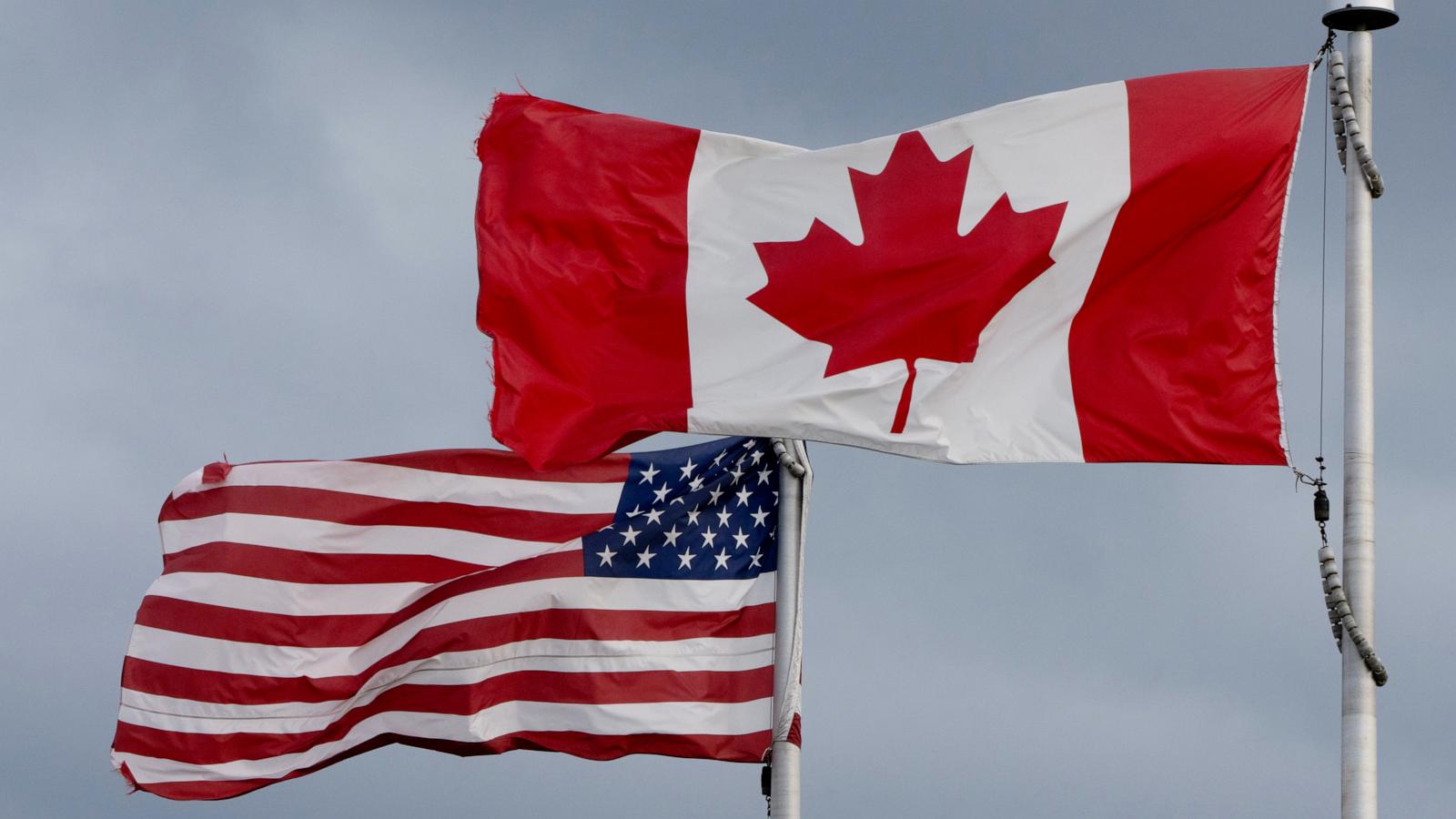
A US food importer, Gellert Global Group, is suing President Donald Trump over his 50 percent tariffs on Canadian goods. The company argues that Trump does not have the legal right to impose these tariffs without approval from Congress, and that the tariffs are increasing costs and harming business relationships.
Key Facts
Gellert Global Group imports Canadian cheese and filed the lawsuit in the US Court of International Trade in New York.
The tariffs started in summer 2024 and were expanded in September to cover more Canadian products.
President Trump used a 1930 law called the Smoot-Hawley Tariff Act, Section 338, to impose tariffs up to 50 percent on goods from countries that discriminate against American businesses.
The lawsuit claims newer laws require investigations and procedures that the Trump administration skipped.
Gellert says it paid more than $520,000 in tariffs between mid-September and mid-October 2024.
The company argues that Canadian cheese is unfairly targeted over disputes involving cars and alcohol.
The lawsuit requests the court to stop the tariffs, declare them illegal, and order refunds with interest to affected importers.
This is the fourth major legal challenge to President Trump’s tariff policies.
Read the Original
Want the full story? Tap a source to open the original
article.
A documentary called *You Can See Everything* about Elizabeth Holmes and the Theranos fraud scandal has sparked a big increase in interest. The 2022 Hulu series *The Dropout* saw a 186% rise in viewers, and the new film had one of the biggest documentary openings in over 20 years in North America.
Key Facts
Interest in Elizabeth Holmes and Theranos fraud grew after the announcement of *You Can See Everything*, a documentary about her.
Viewership of *The Dropout* increased by 186% in September and nearly doubled again by mid-October.
The book *Bad Blood* about the Theranos scandal returned to the New York Times bestseller list.
Elizabeth Holmes was once the youngest female self-made billionaire but was sentenced to 11 years in prison for fraud.
*You Can See Everything* made $15 million in its opening weekend in North America, the best for a documentary since 2004.
The film was mostly filmed in secret before Holmes went to prison and received very strong positive reviews.
It is being considered for many Oscars, including best picture and acting awards.
The documentary will expand to more theaters in the U.S. and will premiere in Australia and the UK in November.
Read the Original
Want the full story? Tap a source to open the original
article.
The UK audit regulator, the Financial Reporting Council (FRC), is investigating accounting concerns at Manchester City football club. This follows findings that City broke Premier League financial rules by overstating their finances by over £900 million, a verdict the club is appealing.
Key Facts
The FRC took over the case from the Institute of Chartered Accountants in England and Wales on September 30.
No formal investigation has started yet; the FRC is currently making inquiries.
Manchester City was found guilty of breaking financial rules between 2009-10 and 2017-18 by inflating their financial position.
The club is appealing the independent commission’s verdict, claiming errors in the decision.
The FRC oversees accounting standards in large companies and can sanction auditors and club officials if rules were broken.
BDO, Manchester City's auditor and one of the UK’s largest accounting firms, is under review to check if their audit followed rules.
The independent commission said City misled auditors about how shareholder funds were disguised.
Government and lawmakers are discussing the need to give the FRC stronger powers to hold clubs and directors accountable.
Read the Original
Want the full story? Tap a source to open the original
article.
The US Federal Aviation Administration (FAA) has officially approved the Boeing 737 Max 10, the largest model in Boeing’s Max airplane series. This approval comes more than five years after the plane’s first flight and marks an important milestone for Boeing as it works to overcome past safety and management issues.
Key Facts
The FAA granted final certification to the Boeing 737 Max 10.
The 737 Max 10 is the largest model in Boeing's best-selling Max family of airplanes.
The plane’s first flight took place over five years ago.
This certification is crucial for Boeing’s efforts to recover from a safety crisis and management problems.
The 737 Max series is a narrowbody jet, meaning it has a single aisle inside the cabin.
The approval allows Boeing to sell and operate the 737 Max 10 commercially in the US.
Read the Original
Want the full story? Tap a source to open the original
article.
A New Jersey food importer, Gellert Global Group, filed a lawsuit challenging President Donald Trump’s use of an old law to impose a 50% tariff on $20 billion of Canadian goods. The lawsuit questions whether the president has the legal authority to apply these tariffs without following newer trade laws passed by Congress.
Key Facts
Gellert Global Group imports Canadian cheese and is suing in the U.S. Court of International Trade in New York.
President Trump used Section 338 of the Tariff Act of 1930, a law from the Great Depression era, to impose the 50% tariffs.
The tariffs target $20 billion worth of Canadian products and led to retaliatory tariffs from Canada.
Last month, President Trump also banned nearly $1 billion of Canadian goods including alcohol, dairy, and motorcycles.
Section 338 authority had never been used or legally tested before this case.
More recent trade laws limit presidential power to impose tariffs without investigations and specific conditions.
The Liberty Justice Center, representing the importer, argues the newer laws override the 1930 law.
The White House and the U.S. Trade Representative have not commented on the lawsuit.
Read the Original
Want the full story? Tap a source to open the original
article.
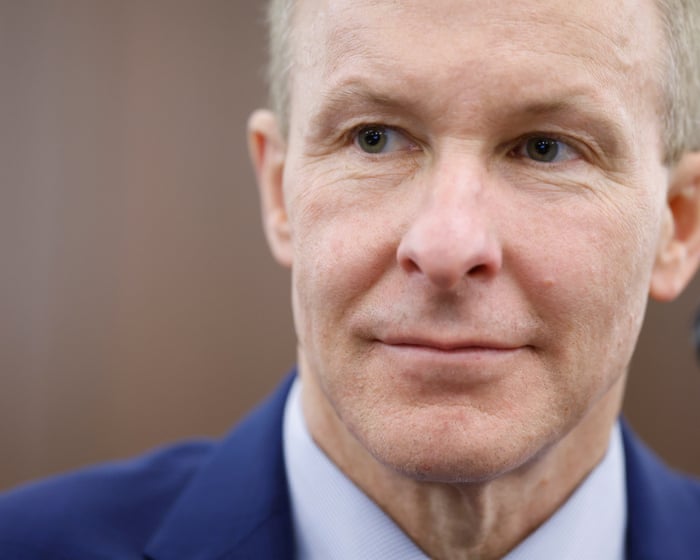
United Airlines CEO Scott Kirby said wealth inequality is a problem and called for a national wealth tax and high inheritance taxes. His comments sparked criticism from conservative figures, who pointed out his $32 million salary and urged him to share money with lower-paid employees. Kirby also discussed rising airline prices, explaining they reflect higher costs after pandemic lows.
Key Facts
Scott Kirby, CEO of United Airlines, supports a national wealth tax and near 100% inheritance taxes at some levels.
Kirby said a state-level wealth tax would not work because wealthy people could move states.
He stated he would personally pay these taxes.
Conservative politicians and commentators criticized Kirby, highlighting his $32 million salary.
Louisiana Governor Jeff Landry suggested Kirby should give his salary to lower-level employees.
Kirby said airline prices are higher than during the pandemic, which had unusually low prices due to reduced travel.
He explained that charges like $70 for aisle or window seats help cover costs and meet customer preferences.
Airline fares are still slightly lower than in 2019 when adjusted for inflation, despite recent price increases.
Read the Original
Want the full story? Tap a source to open the original
article.
A U.S. judge dismissed a lawsuit filed by Ann Altman against her brother Sam Altman, CEO of OpenAI, which accused him of sexual abuse years ago. The case was thrown out after Ann Altman failed to attend a court-ordered medical examination multiple times.
Key Facts
Ann Altman sued her brother Sam Altman, claiming abuse from 1997 to 2006.
Sam Altman denied the accusations.
The judge dismissed the case because Ann Altman did not attend an independent medical exam three times.
The judge said Ann Altman failed to properly continue her case, leading to dismissal “with prejudice,” meaning it cannot be filed again.
The Altman family said Ann Altman has mental health issues and receives financial and medical support from them.
The family stated the abuse claims changed over time and called them untrue.
The lawsuit was filed in January 2025 in the Eastern District of Missouri.
Sam Altman is the CEO of OpenAI, known for creating the ChatGPT AI chatbot.
Read the Original
Want the full story? Tap a source to open the original
article.
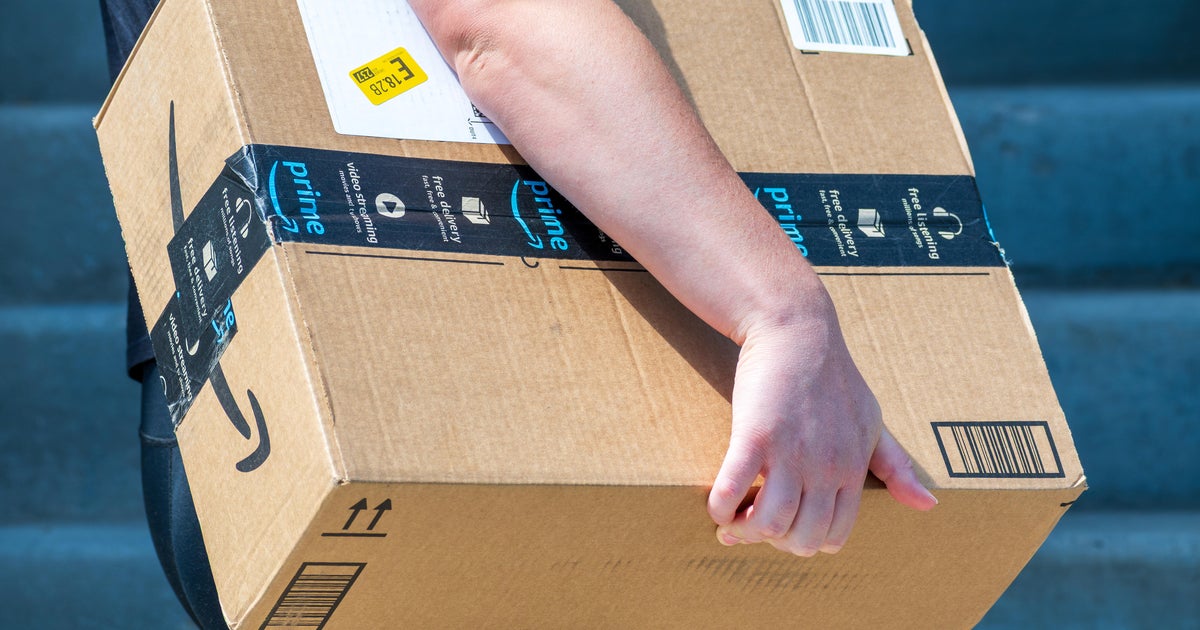
Amazon plans to hire 300,000 workers for the U.S. holiday season, which is 20% more than last year. The company recently raised its starting wage to $20 an hour for full-time workers and will offer healthcare benefits to seasonal workers starting in 2027.
Key Facts
Amazon will hire 300,000 seasonal, part-time, and full-time workers this holiday season.
This hiring number is 20% higher than the same period last year.
The average pay for full-time workers is about $24 per hour; seasonal workers earn about $20 per hour.
Starting wages for full-time workers were raised to $20 per hour in September.
Seasonal workers who work at least 30 hours weekly will get healthcare benefits starting in 2027.
Job openings will be posted from October through December.
Some specific job roles and locations include retail associates, warehouse associates, and equipment operators with pay ranging from $20.25 to $24.50 per hour plus signing bonuses in some places.
Holiday retail sales in the U.S. are expected to top $1 trillion this year, a record high.
Read the Original
Want the full story? Tap a source to open the original
article.
Elon Musk plans to give every child in America one share of SpaceX stock next year, worth about $146 each. This gift could total around $10.5 billion and make millions of young people shareholders in his company.
Key Facts
Elon Musk announced he will give every American child under 18 one share of SpaceX stock.
The share value is about $146, with around 72 million children eligible.
The total value of the gift could be about $10.5 billion.
This amount is roughly 1% of Musk’s total wealth.
The shares have not yet been distributed, only promised.
The gift might be given through government-backed investment accounts for children called Trump Accounts.
Musk’s announcement followed a rival company's promise to give shares to a public-benefit fund.
Receiving the shares does not mean children agree with Musk’s views or politics.
Read the Original
Want the full story? Tap a source to open the original
article.
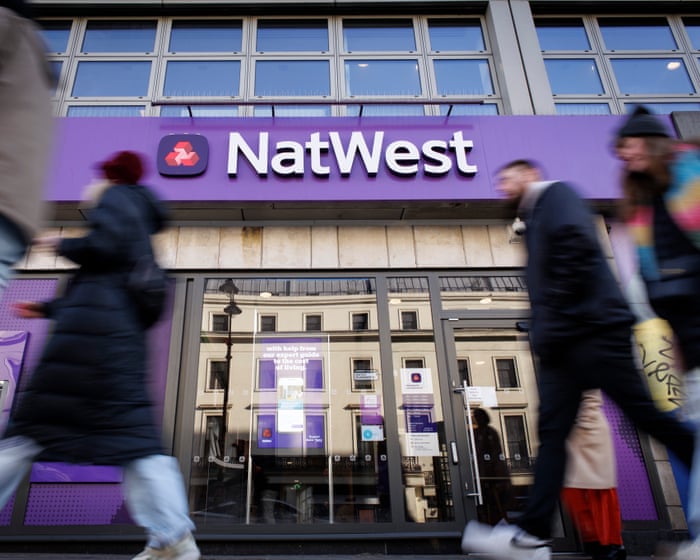
NatWest has told 13,000 employees to start working in the office two days every week instead of only two days per month. This rule will apply to almost 40,000 UK staff from February 2027. The bank says this will improve teamwork, but the staff union says it will cause extra costs and problems for workers.
Key Facts
NatWest wants nearly 40,000 UK staff to work two days a week in the office starting in February 2027.
Currently, about 13,000 staff only come to the office two days per month.
The union Unite says the change will increase financial pressure on employees and affect those with caring duties or disabilities.
Some staff, like traders and branch workers, already work four days a week in the office.
The bank says in-person work helps teams work better together and improves learning and relationship building.
Staff with hybrid schedules currently attend the office about six days per month.
Barclays, another bank, recently reduced its return-to-office plans after opposition from workers and Unite.
NatWest promises to support workers and give them time to adjust to the new office schedule.
Read the Original
Want the full story? Tap a source to open the original
article.
The article explains that growing a business by increasing sales is not enough to guarantee success. It warns that focusing only on growth can lead to higher costs, unhappy employees, and operational problems that hurt the business in the long run.
Key Facts
Businesses chasing higher revenue can face more costs and management challenges.
Growth often leads to hiring more workers and handling more transactions, which can increase mistakes.
Owners may focus on new sales while struggling to deliver existing orders.
A business relying on people to fix structural problems is not scalable or sustainable.
The author shares a personal experience where hiring external consultants caused employee resentment and morale issues.
Treating loyal employees poorly can lead to higher costs when replacing them and hurt trust.
Spending a lot to attract new customers while neglecting existing ones can cause cancellations and loss of trust.
Some successful owners choose to refuse extra business to maintain quality and profitability.
Read the Original
Want the full story? Tap a source to open the original
article.