The article discusses the political challenges facing climate-related rules set by the U.S. Securities and Exchange Commission (SEC). It notes that many Americans are more concerned about economic growth and healthcare costs than climate issues.
Key Facts
The SEC had proposed rules requiring companies to disclose information about climate risks.
There is opposition to these climate disclosure rules from some political groups.
Many Americans prioritize economic growth and healthcare over climate policies.
Climate warnings often predict serious problems within about ten years but have been ongoing for decades.
The article suggests the climate crisis narrative is losing support amid other pressing public concerns.
Read the Original
Want the full story? Tap a source to open the original
article.
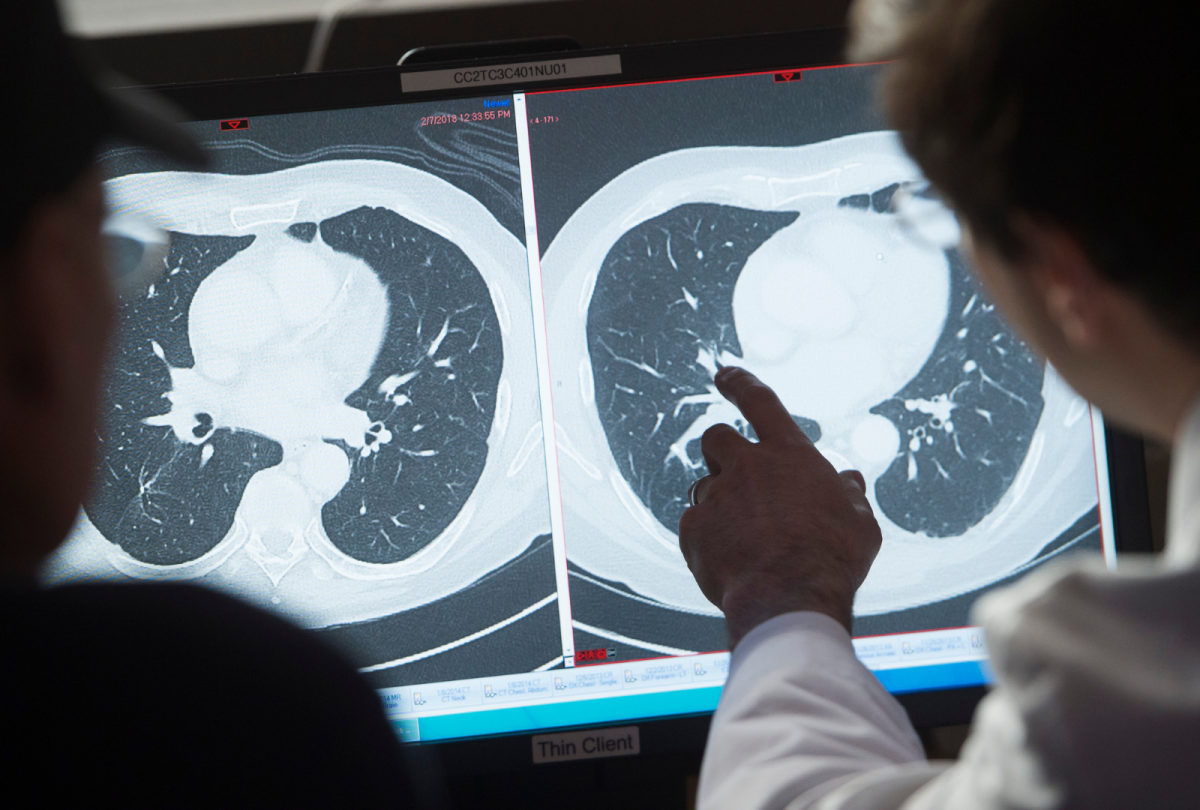
A recent ranking for cancer care shows that nonprofit specialized cancer hospitals in the U.S. are among the best in the country. These hospitals reinvest money into patient care, research, and new treatments, helping them lead in improving cancer treatment.
Key Facts
All 11 nonprofit cancer hospitals exempt from Medicare's payment rules rank in the top 75 for cancer care.
These nonprofit centers focus solely on cancer and do not aim to make profits for shareholders.
Money made by these hospitals goes back into research, patient care, and developing new treatments.
Nonprofit cancer centers often provide access to clinical trials with new therapies not available elsewhere.
General hospitals and academic medical centers also rank highly, showing quality cancer care is available broadly.
Experts say the nonprofit model allows hospitals to prioritize patient outcomes and scientific progress.
Specialized cancer centers focus their entire mission on cancer treatment, from research to supportive care.
The ranking was done by Newsweek and Statista based on performance and patient experience data.
Read the Original
Want the full story? Tap a source to open the original
article.
Disney’s Disneyland Paris has not recovered $4.2 billion of its investment since it opened in 1992, despite now being its best-performing park outside the U.S. The company recently completed a $2.5 billion expansion and reported strong revenue and profit growth, but the park’s long history includes significant debt and losses.
Key Facts
Disneyland Paris opened in 1992 and attracts about 16 million visitors yearly.
The site is large, covering 5,510 acres, nearly a fifth of the size of Paris.
Disney owns 100% of the resort now, after buying out public shareholders in 2017.
Euro Disney, the parent company, had a $4.2 billion deficit due to its large size and early loan financing.
The park’s revenue reached $4 billion for the year ending September 2025, up 8.4% thanks to dynamic pricing.
Euro Disney has only made a net profit 13 times since opening and faced losses totaling $3.7 billion.
The park struggled from high ticket prices, cultural differences, economic recessions, and terrorist attacks in Paris.
Since taking full ownership, Disney has worked to reduce debt and improve profitability.
Read the Original
Want the full story? Tap a source to open the original
article.
Scott Pelley, a longtime correspondent for 60 Minutes on CBS, was fired after he criticized CBS News leadership in a staff meeting. The new management, led by Bari Weiss, has made significant changes at CBS News, causing unrest among staff and concerns about the news program's direction.
Key Facts
Scott Pelley worked at CBS for over 30 years and was a key correspondent on 60 Minutes.
Pelley was fired “for cause” after openly criticizing CBS News management.
Bari Weiss, with no broadcast TV experience, was hired last year as the top editor of CBS News.
Weiss has made changes that some say damaged editorial independence and led to key reporters leaving.
Anderson Cooper chose not to renew his contract during this period of change.
Pelley accused new management of pushing political bias and falsehoods in stories.
Weiss is seen by critics as moving CBS News toward a right-leaning political stance.
Staff members applauded Pelley’s remarks during the meeting when he expressed his concerns.
Read the Original
Want the full story? Tap a source to open the original
article.
Doomspending is a new term for spending money carelessly without worrying about future financial problems. Many young people in the West, especially Generation Z and millennials, are spending more to cope with economic stress, as traditional saving plans no longer fit an inflation-heavy economy where big costs like housing have soared.
Key Facts
Doomspending means spending money irresponsibly because of worries about the future.
A Credit Karma survey in fall 2024 found 27% of Americans doomspend to relieve stress.
The number is higher among Gen Z (37%) and millennials (39%).
The idea links back to past discussions about millennials’ spending habits after the 2008 recession.
Inflation has made the dollar lose 30% value since Covid and much more since the 1990s.
Consumer goods have gotten cheaper, but expensive items like housing, healthcare, and education cost a lot more.
Young people now often spend instead of saving because saving seems less useful with rising costs and uncertain futures.
Gen Z has experienced economic challenges like job losses from AI and hopes for support such as universal basic income (UBI).
Read the Original
Want the full story? Tap a source to open the original
article.
Meta, the company behind Facebook and Instagram, criticized Australia’s new plan to make digital platforms pay news companies. Meta said the plan is unfair and might stop news outlets from changing how they do business to stay strong in the future.
Key Facts
Australia plans to make big digital platforms pay a fee based on their Australian revenue if they don’t pay news companies directly.
The fee would be 2.25% of revenue but could drop to about 1.5% if platforms make enough payment deals with news outlets.
Money from the fee will be shared among news companies depending on how many journalists they have.
The plan targets companies like Meta, Google, and TikTok, but not AI companies like OpenAI.
Meta says the plan protects news outlets from having to adapt and compete fairly.
Meta also claims the plan breaks trade rules between Australia and the US.
The Australian government expects the plan to raise around A$200-250 million (about US$143-178 million) to support local media.
Australia’s media has lost many jobs in recent years due to falling advertising money.
Read the Original
Want the full story? Tap a source to open the original
article.
The U.S. Department of Agriculture has confirmed that the New World screwworm fly, a parasite that harms cattle by eating flesh, has been found in South Texas for the first time in many years. This discovery signals a potential threat to the nation’s cattle industry.
Key Facts
The New World screwworm fly is known for causing damage by eating the flesh of animals.
This parasite has not been detected in Texas for several decades until now.
It was recently found in South Texas, according to the U.S. Department of Agriculture.
The screwworm poses a risk to cattle health and the cattle farming industry.
Detection of the parasite could lead to increased efforts to control and prevent its spread.
The cattle industry is important for the economy, especially in Texas and the U.S. overall.
USDA’s involvement signals government attention to manage the issue.
Read the Original
Want the full story? Tap a source to open the original
article.
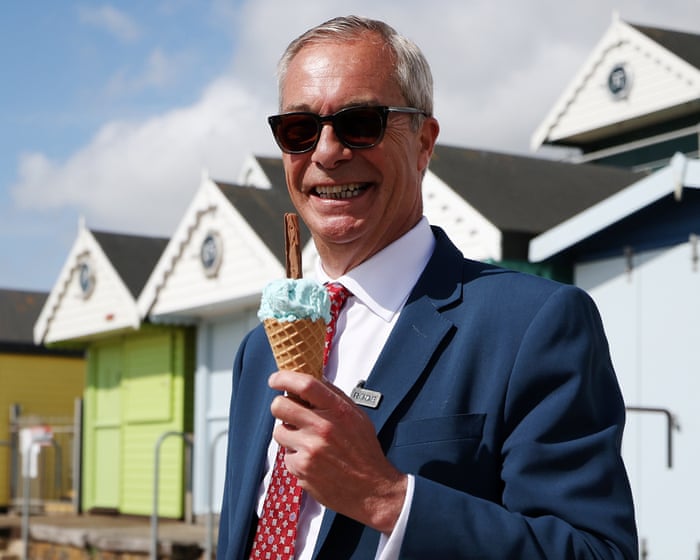
Reform UK raised about £9 million from private donations in the first three months of 2026, mostly from cryptocurrency billionaires. This total is more than double what the Labour and Conservative parties each raised during the same period. The donations have raised concerns about the influence of wealthy donors in UK politics.
Key Facts
Reform UK received £9 million in private donations from January to March 2026.
Two major donors were Christopher Harborne (£3 million) and Ben Delo (£4 million), both linked to cryptocurrency.
Harborne has given £15 million to Reform UK in the last year, while Delo is a new donor.
Labour and the Conservatives each raised about £4 million in private donations over the same period.
Other notable Reform UK donors include David Grainger (£1 million) and Navroz Udwadia.
The total private donations to UK political parties more than doubled compared to the previous year.
Critics say large donations from wealthy individuals may harm public trust in politics.
The UK government plans to limit overseas donations and ban donations made in cryptocurrency.
Read the Original
Want the full story? Tap a source to open the original
article.
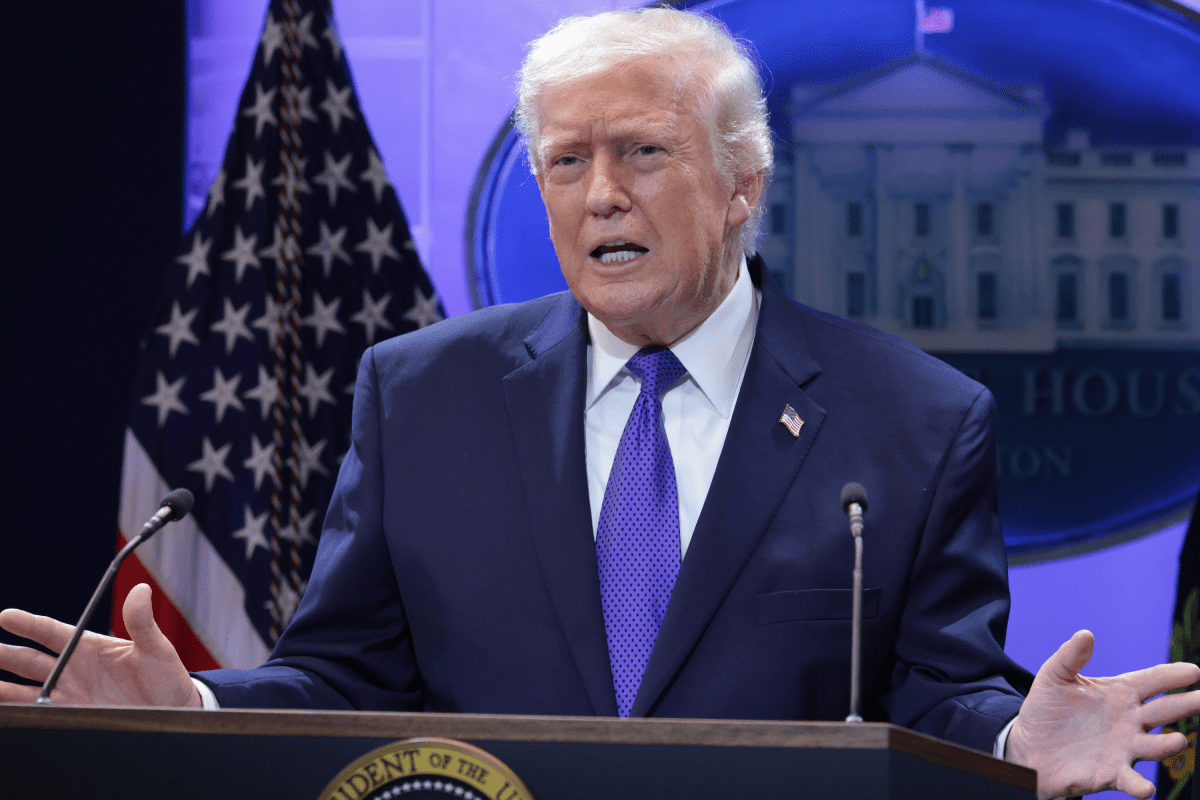
The U.S. government has collected about $340 billion from tariffs since President Trump introduced them. While tariffs encourage some companies to bring manufacturing back to the U.S., they also raise prices for American consumers, especially on products that cannot be made in the country.
Key Facts
President Trump introduced tariffs known as "Liberation Day tariffs" over a year ago.
These tariffs have generated roughly $340 billion in import duties for the U.S. government.
Tariffs can encourage companies to move factories back to the U.S. and boost domestic production.
A key U.S. industrial production measure recently reached its highest point since before the COVID pandemic.
Tariffs act like sales taxes on imported goods, making many products more expensive for consumers.
About two-thirds of Americans say tariffs have raised their cost of living.
Tariffs on products that cannot be made in America, like Swiss watches, Japanese knives, or French champagne, raise costs without creating U.S. jobs.
Swiss watchmakers, while producing in Switzerland, employ Americans in sales, technical support, and invest in U.S. communities, but tariffs reduce demand for these products and limit U.S. job growth in these roles.
Read the Original
Want the full story? Tap a source to open the original
article.
SpaceX plans to raise up to $75 billion in a stock market debut, which would make it the largest initial public offering (IPO) ever and value the company at $1.77 trillion. This could increase Elon Musk’s net worth, potentially making him the first trillionaire. The company is currently losing money but has big plans including using AI and space technologies.
Key Facts
SpaceX will offer 555,555,555 shares at $135 each in its IPO.
The IPO could raise $75 billion, surpassing the previous record of $26 billion by Saudi Aramco.
The company’s estimated market value after the IPO is $1.77 trillion.
Elon Musk will control 82.4% of voting power in SpaceX through his Class B shares.
Musk’s current net worth is about $826 billion; the IPO could raise this above $1 trillion.
SpaceX lost $2.6 billion in operations last year despite $18.7 billion in revenue.
SpaceX’s plans include building a human colony on Mars and expanding AI and space data services.
The company sees potential AI revenue of up to $26.5 trillion, though some AI projects are still in early stages.
Read the Original
Want the full story? Tap a source to open the original
article.
At the end of 2025, Americans held a record 33% of their total wealth in the stock market, higher than previous peaks in 2000 and 2021. Most of this stock market wealth is owned by the richest 10% of households, which affects the economy by increasing spending among the wealthy while many others do not benefit.
Key Facts
33% of total U.S. household wealth was in stocks by the end of 2025.
This share is higher than during the internet boom of 2000 (27%) and the meme stock mania of 2021 (~30%).
Household stock portfolios grew 18%, adding $10.31 trillion, to reach $67.77 trillion from 2024 to 2025.
The S&P 500 stock index rose about 10% in 2025, further boosting portfolio values.
The richest 10% of American households owned 87% of the total household stock wealth.
Most Americans (90%) have not benefited from the stock market gains.
Increased wealth among the rich is helping fuel economic growth through their higher spending.
Many people face shrinking savings and lower income power due to rising inflation despite the stock market gains.
Read the Original
Want the full story? Tap a source to open the original
article.
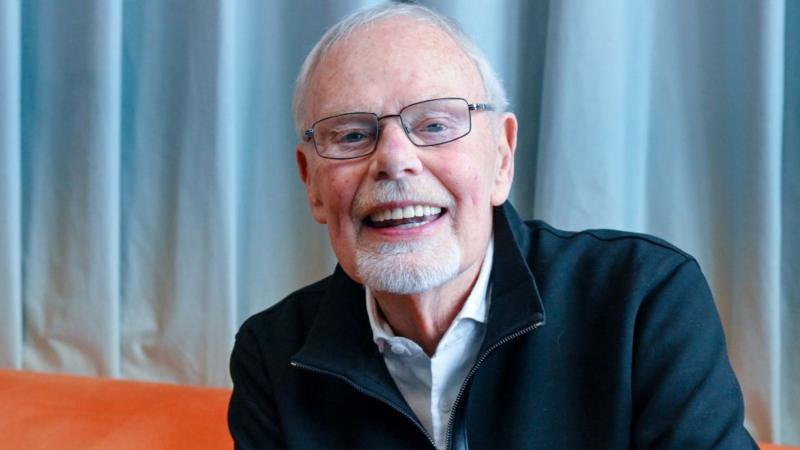
Bob Harris, a well-known BBC Radio 2 presenter, is stepping down from his shows after 56 years on air due to health problems related to prostate cancer that has spread to his spine. He expressed gratitude to his listeners and colleagues and said he will focus on his treatment and recovery.
Key Facts
Bob Harris started broadcasting for the BBC in 1970.
He has been on BBC Radio 2 since 1996, hosting the Country Show and Sounds of the 70s.
Harris revealed in 2024 that his prostate cancer has spread to his spine.
He began radiotherapy treatment and is focusing on getting better.
Harris started his career as a club DJ and co-founded Time Out magazine.
Colleagues Shaun Keaveny and Darius Rucker will continue hosting the shows during his treatment.
Radio 2's head praised Harris for his contributions and wished him well.
Harris thanked his family and listeners for their support during his illness.
Read the Original
Want the full story? Tap a source to open the original
article.
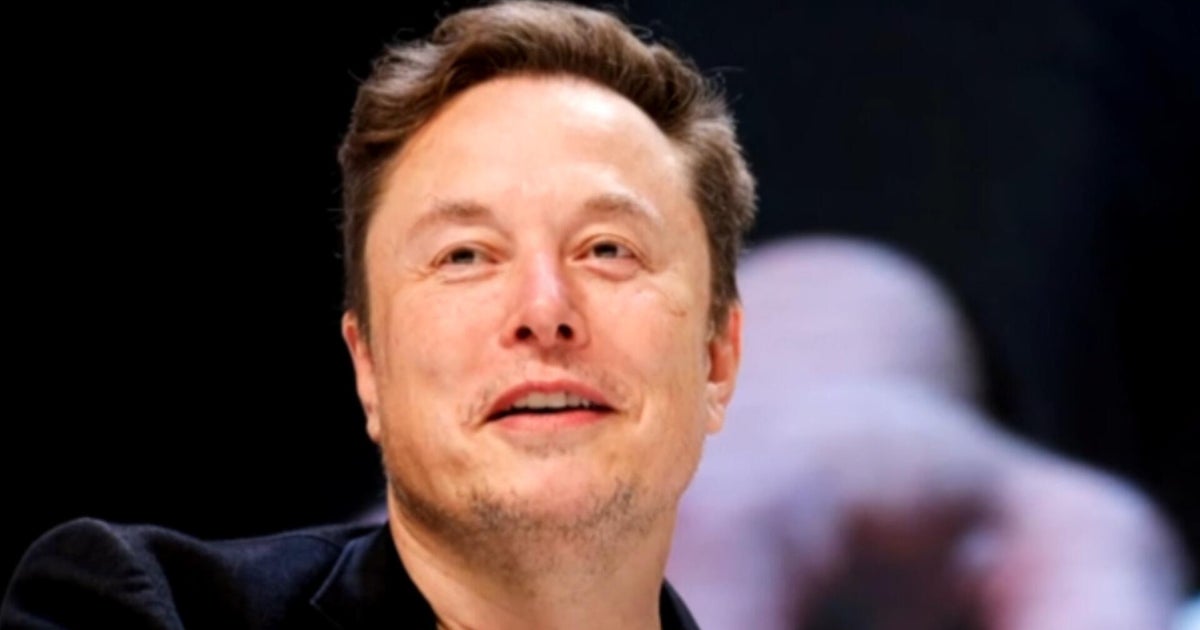
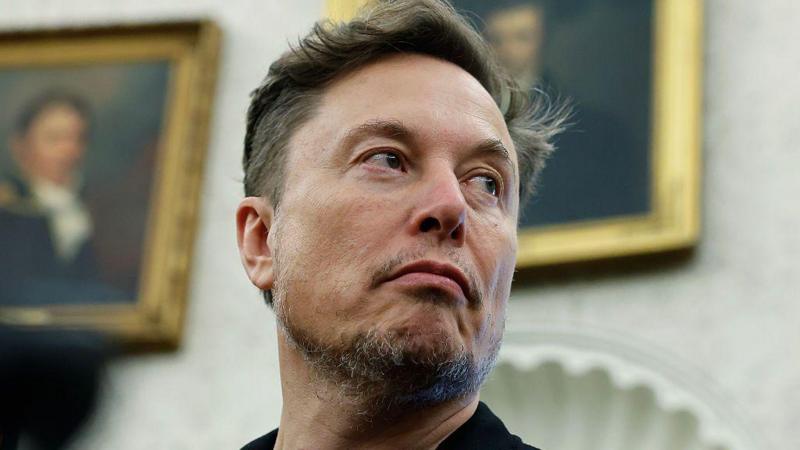
Elon Musk is a billionaire entrepreneur who leads companies like Tesla, SpaceX, and X (formerly Twitter). He became the first person to have a net worth over $500 billion in 2025, and his wealth could grow if SpaceX goes public.
Key Facts
Elon Musk runs Tesla (electric cars), SpaceX (rockets and space tech), and X (social media).
In October 2025, Musk’s net worth exceeded $500 billion for the first time.
Tesla shareholders approved a pay deal for Musk that could be worth $1 trillion.
SpaceX’s planned public offering could increase Musk’s wealth to about $1 trillion.
Musk also leads Neuralink, which works on brain chip technology, and xAI, an artificial intelligence company.
He is known for sharing strong opinions on social media about many topics, including politics.
Musk played a significant role in the 2024 U.S. presidential election and later had a public conflict with President Trump.
Musk was born in South Africa and moved to the U.S. for college, studying economics and physics.
He built his fortune from early internet ventures, including PayPal, and then focused on Tesla and SpaceX.
Musk acquired Twitter in 2022, renamed it X, made large layoffs, and changed its business model by adding paid subscriptions.
Read the Original
Want the full story? Tap a source to open the original
article.
Georgia’s temporary gas tax break ended on June 2, causing fuel prices in the state to rise by about 33 cents per gallon. Although U.S. gas prices have started to fall, overall fuel costs remain high due to ongoing global energy issues.
Key Facts
Georgia drivers will pay more at the pump after the state’s gas tax holiday expired on June 2.
The tax break had lowered gas prices by approximately 33 cents per gallon.
Governor Brian Kemp extended the suspension for two weeks to cover Memorial Day, but chose not to extend it further.
The national average price for regular gasoline was about $4.26 per gallon on June 3.
Georgia’s gas prices have been lower than the national average, around $3.79 per gallon recently.
Fuel prices remain higher than before the Iran war increased tensions and disrupted energy supplies.
Analysts say it may take until late 2026 or early 2027 for production and trade to return to normal.
Ongoing supply disruptions and market uncertainty continue to keep fuel prices elevated.
Read the Original
Want the full story? Tap a source to open the original
article.
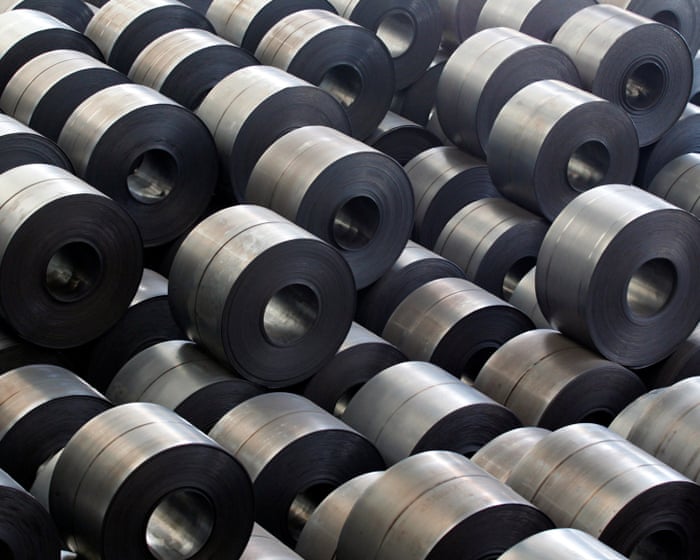
The UK government plans to cut tariff-free imports of steel by 60% starting July 1, while the EU plans to reduce similar imports by 50%. Both sides are concerned this will harm their steel industries, which rely on trade with each other and face competition from China. UK and EU officials are meeting to discuss these new import quotas and try to reduce tensions.
Key Facts
The UK will reduce tariff-free steel imports from non-EU countries by 60% from July 1, 2024.
The EU will cut its tariff-free steel imports by 50% from non-EU countries on the same date.
These moves are meant to protect domestic steel industries from cheaper steel imports, especially from China.
The UK and EU previously had a unified system, but after Brexit, the UK must set its own quotas.
The European Steel Association says UK limits on EU steel imports are extremely low, cutting some product exports by up to 80%.
UK and EU steel industries worry that these import limits will cause economic harm to both sides.
Talks are scheduled between UK Business Secretary Peter Kyle and EU Trade Commissioner Maroš Šefčovič to address these disputes.
There is hope to reach a better deal, but the US is not currently involved in helping UK-EU cooperation on steel trade.
Read the Original
Want the full story? Tap a source to open the original
article.
A parasitic fly called the New World screwworm has been found in a young calf in Texas, near the Mexico border. Officials have set up a quarantine to stop the spread and say the fly poses a risk to cattle but not to the safety of beef food products.
Key Facts
The New World screwworm is a fly that lays larvae which feed on warm-blooded animals, harming them.
The infected calf was three weeks old and found in La Pryor, Texas, about 50 miles from the Mexico border.
A 12-mile quarantine zone was created to limit movement of animals in and out without inspection.
Officials have not found any other cases of the screwworm in the U.S. so far.
If treated, infected animals can recover from the larvae infestation.
The screwworm threatens livestock but does not infect meat or food products.
U.S. cattle numbers are currently at a low level, causing high beef prices.
A screwworm outbreak could further reduce cattle supply and increase beef prices.
Read the Original
Want the full story? Tap a source to open the original
article.
Several major artificial intelligence (AI) companies are preparing to sell shares to the public through initial public offerings (IPOs), aiming to raise large amounts of money to fund AI development. Companies like SpaceX, Anthropic, and OpenAI have very high valuations and are competing to lead the future of AI technology.
Key Facts
SpaceX, led by Elon Musk, merged with Musk’s AI company xAI, raising its valuation from $800 billion to $1.25 trillion.
SpaceX plans one of the largest IPOs ever, aiming to raise up to $75 billion despite losing billions annually.
xAI, which created the Grok chatbot, lost $6.4 billion in operations last year.
Anthropic, created by former OpenAI leaders, is valued at $965 billion and filed confidentially for an IPO.
Anthropic makes about $47 billion annually by selling its AI technology, including the Claude chatbot.
OpenAI, the maker of ChatGPT, is valued at $852 billion and plans an IPO possibly this fall.
Experts worry there may be too much money flowing into AI companies given that AI technology is still developing.
The AI market enthusiasm has helped push the stock market to record highs.
Read the Original
Want the full story? Tap a source to open the original
article.
The Lifetime ISA (LISA) was created to help people save money for retirement or to buy their first home costing up to £450,000. However, many people in London find the property price limit too low for the housing market, forcing them to withdraw savings early and lose money due to penalties.
Key Facts
The LISA allows first-time buyers to save £4,000 a year and get a 25% government bonus.
Withdrawals made before age 60 for reasons other than buying a home incur a 6.25% financial penalty.
The average first-time buyer in London spends about £463,000, which is above the LISA property price cap of £450,000.
Analysis showed that many London boroughs have average home prices exceeding £450,000, making the scheme less useful there.
More people are making unauthorized withdrawals (with penalties) than authorized ones to buy homes.
Some savers, like Fraser Glen and Sophie Bauer, had to withdraw funds early and lost thousands due to the penalty.
Others, like Calvin Kern, face high prices and penalties that make it harder to save for a home in London.
Critics say the scheme may encourage young people to move outside London or lose money withdrawing early.
Read the Original
Want the full story? Tap a source to open the original
article.
The widow of Luke Ashton, who died after losing £18,000 due to gambling, has started a legal case against Betfair. The family claims Betfair failed to protect him despite signs of his gambling problem, which could create new rules for gambling companies in the UK.
Key Facts
Luke Ashton, from Leicester, died in 2021 after losing large amounts of money gambling with Betfair.
His family claims Betfair was negligent by not stopping his losses or helping him.
Betfair denies responsibility, saying Ashton did not tell them about his gambling disorder.
Ashton lost £21,777 over three years and placed over 1,000 bets in one month in 2021.
He used self-exclusion options but returned to gambling when they ended.
The family is seeking £846,478 in damages, including lost future earnings.
A 2023 inquest criticized Betfair for not doing more to intervene in Ashton's gambling.
If successful, this case could lead to more claims against UK gambling companies.
Read the Original
Want the full story? Tap a source to open the original
article.
Indonesia’s currency, the rupiah, has fallen to its weakest level ever against the US dollar, reaching 18,028 rupiah per dollar. This drop happened because of rising oil prices linked to conflicts in the Middle East and reduced trade profits, despite efforts by Indonesia’s central bank to support the currency.
Key Facts
The rupiah crossed the 18,000 level against the US dollar for the first time.
Rising energy costs due to conflicts involving the US, Israel, and Iran have hurt Indonesia’s economy.
Indonesia imports more oil than it exports, so higher oil prices put extra pressure on its currency.
Indonesia's trade surplus dropped sharply from $3.3 billion to $89 million in just one month.
The central bank raised interest rates by 0.5 percentage points to 5.25% to stabilize the currency.
The central bank also tightened rules on buying US dollars, requiring documents for purchases over $25,000.
The US plans to add import taxes on some goods from Indonesia, Malaysia, and Singapore related to forced labor concerns.
Despite intervention, the rupiah’s value continues to weaken due to strong demand for dollars and a narrow trade surplus.
Read the Original
Want the full story? Tap a source to open the original
article.