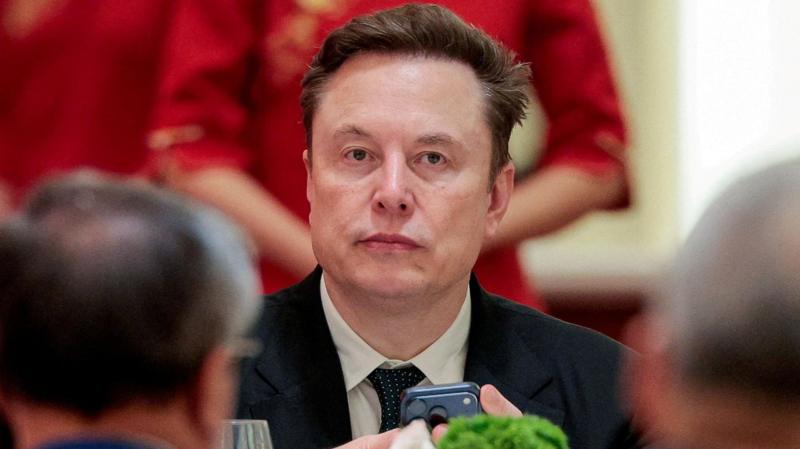
Several major artificial intelligence (AI) companies are preparing to sell shares to the public through initial public offerings (IPOs), aiming to raise large amounts of money to fund AI development. Companies like SpaceX, Anthropic, and OpenAI have very high valuations and are competing to lead the future of AI technology.
Key Facts
SpaceX, led by Elon Musk, merged with Musk’s AI company xAI, raising its valuation from $800 billion to $1.25 trillion.
SpaceX plans one of the largest IPOs ever, aiming to raise up to $75 billion despite losing billions annually.
xAI, which created the Grok chatbot, lost $6.4 billion in operations last year.
Anthropic, created by former OpenAI leaders, is valued at $965 billion and filed confidentially for an IPO.
Anthropic makes about $47 billion annually by selling its AI technology, including the Claude chatbot.
OpenAI, the maker of ChatGPT, is valued at $852 billion and plans an IPO possibly this fall.
Experts worry there may be too much money flowing into AI companies given that AI technology is still developing.
The AI market enthusiasm has helped push the stock market to record highs.
Read the Original
Want the full story? Tap a source to open the original
article.
The Lifetime ISA (LISA) was created to help people save money for retirement or to buy their first home costing up to £450,000. However, many people in London find the property price limit too low for the housing market, forcing them to withdraw savings early and lose money due to penalties.
Key Facts
The LISA allows first-time buyers to save £4,000 a year and get a 25% government bonus.
Withdrawals made before age 60 for reasons other than buying a home incur a 6.25% financial penalty.
The average first-time buyer in London spends about £463,000, which is above the LISA property price cap of £450,000.
Analysis showed that many London boroughs have average home prices exceeding £450,000, making the scheme less useful there.
More people are making unauthorized withdrawals (with penalties) than authorized ones to buy homes.
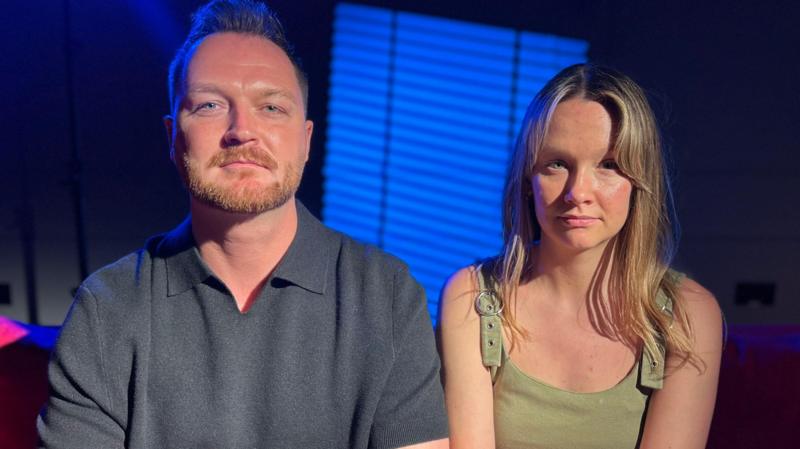
Some savers, like Fraser Glen and Sophie Bauer, had to withdraw funds early and lost thousands due to the penalty.
Others, like Calvin Kern, face high prices and penalties that make it harder to save for a home in London.
Critics say the scheme may encourage young people to move outside London or lose money withdrawing early.
Read the Original
Want the full story? Tap a source to open the original
article.
The widow of Luke Ashton, who died after losing £18,000 due to gambling, has started a legal case against Betfair. The family claims Betfair failed to protect him despite signs of his gambling problem, which could create new rules for gambling companies in the UK.
Key Facts
Luke Ashton, from Leicester, died in 2021 after losing large amounts of money gambling with Betfair.
His family claims Betfair was negligent by not stopping his losses or helping him.
Betfair denies responsibility, saying Ashton did not tell them about his gambling disorder.
Ashton lost £21,777 over three years and placed over 1,000 bets in one month in 2021.
He used self-exclusion options but returned to gambling when they ended.
The family is seeking £846,478 in damages, including lost future earnings.
A 2023 inquest criticized Betfair for not doing more to intervene in Ashton's gambling.
If successful, this case could lead to more claims against UK gambling companies.
Read the Original
Want the full story? Tap a source to open the original
article.
Indonesia’s currency, the rupiah, has fallen to its weakest level ever against the US dollar, reaching 18,028 rupiah per dollar. This drop happened because of rising oil prices linked to conflicts in the Middle East and reduced trade profits, despite efforts by Indonesia’s central bank to support the currency.
Key Facts
The rupiah crossed the 18,000 level against the US dollar for the first time.
Rising energy costs due to conflicts involving the US, Israel, and Iran have hurt Indonesia’s economy.
Indonesia imports more oil than it exports, so higher oil prices put extra pressure on its currency.
Indonesia's trade surplus dropped sharply from $3.3 billion to $89 million in just one month.
The central bank raised interest rates by 0.5 percentage points to 5.25% to stabilize the currency.
The central bank also tightened rules on buying US dollars, requiring documents for purchases over $25,000.
The US plans to add import taxes on some goods from Indonesia, Malaysia, and Singapore related to forced labor concerns.
Despite intervention, the rupiah’s value continues to weaken due to strong demand for dollars and a narrow trade surplus.
Read the Original
Want the full story? Tap a source to open the original
article.
Edinburgh’s festivals plan to create one joint box office for all 11 events to make buying tickets easier and use customer data better. They hope this will increase ticket sales, attract sponsors, and help cope with cuts in public funding. While most festivals discuss a shared system, the Edinburgh Festival Fringe is also developing its own ticketing app.
Key Facts
Edinburgh hosts 11 major festivals, selling nearly 4 million tickets in 2024.
Festival leaders want a single box office and ticketing app for all events.
A unified system could help attract sponsors like Mastercard and increase revenue.
The Edinburgh Festival Fringe, the largest of the festivals, is creating a separate app.
Rising costs and a new 5% hotel visitor tax in Edinburgh are reducing attendance and ticket sales.
The Scottish government has pledged £200 million for arts over three years but faces budget cuts by 2030.
Festival organizers hold a large amount of customer data (“data lake”) they want to use better.
Talks are ongoing with VisitScotland, Creative Scotland, and Edinburgh council for support.
Read the Original
Want the full story? Tap a source to open the original
article.
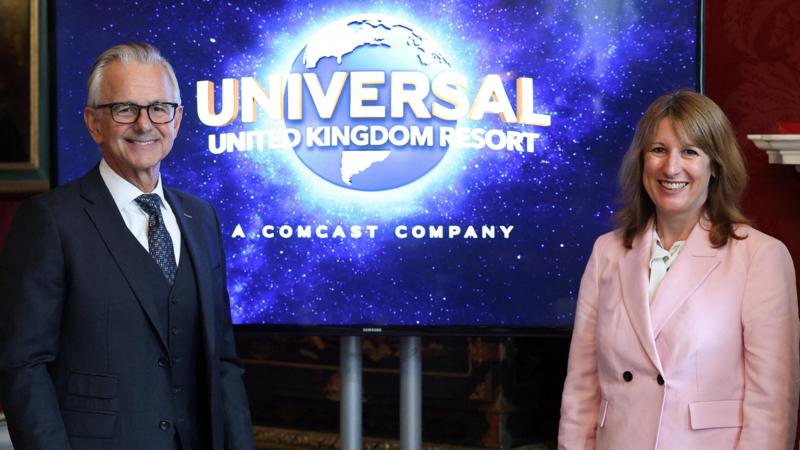
The UK government is investing £1.3 billion to improve roads, rail, and community facilities to support the new Universal UK theme park planned to open in 2031 in Bedfordshire. This investment aims to create 28,000 jobs and boost economic growth by attracting visitors and encouraging private investment.
Key Facts
The government is spending £1.3 billion on infrastructure for the Universal UK Resort.
£474 million is for upgrading the A421 road and building a larger Wixams railway station.
The railway station will expand from two to four platforms to handle more tourists.
The project expects 28,000 jobs from construction and operations combined.
Universal is investing £6 billion overall and says this will be its only park in Europe.
The government grant money will be paid only after the infrastructure is built and the park opens.
Local concerns include the impact on water supply and competition for small businesses.
The government plans to build more reservoirs and Universal will invest in sustainable energy for the site.
Read the Original
Want the full story? Tap a source to open the original
article.
SpaceX, Elon Musk’s rocket company, plans to raise about $75 billion in its initial public offering (IPO) with a valuation of $1.77 trillion. This would make SpaceX one of the largest companies by market value, surpassing Tesla and Meta, even though it currently operates at a loss.
Key Facts
SpaceX aims to sell 555.6 million shares at $135 each in its IPO.
The company’s estimated valuation at IPO is $1.77 trillion.
This valuation would place SpaceX as the seventh-largest company by market value worldwide.
Elon Musk owns roughly 42% of SpaceX and will keep over 82% of voting rights through special stock classes.
SpaceX plans to list on the Nasdaq stock exchange on June 12.
The company reported a net loss of $4.9 billion in 2025 and $4.3 billion loss in the first quarter of 2026.
SpaceX’s valuation is based on future growth potential, especially in space travel, satellite internet, and AI, rather than current profits.
Investors are optimistic, pricing SpaceX’s value up to $2.2 trillion on the first day of trading.
Read the Original
Want the full story? Tap a source to open the original
article.
The New York Federal Reserve Bank reported that rising unemployment among young college graduates may be linked to the increase in remote work since 2020. The bank used census data to show a 20% rise in joblessness for workers under 29 years old.
Key Facts
Youth unemployment rates have increased since the 2020 pandemic.
The New York Federal Reserve Bank analyzed this trend.
Remote work has become more common since 2020.
Census data shows a 20% increase in unemployment for college graduates under 29.
The increase in joblessness may be connected to remote work opportunities.
The report was published on a Monday by the regional Fed bank.
Younger workers may be having more difficulty entering the labor force because of these changes.
Read the Original
Want the full story? Tap a source to open the original
article.
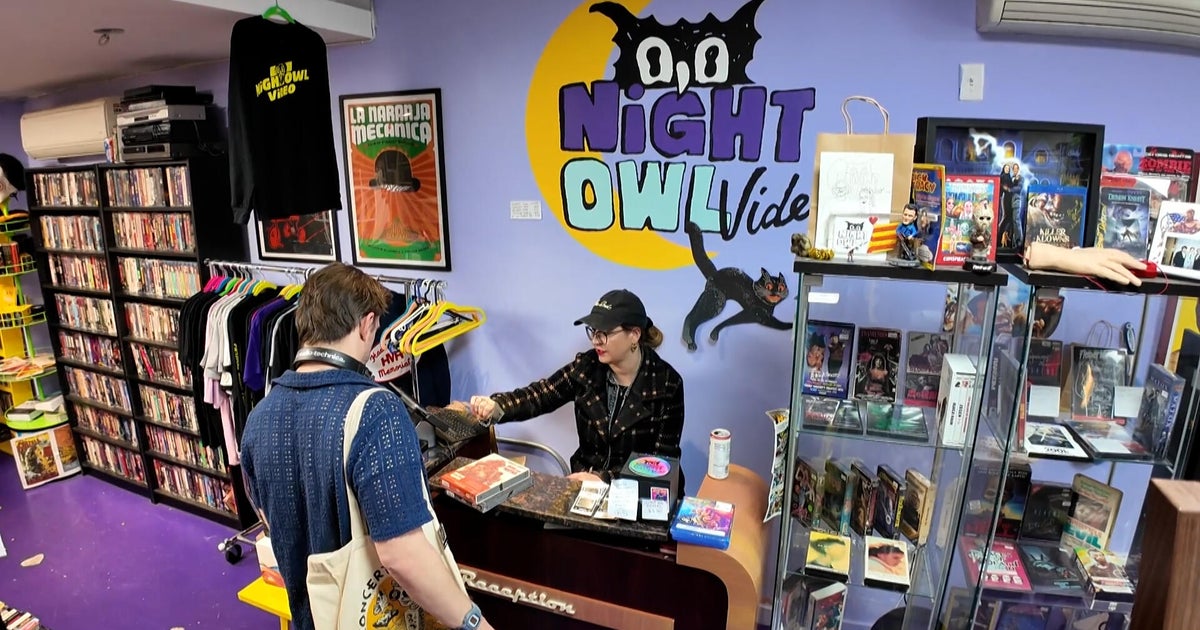
A video store in Brooklyn is seeing more customers interested in old formats like VHS tapes and DVDs. People are choosing to browse physical shelves in the store instead of relying on online suggestions.
Key Facts
The video store is located in Brooklyn.
It sells movies on VHS tapes and DVDs.
These older formats are becoming popular again.
New customers include younger people who didn’t grow up with VHS.
Shoppers prefer looking at physical movies rather than using online algorithms.
The store is benefiting from this renewed interest in physical media.
This trend shows a shift from digital to more traditional ways of finding movies.
Read the Original
Want the full story? Tap a source to open the original
article.
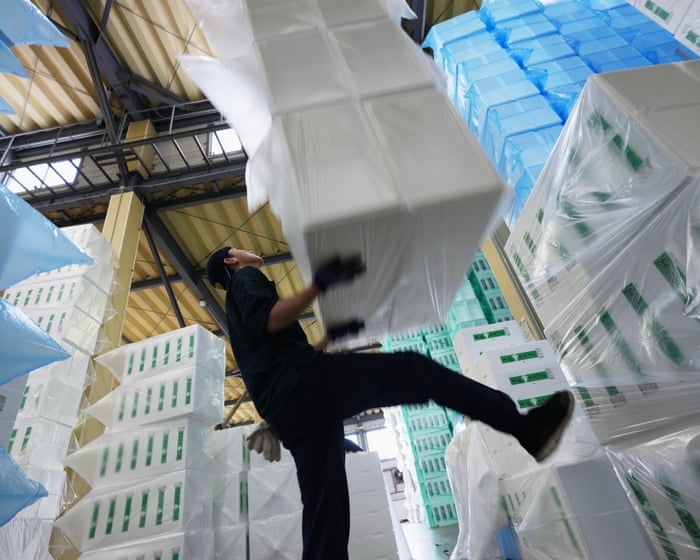
Japan is facing shortages of plastic bags, trays, and gloves because of a supply problem with naphtha, a key ingredient used to make many plastics. This shortage is linked to the war in the Middle East disrupting Japan’s main source of crude oil, which is used to produce naphtha.
Key Facts
Plastic bags, trays, and gloves are running low in Japanese supermarkets, bakeries, and other food businesses.
Naphtha is a chemical made from crude oil and is used to produce many plastic items.
Japan gets most of its crude oil from the Middle East, where a war is causing supply disruptions.
Production of polyethylene, a plastic used in bags, dropped by 62% in March compared to the previous year.
The Japanese government says the problem is a temporary supply "bottleneck," but industry experts expect the shortage to worsen in June.
Some stores are encouraging customers to bring their own containers and are offering rewards for doing so.
Waste management systems that require specific plastic bags are also affected, leading some cities to allow different bags or limit sales.
Other East Asian countries, like South Korea, are experiencing similar shortages and have put purchase limits on plastic bags.
Read the Original
Want the full story? Tap a source to open the original
article.
Liam Wildish started sharing videos of himself cleaning signs on social media nine years ago to promote his window cleaning business. His videos became very popular and now cleaning signs is a full-time job for him as an online personality.
Key Facts
Liam Wildish began posting sign-cleaning videos to promote his window cleaning business.
This started about nine years ago.
The videos gained a large following on social media.
The sign-cleaning videos helped him build an internet identity.
Wildish now works full-time as a content creator focused on cleaning signs.
The story was reported by Tina Kraus for CBS News.
Read the Original
Want the full story? Tap a source to open the original
article.
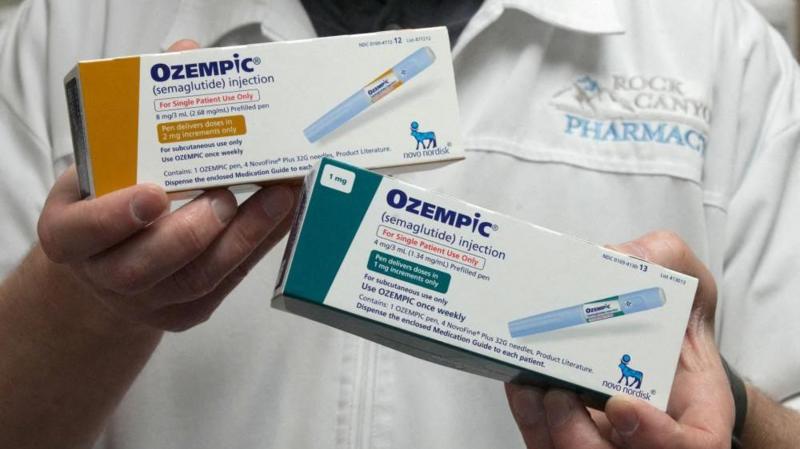
Canada recently approved generic versions of the diabetes and weight-loss drug Ozempic, making it the first G7 country to do so. This has led to much lower prices in Canada, while in the US, cheap generic versions are not expected for several more years due to patent protections.
Key Facts
Canada approved generic semaglutide (the active ingredient in Ozempic) in May, with generics expected in pharmacies by June.
The generics will cost less than one-third of the price of the brand-name drugs.
Ozempic and Wegovy are popular drugs used for type 2 diabetes and weight loss; Wegovy is prescribed off-label for weight loss.
In the US, Ozempic costs over $1,000 per month for uninsured patients, and low-cost generics are not expected until about 2032.
Canada’s approval follows India’s earlier approval of many low-cost generic versions, which caused price cuts by Novo Nordisk there.
Two companies have generic semaglutide approved in Canada: Dr Reddy’s (India-based) and Apotex (Canadian).
Dr Reddy’s has applied for generic approval in over 80 countries but not the US, UK, or Europe.
Patent laws in the US and Europe allow drug makers to extend monopolies to delay generic competition, which affects when generics become available.
Read the Original
Want the full story? Tap a source to open the original
article.
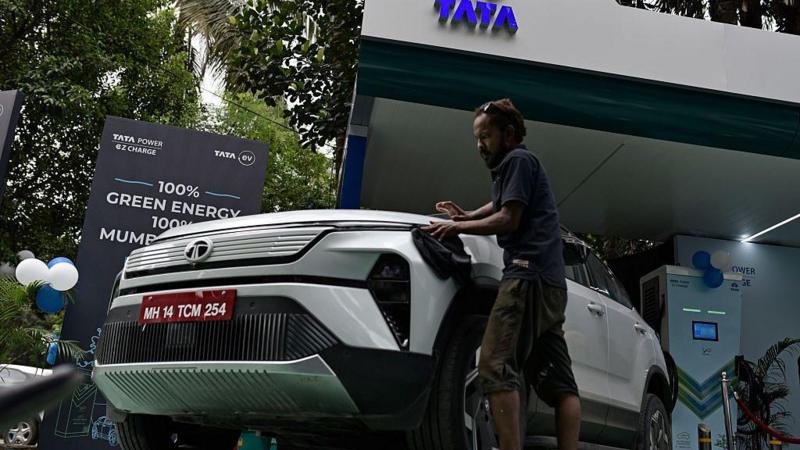
The market for electric vehicles (EVs) in India is growing quickly as fuel prices rise due to increased crude oil costs and the Middle East conflict. New government rules and more affordable EV models are expected to boost electric car sales further, but challenges like limited charging stations remain.
Key Facts
Electric car sales in India grew 25% in the year ending March 2026, with EVs reaching over 5% of passenger vehicle sales.
Larger electric cars priced above one million rupees now make up about 10% of sales in that segment.
Rising fuel prices, caused by India importing nearly 90% of its oil and crude prices jumping 50%, have increased interest in EVs.
New government rules (CAFE-3) starting in April 2026 will tighten emission targets and impose penalties, encouraging manufacturers to sell more EVs.
Some cities like Delhi plan to ban new registrations of gasoline and diesel two- and three-wheelers by 2027.
New cheaper EV models and more vehicle launches are expected to boost demand in the coming years.
India’s EV adoption lags behind countries like China (53.3%), the EU (20%), and the US (8%).
A key challenge is the lack of public charging stations, which have only grown from 2,000 to a still limited number recently.
Read the Original
Want the full story? Tap a source to open the original
article.
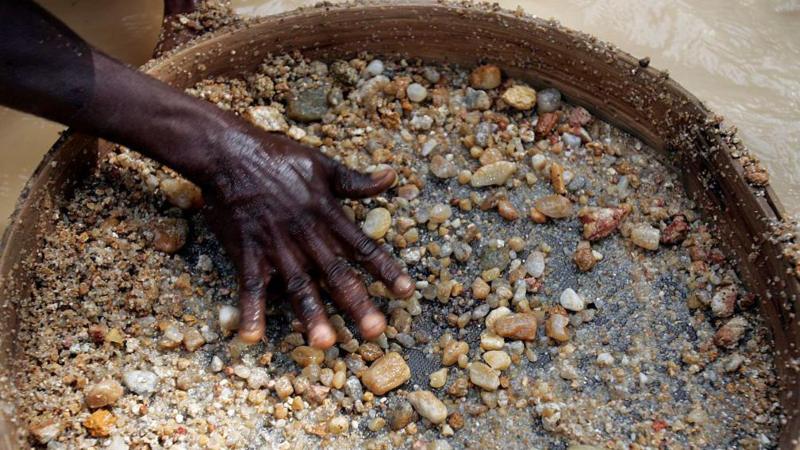
The price of natural diamonds has fallen sharply due to the rise of cheaper lab-grown diamonds. This drop has hurt diamond mining in Sierra Leone, where the country’s largest diamond mine recently shut down, leading to job losses and more informal mining.
Key Facts
Sierra Leone's biggest diamond mine, Koidu Holdings, closed last year after a pay dispute and security concerns.
The price of natural polished diamonds has dropped about 40% in the last four years.
Lab-grown diamonds are made in factories, mainly in India and China, and cost up to 70% less than mined diamonds.
Lab-grown diamonds have the same chemical makeup as natural diamonds but are manufactured using technology called HPHT and CVD.
Smaller informal diamond mining has increased in Sierra Leone since the big mine closure, but finding diamonds is very hard and income is uncertain.
Diamond mining has a long history in Sierra Leone, including its role in a violent civil war during the 1990s and early 2000s.
The Kimberley Process was created in 2003 to stop “conflict diamonds” from entering the market, but industry reputation remains damaged.
Local people in Kono, the diamond region, say diamonds have not brought the expected economic benefits to their communities.
Read the Original
Want the full story? Tap a source to open the original
article.
The rise of lab-grown diamonds has led to a big drop in prices for natural mined diamonds, causing economic problems for diamond miners in Sierra Leone. The country's largest diamond mine closed last year, and many miners now work informally with little success.
Key Facts
Prices for natural polished diamonds have fallen about 40% in the last four years.
Lab-grown diamonds are made in factories and cost up to 70% less than natural ones.
These man-made diamonds are chemically and physically the same as natural diamonds.
Sierra Leone’s biggest diamond mine, Koidu Holdings, closed last year after a pay dispute and market pressures.
Informal small-scale mining has increased in Sierra Leone’s Kono region despite poor chances of finding diamonds.
Diamond mining has been a major part of Kono's economy since the 1930s.
The Kono region suffered greatly during Sierra Leone’s civil war, largely driven by diamond conflict.
The Kimberley Process, started in 2003, is an international plan to stop conflict diamonds from being sold.
Read the Original
Want the full story? Tap a source to open the original
article.
SpaceX plans to raise about $75 billion by selling shares in a stock market debut next week, which would be the largest ever initial public offering (IPO). If successful, the company would be valued at $1.77 trillion, and Elon Musk could become the first trillionaire.
Key Facts
SpaceX will sell 555.6 million shares at $135 each in its IPO.
The company's market value would reach $1.77 trillion after the IPO.
Elon Musk will keep 82.4% of the voting power and is not selling his shares.
SpaceX was founded in 2002 and works on rockets, satellites, and artificial intelligence.
NASA relies on SpaceX rockets for most of its launches.
SpaceX recently acquired Musk’s AI company xAI to support solar-powered infrastructure for AI.
The IPO involves 23 banks, including Goldman Sachs as lead bank and others like JP Morgan and Morgan Stanley.
Investors and pension funds are expected to be exposed to SpaceX stock due to its large size in the S&P 500 index.
Read the Original
Want the full story? Tap a source to open the original
article.
SpaceX has valued itself at $1.75 trillion in a document filed with U.S. regulators ahead of its planned stock market debut. The company expects its shares to start trading on Nasdaq on June 12, with an estimated price of $135 per share, which would make it one of the most valuable companies worldwide.
Key Facts
SpaceX values itself at $1.75 trillion, up from $1.25 trillion earlier this year.
The company plans to start trading on the Nasdaq stock exchange on June 12.
SpaceX set an estimated share price of $135 well before the stock market debut, which is unusual.
Elon Musk owns more than 80% of SpaceX's stock holdings.
If shares sell at $135 or higher, SpaceX will rank among the world’s most valuable companies, and Musk could become a trillionaire.
Many companies that go public see their value drop after their initial stock offering.
SpaceX’s valuation is based on expected future earnings rather than current sales.
The company runs many projects including rockets, xAI, and Starlink internet services.
Read the Original
Want the full story? Tap a source to open the original
article.
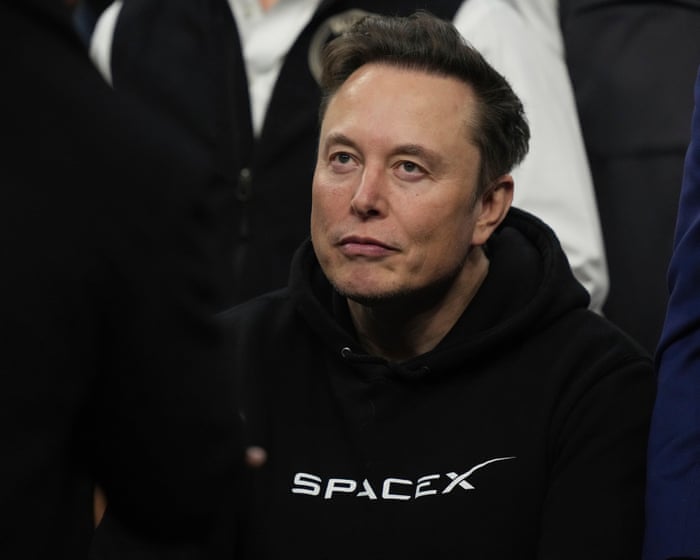
SpaceX plans to sell shares to the public this month, aiming to raise up to $75 billion. This would make it the biggest stock market debut ever and value the company at about $1.77 trillion, potentially making Elon Musk the world’s first trillionaire.
Key Facts
SpaceX will offer 555.6 million shares at $135 each in its public stock sale.
The company’s estimated market value after the sale is $1.77 trillion.
Only six companies in the S&P 500 have a higher value, with Nvidia valued at $5.2 trillion.
Elon Musk is the CEO, chief technical officer, and chairman of SpaceX.
Musk owns 5.22 billion Class B shares, which each have 10 votes, giving him 82.4% of the voting power.
The IPO would be the largest ever for any company.
The public offering is planned to happen this month.
Read the Original
Want the full story? Tap a source to open the original
article.
SpaceX plans to raise up to $75 billion by selling shares in its initial public offering (IPO), which would make it the largest IPO ever. This move could increase Elon Musk’s wealth, potentially making him the world’s first trillionaire, as he holds the majority voting power in the company.
Key Facts
SpaceX will sell 555.6 million shares at $135 each in its IPO.
The IPO values SpaceX at about $1.77 trillion.
Elon Musk owns 5.22 billion Class B shares, giving him 82.4% of voting control in SpaceX.
Musk’s current net worth is estimated at $826 billion, with a $542 billion stake in SpaceX.
The expected $75 billion raised would surpass the $26 billion Saudi Aramco raised in 2019.
SpaceX’s IPO filing includes plans to fund human missions to the moon and Mars.
The document describes goals to build a permanent human colony on Mars with at least one million people.
Other large tech companies like Anthropic are also preparing to go public soon.
Read the Original
Want the full story? Tap a source to open the original
article.
Several recent lawsuits accuse popular baby food companies like Gerber and Beech-Nut of including harmful heavy metals such as lead and arsenic in their products. The lawsuits claim these metals caused brain damage and other health problems in children, and that the companies knew about the risks but did not warn consumers.
Key Facts
Lawsuits were filed in at least three states by mothers on behalf of their children.
Companies named include Gerber, Beech-Nut, and other baby food makers.
The lawsuits allege the baby foods contained toxic heavy metals like lead and arsenic.
Plaintiffs say these metals caused neurological damage, including autism and ADHD.
Lawsuits claim companies knew about the contamination from internal testing.
There were no clear regulations for heavy metals in baby food at the time the products were sold.
Parents were not properly warned about the presence or risks of heavy metals in the products.
The lawsuits say companies prioritized profits over safety and continued to sell contaminated food.
Read the Original
Want the full story? Tap a source to open the original
article.