Flutter Entertainment, the company that owns Paddy Power and SkyBet, announced plans to cut up to 1,400 jobs due to increased taxes on gambling set by the UK government. Most job losses will happen in the UK and Ireland, especially in Leeds, as the company restructures to manage higher gaming duties.
Key Facts
Flutter Entertainment plans to cut up to 1,400 jobs in the UK, Ireland, Portugal, and Romania.
More than 10% of its workforce in the UK and Ireland will be affected, mainly in Leeds, Dublin, and Sunderland.
The job cuts are linked to tax increases on gambling announced by Chancellor Rachel Reeves in the 2025 budget.
Remote gaming duty (online casino tax) was raised from 21% to 40%, and tax on online sports bets went from 15% to 25%.
Other gambling companies like Entain and William Hill have also blamed tax rises for financial struggles and job cuts.
Flutter expects a one-time cost of $90 million (£67.3 million) due to these layoffs.
The company says the tax hike has changed how the gambling business works and fueled illegal gambling.
Industry experts say some job losses are also due to company mergers and cost-cutting strategies.
Read the Original
Want the full story? Tap a source to open the original
article.
CBS Mornings Deals shares information about special discounts on various products that can help improve daily life. People can visit cbsdeals.com to find these exclusive offers, and CBS earns commissions when purchases are made through the site.
Key Facts
CBS Mornings Deals features items aimed at improving everyday lifestyle.
The deals can be accessed at cbsdeals.com.
CBS earns commissions on purchases made through the deals website.
These deals are promoted during the CBS Mornings program.
The items cover a range of categories relevant to viewers’ daily needs.
The segment encourages viewers to take advantage of special offers.
The focus is on providing value and savings to consumers.
Read the Original
Want the full story? Tap a source to open the original
article.
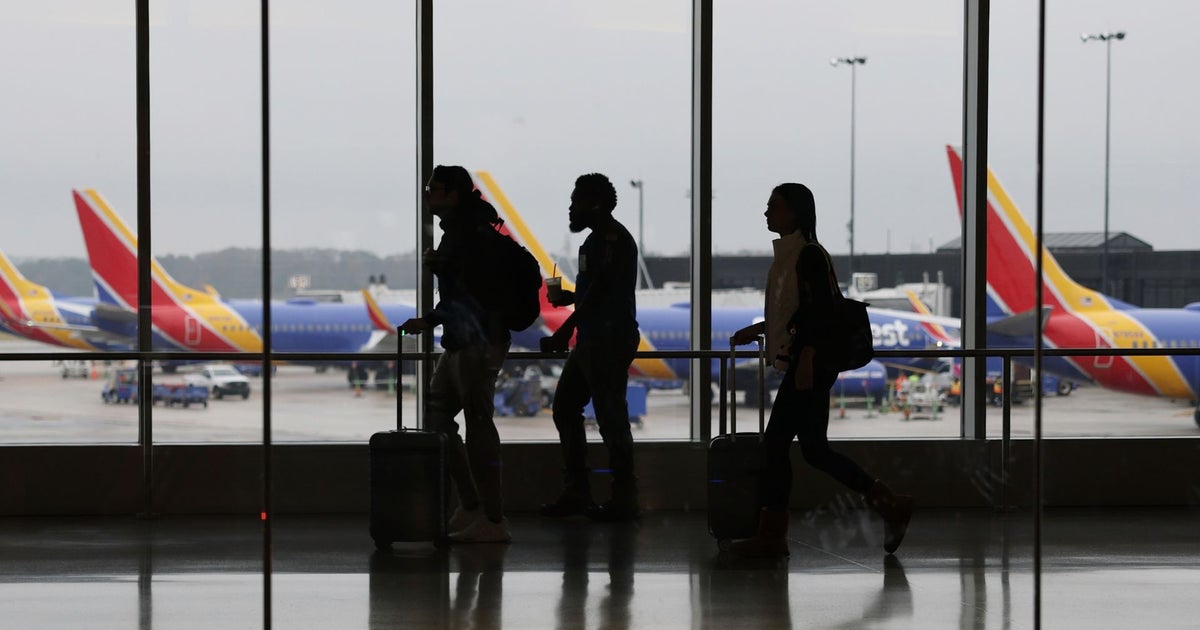
Airfare prices are very high this holiday season, making travel more expensive than in recent years. CBS News offers tips to help travelers find ways to save money on flights.
Key Facts
This holiday season has the highest air travel costs in several years.
Many travelers face expensive flight prices when booking holiday trips.
CBS News reporter Kris Van Cleave covers this trend in rising airfare.
The article includes advice on how to book flights to save money.
Travelers are encouraged to plan ahead to avoid the most expensive fares.
The high prices affect travelers across the United States.
Rising demand for holiday travel contributes to the increased costs.
Read the Original
Want the full story? Tap a source to open the original
article.
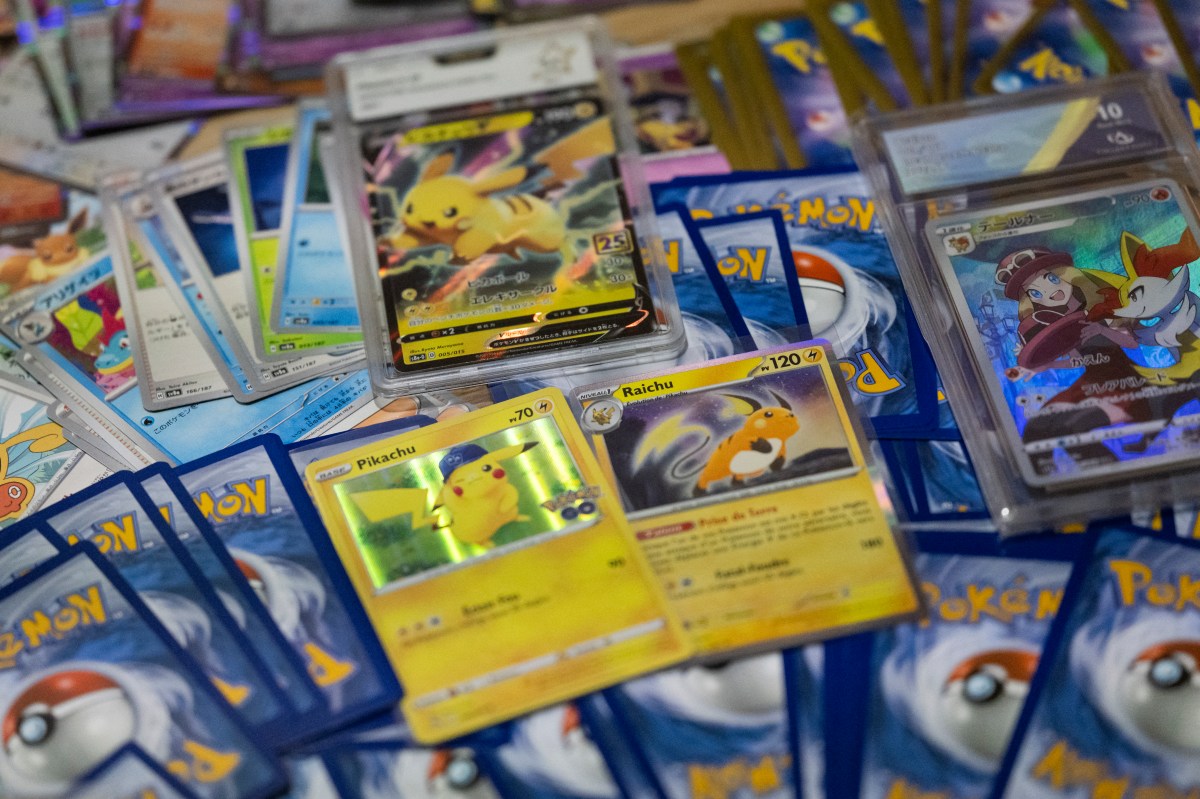
Nearly $1 million worth of trading cards, including Pokémon and sports cards, were stolen from a FedEx truck in Santa Ana, California. The truck was carrying newly graded cards back to their owners when it was broken into, and police are investigating the theft.
Key Facts
The theft happened on October 13 near the headquarters of Professional Sports Authenticator (PSA).
Two pallets with about 100 packages each and parts of a third pallet were stolen.
The stolen cards were valued at approximately $963,000.
No arrests have been made, and no stolen items have been recovered yet.
PSA has deactivated the stolen cards' certification numbers to make reselling harder.
A YouTuber named SKY-B Cards lost 104 cards valued at over $100,000.
The stolen cards were insured, with grading fees totaling $8,000 for SKY-B Cards.
There have been multiple Pokémon card thefts in California this year, targeting collectors and shops.
Read the Original
Want the full story? Tap a source to open the original
article.
Global oil prices reached their highest point in five months following attacks on oil facilities and ships in the Middle East linked to Iran and its allies. This rise has pushed the price of gasoline higher in the U.S. and caused concerns about affordability ahead of upcoming elections.
Key Facts
Brent crude oil prices reached over $111 a barrel, the highest since May 2026, then slightly fell to $110.30.
Oil prices have increased by more than 55% since the Iran war began in late February 2026.
Attacks on oil infrastructure were reported in the Middle East by Iran’s military and Yemen-based Houthi militants.
The U.S. oil benchmark, West Texas Intermediate, rose to $105.75 per barrel, a 60% increase since the war started.
The U.S. gas price average rose to $4.27 per gallon, nearly $1.30 higher than before the conflict.
The Middle East conflict has contributed to increased fuel costs worldwide, even though the U.S. imports only a small amount of oil from the region.
A tentative peace agreement earlier in 2026 briefly reduced fighting and inflation but expired in August.
The ongoing conflict disrupts oil supply, leading to higher prices for consumers globally.
Read the Original
Want the full story? Tap a source to open the original
article.
Home insurance costs in the U.S. have risen by 24% in three years, with the Midwest experiencing the largest increases. This rise is linked mainly to more severe weather events like tornadoes and hailstorms in that region, although premium growth has slowed recently.
Key Facts
Typical home insurance premiums increased from $2,068 in early 2023 to $2,564 in early 2026.
The Midwest saw a 25% increase in home insurance costs over the same period, higher than other regions.
Wisconsin had the highest increase at nearly 41%, followed by Michigan at about 30%.
Severe hailstorms, defined as hail 1 inch or larger, increased dramatically in Missouri (276%) and Illinois (258%) between 2023 and 2025.
Premium rises slowed from 10.8% (2024-2025) to 4.6% (2025-2026).
In the past year, insurance premiums fell in 18 states plus Washington, D.C.
The slowdown is partly due to a quieter hurricane season in 2025 and insurance market reforms in California and Florida.
The Midwest’s weather challenges have raised the risk for insurers, leading to higher premiums.
Read the Original
Want the full story? Tap a source to open the original
article.
The BBC plans to close the TV channels BBC Three and BBC Scotland, and the radio station Radio 4 Extra in spring next year to save money. The channels will move online as the BBC tries to cut costs and adjust to how more people watch shows on demand.
Key Facts
BBC Three and BBC Scotland TV channels will stop broadcasting on TV and move online in spring.
Radio 4 Extra radio station will also close.
These changes are part of the BBC’s effort to save £500 million.
So far, the BBC has saved about £200 million but still needs to find more savings.
BBC Three is popular with young people but only about 4% of the UK watches it live weekly.
BBC Scotland’s TV audience is low but its online viewers are growing.
Content from closed channels will still be available on other BBC platforms like BBC iPlayer.
The BBC is cutting jobs, including some foreign and local reporters, and reducing specialist reporting.
Read the Original
Want the full story? Tap a source to open the original
article.
The BBC will close its BBC Three and BBC Scotland TV channels in the spring and move their content online to save money. Radio 4 Extra will also stop broadcasting, with its programs moving to BBC Sounds. This is part of a wider plan to save £500 million over two years and reduce jobs.
Key Facts
BBC Three and BBC Scotland will no longer broadcast on TV but will continue online via iPlayer.
Radio 4 Extra, which mostly plays archive programs, will close, with content moving to BBC Sounds.
BBC Three focuses on young audiences and launched popular shows like Fleabag and Gavin & Stacey.
BBC Scotland started in 2019 and airs Scottish news, sport, and entertainment.
Some shows on BBC Three and BBC Scotland are repeats from other BBC channels.
The BBC plans to cut between 1,800 and 2,000 jobs to help save £500 million.
Several BBC TV shows, including RuPaul’s Drag Race UK and Celebrity Mastermind, have been cancelled recently.
News and sports divisions at the BBC are also facing significant job cuts.
Read the Original
Want the full story? Tap a source to open the original
article.
San Francisco’s boarded-up San Francisco Centre mall is being considered as a site for a new AI datacenter project. The plan involves creating a public space combining AI exhibits, culture, retail, sports, and education rather than a traditional server facility, but city officials have imposed a temporary halt on new datacenter developments to study their community impact.
Key Facts
The San Francisco Centre mall has been closed and boarded up since January 2024.
A Maryland-based firm, KG Growth Partners, is exploring AI-related redevelopment options for the mall.
The proposed project is described as an “AI-controlled living space” featuring public areas, a rooftop garden, and spaces for culture, sports, and education.
The firm says the project is not a traditional datacenter with large server farms but a community-focused AI exhibit.
San Francisco’s mayor recently imposed a 45-day pause on datacenter permits to study their effects on neighborhoods.
Local business owners near the mall report significant declines in customers and revenue since the closure.
The AI boom in the Bay Area has brought investment to the region, but it has not yet helped businesses around the shuttered mall.
The project aims to be environmentally friendly by recycling power and water, rather than using large amounts of energy like typical datacenters.
Read the Original
Want the full story? Tap a source to open the original
article.
Flutter, the company that owns Paddy Power, plans to cut up to 1,400 jobs. The company says it cannot fully handle recent increases in taxes on the gambling industry.
Key Facts
Flutter owns the betting company Paddy Power.
Up to 1,400 jobs will be cut across the UK, Ireland, Portugal, and Romania.
The job cuts will affect staff in these countries, but specific roles have not been shared.
The UK government raised taxes on online casino and sports betting last November.
Horse racing betting was excluded from these tax increases.
Flutter’s CEO, Kevin Harrington, said the tax change has greatly affected the betting business model in the UK.
He also said the tax rise may have helped illegal and unregulated gambling grow.
Read the Original
Want the full story? Tap a source to open the original
article.
Fixit Clinics are volunteer-run places where people in the U.S. bring broken items like clothes and electronics to get help fixing them. These clinics support community connections, reduce waste, and push for laws that make products easier to repair.
Key Facts
Fixit Clinics are open to anyone who wants to repair broken items, often held in public spaces like libraries and community centers.
There have been around 2,000 Fixit Clinics hosted across the U.S., with similar community repair events also growing.
The Repair cafe, a similar idea from Amsterdam, has about 250 locations in the U.S. now.
Since 2012, 24 states have passed right-to-repair laws requiring manufacturers to make products easier to fix.
In 2024, 57 right-to-repair bills were introduced in 22 states to improve repair access for devices like phones and wheelchairs.
A federal bill called the Repair Act has been introduced to give more repair rights but has not yet been voted on by the full House.
In 2024, public pressure led to a copyright exemption for fixing McFlurry machines, allowing repairs by third parties.
Repair efforts aim to reduce waste and challenge the practice of companies making products hard to fix to encourage new purchases.
Read the Original
Want the full story? Tap a source to open the original
article.
This news segment features a quiz where hosts and a guest answer questions from the AP Business with Personal Finance Exam to test their money knowledge. It also includes tips on how many bank accounts a person might need.
Key Facts
The segment is called "Are You Smarter Than a High Schooler?"
Jill Schlesinger, Mark, and guest AJ Ayers answer sample questions from a personal finance test.
The test is from the AP Business with Personal Finance Exam, designed for high school students.
They discuss financial knowledge related to banking and money management.
The show aims to help viewers understand personal finance better.
The video is part of the Money Moves series on CBS News.
The segment runs for about 31 minutes.
Additional news topics are briefly mentioned but are not part of this financial quiz segment.
Read the Original
Want the full story? Tap a source to open the original
article.
Property taxes in many U.S. cities have increased faster than home values between 2022 and 2024, creating a financial challenge for homeowners. A study found that in 46 of the 100 largest metro areas, tax increases have outpaced home price growth, weighing heavily on both new buyers and those who have paid off their homes.
Key Facts
In 46 of the 100 largest U.S. metro areas, property taxes rose faster than home values from 2022 to 2024.
Nationally, median property taxes increased by 10.6%, while median home values grew by 12.4% in the same period.
Florida’s Lakeland-Winter Haven area had the largest gap, with property taxes up 28.1% and home values up 14.2%.
From 2019 to 2024, property taxes in Lakeland-Winter Haven rose 78.6%, while home values increased 74.1%.
Jacksonville, Florida, saw property taxes rise 21.7%, but home values increased only 8.1%.
In Denver-Aurora-Centennial, Colorado, property taxes increased 19.1%, much faster than the 5.7% rise in home values.
A 2020 voter decision in Colorado ended a tax law that helped balance property tax bills between homes and businesses, causing residential property taxes to climb.
Rising property taxes add to other higher costs for homeowners, like insurance, association fees, and borrowing costs, making housing less affordable especially for first-time buyers and seniors.
Read the Original
Want the full story? Tap a source to open the original
article.
Experts at a food and agriculture forum discussed how changes in weather, water availability, and rising costs are making farming harder worldwide. They emphasized using farming methods that improve soil health, reduce costs, and lower carbon emissions to create stronger food systems.
Key Facts
Unpredictable weather and water shortages affect farmers globally.
Rising prices for fertilizer and fuel add financial pressure on farmers.
Regenerative agriculture includes techniques like less soil tilling and rotating crops to improve soil.
Healthier soil holds more water and absorbs more carbon, helping against drought and climate change.
Farmers using these methods save money on fertilizer and energy.
Companies like Mars and Nestle buy crops grown with these eco-friendly methods and support farmers financially.
Nestle aims to source half its ingredients from regenerative farms by 2030.
Industry experts say clearer standards for regenerative farming are still needed.
Read the Original
Want the full story? Tap a source to open the original
article.
France is facing higher costs to borrow money because investors see lending to the country as riskier. This comes as France’s national debt reaches levels last seen after World War II and ongoing political struggles make it hard to manage the budget.
Key Facts
French bond yields have risen to their highest point in nearly 25 years, meaning borrowing costs have increased.
France’s national debt is close to 120% of its gross domestic product (GDP), the highest since just after World War II.
Bonds are loans investors give to governments, which pay interest and return the loan later. Higher yields mean the government must pay more to borrow.
The rise in borrowing costs reduces money available for public services like education and healthcare.
Political divisions in France make it difficult to agree on a budget to reduce spending by 54 billion euros ($61 billion).
Protests and social unrest are ongoing, with opposition to budget cuts and demands for more spending on living costs and services.
Investor confidence depends not only on debt size but also on economic strength, debt type, and political stability.
The French government may use a constitutional rule to pass the budget without full parliamentary approval if necessary.
Read the Original
Want the full story? Tap a source to open the original
article.
A group of creditors seeking to rescue Thames Water, Britain's largest water supplier, has chosen Lord John Hutton to lead the company if their takeover is approved. Thames Water faces financial trouble, serves 16 million customers, and is in talks with the government about its future.
Key Facts
Thames Water is the largest water company in Britain, serving 16 million people in southern England.
The company is struggling financially and recently asked creditors for £2.4 billion more.
A creditor group called London & Valley Water wants to take over Thames Water with a £10 billion rescue deal.
They have appointed Lord John Hutton, a former Labour government minister with experience in energy and infrastructure, as the proposed chair.
Mike McTighe, a specialist in business turnarounds, will be vice-chair and work closely with management.
Thames Water has been in talks with government ministers and regulators about its future ownership.
Andy Burnham, prime minister, has asked officials for more radical plans to fix Thames Water and once said he would nationalize it.
Hutton aims to improve customer service and environmental responsibility at Thames Water.
Read the Original
Want the full story? Tap a source to open the original
article.
French shop owners are starting to file claims with their insurance companies after looting during recent riots. The French government is planning new steps to help these businesses recover from the damage.
Key Facts
Riots took place over the weekend in France, resulting in widespread looting.
Retailers are now reporting losses and filing insurance claims to cover damages.
The French government is working on measures to support affected businesses.
Online marketplaces have been told by authorities to stop the resale of stolen goods.
The situation is part of broader unrest that shocked the country on October 17.
This event has had financial impacts on retailers and the wider economy.
The news is reported alongside other business updates, such as Nvidia’s investments in Germany and rising energy prices due to conflicts in Saudi Arabia.
Read the Original
Want the full story? Tap a source to open the original
article.
Mukesh Ambani, India’s second-richest man, is launching the country’s largest-ever initial public offering (IPO) for his telecom company, Jio Platforms. The IPO aims to raise about 302 billion rupees (£2.4 billion) and could value Jio at 10.3 trillion rupees, making it one of India’s biggest companies.
Key Facts
Jio Platforms is a telecom company owned by Reliance Industries and led by Mukesh Ambani’s son, Akash Ambani.
The IPO plans to offer up to 270 million new shares, priced between 1,065 and 1,119 rupees each.
Jio has secured 212 anchor investors, including big global investment firms like BlackRock and Fidelity.
Over 400,000 Reliance employees are encouraged to buy shares with a discount of 54 rupees per share.
At its highest valuation, Jio would be India’s fourth-largest company behind Reliance Industries, Bharti Airtel, and HDFC Bank.
Jio started telecom services in 2016 and quickly gained millions of users by offering low-cost internet.
The IPO’s valuation is lower than initial expectations due to a slowdown in India’s stock market this year.
Jio plans to grow further into areas like artificial intelligence and cloud computing.
Read the Original
Want the full story? Tap a source to open the original
article.
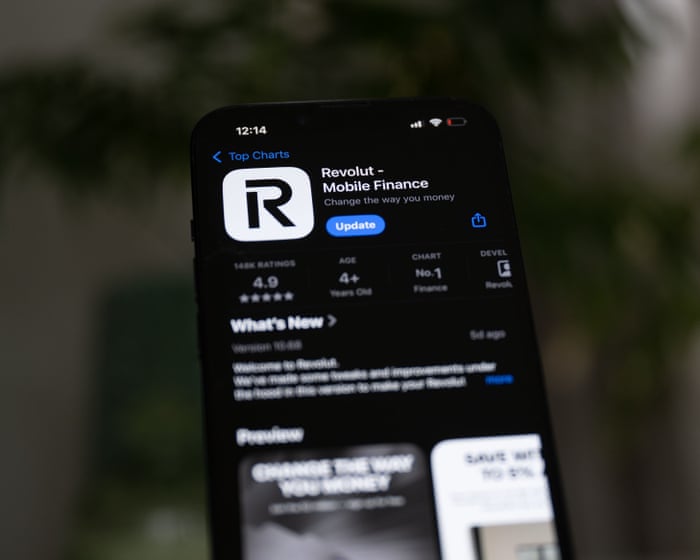
Millions of Revolut customers were unable to use the app or their cards due to a technical problem affecting many services like payments and transfers. Revolut said the issue started in the morning, their customers’ money and data are safe, and they are working to fix the problem.
Key Facts
Revolut’s app went down, stopping card payments, cash withdrawals, transfers, and account access.
Users received error messages like “something went wrong” and could not use the app.
Revolut confirmed the issue was a “service disruption” but assured that customers’ funds and data were secure.
The problem stopped new sign-ups and sign-ins, as well as cryptocurrency transactions.
Revolut and Google have a partnership where Revolut uses Google Cloud to run its services.
Google reported errors and network failures in its cloud services in the europe-west2 region.
Google did not have a fix available immediately for the cloud service problems.
Multiple fintech companies faced issues linked to Google Cloud outages.
Read the Original
Want the full story? Tap a source to open the original
article.
John Healey, the UK Chancellor, will not increase the capital gains tax in the upcoming budget despite some calls to raise it. Instead, he plans to focus on taxing banks' profits to generate revenue, while aiming to support business growth and wealth creation.
Key Facts
Capital gains tax (CGT) is a tax on profits made from selling assets like second homes or shares.
Some Labour politicians wanted to raise CGT to match income tax rates, viewing it as a way to tax wealth fairly.
Healey decided not to raise CGT because high earners might delay selling assets or move money abroad, reducing tax income.
The budget will likely include higher taxes on bank profits, as major UK banks earned £200 billion before tax in the last five years.
Healey wants to encourage wealth creation and reduce penalties on business costs such as energy and regulation.
The UK faces rising borrowing costs and a smaller financial safety cushion than before.
Conservative leader Kemi Badenoch argues for cutting government spending instead of raising taxes.
Badenoch says spending cuts should be fair to taxpayers, future generations, and those who need support.
Read the Original
Want the full story? Tap a source to open the original
article.