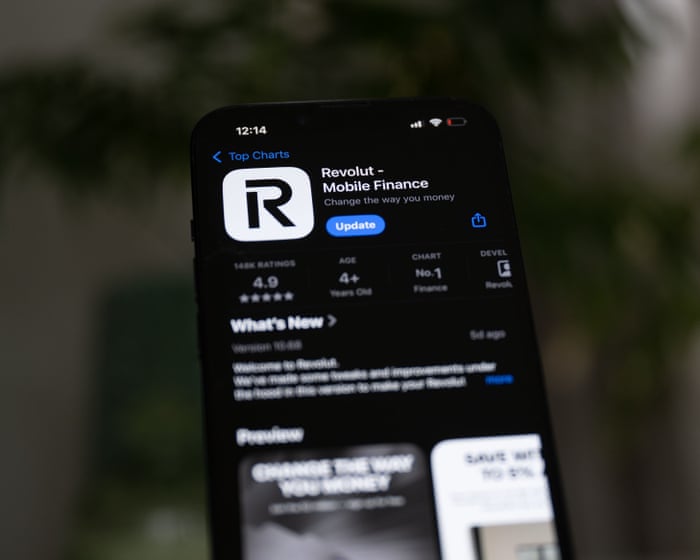
Millions of Revolut customers were unable to use the app or their cards due to a technical problem affecting many services like payments and transfers. Revolut said the issue started in the morning, their customers’ money and data are safe, and they are working to fix the problem.
Key Facts
Revolut’s app went down, stopping card payments, cash withdrawals, transfers, and account access.
Users received error messages like “something went wrong” and could not use the app.
Revolut confirmed the issue was a “service disruption” but assured that customers’ funds and data were secure.
The problem stopped new sign-ups and sign-ins, as well as cryptocurrency transactions.
Revolut and Google have a partnership where Revolut uses Google Cloud to run its services.
Google reported errors and network failures in its cloud services in the europe-west2 region.
Google did not have a fix available immediately for the cloud service problems.
Multiple fintech companies faced issues linked to Google Cloud outages.
Read the Original
Want the full story? Tap a source to open the original
article.
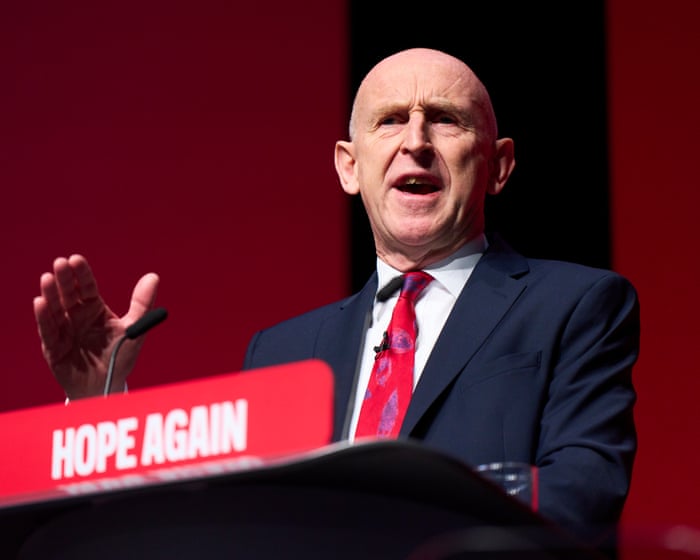
John Healey, the UK Chancellor, will not increase the capital gains tax in the upcoming budget despite some calls to raise it. Instead, he plans to focus on taxing banks' profits to generate revenue, while aiming to support business growth and wealth creation.
Key Facts
Capital gains tax (CGT) is a tax on profits made from selling assets like second homes or shares.
Some Labour politicians wanted to raise CGT to match income tax rates, viewing it as a way to tax wealth fairly.
Healey decided not to raise CGT because high earners might delay selling assets or move money abroad, reducing tax income.
The budget will likely include higher taxes on bank profits, as major UK banks earned £200 billion before tax in the last five years.
Healey wants to encourage wealth creation and reduce penalties on business costs such as energy and regulation.
The UK faces rising borrowing costs and a smaller financial safety cushion than before.
Conservative leader Kemi Badenoch argues for cutting government spending instead of raising taxes.
Badenoch says spending cuts should be fair to taxpayers, future generations, and those who need support.
Read the Original
Want the full story? Tap a source to open the original
article.
Unemployment in the UK fell to 4.7% in the three months to August, lower than expected. At the same time, the number of employees increased slightly, but job vacancies dropped to the lowest level since 2021. Wage growth remained higher than inflation.
Key Facts
UK unemployment dropped from 4.9% to 4.7% between June and August.
Economists had expected unemployment to rise to 5%.
The number of employees on payrolls rose by 13,000 to 30.3 million from August to September.
Job vacancies fell by 21,000, reaching 691,000, the lowest since the Covid pandemic in 2021.
Average wage growth including bonuses fell to 3.7% from 3.9%.
Average wage growth excluding bonuses rose slightly from 3.6% to 3.7%.
UK inflation was measured at 3.1%, lower than wage growth, which could affect future price increases.
The Bank of England is concerned higher wages could cause inflation to rise again.
Read the Original
Want the full story? Tap a source to open the original
article.
Job vacancies in the UK dropped by 21,000 in the three months leading to September, the largest fall this year. Small businesses are hiring less because of higher labor costs, including energy prices and wage increases.
Key Facts
UK job vacancies fell to 691,000 between July and September.
This drop of 21,000 is the biggest decrease since the start of the year.
Small businesses say rising labor costs are causing them to hire less.
Energy costs have increased due to the war in Iran.
Higher National Insurance payments and a rise in the minimum wage have made hiring more expensive.
Despite fewer vacancies, the unemployment rate decreased to 4.7% in the three months to August from 4.9%.
The data comes from the UK Office for National Statistics (ONS).
Read the Original
Want the full story? Tap a source to open the original
article.
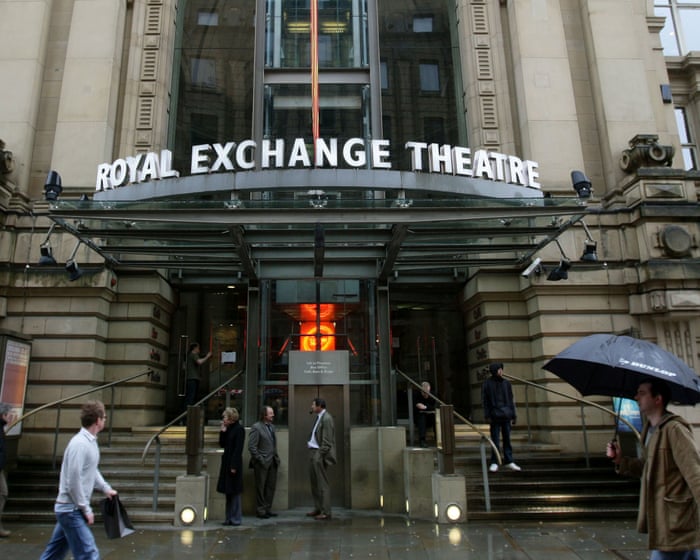
The Royal Exchange theatre in Manchester revealed its 2027-28 season with new plays including a retelling of the Munich air disaster and a modern version of the Greek myth Phaedra. This comes two years after the theatre faced a major crisis involving the cancellation of a play amid accusations of censorship.
Key Facts
Selina Cartmell is the artistic director of the Royal Exchange and has led since the censorship crisis two years ago.
The crisis began when a production of A Midsummer Night’s Dream was cancelled over a song referencing transgender rights and Palestine.
An independent review found leadership failures but no confirmed censorship.
The theatre has implemented all review recommendations, placing artists at the center of its work again.
The Royal Exchange plans to reopen its 100-seat studio space next year, closed since the Covid pandemic.
Upcoming shows include a new play by Simon Stephens based on the Greek myth Phaedra and a world premiere adaptation of David Peace’s novel about the Munich air disaster.
The theatre will refurbish its main 750-seat auditorium, including replacing seats after 30 years.
Cartmell emphasized the theatre’s focus on northern stories with international appeal and the importance of taking creative risks.
Read the Original
Want the full story? Tap a source to open the original
article.
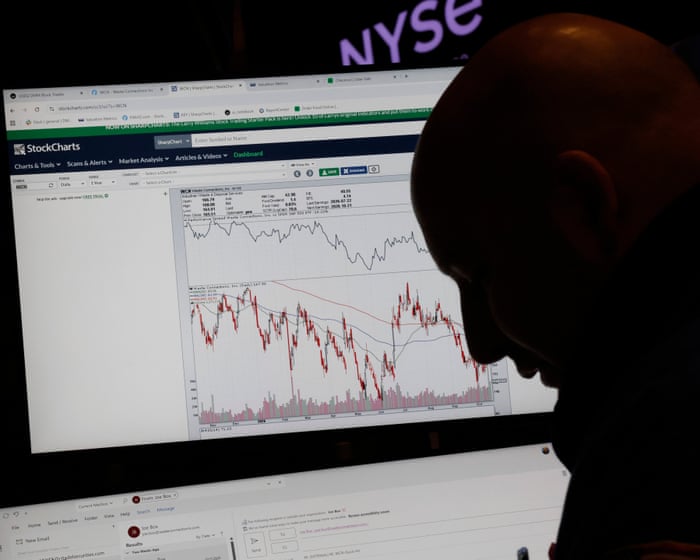
The recent drop in tech stocks, especially in the AI sector, has caused concern about the sustainability of the AI investment boom. Despite this, experts say the market correction may be a normal adjustment rather than the end of AI’s growth, with big tech companies continuing to invest heavily in AI infrastructure.
Key Facts
The Nasdaq 100 index fell 5.5%, causing worries about the AI stock market.
The failure of Australian data centre company Firmus to list on the ASX triggered doubts about AI business valuations.
The Nasdaq 100 is still nearly three times higher than at the start of 2023.
Seven major tech companies now make up 35% of the S&P 500 index, up from 12% a decade ago.
Experts say the recent stock drop is a “valuation reset,” not a rejection of AI’s long-term potential.
Potential risks include competing open source AI models and growing public opposition to AI’s social impact.
Large tech firms spent $425 billion on AI-related infrastructure in 2025 and plan to spend $800 billion in 2026.
Analysts suggest investors are taking a more cautious and balanced approach toward AI investments.
Read the Original
Want the full story? Tap a source to open the original
article.
Chancellor John Healey has decided not to raise the Capital Gains Tax (CGT) in the upcoming Budget. This tax is charged on profits from selling assets like shares or property that have increased in value.
Key Facts
Some Labour MPs wanted to increase Capital Gains Tax before John Healey became Chancellor.
CGT applies to profits made when selling assets, such as company shares or investment properties.
Healey is concerned raising CGT might cause wealthy people to leave the UK or delay selling assets, which could reduce government income.
Healey wants the UK to encourage wealth creation through policies that boost confidence and investment.
Prime Minister Andy Burnham and some advisers have warned that increasing CGT could hurt business.
Other Labour figures, including Wes Streeting and Louise Haigh, had supported raising CGT to be closer to the income tax rate.
Healey has already rejected the idea of making CGT equal to income tax.
The Budget announcement is upcoming, and Tory leader Kemi Badenoch plans to argue for cutting government spending.
Read the Original
Want the full story? Tap a source to open the original
article.
National Australia Bank (NAB) is cutting 2,500 jobs, which is 6% of its workers, mostly by the end of 2024. The bank says the layoffs are due to a tough economy, more competition, and fast changes in technology, especially artificial intelligence (AI).
Key Facts
NAB will cut 2,500 jobs, about 6% of its workforce.
Most job cuts will happen before the end of the year.
Reasons for the cuts include economic challenges, competition, and rapid technology changes.
This is part of a wider trend in Australian banks, with ANZ cutting 3,500 jobs last year.
Banks are heavily investing in AI and digital technology to change how they operate.
Jobs involving routine tasks, like administration and programming, are most at risk because of AI.
NAB plans to reduce its use of outside consultants and contractors.
The Australian economy is slowing down, with unemployment at 4.7%, the highest in almost five years.
Read the Original
Want the full story? Tap a source to open the original
article.
Many singles are tired of using dating apps and prefer meeting people in person at events. These dating events are becoming popular because they offer better chances to talk and connect, and they often cost about the same as one date arranged through an app.
Key Facts
Some people feel tired of dating apps because they rely mostly on pictures and little information.
A recent study shows that 11% of adults use dating sites, but the time spent on them is decreasing.
Dating apps are believed by some to be designed to keep users coming back rather than helping find a long-term partner.
More people want to meet in real life because working from home limits casual social encounters.
Dating events usually cost between £15 and £30 and often include a drink and an activity.
These events help singles meet several people in one night, which many see as better value than online dating.
Rising costs make dating more expensive; some estimate monthly dating expenses can reach about £130.
Many singles hold off dating until they feel financially stable enough to afford it.
Read the Original
Want the full story? Tap a source to open the original
article.
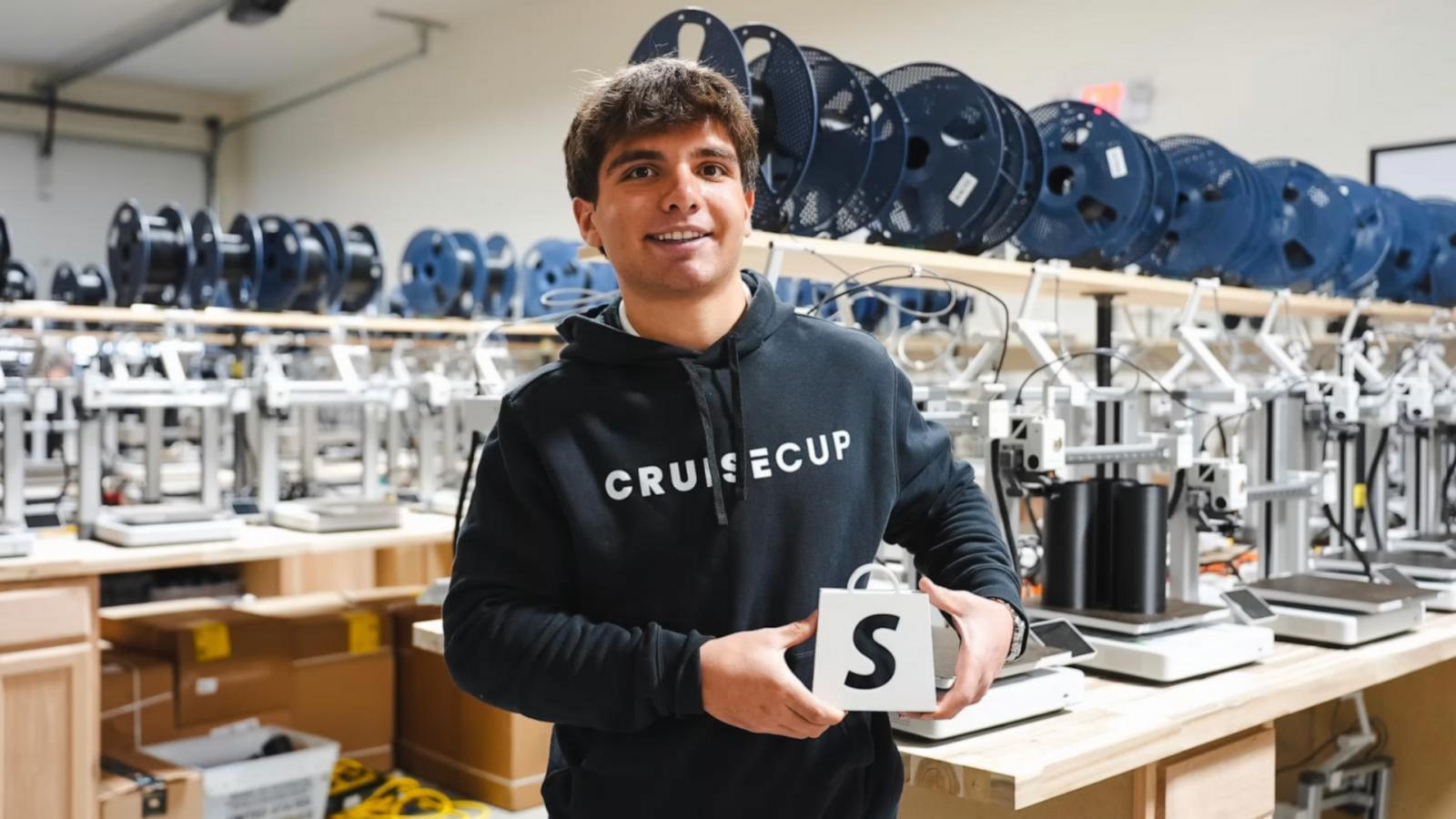
Mike Satterlee, a teenager, started a small business making insulated drink holders called "can coolers" using a 3D printer just three months after finishing high school. His idea turned into a profitable business by creating a useful product with 3D printing technology.
Key Facts
Mike Satterlee is a teen entrepreneur.
He uses a 3D printer to make his product.
The product is a hard-shell insulated drink holder called a "can cooler."
He started the business three months after graduating high school.
The business is profitable.
3D printing helps create custom, durable products.
This is an example of turning a simple idea into a business with new technology.
Read the Original
Want the full story? Tap a source to open the original
article.
California will receive a $6 million settlement from 23andMe after the company’s bankruptcy and a 2023 data breach exposed genetic and personal information of millions of customers. The state had objected to the sale of 23andMe’s assets but eventually dropped appeals as part of the settlement agreement.
Key Facts
A 2023 data breach exposed the genetic and personal information of 6.9 million 23andMe customers.
More than 855,000 Californians had their data exposed in the breach.
23andMe filed for bankruptcy in March 2025 due to lower demand and legal problems from the breach.
The company’s assets were sold for $305 million to TTAM Research Institute, controlled by 23andMe’s co-founder Anne Wojcicki.
California opposed the sale, arguing it violated the state’s Genetic Information Privacy Act and customers did not consent.
A US bankruptcy judge and a federal court ruled against California’s objections to the sale.
California agreed to a $6 million settlement and dropped further legal appeals.
23andMe agreed to pay $46.75 million to victims of the data breach as part of its bankruptcy.
Read the Original
Want the full story? Tap a source to open the original
article.
Prime Minister Andy Burnham announced new rules to protect drivers from unfair private parking charges. The rules give drivers more time to park and leave, limit penalties, and cancel charges for honest mistakes or emergencies.
Key Facts
Drivers get a guaranteed 5-minute window to decide to park and 10 minutes to leave without penalties.
Charges will be canceled for problems beyond drivers’ control like car breakdowns or broken ticket machines.
Maximum appeal charges are set at £20 for small mistakes like wrong vehicle registration.
The highest parking charge remains frozen at £100.
Private parking companies that don’t follow the rules risk losing access to driver information from the DVLA.
In 2025/2026, private parking companies issued 17 million tickets—a 17% rise from the previous year.
The new code applies in England, Scotland, and Wales and includes independent oversight of private parking.
The government will consider banning added debt recovery fees and creating a single independent appeals body.
Read the Original
Want the full story? Tap a source to open the original
article.
HSBC’s sharia-compliant fund, which is designed to follow Islamic rules for investing, has invested more than $100 million in companies connected to Israel’s military. This has led to questions about whether Muslim investors’ money is supporting military activities.
Key Facts
HSBC offers a sharia-compliant fund intended to follow Islamic investment guidelines.
This fund invested over $100 million in companies linked to Israel’s military.
Sharia-compliant funds avoid certain types of businesses, but connections to military-linked companies raise concerns.
The issue highlights the challenge of tracking exactly where investments end up.
The investments were reported by Al Jazeera’s Lina-Serene.
This situation may affect Muslim investors who want their money to follow ethical or religious rules.
HSBC is a large global bank managing many investment funds.
Read the Original
Want the full story? Tap a source to open the original
article.
The French government has asked online second-hand marketplaces like Vinted, eBay, and Amazon to stop listings that sell goods stolen during recent riots and looting. This measure aims to help business owners affected by the violence and prevent the resale of stolen items.
Key Facts
Many shop owners in France suffered losses after recent weekend violence and looting.
Items believed to be stolen were being sold on popular online resale platforms.
The French government requested major online marketplaces to monitor and remove suspicious ads.
Platforms asked to act include Vinted, eBay, and Amazon.
This action is part of a broader effort to support businesses and reduce illegal trade after the unrest.
Read the Original
Want the full story? Tap a source to open the original
article.
Apple agreed to a $250 million settlement over claims it did not deliver some Siri features as promised with certain iPhone models. U.S. customers who bought iPhone 15 Pro, iPhone 16-series devices between June 2024 and March 2025 can claim a payout by December 21, 2025.
Key Facts
The settlement relates to Siri features that Apple previewed but delayed delivering.
Eligible buyers are U.S. customers who purchased iPhone 15 Pro, 15 Pro Max, or iPhone 16 series from June 10, 2024, to March 29, 2025.
Customers must claim their payout online or by mail by December 21, 2025.
Each eligible device may earn about $25, but the amount can vary up to $95 based on total claims.
Claimants need the device serial number or Apple Account email; those with a settlement notice can use Claim ID and PIN.
Apple denies wrongdoing but agreed to settle without admitting fault.
Payment options include PayPal, Venmo, direct deposit, or check.
The case highlights risks when companies advertise features that are not yet ready.
Read the Original
Want the full story? Tap a source to open the original
article.
A recent poll shows that 91 percent of Texas voters think the war involving Iran is causing oil and gas prices in the U.S. to increase. Only a small percentage of people believe the war is not affecting prices much.
Key Facts
91 percent of Texas voters say the Iran war is making oil and gas prices higher.
The poll was conducted by CBS News and YouGov.
Most respondents felt prices were “a lot higher” or “a little higher” because of the war.
Only 7 percent believed the war was not raising prices.
The poll reflects public concern about energy costs related to international conflict.
Texas voters are particularly focused on this issue, likely due to the state’s energy industry.
Read the Original
Want the full story? Tap a source to open the original
article.
Prime Minister Andy Burnham is asking government officials to find new, bolder plans to deal with Thames Water, a company facing money problems. He is considering options like turning unpaid fines into government ownership stakes and is willing to spend taxpayer money or use courts to take more control of the utility.
Key Facts
Thames Water is running out of money and recently asked creditors for an extra £2.4 billion.
Burnham has promised to bring essential services, like water, under public control.
One idea is to convert £100 million in unpaid fines into a government stake in Thames Water.
Burnham has said he is willing to spend government money and go to court to take over the company.
The government is working on changing laws to make it easier to take control of water companies.
Officials had two main options: strike a bailout deal with debt owners or use a special bankruptcy process called SAR (special administration regime).
Thames Water’s creditors once offered a £10 billion rescue plan, which was rejected before Burnham became prime minister.
Burnham’s approach is different from previous leaders, focusing on bolder, less constrained options.
Read the Original
Want the full story? Tap a source to open the original
article.
U.S. retailers are using new technology like digital price tags and artificial intelligence (AI) to change product prices more often. Many consumers feel confused or worried because they don’t fully understand how these prices are set or if prices differ between customers. Lawmakers and regulators are starting to review and create rules about these pricing methods.
Key Facts
Digital price tags are becoming common in U.S. stores and replace paper price labels.
Artificial intelligence helps businesses predict customer reactions to set prices.
Terms like "dynamic pricing" mean prices change based on market demand or supply.
Some social media posts wrongly claim stores scan customers to set different prices for people.
Walmart says digital price tags update prices but do not charge customers differently based on personal data.
At least 30 U.S. states are considering laws about algorithm-driven and personalized pricing.
The Federal Trade Commission may enforce rules requiring businesses to explain how they use personal data for pricing.
Digital price tags allow faster price changes, but prices are often updated regularly, such as weekly, not hourly or daily.
Read the Original
Want the full story? Tap a source to open the original
article.
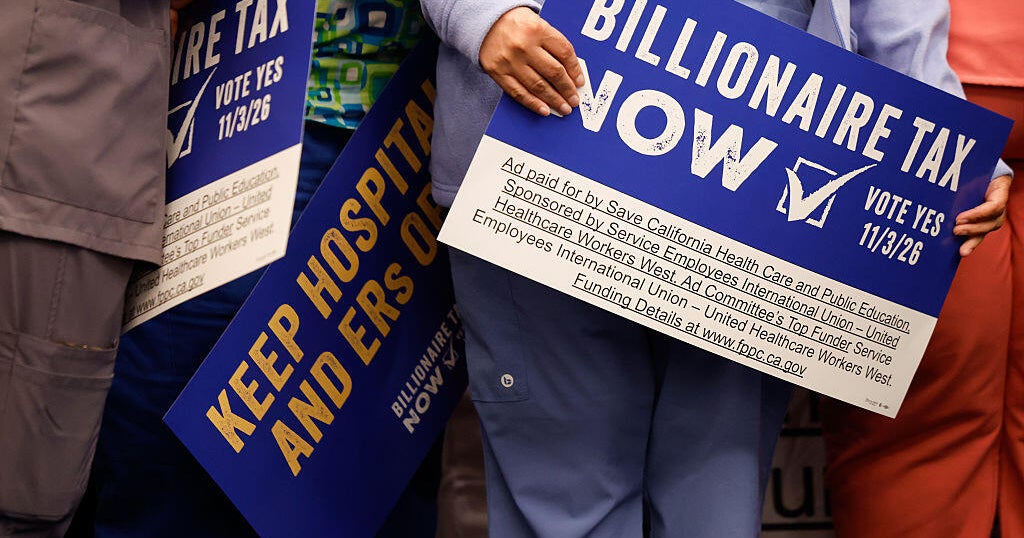
California voters will soon decide on a new tax that would charge billionaires 5% of their wealth to raise money for healthcare. A study by Stanford economists warns that many billionaires have already left the state, which could reduce the money collected and cause California to lose more tax income in the future.
Key Facts
California is considering a "billionaire wealth tax" to support its healthcare system.
The tax would charge a one-time 5% state tax on billionaire wealth.
Seven billionaires have left California, removing about $540 billion from potential taxes.
These departures include Peter Thiel and Google co-founders Larry Page and Sergey Brin.
The tax is expected to raise around $30 billion, lower than the $100 billion originally estimated.
Future income tax losses from billionaires leaving could cost the state $1 billion to $3.5 billion each year.
Some economists support the tax, saying it will help fund public services like education and infrastructure.
Polls show voters are divided, with about 46% for and 43% against Proposition 40, the ballot measure.
Read the Original
Want the full story? Tap a source to open the original
article.
JPMorgan Chase CEO Jamie Dimon said the U.S. economy is doing very well right now, with strong growth and rising company profits. However, he warned there are risks from events that could cause inflation, which means prices for goods and services could go up.
Key Facts
Jamie Dimon is the CEO of JPMorgan Chase, a major U.S. bank.
He said the U.S. economy is currently booming or growing strongly.
Corporate profits have increased significantly.
Dimon expressed concern about inflationary events that could push prices higher.
Inflationary events are economic factors that cause general price increases.
The comments were made in an interview with Alan Murray from The Wall Street Journal Leadership Institute.
Dimon’s warning suggests caution despite the good economic performance.
Read the Original
Want the full story? Tap a source to open the original
article.