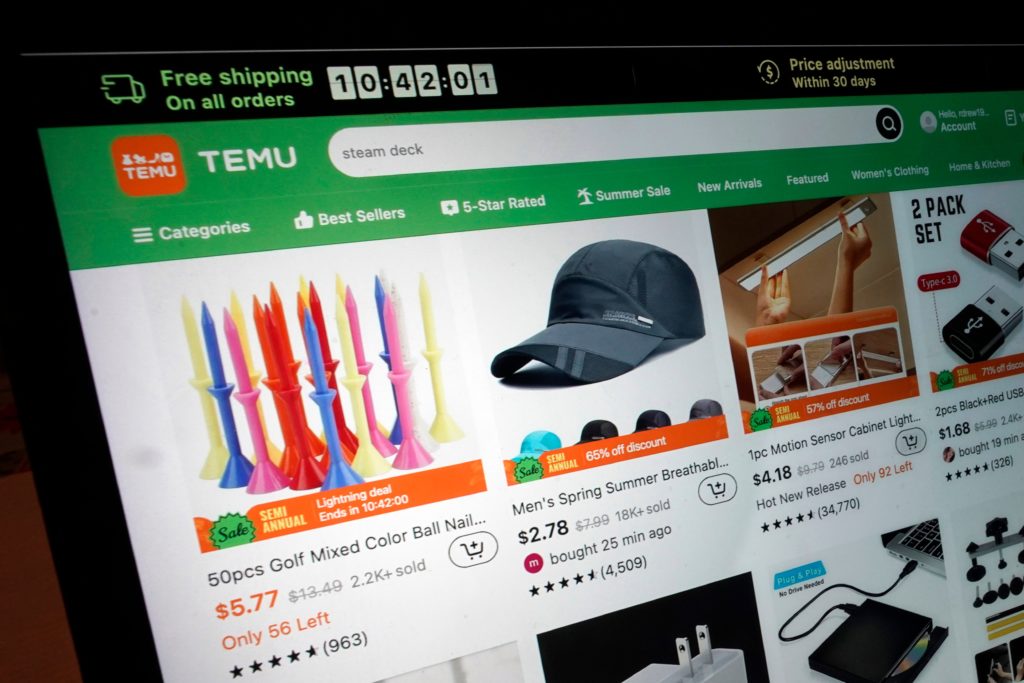
The European Union has fined Chinese online retailer Temu €200 million for selling products that the EU says are toxic or unsafe, including baby toys and electronics. Temu disagrees with this decision, which was made under the EU’s Digital Services Act that aims to protect consumers from harmful goods sold online.
Key Facts
Temu is a Chinese e-commerce company.
The EU fined Temu €200 million for selling unsafe products.
The unsafe items include baby toys and electronic devices.
The fine comes under the EU’s Digital Services Act.
This law requires online platforms to protect consumers from harmful products or content.
Temu disputes the EU’s ruling.
The news was reported on May 28, 2026.
The EU is increasing consumer safety rules for online sellers.
Read the Original
Want the full story? Tap a source to open the original
article.
Mortgage interest rates have recently risen due to economic factors, affecting homebuyers and those refinancing. In June, three key dates—June 5, June 10, and June 17—could influence these rates based on new government reports and a Federal Reserve meeting.
Key Facts
Mortgage rates went up by more than half a percentage point since early March and mid-April.
Higher rates have discouraged many homebuyers during a normally active buying season.
June 5 will see the release of the unemployment report, which could affect mortgage rates if unemployment rises.
June 10 will bring the inflation report, which could lead to rate increases or decreases depending on the inflation numbers.
The Federal Reserve meeting on June 17 could change mortgage rates based on decisions about interest rates.
A possible Fed rate cut is considered unlikely in June but comments on future cuts could influence rates.
Borrowers should watch these dates closely and be ready to lock in a rate if it becomes favorable.
External factors like overseas conflicts and inflation affect the overall interest rate environment.
Read the Original
Want the full story? Tap a source to open the original
article.
The best time to buy a new furnace or air conditioner is during slow seasons when demand is lower. Early spring is usually cheaper for air conditioners, while late summer or early fall is better for furnaces. Buying during extreme weather often means higher prices and fewer discounts.
Key Facts
Furnace and air conditioner prices have risen due to higher equipment costs, labor shortages, and energy prices.
HVAC demand peaks in extreme temperatures, causing longer wait times and higher costs.
Early spring is a good time to buy an air conditioner because demand is low and discounts may be available.
Late summer or early fall is the best time to buy a furnace before the cold season starts.
Buying during slow periods gives homeowners better chances for discounts, rebates, and flexible financing.
Waiting until a system breaks during extreme weather often leads to paying more and having fewer options.
Manufacturers and retailers sometimes offer end-of-year promotions on older furnace models.
Planning purchases ahead can help avoid emergency price spikes and scheduling difficulties.
Read the Original
Want the full story? Tap a source to open the original
article.
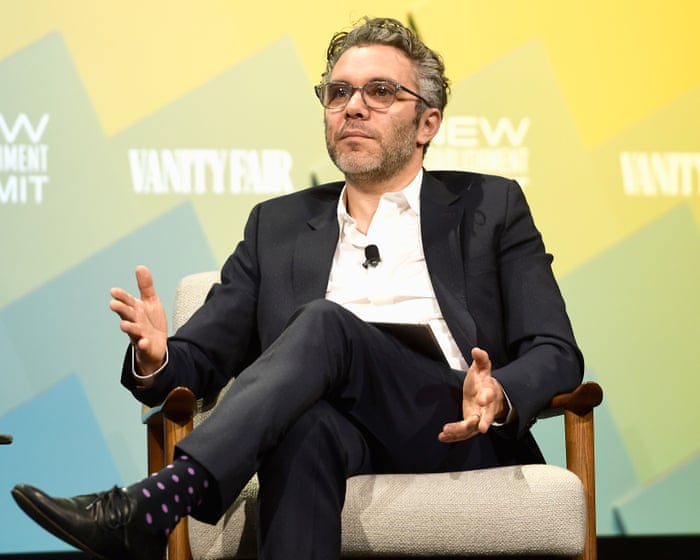
Nick Bilton, a former technology columnist for the New York Times, has been chosen by Bari Weiss, editor in chief of CBS News, to lead the TV news program "60 Minutes." He will replace Tanya Simon as the executive producer of the show.
Key Facts
Nick Bilton was a technology columnist at the New York Times.
Bari Weiss is currently the editor in chief of CBS News.
Bilton was appointed to lead the primetime news show "60 Minutes."
He replaces Tanya Simon as executive producer of "60 Minutes."
The announcement highlights Bilton’s entrepreneurial skills in journalism.
Read the Original
Want the full story? Tap a source to open the original
article.
Lawmakers are working to stop "surveillance pricing" in grocery stores, a practice where stores use personal data to set prices or offers for each shopper. Maryland has banned some forms of this pricing, and many Americans support banning it because they worry it could raise grocery costs.
Key Facts
Surveillance pricing uses data like shopping history, location, and loyalty program activity to set prices or discounts for individual shoppers.
Maryland is the first state to ban certain types of surveillance pricing in grocery stores.
About 67% of Americans want to ban electronic shelf labels and surveillance pricing in groceries.
68% of Americans think surveillance pricing could increase the cost of groceries.
Supporters say the system can help stores react faster to demand and reduce food waste by adjusting prices quickly.
Critics say it could mean some customers pay more than others for the same items, especially loyal shoppers or during busy times.
People who don’t use apps or loyalty programs might get fewer discounts than those who share their data.
The Federal Trade Commission has said companies can use shopping and personal data to create personalized pricing and promotions.
Read the Original
Want the full story? Tap a source to open the original
article.
A $125,000 certificate of deposit (CD) can earn interest rates around 4% or higher, offering a safe way to grow money with fixed returns. Depending on the term length, savers could earn between about $1,200 and $16,200 in interest over up to three years.
Key Facts
Interest rates on CDs are currently around 4% or higher.
A 3-month CD at 3.90% pays about $1,201 in interest on $125,000.
A 3-year CD at 4.15% pays about $16,217 in interest on $125,000.
Longer terms generally offer more interest but require keeping the money locked in.
CDs have fixed interest rates, so the earnings don’t change with market shifts.
Early withdrawal from a CD can cause penalties, reducing earned interest.
Investing in stocks or bonds could offer higher returns but comes with more risk.
Alternatives like high-yield savings or money market accounts offer easier access but usually lower fixed returns.
Read the Original
Want the full story? Tap a source to open the original
article.
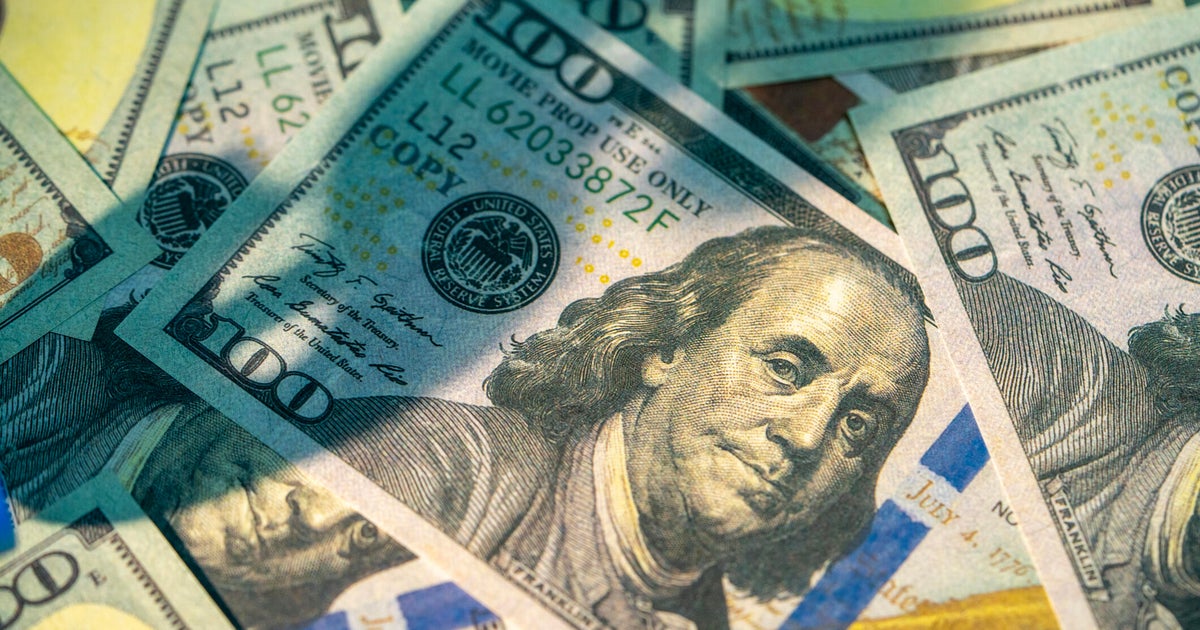
The U.S. Treasury Department is preparing plans for a special $250 bill featuring President Donald Trump's portrait and signature if a new law is passed. This would be the first time in over 150 years that a living person appears on U.S. currency.
Key Facts
The bill would be a $250 Federal Reserve note honoring the nation’s upcoming 250th anniversary.
Current law only allows deceased people to be on U.S. money.
Republican Representative Joe Wilson introduced a bill to authorize this new currency with President Trump’s image.
The bill has 15 Republican supporters but has not passed and is stalled in the House Financial Services committee.
The Treasury’s Bureau of Engraving and Printing is preparing plans in case the bill becomes law.
The bill requires a 60-vote bipartisan majority in the Senate to pass.
The Treasury says no taxpayer money will be used to produce the new bill.
The State Department will issue special passports featuring Trump’s portrait and signature for the 250th anniversary.
Read the Original
Want the full story? Tap a source to open the original
article.
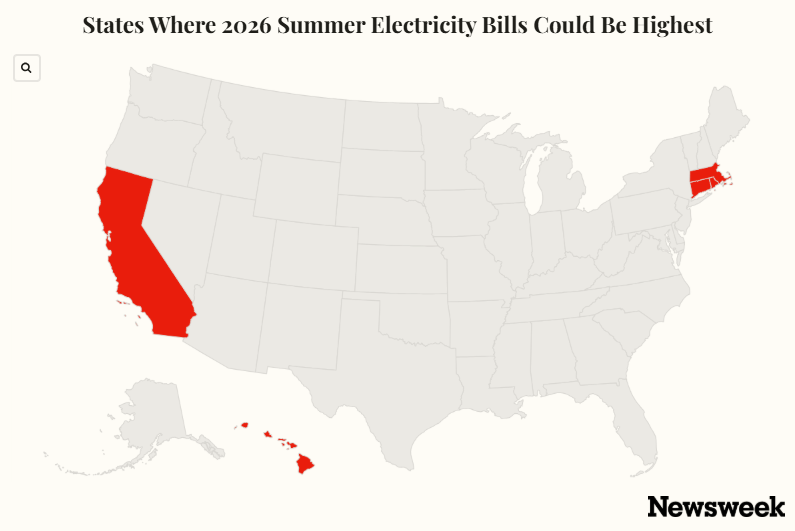
Electricity use in the U.S. is expected to reach higher levels in summer 2026 than in the previous five years. This increased demand, combined with rising energy costs and extreme weather, may lead to higher electricity bills, especially in certain states that already have expensive power.
Key Facts
Electricity use is forecasted to be at record high levels in summer 2026.
Extreme heat and increased use of air conditioning will raise power consumption.
The West, Southwest, and Plains regions are expected to experience especially hot weather.
States such as Connecticut, Massachusetts, Hawaii, Rhode Island, and California have the highest electricity prices.
Rising natural gas prices and infrastructure damage from wildfires and hurricanes may increase costs further.
Delivery charges and utility rate increases also contribute significantly to higher bills.
Consumers can lower bills by adjusting thermostats, using fans, running appliances off-peak, and improving home insulation.
Long-term savings may come from upgrading to energy-efficient appliances and smart thermostats.
Read the Original
Want the full story? Tap a source to open the original
article.
CNN has filed a lawsuit against the AI search engine Perplexity in New York, accusing it of illegally copying CNN’s articles, videos, and images. The lawsuit seeks money damages and a court order to stop Perplexity from using CNN’s copyrighted content without permission.
Key Facts
CNN claims Perplexity copied thousands of its stories, videos, and images to feed its AI products.
The lawsuit was filed in federal court in New York.
CNN wants financial compensation and a legal order to prevent further copyright violations.
Perplexity says facts cannot be copyrighted and denies wrongdoing.
CNN is owned by Warner Bros.
Since 2022, many news publishers have raised concerns about AI tools using their content without permission.
Other companies like The New York Times and Reddit have also sued Perplexity for similar reasons.
Some news companies have made deals with Big Tech and AI firms to share content legally and get paid.
Read the Original
Want the full story? Tap a source to open the original
article.
Thousands of homes in Kent faced water outages and low water pressure during a hot weather spell, affecting about 22,000 people. South East Water, a private company, said the outages were due to high demand and asked people to use water only for essential needs. Some residents expressed frustration with the company’s response and criticized the water system’s inability to handle the situation.
Key Facts
On Wednesday, 8,000 customers in Whitstable lost water supply.
An additional 14,000 customers in Tankerton, Ashford, and nearby areas experienced low water pressure or intermittent supply.
South East Water estimated 22,000 people were affected by water problems.
The company said the hot weather caused higher water demand.
Residents complained about difficulty contacting emergency services and about the lack of water delivery.
South East Water’s chair and chief executive resigned recently after repeated water outages.
People lined up to collect water at distribution points in hot weather.
The UK government plans to reduce water use per person in England by 20% by 2038.
Read the Original
Want the full story? Tap a source to open the original
article.
CBS News is making big changes to its news show 60 Minutes for its 59th season this fall. Nick Bilton, a former New York Times tech journalist, will become the new executive producer, replacing Tanya Simon and other longtime staff who have left or been let go.
Key Facts
Nick Bilton will be the executive producer of 60 Minutes starting this fall.
Tanya Simon, the previous top producer, was removed from her role after less than two years.
Several other key staff, including correspondent Cecilia Vega and executive editor Draggan Mihailovich, have also left the show.
Veteran correspondent Sharyn Alfonsi was terminated; she said her contract was not renewed after her story about an El Salvador prison drew criticism.
60 Minutes has been the most-watched news program for 52 years, with about 9.1 million viewers recently.
CBS News editor-in-chief Bari Weiss praised Bilton as an ambitious journalist.
Bilton said he respects the show’s history but wants to adapt it to how people now consume news.
Bilton has a background in tech journalism and documentaries but no prior experience running a TV news program.
Read the Original
Want the full story? Tap a source to open the original
article.
This article compares how much interest you could earn in one year by putting $90,000 into three types of accounts: a certificate of deposit (CD), a high-yield savings account, and a money market account. It shows that CDs usually pay the most interest and guarantee the rate, while high-yield savings and money market accounts have slightly lower rates but allow more flexibility.
Key Facts
Traditional savings accounts have very low interest rates, around 0.38%, which is less than inflation.
A CD has a fixed interest rate that stays the same until the account matures.
High-yield savings and money market accounts have variable rates that can change with the market.
For $90,000 over 6 months, a CD at 4.10% pays about $1,826 in interest; a high-yield savings at 4.03% pays $1,796; a money market at 3.90% pays $1,738.
For 9 months, the high-yield savings account pays slightly more interest ($2,707) than the CD ($2,687) and money market ($2,620).
For 1 year, the CD at 4.11% pays the most interest, about $3,699.
Money market accounts let savers write checks, offering more access to funds than CDs or high-yield savings.
The best choice depends on whether a saver values guaranteed interest or account flexibility.
Read the Original
Want the full story? Tap a source to open the original
article.
Patagonia, an outdoor clothing company, has sued drag queen and climate activist Wyn Wiley, who performs as Pattie Gonia, over trademark issues. Wiley says the lawsuit threatens their name, work, and community, while Patagonia says it is protecting its brand and employees.
Key Facts
Pattie Gonia is the stage name of Wyn Wiley, a drag queen and climate activist with millions of followers.
Patagonia filed a lawsuit in January claiming Pattie Gonia’s name and branding confuse customers and compete with their products.
The company alleges Wiley broke an agreement about how to use similar fonts and logos.
Patagonia wants to stop Wiley from trademarking "Pattie Gonia" and only seeks $1 in damages plus legal fees.
Wiley has raised $3.7 million for environmental causes through performances and charity events.
Patagonia said they did not want a legal fight but need to protect their business, regardless of shared values.
Wiley called the lawsuit an attempt to erase their identity and advocacy work.
Patagonia was founded in 1973 and is named after a region in South America.
Read the Original
Want the full story? Tap a source to open the original
article.
Americans are spending more money than the income they earn is growing, which means they are using up their savings faster. Rising prices, especially for energy, are squeezing household budgets and causing people to dip into their financial reserves to keep spending.
Key Facts
Consumer spending rose by 0.5% in April, while disposable personal income fell by 0.1%.
The personal saving rate dropped to 2.6% in April, its lowest since mid-2022.
Higher spending on gasoline and energy goods is a major reason for increased expenses.
Inflation, measured by the Federal Reserve’s preferred gauge, rose 0.4% in April but cooled from 0.7% in March.
Core inflation, which excludes food and energy, increased 0.2% in April and is at its highest yearly level since 2023.
Real disposable income (income after taxes and inflation) fell 1.4% in April compared to last year.
Before the pandemic, Americans saved at about twice the current rate.
The current low saving rate might indicate financial pressure rather than confidence, since spending increases are mostly on necessities like energy.
Read the Original
Want the full story? Tap a source to open the original
article.
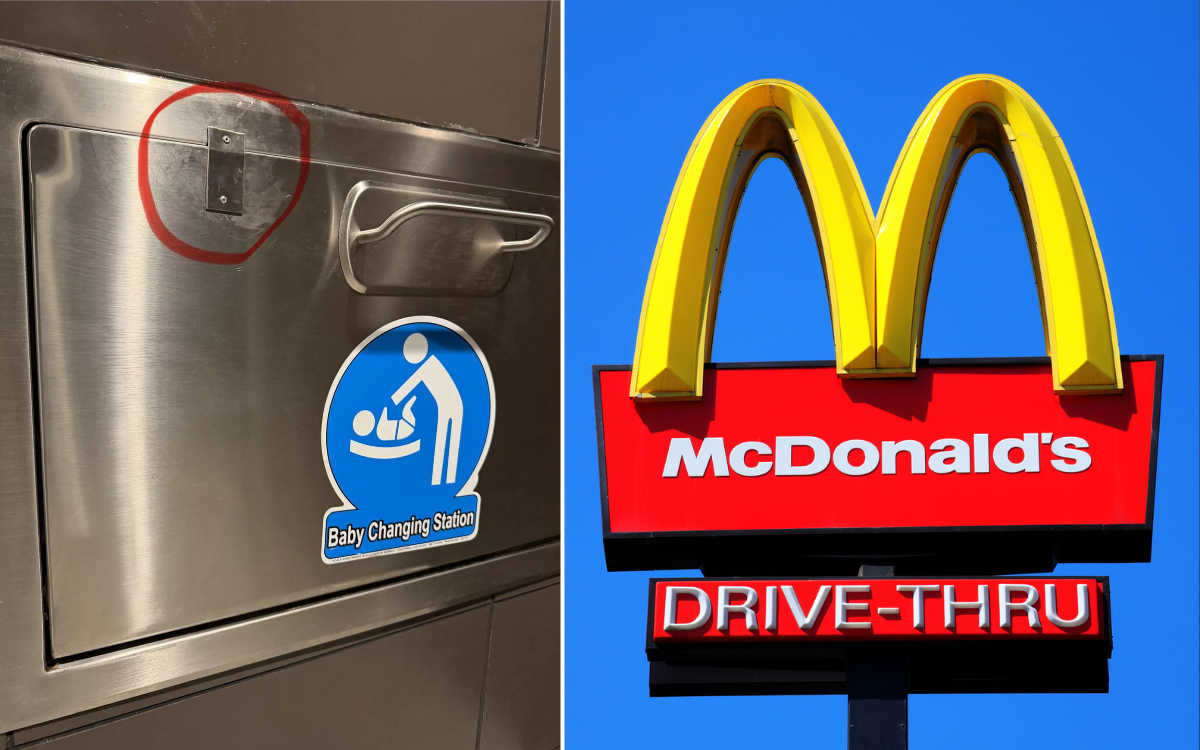
A mother traveling through Alabama found two McDonald’s locations with baby changing tables riveted shut, preventing her from changing her infant’s diaper. The local restaurant owner explained this was a temporary safety measure due to damage, but the mother remains frustrated and shared her experience online, which gained widespread attention.
Key Facts
Ellen Hall stopped at a McDonald’s in Montgomery, Alabama, and found the baby changing table was riveted shut.
She drove 15 minutes to another McDonald’s in Greenville, Alabama, and found the changing table there was also riveted shut.
The changing tables were secured as a safety precaution because they were damaged.
The owner of the two locations said repairs were in progress and that guest safety was a priority.
McDonald’s staff initially gave conflicting information about whether the decision was corporate or franchise-based.
Hall changed her baby in her car using disposable mats after failing to access the changing tables.
She shared a photo of the riveted changing table on Reddit, where it received over 73,000 upvotes.
Hall wants the tables replaced with a more secure but accessible design or removed entirely to avoid confusion.
Read the Original
Want the full story? Tap a source to open the original
article.
The European Union fined Chinese online retailer Temu €200 million ($232 million) for selling unsafe products like toxic toys and faulty electronics that did not meet EU safety rules. The fine was issued under the Digital Services Act, which requires online platforms to better protect consumers from harmful or illegal goods.
Key Facts
Temu was fined €200 million ($232 million) by the European Union.
The fine came after an investigation found Temu sold unsafe toys and electronics.
Temu failed to properly assess the risks of illegal products on its platform.
The EU's Digital Services Act (DSA) requires online platforms to keep users safe from harmful goods.
Investigators found baby toys with dangerous chemicals and removable parts that risk suffocation.
Electronic chargers tested by investigators failed basic safety standards.
Temu has 92 million users in the EU and is owned by PDD Holdings Inc.
Temu must submit a plan by the end of August to fix these issues or face more fines.
Read the Original
Want the full story? Tap a source to open the original
article.
Inflation in the U.S. rose to 3.8% in April, the highest level since May 2023, mainly due to increased gasoline prices caused by the conflict involving Iran. The Federal Reserve may face pressure to raise interest rates to control inflation, but markets currently expect rates to stay the same next month.
Key Facts
Inflation increased for the second month in a row, reaching 3.8% in April compared to last year.
The Personal Consumption Expenditures (PCE) Index, the Federal Reserve’s preferred inflation measure, rose from 2.8% in February.
The Iran war caused a closure of the Strait of Hormuz, disrupting global oil supply and pushing gas prices higher.
Gasoline prices rose by 48%, reaching an average of $4.42 per gallon since the conflict started on February 28.
The U.S. savings rate dropped to 2.6%, its lowest since 2022, showing consumers have less money to save.
The Federal Reserve’s benchmark interest rate currently stands between 3.5% and 3.75%.
Futures markets expect the Fed to keep interest rates steady next month but see over a one in three chance of a rate increase before the end of the year.
The conflict in Iran has caused one of the largest oil price shocks in recent history.
Read the Original
Want the full story? Tap a source to open the original
article.
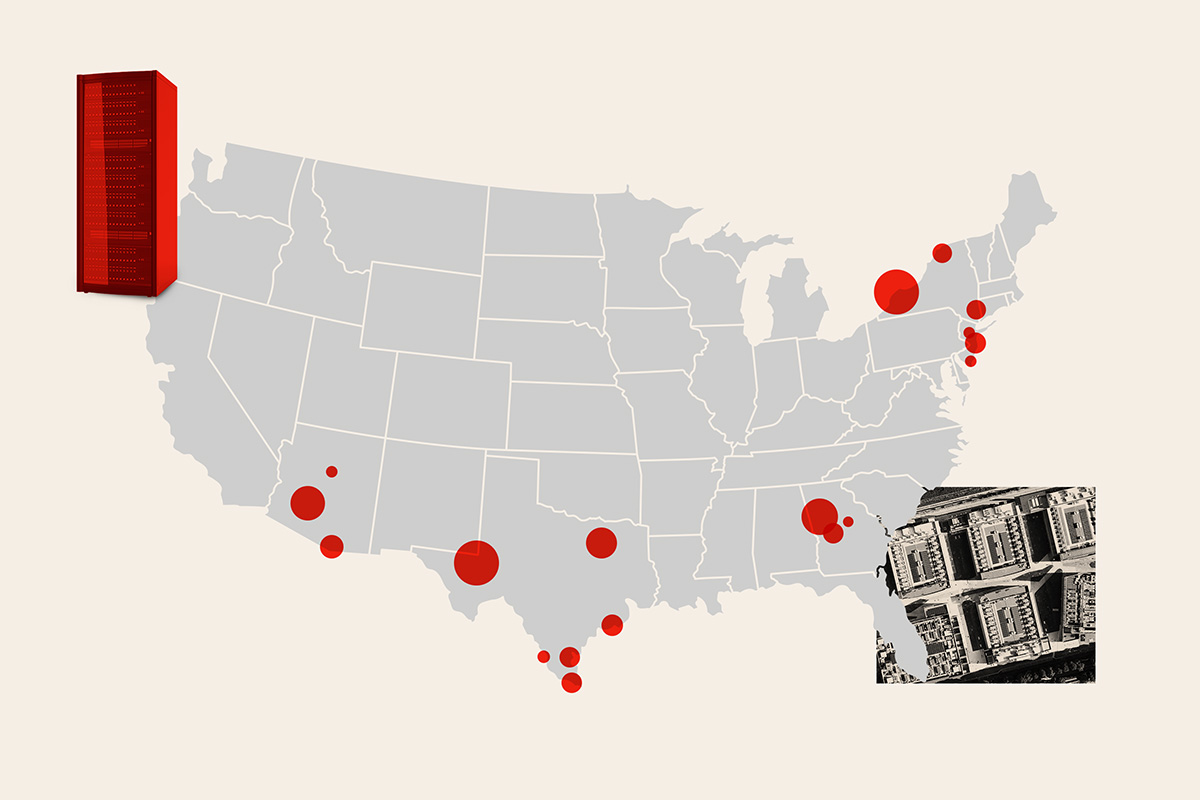
Many communities across the U.S. are opposing the rapid build-up of artificial intelligence (AI) data centers due to concerns about energy, water use, and local impacts. State leaders and businesses in places like New Jersey, Pennsylvania, New York, and Texas are considering or enacting rules and pauses on new data centers to manage these effects better.
Key Facts
Over 4,300 AI data centers exist in the U.S., with large numbers in Virginia, Texas, and New York.
A Gallup poll showed 70% of Americans oppose building AI data centers in their communities.
New Jersey and Pennsylvania governors announced new rules to ensure data centers manage energy and water use responsibly.
Nearly 500 businesses in New York asked for a temporary halt on new data centers, citing pollution, resource strain, and rising costs.
Texas Agriculture Commissioner called for a pause on new large data centers to study their long-term impact on land, water, and power.
Some local governments in New Jersey have banned data centers entirely within their areas.
Critics worry about increased fossil fuel use, water shortages, higher electricity prices, and pollution from these rapidly growing facilities.
Data centers use large amounts of electricity for operation and water for cooling, affecting rural communities and infrastructure.
Read the Original
Want the full story? Tap a source to open the original
article.
The Commodity Futures Trading Commission (CFTC) asked a judge to cancel a settlement made during President Biden’s time with Gemini, a cryptocurrency exchange run by the Winklevoss twins. The CFTC claims that unfair methods were used to force Gemini into the settlement.
Key Facts
The CFTC is a U.S. government agency that regulates futures and options markets.
Gemini is a cryptocurrency exchange created by Tyler and Cameron Winklevoss.
The settlement in question was reached during President Biden’s administration.
The CFTC says the case used "inappropriate tactics" to pressure Gemini into settling.
The agency officially requested a judge to reject or toss out this settlement.
The move suggests ongoing disputes about regulation and enforcement in the crypto industry.
Tyler and Cameron Winklevoss are well-known investors in the cryptocurrency space.
The issue reflects tensions between cryptocurrency companies and government regulators.
Read the Original
Want the full story? Tap a source to open the original
article.
Gold and silver prices rose sharply in late 2025 but dropped significantly by May 2026. Experts have different views on what will happen to gold prices in June, with some expecting small declines and others predicting stability or increases depending on world events and economic policies.
Key Facts
Gold prices jumped from about $3,865 in October 2025 to over $5,000 in January 2026 before falling to $4,463 by late May.
Silver rose from $47 to $116 per ounce in the same period but dropped back to $74 by late May.
Factors like the war in Iran and higher interest rates from the Federal Reserve influenced the recent price drops.
Over the past year, gold increased 36% and silver went up 133%, despite recent declines.
Some experts expect gold prices to fall slightly in June due to lower demand from jewelry makers in Asia.
Others predict gold prices could stay steady or rise if conflicts worsen or inflation stays high.
The Federal Reserve’s interest rate decisions are a key factor for gold’s attractiveness compared to other investments.
Analysts compare current conditions to the 1970s stagflation period, which was favorable for gold prices.
Read the Original
Want the full story? Tap a source to open the original
article.