The Commodity Futures Trading Commission (CFTC) asked a judge to cancel a settlement made during President Biden’s time with Gemini, a cryptocurrency exchange run by the Winklevoss twins. The CFTC claims that unfair methods were used to force Gemini into the settlement.
Key Facts
The CFTC is a U.S. government agency that regulates futures and options markets.
Gemini is a cryptocurrency exchange created by Tyler and Cameron Winklevoss.
The settlement in question was reached during President Biden’s administration.
The CFTC says the case used "inappropriate tactics" to pressure Gemini into settling.
The agency officially requested a judge to reject or toss out this settlement.
The move suggests ongoing disputes about regulation and enforcement in the crypto industry.
Tyler and Cameron Winklevoss are well-known investors in the cryptocurrency space.
The issue reflects tensions between cryptocurrency companies and government regulators.
Read the Original
Want the full story? Tap a source to open the original
article.
Gold and silver prices rose sharply in late 2025 but dropped significantly by May 2026. Experts have different views on what will happen to gold prices in June, with some expecting small declines and others predicting stability or increases depending on world events and economic policies.
Key Facts
Gold prices jumped from about $3,865 in October 2025 to over $5,000 in January 2026 before falling to $4,463 by late May.
Silver rose from $47 to $116 per ounce in the same period but dropped back to $74 by late May.
Factors like the war in Iran and higher interest rates from the Federal Reserve influenced the recent price drops.
Over the past year, gold increased 36% and silver went up 133%, despite recent declines.
Some experts expect gold prices to fall slightly in June due to lower demand from jewelry makers in Asia.
Others predict gold prices could stay steady or rise if conflicts worsen or inflation stays high.
The Federal Reserve’s interest rate decisions are a key factor for gold’s attractiveness compared to other investments.
Analysts compare current conditions to the 1970s stagflation period, which was favorable for gold prices.
Read the Original
Want the full story? Tap a source to open the original
article.
U.S. stock markets are near their highest levels ever as many American companies report better profits than expected. Oil prices are changing a lot due to worries about the war with Iran and talks to reopen a key shipping route. Meanwhile, inflation is rising but is close to what experts predicted.
Key Facts
The S&P 500 index reached an all-time high, with the Dow Jones down slightly and the Nasdaq up.
Companies like Dollar Tree, Snowflake, Hormel Foods, and Kohl’s reported profits that beat analysts’ expectations.
Snowflake’s stock jumped 33.4% due to strong growth driven by artificial intelligence.
Oil prices rose to about $89.49 a barrel after fluctuating because of uncertainty about a deal between the U.S. and Iran.
The Strait of Hormuz, an important oil shipping route, may reopen if a deal is reached.
The U.S. intercepted missiles launched by Iran, increasing tensions in the region.
Inflation, measured by a Federal Reserve-preferred index, rose but stayed near expected levels.
U.S. personal savings dropped to a four-year low, showing financial strain on many families.
Read the Original
Want the full story? Tap a source to open the original
article.
CBS Mornings Deals offers special discounts on products designed to improve daily life. Viewers can visit cbsdeals.com to find and buy these discounted items.
Key Facts
CBS Mornings Deals features different products with reduced prices.
The products are meant to help make everyday life better.
Discounts are available exclusively through cbsdeals.com.
CBS earns commissions when people buy items from the website.
The deals are promoted during CBS Mornings broadcasts.
Read the Original
Want the full story? Tap a source to open the original
article.
The FDA has issued the highest risk Class I recalls for three types of chips made by Legacy Bakehouse due to possible salmonella contamination. The contamination is linked to a recalled milk powder from California Dairies used in the seasoning for these products.
Key Facts
Three chip products by Legacy Bakehouse were recalled: Butter Parsley Bagel Crisps, Parmesan & Herb Bagel Crisps, and Giant Eagle-branded Baked Pita Chips.
The recalled products include large 10-pound wholesale cases and smaller retail bags sold in several states.
The recall is due to potential salmonella contamination traced to California Dairies milk powder used in the seasoning.
The milk powder had been previously recalled for salmonella risk, even though tests on the seasoning blend showed negative results before use.
The FDA classifies these recalls as Class I, meaning there is a reasonable chance the products could cause serious health problems or death.
Other products including potato chips, snack mixes, and croutons have also been recalled due to the same milk powder issue.
Salmonella is a common cause of food poisoning that can be serious, especially for vulnerable people.
Read the Original
Want the full story? Tap a source to open the original
article.
A new analysis by the Environmental Working Group found that half of California's surface water samples contained harmful chemicals called PFAS, used in pesticides. These chemicals do not break down naturally and can contaminate drinking water, posing health risks to the public.
Key Facts
PFAS are "forever chemicals" used in pesticides and many consumer products like nonstick cookware and waterproof clothing.
The Environmental Working Group reviewed 4,158 surface water samples from 2020 to 2023 in 11 California counties.
Half of the tested water samples contained PFAS pesticides.
San Luis Obispo and Monterey counties had the highest detection rates of PFAS pesticides.
PFAS chemicals can cause health problems including cancer, thyroid and liver diseases, and weak immunity.
PFAS do not break down naturally and remain in the environment for a long time.
California uses 2.5 million pounds of PFAS annually on farmland, leading to widespread contamination risks.
Traditional water filters cannot remove PFAS effectively; advanced treatments are needed but are costly.
Read the Original
Want the full story? Tap a source to open the original
article.
A report finds that datacentres in Ireland have raised household electricity bills by an average of €360 from 2015 to 2023 by increasing energy demand. The datacentres use a large share of Ireland’s electricity, pushing up prices especially since much of the power comes from fossil gas. Industry groups say datacentres contribute positively to the economy and pay significant taxes.
Key Facts
Datacentres in Ireland used 22% of the country’s electricity last year, more than all urban homes combined.
This electricity use by datacentres has added around €715 million to Ireland’s economy costs and raised household bills by €360 on average between 2015 and 2023.
The report suggests households are indirectly subsidizing big tech companies through higher energy bills, calling it a "hidden data centre tax."
Datacentre demand raises gas-powered electricity use, which can cause price spikes during energy crises.
If datacentre growth continues, households may pay an extra €295 to €644 on electricity bills by 2034.
Industry groups argue datacentres buy electricity differently, invest €18 billion recently, pay grid charges, and meet EU’s strict renewable energy rules (80% of energy from renewables).
The Irish government supports datacentres as vital to economic innovation and denies that they create an unfair burden on consumers.
Datacentres are subject to high corporate taxes, which fund public infrastructure and programs in Ireland.
Read the Original
Want the full story? Tap a source to open the original
article.
The Federal Reserve released its first inflation report under new chief Kevin Warsh, showing consumer prices rose at their highest rate in nearly three years in April. Inflation increased mainly due to higher energy costs, posing challenges for the Fed as it considers future interest rate decisions.
Key Facts
The personal consumption expenditures (PCE) price index rose 3.8% annually in April, the highest since May 2023.
Core PCE, which excludes energy and food, increased 3.3% annually in April, matching forecasts.
Rising energy prices, partly linked to the Iran conflict, are driving higher inflation.
The Federal Reserve had previously expected to cut interest rates in 2026, but this is now less likely.
President Trump wants the Fed to lower borrowing costs to support economic growth.
Inflation increases also appeared in housing, utilities, recreation services, and food services.
There is now a 40% chance of a Fed interest rate hike in December, up from 3% in June.
The report suggests inflation pressures remain high despite slightly lower-than-expected price increases in April.
Read the Original
Want the full story? Tap a source to open the original
article.
Disney announced a $100 million plan to help children in hospitals. They are working with Philips to create ways to reduce anxiety and avoid sedation during MRI scans for kids.
Key Facts
Disney is committing $100 million to support children in hospitals.
The initiative aims to reduce anxiety in kids during medical procedures.
Disney is partnering with Philips, a health technology company.
The focus is on helping children during MRI scans.
Reducing the need for sedation is a key goal of the program.
This effort is part of a broader strategy to improve children's healthcare experiences.
Read the Original
Want the full story? Tap a source to open the original
article.
Property taxes increased in every major U.S. metro area from 2023 to 2024, adding to homeowners' financial burdens. This rise comes despite slowing home price growth, as tax assessments still reflect high prices seen during the pandemic housing boom.
Key Facts
Median property taxes in the U.S. reached $3,119 per year in 2024, up 5.1% from the previous year.
Homeowners with mortgages paid about $3,489 annually in property taxes, $913 more than those without mortgages.
New York City had the highest median property taxes at over $10,000, while Birmingham, Alabama had the lowest at $1,156.
Tampa saw the largest property tax increase at 7.7%, followed by Denver (7.4%) and Miami (7.1%).
Property tax assessments often lag behind current market values, causing delays in tax increases following housing booms.
Florida’s "Save Our Homes" policy limits annual tax assessment increases for some owners but causes uneven tax bills across homeowners.
Efforts to reform property taxes have been proposed in several states but face challenges and have not advanced widely.
Some metros like Milwaukee, Phoenix, and Memphis saw much smaller property tax increases between 0.7% and 1.1%.
Read the Original
Want the full story? Tap a source to open the original
article.
Burberry’s new chief executive, Joshua Schulman, could earn up to £12.2 million through a new bonus plan linked to company performance and share price growth. The luxury brand reported a return to profit and steady sales after cutting costs and focusing on core products under Schulman’s leadership.
Key Facts
Joshua Schulman became Burberry’s CEO in July 2024, replacing Jonathan Akeroyd.
Schulman earned £4 million in the year ending March 2024, including a salary, bonuses, and relocation pay.
Burberry made a pre-tax profit of £49 million, improving from a loss of £66 million the previous year.
The company cut £80 million in annual costs, reduced store numbers, and regained customers in China and North America.
Sales remained flat at £2.4 billion after adjusting for currency effects.
Schulman’s basic salary will rise 3% to £1.24 million from July 2024.
A new long-term bonus could pay Schulman up to 300% of his salary if he meets targets like increasing revenues to £3.1 billion by 2029.
Finance director Kate Ferry’s pay more than doubled to £2.5 million, with potential to reach £5.6 million if targets and share price goals are met.
Read the Original
Want the full story? Tap a source to open the original
article.
UK government ministers are discussing pausing a planned carbon tax on fertilisers to help reduce rising food prices. They are also considering suspending import tariffs on various foods and fertilisers to support farmers facing higher costs due to global fuel and fertiliser price increases linked to the conflict in Iran.
Key Facts
Ministers want to delay a carbon tax on fertilisers set for early next year.
The carbon tax would charge importers based on the pollution created when making fertilisers.
Fertiliser prices have increased sharply since the Iran conflict, which affects shipping routes.
High fertiliser costs risk causing farmers to leave fields unplanted, which would raise food prices.
The government aims to suspend tariffs on foods like bread, biscuits, and bananas to help with food inflation.
There is disagreement between the Treasury and the Department for Business and Trade about changing the law to pause the tax.
The UK produces around 40% of its own fertilisers, importing the rest.
Farmers could face significant financial losses next year due to rising costs from the conflict in Iran.
Read the Original
Want the full story? Tap a source to open the original
article.
A couple found two paintings in a skip while walking their dog and later sold them at auction for £16,000. The paintings were by Louis Wain, a famous British artist known for his cat drawings.
Key Facts
The couple found the paintings in a skip and hung them in their home for several years.
They researched the artist and learned it was Louis Wain, celebrated for his cat art from the late 1800s and early 1900s.
The paintings sold for £16,000 at Rogers Jones Auctioneers.
Louis Wain struggled financially during his life and often sold artwork for small amounts.
Wain's life inspired the 2021 film, The Electrical Life of Louis Wain, starring Benedict Cumberbatch.
Wain worked as an art teacher and freelance artist before becoming famous for his cat drawings.
British law says taking items from skips can be risky without permission because the items may still belong to someone or pose safety hazards.
The couple chose to remain anonymous but shared their story through the auction house.
Read the Original
Want the full story? Tap a source to open the original
article.
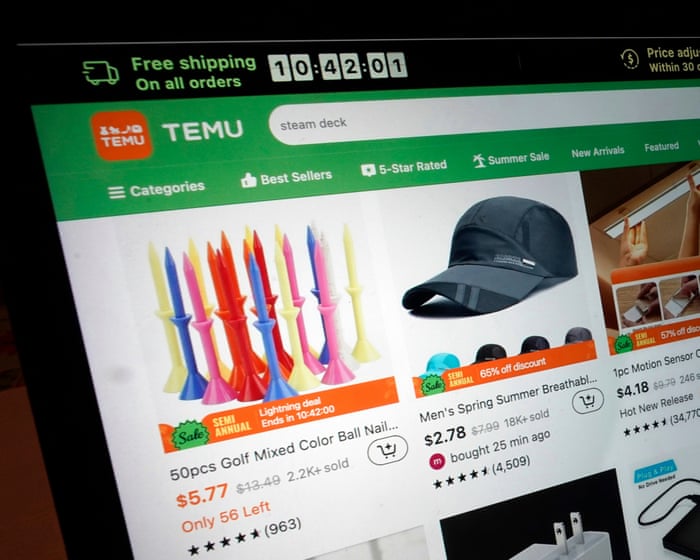
The European Union fined the Chinese shopping site Temu €200 million for selling illegal and unsafe products like baby toys and dangerous chargers. The fine comes after a long investigation showed Temu did not properly check the safety of products on its platform, violating EU rules called the Digital Services Act.
Key Facts
Temu was fined €200 million (£173 million) by the EU for selling unsafe and illegal products.
The investigation lasted 19 months and found many dangerous items, including choking hazards in baby toys and chargers that could cause fire or shocks.
Consumer groups reported problems with products containing banned chemicals and unsafe metals like lead.
The EU said Temu’s website controls were weak, and their recommendation systems may spread illegal products more widely.
This is the largest fine under the EU’s Digital Services Act, a law to protect people online that started in February 2024.
Temu’s parent company, PDD Holdings, made $54 billion globally in 2024, mostly from Temu and Pinduoduo.
Temu serves 130 million consumers in the EU, about one-third of the population there.
Temu is allowed to appeal and must submit a plan by August 28 explaining how it will fix these issues.
Read the Original
Want the full story? Tap a source to open the original
article.
The Ogallala Aquifer, the largest underground water supply in the U.S., is running out due to heavy use for farming irrigation. This decline threatens agricultural production, food prices, and rural economies in the Great Plains region.
Key Facts
The Ogallala Aquifer lies beneath eight states from South Dakota to Texas.
It provides about 30% of the groundwater used for irrigation in the U.S.
The aquifer supports around 20% of the country’s agricultural output.
Water levels have dropped by more than 200 feet in some areas since the mid-1900s.
Water is being used faster than nature can refill the aquifer, losing more than it gains each year.
Farming crops like corn, wheat, and cotton depend heavily on this water.
Climate change and droughts are expected to make water shortages worse.
Up to 40% of the aquifer may no longer support irrigation within decades if the trend continues.
Read the Original
Want the full story? Tap a source to open the original
article.
The European Union fined Chinese-owned online retailer Temu €200 million for selling unsafe products like dangerous baby toys and faulty chargers. The EU said Temu failed to properly check these products and now must fix the problems by August.
Key Facts
The EU fined Temu €200 million for selling illegal and unsafe products.
Problem products included baby toys with harmful chemicals and choking risks, and chargers that failed safety tests.
Temu was investigated since October 2024 as a Very Large Online Platform under EU law.
An independent mystery shopping test found many products did not meet safety standards.
Temu disagrees with the fine and says it is too big.
Temu must submit a plan to fix issues by August 28, and the EU will review it within two months.
This is the second fine under the EU Digital Services Act, after a €120 million penalty for Elon Musk’s X social media.
EU officials say the fine sends a strong message about safety responsibility for big online platforms.
Read the Original
Want the full story? Tap a source to open the original
article.
A chocolate snack called SkinnyDipped Dark Chocolate Coconut Almond Bites is being recalled across the U.S. because it may contain peanuts that are not listed on the label. The recall aims to protect people with peanut allergies from serious or life-threatening reactions.
Key Facts
The recalled product is SkinnyDipped Dark Chocolate Coconut Almond Bites.
The issue was found after a consumer reported peanut butter inside the product.
This chocolate snack usually contains coconut and almonds coated in dark chocolate.
The recall affects products sold nationwide in specific batches with best by dates in December 2026.
No illnesses have been reported so far.
People with peanut allergies could have severe reactions if they eat the product.
The FDA requires clear labeling of major allergens, including peanuts.
Consumers should check packaging for affected lot codes, avoid eating the product, and return it for a refund.
Read the Original
Want the full story? Tap a source to open the original
article.
Sports wagering apps and prediction markets use games and internet memes to attract young people. These platforms let users bet money on real or unusual events, often making it seem like a game instead of gambling. Studies show most users lose money, and experts worry this easy access may lead to gambling addiction among young people.
Key Facts
Prediction markets like Kalshi and Polymarket use memes and casual messages on social media to attract younger users.
Users can bet on real events (like sports outcomes) or unusual predictions (like alien existence).
Most users lose money; research on Polymarket found 69% of users lost money, with profits going mainly to a few top traders.
These platforms allow users 18 years and older to bet, which is younger than the 21-year minimum age for gambling in many U.S. states.
Experts say the 18-21 age range is critical for brain development and young people are more vulnerable to gambling addiction.
Researchers and doctors warn that easy access and fast-paced betting make young people more at risk for harmful gambling habits.
Senators Katie Britt and Richard Blumenthal proposed a law to stop sports betting ads targeting minors on social media.
Marketing experts say these companies use memes and internet humor deliberately to reach young audiences.
Read the Original
Want the full story? Tap a source to open the original
article.
A government-backed report warns that over 1 million young people in the UK are not in work, education, or training, risking a £125 billion annual cost to the economy. The report highlights that this situation harms the country’s finances and the future prospects of young people, urging policy changes to address the issue.
Key Facts
More than 1 million young people aged 16-24 in the UK are not in education, employment, or training (known as "Neet").
This is the first time since 2013 that the number of Neet young people has risen above 1 million.
The report estimates the annual cost of youth worklessness to the UK economy and public finances at £125 billion.
Being Neet causes long-term harm to young people’s confidence, health, and future income, with an average lifetime earnings loss of £52,000.
If all Neet young people aged 18-24 had jobs, the UK economy would gain £38 billion in gross domestic product.
The government spends about £8.1 billion a year on benefits for young people, with £4.4 billion going to those who are Neet.
The longer young people stay without work or education, the harder and more costly it is to help them re-enter the workforce.
The report recommends changes in policies for schools, health services, welfare, and employment support to reduce youth disengagement.
Read the Original
Want the full story? Tap a source to open the original
article.
A frozen treat called De Dios’s Ice Pops II is being recalled in four U.S. states because it may have undeclared ingredients that can cause serious allergic reactions. The Food and Drug Administration (FDA) warned that these allergen risks stem from problems found during an inspection of the company's production process.
Key Facts
The recall affects ice pops sold in New Jersey, New York, Pennsylvania, and Connecticut.
Undeclared ingredients include milk, pecans, pistachios, and two synthetic food dyes: Yellow #5 and Red #40.
The recall applies to products made before April 27, 2026, across multiple flavors.
The FDA found issues with the company’s manufacturing that allowed allergen contamination.
No illnesses have been reported related to these popsicles so far.
Food allergies can cause mild to life-threatening reactions, such as difficulty breathing.
The FDA and health officials plan to phase out Yellow #5 and Red #40 due to health concerns.
Consumers should not eat these popsicles if they have allergies and should return them for a refund.
Read the Original
Want the full story? Tap a source to open the original
article.