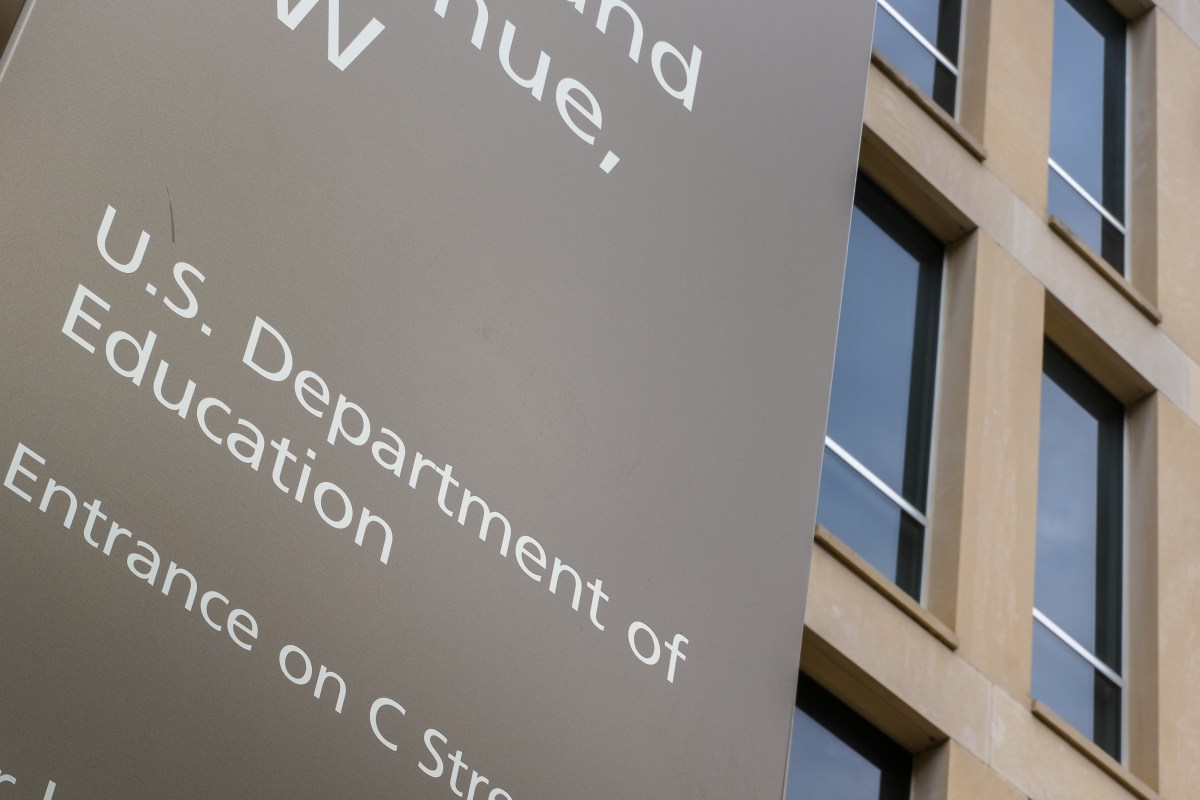
Federal student loan interest rates will go up for the 2026–27 school year starting July 1, making new loans more expensive. The increase will raise monthly payments and the total amount borrowers must repay over time.
Key Facts
Interest rates on new federal student loans will rise as of July 1, 2026.
Undergraduate loan rates will increase from 6.39% to 6.52%.
Graduate loan rates will increase from 7.94% to 8.07%.
Parent PLUS loan rates will increase from 8.94% to 9.07%.
These rates are fixed for the life of the loan and apply only to new loans.
Rate increases are linked to rising yields on 10-year Treasury notes, influenced by inflation and government borrowing.
Higher interest rates mean students and families will pay more money overall for education loans.
Over 40 million Americans currently hold student loan debt and may face financial pressure from these changes.
Read the Original
Want the full story? Tap a source to open the original
article.
Many companies are cutting jobs as they invest more in artificial intelligence (AI), especially in the tech industry. While layoffs linked to AI are rising, the technology also seems to be causing companies to hire fewer new workers, particularly affecting junior and entry-level positions.
Key Facts
AI-related job cuts total about 50,000 this year, making up 17% of all announced layoffs in 2026.
Companies like Intuit, Meta, and Cisco have announced large layoffs to focus more on AI technology.
Some experts say AI investments help reduce labor costs but may not fully replace workers yet.
Economists observe AI’s bigger impact is fewer new hires rather than mass layoffs.
Entry-level jobs are more likely to be affected by AI automation than senior roles.
Studies indicate AI reduced monthly job growth by 16,000 and raised unemployment slightly.
AI may change the types of jobs available, making it harder for laid-off workers to find similar roles.
Some workers and experts suggest companies should retrain employees instead of cutting them.
Read the Original
Want the full story? Tap a source to open the original
article.
Shoreline Mafia, a rap group from California, has reunited and is gaining strong attention with new music and events. Their recent project, "Bidness Is Boomin," and appearances at popular shows show they are back in the spotlight.
Key Facts
Shoreline Mafia is a rap group from Los Angeles led by OhGeesy and Fenix Flexin.
The group originally formed through interests in skateboarding, graffiti, and music.
Their first song got about 1,000 views, which they felt was a big success at the time.
The group reunited with a careful plan but sped it up after an opportunity with the streetwear brand Supreme.
Their comeback included new music, a Coachella performance, and being brought on stage by Kendrick Lamar.
Their new album "Bidness Is Boomin" aims to keep listeners feeling good and wanting to party.
Their music mixes L.A. party sounds, West Coast rap, and freestyle styles tied to their city.
The group works closely on their songs to make sure the sound hits just right.
Read the Original
Want the full story? Tap a source to open the original
article.
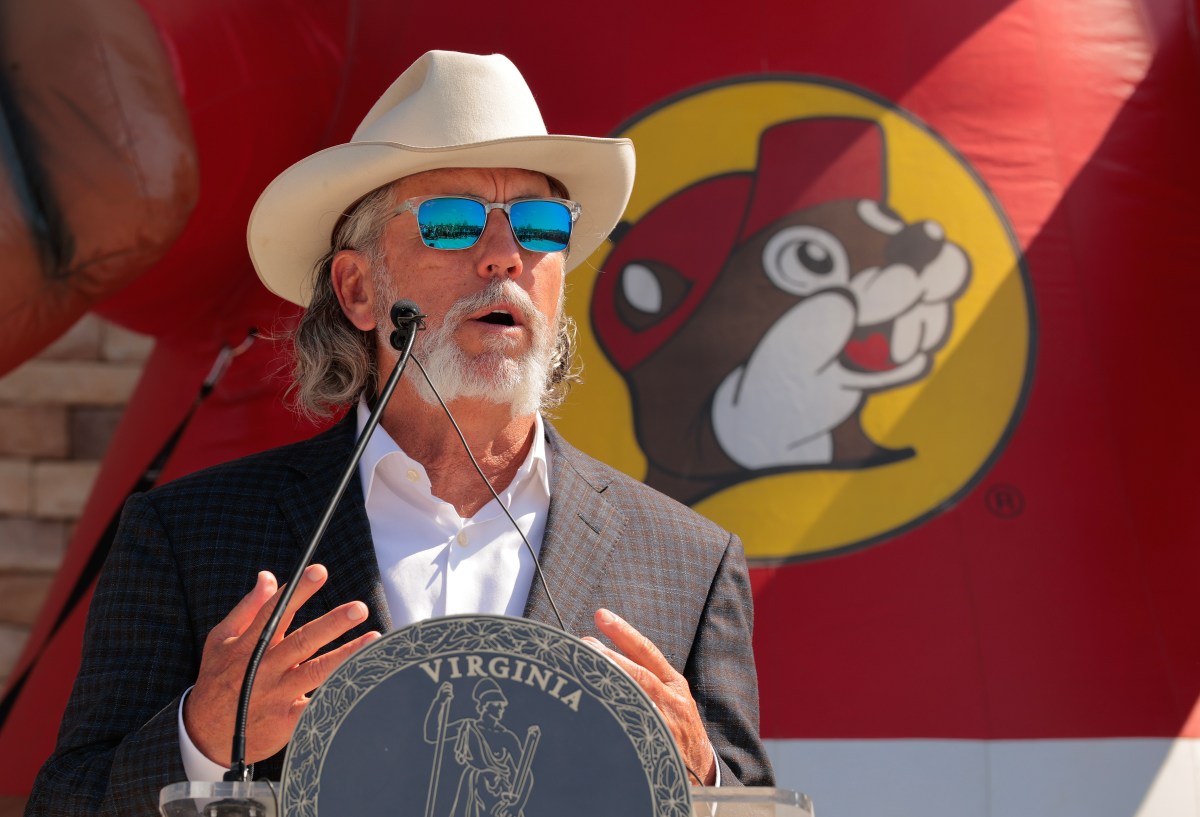
Buc-ee’s is a large Texas convenience store and gas station chain that transformed stops for fuel into a popular travel destination. Founded in 1982 by Arch “Beaver” Aplin, Buc-ee’s expanded from small stores to huge travel centers offering fresh food and a wide variety of products unique to Texas.
Key Facts
Buc-ee’s started in 1982 in Brazoria County, Texas.
The founder, Arch “Beaver” Aplin, named the store after his dog Buck and his own nickname Beaver.
The first Buc-ee’s store was 3,000 square feet, larger than typical gas stations at the time.
Today, Buc-ee’s travel centers can be about 80,000 square feet, much bigger than the industry norm.
Buc-ee’s offers fresh food like barbeque, brisket sandwiches, and breakfast tacos made on-site.
The stores sell many flavors of beef jerky, including their top-selling Bohemian Garlic.
Buc-ee’s combines the convenience of a gas station with the experience of a food and shopping destination.
Aplin's background was in construction science, and he learned the business through experience and adaptation.
Read the Original
Want the full story? Tap a source to open the original
article.
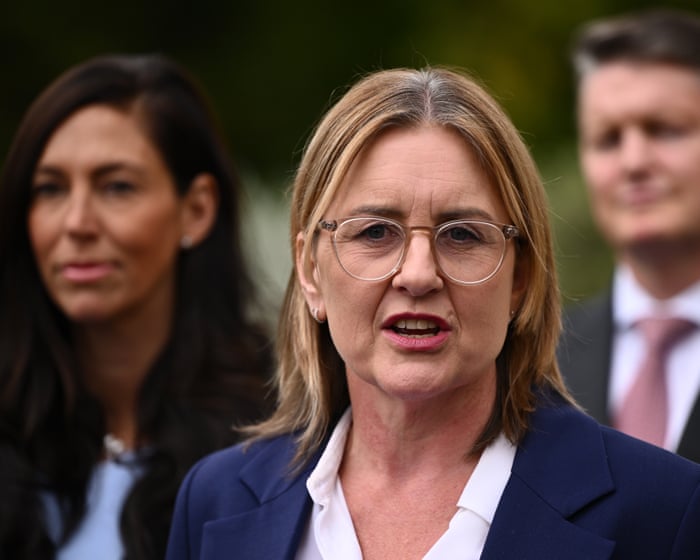
Victoria’s Premier Jacinta Allan will announce a plan to create a government-owned electricity body to hire 2,000 electrical apprentices over four years. The Labor party will also discuss other policies like considering a shorter workweek, adding reproductive health leave, and decriminalising cannabis at their state conference before the upcoming election.
Key Facts
The new apprenticeship program is the first by the government since privatising the State Electricity Commission (SEC) 30 years ago.
The SEC will provide training at two locations in Melbourne and regional Victoria, starting in January 2027.
There is a growing shortage of electricians nationally, with a predicted shortfall of up to 42,000 by 2030.
Reasons for the shortage include fewer students choosing apprenticeships, unclear benefits for employers, and a lack of qualified trainers.
Victoria’s Labor party will finalize its election platform at the conference, including proposals to reduce workweek hours and offer 12 days of reproductive health leave annually.
The party plans to decriminalise personal cannabis use to reduce pressure on police and limit criminal records for vulnerable people.
The conference will also debate motions on issues like higher taxes on gas companies, gambling harm, free public transport, and datacentre emissions.
Premier Allan links the apprenticeship plan to the goal of building careers and community, inspired by her father’s experience with the SEC.
Read the Original
Want the full story? Tap a source to open the original
article.
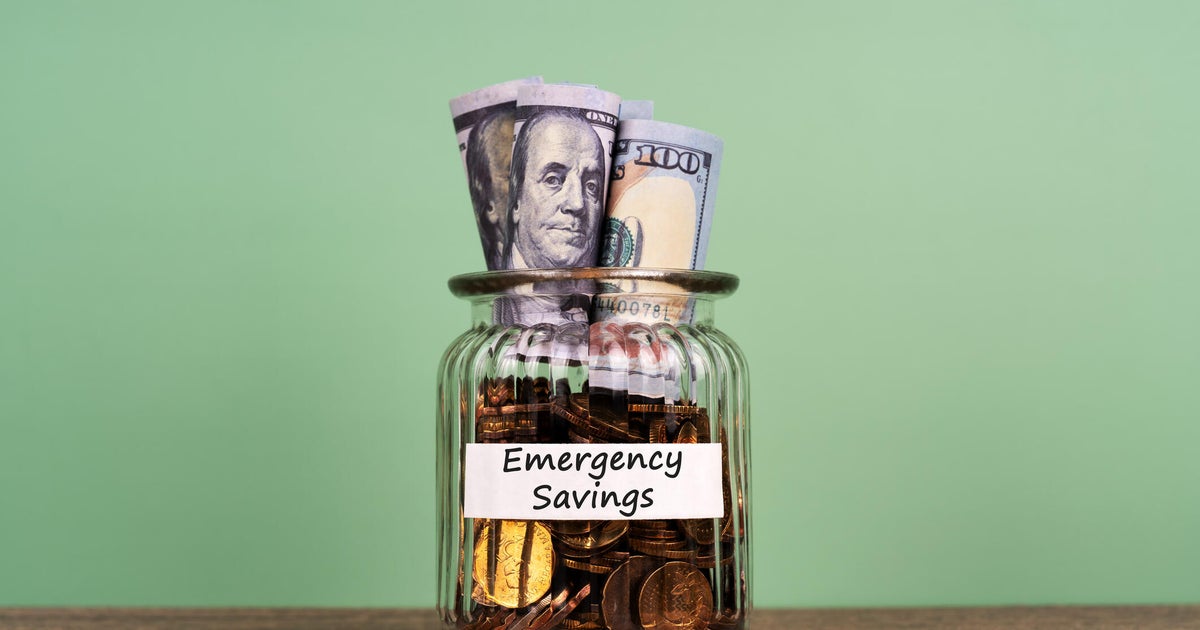
Many Americans face financial stress due to rising inflation and high credit card interest rates. It is important to balance paying off debt with keeping some emergency savings to avoid falling back into costly debt cycles.
Key Facts
Inflation is increasing the cost of essentials, making budgets tighter.
More people use credit cards to pay for everyday expenses.
Credit card interest rates are currently high, adding to debt burdens.
Experts suggest keeping a small emergency fund of $1,000 to $2,500 while paying off debt.
A full emergency fund usually covers 3 to 6 months of living expenses, but this may be too high when carrying debt.
People with unstable incomes or homeowners should save more within the starter emergency fund range.
Those with multiple high-rate credit card debts should focus on paying down debt while keeping a minimal emergency fund.
Large debt amounts may require seeking debt relief options instead of traditional repayment methods.
Read the Original
Want the full story? Tap a source to open the original
article.
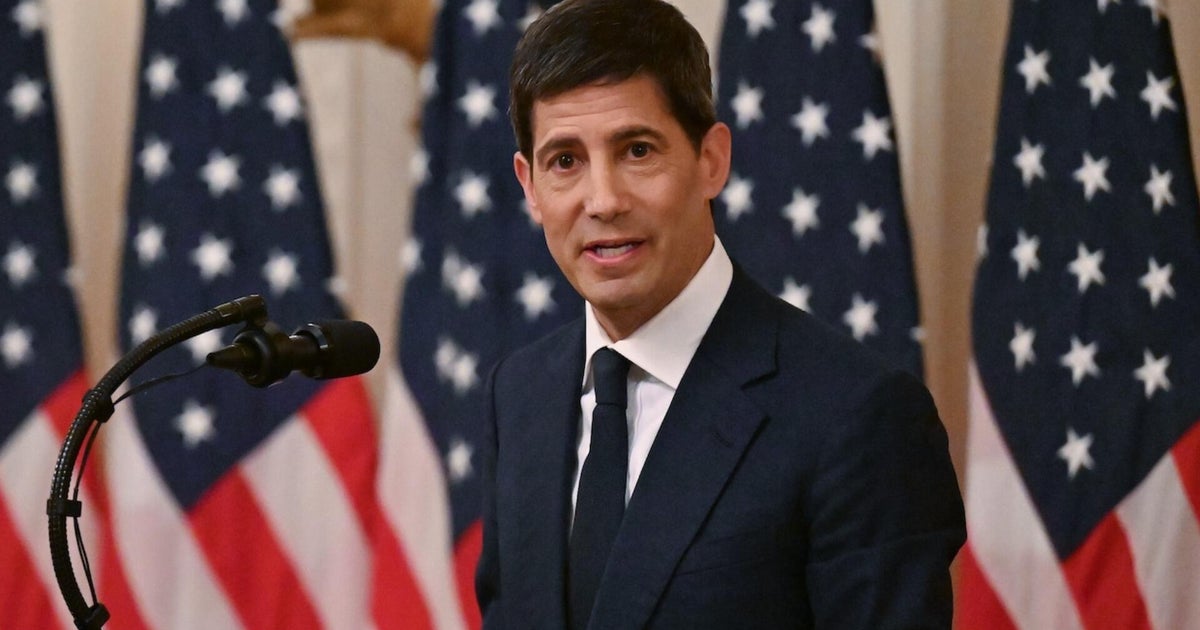
Kevin Warsh was sworn in as the new chair of the Federal Reserve, taking over from Jerome Powell. President Donald Trump said that Warsh will act independently while handling inflation and other economic issues in the United States.
Key Facts
Kevin Warsh became the new Federal Reserve chair on Friday.
He replaced the previous chair, Jerome Powell.
The Federal Reserve chair leads the U.S. central bank, which manages money and inflation.
President Donald Trump said Warsh will stay independent in his role.
Independence means Warsh will make decisions without political pressure.
Managing inflation is a key challenge for the Federal Reserve currently.
The swearing-in ceremony was covered by CBS News reporters Ed O’Keefe and Emily Pandise.
Read the Original
Want the full story? Tap a source to open the original
article.
Small businesses want Congress to make taxes lower, reduce rules, and cut healthcare costs. They believe these changes will help them compete with big companies and hire more workers.
Key Facts
Small businesses are asking Congress for tax relief.
They want fewer regulations that affect their operations.
They seek savings on healthcare expenses.
Their goal is to compete better with larger businesses.
They hope these changes will lead to more job creation.
Read the Original
Want the full story? Tap a source to open the original
article.
A $40,000 short-term certificate of deposit (CD) offers interest rates around 4%, providing a safe way to earn guaranteed returns without risking the original money. Short-term CDs (from 3 months to 1 year) can earn between about $384 and $1,640 in interest, which is much higher than what traditional savings accounts currently pay.
Key Facts
Short-term CDs have fixed interest rates around 4% right now.
A 3-month CD pays approximately $384 in interest on $40,000.
A 1-year CD can earn about $1,640 in interest on $40,000.
CDs protect the original deposit (principal) and are insured up to $250,000 by the FDIC.
Early withdrawal from a CD may cause penalties that reduce interest earned.
Traditional savings accounts have very low rates (~0.38%) and do not keep up with inflation.
Using online platforms can help find the best CD rates and terms.
Choosing a CD helps savers earn more interest safely in today’s higher interest rate environment.
Read the Original
Want the full story? Tap a source to open the original
article.
The marketing company Cox Media Group (CMG) claimed it could listen to consumers’ devices to target ads, but this was false. The Federal Trade Commission (FTC) has made CMG and two other firms pay nearly $930,000 to settle charges that they misled customers about this service.
Key Facts
CMG promoted a service called Active Listening that claimed to use voice data from devices like smartphones to target ads.
CMG removed the promotional webpage after the false claims were exposed.
The FTC says the service did not listen to conversations or use voice data at all.
Instead, the service sold email lists from other data companies at a high price.
CMG agreed to pay $880,000 in a settlement to affected customers.
Two other marketing firms, 1010 Digital Works LLC and MindSift LLC, will each pay $25,000 settlements.
The companies falsely claimed customers had agreed to be targeted through app terms of service.
The FTC stated that if the service had worked as claimed, it would have violated consumer privacy laws anyway.
Read the Original
Want the full story? Tap a source to open the original
article.
Demand for short-term rentals like Airbnb is rising sharply ahead of the 2026 FIFA World Cup, especially among families and groups seeking larger affordable homes. However, hotels are reporting weaker bookings than expected and warn that the expected tourism boost might not fully happen.
Key Facts
Airbnb and Booking.com data show a big increase in accommodation searches and bookings linked to World Cup match dates.
Families and groups make up more than half of the World Cup trips on Airbnb.
Most bookings are for larger rentals under $500 per night.
Booking interest spikes significantly in cities hosting matches like Mexico City, Toronto, Los Angeles, Kansas City, Dallas, NYC, and East Rutherford.
Despite search interest, 80% of hotels report bookings below expectations.
Domestic travelers outnumber international visitors due to visa limits, travel costs, and geopolitical issues.
FIFA canceled or released many large hotel room blocks, causing booking challenges.
High ticket prices and rising hotel costs may be limiting hotel stays during the event.
Read the Original
Want the full story? Tap a source to open the original
article.
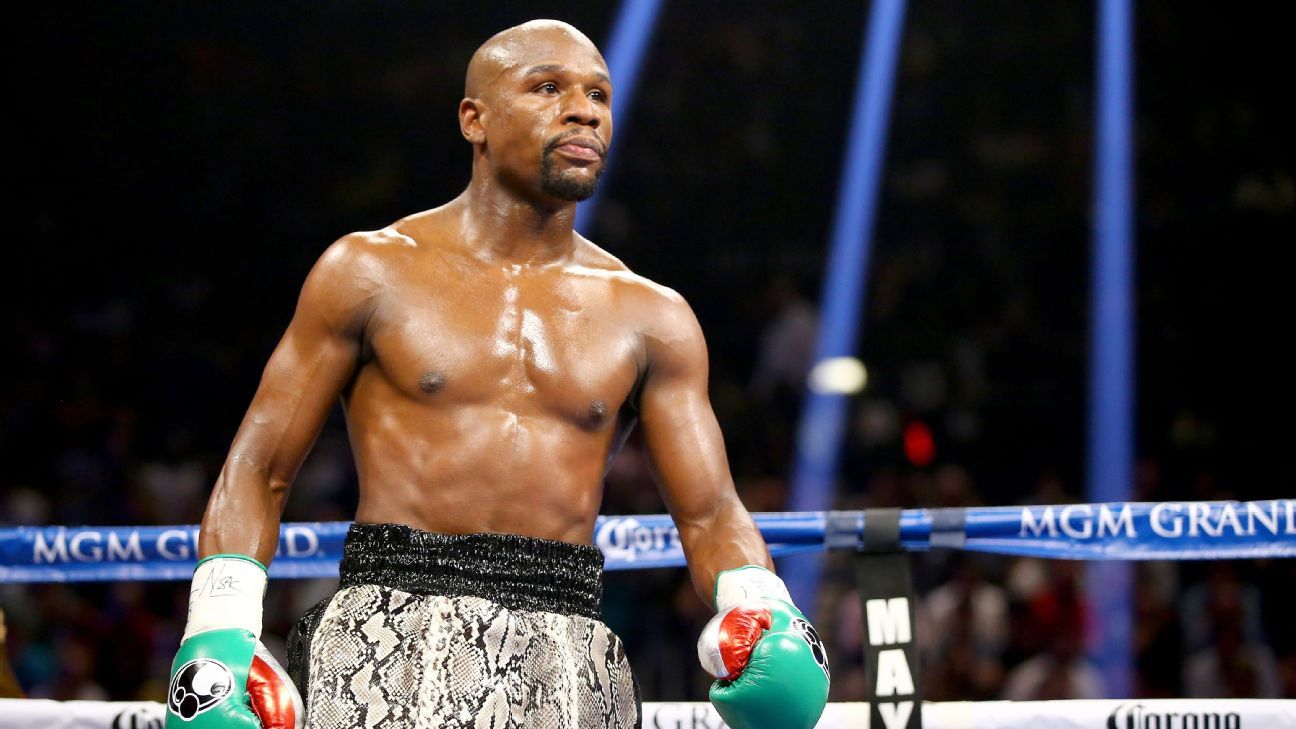
Boxing champion Floyd Mayweather is suing a former business associate for $175 million. He claims this person ran a long-term fraud scheme against him.
Key Facts
Floyd Mayweather is a well-known boxing star.
He filed a lawsuit against a former associate.
The lawsuit asks for $175 million in damages.
Mayweather alleges he was a victim of fraud.
The fraud scheme is said to have lasted for several years.
The case is part of a civil legal dispute.
No other details about the associate or the fraud have been provided.
Read the Original
Want the full story? Tap a source to open the original
article.
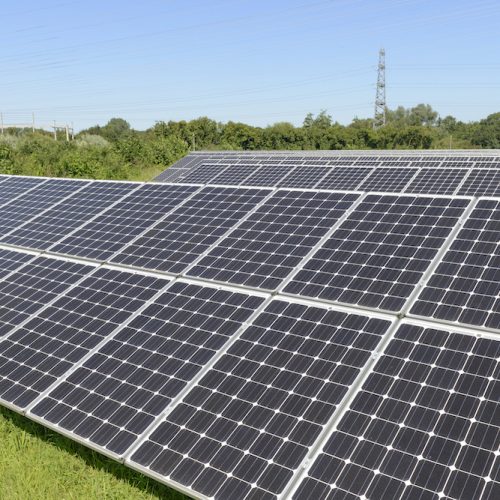
In early 2026, U.S. electricity demand grew slightly, while solar and hydro power production increased significantly. This growth in renewable energy led to a notable drop in coal use, although natural gas use rose a bit.
Key Facts
U.S. electricity demand grew by 1.5% in the first quarter of 2026 compared to the same time in 2025.
Solar power production increased by 24% year-over-year, offsetting most of the rising demand.
Overall renewable energy (wind, solar, hydro) grew by 11%, which is faster than the demand growth.
Coal use dropped by over 10%, while natural gas use increased slightly in the same period.
Hydroelectric production rose 22%, likely due to warm western weather causing earlier snowmelt, not new dams.
Fossil fuels still provide about half of U.S. electricity, with renewables supplying more than a quarter.
When adding nuclear power, clean energy sources make up nearly half the U.S. electricity supply.
The ongoing growth of renewables is pushing coal out of the U.S. power grid.
Read the Original
Want the full story? Tap a source to open the original
article.
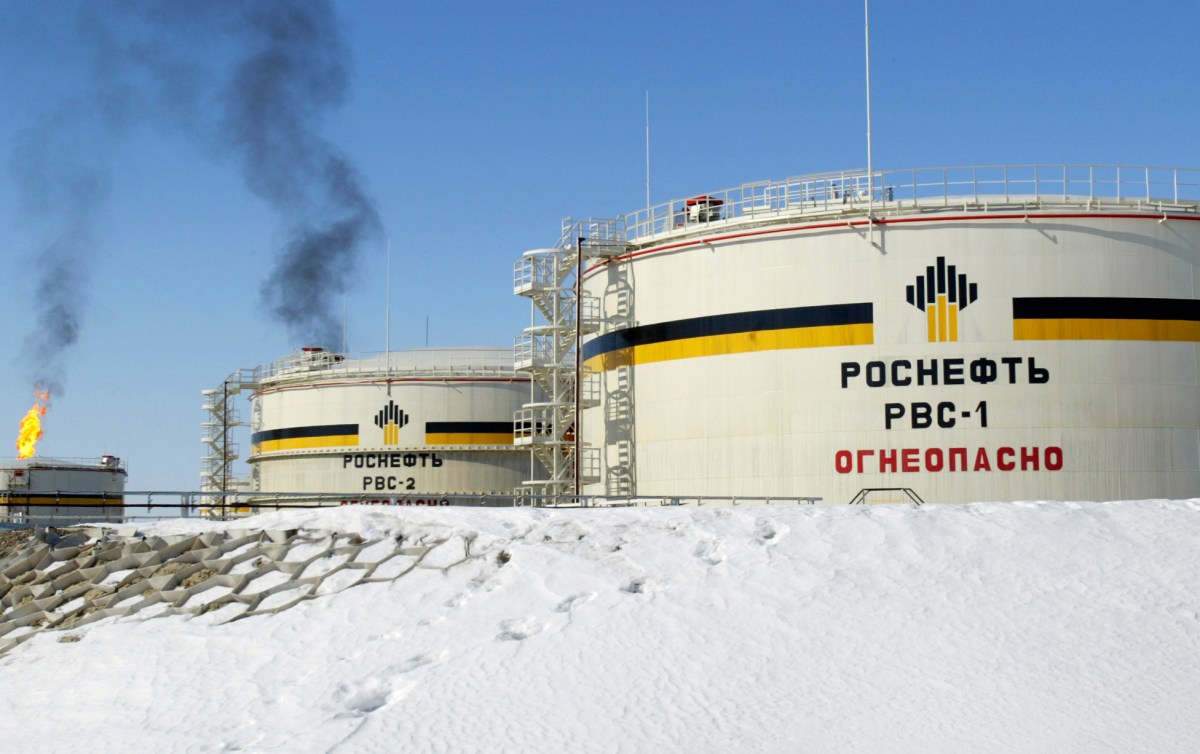
An Indian company, Reliance Industries, shipped important oil refinery chemicals to Russia during the Ukraine war. These shipments, worth about $420,000, might attract attention because Russia’s energy sector finances its actions in Ukraine, though no laws or sanctions appear broken.
Key Facts
Reliance Industries, led by billionaire Mukesh Ambani, sent around 500,000 kilograms of refinery catalysts to Russia between April 2023 and January 2025.
The chemicals are called fluid catalytic cracking catalysts (FCCs), which help improve oil refining efficiency.
These shipments took place during the war between Russia and Ukraine.
The total value of the shipments is estimated at $420,000.
There is no evidence that these shipments broke U.S. or European sanctions.
Export restrictions focus on certain goods and entities, and foreign firms are generally not banned unless U.S. components are involved.
Reliance Industries has a business connection to the Trump Organization through a licensing deal.
Experts say these exports might get extra attention because they help Russia’s oil industry, which funds its war.
Read the Original
Want the full story? Tap a source to open the original
article.
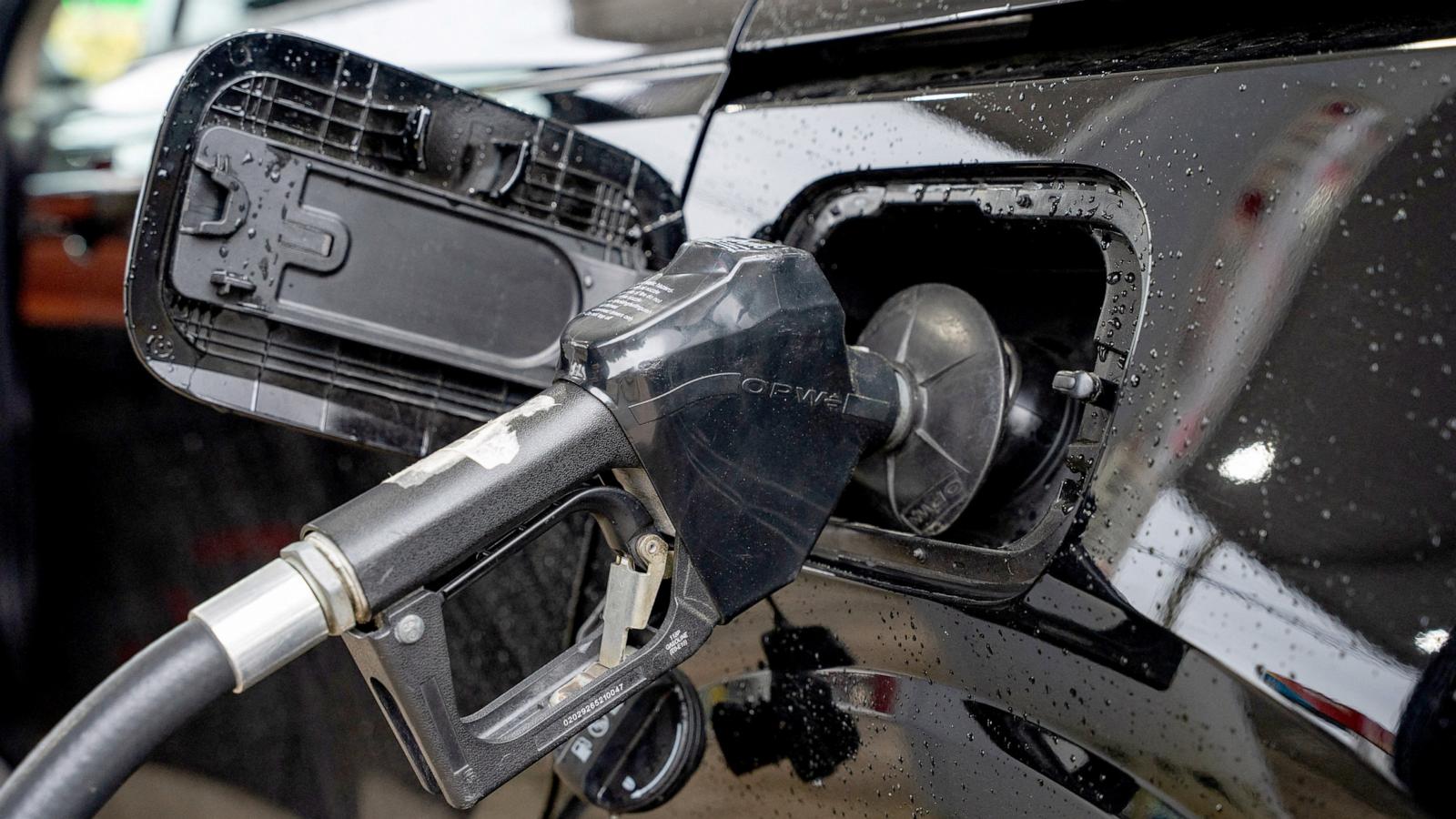
Gas prices in the U.S. are near their highest level in four years ahead of the Memorial Day weekend. This rise is mainly due to reduced global oil supply caused by the war in Iran, which has affected the price of crude oil and gasoline.
Key Facts
The national average gas price is $4.55 per gallon, about 42% higher than last year.
Six states have average gas prices over $5 per gallon, with California at $6.13 per gallon.
About 39 million Americans are expected to travel by car during Memorial Day weekend.
Americans will spend roughly $2 billion more on gasoline this holiday compared to last year.
The war in Iran has disrupted oil supply by closing the Strait of Hormuz, a key shipping route.
Oil prices rose about 50% since the war began on February 28.
Gasoline prices may slightly drop if tanker traffic through the Strait of Hormuz resumes.
Low-income households spend a higher share of their income on gas compared to middle- and upper-income households.
Read the Original
Want the full story? Tap a source to open the original
article.
A new study by pet safety company Dog-G8 shows that Memorial Day weekend increases the risk of dogs going missing due to busy holiday routines and travel. The study identifies the states with the highest rates of lost dogs and explains that many dogs escape from everyday situations like open doors or being startled.
Key Facts
About 10 million pets go missing in the US each year.
Shelters see more stray dogs around Memorial Day, with the trend continuing into summer.
Rhode Island has the highest lost-dog rate, with 7,807 lost dogs per 100,000 dog-owning households.
Utah ranks second with 7,013 lost dogs per 100,000 dog-owning households.
Lost-dog risk is influenced by local habits, outdoor activities, and holiday routines, not just dog population size.
Most lost dogs stay close to where they disappeared; 70% are found within a mile, and 42% within about a city block.
Dogs often run away due to distractions like open gates, visitors, loud noises, or changes in daily routine.
Memorial Day weekend and summer trips are common times for pets to escape.
Read the Original
Want the full story? Tap a source to open the original
article.
Stew Leonard Jr., leader of the Stew Leonard's grocery stores, spoke about how rising prices from inflation affect grocery shopping. He explained challenges in managing costs as groceries become more expensive.
Key Facts
Stew Leonard Jr. is the president and CEO of Stew Leonard's grocery chain.
Inflation is causing grocery prices to increase.
Higher costs are impacting how grocery stores operate.
Stew Leonard Jr. discussed these issues on CBS News.
Consumers are facing higher prices at the grocery store.
The interview focused on strategies to handle inflation’s effects on food costs.
Read the Original
Want the full story? Tap a source to open the original
article.
Chinese fast-fashion company Shein is buying Everlane, a retailer known for eco-friendly and ethical clothing. Everlane’s CEO says the company will stay independent and keep its focus on sustainability with Shein’s financial support.
Key Facts
Everlane was founded in 2011 with a goal to offer affordable, eco-friendly clothing.
The company has faced worker treatment controversies in recent years.
Shein, a leading fast-fashion company from China, is acquiring Everlane.
Everlane’s CEO Alfred Chang confirmed the deal and will remain in charge.
Everlane will continue as its own brand and maintain its sustainability promises.
Everlane’s sales have declined, and it has increasing debt, requiring new ownership.
Shein’s purchase is expected to provide financial stability for Everlane.
The deal may affect how some Everlane customers view the brand due to Shein’s fast-fashion reputation.
Read the Original
Want the full story? Tap a source to open the original
article.
Spending on artificial intelligence (AI) technology is currently helping the U.S. economy grow, even though consumer spending is weak. However, if companies reduce their AI investments, economic growth may slow down and the stock market could drop.
Key Facts
AI capital spending means companies are investing money to develop and use AI technology.
This spending is currently supporting overall economic growth in the U.S.
Consumer spending, which is money people spend on goods and services, is currently weak or soft.
If companies cut back on AI investments, the economy may slow down.
A slowdown in growth could lead to the stock market entering "bear territory," which means prices would drop by 20% or more.
The current boost from AI spending is temporary and may not last forever.
Economic growth depends on multiple factors, including both consumer spending and business investments.
Read the Original
Want the full story? Tap a source to open the original
article.