Energy bills in Great Britain are expected to rise by about £200 in July, bringing the average yearly cost close to £1,900. The increase is mainly due to higher wholesale gas prices following disruptions to global energy supplies caused by the conflict involving Iran.
Key Facts
The typical gas and electricity bill is forecast to reach £1,850 per year from July.
This is about a 13% increase from the current cap of £1,641 set for April to June.
The rise adds approximately £209 to the average household's annual energy bill.
Wholesale energy prices increased sharply after Iran closed the Strait of Hormuz, affecting global gas supplies.
Although a temporary ceasefire reduced prices slightly, they remain much higher than normal.
Energy bills are expected to rise further in October when household energy use usually increases.
Experts say building more renewable energy sources is the long-term solution to reduce bills and reliance on unstable markets.
Households are advised to consider fixed-rate energy deals to avoid higher costs if prices keep rising.
Read the Original
Want the full story? Tap a source to open the original
article.
Abu Dhabi will build a $1.7 billion entertainment venue called the Sphere, similar to the one in Las Vegas, featuring 360-degree screens and immersive experiences. The venue aims to attract visitors with concerts, sports, and cultural events and is part of Abu Dhabi’s plan to boost tourism and diversify its economy.
Key Facts
The Abu Dhabi Sphere will cost $1.7 billion and open by the end of 2029 on Yas Island.
It will have a capacity of up to 20,000 people and offer immersive shows and events.
The project is a partnership between Sphere Entertainment and Abu Dhabi’s Department of Culture and Tourism.
Abu Dhabi chose the Sphere to support its goal of growing tourism and cultural offerings.
Yas Island currently hosts major attractions like Formula 1 races and theme parks.
Sphere Entertainment uses a franchise model where Abu Dhabi funds construction and pays for technology and branding.
The Las Vegas Sphere, opened in 2023, has generated increasing revenue, with $386.4 million in Q1 2026.
The Las Vegas Sphere cost about $2.3 billion to build and hosts popular shows like the “Wizard of Oz” experience and concerts.
Read the Original
Want the full story? Tap a source to open the original
article.
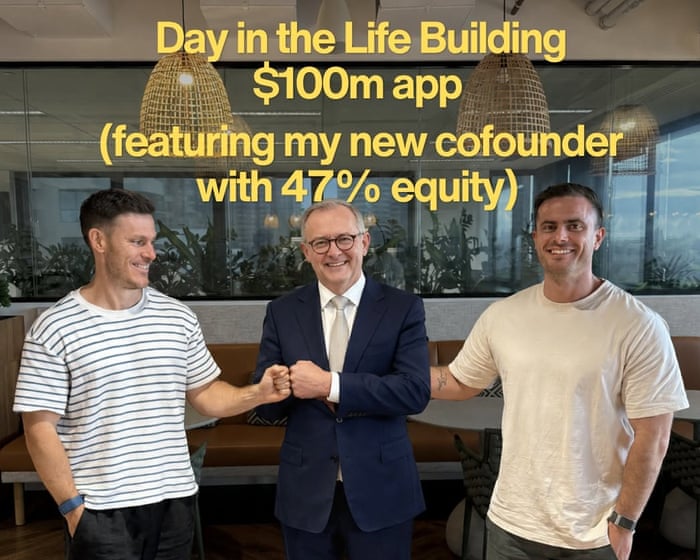
Australia’s government plans to change capital gains tax (CGT) rules, removing a 50% discount and introducing a minimum 30% tax rate on profits from selling assets. Startup founders and some independent politicians warn this could hurt innovation and push companies overseas. The government says it is still consulting on the changes and may offer special treatment for new businesses.
Key Facts
The government proposes replacing the 50% CGT discount with cost-base indexation and a minimum 30% tax rate.
This change would affect profits from selling properties, shares, and other assets.
Startup founders created AI-generated images of Prime Minister Albanese as a form of protest against the tax changes.
Independent politicians from startup hotspots like the ACT warn the changes could push innovative companies to move overseas.
Startups often pay employees with company shares or stock options instead of high salaries, making CGT rules important for them.
Treasurer Jim Chalmers says the government is still consulting and may create exceptions for startups.
Some politicians support the tax reform overall but want the government to balance fairness with supporting new businesses.
Suggestions include discounted tax rates for founders, employees, and investors in startups to encourage local investment.
Read the Original
Want the full story? Tap a source to open the original
article.
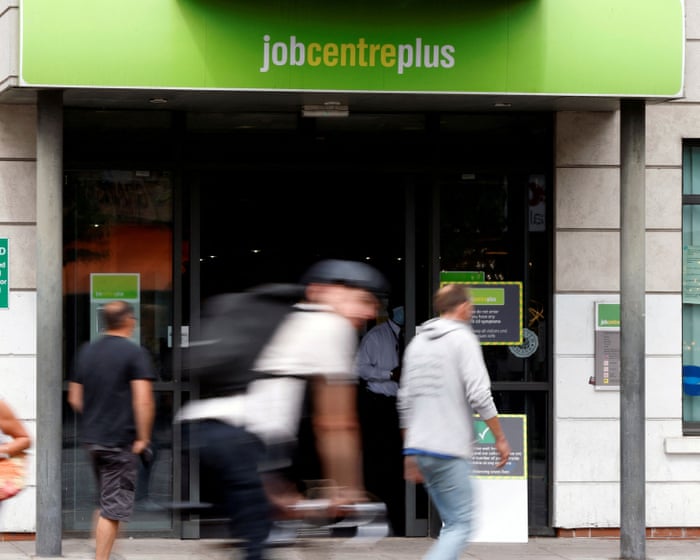
The UK unemployment rate rose to 5% in March, reversing a recent fall, and this change reflects the impact of the war in Iran on the economy. Rising prices and weak wage growth are making life harder for many families, and the Bank of England is watching these trends closely to decide on interest rates.
Key Facts
UK unemployment increased back to 5% between January and March 2026 after briefly dropping to 4.9%.
The war in Iran has caused a new rise in inflation and hurt business confidence in the UK.
Data from HM Revenue & Customs showed a fall of 100,000 payrolled jobs in April, a large monthly drop since 2014.
Annual payrolled job decline is 0.7%, the fastest in five years.
Regular pay rose by 3.4% from January to March, the slowest pace since the Covid pandemic started.
In the private sector, pay growth was only 3%, indicating weak wage increases despite rising prices.
Slow wage growth may help prevent a wage-price spiral, where wages and prices keep pushing each other higher.
The Bank of England’s policy committee is considering whether to raise interest rates, but weak job data may lead them to hold rates steady for now.
Read the Original
Want the full story? Tap a source to open the original
article.
A government-backed Pensions Commission report warns that 15 million people in Britain are not saving enough for retirement, and this number could grow to 19 million without changes. The report highlights risks of many facing financial hardship after retirement and calls for major reforms to the pension system.
Key Facts
15 million Britons currently do not save enough for retirement; this could rise to 19 million.
About 45% of working-age adults do not save into a pension, despite many being employed.
Low and middle earners are most at risk of inadequate pension savings.
Auto-enrolment requires employers to contribute at least 3% to pensions, with employees paying 5%, totaling 8%.
Only 4% of fully self-employed workers save for retirement; younger self-employed save even less.
Around 30% of private pension funds are taken out at the earliest chance, often spent on large expenses.
Women approaching retirement have about half the pension savings of men (£81,000 vs £156,000).
The commission will publish final recommendations next year to improve the pension system.
Read the Original
Want the full story? Tap a source to open the original
article.
The number of job openings in the UK dropped to the lowest point in five years, especially in hospitality and retail sectors. The unemployment rate slightly increased to 5%, and wage growth slowed down after adjusting for inflation.
Key Facts
UK job vacancies are at their lowest level in five years.
Hospitality and retail sectors saw the biggest decreases in job openings.
The unemployment rate rose from 4.9% to 5% between February and March.
Average pay growth slowed to 3.4% in the first quarter of the year.
After accounting for inflation, pay increased by only 0.3%.
The Office for National Statistics (ONS) reported these figures.
The labor market shows signs of weakness with fewer vacancies and higher unemployment.
The data covers the three months leading up to March.
Read the Original
Want the full story? Tap a source to open the original
article.
Unemployment in the UK rose to 5% in early 2024, with slower wage growth as companies deal with higher costs linked to the Iran war. Despite this, the UK economy showed growth in the first quarter, leading some forecasts to predict moderate economic expansion.
Key Facts
UK unemployment increased from 4.9% in February to 5% in the three months to March 2024.
The number of employees paid through payroll fell by 100,000 in April, after a drop of 28,000 in March.
Wage growth slowed to 3.4% year-on-year (excluding bonuses), the slowest since October 2020.
After accounting for inflation, real wage growth was only 0.3%.
Including bonuses, wages grew by 4.1%, up from 3.8% the previous quarter.
The Iran war, starting on 28 February, has driven up energy prices due to the closure of the Strait of Hormuz, affecting UK businesses.
The UK economy grew by 0.3% in March 2024 and 0.6% in the first quarter overall.
The International Monetary Fund raised its UK growth forecast for 2026 from 0.8% to 1%.
The Bank of England expects unemployment could rise to 5.5-5.6% by summer 2027 due to ongoing economic pressures from the Iran war.
Read the Original
Want the full story? Tap a source to open the original
article.
The Australian Charities and Not-for-profits Commission (ACNC) has suspended Dr. Sharmila Chandran from her role as president-elect and board member of the Royal Australasian College of Physicians (RACP) due to alleged breaches of a workplace health and safety order. SafeWork NSW said her actions exposed staff to serious risks to their mental health, leading to ongoing leadership problems in the medical college.
Key Facts
Dr. Sharmila Chandran was suspended by the ACNC until September 20, 2026.
The suspension relates to her alleged failure to obey a SafeWork NSW order not to contact RACP staff.
SafeWork NSW said this failure put staff at immediate and serious psychological risk.
The RACP is a registered charity and one of Australia’s oldest medical colleges with over 32,000 members.
The college has experienced months of conflict and leadership troubles, including police involvement.
Chandran was expected to become president and board chair after the May annual meeting.
The current board and members have accused her of toxic and disrespectful behavior.
Earlier in 2025, Chandran filed an anti-bullying order but later dropped it against the RACP and its outgoing president.
Read the Original
Want the full story? Tap a source to open the original
article.
A charity shop in Audlem, Cheshire, increased its money raised by selling items outside one day a week instead of inside the shop all week. The outdoor sales attract more people, making about £1,200-£1,500 a day and sometimes over £2,000 during village events.
Key Facts
Audlem Charity Shop used to open six days a week and made a few hundred pounds weekly.
Now it sells outside only on Saturdays and makes £1,200 to £1,500 a day.
On special event days, the shop can make more than £2,000 in a day.
The idea to sell outside began during the Covid pandemic when outdoor markets restarted.
The shop is like a mix between a big boot fair (a sale of used items) and a market stall.
The shop is run by about 35 volunteers, and money raised helps local health charities.
The biggest charity beneficiary is St Luke’s Hospice Cheshire.
Some items are also sold online or at auctions to raise more money.
Read the Original
Want the full story? Tap a source to open the original
article.
Widows of deceased civil servants are facing long delays in receiving pension payments because the administration of the Civil Service Pension Scheme was outsourced to the company Capita. Many families have not received their lump-sum payments or ongoing income, causing financial and emotional stress.
Key Facts
Paul McGinness died in January and his widow Fiona has struggled to get his pension payment due to delays by Capita.
Capita took over managing the Civil Service Pension Scheme, which has about 1.7 million members, in December last year.
Capita’s system problems have caused significant delays in processing pension claims and payments.
Families have needed to repeatedly provide documents like death certificates and birth certificates, slowing down the process.
Fiona has other pensions from the Ministry of Defence and the NHS that have paid out, but the main civil service pension is still unresolved.
Another widow, Pamela Moultrie, lost pension payments after initial overpayments and has received no updates.
Capita faced criticism in Parliament and confirmed a data breach affecting some pension members.
Capita apologized and said it is working to fix the problems with extra staff and cooperation with the government.
Read the Original
Want the full story? Tap a source to open the original
article.
A deal to rescue Thames Water, a large water company struggling with debt, is at risk because of uncertainty about who will be the next UK prime minister. The current negotiations involve a group led by an American investment firm, but potential leadership changes and political ideas about public ownership are causing delays.
Key Facts
Thames Water has a debt of £17.6 billion accumulated since it was privatized.
The company has been seeking a rescue deal for over two years to avoid financial collapse.
The proposed rescue deal involves creditors led by Elliott Management, an American investment firm.
Uncertainty over the UK prime minister position is causing problems with finalizing the deal.
Andy Burnham, a potential next prime minister, supports bringing utility companies like Thames Water into public ownership.
Creditors want some fines written off and a reduction in environmental investments until 2030.
If the deal falls through, Thames Water could enter special administration, a temporary government takeover.
Government officials say the company is currently financially stable but are prepared for all options.
Read the Original
Want the full story? Tap a source to open the original
article.
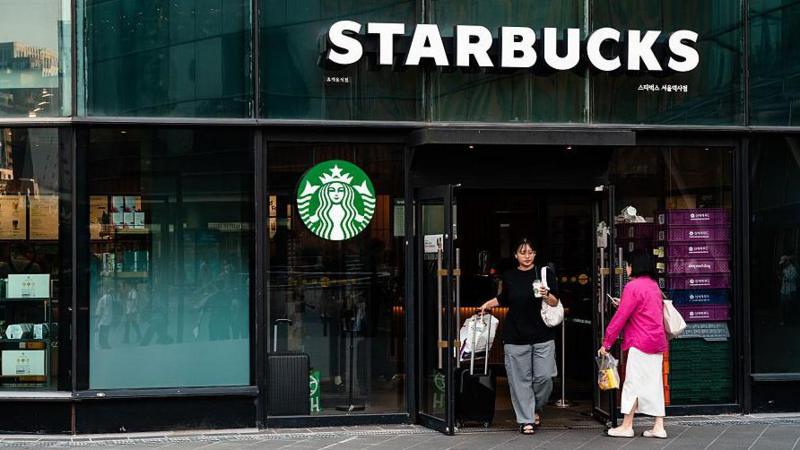
Starbucks Korea ended a coffee tumbler promotion called "Tank Day" after people linked it to a violent military crackdown on pro-democracy protesters in 1980. The company apologized, canceled the event, and fired its CEO following criticism from South Korea's president and public calls to boycott the brand.
Key Facts
Starbucks Korea launched a "Tank Day" promotion for a tumbler with a large coffee capacity.
The promotion started on the anniversary of the Gwangju Uprising, a violent military crackdown in 1980.
Many people felt the "tank" reference reminded them of military vehicles used against protesters.
Starbucks Korea canceled the event hours after launching it and issued an apology.
The CEO of Starbucks Korea, Sohn Jeong-hyun, was fired over the controversy.
South Korea's President Lee Jae Myung publicly condemned the promotion for insulting democracy victims.
Shinsegae, the company owning most of Starbucks Korea, promised to review its marketing approval process.
The Gwangju Uprising is regarded as a key event in South Korea’s movement toward democracy.
Read the Original
Want the full story? Tap a source to open the original
article.
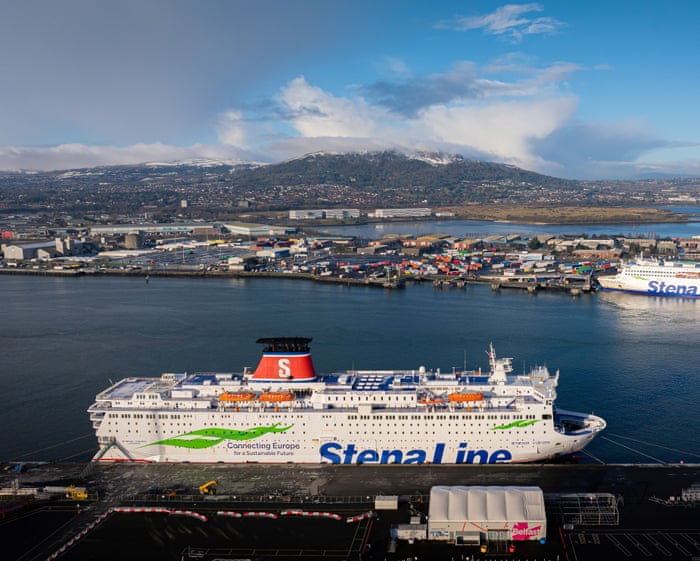
Belfast Harbour plans to invest £1.3 billion over 25 years to expand and upgrade its port facilities, supporting Northern Ireland’s growing economy. The investment depends on new laws allowing the harbour to borrow money, and projects include new quays, ferry terminal upgrades, and support for offshore wind energy.
Key Facts
Belfast Harbour will spend £1.3 billion over 25 years on port upgrades.
There may be an additional £750 million investment in housing developments nearby.
The harbour is currently investing £300 million, including facilities for offshore wind projects.
Planned improvements include new quays for grain and animal trade, better ferry terminals, bigger container shipping areas, and power for docked cruise ships.
Northern Ireland’s economy has grown faster than the rest of the UK recently.
Investment depends on legal changes allowing the harbour to borrow money, expected by spring 2027.
Belfast Harbour is an independent trust and does not receive government funding.
Annual trade through the port may increase from 24 million tonnes to between 30 and 50 million tonnes by 2050.
Read the Original
Want the full story? Tap a source to open the original
article.
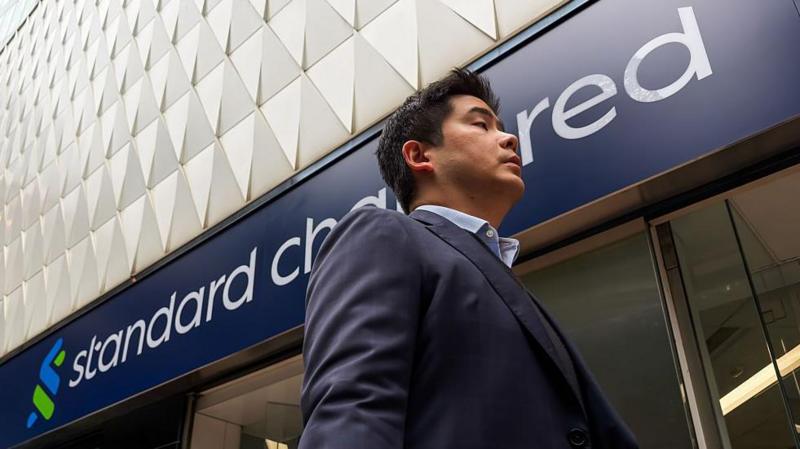
Standard Chartered, a large UK bank, plans to cut about 7,800 back-office jobs by 2030 because it will use more artificial intelligence (AI) in its work. The bank hopes to move some workers to other roles and aims to improve profit by using AI and automation.
Key Facts
Standard Chartered will cut over 15% of its back-office jobs, around 7,800 positions, by 2030.
The bank will increase use of AI, automation, and data analysis to improve efficiency and client service.
Some affected employees may be reassigned to other roles within the company.
The bank has major operations in India, China, Malaysia, and Poland but did not specify where cuts will happen.
This job cut is part of CEO Bill Winters’ new global strategy focusing on Asia and Africa.
Other banks and big tech companies like DBS, Meta, Amazon, and Oracle have also announced large job cuts due to AI adoption.
Meta plans to cut about 10% of its staff, roughly 8,000 jobs, while Amazon and Oracle have laid off tens of thousands.
AI adoption is driving companies to reduce human roles, especially in tech and back-office functions.
Read the Original
Want the full story? Tap a source to open the original
article.
The US Treasury has extended a 30-day waiver allowing some countries to buy Russian oil, despite existing sanctions. This move aims to help energy-vulnerable countries facing shortages after the Iran war, while managing global oil supply and prices.
Key Facts
The US extended a sanctions waiver for buying Russian seaborne oil for 30 more days.
The waiver was made to help countries struggling with energy shortages due to disruptions from the Iran conflict.
The waiver allows access only to Russian oil already loaded on ships before April 17 and does not apply to new Russian oil exports.
Some US senators criticized the extension, saying it helps fund Russia’s war in Ukraine without lowering US gas prices.
The waiver is temporary and attempts to ease global oil supply issues and limit price spikes.
The sanctions on Russian oil majors Rosneft and Lukoil remain in place.
Oil prices rose above $112 per barrel amid concerns about tight supply.
US Treasury Secretary Scott Bessent said the move helps stabilize the crude oil market and supports energy-vulnerable countries.
Read the Original
Want the full story? Tap a source to open the original
article.
Shein, a major fast-fashion company owned by China, plans to buy the American clothing brand Everlane for $100 million. This deal will make Shein a larger player in the fashion market.
Key Facts
Shein is a fast-fashion retailer based in China.
Everlane is an American clothing brand.
Shein has approved a plan to buy Everlane.
The purchase price is $100 million.
This acquisition was reported by Puck and shared by CBS News.
The deal will expand Shein's presence in the fashion industry.
Read the Original
Want the full story? Tap a source to open the original
article.
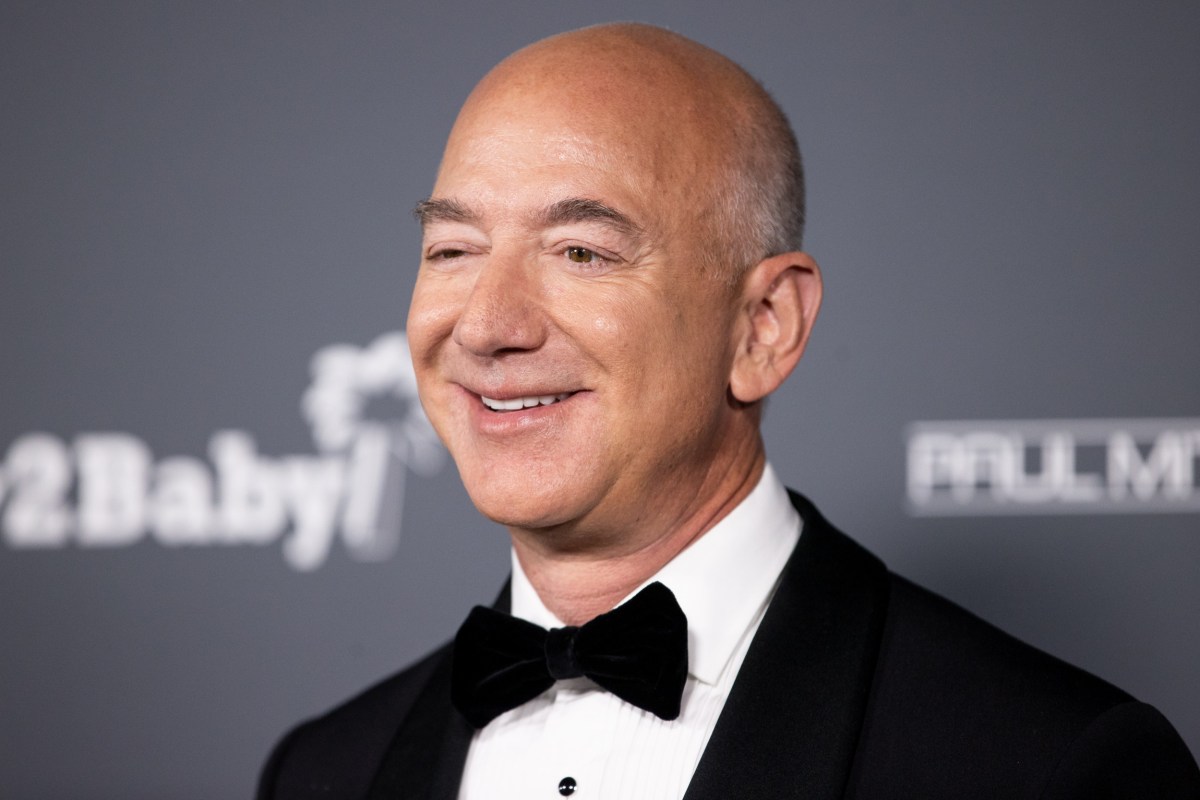
The Seattle Seahawks, the current NFL champions, are for sale with a price above $10 billion. Jeff Bezos, founder of Amazon, is considered the most likely buyer because of his strong financial position and local ties to Seattle.
Key Facts
The Seattle Seahawks are the reigning NFL champions and are currently for sale.
The asking price for the team is over $10 billion.
Jeff Bezos is the favorite buyer, with a 25% chance according to the prediction site Polymarket.
Bezos's personal net worth is over $280 billion, making the price affordable for him.
Jeff Bezos founded Amazon in Seattle and helped it grow into a global business.
Bezos was also interested in buying another football team, the Washington Commanders, before they were sold.
Other potential buyers include Apple CEO Tim Cook and retired basketball player LeBron James, but they may need partners to afford the team.
The Seahawks are in a strong market and championship window, increasing their value.
Read the Original
Want the full story? Tap a source to open the original
article.
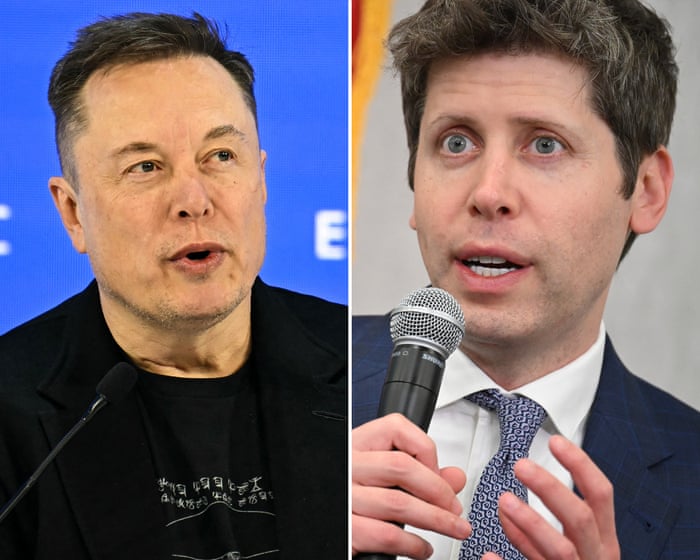
A jury in Oakland, California, ruled in favor of Sam Altman and OpenAI, rejecting Elon Musk's claims that OpenAI broke a founding agreement and unfairly benefited. This verdict clears the way for OpenAI to continue its plan to go public this year with an estimated value of around $1 trillion.
Key Facts
The jury unanimously found Sam Altman, OpenAI, and its president Greg Brockman not liable for Elon Musk’s accusations.
Musk claimed that OpenAI unjustly enriched itself and broke a founding contract made with him.
The judge dismissed all charges immediately after the verdict.
OpenAI plans to launch an initial public offering (IPO) later this year at about a $1 trillion valuation.
Musk wanted Altman removed as CEO and for $150 billion to be transferred from OpenAI’s for-profit to non-profit arm.
Musk’s lawsuit was ruled to be outside the legal time limit for filing such claims.
OpenAI’s victory reassures investors and supports the company's commercial and fundraising plans.
Musk’s lawyers said they would appeal and aim to expose alleged deception by Sam Altman.
Read the Original
Want the full story? Tap a source to open the original
article.
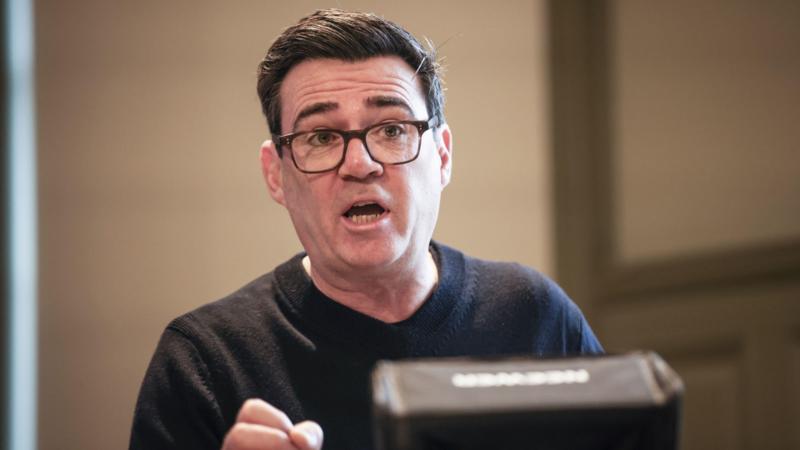
Greater Manchester Mayor Andy Burnham has promised to follow the UK government's current borrowing limits, known as fiscal rules, to help calm financial markets. This commitment came after recent market concerns about potential changes to these rules and political uncertainty.
Key Facts
Andy Burnham, Mayor of Greater Manchester, committed to keeping the government's existing borrowing limits.
Fiscal rules restrict how much the government can borrow and aim to reduce debt by 2029.
Market borrowing costs rose recently amid fears Burnham might change these rules.
Burnham's campaign said changing the rules is no longer being considered.
UK 10-year government bond yields fell after Burnham's statement, indicating market relief.
The International Monetary Fund supports the UK sticking to fiscal rules to reduce borrowing.
Global events, like the US-Israel war and issues in the Gulf, have increased borrowing costs worldwide.
Burnham wants to invest in infrastructure like housing and transport but may face tough spending or tax decisions due to the fiscal rules.
Read the Original
Want the full story? Tap a source to open the original
article.