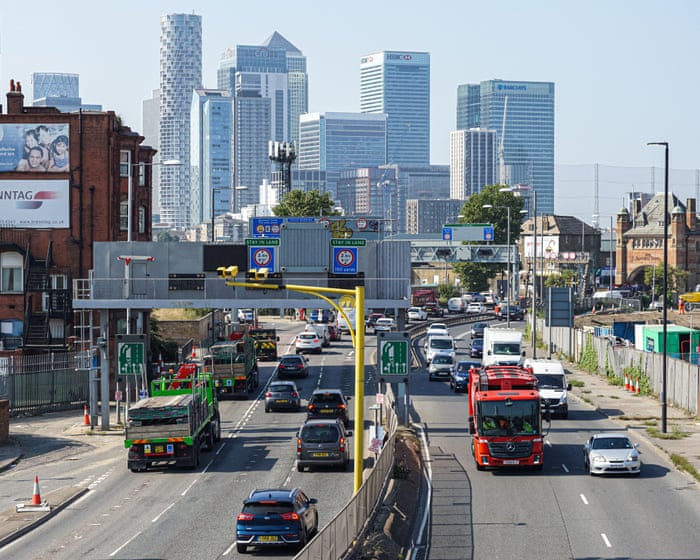
The UK economy showed stronger growth than expected in the first half of 2026, remaining the fastest growing in the G7 group despite challenges like the Iran war and higher energy prices. However, experts warn this resilience might not last due to rising energy costs and ongoing global uncertainties.
Key Facts
The UK economy grew 0.4% in the three months to June 2026, after a 0.6% growth in the first quarter.
Consumer spending rose by 0.3%, helped by warm weather and England’s success in the World Cup.
Business investment increased by 1.7%, with a notable boost from the IT sector, partly due to artificial intelligence development.
Deutsche Bank predicts the UK economy could grow 1.1% this year, better than the IMF’s earlier forecast of 0.8%.
Energy price protections helped households during the first half, but a 13% rise in the energy price cap since July may increase financial struggles.
Inflation remains high, and many households have little cushion after years of rising prices.
Ongoing Middle East conflicts could keep oil prices high, adding more pressure on the economy.
The UK government faces challenges balancing support for households and businesses with increased spending on defense and infrastructure.
Read the Original
Want the full story? Tap a source to open the original
article.
The US economy lost 23,000 jobs in July, and previous months’ job numbers were revised down by 103,000. Research suggests artificial intelligence (AI) is contributing to higher unemployment and slower wage growth in jobs exposed to AI technologies.
Key Facts
The US lost 23,000 jobs in July, with May and June job totals revised downward by 103,000 combined.
Wage growth slowed to 0.1% from June to July and increased only 3.2% over the past year, the slowest in five years.
About 30% of US jobs are significantly affected by AI, with unemployment rates half a percentage point higher in these jobs.
Workers in AI-exposed jobs face longer joblessness periods and harder re-employment.
Wage growth in AI-exposed jobs fell by 6.7% since 2023, causing an estimated $28 billion loss for 5.8 million workers.
Public concern is high: over half of Americans worry AI might cause job loss in their households.
Campaign groups supporting AI development have raised large amounts of money, reflecting growing political influence in AI.
Some AI-related companies, like Amazon, are investing in projects that may increase carbon emissions, raising environmental concerns.
Read the Original
Want the full story? Tap a source to open the original
article.
Generation Z shows a strong trust and interest in cryptocurrency compared to older generations. Many young people feel confident using crypto platforms, while older groups tend to invest more in traditional retirement plans like 401(k)s.
Key Facts
A survey by OKX found that 40% of Generation Z and 41% of millennials trust crypto platforms.
Only about 27% of older generations reported confidence in using crypto.
Generation Z has a growing interest in cryptocurrency as an investment option.
Older generations often prefer saving money through 401(k) retirement plans.
The survey highlights a clear divide between younger and older generations in their investment choices.
Millennials show similar confidence levels in crypto as Generation Z.
Crypto platforms are digital services where people can buy and sell cryptocurrencies like Bitcoin.
401(k) plans are employer-sponsored retirement savings accounts common in the U.S.
Read the Original
Want the full story? Tap a source to open the original
article.
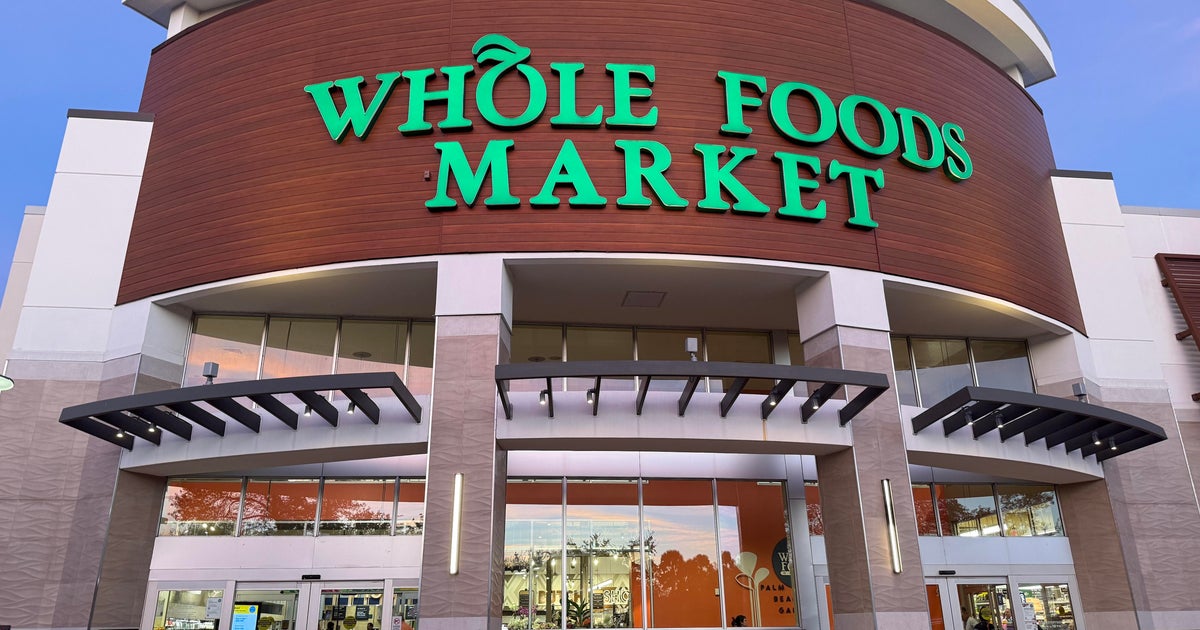
Whole Foods recalled many products containing jalapeños from 12 U.S. states due to a salmonella outbreak linked to jalapeños from a supplier in Mexico. While no illnesses have been reported from Whole Foods’ recalled items, the outbreak has affected 27 states and led to hospitalizations.
Key Facts
Whole Foods recalled salsas, guacamole, pico de gallo, and other prepared foods containing jalapeños.
The jalapeños came from Coast Citrus Distributors, with a suspected source grower in Sinaloa, Mexico.
No illnesses have been reported so far from the recalled Whole Foods products.
Salmonella can cause diarrhea, fever, and stomach cramps and is more dangerous for young children, elderly, and people with weak immune systems.
The outbreak has infected 345 people in 27 states with 36 hospitalizations and no deaths reported.
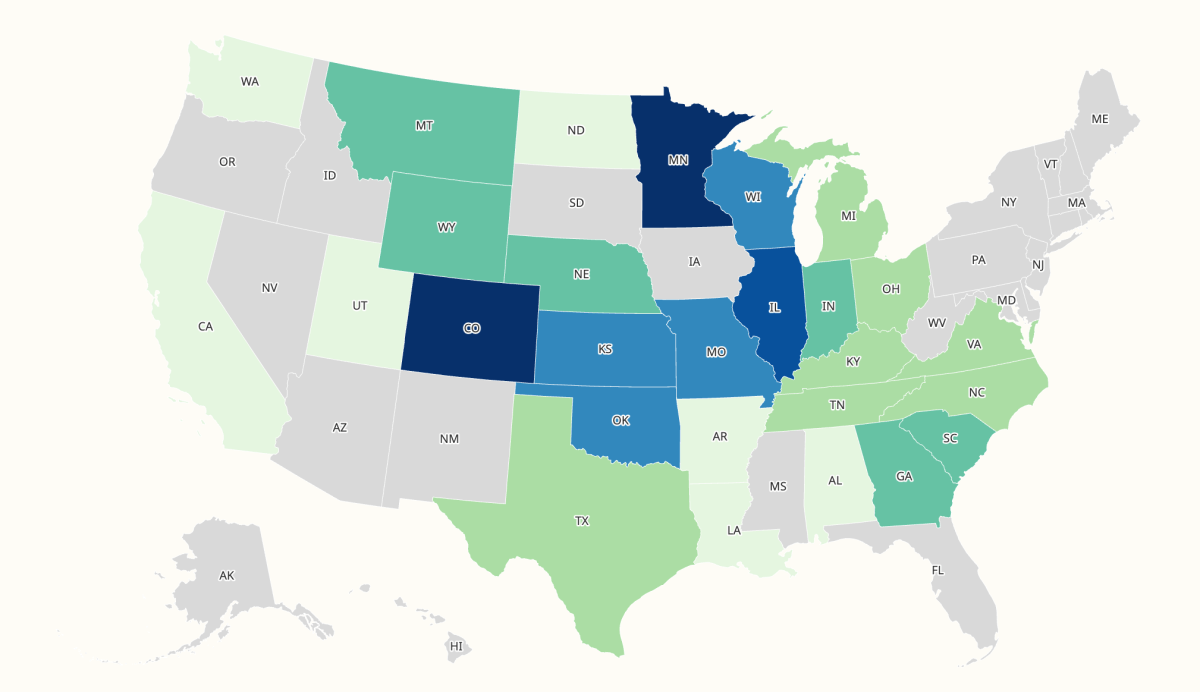
The recall covered products sold in Arkansas, Illinois, Indiana, Iowa, Kentucky, Louisiana, Michigan, Missouri, Ohio, Oklahoma, Texas, and Wisconsin.
Taylor Farms, which also included jalapeños in its products, recently recalled more than a dozen items, prompting Whole Foods’ recall.
The U.S. Department of Agriculture issued a public health alert about meat and poultry products containing jalapeños potentially contaminated with salmonella.
Read the Original
Want the full story? Tap a source to open the original
article.
Dollar Tree is opening new stores in the U.S. while some competitors like Walgreens and Save A Lot are closing locations. This growth is linked to more shoppers looking for lower prices due to ongoing inflation.
Key Facts
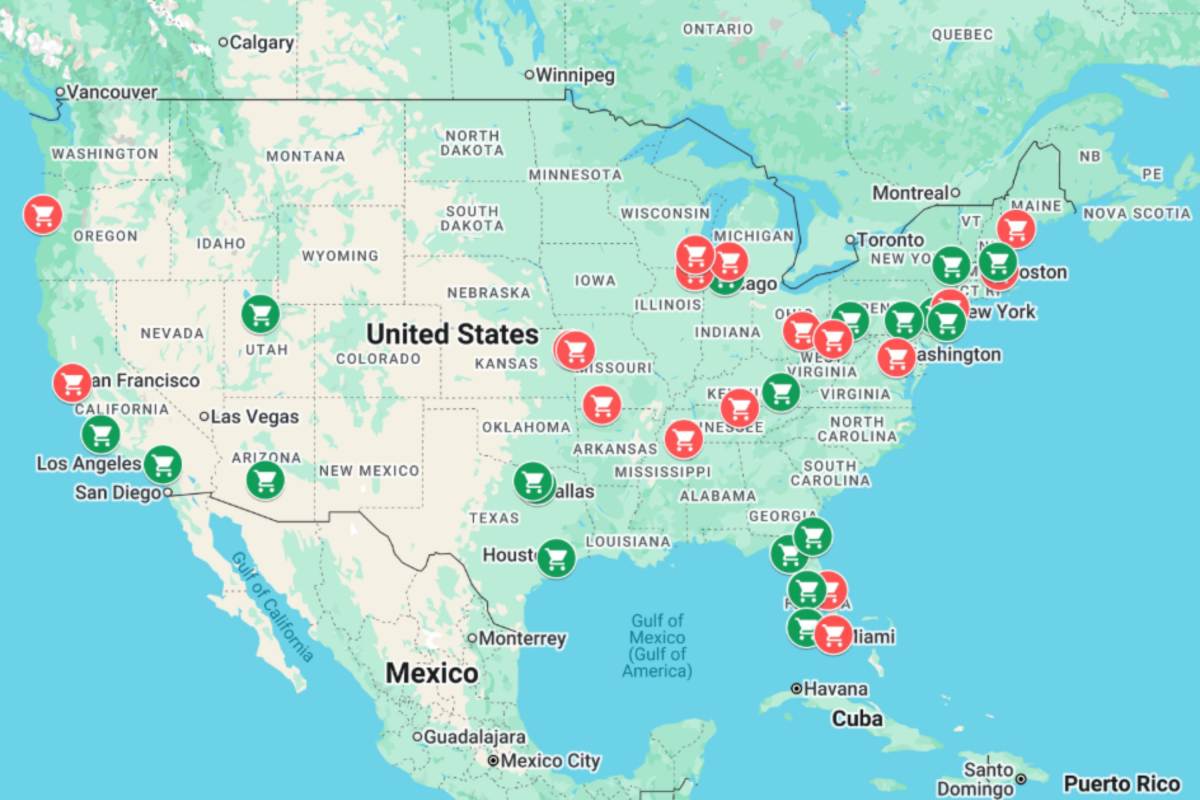
Dollar Tree opened 11 new stores in July and 9 in June, showing steady expansion.
Save A Lot closed 7 stores in July, and Walgreens closed 6 stores.
Inflation remains higher than before the pandemic, with overall prices up 3.4% compared to last year.
Grocery prices rose 2.7% year over year, with some foods like fruits and vegetables increasing by 5.1%.
More consumers, including middle- and higher-income households, are choosing discount retailers to save money.
Dollar Tree has started offering products at different price points, beyond its traditional fixed price, to attract more customers.
Walgreens plans to close about 1,200 locations over three years to focus on profitability.
Save A Lot and Safeway are also closing some stores due to competition and higher costs.
Read the Original
Want the full story? Tap a source to open the original
article.
Water companies in England and Wales have been allowed to spend an extra £3.4 billion beyond previously approved budgets, which will lead to higher water bills for millions of households. The spending aims to support new homes, datacentres, and improve water quality but will increase bills by up to 53% in some areas by 2030.
Key Facts
Ofwat, the water industry regulator, allowed 13 companies to spend £3.4 billion extra out of £4.3 billion requested for 2024 due to unforeseen costs.
The extra spending adds to a £104 billion investment plan already in place, which will raise water bills by 36% from 2025 to 2030.
Five companies, including Southern Water and Thames Water, are permitted to increase bills more before 2030 to cover this extra spending.
£1.2 billion of the new funds will safeguard water services and assets, and £477 million will support housebuilding and datacentre growth.
The UK government plans to build 1.5 million new homes and develop AI datacentres, increasing demand for water and energy.
An additional £34 million will be spent to reduce toxic chemicals in water after reports showed pollution in all English water bodies.
Southern Water customers face the highest bill increase of 53% by 2030, while Thames Water customers will see a 35% rise partly due to previous fines.
Ofwat will monitor water companies' performance closely and may recover costs if targets are not met.
Read the Original
Want the full story? Tap a source to open the original
article.
Andrew Bragg, a shadow housing minister in Australia, said that lower-income people should accept lower-quality homes to increase the number of houses built. He also proposed cutting many building rules to reduce costs and suggested lowering the number of people allowed to move into Australia to help match house supply with demand.
Key Facts
Andrew Bragg agreed that people with low income might need to accept poorer quality housing to solve the housing shortage.
He wants to cut the National Construction Code from about 2,000 pages to only 80 pages, removing rules on energy efficiency and accessibility.
Bragg explained that having a house, even if basic, is more important than having no house.
Some housing groups criticized this idea, saying safe and decent housing is a basic need and poor-quality homes do not solve the crisis.
Bragg suggested lowering Australia's net overseas migration to 180,000 people per year, the lowest since the mid-2000s.
The proposed migration cut would affect international students, working holidaymakers, and some unskilled workers.
Other politicians, including opposition leader Angus Taylor and Nationals leader Matt Canavan, expressed caution or disagreement about Bragg’s statements.
Taylor reminded Bragg to follow the official party position on migration targets because the figures depend on housing supply plans.
Read the Original
Want the full story? Tap a source to open the original
article.
The UK economy grew by 0.4% in the second quarter of 2026, helped by spending increases linked to hot weather and the World Cup. Despite this growth, experts expect the economy to slow down in the second half of the year due to rising energy costs and inflation.
Key Facts
UK GDP grew by 0.4% in the second quarter of 2026.
The UK economy expanded by 2% in the first half of 2026.
Hot weather and the World Cup boosted consumer spending in retail, hospitality, and advertising.
Business investment remained strong despite ongoing Middle East conflicts.
The UK economy is 1.2% larger than a year ago.
Real GDP per person increased by 0.4% in the second quarter compared to the previous quarter.
Officials warn that energy price increases and inflation may slow growth in the third quarter.
The impact of the Middle East conflict on the UK economy is still hard to measure but has caused some concern among businesses.
Read the Original
Want the full story? Tap a source to open the original
article.
The UK economy grew by 0.4% from April to June 2026, which is slower than the 0.6% growth seen in the first three months of the year. Growth was mainly driven by the services sector and manufacturing, helped by good weather and the men’s football World Cup.
Key Facts
UK economic growth was 0.4% in the second quarter of 2026.
This growth rate is lower than the 0.6% recorded in the first quarter of 2026.
The services sector was the main driver of growth during this period.
Manufacturing also showed growth in the same quarter.
The Office for National Statistics noted that good weather and the football World Cup had a positive effect on some businesses.
The men’s football World Cup started in mid-June 2026.
Hospitality venues saw more customers as people watched the football matches.
June experienced the first heatwaves of the summer, which may have helped business activity.
Read the Original
Want the full story? Tap a source to open the original
article.
The UK economy grew more slowly in the second quarter of the year, with GDP rising 0.4%, down from 0.6% in the first quarter. Higher energy prices, affected by the conflict in Iran, are starting to slow economic growth and may increase inflation and pressure on interest rates.
Key Facts
UK GDP grew by 0.4% from April to June 2024, slower than the previous quarter’s 0.6%.
The Middle East conflict, including the Iran war, has pushed up energy prices.
High energy costs are beginning to weigh on the UK’s economic growth.
New Chancellor John Healey will present his first budget on 28 October 2024.
There may be pressure on the government to help households with rising energy bills this winter.
Andy Burnham has announced a VAT cut on electricity bills but suggests more support is needed.
Inflation data due next week is expected to show an increase, reflecting higher utility bills.
Continued inflation may push the Bank of England to raise interest rates again.
Read the Original
Want the full story? Tap a source to open the original
article.
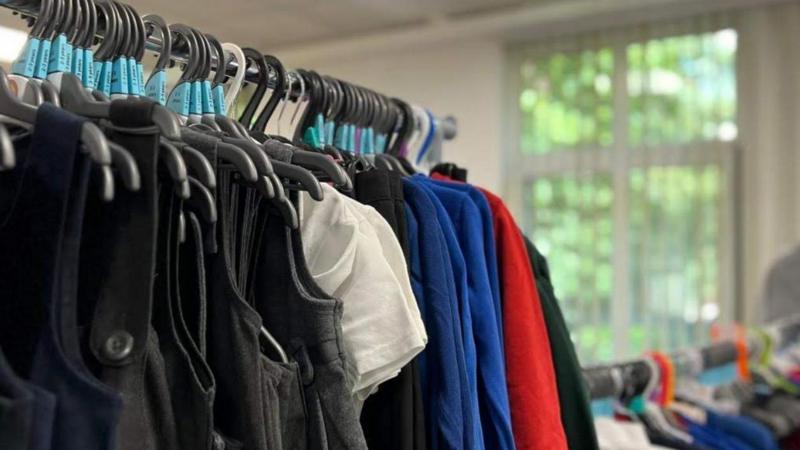
A charity called Stripey Stork received £100,000 from Surrey County Council to help families in Surrey who struggle to afford school uniforms and supplies. This support is part of a government fund aimed at helping low-income households with essential needs.
Key Facts
Stripey Stork charity got £100,000 to support families with school uniforms and supplies.
The money comes from the Crisis and Resilience Fund, which totals £7.1 million and helps low-income households.
New rules starting in September in England mean parents need to buy fewer branded school uniform items.
Despite the new rules, school uniform costs are still high for many families.
Last year, Stripey Stork helped 7,503 children from 4,116 families in Surrey.
The new funding will allow the charity to support about 8,500 children over the next year.
Surrey County Council says this funding helps provide practical support when it is most needed.
Read the Original
Want the full story? Tap a source to open the original
article.
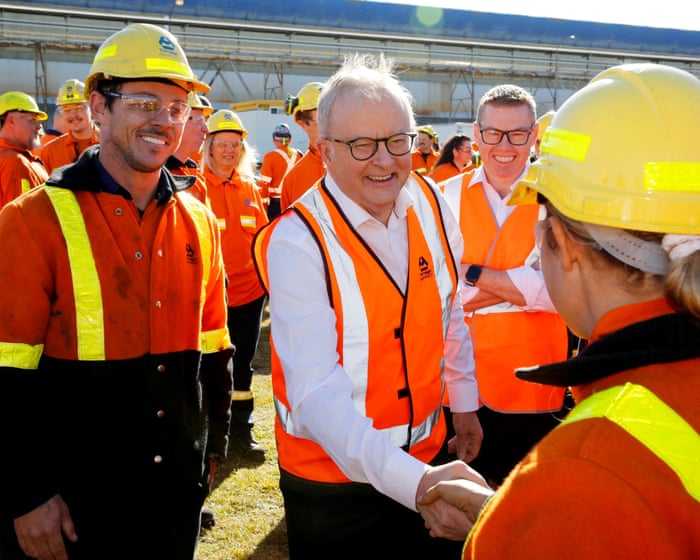
Rio Tinto and the Australian governments have agreed on a $2.5 billion deal to keep Australia’s largest aluminium smelter running by using renewable energy by 2033. The agreement provides a 10-year power supply guarantee after the current coal power contract ends, aiming to reduce the smelter’s greenhouse gas emissions and support jobs.
Key Facts
Rio Tinto’s Tomago aluminium smelter near Newcastle will run fully on renewable energy by 2033.
The federal and New South Wales governments agreed to provide $2.5 billion in subsidies to keep the smelter open.
The deal starts after the smelter’s current coal power contract expires in December 2028.
This subsidy is meant to support nearly 3,000 megawatts of new renewable energy sources in New South Wales.
The smelter reduces emissions by 7.1 million tonnes per year, about 1.5% of Australia’s total climate pollution.
Rio Tinto will invest $1.1 billion over 12 years at the smelter, including $100 million for reducing carbon emissions.
The smelter uses over 10% of New South Wales’ electricity and directly employs about 1,000 people, supporting 5,000 more jobs indirectly.
The renewable energy will come from various sources like wind farms and solar panels backed by batteries.
Read the Original
Want the full story? Tap a source to open the original
article.
U.S. shippers like FedEx, UPS, and DHL have started giving customers refunds for tariffs collected on imported goods after the Supreme Court ruled these tariffs illegal. These companies received about $100 billion back from the government and are now returning money directly to customers who paid the tariffs.
Key Facts
The Supreme Court struck down tariffs imposed by President Donald Trump in March 2025 under a 1977 law.
The U.S. government has refunded around $100 billion in tariffs collected on imports.
Shippers such as FedEx, UPS, and DHL acted as customs brokers and collected these tariffs from customers.
These shipping companies are now passing tariff refunds back to customers without requiring them to apply.
FedEx has started issuing $800 million in refunds, and customers can check refund status online using tracking numbers.
UPS applied for $500 million in refunds and expects to send money to customers one to three months after reimbursement.
Most big retailers did not directly pass tariffs to customers, so refunds to consumers from retailers are unlikely.
Amazon received $600 million in tariff refunds but will only refund customers in limited cases where tariff costs were clearly passed on.
Read the Original
Want the full story? Tap a source to open the original
article.
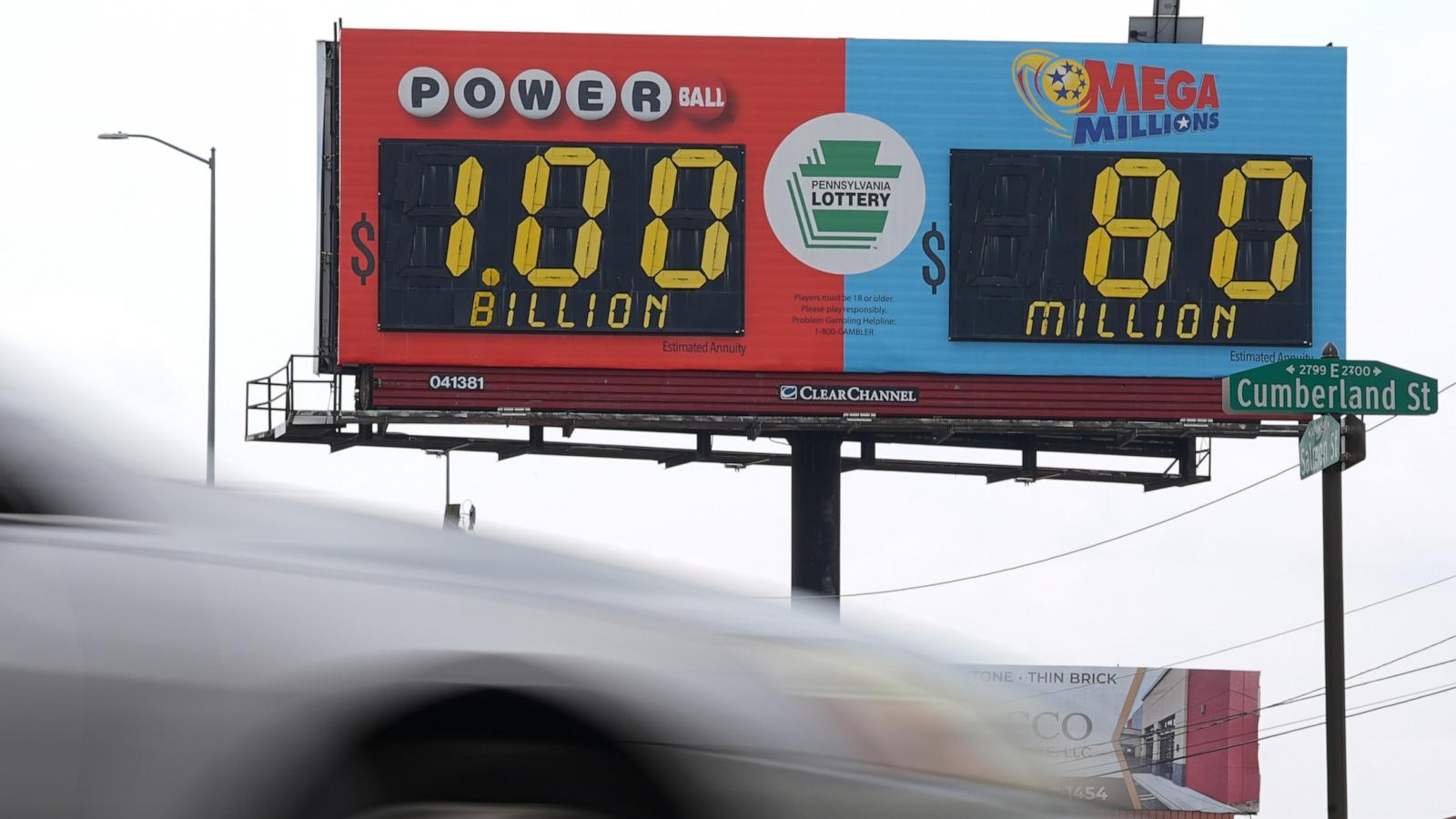
A Powerball ticket sold in Illinois won a jackpot estimated at $1.04 billion. The cash value of the prize is $450.5 million, and the winning numbers were 4, 26, 66, 67, 69, and Powerball 9.
Key Facts
The jackpot was from the Powerball lottery drawing on Wednesday night.
The prize amount is the largest U.S. lottery jackpot so far in 2026.
The cash payout option for the winner is $450.5 million.
The winning ticket was sold in the state of Illinois.
The winning numbers were 4, 26, 66, 67, 69, and the Powerball number 9.
The story was reported by ABC News on August 13, 2026.
The jackpot amount reflects the total value before taxes or other deductions.
Read the Original
Want the full story? Tap a source to open the original
article.
Asian stock markets mostly rose, driven by optimism about artificial intelligence (AI) companies and semiconductor industries. U.S. markets also showed gains after strong AI company earnings and a slight easing of inflation costs were reported.
Key Facts
Japan’s Nikkei 225 index rose 1.6% to 68,609.92 in early trading.
South Korea’s Kospi surged 3.9%, while Hong Kong’s Hang Seng and Shanghai Composite also recorded small gains.
Australia’s S&P/ASX 200 fell by 0.6%.
U.S. markets saw the S&P 500 increase by 0.3%, the Nasdaq rise 0.5%, while the Dow Jones dipped less than 0.1%.
AI stocks led gains after better-than-expected earnings reports, improving investor confidence.
U.S. inflation rose 3.4% annually in July, slightly less than June’s 3.5%, easing concerns.
Lower inflation raised hopes the Federal Reserve might delay raising interest rates in September.
The 10-year U.S. Treasury yield decreased slightly but stayed above recent pre-conflict levels.
Read the Original
Want the full story? Tap a source to open the original
article.
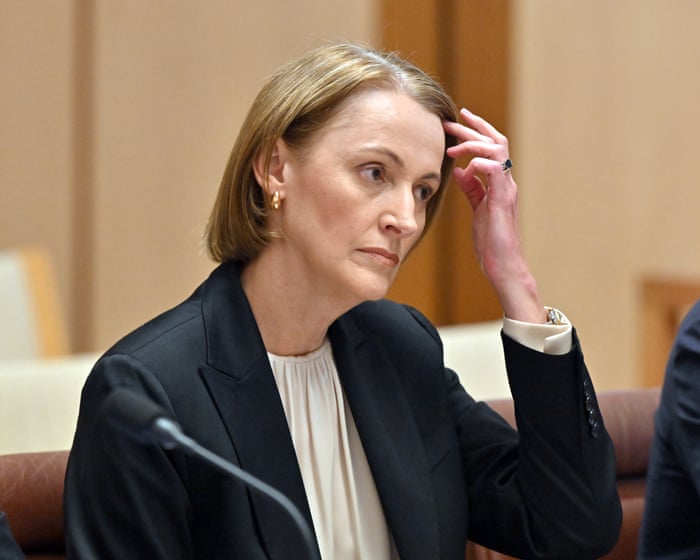
Telstra’s CEO, Vicki Brady, received a $700,000 pay raise to $6.8 million for the year, even after her bonus was cut 20% due to a major nationwide network outage. The outage affected nearly half of calls and data sessions, led to compensation payments, and drew political criticism. Telstra’s profits increased to $2.4 billion despite the disruption.
Key Facts
CEO Vicki Brady’s total pay was $6.8 million for the year ending June, after a 20% bonus cut due to the outage.
The network outage in July affected almost half of all Telstra calls and data sessions nationwide.
The outage was caused by a missed software update on a key time-keeping system.
Over 30,000 customers requested compensation; nearly $1 million has been paid out so far.
Telstra’s board also cut bonuses for other senior executives, reducing their combined pay by $1.3 million.
Telstra’s profit rose to $2.4 billion, up from $2.3 billion the previous year, and it paid shareholders a 21-cent dividend per share.
The company reduced its workforce by 1,219 employees to a total of 29,334.
Despite price increases on mobile plans, Telstra sold 1 million more mobile plans, reaching 26 million services in total.
Telstra’s share price fell slightly after the earnings report, lowering its market value by $1.4 billion to $54.3 billion.
Read the Original
Want the full story? Tap a source to open the original
article.
Bob Iger, former CEO of Disney, and businessman Josh Kushner are buying the Los Angeles Lakers basketball team for $12.5 billion. The sale still needs approval from the NBA, and the Lakers will start a new chapter after star player LeBron James recently left the team.
Key Facts
Bob Iger and Josh Kushner plan to buy the Los Angeles Lakers for $12.5 billion.
The purchase must be approved by the NBA Board of Governors.
Mark Walter owned the majority stake of the Lakers before this deal, buying it in 2025.
Bob Iger was Disney’s CEO until early 2026 and re-joined Kushner’s investment firm Thrive Capital this year.
Josh Kushner is the founder of Thrive Capital and is related to President Donald Trump’s family.
Iger and Kushner expressed respect for the former and current Lakers owners, Jerry Buss and Jeanie Buss.
The Lakers will start their new season on October 21, 2026, without LeBron James, who left for the Philadelphia 76ers.
The team is based in Los Angeles and is considered an iconic sports franchise globally.
Read the Original
Want the full story? Tap a source to open the original
article.
A survey by scheduling software company Deputy found that many hourly workers feel only "ok" about their jobs. Researchers say this low level of satisfaction can make workers less productive, a situation they call "rusting out."
Key Facts
The survey focused on hourly workers.
One in seven hourly workers reported feeling just "ok" about their jobs.
Feeling "ok" about work may lead to lower performance.
The term "rusting out" is used to describe this growing worker dissatisfaction.
The survey was conducted by the company Deputy, which makes scheduling software.
The report was shared by CBS News on their MoneyWatch segment.
Read the Original
Want the full story? Tap a source to open the original
article.
A luxury estate near San Francisco sold for a record $70 million to a buyer from the artificial intelligence (AI) industry. This sale highlights the growing wealth driven by AI companies that is pushing home prices very high in the Bay Area.
Key Facts
The estate, called "Villa de Verano," is located in Hillsborough, just south of San Francisco.
It sold for $70 million, doubling the previous record price in the town.
The buyer is a man involved in the AI industry.
The property includes six bedrooms, a gym, theater, spa, aquarium, pool, garden, amphitheater, guest house, and seven sports courts.
The estate was initially listed at $88 million and stayed on the market for less than five months.
AI companies like OpenAI and Anthropic recently announced plans to go public, creating many new multimillionaires.
Home prices in the area are rising quickly, with Median prices up 8.5% in San Mateo County and over 20% in San Francisco County.
Real estate agents report more ultra-rich buyers from AI and other industries using private, off-market deals.
Read the Original
Want the full story? Tap a source to open the original
article.
Whole Foods is recalling certain jalapeño products because they might have salmonella, a bacteria that can cause illness. The products were sold in several U.S. states and came from a supplier in Mexico linked to the outbreak.
Key Facts
Whole Foods recalled salsas, guacamole, pico de gallo, and other prepared foods with jalapeños.
The recall affects products with "Best Before" or "Best By" dates between August 7-14.
The jalapeños came from Coast Citrus Distributors in Mexico, identified as the source of salmonella.
Products were sold in 12 states, including Texas, Illinois, Michigan, and Ohio.
No illnesses have been reported linked to these specific Whole Foods products yet.
Other brands like Chipotle and Qdoba also recalled jalapeño products from the same supplier.
The FDA and CDC are monitoring the situation and said the recall reduces current risk.
Customers are advised to throw away recalled products and contact Whole Foods for a refund.
Read the Original
Want the full story? Tap a source to open the original
article.