U.S. energy regulators want to make it faster to approve expansions of gas export facilities. The Federal Energy Regulatory Commission (FERC) suggested reducing the time for public notice and protests to 60 or 90 days for these projects.
Key Facts
The Federal Energy Regulatory Commission (FERC) is in charge of approving gas export facility expansions.
FERC has proposed a new program to speed up the approval process.
The proposal limits notice and protest periods to 60 or 90 days.
This rule applies to expansions of liquified natural gas (LNG) export terminals.
FERC Chair Laura Swett, a Republican, announced the proposal.
The goal is to encourage faster development of U.S. LNG export capacity.
Shorter approval times may help the U.S. export more natural gas to other countries.
Read the Original
Want the full story? Tap a source to open the original
article.
The price of oil reached $110 per barrel on Friday, the highest since May. This rise is due to ongoing conflicts involving the U.S. and Iran, as well as Russia and Ukraine, which are disrupting oil supplies.
Key Facts
Oil prices reached $110 per barrel on a recent Friday.
This is the highest price since May.
The increase is linked to conflicts involving the U.S. and Iran.
The Russia-Ukraine war is also affecting oil supplies.
These conflicts cause shocks that disrupt the oil industry.
Higher oil prices can impact global markets and energy costs.
The price is based on an international oil benchmark.
Read the Original
Want the full story? Tap a source to open the original
article.
John Healey supports building a third runway at Heathrow Airport because he believes it will help economic growth in the UK. The prime minister, Andy Burnham, has not given a clear position, causing some uncertainty for investors involved in the project.
Key Facts
John Healey says a third runway at Heathrow supports jobs and economic growth.
Prime Minister Andy Burnham has avoided taking a clear position on the runway.
A public consultation on the runway plan recently ended, and the government will review the responses.
Heathrow’s chief executive warns investors may rethink their support without government backing.
The project is expected to cost around £33 billion.
Major investors include Qatar, Saudi Arabia, France, and Singapore sovereign wealth funds.
The project owners plan to decide soon about applying for formal planning permission.
Healey voted for the runway in a 2018 parliamentary vote.
Read the Original
Want the full story? Tap a source to open the original
article.
Technology stocks fell sharply as investors worried about the large debts taken on by companies supporting artificial intelligence (AI) growth. Concerns over rising U.S. inflation and possible interest rate increases by the Federal Reserve also contributed to the market decline.
Key Facts
The Nasdaq fell over 650 points (2.4%) and headed for its first weekly loss in five weeks.
Tech companies involved with AI, especially so-called neocloud companies like CoreWeave, saw big stock drops due to debt concerns.
CoreWeave shares dropped 12% on Friday and almost 26% over the week.
Other tech firms like Micron, AMD, Broadcom, and Intel also experienced stock declines between 3.6% and 5.1%.
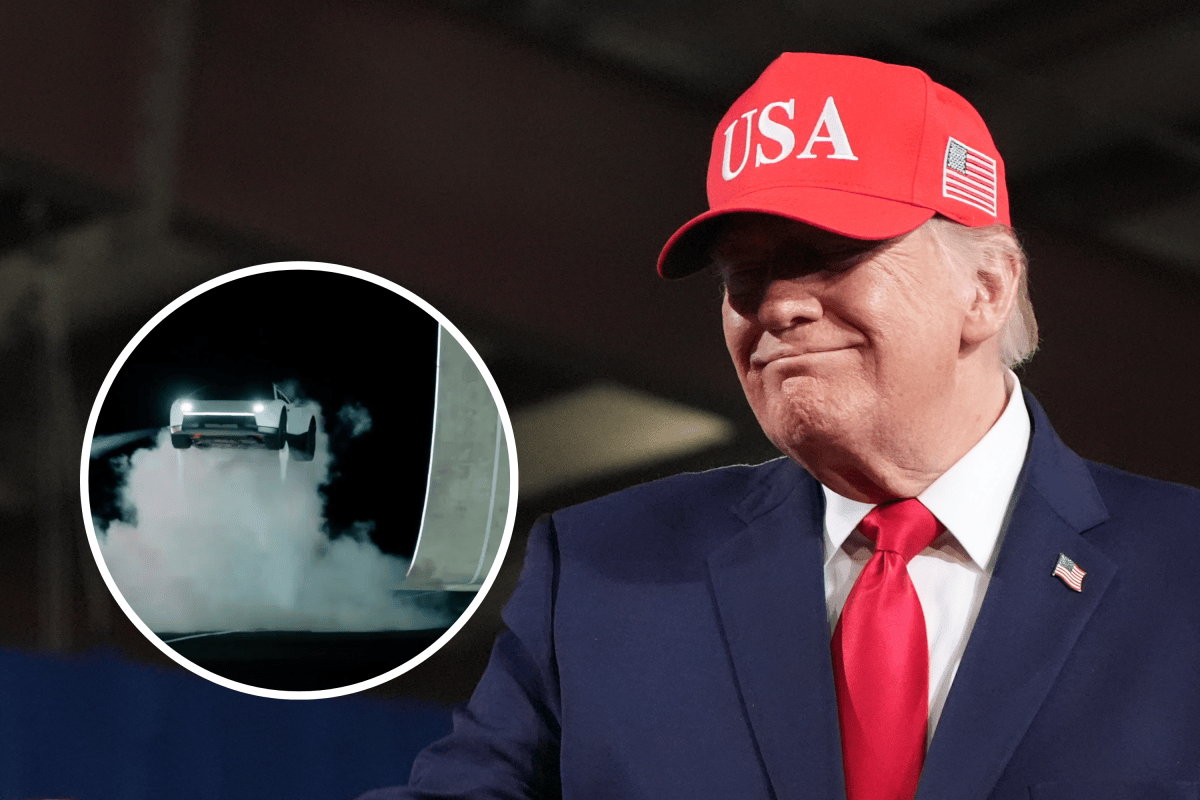
Tesla shares fell 2.8% after revealing a new Roadster that can reportedly jump into the air.
Rising U.S. inflation readings worry investors and increase the chance of the Federal Reserve raising interest rates in December.
The 10-year U.S. Treasury yield stayed steady at 5.1%, near its highest in over 20 years.
Fed officials gave no clear signals on upcoming rate changes after their September hike raised rates to 3.75%-4%, the highest since 2025.
Read the Original
Want the full story? Tap a source to open the original
article.
Elon Musk revealed the new Tesla Roadster, a car that uses rocket thrusters to perform impressive stunts. However, the car has been delayed many years and will not be widely available until 2028, with the flying version limited to special invitations and not street legal.
Key Facts
The new Tesla Roadster was first announced in 2017 but production is now planned for 2028, eight years later than originally promised.
The Roadster can perform advanced moves like driving upside down, flipping in midair, and accelerating from 0 to 60 mph in less than a second using rocket thrusters.
Tesla's vehicle deliveries and automotive revenue have both dropped between 2023 and 2025.
Musk admitted the Roadster probably won’t generate much profit but is meant to be a cool demonstration.
The flying Roadster version is limited to invitation-only and is not legal for regular road use.
The article compares the Roadster’s delays and limited availability to political promises made by President Trump regarding economics and war.
A recent survey found only 26% of Americans approve of President Trump’s economic management and 17% believe he keeps his promises.
Read the Original
Want the full story? Tap a source to open the original
article.
There is a shortage of helium in the United States that is affecting various industries. The lack of helium is slowing down the production of important products like smartphones, MRI machines, and missiles.
Key Facts
Helium is a crucial resource used in making smartphones, MRI medical scanners, and missiles.
The supply of helium is currently low in the U.S.
The shortage is linked to ongoing tensions and conflict with Iran.
Helium cannot be easily replaced by other materials.
This shortage is causing problems for American industries that rely on helium.
The report on the helium shortage was featured on the program "60 Minutes."
The situation highlights issues in the supply chain of this rare gas.
Read the Original
Want the full story? Tap a source to open the original
article.
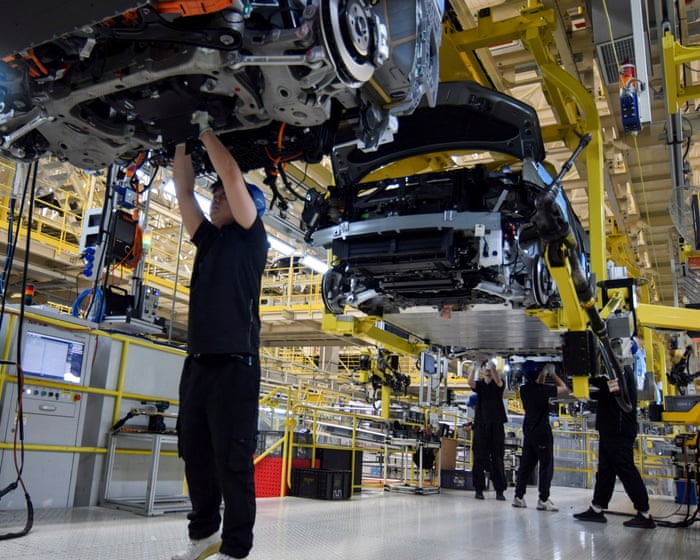
The UK government is considering joining an EU-led plan called the Made in Europe package, which aims to protect European car makers by setting tariffs on Chinese electric vehicles. If the UK joins, it may have to apply similar tariffs on Chinese EVs, but China has warned this would be unfair and against trade rules.
Key Facts
The Made in Europe package is a new EU plan to limit cheap Chinese electric vehicle imports by giving EU-made cars better treatment.
The UK wants to join the plan to avoid losing trade in the car industry with the EU.
Joining the plan may require the UK to align with EU tariffs on Chinese EVs starting in 2024.
The UK government has not yet confirmed if it will impose tariffs but is reviewing trade policies and talking with the British car sector.
China’s embassy in London opposed any tariffs or restrictions on Chinese products and called such moves discriminatory.
Chinese EV brands like BYD, Chery, and Changan are growing rapidly in market share.
About 80% of UK-made cars are exported, with more than half going to the EU and 6% to China.
EU lawmakers are expected to finalize the Industrial Accelerator Act by late 2026 or early 2027, which could include the UK if it agrees on trade measures.
Read the Original
Want the full story? Tap a source to open the original
article.
Nondegree credentials (NDCs), such as professional certificates and licenses, can help workers earn more money, especially those without college degrees. The U.S. Census Bureau data shows that workers with these credentials earn about 16% more than those without them in similar jobs.
Key Facts
Nondegree credentials include certificates and licenses showing specific job skills or training.
Workers with NDCs earn a median of 16% more than those without in the same job level.
Around 40% of workers in healthcare support, food service, farming, construction, and repair have NDCs.
These credentials are common in fields requiring safety training or technical skills, like nursing and plumbing.
Some NDCs come from technical colleges, trade schools, professional boards, or companies like Google.
Many workers in professional jobs like STEM, education, and law also hold NDCs.
Career advisers recommend job seekers get certificates showing AI skills because many companies are adopting AI technology.
Unlike college degrees, NDCs can offer a faster, more focused way to prove job readiness and boost pay.
Read the Original
Want the full story? Tap a source to open the original
article.
Texas has many data centers that use a lot of water to run and cool their machines. State law requires these centers to report their water use, but many do not, and the penalty for not reporting is only a $500 fine, which some say is too small to encourage compliance. This issue is becoming more important as Texas voters worry about water shortages and the impact of data centers on their communities.
Key Facts
Texas has nearly 700 data centers operating or planned, making it one of the largest data center hubs in the U.S.
Since 2020, Texas law requires data centers to report how much water they use.
Not reporting water use can result in a Class C misdemeanor and a $500 fine, plus possible loss of state funding and permits.
Less than one-third of data centers have submitted their water usage surveys in recent years.
Governor Greg Abbott has ordered punishment for centers that fail to report water use.
A poll showed 57% of Texas voters oppose data centers being built in their communities.
Data centers need a lot of water and electricity, raising concerns about strain on state resources.
The Texas Water Development Board is responsible for monitoring water use and enforcing rules for data centers.
Read the Original
Want the full story? Tap a source to open the original
article.
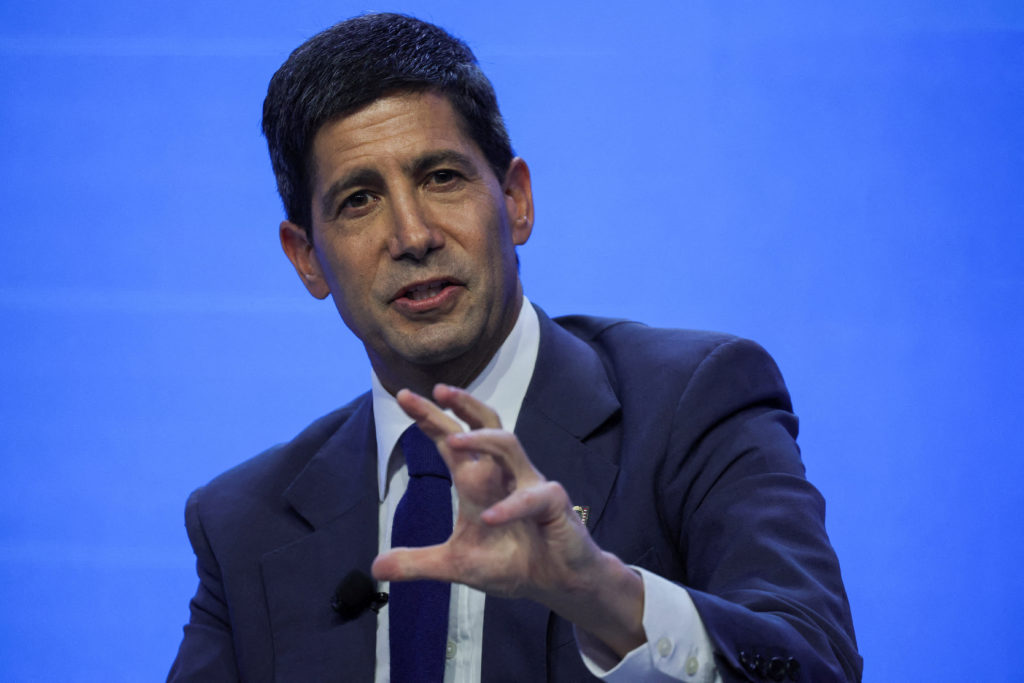
Federal Reserve Chairman Kevin Warsh said he will not predict changes to U.S. interest rates in the upcoming Fed meetings in October and December. The Fed recently raised rates to about 3.9% to help reduce high inflation but Warsh did not give new clues about future moves.
Key Facts
The Federal Reserve raised its key interest rate by 0.25 percentage points in September to about 3.9%.
This was the first interest rate increase in three years.
U.S. inflation remains high, which may cause more rate hikes soon.
Higher interest rates can slow down spending to reduce inflation.
Warsh spoke at a financial leaders’ meeting in Bangkok with IMF Managing Director Kristalina Georgieva.
He did not give new guidance on what the Fed will do at October and December meetings.
The Fed’s rate decisions affect borrowing costs for consumers and businesses.
Read the Original
Want the full story? Tap a source to open the original
article.
The article compares the current U.S. economy in 2026 to the economy in 2000, highlighting similar factors like strong tech growth, low unemployment, inflation, and interest rate increases by the Federal Reserve. It explains that while the 2000 tech boom ended in a market crash and brief recession, today’s AI-driven growth could follow a different path, though some economic warnings are similar.
Key Facts
In 2000, the U.S. had low unemployment (around 3.8%-3.9%) and strong economic growth (GDP up 4.1%).
Inflation was high in 2000, partly due to rising energy prices, leading the Federal Reserve to raise interest rates three times.
Alan Greenspan, then Fed Chair, warned that rapid tech-driven productivity gains were causing economic imbalances.
The productivity boost in 2000 came from the internet and IT innovations; today, AI is driving similar changes.
High asset prices and demand linked to AI investments are currently pushing inflation higher.
The tech bubble peaked in March 2000 but crashed by 2001, resulting in a bear market and recession worsened by the 9/11 attacks.
Despite the recession, productivity gains continued even though wealth and investment were hurting.
The article does not predict a recession now but advises watching how AI investment and economic forces unfold.
Read the Original
Want the full story? Tap a source to open the original
article.
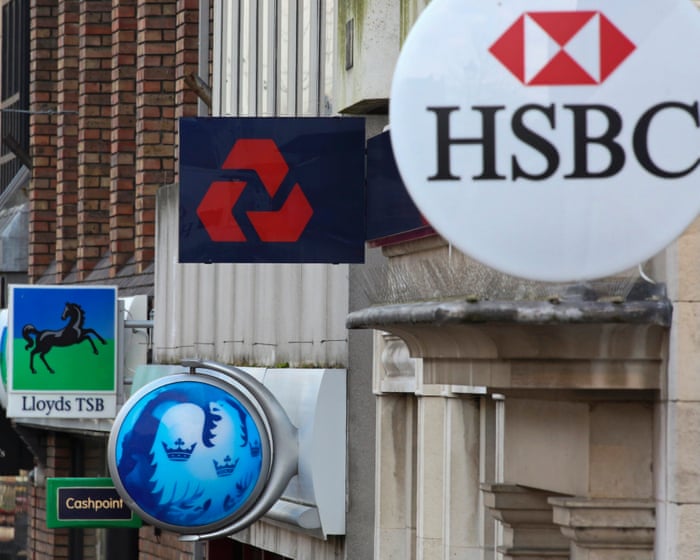
The International Monetary Fund (IMF) advised UK politician John Healey to focus on cutting pensions and welfare benefits instead of increasing taxes on banks. The IMF highlighted that the UK already has high overall taxes and suggested reforms in property taxes or VAT if more money is needed.
Key Facts
The IMF suggested targeting pension and welfare spending cuts rather than raising bank taxes.
The UK’s tax level is about 40% of its economic output, which the IMF says is high for Britain.
The IMF proposed reforming property taxes or VAT as alternative ways to raise revenue.
John Healey plans to raise more money from British banks through new taxes.
UK Finance, a banking lobby group, warned higher bank taxes could reduce lending and harm the economy.
Research from UK Finance predicts a higher bank tax could lower UK GDP by £1.2 billion by 2029-30.
The UK’s biggest banks made £29.2 billion in profits in the first half of 2024 and returned nearly half to investors.
Some experts say banks can afford a moderate tax rise to contribute more financially without hurting their business.
Read the Original
Want the full story? Tap a source to open the original
article.
The BBC plans to stop recording the radio drama The Archers in Birmingham after canceling a new studio project as part of its £500 million cost-cutting plan. Cast members, including Judi Dench, and staff have written to the BBC’s director general asking to keep the show’s production in the West Midlands because of its long history there.
Key Facts
The Archers is a BBC Radio 4 drama that has been recorded in Birmingham for 75 years.
The BBC canceled plans to build a new £500 million radio drama studio at the Tea Factory in Digbeth, Birmingham.
Production staff will move to the Tea Factory, but recording may take place in another studio, possibly outside the West Midlands.
Over 100 current and former cast, crew, editors, and trade unions signed a letter urging the BBC to keep the show’s production in Birmingham.
Judi Dench, who once guest-starred on The Archers, supported the call to keep the show in the region.
The BBC says no final decision has been made and it aims to find a cost-effective recording solution that maintains high production standards.
The letter compared moving The Archers away from the Midlands to other iconic shows leaving their home regions.
The BBC acknowledges The Archers’ strong connection to the West Midlands and plans to keep the production team based there.
Read the Original
Want the full story? Tap a source to open the original
article.
Airbus has warned UK Prime Minister Andy Burnham that choosing US company Lockheed Martin for a £2.4 billion military satellite contract could reduce the UK's role in the European space industry. The contract involves building the Skynet 6 satellite system, which will support the British armed forces’ communications until 2042, with the decision still pending.
Key Facts
Airbus chief executive Guillaume Faury wrote to Andy Burnham about risks to the UK’s role in European space if Lockheed Martin wins the contract.
The Skynet 6 contract is worth £2.4 billion and will replace the current Skynet 5 military satellite system.
Lockheed Martin plans to open a new factory in Durham if it wins the contract, which has support from some UK politicians.
Airbus’s UK sites at Stevenage and Portsmouth employ 600 people and may close if Airbus loses the contract.
Airbus, Thales, and Leonardo are planning a merger called Project Bromo to create a strong European space company.
Lockheed Martin’s UK subsidiary says it will control the satellites built in the UK and will have a UK design authority and chief engineer.
The contract decision has been delayed partly due to changes in government leadership and competing interests.
Labour union Unite has expressed concerns about UK space industry control if the contract goes to an American company.
Read the Original
Want the full story? Tap a source to open the original
article.
Federal Reserve Chair Kevin Warsh said he will not make any predictions about future interest rate decisions before the upcoming central bank meeting. He emphasized that he does not want to pre-judge what the Fed might do later this year regarding monetary policy.
Key Facts
Kevin Warsh is the Chair of the Federal Reserve.
He spoke on a Friday, less than two weeks before a Fed meeting.
Warsh refused to predict future interest rate changes.
The Federal Reserve sets interest rates to influence the economy.
Warsh said he does not want to decide or announce policy moves in advance.
The Fed meeting will discuss monetary policy for the rest of the year.
Interest rate decisions affect borrowing costs and economic growth.
Read the Original
Want the full story? Tap a source to open the original
article.
Architects say solving the affordable housing problem requires more than just designing and financing homes. They suggest using existing buildings better, changing city rules about where and how many homes can be built, and working together on policy changes.
Key Facts
World Architecture Day 2024 focused on housing as a human right, in line with the UN's theme for World Habitat Day 2026.
Architect Daniel Baumann says converting empty or underused buildings is a quicker, cheaper, and greener way to create housing than building new homes.
New buildings can be expensive and use a lot of resources, plus cause issues like long commutes.
Architect Scott Specht points to zoning reform as key; zoning rules often limit how many homes can be built on a piece of land.
Austin, Texas, changed its zoning rules to allow more homes on smaller lots, leading to faster apartment construction and lower rent and home prices.
San Francisco recently approved zoning changes to allow taller apartments in some neighborhoods due to concerns about housing affordability.
Architects say practical, local solutions and policy changes are essential parts of fixing the housing crisis.
Design improvements alone are not enough; collaboration between architects, policymakers, and communities is necessary.
Read the Original
Want the full story? Tap a source to open the original
article.
Smaller cities and towns in England have higher rates of young people who are not in work, education, or training (called Neets) compared to the biggest cities. This issue relates to the weaker economies in these smaller places, and new efforts like youth employment centers aim to help connect young people to local jobs and education.
Key Facts
Smaller cities and towns in England have an average Neet rate of 15.7%, higher than the 13.9% in the nine largest cities.
The overall average Neet rate in England is 12.6%.
London and Birmingham have the highest number of young people not in work or education, with 117,095 and 44,995 respectively.
Blackpool has the highest Neet rate at 21.2%.
Economic weakness in smaller cities and towns is a key reason for higher Neet rates.
Slough has a relatively high Neet rate (14.1%) despite having a productive local economy.
Telford College opened a youth employment hub in its shopping center to help young people connect with education and jobs.
Factors contributing to the Neet crisis include the Covid-19 pandemic, mental health challenges, and changes in the job market.
Read the Original
Want the full story? Tap a source to open the original
article.
British food and drink exports to the EU have fallen by more than a third since Brexit, with products like eggs, chicken, and potatoes most affected. The National Farmers’ Union reports that new rules and paperwork have made it harder for UK farmers to sell their goods in the EU market.
Key Facts
Exports of British food and drink to the EU dropped over 33% since the UK left the EU.
Sugar exports to the EU fell by 70%, poultry by 53%, and eggs and egg products by 65% to 74%.
New export rules require detailed customs paperwork for every food product variation.
Seed potatoes from Scotland are banned from the EU due to failed agreement on standards.
The horticultural sector's exports fell by more than 50% post-Brexit.
Sanitary and phytosanitary (SPS) checks, which are health and safety controls for food, have increased costs and delays.
A partial deal on easing SPS checks was made in May, but key details are still being finalized.
The NFU asks for transitional rules to avoid disruption when new export freedoms start next year.
Read the Original
Want the full story? Tap a source to open the original
article.
Halloween candy prices in the U.S. have risen sharply in recent years, with a 7.7% increase in the past year alone. Despite higher costs, Americans are expected to spend a record $13.5 billion on Halloween in 2026, including $4.1 billion on candy, with popular choices varying by state.
Key Facts
Candy and gum prices rose 7.7% in September 2026 compared to the previous year.
Since August 2019, candy and gum prices have increased by 54%, outpacing overall consumer price increases of 31%.
Americans plan to spend $13.5 billion on Halloween 2026, including $4.1 billion on candy.
About 96% of Halloween shoppers intend to buy candy this year.
M&M’s and Sour Patch Kids are the most popular Halloween candies nationally, each leading in 10 states.
Twelve states had a change in their top Halloween candy from 2024 to 2026, with many switching away from chocolate brands.
Regional favorites include Hot Tamales, candy corn, Lemonheads, Nerds Gummy Clusters, Tootsie Pops, Blow Pops, and Salt Water Taffy.
Candy prices have increased significantly year over year, with sharp rises from 2022 to 2025 according to U.S. Bureau of Labor Statistics data.
Read the Original
Want the full story? Tap a source to open the original
article.