Smaller cities and towns in England have higher rates of young people who are not in work, education, or training (called Neets) compared to the biggest cities. This issue relates to the weaker economies in these smaller places, and new efforts like youth employment centers aim to help connect young people to local jobs and education.
Key Facts
Smaller cities and towns in England have an average Neet rate of 15.7%, higher than the 13.9% in the nine largest cities.
The overall average Neet rate in England is 12.6%.
London and Birmingham have the highest number of young people not in work or education, with 117,095 and 44,995 respectively.
Blackpool has the highest Neet rate at 21.2%.
Economic weakness in smaller cities and towns is a key reason for higher Neet rates.
Slough has a relatively high Neet rate (14.1%) despite having a productive local economy.
Telford College opened a youth employment hub in its shopping center to help young people connect with education and jobs.
Factors contributing to the Neet crisis include the Covid-19 pandemic, mental health challenges, and changes in the job market.
Read the Original
Want the full story? Tap a source to open the original
article.
British food and drink exports to the EU have fallen by more than a third since Brexit, with products like eggs, chicken, and potatoes most affected. The National Farmers’ Union reports that new rules and paperwork have made it harder for UK farmers to sell their goods in the EU market.
Key Facts
Exports of British food and drink to the EU dropped over 33% since the UK left the EU.
Sugar exports to the EU fell by 70%, poultry by 53%, and eggs and egg products by 65% to 74%.
New export rules require detailed customs paperwork for every food product variation.
Seed potatoes from Scotland are banned from the EU due to failed agreement on standards.
The horticultural sector's exports fell by more than 50% post-Brexit.
Sanitary and phytosanitary (SPS) checks, which are health and safety controls for food, have increased costs and delays.
A partial deal on easing SPS checks was made in May, but key details are still being finalized.
The NFU asks for transitional rules to avoid disruption when new export freedoms start next year.
Read the Original
Want the full story? Tap a source to open the original
article.
Halloween candy prices in the U.S. have risen sharply in recent years, with a 7.7% increase in the past year alone. Despite higher costs, Americans are expected to spend a record $13.5 billion on Halloween in 2026, including $4.1 billion on candy, with popular choices varying by state.
Key Facts
Candy and gum prices rose 7.7% in September 2026 compared to the previous year.
Since August 2019, candy and gum prices have increased by 54%, outpacing overall consumer price increases of 31%.
Americans plan to spend $13.5 billion on Halloween 2026, including $4.1 billion on candy.
About 96% of Halloween shoppers intend to buy candy this year.
M&M’s and Sour Patch Kids are the most popular Halloween candies nationally, each leading in 10 states.
Twelve states had a change in their top Halloween candy from 2024 to 2026, with many switching away from chocolate brands.
Regional favorites include Hot Tamales, candy corn, Lemonheads, Nerds Gummy Clusters, Tootsie Pops, Blow Pops, and Salt Water Taffy.
Candy prices have increased significantly year over year, with sharp rises from 2022 to 2025 according to U.S. Bureau of Labor Statistics data.
Read the Original
Want the full story? Tap a source to open the original
article.
Many Republicans are unhappy that people have a negative view of the U.S. economy, even though the economy is growing faster. The main reason for this dislike is rising prices, known as inflation, which makes everyday goods and services more expensive.
Key Facts
The U.S. economy is currently growing at a faster pace.
Some experts call the current period a possible “golden age” for America’s economy.
Despite economic growth, many people feel bad about how the economy is doing.
Inflation means that prices for things like food and gas are going up.
Inflation remains high, making it hard for voters to feel positive.
Recent reports show inflation is not going down as much as expected.
Rising prices influence how people view the economy more than economic growth does.
Read the Original
Want the full story? Tap a source to open the original
article.
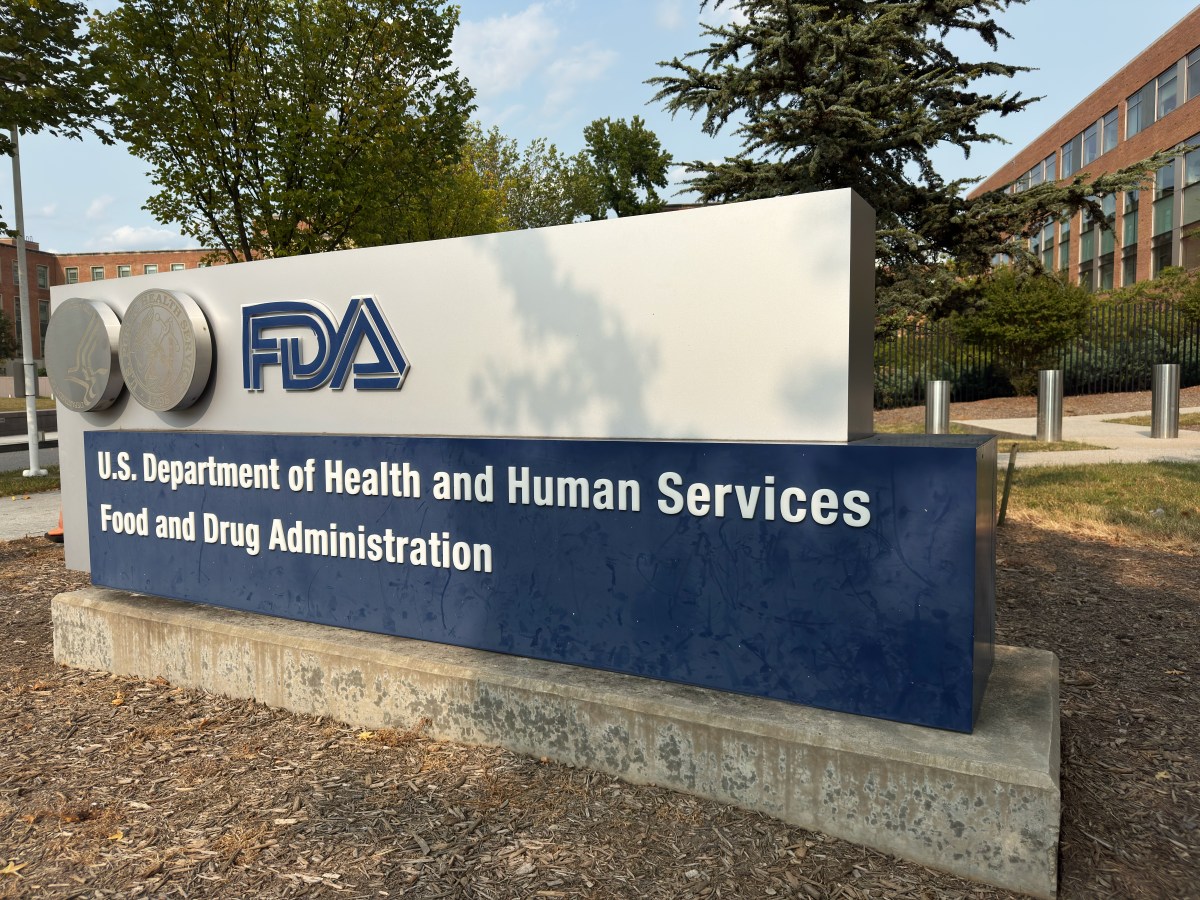
The article discusses the U.S. Food and Drug Administration (FDA) and the need to reduce unnecessary drug trials for biosimilar medicines. These trials increase costs and delay patient access to affordable treatments for diseases like cancer and autoimmune disorders. The FDA has proposed steps to streamline testing but further regulatory reforms are needed.
Key Facts
Biosimilars are medicines very similar to approved biologic drugs with no meaningful differences in safety or effectiveness.
Development of biosimilars is costly, which can delay competition and keep medicine prices high.
About one-third of the world’s population lacks regular access to essential medicines, with advanced biologic treatments being even harder to obtain.
The FDA recently suggested cutting some testing requirements that could save around $20 million in study costs.
In 2024, biologic drugs made up 51% of U.S. drug spending but only 5% of prescriptions.
Modern scientific methods can precisely compare biologic drugs, reducing the need for some clinical trials.
Unnecessary trials add cost and delay access but do not always provide new useful information.
Reducing redundant testing can lower barriers for smaller companies and help patients get new, affordable medicines faster.
Read the Original
Want the full story? Tap a source to open the original
article.
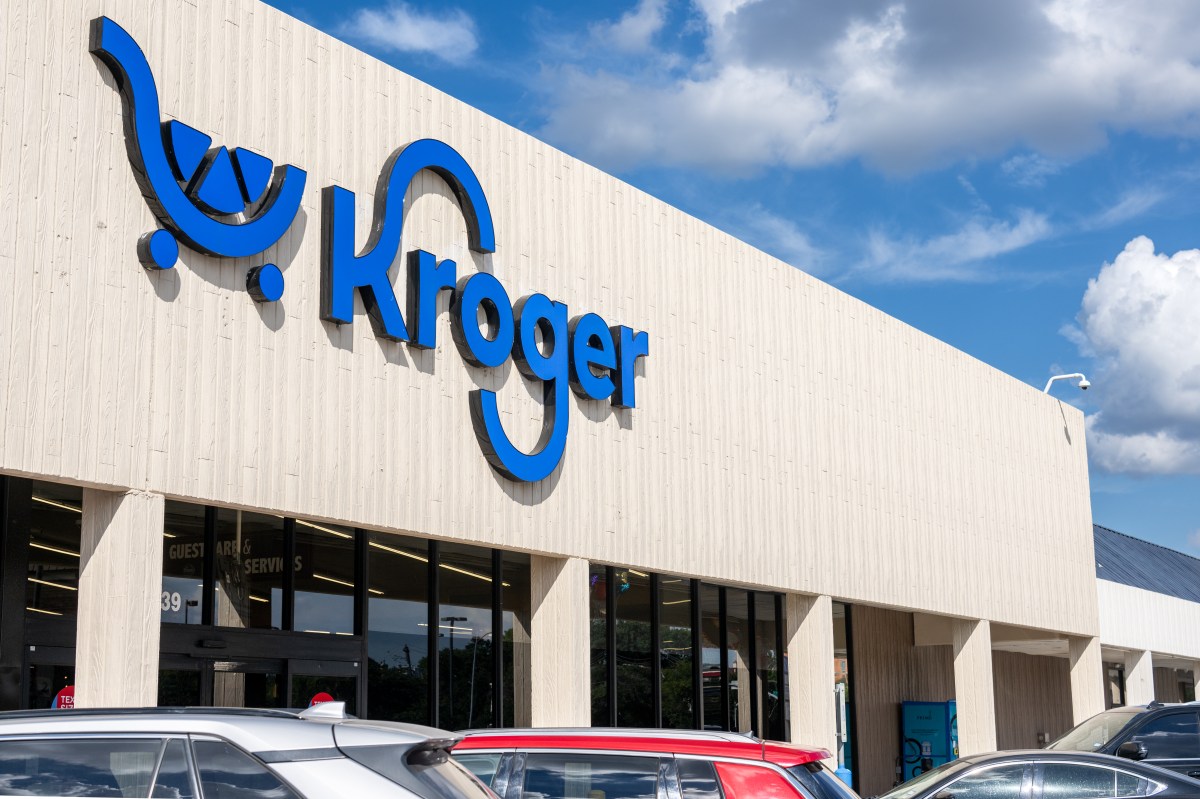
Several large U.S. companies are planning to cut jobs this week, including Kroger, Pfizer, Amazon, and Netflix. Kroger will eliminate about 3,000 corporate jobs over three years, Pfizer plans around 150 layoffs at a Michigan factory, Amazon announced more corporate cuts, and Netflix may reduce about 5 percent of its staff.
Key Facts
Kroger plans to cut roughly 3,000 corporate jobs, about 37% of its corporate workforce, over three years.
Kroger is expanding its use of artificial intelligence (AI) to help work get done more efficiently.
Pfizer will lay off about 150 employees at its Portage, Michigan manufacturing plant due to lower product demand.
Amazon announced another round of corporate job cuts focused on its core Stores operation.
Netflix is preparing a restructuring that could impact about 5% of its overall workforce.
Airtable, recently acquired by Bending Spoons, said many of its pre-acquisition employees will leave.
Companies say these layoffs are part of adapting to technology, cost-cutting, or lower demand, not employee performance.
Experts note that layoffs affect many parts of the economy and workers often face consequences beyond their control.
Read the Original
Want the full story? Tap a source to open the original
article.
Federal Reserve chairman Kevin Warsh said the economy has generally matched expectations since the last interest rate increase in September. He did not say if the Fed will raise rates again in October, but noted inflation is rising and that artificial intelligence (AI) is boosting investment and economic growth.
Key Facts
The Fed raised interest rates in September to fight inflation driven partly by the Iran war.
Warsh spoke at the IMF and World Bank meetings, saying the economy is acting as the Fed expected.
He did not indicate if the Fed will raise rates again at the next meeting on October 27-28.
Inflation accelerated in September, especially in services prices, increasing chances of a rate hike.
AI is causing a big increase in spending and investment in the U.S. economy.
Warsh believes AI could improve productivity and wealth but expects a difficult adjustment period.
The Fed will hold a hearing on November 16 to study how AI and technology affect jobs and productivity.
Warsh has launched several Fed task forces to improve how monetary policy responds to today’s economy.
Read the Original
Want the full story? Tap a source to open the original
article.
Geothermal energy, which uses heat from inside the Earth to make power, is gaining support from both Democrats and Republicans in the U.S. This growing interest comes as demand for electricity rises due to AI technology, leading to increased investment and government efforts to speed up geothermal development.
Key Facts
Geothermal energy uses the Earth's natural heat to produce electricity.
Both political parties support new laws to make it easier to develop geothermal projects.
The rise of AI increases the need for constant, reliable electricity, boosting demand for geothermal power.
New drilling technologies help access geothermal energy in more places than before.
A Senate bill aims to speed up permits and allow easier leasing of federal land for geothermal projects.
Geothermal energy keeps federal clean-energy tax credits, unlike wind and solar, which are facing cuts.
The cost to explore geothermal sites has increased sharply, showing rising commercial interest.
Geothermal currently produces less than 1% of U.S. electricity and still faces high costs and questions about long-term reliability.
Read the Original
Want the full story? Tap a source to open the original
article.
Wall Street is becoming cautious about the high costs of building AI infrastructure because the expected profits may not match the spending. Companies are borrowing a lot of money to fund AI projects, but the returns on these investments may take many years to appear, creating financial risks.
Key Facts
AI companies are expected to spend $7 trillion on infrastructure by 2030 but are forecasted to earn only $3.6 trillion in related revenue.
More than $4 trillion in AI infrastructure investments could lose value if current spending continues.
Over 80% of specialized AI cloud providers, called neoclouds, may stop operating independently by 2030.
A significant share of AI funding now comes from debt, with a sharp drop in new AI-related loans from $113 billion in June 2026 to $23 billion in September 2026.
Banks, including JPMorgan, are reducing lending to AI projects to avoid too much risk.
Some AI infrastructure projects and companies, like Oracle’s data center loans and Nvidia-backed Firmus’ IPO, are facing financial problems.
Businesses may take 10 to 20 years to fully use AI technology, meaning current AI investments may not pay off quickly.
Some AI companies, like Anthropic, show strong revenue growth, but even their growth is slowing down.
Read the Original
Want the full story? Tap a source to open the original
article.
Hyundai entered the Indian car market in the late 1990s and changed the industry by offering new features and modern designs that appealed to Indian consumers. The company is now planning a large investment of $15.5 billion through 2032 to expand its manufacturing and electric vehicle efforts in India.
Key Facts
Hyundai entered India after the country began liberalizing its economy in 1991.
The company launched the Santro in 1998, a car designed specifically for Indian families with features like more headroom and modern fuel technology.
The Santro was a fresh option compared to old models like the Hindustan Ambassador and the popular Maruti 800.
Indian car ownership grew as a symbol of upward mobility during the country’s economic changes.
Hyundai Motor India was officially created in 1996.
Hyundai plans to invest $15.5 billion in India by 2032 to build a global manufacturing hub and support electric vehicle development.
The company will work with local groups to build infrastructure for electric cars and batteries.
Bollywood actor Shah Rukh Khan helped Hyundai connect with Indian families through advertising in the 1990s.
Read the Original
Want the full story? Tap a source to open the original
article.
A committee has recommended that Norway’s sovereign wealth fund stop banning investments in companies that make nuclear weapons and should avoid making decisions based on political issues like the war in Gaza. The report suggests giving more control to the central bank managing the fund and easing ethical limits to reflect Norway’s security needs as part of NATO.
Key Facts
Norway’s sovereign wealth fund manages nearly $2.3 trillion in assets.
The committee advises lifting bans on investing in companies involved in nuclear weapons production.
The report says the fund should not decide on political or diplomatic matters, such as the conflict in Gaza.
This review was partly triggered by the fund pulling money out of Caterpillar over alleged rights violations linked to Israel.
Norway relies on NATO’s nuclear protection, influencing the recommendation to allow investments in nuclear weapons firms from the US, UK, and France.
The committee suggests giving the central bank more freedom to handle ethical risks and keep some investment reviews confidential.
The proposed changes have faced criticism from Norwegian politicians and international experts.
The report connects the fund’s investment decisions to Norway’s national security needs amid a worsening global security environment.
Read the Original
Want the full story? Tap a source to open the original
article.
Ofgem, the energy regulator for Great Britain, may bring back a fee called the market stabilisation charge (MSC). This fee would make energy companies pay other suppliers if they attract customers with cheaper deals during times when energy prices drop a lot, to help keep suppliers from going bankrupt this winter.
Key Facts
Ofgem is consulting on whether to restart the market stabilisation charge (MSC).
The MSC was used last from April 2022 to March 2024 during high energy price volatility from the Ukraine war.
The MSC would apply if wholesale energy prices fall more than 10%.
Suppliers who gain customers by offering cheap deals would pay rivals 85% of the wholesale price drop.
This rule aims to stop suppliers from losing money and going out of business when customers switch deals.
The energy price cap has increased, leading households to pay about £1,723 for typical gas and electricity between October and December 2023.
Energy bills are expected to rise again in January 2024 by about £149 per year on average.
The UK government plans to help poorer households with energy costs in an upcoming budget.
Read the Original
Want the full story? Tap a source to open the original
article.
Volkswagen, Ford, and Tesla use batteries that may contain nickel mined from forests in Indonesia where indigenous land is being cut down. This nickel comes from mines linked to deforestation and is processed through companies in China before being made into car batteries.
Key Facts
The nickel comes from mines in Sulawesi, Indonesia, which is home to important wildlife and the Tolaki indigenous people.
Batteries need nickel because it helps store more energy and increases driving range.
The nickel is processed by Zhejiang Huayou Cobalt, which supplies the world’s biggest battery maker, CATL.
Processed nickel is sent to China before being used in batteries for American and European car companies.
Satellite images show large areas of forest have been cut down because of the mining activities.
Mining threatens both the environment and the traditional way of life of the Tolaki people.
In 2024, about $606 million worth of processed nickel was shipped from Indonesia to China.
Volkswagen received battery parts in 2024 made with this nickel, showing how it enters global supply chains.
Read the Original
Want the full story? Tap a source to open the original
article.
Many small logistics businesses in America face closure as their owners retire, which could disrupt supply chains and hurt workers and communities. Experts suggest that planning for business succession—finding new owners who understand the company—can protect jobs and keep these businesses running.
Key Facts
About six million small and midsize businesses may change ownership by 2035 as baby boomer owners retire.
Over one million of these businesses could be sold, with a total value of up to $5 trillion.
In 2022, 92% of small-business owners closed their businesses instead of selling them.
Closing these businesses affects employees, customers, local tax revenue, and the supply chain's competitiveness.
Selling to experienced buyers who respect the workforce and company knowledge can help maintain business success.
Effective succession planning could preserve up to 12 million jobs and $250 billion in local spending each year.
Small logistics business owners are advised to prepare early by organizing finances and seeking expert advice.
Read the Original
Want the full story? Tap a source to open the original
article.
More women working as financial advisers could help reduce the pension gap between men and women, experts say. Women often have smaller pensions because of career breaks and lower pay, but female advisers might better understand women's financial needs and encourage them to plan for retirement.
Key Facts
Women make up about 18% of financial advisers in the UK and around 20% in the U.S.
Women often prefer working with female financial advisers who they feel understand their situation.
Women tend to live about four years longer than men but receive pensions that are about 25% smaller.
Career breaks for caregiving and age discrimination can shorten women’s working years and reduce retirement savings.
Nearly 60% of retired people living in poverty in Britain are women.
In the U.S., about 17% of women over 65 live in poverty, compared to 14% of men.
Female financial advisers could help educate women on managing their money and pensions better.
The pension gap partly results from different financial needs and challenges between men and women.
Read the Original
Want the full story? Tap a source to open the original
article.
A report from the Prosperity Institute, supported by Conservative shadow minister Andrew Sharpe, suggests freezing the minimum wage at £12.71 for five years to reduce youth unemployment. The report warns this freeze could reduce workers’ real earnings by nearly £9,000 over five years due to inflation but argues it could increase youth jobs by 270,000. Labour opposes the plan, saying it would hurt low-paid workers.
Key Facts
The report recommends a 5-year freeze on the national living wage at £12.71.
This freeze could lower the purchasing power of minimum wage workers by 9% to 12% over five years.
The report predicts a freeze might increase youth employment by about 270,000 jobs.
It also proposes abolishing the Low Pay Commission, which advises on minimum wage changes.
The Labour business minister criticized the plan, saying it would harm low-paid workers.
The Low Pay Commission recently recommended a 4.1% wage rise for adults and 8.5% for youth wages.
The government is expected to decide on minimum wage changes in October for the 2027/28 financial year.
The Labour Party wants to give 18- to 20-year-olds the full minimum wage but faces pressure due to rising youth unemployment.
Read the Original
Want the full story? Tap a source to open the original
article.
Some businesses in Jersey are worried about the effect of rising global fuel prices on their costs. The Government of Jersey plans to freeze fuel duty in 2027 to help ease the pressure on households and businesses, but some companies say this may not be enough if fuel prices keep increasing.
Key Facts
Diesel prices in Jersey and the UK recently went above £2 per litre.
Jersey froze fuel duty from 2023 to 2025 and increased it only with inflation in 2026.
The government proposes freezing fuel duty again in 2027 to avoid extra costs for transport users.
Some companies, like A&A Scaffolding Solutions, say rising diesel prices raise their costs and shrink their profit margins.
Tree surgery businesses also face higher fuel costs affecting their equipment operation and job profitability.
Some firms are adding fuel surcharges to their prices to manage costs.
The government prefers targeted financial help for families over cutting fuel duty to support the economy.
Fuel prices are mainly influenced by global markets and political events beyond local control.
Read the Original
Want the full story? Tap a source to open the original
article.
Patrick Hughes quit as landlord of The Royal Mail Cart pub in Spalding after just over a year due to lower customer numbers caused by rising costs, roadworks, and changing habits like drinking at home. Many pubs in Lincolnshire have closed recently, and pub groups are seeking government support to make pubs more affordable and competitive with supermarkets.
Key Facts
Patrick Hughes became landlord of The Royal Mail Cart in August 2025 and quit after about a year.
He says fewer people visit pubs because they prefer drinking cheap alcohol at home, watching TV, or ordering food deliveries.
Roadworks outside the pub further hurt customer numbers and sales.
Pubs in Lincolnshire have seen a big drop, with 27% closing since 2009, and South Holland has lost 53% of its pubs.
Alcohol sold in supermarkets is generally cheaper than in pubs due to lower taxes and fewer business costs.
The UK government announced a 20% discount on business rates for pubs and similar venues starting in April 2027.
Local groups like The Shipmates are trying to save closed pubs by raising money and securing community rights to buy them.
Industry leaders want the business rate discount made permanent and beer taxes frozen to help pubs survive.
Read the Original
Want the full story? Tap a source to open the original
article.
The British Chambers of Commerce leader says fixing the economic problems caused by Brexit should be the main goal for Andy Burnham and the Labour Party. Many businesses feel the current UK-EU trade deal is not working well, and the economic damage from Brexit is significant.
Key Facts
The British Chambers of Commerce (BCC) wants the UK government to prioritize repairing Brexit's economic impact.
More than half of surveyed business leaders say the Brexit trade deal is not helping their companies.
Economists estimate Brexit has cost the UK economy up to £240 billion so far.
The UK’s income per person is between 6% and 8% lower than it would have been without Brexit.
Labour’s Andy Burnham said Brexit has done more harm than good and is open to options including rejoining the EU.
The BCC plans to consult its 50,000 members, who employ over 6 million people, about future UK-EU relationship options.
Rising costs from energy prices and international conflicts are putting extra pressure on UK businesses.
Business leaders want the government to take strong action to help companies, not just maintain the current budget approach.
Read the Original
Want the full story? Tap a source to open the original
article.
The number of cloned vehicle number plates involved in offences on UK roads has reached a record high. More than 11,400 drivers contacted the DVLA last year after receiving fines for offences they did not commit, mostly due to cloned plates that copy legitimate number plates to avoid cameras.
Key Facts
Over 11,400 drivers complained to the DVLA last year about fines for offences they did not commit.
The number of complaints increased by 9% from 2024 and nearly doubled since 2018.
Cloning means copying a real car’s number plate onto a similar vehicle to avoid detection by enforcement cameras.
More than 130 official UK number plate suppliers were found selling cloned plates.
“Ghost” plates are designed to be unreadable by automatic cameras and help drivers avoid fines.
The UK has about 18,000 automatic number plate recognition (ANPR) cameras enforcing road safety rules.
The government plans a new crackdown on illegal plates, including funding a new roads policing team.
Drivers caught with illegal plates can be fined up to £1,000.
Read the Original
Want the full story? Tap a source to open the original
article.