Mango sellers in south London face a shortage of Alphonso mangoes this spring, leading to higher prices and fewer deliveries. The shortage is caused by lower production due to bad weather in India and shipping disruptions linked to conflict in the Middle East.
Key Facts
Alphonso mangoes, known as the "king of mangoes," are prized for their sweetness and distinctive aroma.
The fruit usually arrives in the UK by air from India between April and June each year.
This year, fewer Alphonso mangoes have been delivered to London’s markets, especially in the Tooting area.
Bad weather in parts of India has reduced the harvest of Alphonso mangoes.
Conflict in the Middle East has caused longer flight routes and increased fuel costs, raising prices.
Despite higher prices, customer demand for Alphonso mangoes remains strong.
The Alphonso season lasts only a few weeks, making it a special time for buyers, especially in the South Asian community.
Other mango varieties are still available during the summer but do not match the Alphonso’s taste and texture.
Read the Original
Want the full story? Tap a source to open the original
article.
Prize draws and competitions have become a large and growing market in the UK but can cause addiction and financial problems. One woman, Lisa, shared how her addiction to these prize draws led her to spend thousands of pounds, run into debt, and struggle to afford basic needs. The government has introduced voluntary guidelines for the industry, but some experts and affected people say they are not enough to prevent harm.
Key Facts
Prize draws and competitions are widespread on social media and TV and are considered a major market by the government.
Lisa, a 33-year-old single mother, became addicted to prize draws and spent over £5,000, including her disability benefit, leading to debt and financial hardship.
Instant-win draws, costing as little as one penny and allowing unlimited entries, are especially tempting and contribute to addiction.
Gambling laws do not fully cover prize draws, which avoid regulation by offering free entry or skill questions.
The government created a voluntary code of practice signed by 177 operators to encourage safer conduct in this market.
Experts say this voluntary code does not fully address the risks from the fast growth of prize draws and competitions.
Lisa could not access some safeguards like bank blocks or ad filters because prize draws are not fully regulated as gambling.
Lisa described the emotional toll of the addiction, including shame, desperation, and using tissues as tampons due to lack of money.
Read the Original
Want the full story? Tap a source to open the original
article.
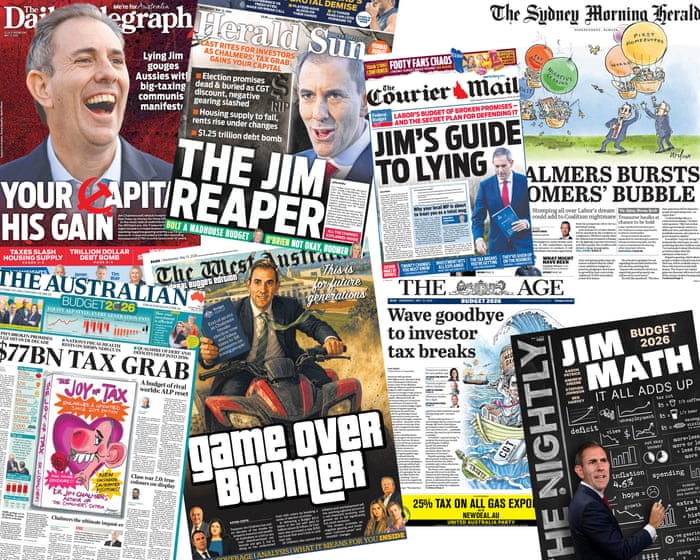
Australian newspapers showed mostly negative reactions to the 2026 federal budget delivered by Treasurer Jim Chalmers. Many papers focused on tax increases and changes affecting investors, while some highlighted benefits for first home buyers and workers. Media also covered the attention on Chalmers’ wife Laura’s choice of a modest, affordable outfit during the budget announcement.
Key Facts
Several major Australian papers described the budget as a heavy tax increase and compared it to communist policies.
The budget includes cuts to negative gearing and the capital gains tax discount, which impact property investors.
Some media used strong imagery like “The Jim Reaper” and references to broken election promises.
The Sydney Morning Herald highlighted positive support for first home buyers and workers.
The Age newspaper showed the prime minister and treasurer struggling to manage the economy.
Media also focused on the outfit of Laura Chalmers, noting she wore a modest, affordable Zara dress this year.
Laura Chalmers faced past criticism for wearing expensive designer clothes during previous budget announcements.
The budget is valued at about $77 billion in tax changes targeting wealth redistribution.
Read the Original
Want the full story? Tap a source to open the original
article.
The Coalition parties have promised to undo Labor’s new tax rules on negative gearing and capital gains if they win the next election. These changes, announced in the recent budget, will limit tax benefits for property investors and are planned to take full effect by 2027. Labor’s proposal aims to raise revenue, but the Coalition says it will fight the changes in parliament.
Key Facts
Labor’s budget includes ending negative gearing for new investment properties bought after the budget announcement.
The 50% discount on capital gains tax (CGT) will be phased out by July 1, 2027.
The Coalition has pledged to repeal these changes if they regain government, promising to restore more generous tax rules for property investors.
Repealing the tax changes would reduce budget revenue by about $70 billion, needing other savings or revenue to cover the gap.
Labor introduced a $250 tax offset for workers but excluded welfare recipients below the tax-free income level from receiving it.
The Greens want more details from Labor before supporting the tax reforms and suggest the changes do not go far enough.
Prime Minister Anthony Albanese said the worker tax offset targets people who pay tax, not those below the tax-free threshold.
The next federal election is due by mid-2028, around the time the tax changes will take full effect.
Read the Original
Want the full story? Tap a source to open the original
article.
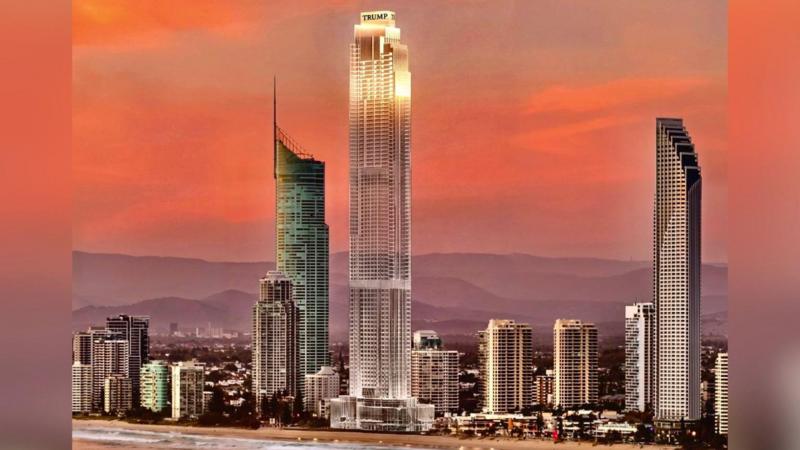
Plans to build Australia's first Trump Tower in Queensland have been canceled. The Australian developer said the Trump brand had become unpopular, and the project faced other difficulties.
Key Facts
The Trump Tower was planned as a 91-story luxury hotel on the Gold Coast.
It was expected to cost AU$1.5 billion (about $1.1 billion).
The building would have been Australia’s tallest at 335 meters high.
The developer, Altus Property Group, said the Trump brand became "toxic" in Australia.
The Trump Organization said the developer failed to meet financial obligations.
Construction was supposed to start in August with hotels, apartments, shops, and a beach club.
Local opinions were divided; over 120,000 people signed a petition against the project.
The Gold Coast mayor said the project was between private companies and blamed profit disagreements.
Read the Original
Want the full story? Tap a source to open the original
article.
The Australian federal budget includes changes to tax rules for capital gains and negative gearing, which are policies that mainly benefit rich people. Most of the tax breaks go to those who earn more than the middle income, with the top 1% receiving more than half of the capital gains tax benefit.
Key Facts
Capital gains tax (CGT) is a tax on profit when you sell something valuable like a house. Investors get a 50% discount if they keep the asset for over a year.
Negative gearing happens when someone loses money on a rental property, and they can deduct those losses from their taxable income.
The top 1% of earners have received over $700,000 in tax breaks from CGT, negative gearing, and trusts during their working lives.
In 2022-23, the top 10% earned 83% of the benefits from the CGT concession and 37% from negative gearing.
71% of tax filers benefited from the CGT discount, and 95% of those were people earning above the median income of $58,216.
More than half of the CGT benefit went to just the top 1% of income earners.
These tax benefits are often linked to helping rich investors, causing concern that they may increase housing prices by encouraging speculation.
Read the Original
Want the full story? Tap a source to open the original
article.
A local restaurant owner in Dallas is experiencing higher costs due to rising prices linked to tensions with Iran. These price increases are affecting both everyday shoppers and business owners.
Key Facts
The restaurant owner is located in Dallas, Texas.
Rising prices are connected to the conflict with Iran.
Both consumers and business owners are feeling financial pressure.
Higher costs likely impact food and supply expenses.
The situation is part of broader economic effects from international events.
Read the Original
Want the full story? Tap a source to open the original
article.
More than 60 charities have asked the UK government to create a new clean air law to reduce pollution, including banning wood-burning stoves and diesel vehicles. Experts say wood smoke is very harmful and current rules are outdated and not properly enforced, while the stove industry has been lobbying against strict regulations.
Key Facts
Charities want a clean air act to lower pollution and protect health.
Wood burning in cities causes toxic particles as harmful as coal smoke.
From August 2024 to August 2025, over 15,000 complaints about wood burning were made in England, but only 24 fines were given.
The Labour Party promised a clean air act in 2023 but dropped it in the election manifesto.
The stove industry has met many times with government officials to influence policy.
The government’s consultation on wood burning favored health warnings rather than bans.
New guidance allows wood stoves in new homes despite earlier plans to require low-carbon heating.
Experts urge ending new sales of wood stoves and helping people move to cleaner heating methods.
Read the Original
Want the full story? Tap a source to open the original
article.
Most UK millionaires are proud to live in Britain, and about three-quarters say they would be willing to pay higher taxes to support public services. A survey found they are more worried about doctors and young people leaving the country than wealthy individuals moving abroad.
Key Facts
88% of UK millionaires said they are proud to live in the UK.
75% of millionaires would accept paying more tax to fund public services.
64% want higher taxes on the wealthiest people’s capital and assets.
Only 9% of millionaires worry most about rich people leaving the UK.
More concern is on doctors leaving (43%), young people (19%), and business owners (19%).
Over 4,000 doctors left the UK in 2024, the highest number in 10 years.
Around 257,000 British people left the UK in 2024, but 143,000 returned.
The claim that many millionaires are leaving the UK is overstated; only 0.5% of millionaires emigrated last year.
Read the Original
Want the full story? Tap a source to open the original
article.
Air India is facing serious problems ahead of the final report on its crash near Ahmedabad, India, that killed 260 people. The airline is struggling with leadership changes, big financial losses, safety issues, and external challenges like fuel costs and airspace restrictions, which threaten its plans to recover.
Key Facts
The crash of Air India flight AI-171 near Ahmedabad occurred on 12 June 2025 and resulted in 260 deaths.
The Aircraft Accident Investigation Bureau (AAIB) is expected to release its final crash report within a month.
Air India's CEO, Campbell Wilson, resigned halfway through his term amid reported losses of $2.4 billion for the year ending March 2026.
Air India is currently the largest money-losing company within the Tata Group, which acquired the airline from the Indian government in 2022.
The Tata Group board recently discussed cost-cutting measures and warned staff about difficult times ahead.
Singapore Airlines, a 25.1% shareholder in Air India, may increase its involvement in managing the airline.
Air India has faced several operational problems, including safety violations and a recent flight returning from Delhi to Vancouver due to lack of permission to enter Canadian airspace.
External challenges like delayed plane deliveries and reduced route coverage, including cuts on important international flights, have hurt Air India's business recovery.
Read the Original
Want the full story? Tap a source to open the original
article.
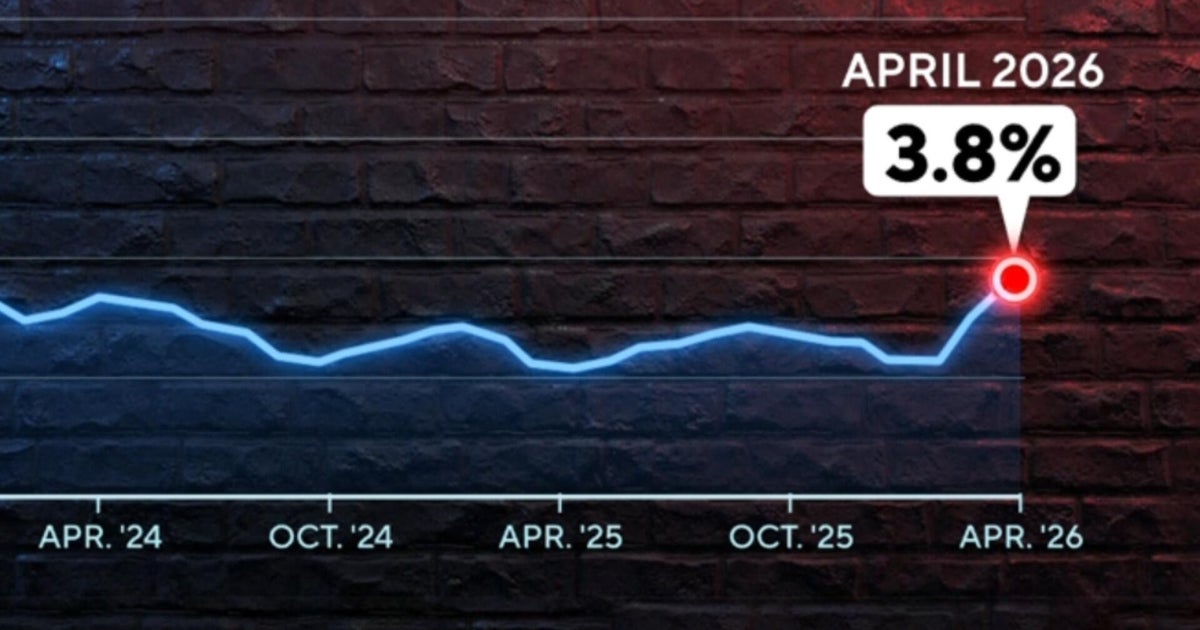
Inflation in the United States has reached its highest point in almost three years. This rise is mainly because energy prices have increased sharply due to the ongoing conflict involving Iran.
Key Facts
Inflation is at its highest level in nearly three years.
The main reason for this increase is the spike in energy costs.
The rise in energy prices is connected to the war involving Iran.
Arjun Murti, an energy sector expert, provided analysis on this issue.
The energy price increases are impacting the overall cost of goods and services.
The report was covered by CBS News.
Read the Original
Want the full story? Tap a source to open the original
article.
U.S. businesses have started receiving refunds for tariffs imposed by President Donald Trump in 2025 that were later ruled illegal by the Supreme Court. The government has approved tens of thousands of refund claims, returning billions of dollars to importers who paid these tariffs.
Key Facts
President Donald Trump imposed tariffs in 2025 under the International Emergency Economic Powers Act (IEEPA).
The Supreme Court ruled in February that President Trump did not have the authority to impose these IEEPA tariffs.
Businesses began receiving refunds for these tariffs starting Tuesday, May 12, 2026.
As of early May, nearly 87,000 refund requests were approved, covering over 15 million tariff payments.
The federal government has refunded $35.5 billion so far, including interest.
One business owner, Sarah Wells, received a refund of $10,000 for tariffs paid on goods from China and expects another $10,000 refund on other imports.
Importers are still paying a 10% tariff imposed by President Trump under a different trade law (Trade Act of 1974).
The White House is investigating unfair trade practices by other countries, which could lead to new tariffs under another section of the Trade Act.
Read the Original
Want the full story? Tap a source to open the original
article.
The Coalition party in Australia said it will undo recent tax changes on investment profits if it wins the next election, arguing Labor did not have permission from voters to make those changes. The government’s new budget includes extra funding for public hospitals but also faces criticism for not solving all healthcare problems, with some experts warning about financial gaps and the impact of cuts on private health insurance for older Australians.
Key Facts
The Coalition promises to repeal changes to capital gains tax and negative gearing if elected.
Shadow Treasurer Tim Wilson says Labor lacked voter approval for these tax reforms.
A $250 tax offset for workers will start next year but inflation may reduce its benefit within six months.
The Australian Medical Association (AMA) welcomed $25 billion in extra hospital funding but said a $9.6 billion gap remains unaddressed.
The budget includes $120.9 million for better health checks for young children via Medicare.
The AMA is concerned about cuts to private health insurance rebates for people over 65, which might increase pressure on public hospitals.
The Committee for Economic Development of Australia (CEDA) supports the budget’s approach to reform and its efforts to balance savings and household support.
The government warned Australia’s economy could face recession risks if the Middle East crisis worsens and oil prices stay high.
Read the Original
Want the full story? Tap a source to open the original
article.
A federal appeals court has temporarily stopped a lower court’s order that said President Donald Trump’s global 10% tariffs were unlawful. This pause gives the appeals court time to review the case before deciding whether to keep the tariffs while the legal process continues.
Key Facts
The U.S. Court of Appeals for the Federal Circuit issued an administrative stay on the lower court’s ruling from the Court of International Trade.
The stay means the tariffs will remain in place for now.
The appeals court did not make a decision on the main issues of the case and is still reviewing the arguments.
The Trump administration also paused a similar block on an earlier set of tariffs last year during appeals.
The 10% tariffs were imposed globally by President Trump after the Supreme Court stopped his first round of tariffs.
A New York trade court had ruled these 10% tariffs unlawful last week.
The appeals court is considering whether to grant a longer stay while the case continues.
The legal case concerns whether the tariffs follow the law correctly.
Read the Original
Want the full story? Tap a source to open the original
article.
Australia has very expensive homes that many people cannot afford. The government has removed some tax breaks for property investors to help first-time home buyers, but opinions differ on whether this will improve housing affordability. Young Australians worry about their ability to buy homes in the future as prices keep rising much faster than incomes.
Key Facts
Australia has some of the most expensive homes in the world, with average prices about 10 times the typical household income.
House prices have grown much faster than wages over the past 25 years, making homes less affordable.
The government recently ended some tax breaks for property investors, including negative gearing and a capital gains tax discount.
Negative gearing lets investors reduce their taxable income by losses on rental properties.
The capital gains tax discount means investors pay tax on only half their profit when selling a home.
Supporters say the tax breaks help investors who provide rental homes; critics say they make housing more expensive and unfair to younger buyers.
Many young Australians feel they face difficult challenges affording deposits, rents, and mortgages compared to previous generations.
The shortage of housing and strict building rules have also contributed to the crisis by limiting how many homes can be built.
Read the Original
Want the full story? Tap a source to open the original
article.
Companies hiring freelancers and contractors worldwide face challenges using old payroll systems designed for local, full-time employees. New stablecoin payroll tools use digital money tied to a fixed value, like the U.S. dollar, to help pay gig workers faster and more cheaply across borders.
Key Facts
Traditional payroll was made for full-time employees paid locally on regular schedules.
The gig economy was valued at about $556.7 billion in 2024 and may grow to $1.847 trillion by 2032.
About 16% of U.S. adults earned money through online gig platforms; 28% of skilled U.S. workers have freelanced.
Current payroll systems cause delays, high costs, and payment difficulties for global freelance workers.
Paying contractors worldwide often involves multiple banks, currency exchanges, and delays.
Stablecoins are digital currencies designed to keep a steady value equal to a real dollar or euro.
Stablecoin payroll uses blockchain technology to send payments quickly and directly across countries.
These new tools reduce operational hassles and speed up payments for companies and workers.
Read the Original
Want the full story? Tap a source to open the original
article.
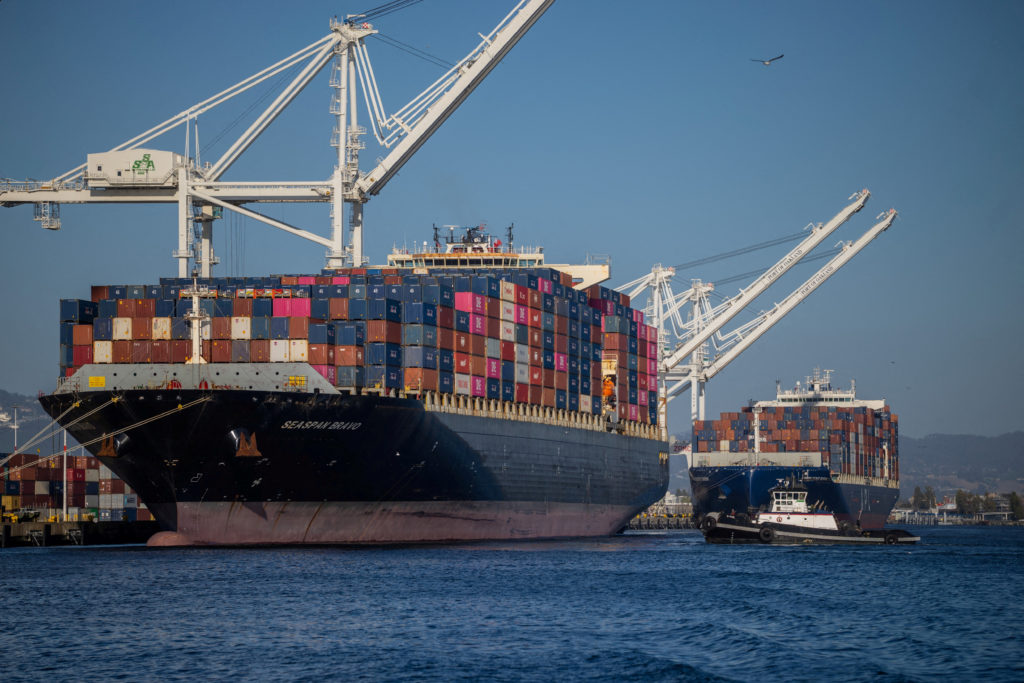
The Iran war has closed the Strait of Hormuz, reducing the supply of bunker fuel, a heavy oil that powers most large ships worldwide. This shortage has increased fuel prices, especially in Asia, causing higher shipping costs that could raise prices for consumers globally.
Key Facts
Bunker fuel is a heavy, thick oil used to power about 80% of goods shipped by sea.
The Iran war has blocked the Strait of Hormuz, cutting off major bunker fuel supplies from the Middle East.
Singapore, the biggest bunker fuel hub, is experiencing higher prices and shrinking fuel reserves.
Before the conflict, bunker fuel cost about $500 per metric ton in Singapore; prices rose above $800 by May.
Shipping companies are slowing ships and changing schedules to save fuel, but many face financial challenges.
Asia is using more coal, buying Russian oil, and looking at nuclear power to handle energy shortages.
Increased shipping costs will likely lead to higher prices for many consumer goods worldwide.
The global shipping industry loses about $400 million daily because of the conflict’s impact on fuel and routes.
Read the Original
Want the full story? Tap a source to open the original
article.
Global oil prices have risen due to ongoing conflict between the US and Iran over the Strait of Hormuz. This has caused supply problems, leading Japanese snack company Calbee to temporarily change its packaging from color to black and white because of shortages in printing ink made from petrochemicals.
Key Facts
Oil prices, including Brent crude, have climbed to nearly $110 a barrel.
The conflict involves a standoff between the US and Iran at the Strait of Hormuz.
Both countries have rejected each other's ceasefire proposals.
Calbee, a Japanese snack maker, uses petrochemical-based ink for packaging.
Due to ink supply issues caused by the conflict, Calbee switched some packaging to black and white.
Products affected include crisps and prawn crackers.
The supply instability is linked to disruptions in petrochemical materials needed for ink.
The oil industry is losing about 100 million barrels per week due to the Strait of Hormuz shutdown.
Read the Original
Want the full story? Tap a source to open the original
article.
PayPal has agreed to a $30 million settlement with the U.S. Justice Department after concerns about its support for minority-owned businesses. As part of this deal, PayPal will waive processing fees on $1 billion in transactions to help these businesses.
Key Facts
PayPal signed a settlement with the U.S. Justice Department on a Tuesday.
The settlement is worth $30 million related to PayPal's support for minority-owned businesses.
PayPal will waive processing fees on transactions totaling $1 billion.
The aim is to help minority-owned businesses by reducing their payment costs.
In 2020, PayPal created the Economic Opportunity Fund to support minority businesses.
The Justice Department raised concerns about PayPal meeting its commitments under this fund.
The settlement resolves those concerns and launches a new initiative by PayPal.
Read the Original
Want the full story? Tap a source to open the original
article.
JP Morgan’s CEO Jamie Dimon said the bank might cancel its plan to build a new £3 billion headquarters in London if a new Labour prime minister is unfriendly to banks. The bank wants a stable business environment and is concerned about potential new taxes targeting lenders.
Key Facts
JP Morgan plans to build a £3 billion headquarters in Canary Wharf, London.
The building will accommodate over half of JP Morgan’s 23,000 UK employees.
CEO Jamie Dimon said the project could be scrapped if a new Labour leader hostile to banks takes power.
The UK has two taxes on banks: a bank surcharge on profits and a bank levy on balance sheets.
JP Morgan believes it has paid about $10 billion extra in taxes due to these sector-specific levies.
The bank asked for a discount on business rates despite reporting a $57 billion net income in 2025.
Political instability in the UK is affecting market confidence and could delay stock market listings (IPOs).
Dimon praised Keir Starmer as a “smart guy” but emphasized that the business climate needs to remain positive.
Read the Original
Want the full story? Tap a source to open the original
article.