This news segment discusses whether spending a large amount of money on a college degree is still worth it. The hosts explain how to get good value from college and when the cost might be too high compared to the benefits.
Key Facts
College tuition can cost around $400,000 for four years.
The program talks about how to make the most of a college degree’s value.
It also covers situations when paying for college might not be worthwhile.
The discussion includes advice from hosts Jill and Mark.
A caller named Michael asks about affording a home renovation.
Other news topics mentioned include new AI models, President Trump’s Russia diesel deal, and various current events.
Read the Original
Want the full story? Tap a source to open the original
article.
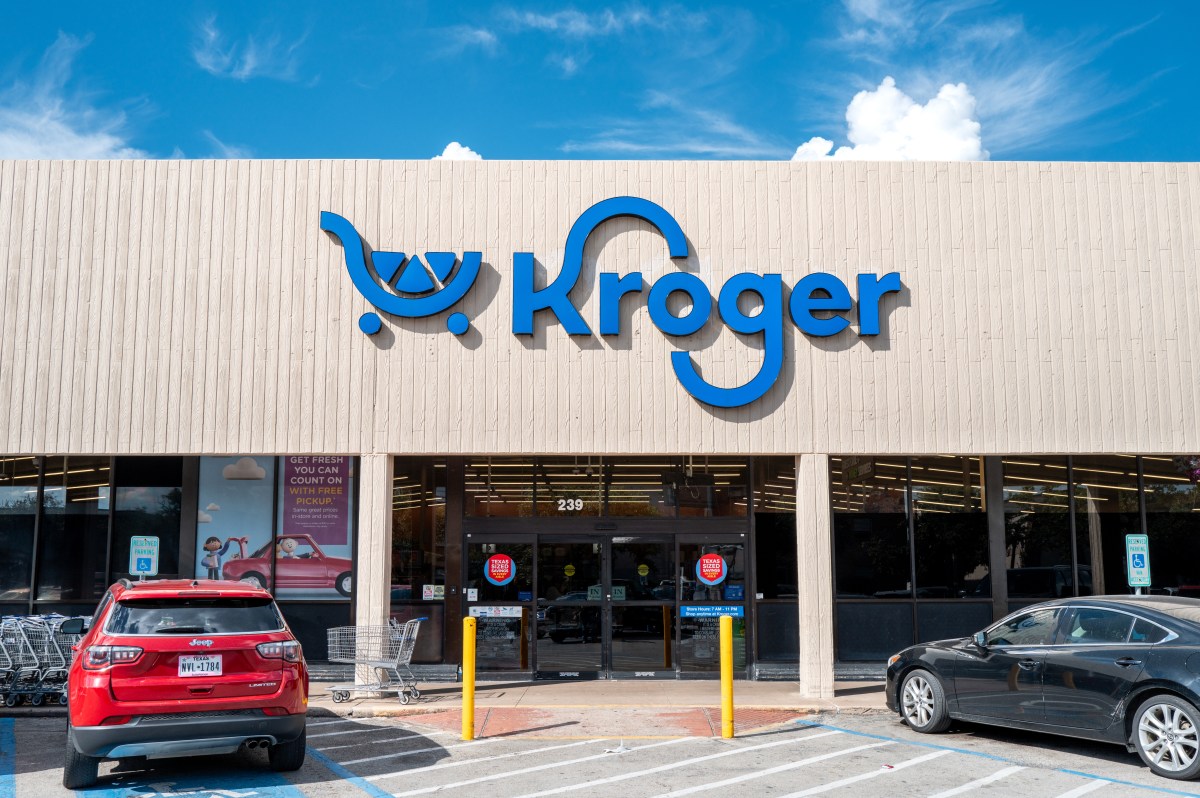
Kroger plans to lay off 3,000 corporate workers over the next three years, which is about 37% of its corporate staff. The company aims to simplify operations, improve efficiency, and better focus resources on customers while integrating artificial intelligence (AI) into its business.
Key Facts
Kroger will cut 3,000 corporate jobs by 2027, the largest layoffs in its 143-year history.
These cuts represent 37% of Kroger’s 8,200 corporate employees.
CEO Greg Foran said the goal is to speed up decision-making and reduce unnecessary management layers.
Kroger is increasing the use of AI to improve customer service and worker productivity.
In 2023, Kroger also closed about 60 stores, around 5% of its total stores.
A planned $25 billion merger with Albertsons was blocked by regulators, causing legal disputes and financial pressure.
Kroger reduced its full-year sales forecast due to slower growth and challenges like inflation and lower government food benefits.
The company is focusing on cutting costs while continuing to invest in customer experience and employee support.
Read the Original
Want the full story? Tap a source to open the original
article.
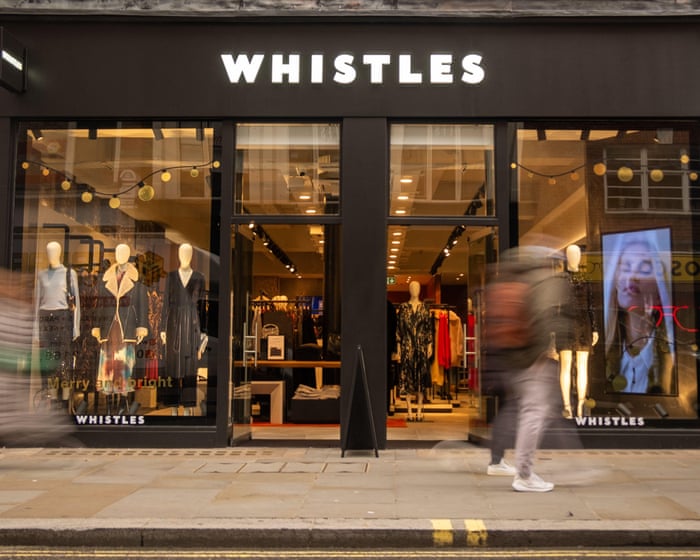
The company owning Hobbs, Whistles, and Phase Eight said a cyber-attack hit its UK stores and websites, possibly exposing customer personal data. The company paused online orders and is investigating the incident while working with cybersecurity experts and UK authorities.
Key Facts
The South African-listed company TFG London owns Hobbs, Whistles, and Phase Eight brands.
The cyber-attack affected these three UK retail brands but not TFG’s Inside Story and White Stuff brands.
Some IT systems are still down, and online orders are paused as a safety measure.
The company is investigating if customer personal or sensitive data was accessed and will inform affected people if needed.
TFG’s operations outside the UK, like in Africa and Australia, use separate systems and were not impacted.
External cybersecurity specialists are helping to manage the situation, and the issue has been reported to UK authorities.
This attack happened shortly after a cyber-attack on another fashion retailer, Asos, that exposed millions of customers’ data.
Other major UK retailers, such as Marks & Spencer and the Co-op, have faced similar cyber incidents recently.
Read the Original
Want the full story? Tap a source to open the original
article.
Two American economists, Robert E. Hall and Michael Woodford, won the Nobel Prize in Economic Sciences for their research. Their work helps leaders and central banks better understand economic ups and downs and design policies to manage recessions and inflation.
Key Facts
Robert E. Hall (Stanford University) and Michael Woodford (Columbia University) won the Nobel Memorial Prize in Economic Sciences in 2026.
Their research focuses on stabilizing the economy during crises.
Their work aids policymakers and central banks in managing economic changes like recessions and inflation.
They studied how public expectations affect economic policy decisions.
The Nobel Prize prize money is about $1.2 million, split equally between them.
The prize is known as the Nobel Memorial Prize in Economic Sciences.
Read the Original
Want the full story? Tap a source to open the original
article.
Poundland, a retail chain with around 600 stores and 12,000 workers, is in talks to find a new buyer or complete a management buyout. The company is facing financial difficulties, and a union warns that without a successful deal, Poundland could enter administration, risking many jobs.
Key Facts
Poundland has about 600 stores across the UK and Ireland.
It employs 12,000 people.
The retailer has been struggling due to rising costs and competition.
Poundland was sold for £1 last summer by Pepco to US investment firm Gordon Brothers.
The current owners are looking for buyers, with management trying to buy the company themselves.
The management team is working with Irish property firm Martin Property Group on a buyout.
A union representing workers, Usdaw, warned that if the buyout fails, Poundland might go into administration (a form of bankruptcy protection).
Going into administration could put thousands of jobs at risk.
Read the Original
Want the full story? Tap a source to open the original
article.
Shares in semiconductor companies dropped after Broadcom’s CEO compared many AI investors to gamblers in a casino. The sell-off also followed news that Chinese chip maker CXMT has advanced new chip technology, raising concerns about competition in the memory chip market.
Key Facts
Semiconductor stocks fell sharply in Asian markets, including South Korea, Japan, and Taiwan.
Samsung Electronics shares fell 7.4%, SK Hynix dropped 10%, and Taiwan’s TSMC stock also declined.
Broadcom’s CEO said many AI investors do not understand their investments and likened their behavior to gambling.
Chinese company CXMT announced progress on new DRAM chip technology that could challenge major memory chip makers like Samsung and Micron.
AI-related stocks like Micron Technology, Nvidia, and AMD also declined on Tuesday.
The AI sector has seen large investments funded by debt, raising concerns about its financial stability.
Broadcom’s CEO noted that companies like OpenAI are still spending heavily and not yet profitable.
Increased competition and high expectations are causing uncertainty among investors in the chip industry.
Read the Original
Want the full story? Tap a source to open the original
article.
The International Monetary Fund (IMF) predicts the world’s economy will grow by 3.1% this year, slowing down due to global problems. The IMF warns that high inflation and rising stock prices in artificial intelligence (AI) could cause financial risks.
Key Facts
The IMF forecasts global economic growth of 3.1% for this year.
Growth is slower because of geopolitical disruptions around the world.
High inflation (rising prices for goods and services) remains a concern.
The IMF identifies AI stock prices as a possible threat to financial stability.
Russia has exported $320 billion in oil and gas to European countries since its invasion of Ukraine in 2022, despite sanctions.
The Dangote refinery has extended its initial public offering (IPO) deadline by two weeks to attract more small investors.
Read the Original
Want the full story? Tap a source to open the original
article.
The UK travel industry says that the high cost of living is making fewer people plan holidays abroad next year. Although holiday numbers this year returned to pre-pandemic levels, many expect a slowdown because more people want to spend less on travel.
Key Facts
The number of UK holidaymakers in 2023 matched the 2019 pre-pandemic level at 88%.
Domestic holidays in the UK reached a new high of 74%, and 62% took holidays abroad.
Nearly one in three people plan to spend less on overseas travel next year.
More travelers are booking holidays later and choosing shorter city breaks.
Confidence in travel dropped slightly but recovered after fears linked to the US-Israel war and jet fuel shortages eased.
Spain remains the top holiday destination for UK travelers, followed by Portugal.
The travel industry contributed £57 billion to the UK economy.
The industry is asking the government to lower aviation taxes and support sustainable aviation fuels to reduce costs.
Read the Original
Want the full story? Tap a source to open the original
article.
Mercedes-Benz has a special division focused on classic and used cars called Mercedes-Benz Heritage. This division restores and sells vintage cars, manages a large collection, and is growing its operations and facilities to serve both old and future classic models.
Key Facts
Mercedes-Benz Heritage handles classic car restoration and sales as a profit-making business.
The division is supported financially by Mercedes-Benz and also earns money from museum visitors and selling car parts.
Their facility in Fellbach, Germany, recently doubled in size to better service cars.
They maintain a collection of over 1,100 classic Mercedes-Benz cars.
Restoration includes a mix of traditional and modern techniques.
The upgraded facility can service current models like the S-Class for the future as they become classic cars.
Mercedes-Benz Heritage actively participates in global car events to increase visibility.
Some rare Mercedes classic cars have been auctioned for millions of dollars, showing high collector value.
Read the Original
Want the full story? Tap a source to open the original
article.
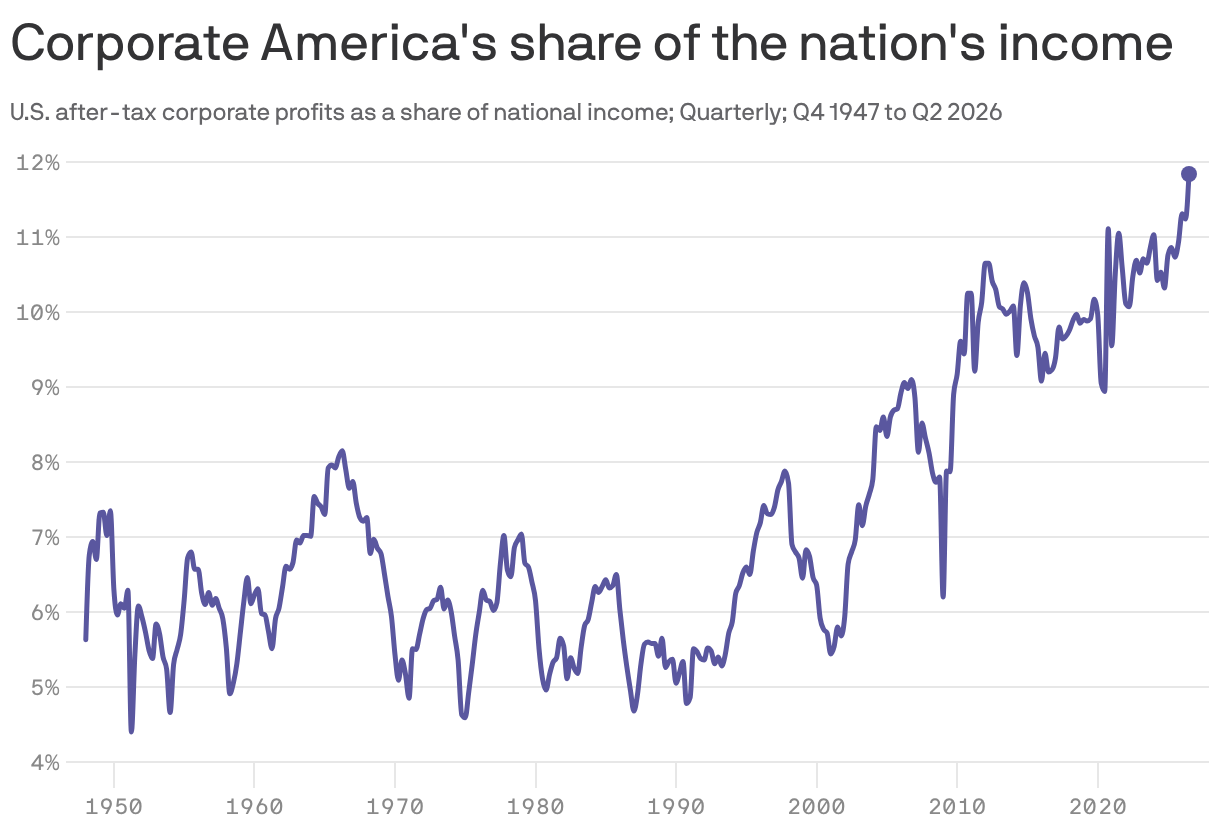
U.S. companies are making record profits, driven especially by big tech firms benefiting from advances in artificial intelligence (AI). While corporate earnings and profit margins have grown strongly, workers are receiving a smaller share of the country’s income, which may affect public attitudes about the economy.
Key Facts
Corporate profits in the U.S. reached record levels in the second quarter of 2025.
The S&P 500 companies are expected to report about 29% growth in earnings per share in the third quarter of 2025.
AI-related companies, such as Nvidia and Micron Technology, are responsible for a large part of the earnings increase.
Some companies reported huge gains from the rising value of their tech investments; Amazon estimated a $50 billion profit boost from its AI stake.
Corporate profit margins — the difference between earnings and costs — are among the highest ever recorded.
The share of national income going to workers in wages and benefits has dropped to near-record lows.
This decrease in wages compared to profits may be why many Americans feel uncertain about the economy despite corporate success.
Stock market benefits from these profits, but the growth is concentrated in a few big companies.
Read the Original
Want the full story? Tap a source to open the original
article.
The article explains how the U.S. government, under President Donald Trump, has taken ownership stakes in several companies, a move that echoes policies tried in Sweden during the 1970s and 1980s. Sweden’s experience showed that state ownership of companies often led to management problems, financial losses, and political conflicts, with little success in creating new industries.
Key Facts
President Donald Trump’s administration took or agreed to take shares in 34 companies, including about 10% of Intel.
Both supporters on the right (MAGA) and left (Democratic Socialists of America) in the U.S. support government ownership for supporting jobs and innovation.
Sweden created a state investment bank and a state holding company in the late 1960s and early 1970s to control many companies.
Swedish state ownership led to conflicts about whether to focus on profit or political goals, causing management and accountability problems.
Politicians became both regulators and owners, creating conflicts of interest.
The government used resources for unusual projects, like running a hamburger chain and trying to salvage a treasure shipwreck.
State ownership in Sweden ended up mostly rescuing failing industries instead of creating new ones.
Between 1976 and 1982, Sweden’s state-owned companies lost about $2 billion in today’s money, with shipyard bailouts costing about $17 billion.
Read the Original
Want the full story? Tap a source to open the original
article.
Grocery prices in the UK have increased by 2.5% compared to last year, leading shoppers to use special offers more to manage their costs. Spending on promotions rose by over £250 million, helping people afford pricier items amid rising inflation and high petrol prices.
Key Facts
UK grocery prices rose 2.5% in the four weeks to 4 October, up from 2.3% the month before.
Shoppers spent over £250 million more on special offers compared to last year.
More than half of shoppers are very worried about rising petrol prices, which affect household budgets.
Chocolate prices fell by 3% from last year, helping families during Halloween and the upcoming festive season.
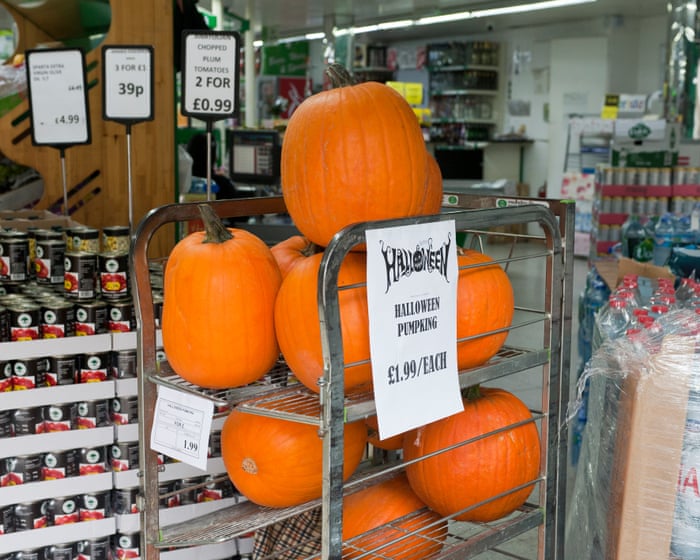
About 1.2 million UK households bought pumpkins, a 10% increase from last year.
Lidl grew its market share to 8.6%, with sales up 7.1%, led by fruit, vegetables, and wine.
Ocado's sales rose 12.4%, higher than overall online grocery sales at 5.5%.
Tesco and Sainsbury’s hold 27.8% and 15.2% market shares, with small sales increases of 1% and 1.3%.
Aldi and Asda maintain market shares of 10.5% and 11.5%, with Aldi sales slightly up by 0.4%.
Marks & Spencer grocery sales increased by 14.9%.
Read the Original
Want the full story? Tap a source to open the original
article.
A cancer charity from New Jersey called Axiom REACH Foundation is expanding its fundraising run to Dhaka, Bangladesh. The event aims to raise awareness and funds for cancer treatment amid rising cancer rates in Bangladesh.
Key Facts
Axiom REACH Foundation will hold a "7.5K to Fight Cancer" run on January 8, 2027, around Lake Hatirjheel in Dhaka.
More than 1,000 runners and virtual participants from over 25 countries are expected to join.
The foundation wants to reach 30 million people with its cancer awareness campaign and double its funding in Bangladesh.
Axiom REACH supports cancer programs like the Children's Cancer Fund and Project 1767 for breast cancer screenings.
Since 2023, the foundation has helped 68 children with cancer treatment in Bangladesh, with 21 in remission.
Research predicts that cancer cases could double in Bangladesh by 2050, increasing the need for support.
Bangladeshi singer Dilshad Nahar Kona is helping raise awareness and will attend the event in Dhaka.
The run is expected to raise more than $60,000, doubling funds given to Bangladesh last year.
Read the Original
Want the full story? Tap a source to open the original
article.
The International Monetary Fund (IMF) has raised its forecast for UK economic growth in 2024 and advises the UK government to continue its efforts to reduce public debt. The IMF also recommends that any government support for rising energy costs should be temporary and targeted to avoid bigger economic problems.
Key Facts
The IMF raised the UK’s growth forecast for 2024 to 1.3%, up 0.3% from earlier estimates.
Growth is strong partly due to the rise of AI-related businesses in the UK.
The IMF expects growth to slow slightly to 1.2% in 2027 because of higher energy prices and rising interest rates.
The UK is recognized by the IMF for having a clear plan to reduce its budget deficit among G7 countries.
The IMF warns against broad government subsidies and advises support should be temporary and focused.
UK inflation is predicted to be 3.3% in 2024 and 2.8% in 2027, above the Bank of England’s 2% target.
The Bank of England and other central banks are expected to raise interest rates to manage inflation.
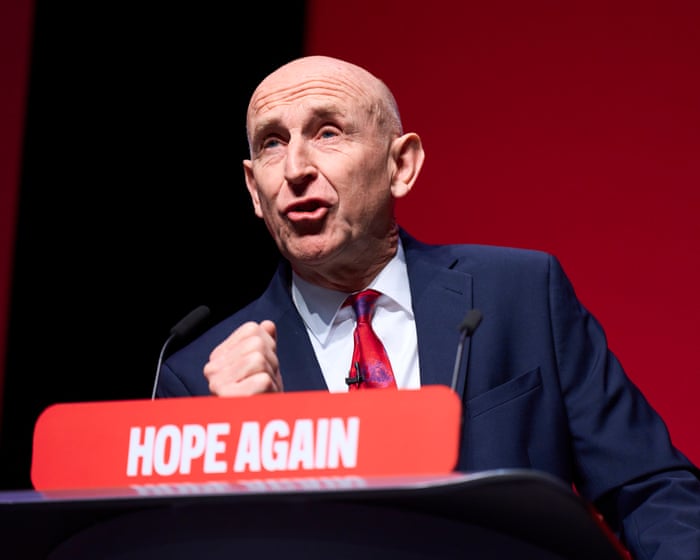
Chancellor John Healey is under pressure to include energy bill support in his upcoming budget.
Read the Original
Want the full story? Tap a source to open the original
article.
A new "social supermarket" opened in Newcastle-under-Lyme to help people struggling with the growing cost of living. Customers can buy groceries at low prices by using tokens after paying a small membership fee, giving them more choice and dignity compared to traditional food banks.
Key Facts
The supermarket is run by Community Cupboard NUL CIC and opened recently in Newcastle-under-Lyme.
Customers pay £1 for a 12-month membership and then buy tokens to shop for groceries at cost price or below.
The idea was inspired by the founder Thomas Cliffe’s own financial struggles after leaving work due to anxiety.
The store aims to reduce food waste by selling surplus goods at lower prices.
Many local families face poverty, with one in four children affected and average incomes around £29,000.
Visitors say the store is cheaper than big supermarkets and more welcoming than food banks.
Research shows social supermarkets help with food access but should not replace government support.
The supermarket offers a comfortable shopping experience for people who find large stores overwhelming.
Read the Original
Want the full story? Tap a source to open the original
article.
Australian cafes and restaurants have increased their prices by more than the 1.5% credit card surcharge that was recently banned. Experts say businesses are using the surcharge ban as a reason to pass on larger cost increases caused by inflation, higher interest rates, and other expenses.
Key Facts
A ban on credit card surcharges, usually around 1.5%, started on October 1 to make fees clearer and reduce bank charges.
Since the ban, 17% of cafes have raised coffee prices by an average of 50 cents, which is more than a 10% increase—much higher than the 1.5% surcharge they no longer charge.
Rising costs for produce, rent, wages, and loan repayments are making it hard for cafes and restaurants to keep prices low.
The Australian Competition and Consumer Commission (ACCC) warns businesses not to mislead customers by blaming price rises only on the surcharge ban if other reasons exist.
The government is helping cover the cost of surcharge fees for tax payments until mid-2024 after problems with the Australian Taxation Office stopping credit card payments for tax.
Consumer groups say it is normal for some price increases to happen but appreciate the surcharge ban because prices are now clearer to customers.
Economists say strong customer demand and ongoing inflation help businesses raise prices beyond just the cost of removing surcharges.
Interest rate rises in 2023 have increased costs for businesses who borrow money with variable loans.
Read the Original
Want the full story? Tap a source to open the original
article.
The International Monetary Fund (IMF) raised its forecast for global economic growth in 2026 to 3.1%, citing strong performance in rich countries despite higher energy prices caused by the war with Iran. However, poorer countries remain vulnerable to rising costs, debt problems, and limited benefits from new technology like artificial intelligence (AI).
Key Facts
The IMF predicts the world economy will grow by 3.1% in 2026, slightly less than the 3.5% expected growth in 2025.
Energy prices have risen sharply due to the war involving Iran and the resulting geopolitical tensions.
Advanced economies have shown resilience, helped by increased investment and growth in AI technology.
Low-income countries, which have less access to AI benefits, face serious challenges from energy price shocks and high debt.
Global debt levels are very high, and the IMF advises governments to balance spending cuts with ensuring food and energy security.
The conflict has caused attacks on Saudi Arabia’s oil infrastructure, increasing energy supply risks.
The IMF warns the global economy is divided, with some countries benefiting from technology while others struggle with war-related issues.
Continued war and geopolitical tensions could worsen inflation and financial difficulties, especially for poorer nations.
Read the Original
Want the full story? Tap a source to open the original
article.
The BBC has decided not to build a new studio for the radio show The Archers in Birmingham as part of cost-cutting measures. They are considering other studio options in the West Midlands and have not made a final decision on where the show will be recorded.
Key Facts
The Archers has been recorded in Birmingham for 75 years.
The BBC planned to build a new studio for the show in the Tea Factory in Digbeth, Birmingham.
The BBC is reviewing existing studios and other options in the West Midlands.
The Archers’ production team will move to Digbeth in early 2028, but no new studio will be built there.
The BBC aims to save money while keeping the show’s quality high.
Cast members record about eight days a month and live in different locations across the UK.
The Mayor of West Midlands is disappointed and wants to keep the show’s production in Birmingham.
No final decision has been made about the show’s recording location.
Read the Original
Want the full story? Tap a source to open the original
article.
The International Monetary Fund (IMF) warned that very high stock prices and growing debt in AI companies could trigger a market crash. This could hurt global financial stability, especially in the US and Asia, causing broader economic problems worldwide.
Key Facts
The IMF’s Global Financial Stability Report highlights risks from high AI company valuations and rising debt.
An AI-driven market crash is one of three big risks, along with higher government borrowing costs and cyber-attacks.
The IMF says a crash could reduce investment, cause stock price drops, and tighten financial conditions worldwide.
Seven major tech firms (Alphabet, Amazon, Apple, Meta, Microsoft, Nvidia, Tesla) make up over 35% of the US S&P 500 index.
The IMF doubts that AI needs the massive investments currently made by "hyperscaler" firms like Amazon Web Services and Google.
These companies have borrowed heavily, and hedge funds and regular investors have also taken on debt tied to AI stocks.
Financial deals linking stronger AI firms to weaker ones could worsen a stock price crash.
Since 2020, about $300 billion in deals connected top AI companies with weaker firms, supported by $650 billion in debt and $1.4 trillion in future commitments.
Read the Original
Want the full story? Tap a source to open the original
article.
The International Monetary Fund (IMF) says that if global oil prices rise to US$130 a barrel due to ongoing conflicts in the Middle East, petrol prices in Australia could increase by 30 cents per litre. This rise could lead to higher inflation and pressure the Reserve Bank of Australia (RBA) to raise interest rates.
Key Facts
The IMF modeled a scenario where a Middle East conflict keeps key shipping routes closed and damages oil infrastructure, pushing oil prices to US$130 a barrel by late 2026.
Australia's petrol price could rise by about 30 cents per litre if oil prices increase by US$30 a barrel.
Petrol prices on Australia’s east coast recently rose above $2.40 per litre, near six-month highs.
Economists expect that higher fuel prices would add over 1 percentage point to inflation by the end of the year, increasing living costs.
The RBA raised interest rates four times recently and is watching how rising fuel costs impact inflation.
The RBA’s current inflation forecast assumes a drop in oil prices to about US$81 a barrel by year-end.
If oil reaches US$130 as per the IMF scenario, inflation might stay as high as 4.5% in late 2026 instead of falling as expected.
Some economists think the RBA may focus more on local economic issues than global oil prices when deciding on interest rates.
Read the Original
Want the full story? Tap a source to open the original
article.