The Federal Trade Commission (FTC) and seven states asked a court to punish Martin Shkreli for breaking a lifetime ban on working in the pharmaceutical industry. They claim he has repeatedly ignored the court order and should be held in contempt.
Key Facts
Martin Shkreli received a lifetime ban from working in the pharmaceutical industry.
The FTC and seven states say Shkreli violated this ban multiple times.
They filed a request in a federal court in New York to punish him.
The legal action aims to enforce the ban and hold Shkreli accountable.
The case is being heard in the U.S. District Court for the Southern District of New York.
Contempt of court means ignoring or disobeying a court order.
Shkreli is often known as the “pharma bro” for his past price increases on drugs.
Read the Original
Want the full story? Tap a source to open the original
article.
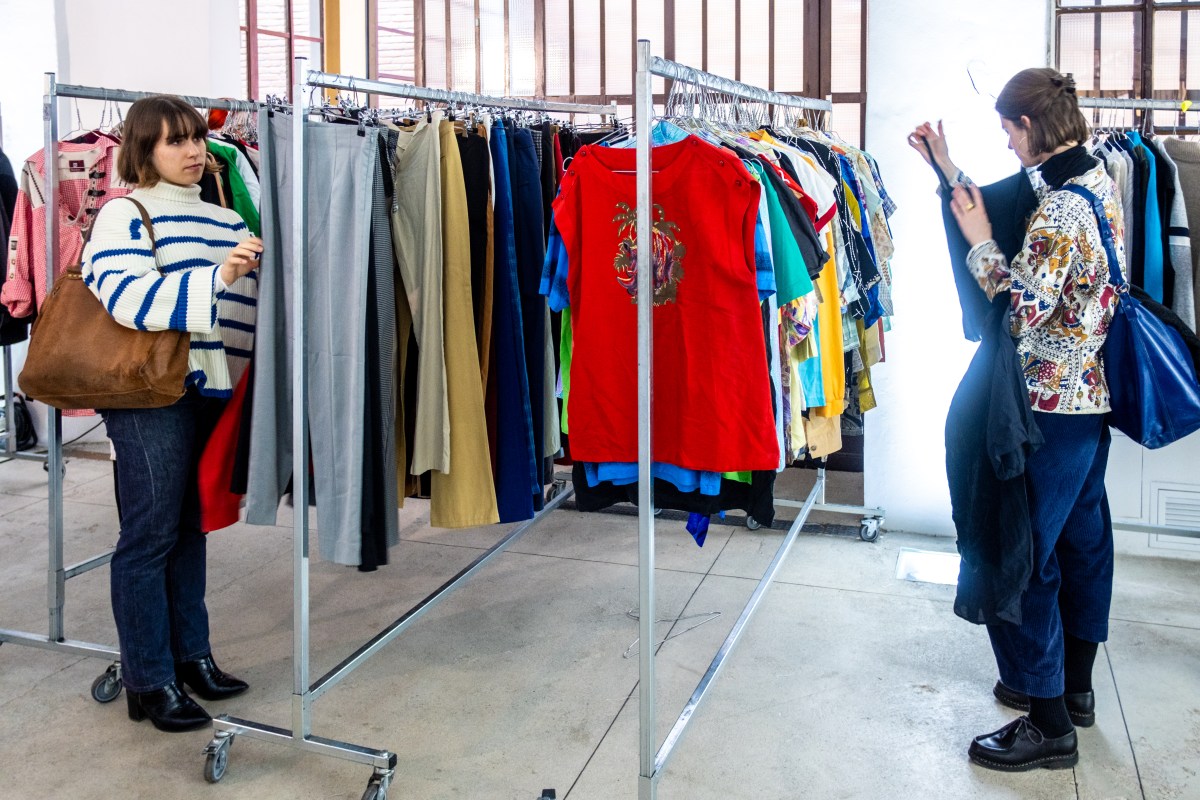
The European Union produced nearly 7 million tons of textile waste in 2022, with most not properly recycled or reused. New EU rules coming by 2026 will require fashion brands to provide clear proof of their environmental claims and improve transparency about their sustainability efforts.
Key Facts
The EU generated about 6.94 million tons of textile waste in 2022, equal to 16 kg per person.
Around 85% of household textile waste was not separately collected for recycling or reuse.
From September 27, 2026, new EU rules will restrict unproven or vague environmental claims by businesses.
The EU plans to use the Ecodesign for Sustainable Products Regulation to focus on sustainable textile products by late 2027.
Digital Product Passports will provide detailed product information to improve transparency.
Brands will need to align their marketing claims with actual changes in materials, manufacturing, and waste management.
Transparency will become more important to build consumer trust in sustainability efforts.
Improving sustainability in fashion requires clear goals, communication, and better decision-making across the supply chain.
Read the Original
Want the full story? Tap a source to open the original
article.
Kroger, a grocery store chain, announced it will lay off 3,000 corporate workers over the next three years. The company plans to use more artificial intelligence to make its work more efficient.
Key Facts
Kroger is a large grocery store chain.
It will reduce 3,000 corporate jobs in the next three years.
The layoffs are linked to using more artificial intelligence (AI).
AI is technology that helps automate tasks and improve operations.
Kroger is aiming to make its business processes smoother and faster with AI.
The job cuts will happen gradually over three years.
Read the Original
Want the full story? Tap a source to open the original
article.
Kelly Clarkson had a disagreement with a Brooklyn store, Art of Play, over a $15,000 mechanical bird. The store said the bird on display was not for sale, but a similar item owned by an artist in another city was, leading to confusion and a public dispute.
Key Facts
Kelly Clarkson saw a $15,000 price tag on a mechanical singing and dancing bird called "Molly" at Art of Play in Brooklyn.
She said a staff member suggested buying a different, comparable item instead, which made her feel patronized.
Art of Play said Molly is attached to the wall and not for sale; the $15,000 price was for a similar automaton owned by artist Bliss Kolb in Seattle.
The store shared its version of events on Instagram, leading to a public argument on social media.
Business experts say clear communication about products and good customer service are important for stores’ reputation and sales.
Clarkson has around 8 million social media followers; the store has about 170,000, so her complaint reached many more people.
The store gained some new followers after the dispute, but it is unclear if the controversy helped or hurt the business financially.
Experts warn that celebrity complaints can cause big damage to small businesses but also say public accusations can hurt the celebrity’s own reputation.
Read the Original
Want the full story? Tap a source to open the original
article.
Water bills in the United States have gone up by 62% from 2015 to 2025, which is faster than both inflation and grocery prices. A report by Food & Water Watch shows that water costs vary widely by state and are higher in systems owned by private companies compared to public ones.
Key Facts
Water bills increased 62% between 2015 and 2025, faster than inflation and grocery prices.
The average household water bill in 2025 was $531, with some places charging as low as $133 and others as high as $1,416.
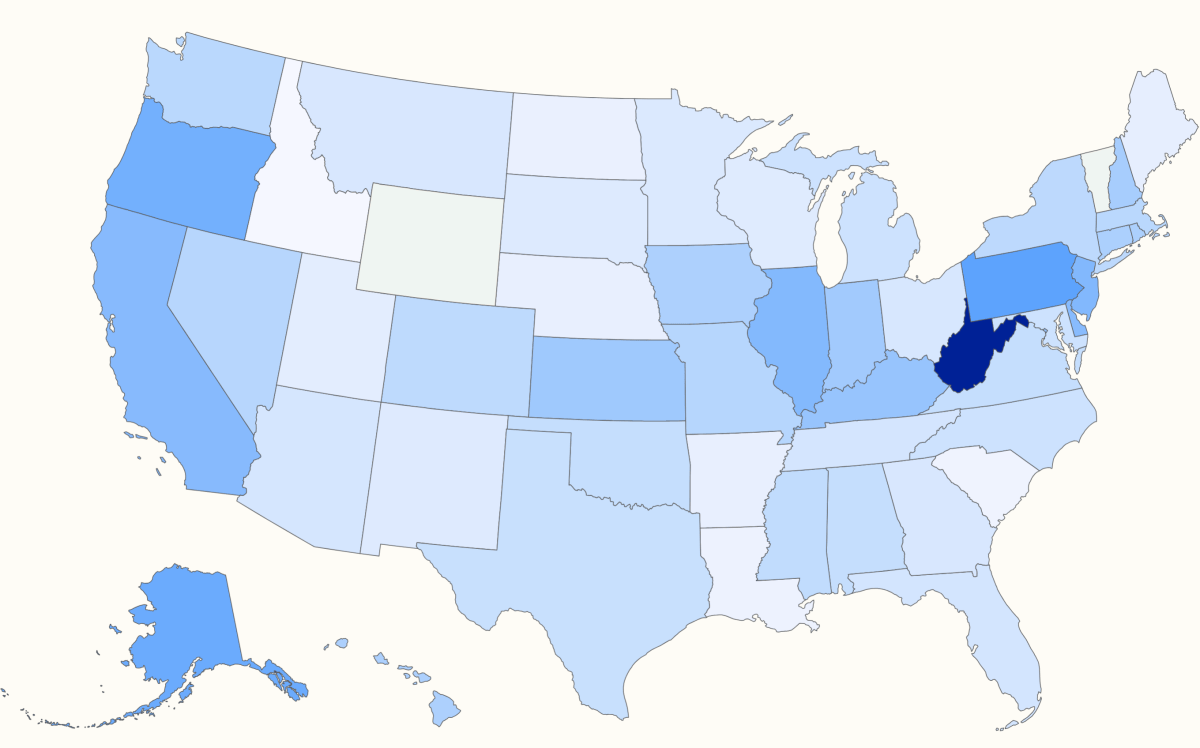
West Virginia has the highest average water bills, around $1,383, influenced by fewer customers and high costs for system upgrades.
The most expensive 10 states for water bills include West Virginia, Pennsylvania, Alaska, Oregon, and California.
Private water companies charge about $329 more per household than publicly owned water systems.
Some private water systems increased rates by over 90% to more than 160% in the last decade.
The report calls for government action to support public water systems and control price increases.
Investments in fixing old water infrastructure have also contributed to rising costs.
Read the Original
Want the full story? Tap a source to open the original
article.
Thousands of bottles of acetaminophen sold on Amazon have been recalled because some tablets were discolored. The recall was issued after consumers reported problems with the pills.
Key Facts
The recall involves thousands of bottles of acetaminophen sold on Amazon.
Consumers noticed that some tablets were discolored.
The discolored tablets raised safety concerns.
The recall notices informed the public about the issue.
The recall aims to protect consumers from potentially unsafe medication.
Acetaminophen is a common pain reliever and fever reducer.
The problem was identified through consumer reports.
Amazon customers who bought the affected bottles are advised to check for recalls.
Read the Original
Want the full story? Tap a source to open the original
article.
A 42-year-old man died after falling from a roller coaster at Six Flags Over Georgia. Following the incident, Six Flags' stock price dropped by over 16%, and the company temporarily closed similar rides at other parks while investigations continue.
Key Facts
The fatal accident happened at Six Flags Over Georgia in Austell, Georgia.
The man was ejected from a roller coaster and fell beneath the ride, injuring several others.
Six Flags stock fell from early trading, eventually dropping 16.3% to $9.98.
The specific roller coaster involved was not confirmed, but the Goliath ride was shut down.
Six Flags temporarily closed similar roller coasters at other parks as a safety precaution.
An investigation is ongoing to determine the cause of the accident.
Six Flags' stock has fallen 33.8% since the start of 2024 amid financial challenges and a recent merger.
Experts say accidents like this are usually linked to engineering, operation, or rider mistakes and may not greatly affect long-term sales.
Read the Original
Want the full story? Tap a source to open the original
article.
A company from Northern Ireland is in discussions to help Poundland avoid going into administration, which means stopping the company from facing financial trouble that could lead to closure or restructuring.
Key Facts
Poundland is a retail company facing financial difficulties.
A Northern Ireland company is trying to negotiate a way to rescue Poundland.
Administration is a legal process for companies struggling to pay debts.
The talks aim to prevent Poundland from going into administration.
This news was published recently and is focused on the Northern Ireland area.
No final agreement has been made public yet.
The outcome could affect Poundland’s future in the retail market.
Read the Original
Want the full story? Tap a source to open the original
article.
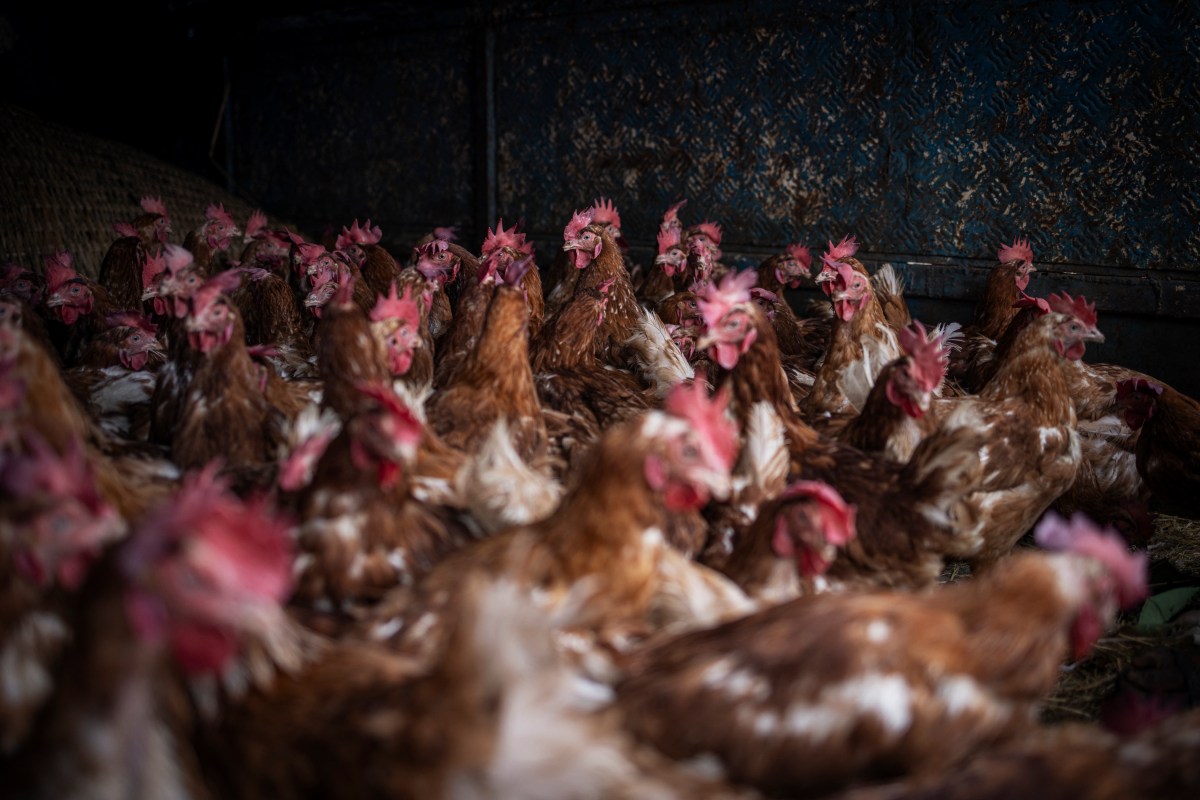
The "Egg Hub" program helps small farmers in Africa raise chickens and produce more eggs to improve nutrition and incomes. Started in 2018, it trains farmers, provides birds and feed, and offers interest-free loans to support sustainable food production.
Key Facts
The program began in Malawi in 2018 and has trained about 190 farmers in Malawi and Ethiopia.
Plans are underway to expand the project to Rwanda and Senegal.
Farmers receive training, quality chicken feed, at least 500 birds, and interest-free loans.
About half the participants are women with some poultry experience.
Eggs provide an affordable source of protein in Africa, where many people face food insecurity.
The program has increased egg production from 40 to 300 eggs per bird per year.
Farmers have seen rising incomes, more eggs for local consumption, lower prices, and loan repayments.
The project aims for long-term food security rather than only short-term aid.
Read the Original
Want the full story? Tap a source to open the original
article.
Many companies rushed to adopt artificial intelligence (AI) tools but are now slowing down because of problems like low-quality outputs, errors, and security risks. Some firms are bringing back management staff, increasing training, and restricting AI use while seeking better ways to use AI effectively.
Key Facts
Meta paused plans to cut jobs and use more AI after employees spent too much time fixing tech and security errors.
Microsoft found that AI often produces repetitive or low-value work, causing frustration among executives.
Walmart employees reported problems with AI task assignments that led to unfair demands and false alerts.
Many companies face productivity challenges despite large investments in AI; 90% of executives say AI hasn't boosted productivity yet.
About one-third of senior AI executives reported AI incidents causing issues like data loss or damage to their company’s reputation.
Some firms (Microsoft, McKinsey, Palantir, Nvidia, Booz Allen Hamilton) are limiting or restricting employee AI use due to security concerns.
Over half of employees say they lack sufficient AI training, and many managers feel less skilled in AI than their teams.
Companies are trying to improve AI use by adding training, bringing back experienced managers, and introducing usage limits.
Read the Original
Want the full story? Tap a source to open the original
article.
A man was removed from a community meeting in Woodward, Iowa, after protesting plans for a new Microsoft data center. The project is in early planning, and some residents worry about its size, environmental effects, and how the city is handling the proposal.
Key Facts
Microsoft wants to build a data center campus on about 600 acres in Woodward, Iowa.
The site is in an industrial park and was certified for development in 2018.
The project needs approval from Woodward's City Council before moving ahead.
Microsoft says it will cover all infrastructure costs and aims to avoid raising local electricity prices.
The company plans to create local jobs and support the community through training and nonprofit investments.
At the meeting, a resident asked if people could vote on the project, but the mayor said no, leading to a confrontation where the resident was removed.
Some residents protested outside the meeting, expressing concerns about environmental impact and community changes.
The city restricted the meeting to local residents and checked identification, causing some to question transparency.
Read the Original
Want the full story? Tap a source to open the original
article.
CBS Mornings is offering special deals on products that could help people improve their daily lives. Viewers can visit cbsdeals.com to find and buy these discounted items, with CBS earning commissions from sales through the site.
Key Facts
CBS Mornings features exclusive deals on various products.
These items are intended to improve everyday lifestyles.
The deals are available through the website cbsdeals.com.
CBS earns a commission when purchases are made via this site.
The promotions are part of the CBS Deals segment on CBS Mornings.
The deals update regularly and cover different types of products.
Read the Original
Want the full story? Tap a source to open the original
article.
The article explains how generative AI is changing how companies research and understand customers. It says businesses need continuous learning using real data to make better decisions and avoid costly mistakes with products and marketing.
Key Facts
Generative AI helps companies create more ideas and products faster.
Traditional market research is slow and often just confirms what leaders already think.
AI can make testing cheaper and faster, allowing companies to try multiple ideas early on.
Making the wrong product or marketing choice still costs a lot, even if creating is cheaper.
AI can spread wrong or biased customer information if based on poor data or questions.
Effective AI use requires ongoing testing, real customer data, and focusing on relevant behaviors.
A 2026 MIT study found that AI success depends on support for experimentation and learning, not just technology.
Companies that misuse AI risk losing money and producing products or services that don’t meet real customer needs.
Read the Original
Want the full story? Tap a source to open the original
article.
Ashe talks about her fourth album, “The Girl of Your Dreams,” and explains why her song “Stop The Wedding” was chosen as the first single. She also mentions working with producer Finneas and the theme of self-empathy in her music.
Key Facts
Ashe is a singer releasing her fourth solo album called “The Girl of Your Dreams.”
The first single from the album is titled “Stop The Wedding.”
Ashe discussed her new album and single in an interview with Anthony Mason.
She worked with Finneas, a well-known music producer, on the album.
Ashe shared that the album includes themes of self-understanding and kindness to herself.
Read the Original
Want the full story? Tap a source to open the original
article.
The International Monetary Fund (IMF) increased its forecast for global economic growth in 2026 to 3.1%. This improvement is due to the strength of richer countries' economies and investment in artificial intelligence, but poorer countries still face serious risks from ongoing crises.
Key Facts
The IMF raised the 2026 global growth forecast to 3.1%.
Advanced economies are showing resilience despite challenges.
Investment in artificial intelligence is helping economic growth.
Rising energy prices are linked to the ongoing US-Iran conflict.
Low-income countries remain vulnerable to these global issues.
The global economic outlook is uneven, with some regions faring better than others.
Energy price increases continue to affect many countries worldwide.
Read the Original
Want the full story? Tap a source to open the original
article.
The UK government’s new Your First Home (YFH) scheme for first-time buyers could raise Bellway’s house building by 10%. The scheme offers a government loan to help buyers with small deposits and limits income and house prices to focus support on modest homes.
Key Facts
Your First Home is a new government scheme aimed at first-time buyers in England.
It offers a loan for 20% of a new home’s price, with buyers needing only a 2.5% deposit.
The scheme limits who can apply by setting income and house price caps.
Bellway’s CEO says the scheme could boost their home building by 10%, possibly reaching 10,000 homes yearly.
Bellway expects lower home sales this year due to less demand and higher building costs.
Bellway’s revenue grew 13% to £3.16 billion for the year ending August 31, with profits before tax up 5.7%.
The scheme may help large builders like Bellway, Persimmon, and Taylor Wimpey, but not companies focused on expensive or affordable/social housing.
Full details of the scheme will be announced on October 28 by the Chancellor John Healey.
Read the Original
Want the full story? Tap a source to open the original
article.
The International Monetary Fund (IMF) says the UK economy is doing better than expected despite global challenges from the war in the Middle East. The UK is forecast to grow moderately in 2026 but may face slower growth and higher inflation in 2027 due to high energy prices and interest rate increases.
Key Facts
The IMF predicts the UK economy will grow by 1.3% in 2026, up from an earlier forecast of 1%.
The UK is handling the economic impact of the US-Israel and Iran conflict better than expected.
The UK is expected to have the lowest government borrowing among G7 countries by 2031.
Growth in the UK is projected to be the second fastest in the G7 group this year.
Inflation in the UK is forecast at 3.3% for this year and 2.8% for next year, higher than previous estimates.
Higher energy prices and interest rate hikes may reduce consumer spending and business investment next year.
The Bank of England is expected to raise interest rates at least once this year and possibly more in 2024.
Read the Original
Want the full story? Tap a source to open the original
article.
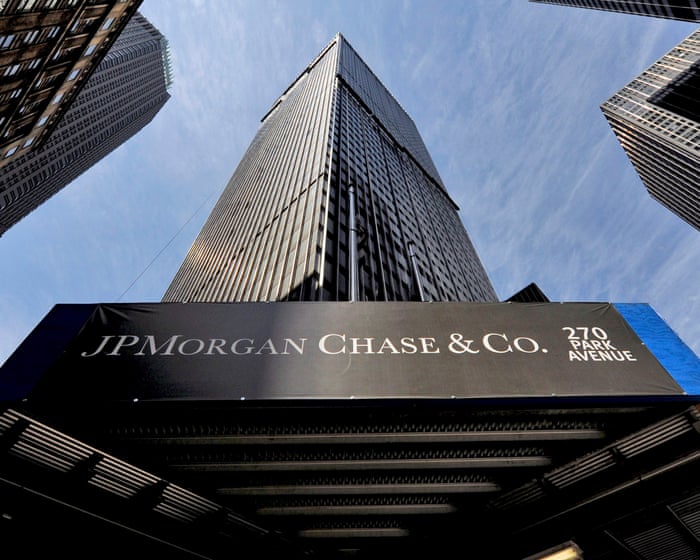
JPMorgan reported a rise in third-quarter profit but missed analysts’ expectations due to a slowdown in its fixed income trading division. CEO Jamie Dimon warned about ongoing economic challenges such as large government deficits, persistent inflation, high asset prices, and rising interest rates.
Key Facts
JPMorgan’s net income was $15.4 billion in the third quarter, below the expected $16.3 billion.
Revenue from JPMorgan’s fixed income division fell by 4% compared to the previous year.
Total trading revenue for JPMorgan in the quarter was $10.3 billion.
CEO Jamie Dimon highlighted ongoing risks like large U.S. fiscal deficits and persistent inflation.
JPMorgan shares dropped about 3% in pre-market trading after the earnings report.
Goldman Sachs reported better-than-expected earnings with net income of $5.3 billion, driven by a 72% increase in equities trading revenue.
Goldman Sachs’ fixed income, currency, and commodities trading earnings fell by 1%.
FCA’s CEO said new rules on bullying and harassment in financial services won’t fully change workplace culture without broader efforts.
Read the Original
Want the full story? Tap a source to open the original
article.
Artificial intelligence (AI) helps people complete work tasks more quickly. However, whether this time saved leads to better jobs or more training depends on what employers decide to do with that extra time.
Key Facts
AI speeds up the completion of work tasks.
Finishing tasks faster can create new opportunities at work.
These opportunities might be better jobs, learning chances, or more assignments.
The outcome depends on the decisions made by employers.
AI itself does not automatically improve job quality or create better roles.
How employers use the time saved by AI is crucial for work improvements.
Read the Original
Want the full story? Tap a source to open the original
article.
This news segment discusses whether spending a large amount of money on a college degree is still worth it. The hosts explain how to get good value from college and when the cost might be too high compared to the benefits.
Key Facts
College tuition can cost around $400,000 for four years.
The program talks about how to make the most of a college degree’s value.
It also covers situations when paying for college might not be worthwhile.
The discussion includes advice from hosts Jill and Mark.
A caller named Michael asks about affording a home renovation.
Other news topics mentioned include new AI models, President Trump’s Russia diesel deal, and various current events.
Read the Original
Want the full story? Tap a source to open the original
article.