A federal court overturned a protection order that blocked a goldmine project in central west New South Wales. The order was issued under Indigenous heritage laws to protect culturally important sites but was found invalid, allowing the mining company to continue plans.
Key Facts
The protection order was made under the Aboriginal and Torres Strait Islander Heritage Protection Act by former environment minister Tanya Plibersek in 2024.
The order aimed to protect the headwaters and springs of the Belubula River, important to the Wiradyuri Traditional Owners.
It prevented Regis Resources from building a tailings dam needed for the McPhillamys goldmine at Blayney.
Justice James Stellios ruled the protection order invalid, saying the court could not judge the merits of the heritage claim.
Regis Resources argued it was denied a fair process and presented legal challenges based on procedural errors.
The company plans to pursue a new development method avoiding the protection area if the order is reconsidered.
Regis Resources sees the ruling as a positive step for advancing the gold project, which they say could benefit the local economy.
The current environment minister, Murray Watt, is expected to reassess the protection order application.
Read the Original
Want the full story? Tap a source to open the original
article.
Many job seekers and employers are using AI to help with job applications, such as writing CVs and cover letters. While some employers accept limited AI use, there are concerns about fairness and honesty when AI is used during interviews or assessments.
Key Facts
Job seekers often use AI to improve CVs and cover letters or to find important keywords that employers look for.
Employers accept AI use more at early stages like writing applications but worry about misuse in interviews and assessments.
A survey of UK graduate employers found 92% had seen or suspected AI misuse in hiring, up from 85% the previous year.
AI helps candidates apply for many jobs quickly, increasing competition and pressure, especially for students.
Some employers, like EDF, are trying to control AI use by giving guidelines and changing how they review applications.
The use of AI in hiring raises questions about fairness since some candidates use AI heavily while others do not.
Employers use AI themselves to screen candidates, creating complex questions about acceptable AI use.
The job market is very competitive, which partly explains why job seekers rely on AI tools.
Read the Original
Want the full story? Tap a source to open the original
article.
Royal Mail is losing about 400 postal workers each week, according to the Communication Workers Union (CWU). This increase in departures followed the introduction of a new delivery system called DM26, which aimed to improve delivery but has caused difficulties in many offices.
Key Facts
Royal Mail had about 83,000 postal workers before the new system was introduced.
The number of workers leaving weekly rose from about 330 to 400 after DM26 was rolled out.
DM26 reorganizes delivery routes and schedules, delivering second-class mail every other weekday and prioritizing first-class mail and parcels daily.
Many postal staff say the system causes delays and increased workloads, with some walking up to 25,000 steps a day.
Staff report that parcels are prioritized over letters, causing letters to be left behind.
The CWU has paused further roll-out of DM26 until problems are addressed.
Royal Mail plans to cut 2,500 jobs as part of its changes.
Royal Mail says these changes aim to create a more efficient and financially sustainable service.
Read the Original
Want the full story? Tap a source to open the original
article.
A cryptocurrency exchange called BitMEX is being sued for £20 million by a UK investor named Lewis Barber. He claims BitMEX sold risky financial products to UK customers without proper approval from the UK’s financial regulator and that he lost bitcoin trading these products.
Key Facts
BitMEX was founded by Ben Delo, a billionaire donor to the UK Reform party.
Lewis Barber alleges BitMEX sold crypto derivative products in the UK without approval from the Financial Conduct Authority (FCA).
Barber claims he lost about £20 million worth of bitcoin trading these products from 2018 to 2022.
The claim, filed in a UK court, says these contracts are not valid under UK law and consumers can get compensation.
BitMEX is based in Seychelles and closed voluntarily in September 2026 after a business review.
BitMEX and its founders pleaded guilty to US law violations related to anti-money laundering and received fines and sentences but were pardoned by President Donald Trump in 2025.
BitMEX agreed to pay $100 million in January 2025 to settle US Department of Justice charges.
The case could affect many other UK investors who traded with BitMEX under similar conditions.
Read the Original
Want the full story? Tap a source to open the original
article.
Rules, London’s oldest restaurant founded in 1798, has been donated to the National Trust by its current owner, JP Mayhew. The National Trust will own and protect the historic building and interior, while the restaurant business is now run by its general manager, Ricky McMenemy, as a tenant.
Key Facts
Rules was established in 1798 in Covent Garden, London.
The restaurant has survived 9 British monarchs and 45 prime ministers.
Rules is known for its traditional meat-focused menu and historic interior.
JP Mayhew, who bought Rules in 1984, donated the building and contents to the National Trust.
The donation is valued at £11 million, one of the National Trust’s largest recent gifts.
The National Trust owns 39 historic pubs and some country house hotels but has not previously owned a restaurant.
Ricky McMenemy, the restaurant’s general manager since before 2022, now leases the restaurant from the National Trust.
The National Trust will maintain the building and its heritage but will have limited involvement in the restaurant’s daily operations or menu.
Read the Original
Want the full story? Tap a source to open the original
article.
Martin Shkreli, who was banned for life from the pharmaceutical industry in 2022 for illegal drug pricing and fraud, has allegedly broken this ban by trading pharmaceutical stocks and discussing the industry in livestreams. The Federal Trade Commission (FTC) and seven states have asked a judge to hold him in contempt and impose penalties for these actions.
Key Facts
Shkreli was banned for life from the pharmaceutical industry due to his illegal price hike and fraud involving the drug Daraprim.
The ban forbids him from owning pharmaceutical stocks or making public statements that influence pharmaceutical companies.
The FTC and seven states (including New York, California, and Illinois) say Shkreli repeatedly violated this ban through stock trading and social media livestreams.
They want Shkreli to sell all pharmaceutical stocks and pay fines equal to his trading profits.
The FTC seeks strict penalties for any future violations, including fines and possible jail time.
Shkreli publicly admitted to trading pharmaceutical stocks and giving stock advice during livestreams.
His violations happened in multiple phases from 2022 to 2026, including trading challenges and short selling biotech stocks.
Shkreli responded on social media, expressing surprise and criticizing the FTC’s actions.
Read the Original
Want the full story? Tap a source to open the original
article.
The Washington Post started a new podcast called "Dollars & Sense" to help regular people understand personal finance better. Michelle Singletary hosts the show and explains her approach in a recent interview.
Key Facts
The Washington Post launched a personal finance podcast on Tuesday.
The podcast is named "Dollars & Sense."
Michelle Singletary is the host of the podcast.
The show is designed to help everyday people with money management.
Singletary discussed her approach on another podcast called "The Takeout."
The goal is to make personal finance easier to understand for most people.
The launch aimed to address the complicated nature of personal finance.
Read the Original
Want the full story? Tap a source to open the original
article.
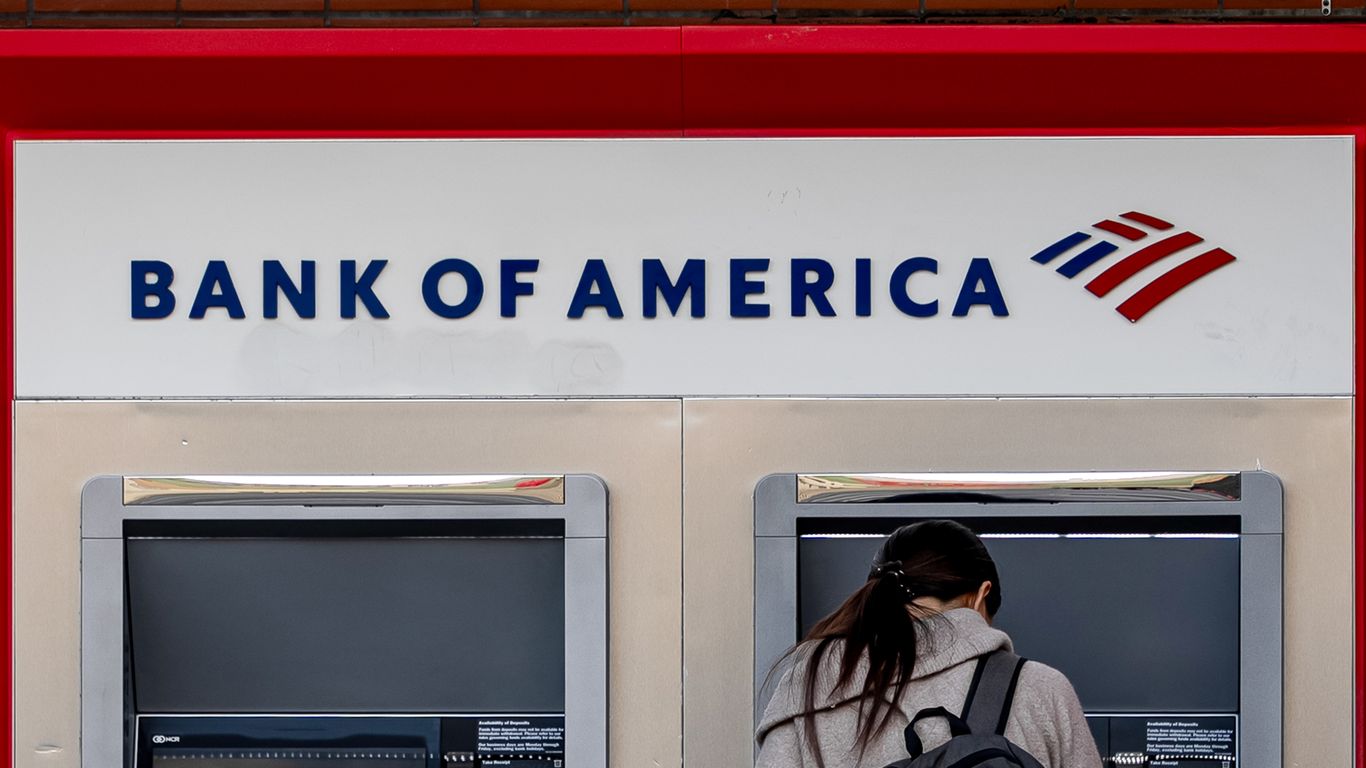
The U.S. Treasury Department fined Bank of America over $1.2 billion for breaking rules about preventing money laundering and following sanctions. The bank did not properly address or report risks related to national security.
Key Facts
The Treasury Department announced the fine on a Tuesday.
Bank of America is the second-largest bank in the U.S.
The fine totals more than $1.2 billion.
The violation relates to anti-money laundering laws and sanctions laws.
Bank of America failed to reduce and report serious national security risks.
The penalty was issued by the Treasury’s Financial Crimes Enforcement Network (FinCEN).
Read the Original
Want the full story? Tap a source to open the original
article.
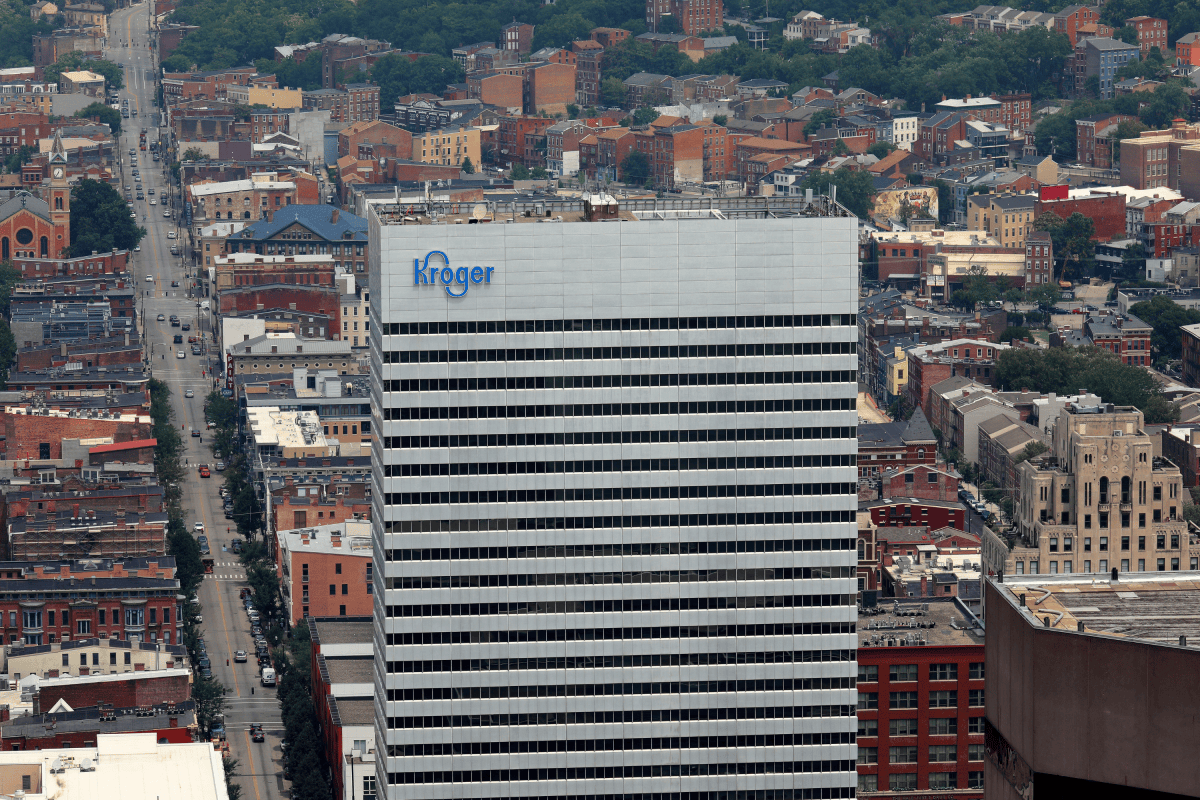
Kroger, a large grocery company based in Cincinnati, Ohio, plans to lay off about 3,000 corporate workers over three years, which is nearly 37% of its corporate staff. This announcement comes as Ohio voters are concerned about the economy during the important upcoming elections in the state.
Key Facts
Kroger will cut around 3,000 corporate jobs from its 8,200 corporate employees in the next three years.
The layoffs will affect Kroger’s Cincinnati office but are not limited to that location.
Kroger made $148 billion in revenue in 2025, making it the biggest company in Greater Cincinnati.
The company’s CEO, Greg Foran, wants to use more artificial intelligence (AI) in Kroger’s operations.
Ohio is a key battleground state for the upcoming elections with competitive races for governor and Senate.
Economic concerns such as jobs and cost of living are a top issue for Ohio voters.
Ohio’s economy has shifted over decades from manufacturing to other sectors, causing economic uncertainty.
Only 31% of Ohio voters recently said the economy in their state is good or excellent, with 25% rating it poor.
Read the Original
Want the full story? Tap a source to open the original
article.
China is shifting from just exporting cars to building car production facilities and partnerships in Europe. Experts say European car makers need to improve their competitiveness and avoid relying too much on Chinese suppliers, especially with ongoing tariffs and trade limits.
Key Facts
China is establishing car production plants and partnerships in the European Union.
This represents a move from car exports to local manufacturing in Europe.
European car companies face growing competition from Chinese rivals.
Tariffs (taxes on imports) and quotas (limits on imports) provide some protection but only temporarily.
Experts advise European makers to improve their own ability to compete globally.
Relying heavily on Chinese suppliers may create risks for European car manufacturers.
The situation is part of a broader economic context, including global growth forecasts and rising debt concerns.
Read the Original
Want the full story? Tap a source to open the original
article.
The U.S. Treasury Department fined Bank of America $1.2 billion for breaking laws designed to stop money laundering and sanctions violations. This is one of the largest fines in the department's history and involves serious failures to report illegal financial activities.
Key Facts
Bank of America was fined $1.2 billion by the U.S. Treasury Department.
The fine is the third-largest in Treasury history.
The bank admitted to willfully breaking the 1970 Bank Secrecy Act.
The violations include failure to report issues related to Chinese money laundering and illegal activities along the U.S. southwest border.
Bank of America also settled for $11.6 million for breaking sanctions on countries like Iran and Russia.
$750 million of the fine will go to the U.S. Office of the Comptroller of the Currency, marking its largest ever penalty.
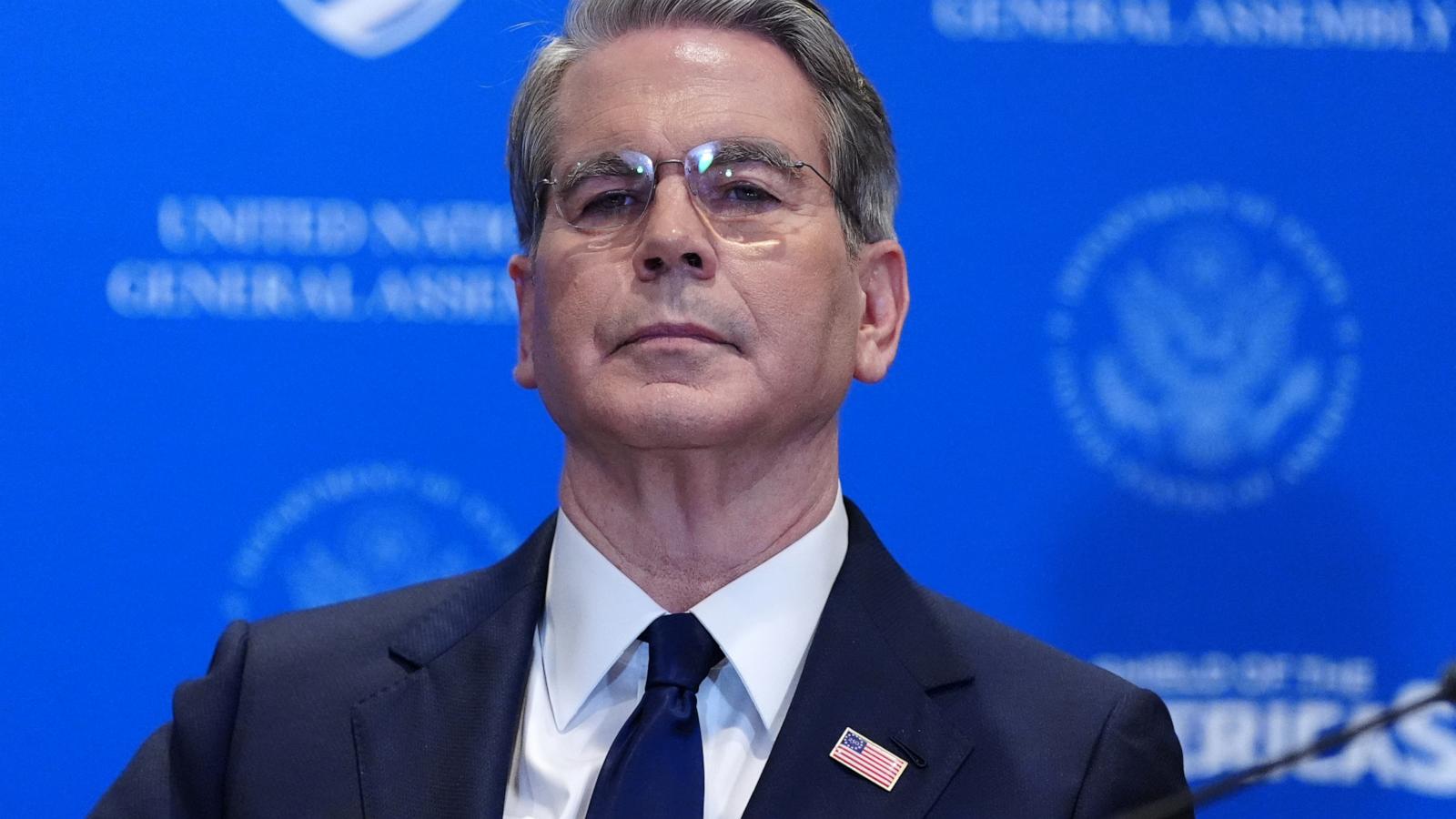
Treasury Secretary Scott Bessent said even large banks must follow financial laws to protect the U.S. financial system.
Bank of America said it is investing money and staff to improve its efforts against financial crimes.
Read the Original
Want the full story? Tap a source to open the original
article.
The U.S. Treasury Department fined Bank of America $1.2 billion for failing to report suspicious transactions and weak anti-money-laundering controls over several years. The bank admitted to breaking federal rules and will record this fine as a charge in its financial results.
Key Facts
Bank of America paid over $1.2 billion in penalties for anti-money-laundering failures.
The penalty is the third-largest ever by the Treasury Department.
Bank of America failed to report or delayed reporting suspicious activity exceeding $5 billion.
Over $1 billion of the suspicious activity involved national security risks, including Chinese networks and trade-based money laundering near the U.S.-Mexico border.
The Office of the Comptroller of the Currency added a $750 million fine, its largest to date.
Bank of America also settled for $11.6 million over violations of U.S. sanctions on countries like Russia and Iran.
The bank has been working on improvements since a regulatory order in December 2024, but problems continued.
Bank of America says it invested billions in technology and thousands of employees to fight financial crime.
Read the Original
Want the full story? Tap a source to open the original
article.
CVS Pharmacy and its subsidiaries will pay $315 million to settle a lawsuit brought by the U.S. Justice Department. The case accused CVS of giving out too many opioid prescriptions that were not medically needed.
Key Facts
CVS agreed to a $315 million settlement with the Justice Department.
The lawsuit was filed in 2024.
The government claimed CVS dispensed large amounts of addictive opioids without medical need.
The case said CVS prioritized profits over public health and safety.
This is part of a broader federal effort to hold companies responsible for the opioid crisis.
Opioids are highly addictive pain medications linked to widespread addiction and overdose problems in the U.S.
CVS operates as a major pharmacy chain with many locations nationwide.
Read the Original
Want the full story? Tap a source to open the original
article.
Digital assets like cryptocurrencies offer some benefits but are not widely used for daily spending because people still rely on banks. The future lies in combining digital asset technology with traditional banking services rather than trying to replace banks.
Key Facts
Digital assets can help send money quickly and trade when regular markets are closed.
Most people do not use digital currencies directly for everyday purchases like groceries.
Banks remain central because they handle paychecks, bills, taxes, savings, and offer fraud protection.
Even crypto users depend on banks to enter and leave the digital asset system.
The idea that blockchain will replace banks has not happened after 18 years.
Banks are starting to add blockchain technology to improve their services.
Combining banking with crypto features like instant payments and 24/7 access is seen as the way forward.
The distinction will shift from banks versus crypto firms to companies that merge both successfully.
Read the Original
Want the full story? Tap a source to open the original
article.
The war in Iran has increased costs for American families by about $2,000 each, according to Moody’s Analytics. This amount equals about half of the income growth households have seen in the last eight months.
Key Facts
The conflict in Iran has raised expenses for the average U.S. household by $2,000.
Mark Zandi is the chief economist at Moody’s Analytics who shared this estimate.
The added cost equals roughly 50% of the income gains families had over the past eight months.
These costs come from things like higher energy prices, inflation, and other economic impacts caused by the war.
The report highlights the financial burden the war places on American households.
Read the Original
Want the full story? Tap a source to open the original
article.
Artificial intelligence (AI) is enabling retailers to set prices based on individual customer data, rather than fixed prices that apply to everyone. This means shoppers could see different prices for the same product depending on their personal information, replacing the traditional price tag system.
Key Facts
Fixed prices for goods have been standard since the 1860s when retailers started using posted price tags.
AI can analyze large amounts of consumer data to set personalized prices based on how much a person might pay.
Personalized pricing builds on dynamic pricing, which adjusts costs based on factors like demand and time but adds customization by individual shopper profiles.
Retailers tested this on Instacart, showing some customers prices up to 23% higher for the same grocery items.
This price difference could mean a family of four might pay about $1,200 more per year.
Instacart denies using sensitive personal data like race or gender and called the reported price gaps "atypical."
Instacart stopped using AI for personalized pricing on its platform in December 2024.
Experts warn that AI-based pricing could remove predictability in shopping, making it harder to budget.
Read the Original
Want the full story? Tap a source to open the original
article.
OPEC has lowered its prediction for how much the world’s oil use will grow in 2026. The group says oil demand will increase by about 200,000 barrels per day compared to 2025, which is less than it expected before. This change comes as there are ongoing risks to oil transport linked to conflicts involving Iran.
Key Facts
OPEC reduced its forecast for global oil demand growth in 2026.
The new forecast expects oil use to rise by about 200,000 barrels per day from 2025 levels.
The previous forecast predicted higher growth in oil demand.
Risks to shipping routes caused by Iran and its allied groups are affecting the outlook.
OPEC’s forecast influences global oil markets and prices.
The report was released on a Tuesday.
Oil demand is a key factor in the global economy and energy markets.
OPEC is a group of major oil-producing countries that work together to manage oil production.
Read the Original
Want the full story? Tap a source to open the original
article.
Disney has offered $20 million to buy some technology from Character.AI, a chatbot company facing legal and public controversies. Character.AI is in bankruptcy, but plans to keep its platform online while seeking buyers.
Key Facts
Disney wants a "non-exclusive perpetual license" for some of Character.AI's technology.
Character.AI faced criticism and legal troubles for using Disney characters without permission and for harmful chatbot content.
Disney previously sent a cease-and-desist letter to Character.AI in 2025 over misuse of its characters.
Disney hired former Character.AI executive Karandeep Anand as its chief technology officer.
Character.AI has over 20 million monthly users but is now in bankruptcy and being sold.
The sale is expected to finish by late 2026, but the platform will stay online for now.
Lawsuits against Character.AI include claims that chatbots encouraged self-harm and impersonated doctors.
Disney may be interested in chatbot tech to boost its AI-related business after a deal with OpenAI ended.
Read the Original
Want the full story? Tap a source to open the original
article.
Discovery+ has raised its subscription prices by up to 20% starting today. New ad-free plans now cost $12 per month, and ad-supported plans cost $7 per month. Current subscribers will be notified 30 days before their bills reflect the new prices, beginning November 12.
Key Facts
Ad-free monthly plans for new Discovery+ subscribers increased from $10 to $12.
Ad-supported monthly plans increased from $6 to $7 for new subscribers.
Current subscribers will get a 30-day notice before new prices take effect on their bills starting November 12.
The price increase was planned before the recent merger that formed the new company Skydance.
Discovery+ specializes in unscripted content like reality shows and documentaries.
Discovery+ has raised prices three times since starting in 2012; the last increase was in January 2025.
Discovery+ had about 24 million subscribers in 2022 and has been profitable since at least 2023.
Skydance plans to combine Discovery+ with Paramount+ and HBO Max into one streaming service eventually.
Read the Original
Want the full story? Tap a source to open the original
article.
UK retail and hospitality leaders, including Tesco and Marks & Spencer, asked Chancellor John Healey to lower the costs of hiring young workers in his upcoming budget. They want the threshold for paying national insurance contributions (Nics) to be raised to £6,000 to help create more jobs and support high street businesses.
Key Facts
Major UK retailers and hospitality businesses met Chancellor John Healey to discuss labor costs.
Employers want to raise the earnings limit for paying national insurance from £5,000 to £6,000 per year.
The lower threshold was introduced by Healey’s predecessor and is blamed for fewer jobs for young and part-time workers.
Retail and hospitality groups also requested relief on business rates to ease financial pressure.
Healey showed willingness to listen but has not committed to major tax changes yet.
Some Labour MPs want capital gains tax (tax on profit from selling assets) rates raised to match income tax rates, but Healey rejected this over concerns it could reduce investment.
The current capital gains tax rates are lower than income tax rates, with recent increases done by the former chancellor, Rachel Reeves.
Retailers warn that raising employment taxes further will increase costs for consumers and harm job growth.
Read the Original
Want the full story? Tap a source to open the original
article.