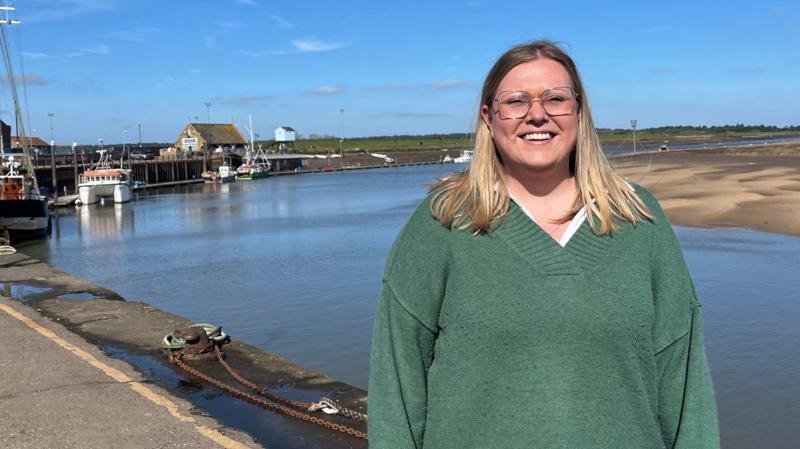
A housing charity called Homes for Wells provides affordable rental homes for key workers in Wells-next-the-Sea and nearby areas. The charity has been operating for 20 years and offers properties below market rates to help local families who face high housing costs. Despite having 27 properties, there is still a significant demand, and the charity plans to acquire more homes.
Key Facts
Homes for Wells is a charity offering affordable homes in Wells-next-the-Sea, Norfolk.
The charity owns 27 properties, valued at £5 million.
Homes for Wells assists 47 families and is looking to expand.
Rental properties are offered at about 80% of the local market rate.
The charity prioritizes key workers and people with local ties.
High rental prices are a challenge for low-wage workers in the area.
Second homes and unoccupied houses contribute to the housing issue.
The local council charges double council tax on second homes to fund more housing.
Read the Original
Want the full story? Tap a source to open the original
article.
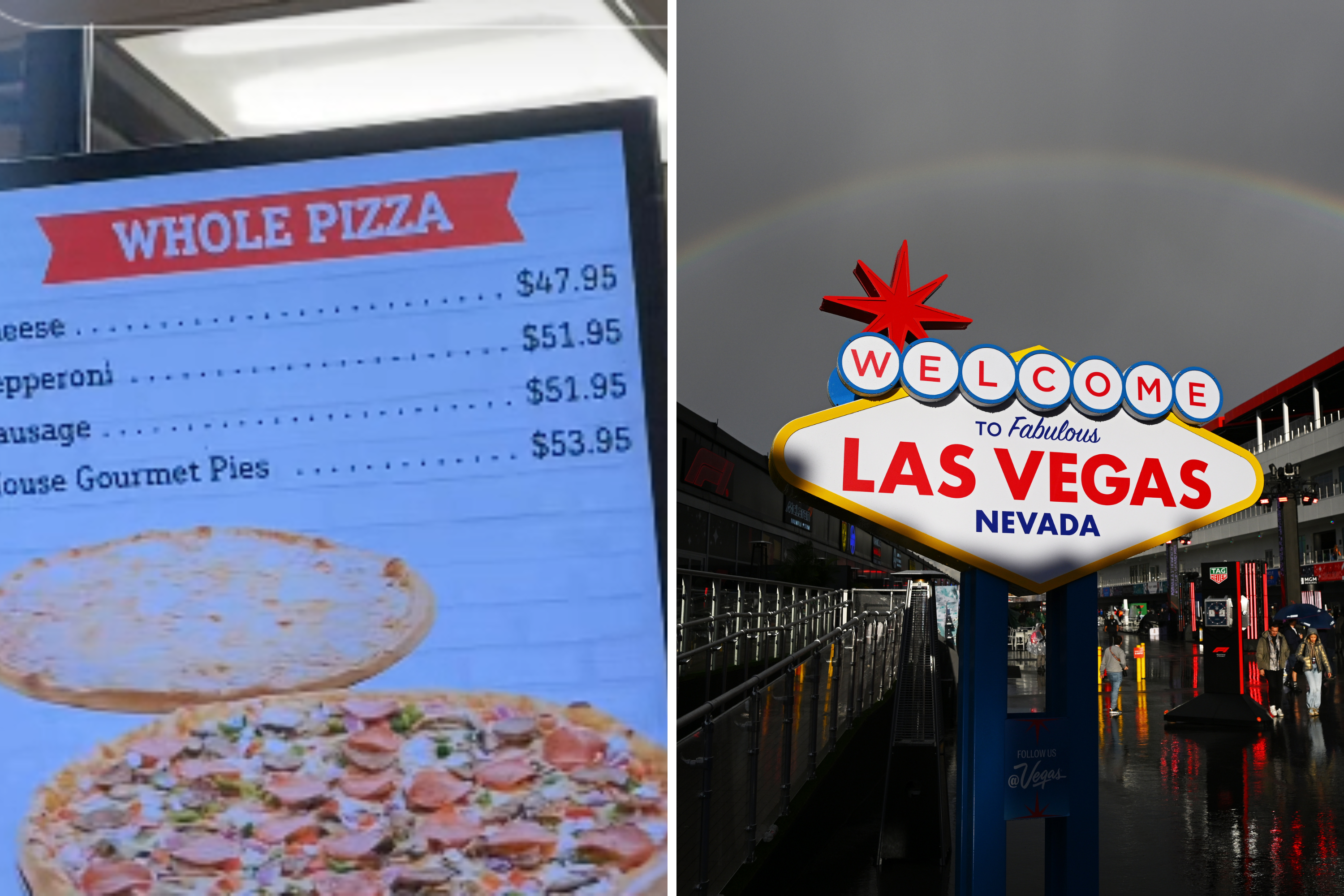
People online are reacting to the high price of pizza at the MGM Grand Casino in Las Vegas. A video showing pizzas priced between $47.95 and $53.95 went viral, with social media users discussing the costs and related changes in Las Vegas tourism.
Key Facts
The video, created by @shi***boyicey, shows pizza prices at the MGM Grand Casino in Las Vegas.
Pizzas range in price from $47.95 to $53.95.
The video became popular on the social media platform X, formerly known as Twitter.
Discussions online have referred to Las Vegas as an "absolute scam" due to these prices.
In 2025, Las Vegas experienced a 7.5% drop in visitors, losing about 3.1 million tourists.
Some blame U.S. policies under President Donald Trump for affecting tourism.
The post about the pizza prices has been viewed over 500,000 times.
Social media reactions vary, with some criticizing the prices and others noting broader economic concerns.
Read the Original
Want the full story? Tap a source to open the original
article.
Amazon has updated its Product Safety Alerts page with a variety of new recall notices. These recalls involve products posing risks such as injury or death, and include issues with vehicles, food, medical devices, and more. Amazon notifies customers of these recalls for products sold on its platform.
Key Facts
Amazon added new recall and safety alerts for products that may cause injury or death.
The recalls include products like Gillig transit buses and Volvo EX30 vehicles.
Some food items, like frozen turkey pastries and chocolate ladybugs, were recalled due to misbranding and undeclared ingredients.
Medical devices such as the Integra LifeSciences needle and Omnipod insulin pods were also listed due to potential operational failures.
ProRider bicycle helmets were recalled for not meeting safety standards.
Amazon alerts only cover products sold through its platform.
Customers are advised to check if their past purchases are affected via Amazon's Recalls and Product Safety Alerts page.
Read the Original
Want the full story? Tap a source to open the original
article.
Gen Z is increasingly interested in non-alcoholic fizzy drinks, known as "dirty sodas" and probiotic pops, as they look for alternatives to alcoholic beverages. These drinks offer indulgent flavors and some health benefits, attracting younger consumers through nostalgia and cultural influences.
Key Facts
Gen Z is opting for non-alcoholic fizzy drinks over traditional alcoholic choices.
Dirty sodas are made by adding flavored syrups and creamers to regular soda.
The Mormon community popularized dirty sodas due to alcohol and coffee abstinence.
65% of Gen Z is open to changing from alcoholic to non-alcoholic drinks.
Nostalgia plays a key role in the popularity of these indulgent sodas.
Soda history includes origins as medicinal drinks, evolving into popular soft drinks.
Health concerns about sugary sodas have led to alternative drinks with health claims.
Read the Original
Want the full story? Tap a source to open the original
article.
Pay growth in the UK has dropped to its lowest level in over five years. The latest figures show that wages are increasing at a slower pace than before, but still faster than inflation. Unemployment rates remained steady, and the Bank of England is expected to keep interest rates unchanged due to the recent global conflict.
Key Facts
Pay growth, not including bonuses, increased by 3.8% annually from November to January.
The unemployment rate remained steady at 5.2%.
Job vacancies were stable, with fewer openings in small firms but more in large companies.
Wages continue to rise faster than inflation, which is currently 3%.
Public sector earnings grew by 5.9%, while private sector earnings increased by 3.3%.
The Bank of England is likely to keep borrowing costs the same due to the impact of the US-Israeli conflict with Iran.
Fuel and energy costs have risen, affecting inflation predictions.
Demand for labor is weak, meaning workers may struggle to negotiate higher pay increases.
Read the Original
Want the full story? Tap a source to open the original
article.
An estate agency in Nottingham removed a policy requiring employees to have cars less than 10 years old after an 18-year-old woman, Alanah Thompson French, was rejected for a job because her car was too old. The company apologized and invited her for an interview, stating the policy aimed to ensure road safety but was not intended to block job applicants.
Key Facts
Alanah Thompson French was rejected from a job because her 2014 car was deemed too old.
The job was as a trainee lettings negotiator at haart in Nottingham.
The estate agency had a policy requiring cars to be under 10 years old to ensure safety.
Alanah bought her car for £2,800 and reported no mechanical issues.
After raising her concerns, the agency dropped the car age limit policy.
Haart invited Alanah for an interview after removing the restriction.
Read the Original
Want the full story? Tap a source to open the original
article.
Oil prices are climbing rapidly due to ongoing conflict involving the United States, Israel, and Iran. Analysts suggest that prices could reach $200 a barrel if disruptions in the Strait of Hormuz continue. Countries are trying to release emergency oil reserves, but this might not fully make up for the supply gap.
Key Facts
Oil prices rose above $100 a barrel after the U.S. and Israel attacked Iran on February 28.
The price of Brent crude neared $120 on March 9 and stayed above $100 since March 13.
The Iranian closure of the Strait of Hormuz halted nearly all shipping, affecting global oil supplies.
President Trump has not gained international support for a naval convoy to reopen the strait.
A few ships from countries like India and China have passed through the strait amidst the conflict.
Analysts believe oil prices could reach $200 a barrel if the strait remains closed.
Countries plan to release 400 million barrels from emergency reserves, but shortages persist.
The highest oil price recorded was $147.50 in 2008; adjusted for today’s dollars, it's about $224.
Read the Original
Want the full story? Tap a source to open the original
article.
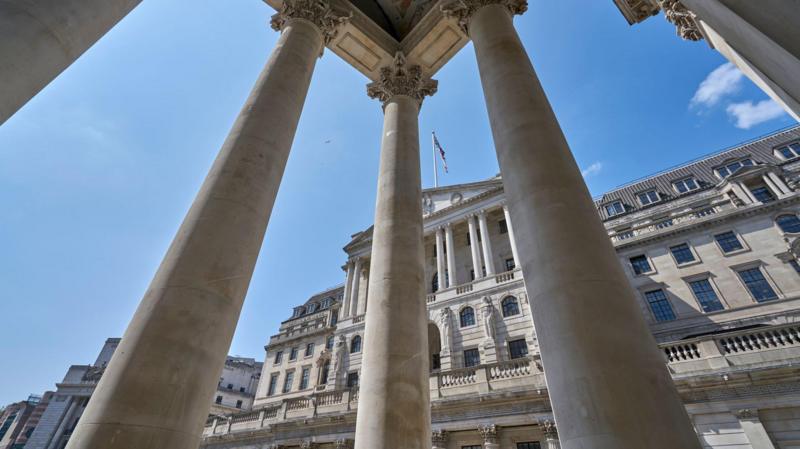
The war in Iran is affecting global markets and causing the Bank of England to likely keep interest rates steady at 3.75%. Analysts had expected a rate cut, but increased oil prices and market instability have changed these expectations.
Key Facts
The Bank of England is expected to hold interest rates at 3.75% due to the impact of the Iran conflict.
Previously, an interest rate cut was anticipated after inflation in the UK dropped to 3%.
The conflict has increased oil prices, affecting domestic energy costs and pushing inflation upwards.
Interest rates are used to control inflation, and the current situation has halted rate-cut plans.
Mortgage rates have increased, with a two-year fixed rate now averaging 5.30%.
Uncertain market conditions have led lenders to pull deals and raise fixed mortgage rates.
The cost of borrowing for things like credit cards and personal loans is also likely to rise.
Most UK savings accounts are not offering interest rates higher than the Bank rate.
Read the Original
Want the full story? Tap a source to open the original
article.
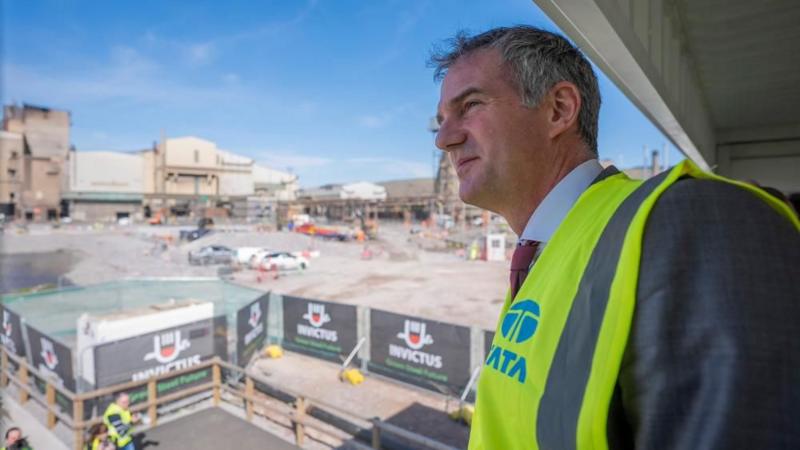
The UK government plans to increase domestic steel production to meet half of its steel needs while reducing steel imports through higher tariffs. Imported steel above certain quotas will face a new 50% tariff, starting in July. The measures aim to support the UK steel industry and counter cheaper foreign steel.
Key Facts
The UK plans to produce 50% of the steel it uses domestically.
Imported steel will have a 50% tariff if it exceeds new quotas.
Quotas for imported steel will be reduced by 60% from July.
The government's plan excludes contracts agreed before March 14 from the new tariff.
Tariffs are extra charges on foreign goods that can raise costs for businesses and consumers.
UK steelmakers face high energy costs, making production expensive compared to other countries.
The government is keeping steel operations running in Scunthorpe and Rotherham to prevent closures.
The initiative aims to address global steel overcapacity and ensure the stability of UK steel production.
Read the Original
Want the full story? Tap a source to open the original
article.
Pop Mart and Sony Pictures are working together to create a Labubu movie, featuring the popular toys. The film will mix live action and computer-generated animation and is currently in the early stages of development.
Key Facts
Labubu dolls, made by Pop Mart, will be featured in a new movie by Sony Pictures.
The movie is in "early development" and will use both live action and computer-generated animation.
Paul King, known for directing "Wonka" and "Paddington," will direct the movie.
Labubu dolls helped Pop Mart become a large toy company, valued at nearly $40 billion.
The toys are popular worldwide and are part of a series created by Hong Kong artist Kasing Lung.
The Labubu movie was announced during a global exhibition tour celebrating the toys' 10th anniversary.
Labubu toys are often sold in "blind boxes," where buyers do not know which one they will receive.
The film aims to help Pop Mart grow from a toy company into an entertainment brand.
Read the Original
Want the full story? Tap a source to open the original
article.
Millennials are advised to make changes to their resumes due to a competitive job market, such as shortening their work history to appear younger. This strategy is intended to avoid age discrimination in hiring and is supported by some career advisors and organizations.
Key Facts
Millennials are cutting down their work history on resumes to appear younger.
Advice from social media and career coaches suggests limiting resumes to 10 years of experience.
Fortune reports that millennials are removing older job roles and graduation dates.
AARP recommends focusing on recent experience and omitting older details.
A 2024 survey found that 90% of workers over 40 experience age discrimination.
Layoffs have increased competition for mid-level corporate roles.
Some career experts suggest that reframing experience may be more effective than minimizing it.
Ageism in hiring is reportedly worsened by automated screening systems.
Read the Original
Want the full story? Tap a source to open the original
article.
U.S. farmers are worried about rising fertilizer costs because of the conflict in Iran. Many, like Tennessee farmer Todd Littleton, face higher expenses as prices increase by 40%.
Key Facts
U.S. farmers are experiencing a rise in fertilizer costs due to the conflict in Iran.
Farmer Todd Littleton expects to pay $100,000 more for fertilizer this season.
This price increase is about 40% higher than what he paid last year.
Littleton is a third-generation farmer from Gibson County, Tennessee.
Some farmers have faced financial difficulties in recent years due to record losses.
The increase in fertilizer prices adds financial pressure on farmers already struggling.
Read the Original
Want the full story? Tap a source to open the original
article.
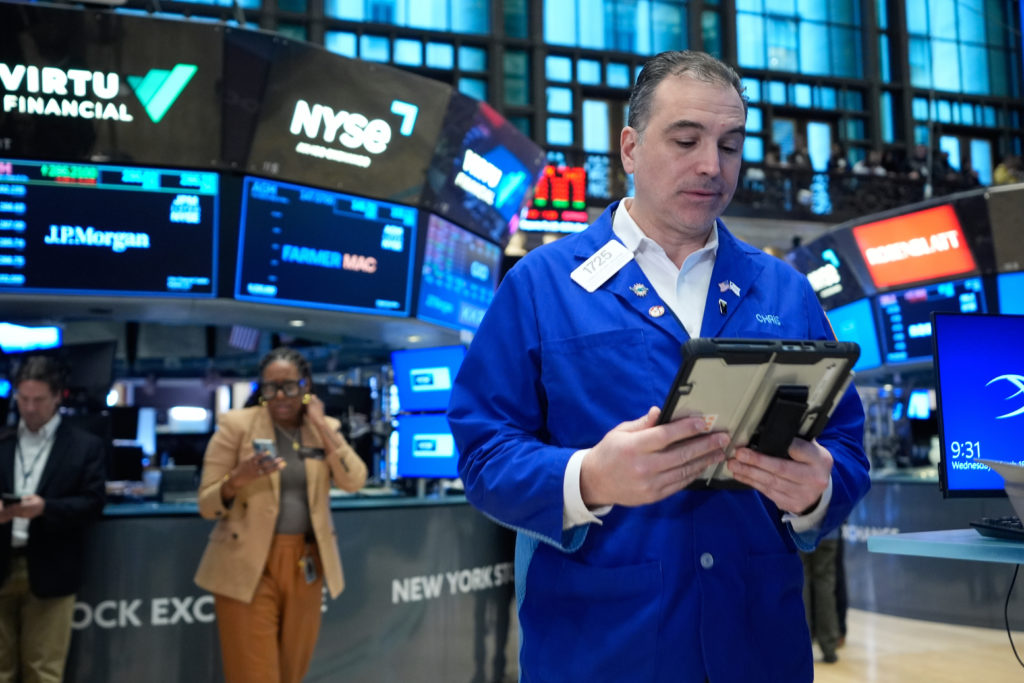
U.S. stocks fell due to concerns about rising inflation, as reported inflation figures were set to worsen. The S&P 500, Dow Jones Industrial Average, and Nasdaq all showed losses.
Key Facts
U.S. stocks declined on Wednesday.
Concerns are rising about inflation getting worse.
The S&P 500 dropped by 1.1%.
The Dow Jones Industrial Average decreased by 668 points, or 1.4%.
The Nasdaq composite fell by 1.1%.
An inflation report suggests worsening conditions.
The economic situation is affected by the war with Iran.
Read the Original
Want the full story? Tap a source to open the original
article.
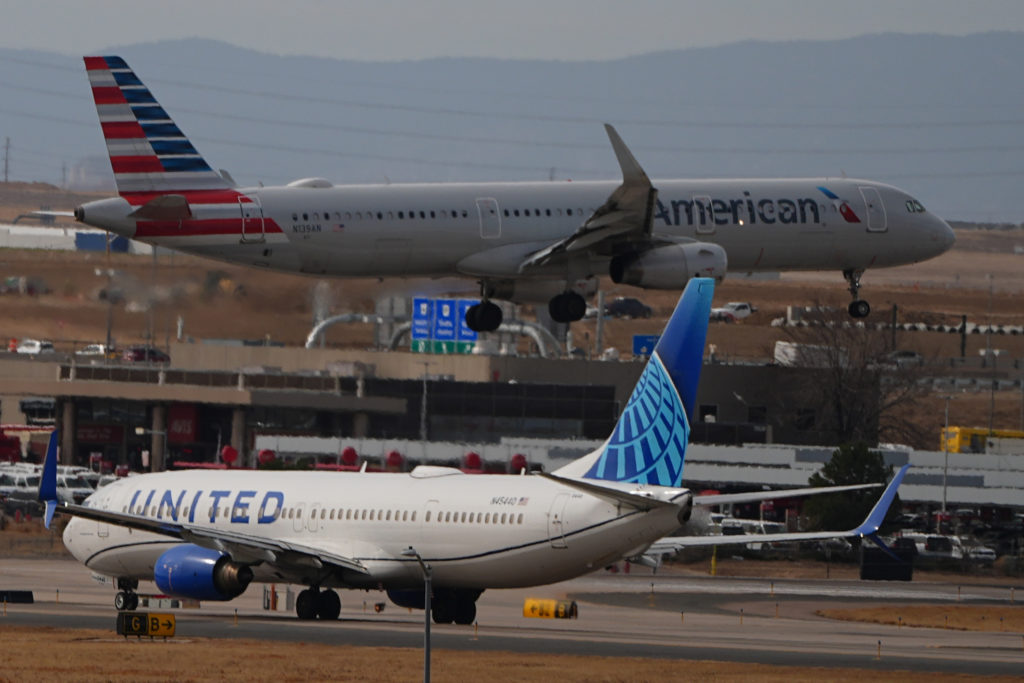
Major U.S. airlines report that despite rising jet fuel costs due to conflict in the Middle East, they still expect good profits. Strong ticket sales are helping offset these increased expenses.
Key Facts
U.S. airlines face rising jet fuel costs because of a conflict in the Middle East.
Airlines expect to maintain their profit margins despite these higher costs.
Delta Air Lines, American Airlines, and United Airlines reported record bookings this year.
Airline executives shared these updates with investors.
Increased ticket sales are helping to balance the extra fuel expenses.
Read the Original
Want the full story? Tap a source to open the original
article.
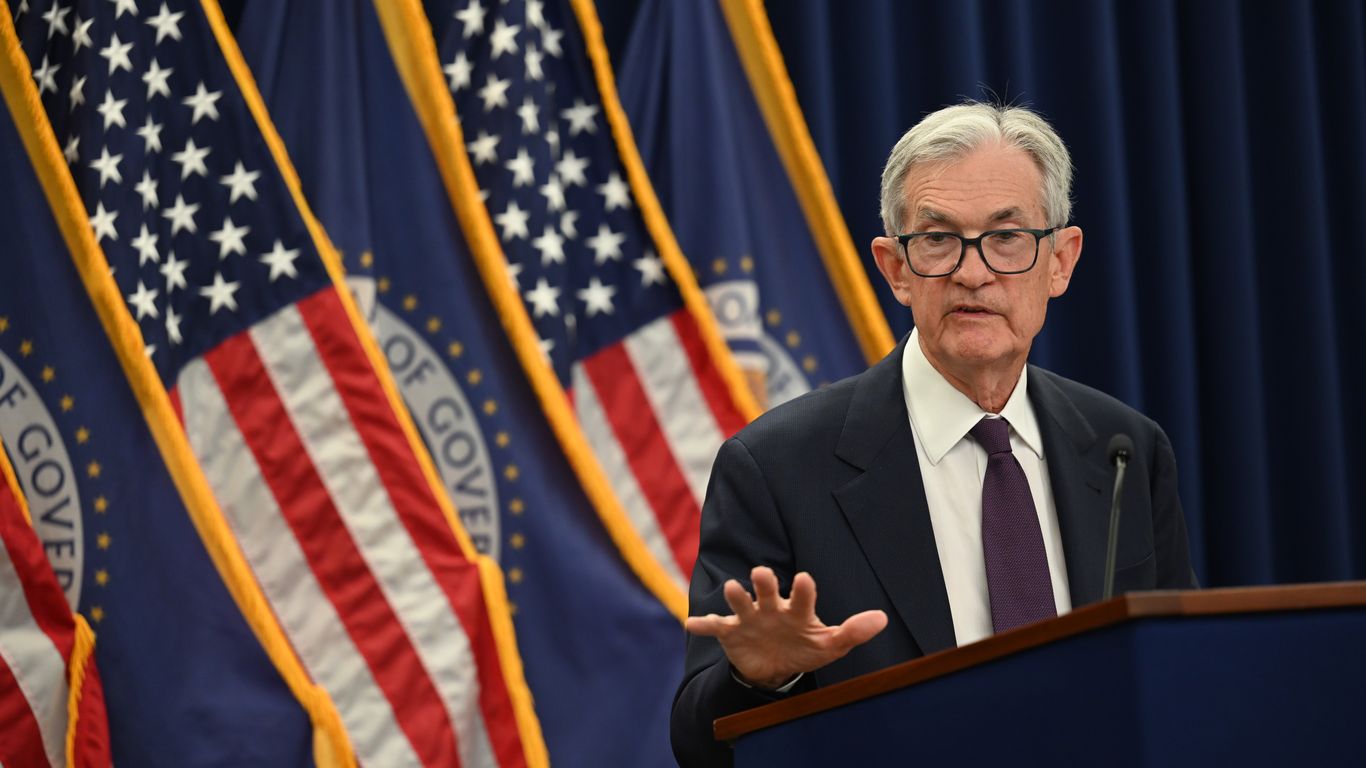
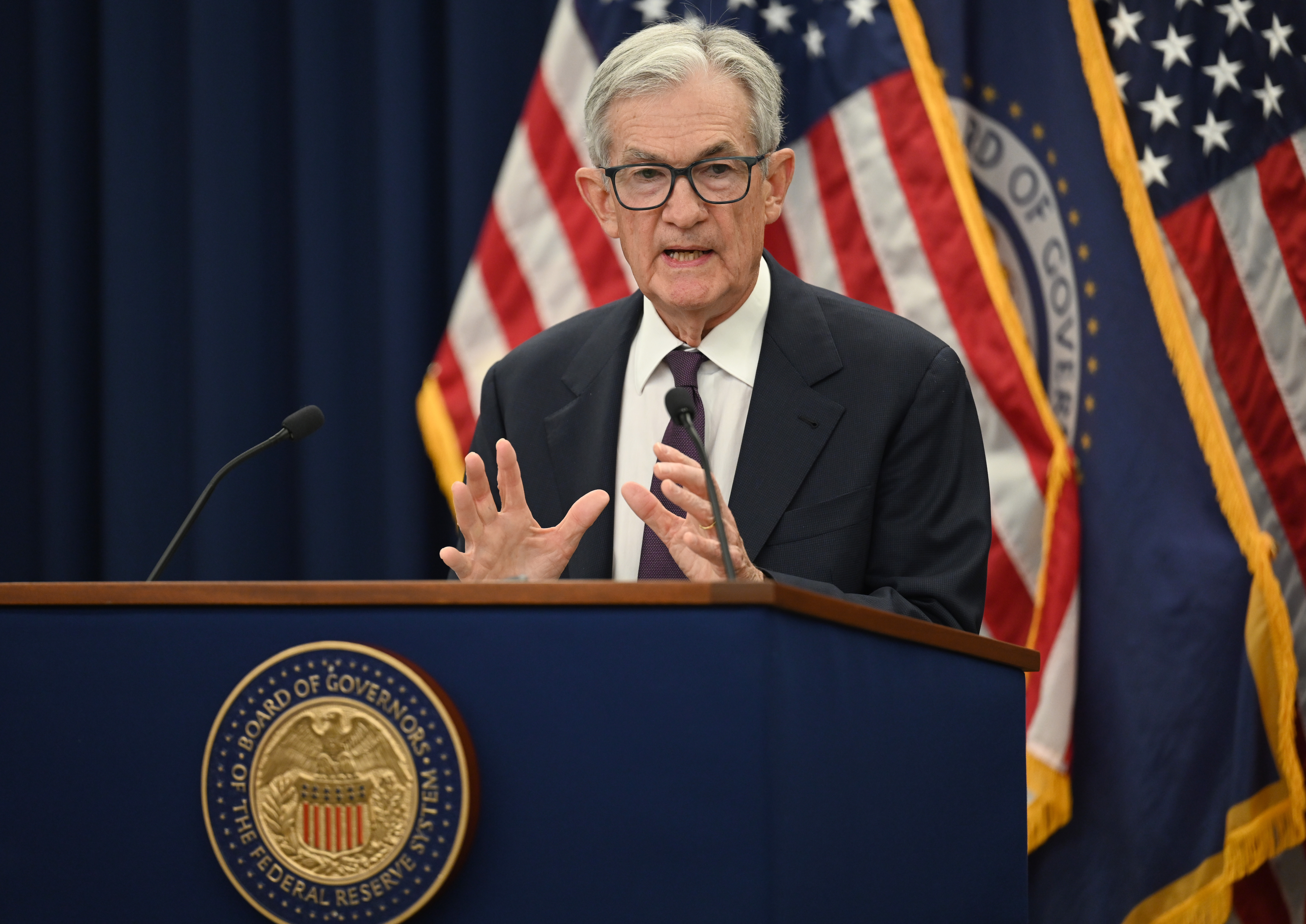
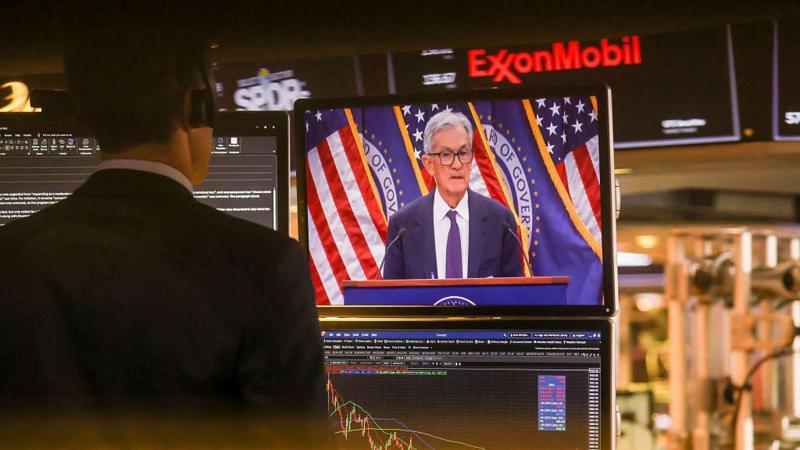
The Federal Reserve decided not to change interest rates, and Jerome Powell, the chair, will stay in his position until a successor is confirmed. President Trump has nominated Kevin Warsh to replace Powell, but the confirmation is stalled by Senator Thom Tillis due to an ongoing investigation. The Fed is facing uncertain economic impacts due to the situation in the Middle East.
Key Facts
The Federal Reserve kept interest rates steady at 3.5% to 3.75%.
Jerome Powell will remain as chair until his successor is confirmed.
President Trump nominated Kevin Warsh to succeed Powell.
Senator Thom Tillis is blocking Warsh's confirmation due to an investigation.
Powell committed to staying until the investigation concludes.
Rising oil prices from Middle Eastern tensions add economic uncertainty.
Fed officials have differing views on future interest rate changes.
New projections show an increase in expected inflation rates.
Read the Original
Want the full story? Tap a source to open the original
article.
The Federal Reserve noted that the conflict involving Iran might increase inflation this year, though it does not expect a big impact on economic growth. They maintained the current interest rate at 3.6% and plan to cut rates in 2026. The Fed predicts inflation will rise to 2.7% by the end of this year due to higher gasoline prices, with a long-term target of returning to 2% by 2028.
Key Facts
The Federal Reserve expects the Iran conflict to raise inflation mainly through higher oil and gasoline prices.
The Fed kept the short-term interest rate at 3.6% during their latest meeting.
Policymakers anticipate decreasing interest rates in 2026.
Inflation is expected to hit 2.7% by the end of 2023.
Core inflation, which excludes food and energy, is also projected at 2.7% for the year.
The duration of the Iran conflict is a key factor in determining future inflation and rate decisions.
The Fed aims to reduce inflation to 2.2% by 2027 and reach their 2% target in 2028.
The Fed holds eight policy meetings yearly to discuss economic forecasts and rate moves.
Read the Original
Want the full story? Tap a source to open the original
article.
The U.S. central bank decided to keep interest rates steady in response to a rise in oil prices caused by the conflict involving the U.S., Israel, and Iran. This decision was made despite President Donald Trump’s push to lower rates, as the Federal Reserve is concerned about rising prices and economic uncertainty.
Key Facts
The Federal Reserve kept its key interest rate between 3.5% and 3.75%.
Oil prices have increased due to the conflict involving the U.S. and Iran, affecting economic stability.
President Trump has urged for lower borrowing costs, but the Fed remains cautious.
The rise in oil prices is pushing gas prices in the U.S. to the highest since 2024.
Policymakers expect inflation to reach 2.7% this year, up from a previous prediction of 2.4%.
Economic growth is forecasted at 2.4%, a slight increase from an earlier 2.3% estimate.
The unemployment rate is expected to remain steady at 4.4%.
Most members of the Fed's board anticipate at least one rate cut this year.
Read the Original
Want the full story? Tap a source to open the original
article.
Many companies are increasingly using Artificial Intelligence (AI) to screen job applications, which some job seekers find challenging. AI can quickly sort through applications, but this means fewer applications might be seen by humans. The process can be frustrating for applicants, and some are using AI themselves to write their applications.
Key Facts
Many job seekers experience quick rejections due to AI screening in the job application process.
AI is often used in the initial stages of hiring, such as reviewing resumes and conducting video interviews.
Job vacancies in the UK have reduced significantly since the peak after the pandemic.
About 89% of UK recruiters plan to increase their use of AI in hiring this year.
AI helps employers manage large numbers of applications but can leave many candidates frustrated.
Some candidates use AI to help write their job applications, matching the technology used by employers.
Law firms and other companies are testing AI tools to efficiently handle large volumes of applications.
There is a concern that AI may introduce bias in the recruitment process, though some believe it could also make it fairer.
Read the Original
Want the full story? Tap a source to open the original
article.
Senator Mark Warner is questioning a $10 billion fee related to TikTok's sale to U.S. buyers, reportedly paid to the U.S. Treasury Department. Warner is asking the Treasury Secretary how this fee was decided and plans to ensure it complies with federal rules. The deal involved Oracle and Silver Lake acquiring stakes in TikTok, with communication from key parties being notably absent.
Key Facts
Senator Mark Warner has concerns about a $10 billion fee linked to TikTok's sale.
The fee is reportedly paid to the U.S. Treasury Department.
Warner sent a letter to the Treasury Secretary asking about the fee's approval and compliance with the Anti-Deficiency Act.
The total price for TikTok's sale was $24 billion, not the initially reported $14 billion.
Oracle and Silver Lake each now own 15% stakes in TikTok U.S.
Neither the Treasury Department nor TikTok U.S. responded to requests for comment.
Details regarding the payment method for the fee remain unclear.
The situation reflects the government's involvement in approving the sale.
Read the Original
Want the full story? Tap a source to open the original
article.
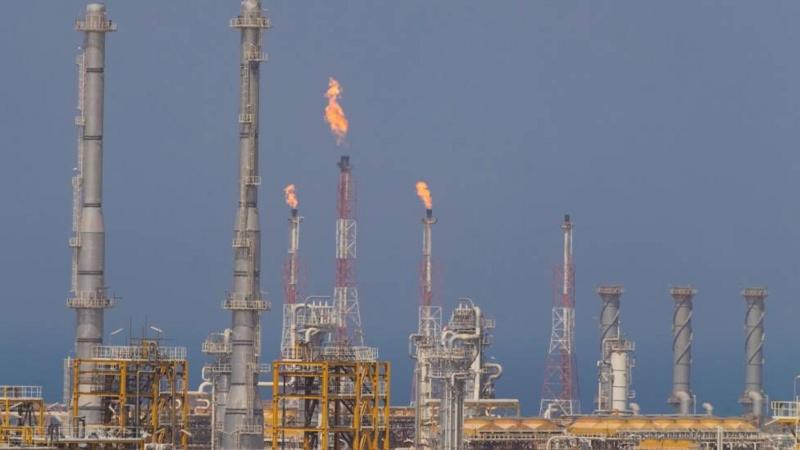
Oil prices neared $110 a barrel after reports of an airstrike on a major gas field in Iran. The Brent crude oil benchmark spiked over 5% following the news, while Iran and Qatar responded to the incident with warnings and operational changes.
Key Facts
Oil prices rose sharply to almost $110 per barrel after an airstrike report on Iran's South Pars gas field.
The Brent crude oil benchmark increased by over 5%, reaching $109.91 a barrel.
UK gas prices also increased by 6% but later fell slightly.
Iran's oil ministry reported a fire at the gas complex that was under control, but damage details were unclear.
Iran's military warned of a strong response to attacks on its energy infrastructure.
Iran stopped gas supplies to Iraq to ensure domestic availability.
Qatar, which shares the gas field, paused some production due to the conflict.
Qatar's foreign ministry highlighted the threat to global energy security from such strikes.
Read the Original
Want the full story? Tap a source to open the original
article.